
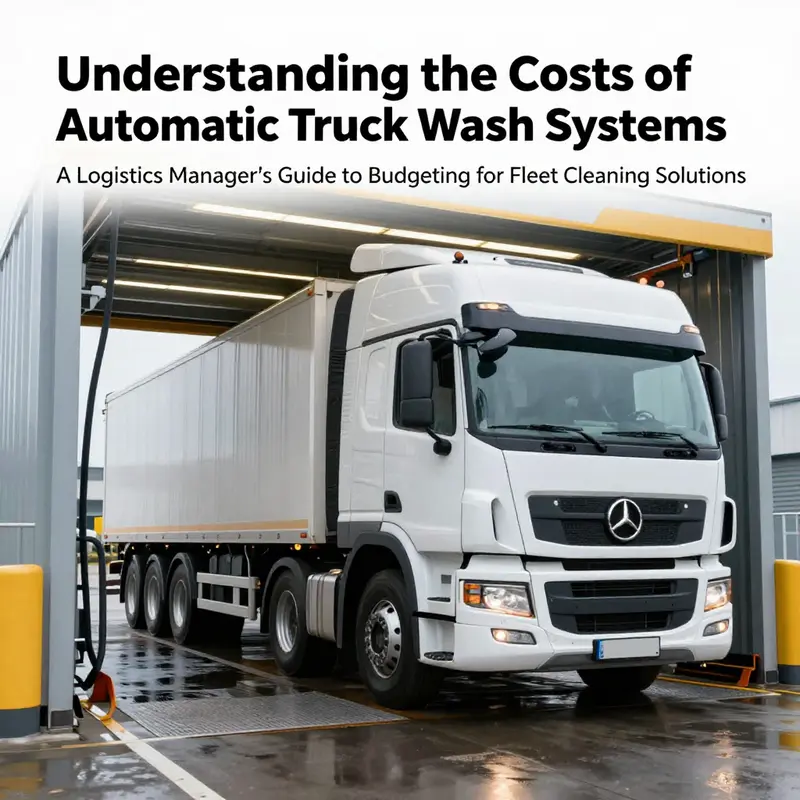
Efficient fleet maintenance is essential for logistics, trucking, and construction sectors. Automatic truck wash systems offer a streamlined solution for maintaining vehicle hygiene, prolonging asset life, and enhancing overall fleet efficiency. Understanding the costs associated with these systems is vital for fleet managers and owners aiming to optimize their cleaning operations. This article delves into the financial landscape of automatic truck wash systems, examining their cost structure, the factors influencing pricing, and the various types available to help your organization choose the best fit.
The True Price of Clean: Weighing CapEx, OpEx, and Value in Automatic Truck Wash Systems
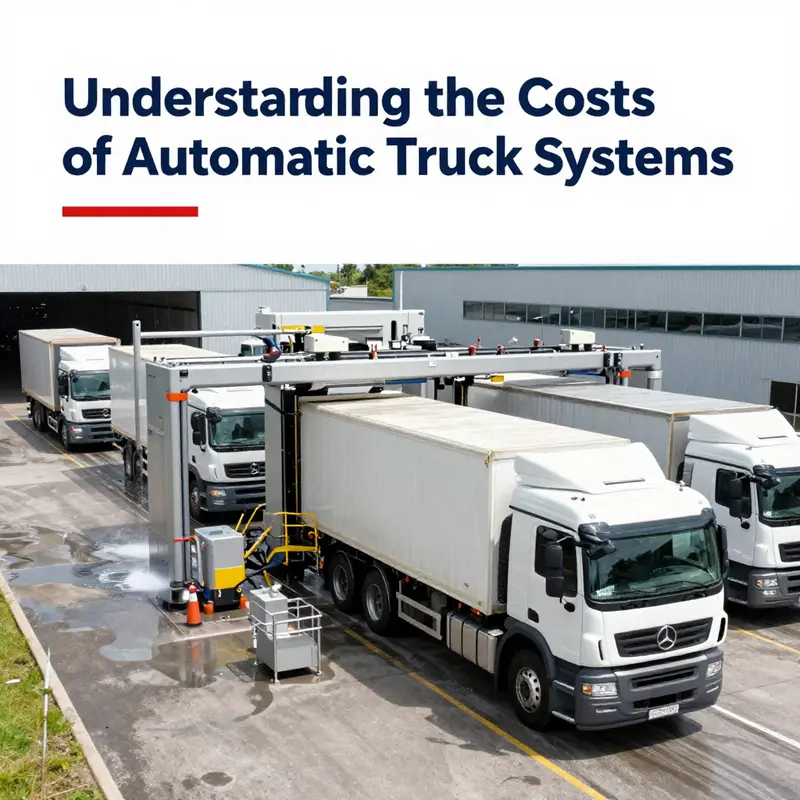
Price is more than a number on a quote. In the world of automatic truck wash systems, the sticker price often hides a web of decisions about capacity, reliability, water use, energy efficiency, and service requirements. For fleets that depend on regular, predictable cleaning—whether to maintain grip on uptime, fuel efficiency, or regulatory compliance—the initial investment becomes a starting point for a broader calculation: what will this system cost us over its entire life, and how will it impact our bottom line in terms of savings, risk, and growth?
The current landscape reflects a wide spectrum. As of early 2026, new automated truck wash configurations span from entry-level setups that begin in the low to mid tens of thousands, to full-scale, high-throughput tunnels that can push well beyond the six-figure mark and into seven-figure territory for turnkey fleets. The differences are not merely cosmetic. Size and throughput drive the core price, but so do the features that determine water usage, energy consumption, drying quality, filtration, and the level of automation and control. The broad lesson is simple: the initial price is a reflection of capacity and sophistication, not a fixed ceiling on what a wash system can cost you.
Smaller or more basic models can appear on the market around the mid-teens to mid-twenties in thousands of dollars. In practical terms, these are light-duty or compact, full-setup systems designed for single-truck entities or very small fleets. They provide a complete package—wash, rinse, and dry—with technologies oriented toward efficiency and compact footprint. For buyers with limited space or lower daily throughput, these entry points can be attractive because they reduce capital outlay and can still deliver consistent results. Still, price alone tells only part of the story. Maintenance cycles, spare parts availability, and the costs associated with keeping a compact system performing at peak can tilt the long-term economics toward either affordability or incremental cost.
Mid-range configurations typically sit in a broader band, often described in market discussions as standard tunnel wash systems. These setups are the workhorses of many fleets: reliable, capable of higher throughput, and adaptable to varying vehicle sizes, load types, and wash cycles. The purchase price for these configurations depends on the exact tunnel length, the number of wash stages, the degree of automation, and the presence of ancillary features such as automated chemical dosing, advanced filtration, and drying options. In the market, these configurations are frequently evaluated in terms of value and return rather than just price. They offer a balance: solid throughput with a robust after-sales ecosystem, and the potential for modest to substantial long-term savings if operated efficiently and maintained well.
High-end systems—especially those that integrate water recycling, maximize throughput, and deploy sophisticated automation—command the premium end of the spectrum. The appeal here is not only speed but consistency, waste reduction, and the ability to tailor operations to large, diverse fleets. Yet even within this tier, the price can reflect the degree of customization demanded by a particular fleet, the complexity of integration with existing site infrastructure, and the length of warranties and support commitments. In some instances, turnkey projects that embed site preparation, electrical upgrades, drainage improvements, and ongoing service contracts can approach or exceed the $300,000 mark for a single complex facility. That figure may seem daunting, but it also underscored a reality: buyers are not simply purchasing a wash; they are acquiring a system that shapes fleet uptime, maintenance schedules, and environmental stewardship for years to come.
To build a practical framework, it helps to distinguish cost components beyond the base price. The upfront purchase price is only the first line item. Installation and commissioning, which include site assessment, trenching for power and water, drainage alignment, and potential structural modifications, can add a meaningful delta. Shipping and handling, often negotiated separately, may fall to the buyer or the seller depending on terms, and freight risks must be considered, especially for systems that must travel long distances or traverse challenging terrain before installation.
Then come the ongoing operating expenses. Water use is a central variable. Conventional wash systems consume significant volumes of water, and even a seemingly modest reduction in water waste can translate into meaningful savings over years. Water recycling options, when included, dramatically alter the ongoing cost profile by reclaiming wash water and reducing fresh-water demand. In markets with high wastewater disposal costs or strict environmental regulations, recycling can convert an operating expense into a more predictable, lower-cost input. Energy consumption follows a similar arc. High-throughput tunnels rely on powerful pumps, high-pressure jets, and efficient yet demanding drying stages. Energy-intensive setups can carry higher electricity costs, but modern designs increasingly emphasize efficiency, smart controls, and low-bleed cycles that minimize waste.
Maintenance costs deserve careful attention as well. All mechanical systems require parts replacement, seals, bearings, and occasional motor service. Consumables such as detergents, waxes, and filtration media recur on a regular cadence. High-end systems may offer more durable components and longer service intervals, but their maintenance ecosystem can be more complex and costly if the wrong parts are used or if the service network is sparse. Beyond parts, the availability of skilled technicians matters. A system with a broad service network, clear remote diagnostics, and robust warranty coverage typically reduces downtime and unexpected expenses.
Warranty coverage can be a meaningful indicator of long-term value. Entry-level or basic setups sometimes come with limited warranties or shorter coverage periods, while mid-range and premium configurations often include extended protections and remote monitoring. A notable advantage in some cases is a two-year warranty and lifetime online support included with certain entry-level packages. The practical effect is this: predictable costs during the early years, plus peace of mind that a service team will be available as the fleet grows or seasonal demand shifts.
In addition to the direct purchase price and service terms, site owners should account for potential financing arrangements. Leasing or financing can transform a large, upfront outlay into manageable monthly obligations. The economics of leasing versus buying hinge on tax treatment, depreciation schedules, financing rates, and how quickly the fleet can benefit from improved throughput and labor savings. For some operators, lease terms align more closely with budget cycles and cash-flow considerations, enabling faster scale without tying up capital needed for other capital projects. Conversely, outright purchase may maximize tax advantages and grant ownership of a durable asset that remains on the balance sheet for many years.
The decision matrix becomes richer when operators examine the total cost of ownership, not just the first quote. A disciplined evaluation considers maintenance predictability, spare-parts supply, and the reliability of the vendor’s service network. It also accounts for the costs of site preparation, which can include upgrading drainage to handle recycled water streams, reinforcing floors to bear equipment weight, and ensuring electrical infrastructure can meet peak demand. In some regions, permitting, environmental compliance, and disposal fees add additional layers of cost that must be anticipated before a shovel meets concrete.
An essential part of this calculus is performance-linked value. The right system should deliver measurable gains in uptime, vehicle cleanliness, and throughput per hour. Cleaner trucks reduce corrosion risk and improve driver satisfaction, while faster washing schedules translate into more trips completed per shift. The economic payoff surfaces in several channels: reduced labor costs per vehicle, lower rework due to substandard wash quality, fewer detours for repairs caused by vehicle downtime, and the ability to scale operations to meet peak demand without sacrificing quality.
For operators planning the practicalities of implementation, the choice often comes down to a blend of site-specific constraints and strategic aims. A compact setup might fit in a former maintenance bay with minimal upgrade, delivering modest throughput while preserving valuable real estate. A larger tunnel system may require significant site prep but unlock the possibility of serving multiple fleets or a broader schedule, making long-term return more compelling. In either case, the decision must balance the upfront price with anticipated maintenance costs, energy and water usage, and the reliability of post-sale support.
A helpful compass for evaluating bids is to translate each price point into a lifecycle scenario. Suppose a mid-range system is selected with moderate automation and standard features, intended to handle a steady stream of trucks per day. The enterprise should model annual water and energy costs with and without recycling features, project maintenance intervals for pumps and seals, and estimate spare-parts budgets aligned with the vendor’s recommended service plan. If a high-throughput, fully automated system is pursued, the model should incorporate not only the higher initial investment but also the potential for greater labor savings during night shifts, higher daily wash counts, and the capacity to expand to additional bays as demand grows. Across all scenarios, the most reliable assessments emerge when operators incorporate risk margins for unexpected downtime, supply chain delays for parts, and potential environmental compliance contingencies that may require additional equipment or monitoring.
As you weigh these numbers, remember an internal truth of industrial equipment: the price is a function of scope. The same fundamental choices—throughput, automation level, water handling, drying quality—shape both the initial outlay and the ongoing costs. Operators who approach procurement with a clear picture of total cost of ownership tend to secure not just a better deal upfront, but a stronger platform for future growth. If the aim is to build a facility that can scale with demand while maintaining predictable expenses, the planning stage should emphasize not only the price tag but also the practical realities of running and sustaining the system for years.
For fleets that are designing or upgrading their wash facilities, a practical step is to consider the broader operations picture. Site layout affects wash cycle times and truck queuing. Workflow must align with maintenance windows, driver shift patterns, and loading or unloading activities. The smarter approach often involves a careful balance: a system with slightly higher upfront cost but lower operating costs and better reliability can outperform a cheaper unit that demands frequent repairs or costly consumables. This is where partnering with a supplier who can align system features with your operational goals becomes invaluable. They can provide realistic benchmarks for annual throughput, downtime risk, and energy and water savings, which matter far more over five to ten years than the initial quote alone.
From a practical standpoint, it is also worth integrating your procurement thinking with site operations planning. A well-structured facility management blueprint, which addresses water reuse, waste handling, chemical storage, electrical loads, and emergency shutoffs, helps ensure that the system you invest in will operate within regulatory and safety expectations. A dedicated resource on facility management for truck wash businesses explains how to align equipment choice with maintenance schedules, staffing models, and compliance requirements. This alignment matters because the best investment on paper can underperform if the operating environment undermines reliability or safety. You can explore this facet in more depth here: facility management for truck wash businesses.
If you want a benchmarking anchor from the wider market, consider how suppliers frame the value proposition. Several sources describe entry-level packages that include two years of warranty and ongoing online support, which can significantly ease the transition from purchase to operation for smaller fleets or new entrants. At the other end of the scale, premium configurations with advanced cleaning technologies, automation layers, and high recycling rates promise not only higher throughput but also lower long-term water and chemical costs, often supported by robust service contracts. The reality is that both paths exist, and the right choice depends on your fleet size, regulatory environment, and growth trajectory. A thorough price-to-performance analysis should quantify how much each upgrade option reduces bottlenecks, how quickly it pays back, and what residual value it preserves if you later decide to scale or upgrade again.
In every pricing scenario, remember the practical implication of regional differences. Local energy prices, water costs, and disposal fees can tilt a seemingly neutral economic picture toward one configuration or another. This is not merely a math exercise; it is a planning exercise that seeks to map capital decisions to fleet reliability, driver satisfaction, and environmental stewardship. Organizations that approach purchasing with this holistic mindset tend to achieve more predictable maintenance windows, steadier cash flows, and a more resilient operation during period spikes in demand or supply chain disruptions.
External benchmarking, while helpful, should be treated as one piece of the puzzle. For a broader view of the market’s pricing dynamics and to compare a range of configurations, professionals often consult external industry resources and vendor catalogs. An important note for readers who want to dig deeper into pricing benchmarks is to review current market listings and to verify terms, since shipping costs, installation charges, and regional incentives can significantly affect the final cost of ownership. For those who want a practical point of reference beyond the numbers, a well-curated external listing provides a snapshot of how prices can scale with capacity and features. External benchmarking can be found here: https://www.alibaba.com/product-detail/Full-Automatic-Tunnel-Car-Washing-Machine-Wash_1600751471775.html.
In the end, the question “how much does an automatic truck wash cost?” does not have a single answer. It is a spectrum shaped by capacity, automation, water and energy strategies, and the level of service you require. The task for buyers is to translate the sticker price into a multi-year plan that includes maintenance, consumables, potential site upgrades, and workforce implications. When done thoughtfully, the investment in an automatic wash system can yield dividends in uptime, cleaner fleets, and environmental performance that align with the company’s broader operational and sustainability goals. The most durable decisions come from combining clear price data with realistic operating assumptions, supplier reliability, and a vision for how the wash system supports the fleet’s future needs.
External link note: for additional market context and product benchmarks, readers may consult the external listing linked above. Internal link note: for practical guidance on aligning facility management with wash-system investment, refer to the dedicated article on facility management for truck wash businesses.
Cost Frameworks for Automatic Truck Wash Systems: From Upfront Investment to Ongoing Considerations
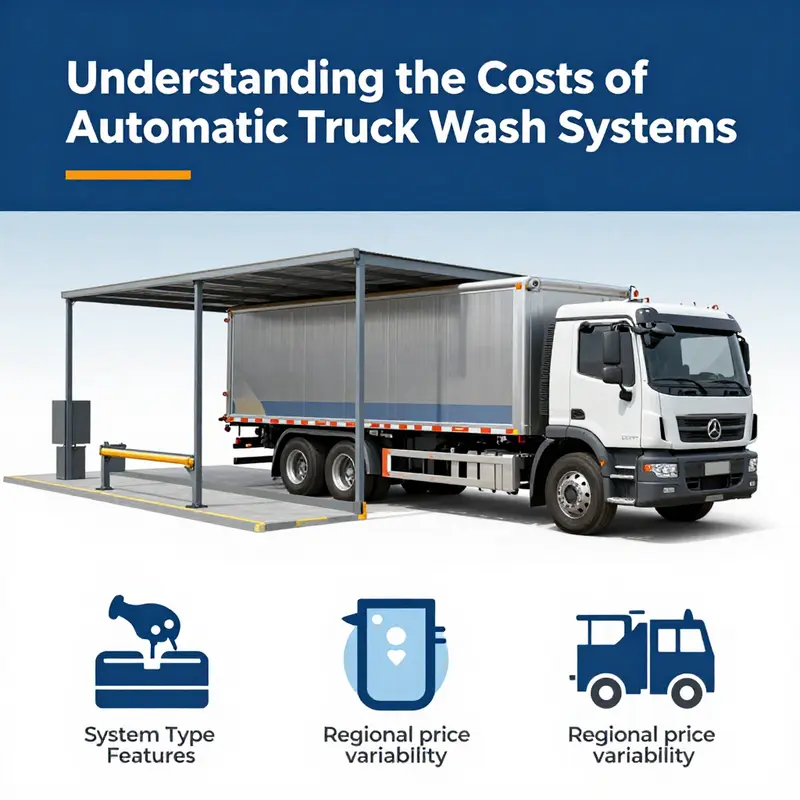
When fleets weigh the decision to automate their wash process, the question of cost tends to anchor the conversation. The sticker price is only part of the story; the real economics unfold over years of operation, maintenance, and throughput. Market data point to a wide spectrum of prices, driven by the system’s size, the technology it uses, installation requirements, and the quality of its ancillary features. In practical terms, a small, compact automated unit can begin around ten thousand dollars, while standard tunnel configurations for heavier vehicles typically land in the range of twenty thousand to forty-five thousand dollars. High-end, turnkey installations with advanced water recycling and high throughput can push toward fifty thousand dollars or more. Understanding these numbers in context helps managers estimate not just the initial outlay but the total cost of ownership over the system’s lifetime, including maintenance and consumables, which often shape the true financial payback of the investment.
A central rule of thumb emerges from the current market landscape: basic units offer entry points under ten thousand dollars, but a business-grade automatic truck wash system—one designed to handle regular commercial demand and deliver consistent throughput—generally falls between roughly twenty thousand and forty-five thousand dollars. Some extended configurations, especially those with integrated water recycling, sophisticated sensors, or fully automated controls, may exceed the mid-point of that band. For many fleets, the decision hinges less on chasing the lowest price and more on selecting a configuration that aligns with volume, vehicle mix, downtime tolerance, and long-term maintenance expectations.
The total cost of ownership expands beyond the sticker price. A well-structured maintenance program can add a predictable annual expense that should be planned for from the outset. In most market offerings, maintenance contracts run from about 5% to 10% of the machine’s value each year. That range translates into a substantial annual budget line, especially for larger systems where downtime can ripple through operations. The maintenance fee typically covers preventive servicing, routine parts replacement, and remote monitoring or on-site visits, depending on the contract’s scope. For fleets that operate around the clock or for those serving high-value or time-sensitive cargo, the cost of potential downtime—whether from unexpected breakdowns or routine service windows—can be a decisive factor in favor of a robust service agreement.
Another recurring expense stream concerns detergents and chemicals. Even with efficient nozzles and recycling features, every wash consumes cleaning agents. When purchased in bulk, bulk-detergent costs often trend in the vicinity of $1.50 to $3.00 per wash, depending on concentrate strength, the target cleanliness level, and whether additives such as de-icing agents or wax enhancers are included. This per-wash cost compounds with daily volume, so a fleet that runs dozens of washes daily could see a meaningful impact on operating margins. The choice between detergent-free or detergent-heavy approaches interacts with the system type. Touchless systems tend to use more chemicals to compensate for the lack of physical contact, while brush-based or gantry-style setups rely on mechanical action to achieve similar results. Each approach carries distinct implications for chemical costs, waste streams, and maintenance cycles.
The technology architecture of the wash itself is a major price driver, and it intertwines with the fleet’s needs. On one end of the spectrum are touchless systems. They use high-pressure jets and specialized detergents to achieve cleanliness without physical brushes touching the vehicle surface. This reduces wear on sensitive paint or wraps and can imply lower maintenance for moving parts but may demand greater chemical and water inputs to reach the same level of soil removal. In contexts where vehicle finishes are particularly valuable or wraps are common, the reduced abrasion can be a compelling long-term benefit. However, the trade-off often shows up in water or chemical intensity and in the potential for residues if run-off management is not optimized.
On the other end are gantry or brush-based systems. These configurations rely on rotating brushes and sometimes rollers to physically scrub surfaces, deliver consistent contact across hard-to-reach areas, and generally deliver rapid, uniform results. They tend to command higher up-front costs because of the mechanical complexity, installation requirements, and the durability demanded by heavy trucks and buses. The price delta between touchless and gantry configurations often reflects not only the equipment itself but also the installation burden, protective enclosures, and the sophistication of the control system that orchestrates multiple axes of motion, water reuse, and time-based wash cycles. In practice, the choice between these technologies should be guided by the nature of the fleet, the level of permissible downtime, finish quality expectations, and environmental considerations, including water usage and effluent management.
Installation requirements are frequently underestimated in early budgeting. The physical footprint of the wash—length, width, and turning radii—must align with the fleet’s maneuvering patterns. A facility that already has an established circulation path may adapt with modest changes, but a space with tight bays, limited drainage options, or inadequate water pressure necessitates more substantial site work. Drainage and wastewater handling are especially important in regions with strict regulatory expectations. The upgrade cost to meet environmental and water management standards can be material, because modern automated washes often incorporate filtration, recycling, and treatment steps to reduce fresh-water demand and to minimize effluent carries. If a site lacks adequate pressure or has inconsistent electrical supply, the integration of power, water, and waste lines can become a sizable line item in the overall project budget.
Beyond the physical plant, the operational design of the wash influences long-run costs. Throughput—the number of vehicles cleaned per hour—determines whether the investment is appropriate for the fleet’s scale and peak times. High-throughput systems deliver more washes per shift and can justify higher capital costs by curtailing vehicle wait times, accelerating yard movements, and reducing queue pressure at loading docks or service bays. Conversely, smaller fleets with modest wash needs may achieve favorable economics with lower-throughput systems that have simpler control logic and fewer moving parts. The price-to-performance balance shifts as throughput expectations rise; a system that clears a hundred trucks per day may be dramatically more valuable than one that handles a dozen, even if the latter costs less upfront.
Maintenance and service are not monolithic. Some operators favor extended warranties and on-site service options that include spares and remote diagnostics. Others opt for more flexible, pay-as-you-go models with limited coverage, preferring to manage spare parts inventory and on-call technicians themselves. The cost implications extend beyond the annual maintenance percentage. On-site visits can incur labor charges, travel time, and expedited parts shipping, while remote monitoring can provide early warning signals for wear or abnormal performance, potentially reducing unplanned outages. The reliability of the wash is as much a financial question as a technical one. A system that experiences frequent downtime or requires premium parts frequently will erode any savings achieved through a lower upfront price. Conversely, a well-supported system with predictive maintenance can smooth cash flow and protect margins over the life of the asset.
No cost discussion is complete without considering supply chain and regional differences. Geographic location affects the price of labor, availability of qualified technicians, energy prices, water costs, and even permitting or inspection fees. In some regions, strict environmental regulations may drive higher costs for effluent treatment or water recycling, while in others, incentives or grants may offset capital outlays for energy or water efficiency improvements. The regional mix can thus tilt the economics of automation meaningfully, even when the underlying technology is similar. Fleet managers should incorporate a risk assessment that considers regulatory volatility, potential future restrictions, and the likelihood of evolving standards that could affect both installation and ongoing operation.
An integrated, facility-wide approach to cost management can help align upfront investments with ongoing operating needs. This perspective considers how a wash system fits into the broader facility workflow, including lane design, ancillary equipment, and maintenance scheduling across the fleet’s sites. The maintenance philosophy should match the expected life cycle of components, with plans for brush wear, pump seals, motor bearings, and sensor calibrations. Even the best price on a unit can be undermined by overlooked maintenance intervals or insufficient spare-part planning. For readers seeking a practical lens on aligning capital planning with facility operations, a dedicated look at facility management for truck wash businesses offers a structured way to coordinate procurement, installation, and service. facility management for truck wash businesses.
With these dynamics in mind, fleets often frame a simple forecast to guide decision-making. Start with the expected annual wash count, the mix of vehicle types, and the required finish standards. Then map the throughput to the system’s duty cycle and estimate the daily water and chemical consumption. Add the maintenance and technical service costs as a percentage of the equipment value and layer in any site-specific installation costs tied to space, drainage, and electrical upgrades. The result is a model that yields a plausible range for total cost of ownership over a defined horizon—typically five to ten years—and, crucially, a sense of when the investment crosses into a favorable return zone. Because the ranges reflect real-market dynamics rather than theoretical possibilities, they help fleet managers avoid over- or under-investing in automation.
The overarching takeaway is straightforward: price ranges reflect more than a sticker price. They encode the expected balance of throughput, durability, maintenance certainty, and total operating expense. A fleet that prioritizes maximum uptime and rapid cycle times will likely gravitate toward higher upfront costs if those costs translate into lower downtime, less chemical waste, and stronger resale value. A smaller operation, seeking a conservative investment and flexible operational control, might accept a modest upfront price with correspondingly tighter service terms. In any case, the smartest shopping habit is to couple price with a careful appraisal of total cost of ownership, using a realistic service plan, clear perceptions of downtime, and a robust understanding of chemical and water management. These elements together determine not just how much an automatic truck wash costs, but how much it is worth to a given operation over the system’s life.
For readers who want a concise external reference that distills these pricing themes, a useful external overview consolidates the core ranges and considerations without the fog of marketing language. This backdrop helps frame negotiations with suppliers, lenders, and insurers, and it can serve as a backbone for internal cost-benefit analyses. External resource: https://www.truevalue.com/.
As you reflect on the numbers, remember that the cost of the wash system is only one axis of a broader financial story. The value proposition hinges on how effectively the chosen solution reduces cycle times, lowers labor intensity, minimizes vehicle wear, and improves fleet readiness. The most affordable system in dollars per hour may not be the best investment if it delivers inconsistent results or requires disruptive maintenance schedules that extend downtime. Conversely, the strongest long-term performers often deliver a compelling total cost of ownership by trading a larger upfront outlay for predictable operations, better regulatory alignment, and enduring reliability. The decision, in effect, is a calculation of how your operation weighs upfront capital against the certainty and efficiency of ongoing performance. When fleets can align technology, process, and service into a coherent plan, automation becomes not just a cost but a strategic asset that supports growth, service quality, and competitive differentiation.
In summary, the cost of an automatic truck wash system is best understood as a spectrum shaped by fleet size, technology choice, installation complexity, maintenance commitments, detergent economics, and regional realities. Basic units provide a gateway, but serious commercial deployments rely on configurations that balance throughput with durability and predictable service. The most cost-effective choice, over the long haul, is the one that minimizes downtime, maximizes wash quality, and preserves the life cycle value of the fleet. As always, a precise, forward-looking budget that reflects real-world usage, local conditions, and a thoughtful maintenance plan will yield the clearest road from initial investment to sustained operational efficiency.
Beyond Bristles and Jets: Understanding the Cost Spectrum of Automatic Truck Wash Systems
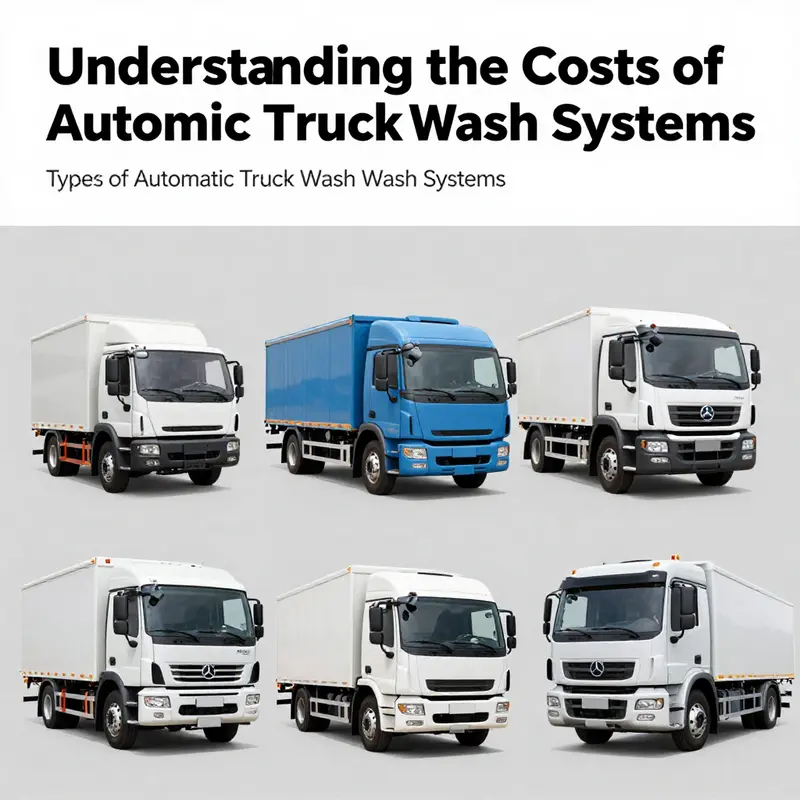
When operators weigh the decision to invest in an automatic truck wash, they often start with one simple question: what will this cost me up front? But the true value of these systems emerges only when you look beyond the sticker price and consider the broader economics of throughput, water and chemical usage, maintenance, space, and long-term reliability. In practice, the cost spectrum for automatic truck wash systems covers a broad range, shaped by system type, size, and the specific features a fleet needs. From compact, basic units designed to handle light workloads to expansive, high-throughput tunnel configurations that recycle water and integrate sophisticated wash programs, prices reflect both capability and durability. The market offers a surprisingly wide band, with small, entry-level options starting near the low five figures and commercial-grade turnkey solutions climbing toward and beyond the mid five figures. Understanding where you sit on that spectrum is essential, because every incremental improvement in automation, recycling capability, or wash customization typically arrives with a commensurate uplift in cost. Yet, for many operators, the incremental cost is justified by the gains in efficiency, compliance, and eventual savings on water and labor. The core task is translating a number on a price tag into a plausible return in terms of uptime, quality, and environmental stewardship over the life of the equipment.
Types of automatic truck wash systems, while sharing a common goal—clean trucks with minimal manual labor—diverge in their approach to contact, water use, and maintenance needs. Two broad categories anchor most buying decisions: touchless systems and fully automatic tunnel systems, the latter sometimes incorporating extensive water recycling and programmable wash cycles. Touchless configurations rely on high-pressure jets and detergents to dislodge dirt without any physical contact with the vehicle’s surface. They minimize wear on paintwork and reduce the risk of brush-related scratches. In environments where debris is intermittent or where paint integrity is a high priority, touchless tech can be especially appealing. However, they can be less forgiving on heavily soiled fleets or trucks carrying stubborn residues; the cleaning power hinges on water pressure and chemical formulation, which means operating cost per wash can be higher if heavy soils persist. On the other hand, full automatic tunnel systems typically offer a broader palette of wash programs, from light to heavy to ultra-fast cycles, and they can be paired with modern water-recycling loops, filtration stages, and chemical dosing controls. For fleets that require frequent wash cycles, large-scale hubs, or operations where water management is regulated or constrained, these systems deliver a combination of throughput, repeatable results, and environmental stewardship that can justify the upfront premium. The decision between touchless and full-auto is rarely binary. Operators often start with a modest, high-utility configuration and scale as demand, throughput targets, and sustainability goals evolve. In practical terms, the market presents a clear ladder: small, compact, or contactless systems that fit tighter footprint and budget constraints; standard tunnel configurations that balance price and performance; and premium, highly automated systems with recycling, tailored wash programs, and high uptime guarantees. The price ladder is not just a function of size; it reflects the sophistication of control software, the robustness of maintenance and service packages, and the ability to recover water and reuse it in meaningful volumes. As a result, a small fleet might price a basic, water-recycling-capable system in the five-figure range, while mid-sized fleets gravitate toward the broader, more capable tunnel systems that combine efficiency and environmental responsibility. Large fleets or operations anchored in industries with exacting cleanliness standards, such as mining or logistics hubs with rapid turnaround, tend to invest in high-throughput, custom-tailored installations that can stretch into the upper end of the spectrum.
Turning to the numbers helps illuminate the landscape. In general terms, basic full-auto systems with recycling capabilities begin around the level of $9,000 to $15,000. These units represent compact, efficient machines that perform reliably and incorporate water-recycling features to curb freshwater use. They are ideal for smaller fleets, single-truck operators, or maintenance yards where space is at a premium and a simple, repeatable wash cycle is sufficient to meet regulatory or cleanliness requirements. For operators who manage a larger volume of vehicles or who must contend with more challenging soils, the market offers mid-range options in the $22,660 to $33,800 bracket. High-capacity models with advanced automation—often including more precise chemical dosing, faster wash cycles, improved spray coverage, and enhanced filtration—tend to fall into this tier. They deliver higher throughput per hour, reduced labor dependency, and a greater degree of control over the wash process. Beyond these mid-range configurations, standard tunnel wash systems frequently populate a broader price corridor that reflects both scale and configurability. In practical terms, many commercial tunnel installations fall in the $18,000 to $45,000 USD range, with commonly cited configurations clustering around the low to mid $20,000s and upper $30,000s depending on the features and the number of wash bays. The most sophisticated full automatic systems—especially those with integrated water recycling, multi-program wash sequences, advanced sensors, and turnkey integration with existing fleet management platforms—tend to approach or exceed $40,000 to $50,000 USD. It is not uncommon for premium models or completely customized turnkey solutions to surpass the $50,000 mark when the project includes on-site construction, complex drainage, and comprehensive warranty and service packages.
Those figures, while helpful as a starting map, require context to translate into a sound purchasing decision. The up-front price is only one piece of the total cost of ownership (TCO). The cost of water, detergents, electricity, and maintenance posture can accumulate quickly or, if managed well, can be driven down meaningfully over the system’s life. Water recycling, for example, dramatically changes the economics by reducing freshwater consumption and lowering disposal costs—an especially attractive feature in regions with water scarcity, high metering, or strict environmental regulations. The economics of recycling depend on several variables: the volume of water used per wash, the effectiveness of filtration and treatment, the level of automation for chemical dosing, and the energy balance of the system. Recycling can reduce ongoing water costs by a substantial margin, but it also introduces capital considerations for filters, pumps, pumps’ energy usage, and occasional maintenance or replacement of filtration media. In some markets, the environmental benefits can translate into incentives, tax credits, or favorable financing terms that tilt the TCO more favorably toward higher-end configurations.
Installation considerations also shape the price tag in meaningful ways. The footprint required for a wash line, the layout of the maintenance yard, drainage capacity, and electrical supply all contribute to installation complexity and cost. A system designed for a two-bay tunnel, suitable for a medium-to-large fleet, will require more space, a robust drainage plan, and potentially reinforced concrete or upgraded utility services. Conversely, a compact unit designed for a small fleet or a mobile operation can be installed with minimal disruption but may require careful design to optimize wash angles and spray coverage within a tighter footprint. In some cases, facilities must invest in upgrades to building controls, data interfaces, or fleet-tracking integrations to maximize the value of the wash system. The result is that even within a given price tier, the total expense can vary significantly depending on on-site conditions, existing infrastructure, and the level of customization the operator demands.
Beyond the hardware, the service and support ecosystem surrounding a wash system matters a great deal. Warranties, installation support, and ongoing maintenance contracts can add to annual operating costs but often deliver essential predictability and uptime. For fleets that rely on color-coded cleanliness standards, there is a premium on consistent results and rapid turnaround, which can justify higher service levels and more frequent calibration. The risk of downtime—from power outages to pump failures or clogged filters—can depress productivity in a way that is not immediately evident in the sticker price. When evaluating bids, operators should look for transparent service terms, response times, and the availability of spares. A well-supported system lowers the risk of long outages and reduces the indirect costs of maintenance and manual cleaning.
What drives the price beyond the basic categories? Several intertwined factors consistently push costs higher. Throughput requirements are a primary driver. A bustling operation that must wash dozens or hundreds of trucks per day benefits from more bays, faster cycles, and advanced automation, which justifies higher upfront investment and higher ongoing maintenance. The level of automation in chemical dosing and recycling technology also matters. Systems with sophisticated chemical management reduce wasted detergents and improve rinse quality, but they require more complex control systems and higher-quality pumps and sensors. The quality and life expectancy of components—nozzles, brushes, pumps, filtration media—also factor into the equation. Even the design of the wash program—whether the sequence includes pre-rinse, wash, rinse, and undercarriage cleaning, and whether there is a dedicated wheel-wash module—has a cost impact that is reflected in the overall installation price. Finally, the scope of the installation, including the integration with facility management software, data logging, and fleet-tracking interfaces, adds to the price but can deliver long-run efficiencies in maintenance scheduling and work-order management.
From an investment planning perspective, it helps to view a wash system as a capital asset whose value is realized through steady operation rather than a single transaction. The most successful buyers quantify not only the upfront price but also the impact on labor costs, water and chemical consumption, truck downtime, and regulatory compliance. A high-throughput system with robust water recycling and precise dosing can translate into a lower cost per wash, particularly when the fleet’s workload is high and the margins on maintenance tasks are tight. Conversely, a smaller operation or a fleet with sporadic wash needs may find that a more modest solution, with simpler maintenance requirements, offers the best balance of cost and reliability. Because the market includes options at or near the lower end of the price spectrum, it is tempting to choose a basic unit and scale later. Yet, scaling usually means additional upgrades, more complex maintenance, and the possibility of integrating multiple small machines into a single workflow. For that reason, many buyers prefer a staged approach: begin with a system that meets current demand while preserving the option to upgrade or expand as throughput grows or as regulatory requirements evolve.
To translate these considerations into a practical buying process, operators should anchor their exploration in four questions. First, what is the expected wash demand? A fleet with a high daily wash count will benefit more quickly from higher-throughput, modular configurations than a smaller, seasonal operation. Second, what level of water sustainability is required or desired? A facility located in an area with water restrictions or rising utility rates will gain more from a system that offers substantial recycling and filtration. Third, what are the site constraints? Determine available space, utility capacity, drainage, and structural limitations before committing to a particular footprint or installation plan. Fourth, what is the total cost of ownership over a reasonable horizon, say five to ten years? This includes capital expenditure, installation, spare parts, maintenance, energy costs, chemical consumption, and potential service contracts. By framing the decision through these lenses, a fleet can avoid focusing solely on the headline price and instead arrive at a configuration that yields predictable performance and cost efficiency.
As you move through market options, you may encounter proposals that reference tests, demonstrations, or pilot installations. A prudent approach is to request a staged evaluation that includes a clear performance metric: wash quality, cycle time, water usage per vehicle, and downtime due to maintenance. Culture and service quality matter as much as hardware sturdiness. A vendor’s willingness to provide on-site training, remote monitoring capabilities, and long-term parts availability often correlates with the overall value of the system. It is also reasonable to expect some variability in pricing depending on the region and the vendor’s terms. The same model could be offered with different warranty packages, service terms, or financing options that tilt the economics in one direction or another. If the buyer intends to apply water recycling as a core environmental feature, precise calculations should be made to compare the initial capital outlay with the projected savings in water purchase and disposal costs. The result is an informed, data-driven assessment that aligns the wash system’s capabilities with the fleet’s operational realities and sustainability goals.
If you want to explore supplier options beyond the local market, there is value in looking at global listings that describe baseline capabilities and turnaround times, including entries that detail the available configurations and service terms. When assessing such listings, focus on what is most likely to apply to your situation: the wash cycle options, water treatment stages, energy requirements, and the level of ongoing support. An important caveat is the variability in after-sales service across markets. A system that looks ideal on paper may lag in availability of spares or local technicians, which can erode uptime and inflate operating costs. Your due diligence should also weigh the quality of the installation environment, the predictability of maintenance windows, and the ease of integrating the wash system with your existing fleet management and ERP tools. The more your evaluation covers these practical dimensions, the more accurately you can project the true cost and the longer-term value of the investment.
For readers seeking concrete, external market references, a broader supplier catalog can be instructive. While price and availability vary, one resource commonly cited in global listings provides a snapshot of how equipment may be configured and priced in different markets. See the following external reference for additional context on supplier options and pricing ranges: https://www.alibaba.com/product-detail/Automatic-Truck-Washing-System-High-Pressure-2025_1600575443559.html. This resource helps illustrate the range of configurations and service terms that manufacturers offer, though real-world quotes will depend heavily on site conditions, installation scope, and local service networks.
To connect practical insights with ongoing industry knowledge, it can also be helpful to engage with internal resources that discuss facility operations and workforce alignment around truck-wash activities. For example, facility planning and management discussions in related industry content emphasize how a wash operation fits within broader site performance, maintenance scheduling, and crew productivity. A useful starting point is this resource focused on facility management for truck-wash businesses, which looks at how wash infrastructure interacts with overall site operations and how to structure maintenance and staffing to optimize uptime: facility management for truck-wash businesses. This kind of reference helps translate the hardware-specific price ranges into actionable, site-wide improvements that contribute to a lower TCO over time.
In summary, while a basic, recycling-capable full-auto system can be found in the lower five figures, more capable, high-throughput configurations with sophisticated water treatment and programmable wash programs commonly reside in the mid-to-upper five figures. The right choice depends on your fleet size, wash frequency, soil profiles, and environmental constraints. The key is to balance upfront cost with the reliability, throughput, and water savings needed to justify the investment over the system’s lifespan. By focusing on total cost of ownership rather than headline price alone, operators can identify a configuration that not only cleans trucks effectively but also sustains operations, conserves water, and aligns with long-term fleet strategy. The decision should be framed as a long-term partnership with a system that offers predictable performance, measurable efficiency gains, and responsive service—an alignment that is as much about operational discipline as it is about the hardware and its price tag.
External resource for further perspective: https://www.alibaba.com/product-detail/Automatic-Truck-Washing-System-High-Pressure-2025_1600575443559.html
Final thoughts
In summary, the landscape of automatic truck wash systems is diverse, with costs ranging significantly depending on various factors, including system type and features. Fleet managers must assess their specific needs to make informed decisions regarding investments in washing solutions. Understanding these expenditures not only aids in budgeting but also enhances equipment upkeep, proving beneficial in the long run. With the right automatic truck wash system, organizations can achieve operational efficiency and improved fleet aesthetics, ultimately leading to savings and enhanced reputation in the logistics sector.