

Acid washing aluminum trucks is not just a cosmetic enhancement; it plays a crucial role in maintaining the aesthetics and longevity of fleet vehicles. Over time, trucks used in logistics, construction, and mining can become tarnished by environmental factors, road grime, and residue buildup, detracting from their appearance and potentially shortening their lifespan. For fleet managers and company owners, ensuring that their vehicles look their best is essential not only for brand image but also for optimal performance and resale value. This article aims to provide practical insights and step-by-step guidance on how to effectively acid wash aluminum trucks, equipping fleet supervisors with the knowledge to improve vehicle appearance and uphold operational efficiency. By incorporating proper maintenance techniques, including acid washing, companies can significantly enhance their fleet’s overall presentation while ensuring they meet industry standards. Learn more about maintenance strategies here and explore how employee engagement impacts fleet success here.
Essential Materials for Acid Washing Aluminum Trucks
Acid washing aluminum trucks is crucial for maintaining their appearance and integrity. Here’s a comprehensive list of tools and materials you’ll need:
Acid Solutions
- Mild Acids: 8%-10% Phosphoric Acid or Citric Acid for general cleaning; 12%-15% for thicker oxidation layers.
- Inhibitors: 1%-2% Corrosion inhibitors to prevent excessive corrosion on sensitive parts.
- Alternative Cleaners: Environmentally friendly water-based cleaners that are effective for aluminum.
Cleaning Solutions
- Aluminum Cleaning Agents: Water-based formulas free from heavy metals, designed to remove oils and oxidation.
- Surfactants: For enhanced cleaning capabilities and to lift dirt away from surfaces.
Protective Gear
- Gloves: Chemical-resistant gloves to protect hands.
- Goggles: Safety goggles to shield eyes from splashes.
- Respirators: To avoid inhaling any harmful vapors during cleaning.
Equipment
- Pressure Washer: For effective rinsing away of solutions and debris.
- Spray Bottles: For even application of cleaning solutions.
- Soft Brushes or Sponges: To gently scrub surfaces without causing scratches.
Ensuring you have the right materials and equipment is vital for the successful acid washing of aluminum trucks, promoting a longer lifespan and better performance. For further best practices on maintaining your fleet, learn more about truck care.
Step-by-Step Guide to Acid Washing Aluminum Trucks
Acid washing is an essential procedure for maintaining the aesthetics and integrity of aluminum trucks, especially those used in demanding applications like logistics and construction. This guide outlines a detailed process to follow for effective acid washing, ensuring safety, precision, and excellent results.
Step 1: Preparation
Before you begin the acid washing process, ensure that you have the necessary materials and safety equipment. This includes:
- Personal Protective Equipment (PPE): Wear gloves, goggles, and protective clothing.
- Cleaning Supplies: Gather neutral detergent, phosphoric acid solution, sodium bicarbonate for neutralization, and deionized water for rinsing.
- Tools: Soft-bristle brushes, spray applicators, high-pressure washer, and a clean workstation.
Remove any loose debris with a pre-rinse of warm water to avoid scratches during the washing process. Disconnect electrical systems and cover sensitive components. This will help to protect critical parts from damage during cleaning.
Learn more about cleaning best practices here.
Step 2: Pre-cleaning
Utilize a neutral detergent to thoroughly clean the aluminum surface. Apply the detergent using a soft brush, allowing it to dwell for several minutes. This step ensures the removal of grease and other contaminants which could hinder the acid washing process.
Step 3: Acid Application
Prepare a diluted phosphoric acid solution (commonly at a 1:5 ratio with water). Using a spray applicator, apply the acid solution evenly across the surface of the aluminum truck. Allow the solution to dwell for approximately 3-7 minutes but avoid prolonged contact to prevent damage.
Temperature Control
Keep the acid solution at a moderate temperature of around 30-50°C (86-122°F) to enhance efficiency without risking the integrity of the aluminum surface. This ensures optimal cleaning of oxidation layers and minor corrosion.
Step 4: Rinse
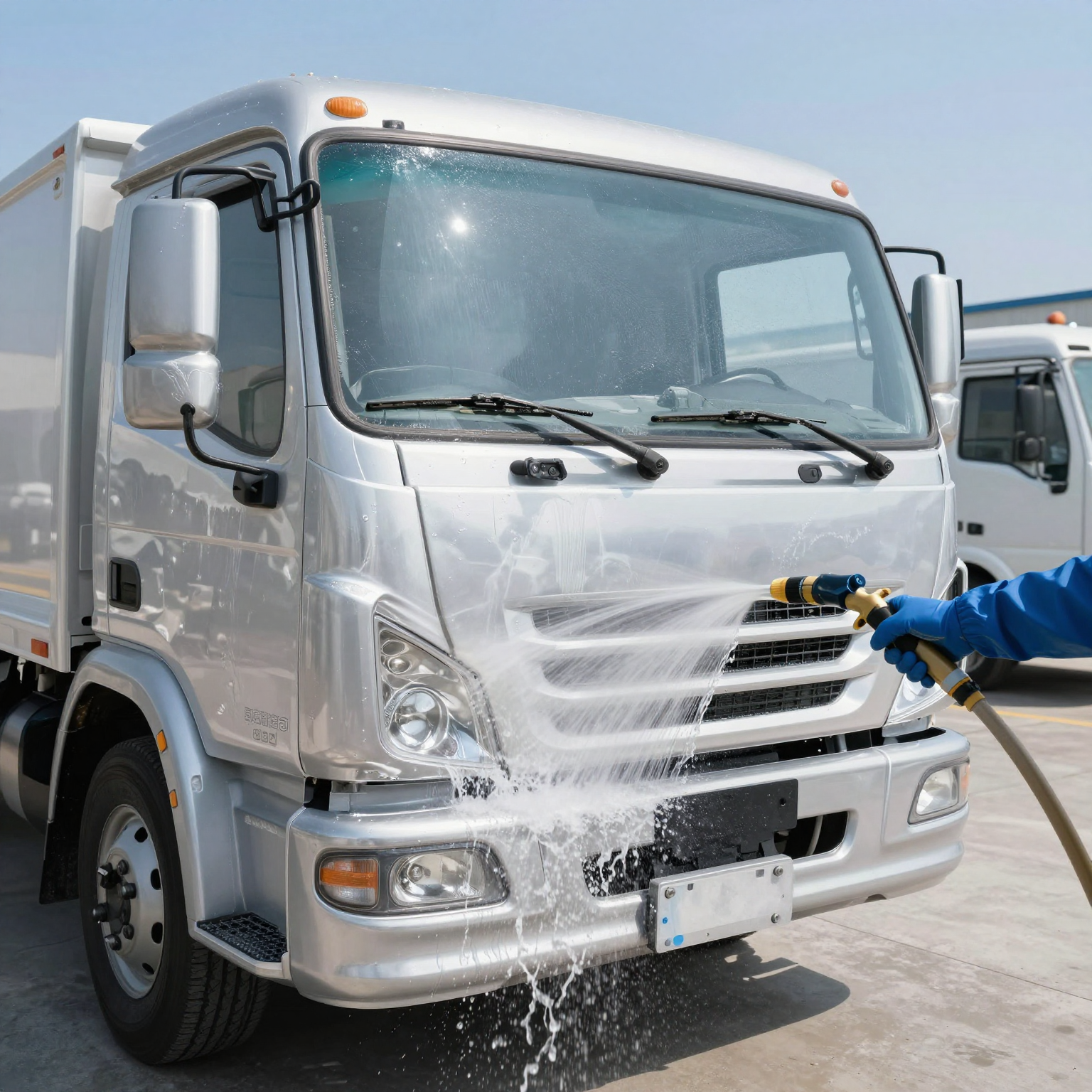
Immediately rinse the treated surface with copious amounts of deionized water. This step is critical to prevent residue formation from the acid, which can lead to surface etching. Use a high-pressure washer if necessary to ensure thorough rinsing.
Step 5: Neutralization
Prepare a mild sodium bicarbonate solution to neutralize any residual acid. Gently apply this solution to the aluminum surface, and allow it to sit for a few minutes before rinsing again with deionized water. This step is crucial for preventing further corrosion.
Step 6: Drying and Inspection
Allow the aluminum truck to air dry in a dust-free environment. After drying, conduct a thorough inspection for any remaining residues or damage to the surface. Ensure the protective oxide layer is intact, as this is vital for the longevity of the aluminum.
Once the inspection is complete, the truck can either be put back into service or prepared for further treatments such as waxing or coating to enhance protection.
For detailed insights into maintaining aluminum vehicles and avoiding any mistakes that could lead to premature failure, check out this expert maintenance guide.
| Acid Solution | Effectiveness | Safety Rating | Cost Estimate |
|---|---|---|---|
| Phosphoric Acid | High effectiveness for oxide removal | High (use PPE, well-ventilated) | Economical (lower material use) |
| Citric Acid | Effective at room temperature for 1-5 mins | High (low toxicity) | Moderate (can be reused) |
| Sulfuric Acid | Very effective but risks severe corrosion | Low (danger of embrittlement) | High (more complex disposal) |
| Hydrochloric Acid | Excellent at removing heavy contaminants | Low (high reactivity) | High (requires PPE and ventilation) |
| Boleifur’s Cleaner | Specialized cleaner for die-cast aluminum | High (minimal corrosion) | Moderate (operates 50-60°C) |
| Generic Acid Cleaner | General purpose with moderate effectiveness | Moderate (follow safety protocols) | Low (widely available) |
Safety Precautions During Acid Washing
Acid washing aluminum trucks is an effective way to maintain their appearance and performance, but it must be conducted with strict safety protocols to protect personnel and the environment. Here are essential safety measures that should always be in place:
1. Personal Protective Equipment (PPE)
Wearing the right PPE is crucial to minimize risks. Workers should don:
- Acid-resistant suits to withstand corrosive chemicals.
- Gloves made from materials such as neoprene or nitrile which resist acid.
- Face shields and goggles to protect eyes and face from splashes.
- Respirators to safeguard against inhalation of toxic fumes, especially when dealing with strong acids like nitric or phosphoric acid.
2. Proper Ventilation
Ensure that the acid washing area is well-ventilated. Utilize local exhaust systems or fume hoods to disperse hazardous vapors, such as hydrogen gas, generated during the washing process. This is critical to prevent the buildup of toxic gases that could harm workers.
3. Chemical Handling Best Practices
- Only use approved cleaning solutions specifically designed for aluminum to avoid reactions that could damage the material.
- Monitor acid concentration and temperature closely to prevent over-corrosion and rapid gas release.
4. Emergency Preparedness
Train all personnel in emergency response procedures, including spill containment and first aid for acid exposure. Have neutralizing agents (e.g., sodium bicarbonate) readily accessible for immediate response to spills.
5. Post-Wash Procedures
After washing, a thorough rinse with deionized water is essential to remove residual acids and prevent corrosion. Additionally, applying a protective coating can enhance resistance against future corrosion.
Ensuring safety during acid washing is not just a regulatory requirement but essential for the protection of workers and the longevity of your fleet. For comprehensive guidelines on safety procedures, explore OSHA’s chemical cleaning safety recommendations.
In conclusion, acid washing aluminum trucks presents numerous benefits that play a crucial role in fleet maintenance and aesthetics. By effectively removing surface oxidation, dirt, and contaminants, acid washing restores the original appearance of trucks, enhancing their professional image. This process not only improves corrosion resistance by eliminating micro-pitting and oxide layers but also prepares the surface for additional protective coatings, significantly extending the lifespan of the vehicle’s bodywork. As harsh environmental conditions can rapidly accelerate wear, regular acid washing every 12 to 18 months is highly recommended for maintaining asset longevity and reducing the likelihood of costly repairs.
Moreover, a visually appealing fleet can enhance brand recognition and customer perception, establishing a trustworthy image for logistics and freight companies. The aesthetic improvements achieved through acid washing, coupled with custom paint schemes and designs, serve as effective marketing tools. For fleet managers and owners looking to elevate their truck aesthetics and operational efficiency, Summit Fairings offers a range of solutions tailored to enhance both the look and performance of your fleet. Invest in acid washing today and ensure your trucks not only last longer but also turn heads on the road!
“Maintaining aluminum trucks is critical for ensuring longevity, fuel efficiency, and safety. Regular maintenance-including cleaning, inspecting for surface damage, and checking fasteners-is essential to prevent corrosion and structural weakening. Neglecting maintenance can lead to accelerated degradation, especially in harsh environments.”
– American Aluminum Association read more about truck maintenance here
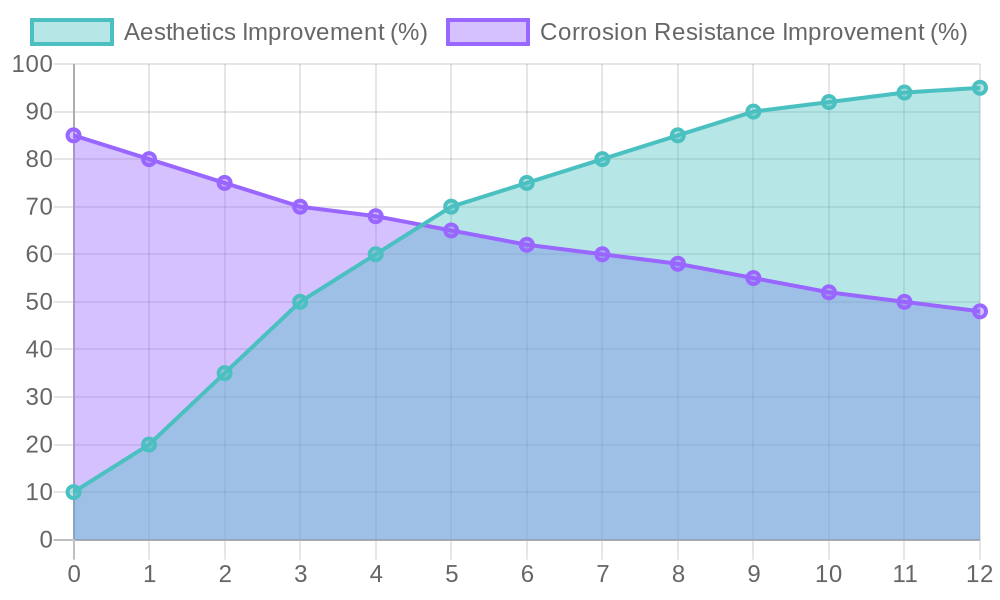
Chart: Effects of Acid Washing on Aesthetics and Corrosion Resistance of Aluminum Trucks Over Time
This chart illustrates the potential improvements in aesthetics and corrosion resistance of aluminum trucks following an acid wash over a 12-month period. As evident from the data, while aesthetics improve progressively, initial effects on corrosion resistance show a slight decline before recovering as protective measures are applied.
Data Summary:
| Time (Months) | Aesthetics Improvement (%) | Corrosion Resistance Improvement (%) |
|---|---|---|
| 0 | 10 | 85 |
| 1 | 20 | 80 |
| 2 | 35 | 75 |
| 3 | 50 | 70 |
| 4 | 60 | 68 |
| 5 | 70 | 65 |
| 6 | 75 | 62 |
| 7 | 80 | 60 |
| 8 | 85 | 58 |
| 9 | 90 | 55 |
| 10 | 92 | 52 |
| 11 | 94 | 50 |
| 12 | 95 | 48 |
For more insights on cleaning methods for your fleet, you can learn more about best practices for cleaning food-grade tankers and discover proven strategies for cleaning grease and tar off your trucks fast.
Common Mistakes to Avoid During Acid Washing
Acid washing aluminum trucks can be an effective way to restore their shine and remove oxidation, but several common mistakes can compromise the quality of the wash and potentially damage the vehicle. Here are key mistakes to avoid:
1. Improper Dilution of Acids
One of the most frequent errors is the incorrect dilution of acids. Using undiluted acid or failing to follow proper ratios can lead to severe damage to the aluminum surface. Always mix acids according to the manufacturer’s instructions and perform a dilution test on a small, inconspicuous area.
2. Neglecting Safety Measures
Safety should always be the top priority when handling acids. Failing to wear the appropriate personal protective equipment (PPE) such as gloves, goggles, and respirators can expose workers to hazardous fumes and chemical burns. Implement thorough safety protocols and ensure that all personnel are trained in emergency procedures.
3. Using Abrasive Tools
Using steel wool, metal brushes, or any abrasive materials can scratch the aluminum surface, leading to pitting and accelerated oxidation. Instead, opt for soft-bristled brushes and non-abrasive cleaning pads to protect the finish.
4. Over-Rinsing with High Pressure
While rinsing is essential, using high-pressure water jets can distort aluminum and damage seals. A gentle rinse is more effective in removing residues without causing harm.
5. Forgetting Post-Wash Care
After acid washing, proper post-care is crucial. Neglecting to apply a protective sealant can leave the aluminum vulnerable to future oxidation. Regular maintenance with appropriate cleaning agents helps keep the trucks looking pristine.
Avoiding these common mistakes will ensure a safe, effective acid wash, enhancing the durability and appearance of your aluminum trucks. For more tips on maintaining a fleet, check our article on best practices for cleaning food-grade tankers.
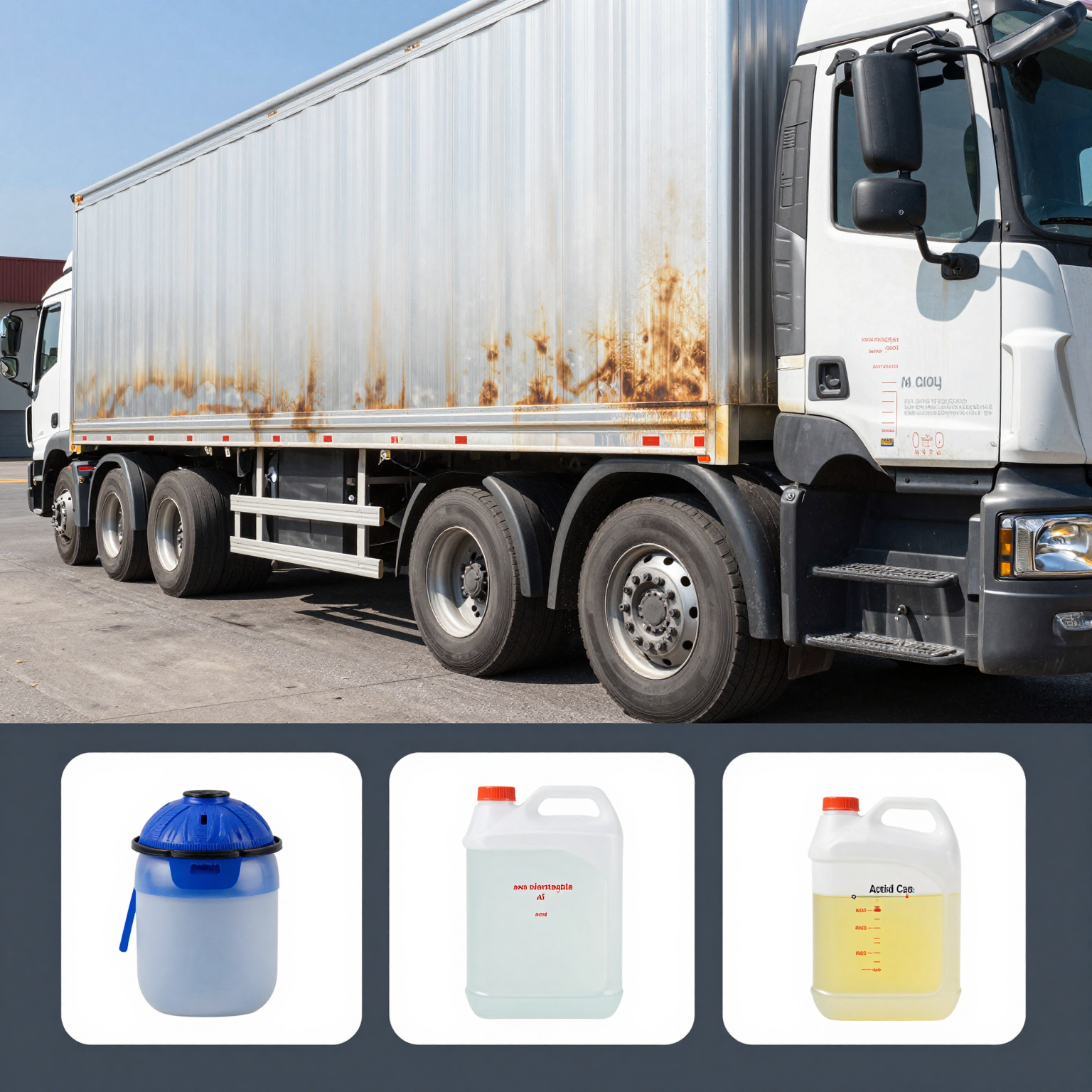
Safety precautions and proper methods for acid washing aluminum trucks.