

Diesel in an Unleaded Truck: Draining, Flushing, and Replacing Filters
Putting diesel into a gasoline vehicle is a common misfueling mistake, and careful drivers make it about as often as careless ones. When you accidentally put diesel in an unleaded truck, the two fuels behave differently inside the engine, and the truck usually complains within a few miles. The mistake is recoverable. It does not have to mean a new engine.
Misfueling usually has a mundane cause. You might be filling from a jerry can or a transfer tank, where the oversized diesel nozzle is no longer a barrier. You might drive a mixed fleet with gasoline and diesel trucks parked side by side. Or you might be rushing at a busy station and grab the wrong pump. Older vehicles and modified filler necks also accept the wider diesel nozzle without complaint, which makes the mistake easier still.
What matters is how quickly you respond. Diesel is heavier and oilier than gasoline, so it washes oil off cylinder walls, fouls spark plugs, and can clog the injectors and fuel system if the engine keeps running on it. Drain and flush promptly and lasting damage is unlikely. If you want to know how the diesel side of a fuel system moves this thicker fuel, it helps to understand how diesel lift pumps work before you start dismantling anything.
This guide covers the recovery process in three parts:
- Draining the tank – removing the contaminated diesel and gasoline mix.
- Flushing the fuel lines – clearing residual diesel from the lines, rails, and injectors.
- Replacing the filters – knowing which filters to swap and when a replacement is unavoidable.
By the end you should have a straightforward plan for getting the truck running on the fuel it was built to burn.
What Happens When Diesel Gets Into an Unleaded Truck
Diesel in a gasoline tank is the same mistake, and the trouble starts when you turn the key. A gasoline engine is a spark-ignition engine: a spark plug fires a timed arc into a precisely mixed cloud of fuel and air. A diesel engine has no spark plug. It squeezes air until it is hot enough to ignite fuel injected at the last moment. Put heavy, oily diesel into a spark-ignition engine and combustion falls apart.
What Diesel Actually Does Inside the Engine
Diesel does not burn cleanly in a gasoline engine. It sets off a chain of problems you can usually feel and hear within minutes:
- Coated spark plugs. Diesel is oily and vaporizes poorly, so it leaves a wet, sooty film on the plugs. The spark is weak or blocked.
- Fouled injectors. Gasoline injectors spray a fine mist. Thick diesel clogs them, spoils the spray pattern, and starves the engine of fuel.
- Heavy exhaust smoke. Because diesel burns incompletely in a gasoline engine, thick grey or black smoke pours from the tailpipe, often with a sharp smell.
- Constant misfires. With weak spark and clogged injectors, cylinders stop firing evenly. The engine runs rough, shakes, and stutters.
- Stalling and refusing to run. In bad cases the engine stalls outright or will not restart, leaving you stranded.
| Warning Sign | What It Means |
|---|---|
| Thick grey or black smoke | Incomplete combustion of diesel |
| Rough idle and shaking | Misfires from weak spark and clogged injectors |
| Hard starting or stalling | Fuel system cannot deliver a burnable mix |
| Strong, sharp fuel smell | Diesel residue in lines and exhaust |
Trucks that carry heavy payloads over long distances show these symptoms quickly. The unburned fuel does not simply disappear if you keep driving an unleaded truck with diesel in the tank. It keeps washing oil off the cylinder walls, dilutes the engine oil, and can lead to overheating and long-term wear on internal parts.
The Risks If You Keep Driving
There is no upside to driving on a contaminated tank. As the plugs and injectors foul, performance drops, fuel economy collapses, and the chance of a sudden stall in traffic rises. The longer diesel sits in the system, the farther it travels through the lines and filters, and the more a simple drain-and-flush turns into a costly repair. Left unchecked, diesel contamination can damage emissions components and even the catalytic converter – the kind of fault inspectors look for under today’s stricter emissions regulations.
What to Do Now
Diesel cannot power a gasoline fuel system, and every mile after misfueling adds damage. If you suspect diesel went into an unleaded tank, do not restart the engine. Stop, get the tank drained, flush the fuel lines, and replace the filters before you turn the key. Acting early is what keeps the repair small.
Why Diesel in an Unleaded Truck Causes Combustion Problems
Before you reach for a drain pan, it is worth knowing why a tank of diesel is so damaging to an engine built for unleaded gasoline. The diagram below puts the two ignition systems side by side.
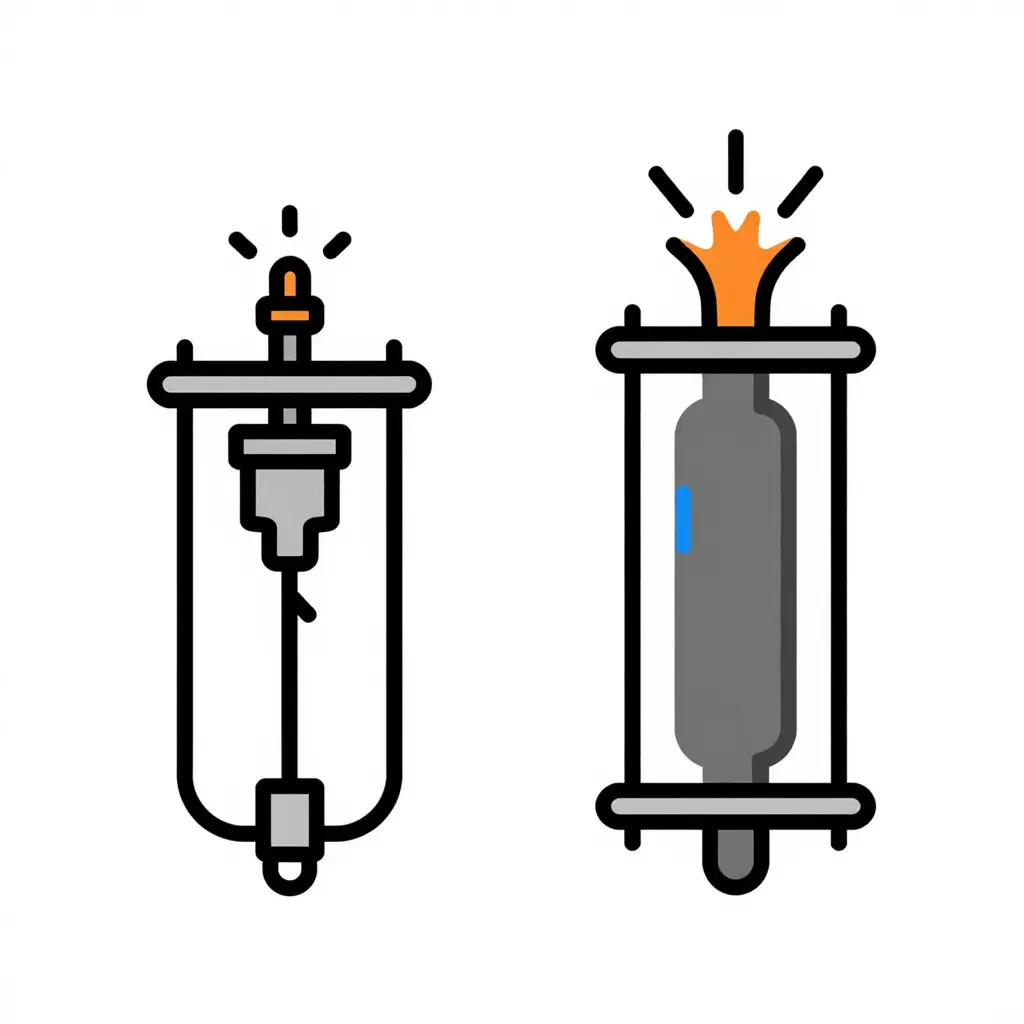
Two Engines, Two Very Different Ways to Light the Fire
- Gasoline (left cylinder): A spark plug fires a timed electrical arc into an air-and-fuel mixture already blended before it enters the cylinder. The burn is controlled and predictable.
- Diesel (right cylinder): No spark plug. The piston squeezes air until it becomes hot enough, and fuel is injected at the last moment to ignite on contact through compression alone.
Each engine expects a specific fuel chemistry and a specific ignition method. Gasoline wants a spark and resists igniting under pressure. Diesel wants pressure and will not light from a spark.
What Happens When You Mix Them Up
Reverse the fuels and that match breaks:
- In a gasoline engine fed diesel: The thick, oily fuel will not vaporize the way gasoline does. The spark plug cannot ignite it reliably, so you get misfires, rough running, heavy smoke, and eventually a truck that will not start. Unburnt fuel can also wash oil off the cylinder walls and foul the plugs.
- In a diesel engine fed gasoline: The thinner gasoline ignites too early under compression, and the uncontrolled detonation hammers pistons, rods, and injectors.
Catch a misfuel early, before the engine runs, and the fix is usually a drain and flush rather than a new powerplant. Fuel delivery components on the low-pressure side are especially vulnerable, so it is worth reviewing this guide to understanding lift pumps in diesel engines as part of your recovery plan.
Warning Signs You Have Misfueled
A truck with diesel in the tank usually shows symptoms within the first few minutes of driving. Watch and listen for these:
- Rough, uneven idling that makes the whole cab shudder at stoplights
- Heavy white or black exhaust smoke pouring from the tailpipe
- The engine stalling, especially at low speeds, when idling, or while decelerating
- A strong diesel or raw fuel smell inside and around the cab
- Difficulty starting, or a complete failure to start on the first few attempts
- A sudden drop in engine power and sluggish, hesitant acceleration
- Knocking, pinging, or rattling noises from the engine bay
- The check engine light or other dashboard warnings lighting up unexpectedly
- Reduced fuel economy, with the gauge dropping faster than usual
- A rough-running or “missing” feel while accelerating onto a highway
Recognizing these signs early matters: the longer contaminated fuel circulates, the more damage it does to your injectors, fuel pump, and emissions system. Stop within the first few miles and you can have the tank drained and the lines flushed before the mixture spreads further. Wait, and the repair bill climbs quickly. Components tied to fuel delivery, like the ones covered in this guide to understanding lift pumps in diesel engines, may then need full replacement.
Draining the Tank: A Step-by-Step Guide
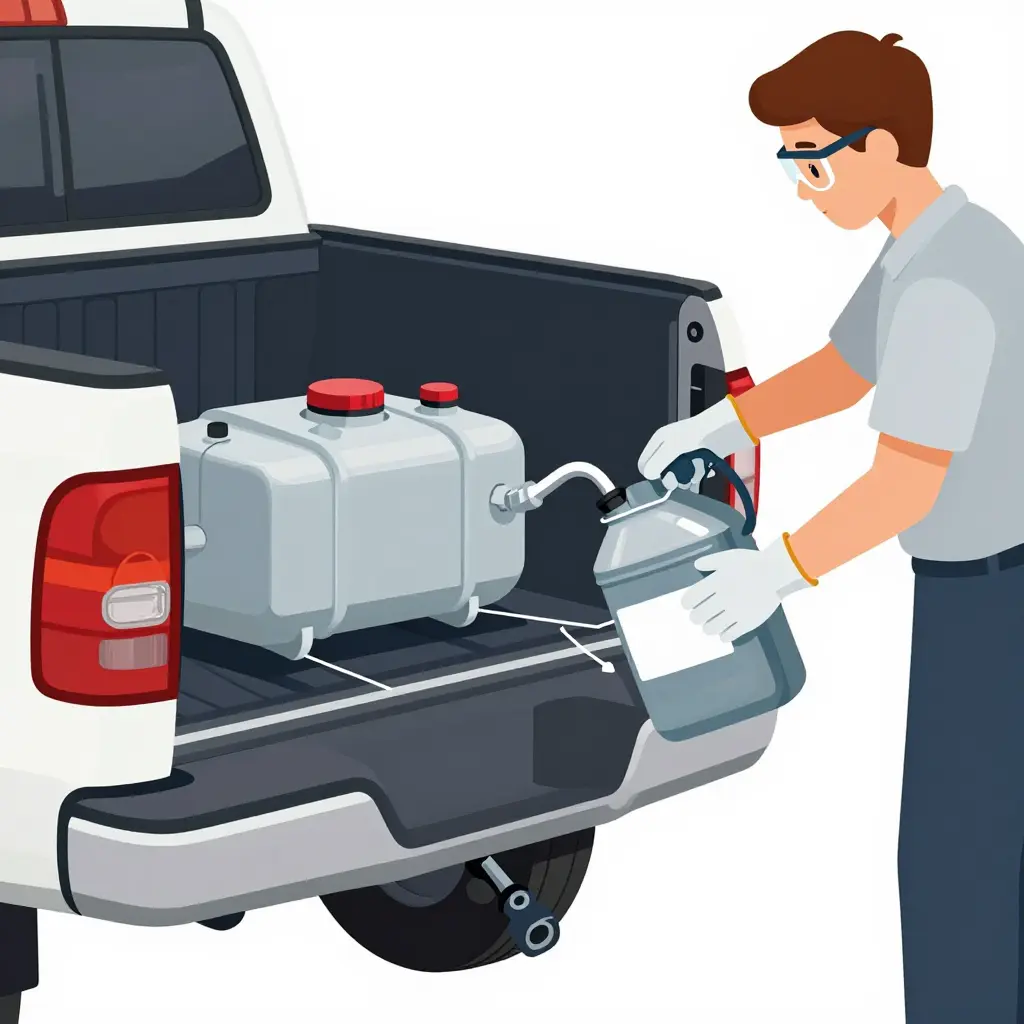
So you have realized diesel fuel went into your unleaded truck’s tank. Take a breath. If you have not started the engine, this is a manageable job that most hands-on owners can finish in an afternoon. Work slowly, put safety first, and follow these steps in order.
-
Prepare the work area. Park on level, well-ventilated ground and shut the engine off completely. No smoking, no open flames, and no power tools nearby. Keep a fire extinguisher within reach, and wear safety glasses and nitrile gloves. Diesel is less flammable than gasoline, but the vapors still demand respect.
-
Disconnect the battery. Remove the negative (black) cable before touching the fuel system. This stops the fuel pump from priming and removes any spark risk while you work near an open tank.
-
Locate the fuel tank and filler neck. Under the truck, find the tank (usually slung beneath the cab or bed) and trace the filler neck that runs up to the fuel door. Confirm you can reach both safely before you start.
-
Siphon the fuel or open the drain plug. If your tank has a drain plug, position a large container underneath and remove the plug slowly. If not, siphon through the filler neck with a manual or hand pump designed for fuel. Empty the tank as fully as you can, then reinstall the plug.
-
Store the contaminated fuel safely. Pour the diesel into sealed, clearly labeled containers rated for fuel. Never store it in open buckets or food containers. Keep it away from heat, and arrange disposal or recycling at a local hazardous-waste facility.
Common Mistakes to Avoid
The biggest error is starting the engine. Turning the key pulls diesel fuel deep into the lines, the injectors, and the filter, and a simple drain becomes an expensive repair. Do not siphon by mouth, do not use the wrong containers, and do not skip the battery disconnect. Rushing the job or leaving fuel pooling on the ground also creates real fire and environmental hazards.
Why Draining the Tank Completely Matters
Leaving even a small amount of diesel behind undermines everything that follows. As the engine runs, the two fuels mix, and that contaminated blend can foul the spark plugs, clog the filter, and send rough, smoky running through the system. Understanding how lift pumps move diesel fuel through the system shows why a clean, empty tank gives the flush the best possible start.
A full drain is what makes flushing the lines effective, so give it the patience it needs. Empty the tank, store the waste responsibly, then replace the filter and prime with fresh fuel. Do that and your truck is back on the road with minimal drama.
Flushing the Fuel Lines After Misfueling
Draining the tank is only half the battle. Once most of the diesel is gone, a stubborn film of it still clings to the inside of your fuel lines, and that residue causes the real damage. Diesel is oilier and burns differently than gasoline, and your truck’s fuel injectors and high-pressure pump are calibrated for unleaded. Even a small amount of leftover diesel can clog fine injector nozzles, upset the air-fuel ratio, and force the pump to work harder than it was designed to. Over time, that strain leads to misfires, rough idling, and genuinely expensive component failure. Flushing the fuel lines properly is the step that protects your entire fuel system.
Before you start, gather fresh gasoline, a clean catch container, and new filters. Work in a well-ventilated area away from any ignition source, and keep a fire extinguisher within reach.
Step-by-Step Flushing Procedure
- Disconnect and drain. Locate the fuel line at its lowest point and let any remaining diesel trickle out into your catch container.
- Prime with fresh gasoline. Pour a small amount of clean gasoline into the tank, then cycle the ignition key (or use the priming pump) so the fuel pump pushes fresh fuel through the lines.
- Run it through. Repeat the prime-and-drain cycle two or three times, discarding the contaminated mixture each time, until the fuel leaving the line runs clear and smells like gasoline.
- Replace the filters. Swap in a new fuel filter, since the old one has trapped diesel and loosened debris.
- Restart and inspect. Start the engine, let it idle, and check for leaks or rough running before driving.
Disposing of Contaminated Fuel
Never pour the diesel-gasoline mix down a drain or onto the ground. Store it in a sealed, clearly labeled container and take it to a licensed hazardous-waste or recycling facility. Many auto shops and municipal collection sites accept contaminated fuel for a small fee.
If you want to know how fuel actually reaches the engine and why priming matters so much, read up on the role of lift pumps in truck fuel systems.
Why Fuel Filters Need Replacing After a Misfueling Incident
Diesel accidentally poured into an unleaded truck does not just sit in the tank – it drags contamination, moisture, and debris straight into the fuel filter. The chart below breaks down the most common reasons a filter fails or clogs after a misfueling event.
[chart: fuel-filter-replacement-causes-doughnut]
Caption: Contamination severity and water intrusion together account for roughly 60% of post-misfueling fuel filter replacements, making a full tank drain and fuel-line flush the key defense before a filter ever fails.
Fuel Filter Replacement Criteria
The Fuel Filter: Your First Line of Defense
The fuel filter traps rust, dirt, water, and debris before they ever reach your injectors and engine. When diesel accidentally enters an unleaded tank, that job becomes much harder. Diesel is heavier and oilier than gasoline, and it can loosen deposits that have been sitting quietly in your tank and lines for years. All of that junk gets pushed straight into the filter. This is why diesel contamination and filter health go hand in hand – and why knowing the right filter replacement criteria saves you from a much bigger repair bill down the road.
Concrete Signs It’s Time to Replace
Watch for these clear indicators:
- Visible contamination – Cut open or inspect the old filter. If the element looks coated in dark sludge, rust particles, or a milky film (a sign of water), it is done. Filters are cheap; engines are not.
- Fuel pressure drops – A clogged filter restricts flow, so rail or supply pressure falls below spec. If a gauge confirms low pressure, the filter is a prime suspect.
- Engine hesitation or power loss – Stumbling, rough idling, hard starts, or a sudden loss of power under load all point to a starved fuel system.
- Manufacturer mileage intervals – Follow the owner’s manual. Most diesel and gasoline filters are rated for a set interval, but after misfueling, treat those numbers as a minimum, not a target.
For a deeper look at how fuel travels from tank to injectors, it helps to understand the role of lift pumps in diesel engines, since they work directly with your filter to keep pressure steady.
Replace vs. Inspect
After any suspected diesel-in-unleaded event, do not just inspect – replace. A fresh filter is the fastest, cheapest insurance against contaminated fuel reaching your engine. Replace it immediately when you drain and flush the tank, then again shortly after if symptoms return.
For everyday driving with no misfueling, inspect at each service and replace at the manufacturer’s interval, or sooner if you notice hesitation or pressure loss. A clogged filter never gets better on its own – it only gets more expensive.
Frequently Asked Questions: Diesel in an Unleaded Truck
Can I drive my truck after putting diesel in an unleaded truck?
No. The moment you realize you have pumped diesel in an unleaded truck, stop fueling, keep the ignition off, and have the vehicle towed or pushed away from the pump. Starting or driving the engine circulates the wrong fuel through the lines and injectors, which can turn a quick drain-and-refill into a costly rebuild. If the engine is already running, shut it off immediately and call a professional.
How much diesel is too much?
No amount is truly safe, but the risk scales with volume and whether the engine has run. A tiny splash added to a nearly full tank may only cause a rough idle once it is diluted with gasoline, while anything more than a few gallons, or roughly 5% of your tank, usually means the fuel must be drained. As a simple rule, if you can smell diesel strongly or the nozzle felt different, treat it as too much and stop.
Does the tank always have to be drained?
Not always, but most of the time yes. If you catch the mistake before the engine starts and only a little diesel entered, a mechanic may simply top off the tank with unleaded and add a fuel conditioner. If the engine was started or a large amount of diesel went in, the tank should be drained completely to protect the fuel system.
Is flushing the fuel lines mandatory?
Yes, whenever the engine has been run on contaminated fuel. Flushing the fuel lines pushes the leftover diesel out of the lines, rail, and injectors so it cannot mix back into your fresh gasoline. Skipping this step often leads to a second breakdown and repeat labor, so always pair a tank drain with a proper line flush.
How long do repairs typically take?
A straightforward drain, flush, and refill usually takes between two and four hours. If the filters, spark plugs, or injectors also need replacing, expect the job to stretch to a full day. Waiting for parts on some truck models can add extra time.
Will diesel permanently damage my engine?
Rarely, provided you act quickly. Diesel is a lubricant, so brief exposure usually does not destroy components, but running it for an extended time can foul spark plugs, clog injectors, and overload the catalytic converter and emissions system. Understanding how diesel lift pumps work explains why fast action matters.