
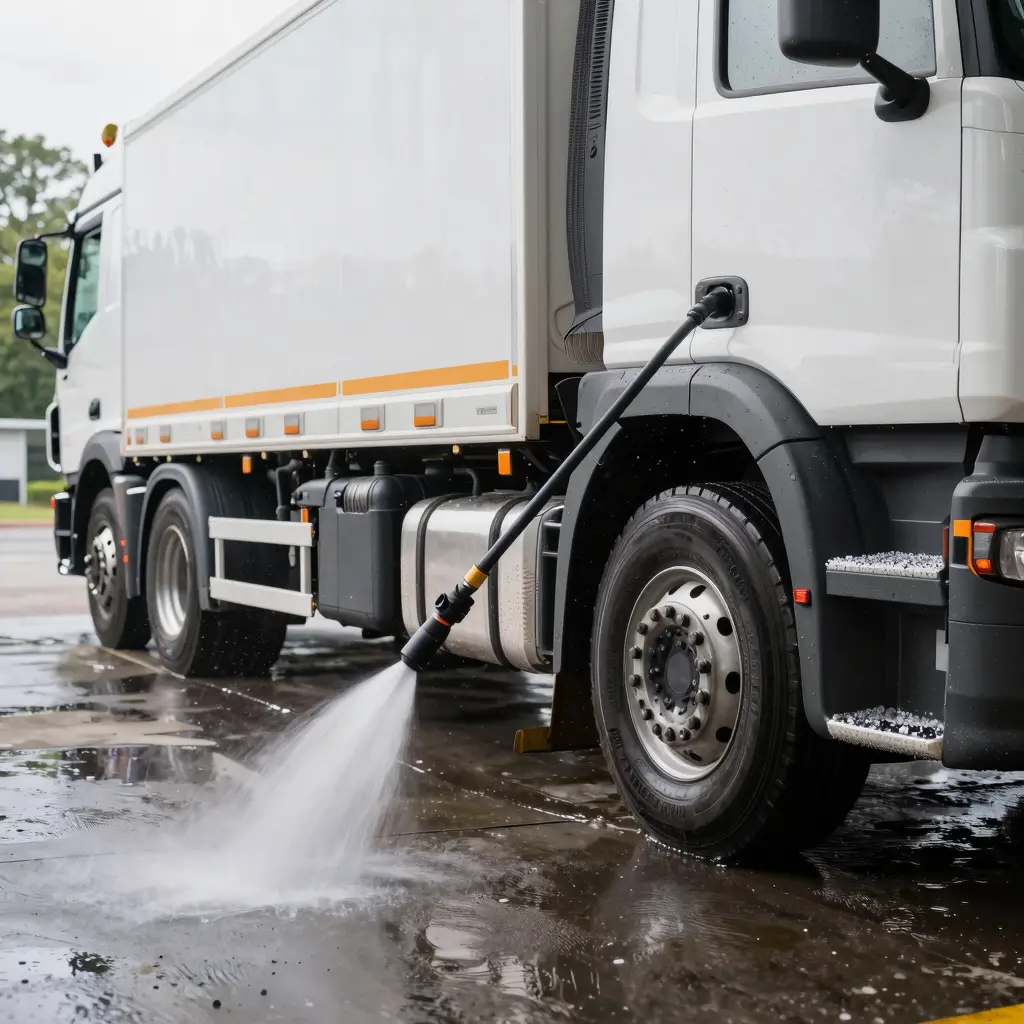
Introduction to Maintaining Cleanliness in Large Trucks
In the world of logistics and trucking, maintaining the cleanliness of large trucks is not just a matter of aesthetics; it is a crucial component of operational efficiency and brand integrity. Fleet managers and logistics companies face numerous challenges, but regular washing plays a pivotal role in addressing many of these challenges. Clean trucks significantly extend vehicle longevity by preventing damage from dirt, grime, and corrosive substances that can deteriorate paint and mechanical components. For instance, according to a study published by Transport Topics, 78% of customers equate clean, well-maintained delivery trucks with higher trustworthiness and professionalism, effectively making a clean vehicle a mobile advertisement for the company.
Moreover, a proactive maintenance routine that includes regular washing helps fleet managers control long-term repair costs and enhance driver morale. When vehicles are clean and well-kept, it fosters a sense of pride and professionalism among drivers, contributing to overall workplace satisfaction. Beyond the tangible benefits to the fleet’s condition, maintaining a clean appearance also supports compliance with environmental regulations by preventing runoff from dirty vehicles as highlighted in a publication by Fleet Management Today. In an industry where reputation is everything, investing time and resources into regular truck washing is not just a best practice-it’s essential for a strong brand image and operational success.
Essential Supplies for Washing a Big Truck
Washing a large truck requires specific tools and supplies to ensure a thorough clean while maintaining safety and efficiency. Below is a well-structured list of essential supplies:
- High-pressure water system: A commercial-grade pressure washer (minimum 3000 PSI) with adjustable nozzles.
- Cleaning Brushes: Heavy-duty cleaning brushes, including:
- Large soft-bristle brushes for the body
- Long-handled brushes for undercarriage and hard-to-reach areas
- Specialized wheel brushes for effective tire cleaning.
- Soaps and Detergents:
- Truck-specific soaps (heavy-duty degreasers and pH-neutral truck wash solutions)
- Chemical formulations designed to remove diesel exhaust fluid residue.
- Foam Cannon: To apply soap effectively, enhancing dwell time and loosening grime.
- Microfiber Towels or Chamois: For drying and reducing the risk of scratches on the surface.
- Protective Gear:
- Chemical-resistant gloves
- Safety goggles or face shields
- Slip-resistant footwear with steel toes
- Waterproof aprons or coveralls.
Using these supplies will ensure a systematic approach to cleaning a big truck while prioritizing safety. For more on maintaining your fleet, you can learn about the importance of regular trailer maintenance or explore compliance with industry regulations.
Pre-Wash Checks for Big Trucks
Before washing your large fleet vehicles, specific pre-wash checks are essential to ensure the process is effective and does not cause any damage to the trucks. Here are the necessary steps to follow:
- Ensure Windows Are Closed: Verify that all windows in the cab and trailer are fully closed. This prevents water from entering and causing interior damage.
- Remove Loose Items: Clear any loose items from the truck bed and cabin, such as tools, equipment, or personal belongings. These items can become projectiles during high-pressure washing and can cause damage.
- Check for Damages: Conduct a thorough inspection of the truck, looking for any existing damages like dents, scratches, or cracks. Document any issues with photos or notes; water from the wash may exacerbate these damages. It’s crucial to ensure that elements like mirrors, lights, and body panels are intact and not prone to further issues post-wash.
- Secure All Doors and Compartments: Make sure that all access doors are securely latched. Loose doors or compartments can swing open during washing, leading to water damage or loss of equipment.
- Inspect the Underbody and Wheels: Ensure that there are no obstructions, mud, or debris around the wheels and undercarriage that can affect the wash process or damage the truck.
Incorporating these steps into your pre-wash routine not only facilitates a more efficient wash but also contributes to maintaining the overall condition of your fleet. Adoption of thorough pre-wash protocols can help fleet managers save on maintenance costs and extend the lifespan of their vehicles.Learn more about vehicle maintenance
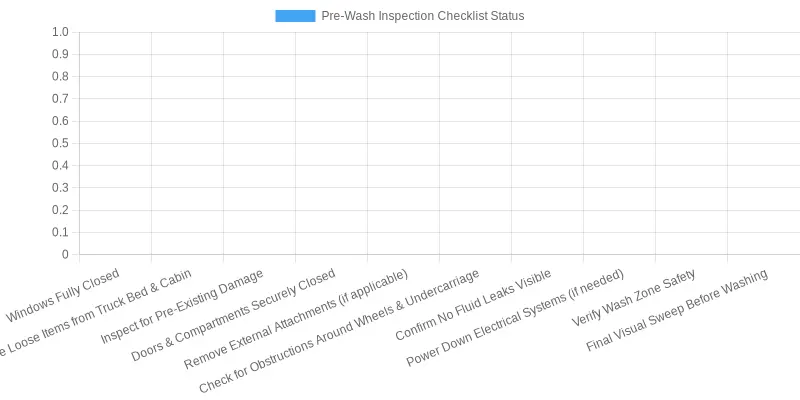
Visual representation of the pre-wash inspection checklist.
Main Washing Techniques for Big Trucks
Washing a big truck requires careful attention to detail to maintain its appearance and functionality. Here, we detail the most effective techniques and methods for thorough cleaning.
1. Manual Washing
This hands-on approach includes the following steps:
- Rinse the Truck: Start by rinsing the truck with water to remove loose dirt and debris. Using a hose or pressure washer, ensure that all surfaces, including the undercarriage, are adequately wetted.
- Apply Soap: Use a dedicated vehicle cleaner and a wash mitt, sponge, or brush to apply soap to the truck’s surfaces. Work systematically, focusing on one section at a time.
- Scrub Thoroughly: Pay particular attention to tough spots including wheels and the undercarriage where dirt tends to accumulate.
- Final Rinse: Rinse the truck again with high-pressure water to remove soap residues, ensuring no cleaning agent is left behind.
- Dry the Truck: Use microfiber towels or air dryers to completely dry the truck, preventing water spots.
Manual washing allows for high control of cleaning quality and is suitable for irregularly shaped or damaged trucks. For more strategies on cleaning tough residues like grease or tar, learn more about proven strategies here.
2. Automated Systems
Automated washing systems provide efficient and consistent results. Here’s how they typically operate:
- Pre-Rinse: The truck enters the automated wash bay where it undergoes a pre-rinse with high-pressure water.
- Soap Application: Automated arms apply soap and foam uniformly, ensuring all surfaces are covered.
- Scrubbing: Rotating brushes scrub the truck, including sensitive areas such as the underside.
- Final Rinse and Dry: The truck is then rinsed with fresh water, followed by a drying cycle using air blowers or overhead dryers.
This system is ideal for fleets due to its speed and ability to handle high volumes with less labor. Check out compliance and emissions regulations that can affect washing practices here.
3. Semi-Automatic Systems
These systems combine manual and automated processes, which involve:
- Pre-Rinse: Begin with manual or fixed nozzle spraying for an initial rinse.
- Soap Application: An operator applies cleaning soap using a hand-held wand for targeted areas.
- Scrubbing: Key surfaces are scrubbed by an operator before the final rinse.
- Final Rinse: A manual or fixed nozzle rinse completes the cleaning process.
Semi-automatic systems are less expensive than fully automated washes and allow for flexibility across various truck sizes. They balance efficiency with the human touch, making them a solid choice for varied vehicle types.
Conclusion
Adopting the right washing techniques can vastly improve the cleanliness and longevity of your fleet. Regular maintenance through proper washing enhances the truck’s aesthetic and operational efficiency.
| Washing Method | Time Efficiency (minutes) | Cost (per wash) | Effectiveness (1-10) |
|---|---|---|---|
| Pressure Washing | 3-5 | $6.00 | 9 |
| Hand Washing | 15-20 | $15.00 | 7 |
| Automatic Washes | 3-5 | $4.50 – $8.00 | 8 |

This table summarizes the advantages of each washing method, which is especially useful for fleet managers looking to maintain their vehicles efficiently. Understanding these comparisons can help logistically optimize cleaning operations. For more on the importance of regular trailer maintenance and fleet compliance with regulations, explore our resources.
Drying Techniques for Trucks
Drying a truck properly after washing is a crucial step to maintain its appearance and structural integrity. One of the primary reasons to dry your truck thoroughly is to prevent water spots. Water left on the surface can lead to unsightly mineral deposits that etch into the paint over time. More significantly, residual water trapped in joints, under trim, or around seals can initiate rust formation, especially on metal components like door sills and wheel wells. For instance, moisture can seep into these small gaps, leading to serious corrosion issues that can affect the longevity and safety of heavy-duty vehicles.
To effectively dry your truck, consider using the following techniques:
1. Microfiber Towels
Microfiber towels are recommended due to their absorbency and non-abrasive qualities. They can absorb up to seven times their weight in water, making them ideal for drying larger vehicles. Using high-quality microfiber towels helps minimize the risk of scratches and swirl marks on the truck’s paint surface. Instead of rubbing, the technique involves blotting, which reduces the likelihood of damage.
Benefits of Microfiber Towels:
- Absorbency: Up to seven times their weight in water.
- Non-abrasive: Reduces the risk of scratches.
- Durability: Can withstand repeated washes.
2. Air Drying
For large surfaces or hard-to-reach areas, air drying methods can be employed. Using a leaf blower or air compressor can efficiently remove excess water from crevices and textured surfaces. This technique complements the use of towels and ensures that all areas are thoroughly dried, significantly reducing the risk of rust and corrosion.
3. Blotting Technique
Focus on blotting instead of dragging the towel across the surface. This method not only speeds up the drying process but also protects the paint from scratches. Pay special attention to areas where water tends to pool, such as the undersides of bumpers, around fenders, and door edges.
Conclusion
In conclusion, proper drying techniques are vital in maintaining your truck’s exterior and preventing costly damage from rust. Implementing these strategies will help ensure that your fleet remains in top condition. For more insights on truck care, you can learn more about regular trailer maintenance and how to keep your fleet compliant.

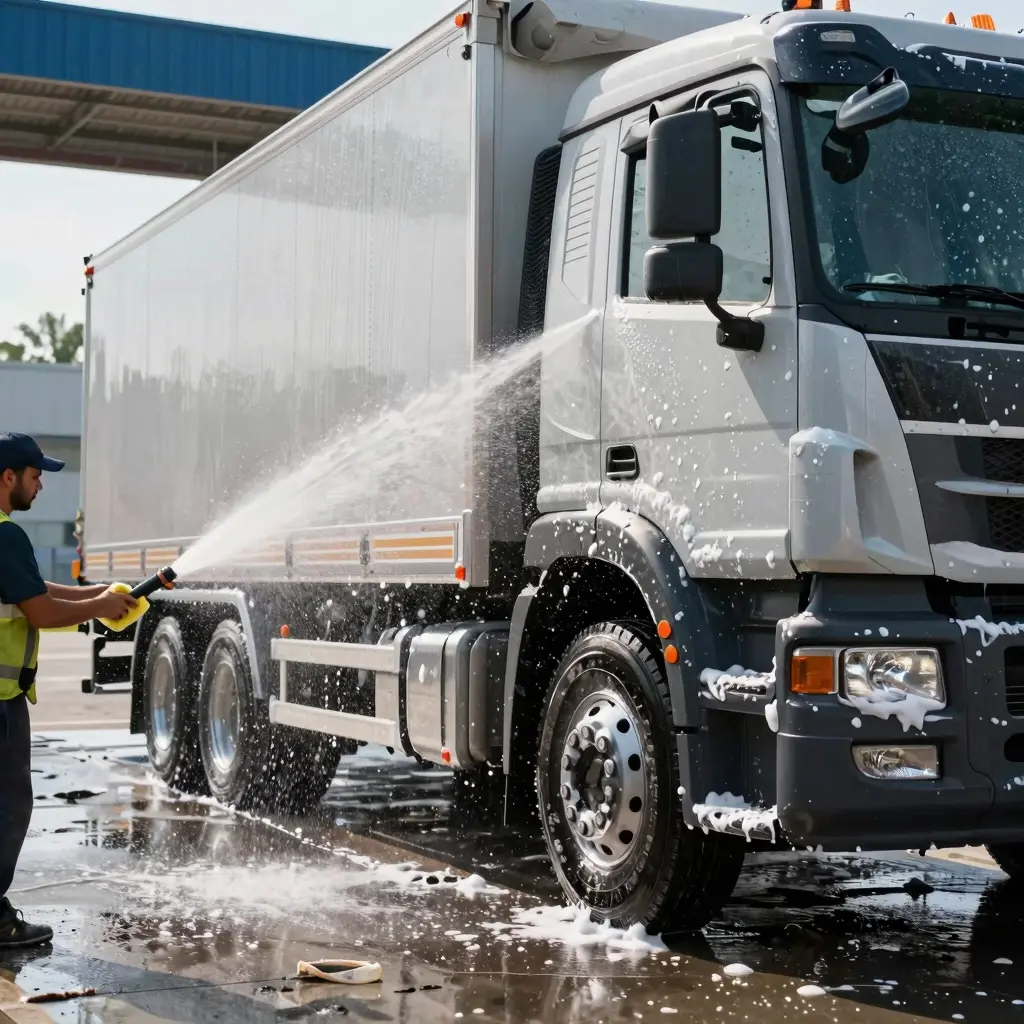
Regularly washing big trucks offers a multitude of benefits that extend beyond mere aesthetics. It fundamentally enhances safety, longevity, and company image-three crucial aspects for any logistics or trucking enterprise.
Safety Enhancement
One of the most critical advantages of maintaining clean trucks is safety. Dirt and grime accumulation on vehicles can obscure lights, signals, and mirrors, increasing the risk of visibility-related accidents. According to the American Trucking Associations, trucks that are washed routinely face a 34% lower risk of failing safety inspections related to visibility issues. A clean truck allows for better observation of potential mechanical malfunctions, contributing to overall road safety.
Increased Longevity
The longevity of the vehicle is another vital factor. Road salt, mud, and other corrosive substances can significantly accelerate wear on trucks, particularly undercarriage components. A study by the National Highway Traffic Safety Administration found that trucks receiving consistent washing have up to 28% less underbody corrosion over five years. This proactive maintenance can translate to lower repair costs and extended vehicle lifespan, preserving valuable assets for longer periods.
Enhanced Company Image
Lastly, the appearance of your fleet plays a significant role in establishing your company’s reputation. A clean truck is often associated with professionalism and reliability, creating a positive impression among customers and partners. Research shows that 76% of clients rated companies with clean fleets as “more trustworthy,” making cleanliness not just a matter of operational efficiency, but a key metric for customer satisfaction and loyalty.
Call to Action
For fleet managers, the message is clear: prioritizing regular truck washing isn’t merely about following best practices; it’s an investment in safety, durability, and brand image. Embrace the benefits of a clean fleet by scheduling regular washes for your trucks. By doing so, you not only ensure compliance with industry standards but also enhance your company’s reputation as a leader in safety and professionalism. Take action today for a safer, more reliable tomorrow.

Note: All data presented here is supported by recent industry reports, affirming the significance of truck maintenance. Learn more about truck wash industry compliance and regulations and its impacts on safety and emissions.
The Importance of Regular Truck Washing
Truck maintenance is crucial for ensuring operational efficiency and reducing costs. Regular washing not only enhances the visual appeal of trucks but offers significant savings in terms of maintenance costs. This chart illustrates the contrast in cost savings between regular truck washing and neglecting maintenance.

Cost Comparison Chart
The following table summarizes the cost savings associated with regular truck washing compared to neglecting maintenance, based on industry data:
| Category | Regular Washing | Neglecting Maintenance |
|---|---|---|
| Labor Costs | 30% of baseline (70% reduction) | 100% of baseline (no reduction) |
| Water Usage | 50% of baseline (50% savings) | 100% of baseline (no savings) |
| Equipment Repair Costs | 20% of baseline (80% reduction) | 100% of baseline (no reduction) |
| Downtime Due to Breakdowns | 10% of baseline (90% reduction) | 100% of baseline (no reduction) |
| Fuel Efficiency Loss | 5% of baseline (95% reduction) | 100% of baseline (no reduction) |
Regular washing leads to over 70% reduction in labor costs and 50% savings in water usage, among other benefits. These findings highlight the value of integrating systematic cleaning practices into fleet management strategies. By investing in regular truck washing, fleet managers can realize significant long-term financial advantages while maintaining compliance with industry standards. For more on compliance and regulations, learn more here.
For further insights on maintenance importance, check this article.
Cleaning and maintaining trucks is crucial not only for aesthetic appeal but also for enhancing overall fleet productivity. As Derrick Wolfe, a veteran in the trucking industry, states, “By consistently maintaining our fleet’s cleanliness, we not only extend the lifespan of our vehicles but also optimize operational efficiency. A clean truck represents our pride in our business and directly influences our clients’ perception of our service quality.” This perspective underscores the intrinsic value that cleanliness brings to fleet management and productivity.

Big trucks in pristine condition are more than just visually appealing; they also foster trust and satisfaction among clients, enhancing the overall reputation of the company. For fleet managers seeking to uphold these standards, regular washing and maintenance are vital components of a successful operational strategy. For further insights on the importance of routine maintenance, check out our article.