
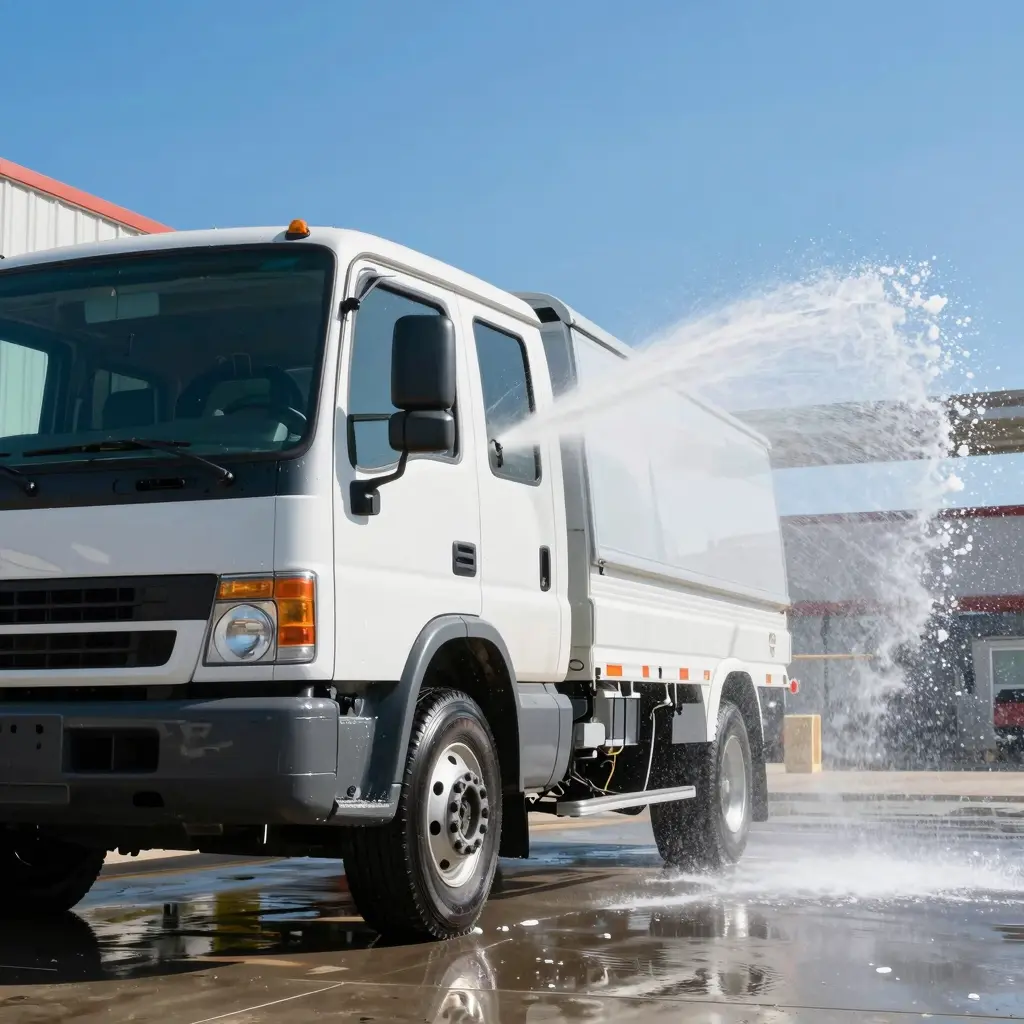
Ensuring that your fleet of trucks remains in pristine condition is not just beneficial; it’s imperative for maintaining operational efficiency and compliance with industry standards. This is where services like Blue Beacon Truck Wash come into play. Many fleet managers understand that a clean truck not only enhances the image of their business but also plays a pivotal role in determining the longevity of the vehicle. Fleet maintenance cannot be overlooked, and timely services are a part of this critical strategy. Blue Beacon, known for its swift and effective service, typically completes a truck wash in about 20 minutes. This efficiency enables fleet operations to minimize downtime without sacrificing the quality of service. In a fast-paced industry, the ability to keep your trucks clean in a short period can significantly impact your overall productivity and compliance with industry regulations. Making an informed choice about where to wash your trucks can save you time and resources while contributing to the upkeep that your fleet deserves.
Importance of Regular Truck Washing
For fleet managers, regular truck washing is crucial for a multitude of reasons, predominantly linked to vehicle maintenance, aesthetics, and regulatory compliance.
Vehicle Maintenance
Regular truck washes help in the protection of vehicle surfaces from harmful substances such as road grime, salt, and chemicals. These contaminants can lead to corrosion and damage over time, significantly reducing the lifespan of the vehicle. According to the National Fleet Association, consistent cleaning prevents the buildup of debris that can obscure vital components like lights and safety markings, ensuring vehicles remain compliant with safety regulations.
Aesthetics
The appearance of a fleet plays a direct role in shaping customer perception and brand image. Clean trucks project professionalism and reliability, essential traits for logistics and freight companies. A well-maintained vehicle can enhance customer trust and differentiate service providers in a highly competitive market.
Regulatory Compliance
With increasing environmental regulations on wash runoff, fleet managers must ensure they are compliant. Regular washing not only helps in meeting these regulatory standards but also minimizes the chances of receiving fines due to non-compliance. Fleet maintenance insights reveal that many regions enforce strict hygiene and emissions regulations, making proper truck washing essential for operational success (source).
In summary, neglecting regular truck washing can lead to increased maintenance costs, diminished vehicle longevity, and potential regulatory penalties. Fleet managers should prioritize truck washing as an integral component of fleet management.
Common Truck Types Serviced by Blue Beacon
Blue Beacon Truck Wash specializes in cleaning a variety of truck types, catering primarily to the needs of fleet managers and trucking company owners. Here’s a list of common trucks often serviced at their facilities, highlighting their features and sizes:
-
Over-the-Road (OTR) Semi-Trucks
These heavy-duty trucks are standard for long-haul freight transport. They typically measure around 70-80 feet in length and can weigh up to 80,000 pounds when loaded. Their size makes them crucial for freight logistics across the country. -
Tractor-Trailers
Comprising a separate truck (the tractor) and a trailer, these vehicles can vary in length, but the total often exceeds 70 feet. They are essential for transporting goods across states, making regular cleaning a necessity to maintain appearance and functionality. -
Flatbeds
Flatbed trucks lack side walls and roofs, facilitating the transport of large or heavy items. They are commonly around 48-53 feet long and provide versatility for various loads, such as construction equipment or large industrial supplies. -
Refrigerated Units (Reefers)
Used for transporting perishable goods, these trucks are equipped with refrigeration systems. Standard sizes range from 48-53 feet long. Maintaining cleanliness is vital for food safety regulations. -
Tanker Trucks
Designed to transport liquids, these trucks vary in size but often range from 30 to 50 feet in length. Their specialized design requires careful cleaning to prevent contamination and ensure safety. -
Dump Trucks
Commonly used in construction and mining, dump trucks range from 20 to 40 feet in length. Regular washing is essential to remove dirt, debris, and materials transported, ensuring compliance with industry regulations.
Blue Beacon’s commitment to thorough washing services ensures that all types of trucks-regardless of size and function-are maintained to meet the standards required in the logistics and transportation industries. For more information on compliance and regulations, check this link.
Understanding Wash Times at Blue Beacon
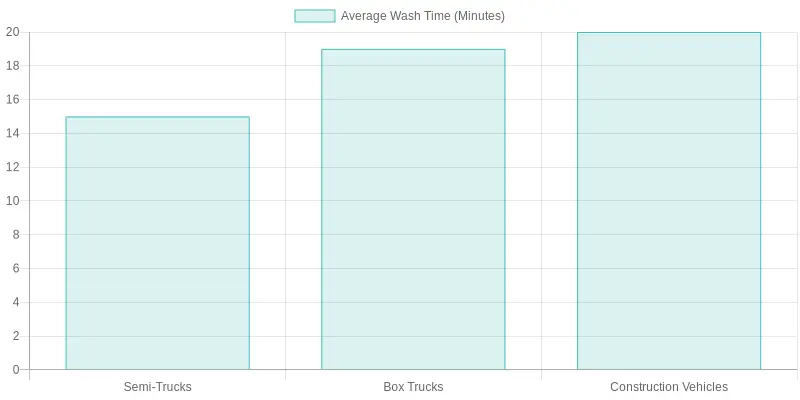
When managing a fleet of trucks, knowing how long it takes to wash different types of vehicles is crucial. Blue Beacon provides varying average wash times depending on the vehicle category:
| Truck Category | Average Wash Time (Minutes) | Notes |
|---|---|---|
| Semi-Trucks | 12 – 18 | Includes tractor-trailers; time varies based on size, dirt level, and wash system type. |
| Box Trucks | 15 – 20 | Typically smaller but with more complex body contours; higher end of range for soiled vehicles. |
| Construction Vehicles | 17 – 22 | Longer times due to heavy mud, debris, and undercarriage cleaning needs. |
According to industry benchmarks, regular truck wash times can significantly impact fleet operations. The high pressure used in automated systems can clean vehicles in as little as 12 minutes but may take longer for larger and more complex vehicles. This variability is also influenced by vehicle condition, cleaning standards, and wash equipment. For more detailed management insights, consider the importance of regular trailer maintenance.
For further visual reference, see the chart below illustrating the average truck wash times by category:
Keep this information in mind as you plan maintenance schedules and manage your fleet’s efficiency.
Factors Affecting Wash Time at Blue Beacon
Washing a truck at Blue Beacon can vary significantly in duration due to several influential factors:
-
Truck Size: Larger trucks, such as tractor-trailers, generally require more time to wash than smaller vehicles. The more extensive surface area translates to longer cleaning durations.
-
Type of Wash Chosen: The wash package selected impacts the time required. A standard exterior wash typically takes about 15 to 25 minutes, while comprehensive washes that include detailing options, such as interiors or specialized treatments, can extend the duration to 30-45 minutes or more.
-
Current Wait Times: The volume of trucks present at the wash facility can lead to increased wait times. During peak hours, especially in the morning and late afternoon, the total time from arrival to completion can exceed 40 minutes. A recent report indicates that average wait times at wash facilities can range from 12 to 45 minutes, depending on the time of day and the facility’s location.
-
Vehicle Condition: Trucks that are heavily soiled may require extra cleaning cycles, further extending the wash duration. Factors such as mud, oil, or road grime accumulation present additional challenges for the washing crew to address efficiently.
For optimal time management, fleet managers should consider these factors and plan wash appointments accordingly. For more insights, you can learn more about industry compliance or read about the importance of regular trailer maintenance.
Customer Experiences at Blue Beacon
When examining customer experiences regarding wait times at Blue Beacon Truck Wash, several insights emerge from recent reviews and testimonials. According to a variety of sources, including user-generated reviews on Yelp and TruckersNews, the average wait time fluctuates significantly based on the time of day and operating conditions.
Key Statistics and Insights:
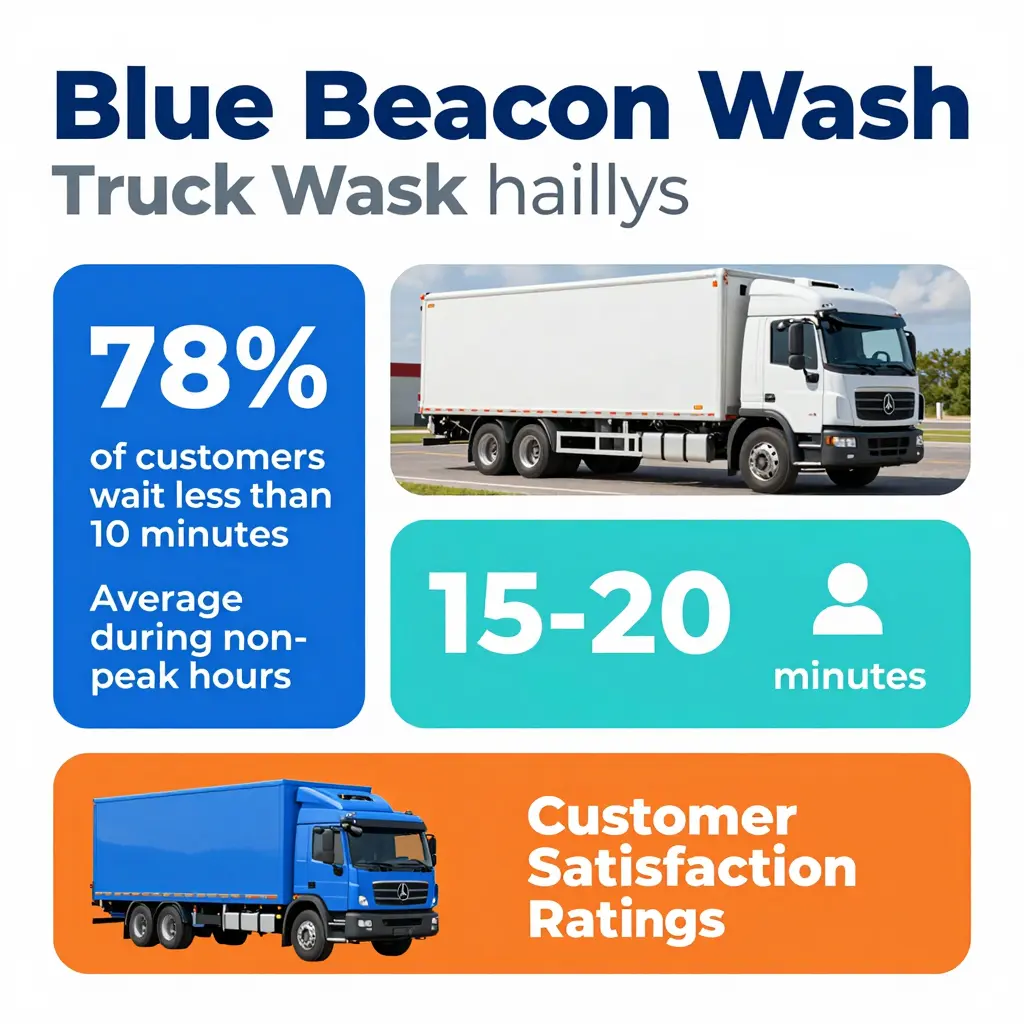
- Efficiency During Non-Peak Hours: Approximately 78% of customers report an average wait time of less than 10 minutes during off-peak hours, with many customers praising the speed and efficiency of the service.
- Peak Hours Considerations: During peak hours, typically between 6 AM to 9 AM and 7 PM to 10 PM, wait times can extend to 15-20 minutes. These times are notable as drivers often arrive in large numbers during these intervals.
- Customer Satisfaction Ratings: Overall, reviews indicate a mixed sentiment. On average, customers rate their experience around 3.2 out of 5, with many satisfied with the quality of service despite occasional long wait times.
- Positive Feedback on Service Quality: High praise is often directed towards the professionalism and courtesy of staff, contributing to a positive overall customer experience. Users frequently mention that the quality of the wash compensates for any delays.
Illustrating the above insights, here’s a detailed infographic that effectively visualizes customer feedback on wait times and satisfaction levels.
The Importance of Regular Truck Washing
Regular truck washing is not only essential for maintaining the aesthetic appeal of your fleet but also plays a vital role in enhancing overall efficiency and performance. According to Denise L. Rondini, a senior fleet operations consultant, “A clean truck is not just about appearance-it’s a safety and efficiency issue. Dirt and grime buildup can accelerate corrosion and hide critical defects during inspections. Washing every 7-10 days reduces long-term wear on paint, undercarriage, and seals by up to 30%.”
Regular washing can also extend the lifespan of vehicles by preventing rust, as noted by Blue Beacon, which states that it can improve fuel efficiency and safety due to better visibility through windshields and mirrors. Thus, the benefits of maintaining a clean fleet extend beyond mere cleanliness; they include better operational performance and enhanced professional image, reinforcing a company’s reputation in the industry.
For more insights, check out the importance of regular trailer maintenance and compliance regulations related to washing standards here.
In summary, the optimal wash times at Blue Beacon play a crucial role in enhancing fleet operations for logistics and trucking companies. The blend of swift services-often completed in under 30 minutes-ensures that essential vehicles return to the road quickly, minimizing downtime and enhancing productivity. Recognizing the importance of cleanliness in boosting compliance with industry regulations and maintaining brand reputation, fleet managers can significantly benefit from Blue Beacon’s efficient washing services. With their commitment to quality and speed, Blue Beacon not only facilitates compliance but also supports fleet standardization in emergency responses, vital for various sectors, including construction and mining.
By choosing Blue Beacon, fleet managers can ensure that their vehicles not only meet industry standards but also reflect a professional image, potentially saving costs associated with vehicle maintenance in the long term. Fleet operations can thrive with the right washing partner, making timely truck washes a strategic choice for those looking to optimize their logistics operations. To discover more about the impact of regular cleaning services on compliance and fleet efficiency, explore the importance of regular trailer maintenance and learn about fleet standardization in emergency response.
Conclusion and Call to Action
Maintaining a clean and well-presented fleet is essential for those in logistics, trucking, and construction. While knowing how long a Blue Beacon wash takes can help in planning, the ultimate goal should be ensuring that your trucks are consistently in top condition. As competition in the transportation industry intensifies, presenting a polished image can enhance customer perceptions and reflect your commitment to quality and excellence.
This is where Summit Fairings comes into play. Offering a range of services and products tailored to the needs of fleet managers and owners, they provide solutions that not only keep your vehicles clean but also enhance their aerodynamics and overall performance. With years of expertise, Summit Fairings helps fleets optimize fuel efficiency through innovative fairing designs while offering straightforward installation processes.
Why Choose Summit Fairings?
- Expertise: Founded by industry veterans, their team brings decades of experience.
- Quality Products: Their fairings are crafted from durable materials, ensuring longevity and resilience.
- Tailored Solutions: Customized options to fit unique fleet requirements.
- Enhanced Efficiency: Proven designs lead to improved fuel savings, helping you reduce operational costs.
For reliable, high-quality products and unparalleled service, learn more about Summit Fairings today!
Transform your fleet’s efficiency and appearance with the best solutions in the industry. Don’t wait-invest in your fleet’s success now!
Understanding Average Wash Times at Blue Beacon
The average wash time for trucks at Blue Beacon can vary significantly based on the type of wash service selected and the truck type. When considering a wash for logistics and freight fleets, it is vital to understand these average times to optimize your fleet operations.
Average Wash Times for Truck Washing Methods
The following average wash times provide insight into how long you might expect washing to take for various methods:
| Wash Method | Average Time Range |
|---|---|
| Automated Conveyor Wash Systems (Truck) | 4-8 minutes |
| Automatic Car Wash (Passenger Vehicle) | 5 minutes |
| Self-Service Car Wash (Passenger Vehicle) | 15-45 minutes |
| Traditional Bucket & Foam Gun (Truck) | 30-60 minutes |
Note: Average wash times reflect operational benchmarks, with methods adapted based on truck size and dirt levels. Automated systems are generally faster, ideal for commercial operations where efficiency is crucial.
Visual Representation
The chart below visually depicts these average wash times:

Understanding these timeframes allows fleet managers and trucking company owners to make informed decisions on scheduling truck washes, ultimately leading to enhanced operational efficiency. For more about compliance in the truck wash industry, explore here.