
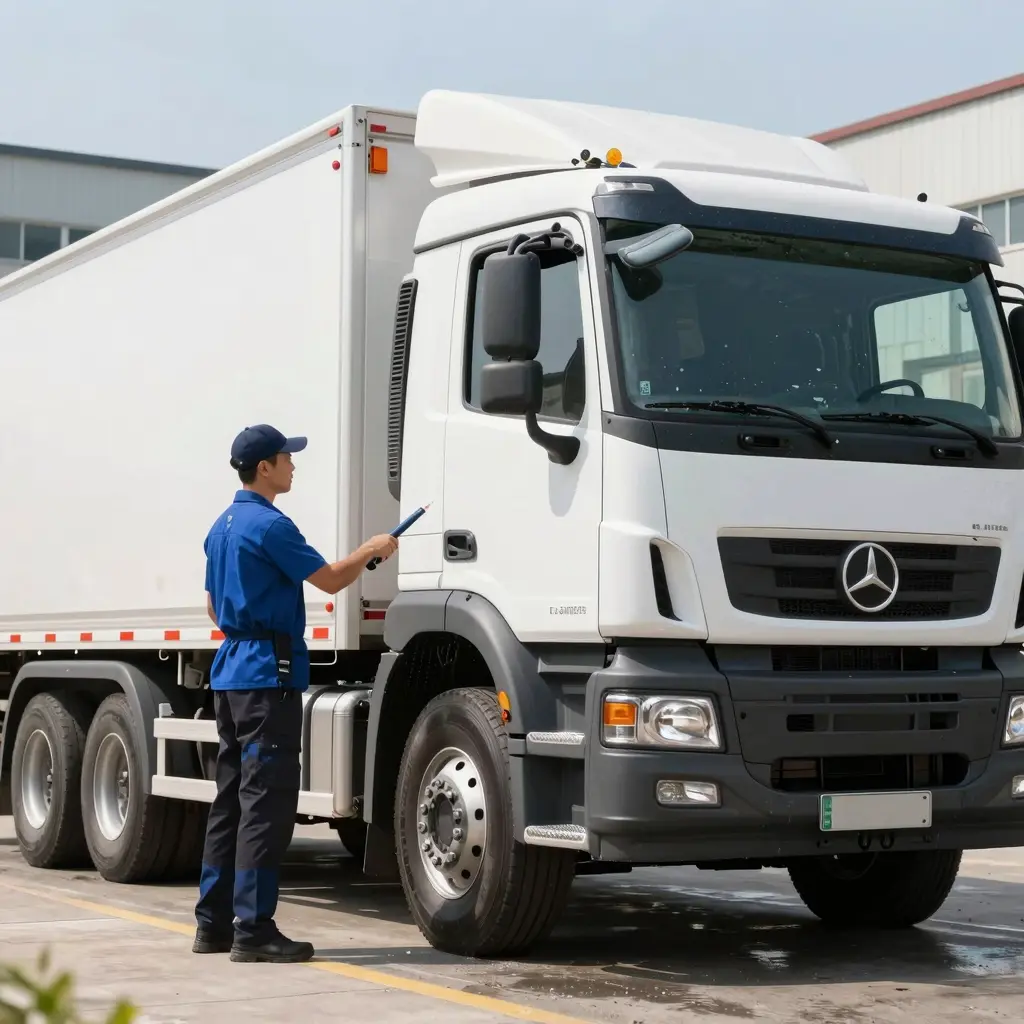
In the ever-evolving trucking industry, the question of cleanliness might seem secondary, yet it is profoundly impactful. Cleanliness not only enhances the aesthetic appeal of fleet vehicles but also plays a pivotal role in complying with environmental regulations and sustainability initiatives. For fleet managers and trucking company owners, engaging a professional known as a truck washer or power washer is essential. These specialists are not merely cleaning the trucks; they are also contributing to regulatory compliance and reducing emissions, which is crucial in today’s environmentally-conscious market. In fact, the Clean Truck Program, implemented in various regions, aims to enhance air quality by ensuring that trucks operating within city limits meet specific emissions standards learn more about compliance regulations. A well-maintained fleet can lead to lower long-term operational costs and increased vehicle lifespan, making the role of a truck washer critical to a company’s success. By investing in regular power washing, fleet operators not only ensure their vehicles remain in excellent condition but also signal their commitment to sustainability and efficiency in their operations.
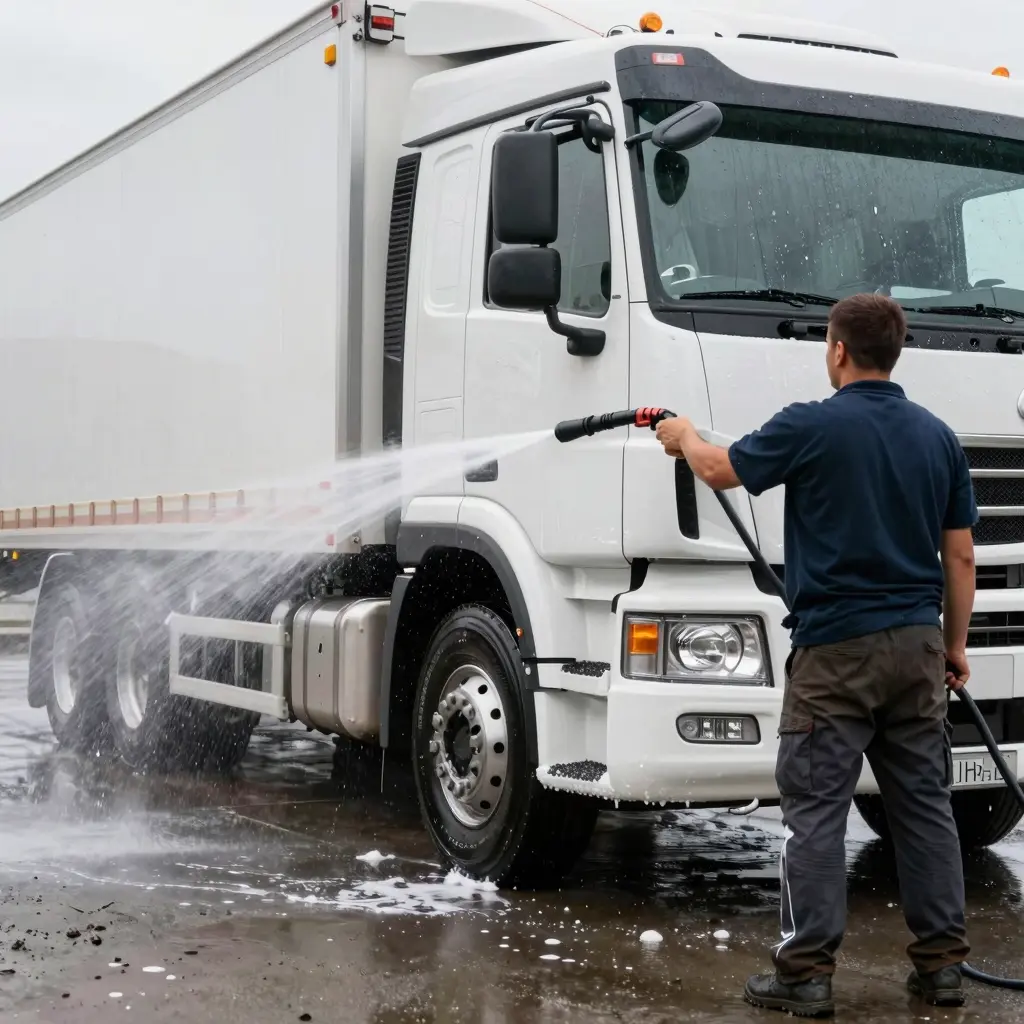
Understanding Power Washing in the Trucking Industry
Definition of a Power Washer
In the trucking industry, a power washer is a high-pressure water cleaning device specifically designed to remove accumulated grime, dirt, oil residues, and other contaminants from large commercial vehicles. These machines operate typically within a pressure range of 1,500 to over 4,000 PSI, providing the necessary force to clean heavy-duty surfaces such as trucks, construction vehicles, and agricultural equipment. They are considered essential tools for fleet maintenance, as they enhance cleanliness and appearance while also prolonging the life of vehicle components.
Modern power washers combine advanced features such as electric, gas, or diesel-powered motors, smart control panels, and options for automatic scrubbing or touchless spraying. They may also utilize water recycling systems, which not only improve efficiency but also comply with environmental regulations.
Specialized Roles in Truck Washing
Fleet Wash Specialists are trained professionals focused on effectively cleaning all types of vehicles within a fleet. Their expertise lies in using mobile wash units, where they follow a set protocol to ensure that the work areas, such as the washing bay and parking lots, remain orderly and safe. These specialists are vital in maintaining a fleet’s aesthetic and operational efficiency, as they utilize various cleaning solutions to tackle different types of dirt and grime. Their role demands a keen eye for detail and strict adherence to safety protocols during cleaning operations. For more on fleet safety and compliance, learn more about industry regulations.
Mobile Wash Technicians, on the other hand, are skilled workers equipped for on-site cleaning services. They often operate their own mobile units, which allows them to reach various locations where fleets may operate. Technicians must be adept at handling the equipment properly, understanding the specific cleaning needs of different vehicles, and being able to adapt to varying environments and conditions encountered in the field. Their responsibilities include ensuring vehicles are maintained to a certain cleanliness standard and providing preventative maintenance assistance. The skills required include technical knowledge of equipment, time management, and strong customer service abilities.
Overall, both fleet wash specialists and mobile wash technicians play crucial roles in the trucking and transport sectors, ensuring vehicle cleanliness, which is paramount for operational success.
Conclusion
In summary, truck power washers and dedicated technicians are integral to maintaining the high standards necessary for fleet operations. Their combined skills and specialized equipment foster an environment that prioritizes safety, efficiency, and compliance within the trucking industry.
The Importance of Power Washing Trucks in Maintaining Fleet Value and Reliability
Power washing trucks plays a critical role in maintaining the longevity and resale value of commercial vehicles. Fleet managers and operators must recognize that a clean truck is not just about aesthetics; it directly impacts the durability and overall performance of their fleet.
Enhancing Vehicle Longevity
Regular power washing helps in the removal of harmful contaminants such as road salts, grime, and debris that contribute to corrosion and rust formation. According to an analysis from the Commercial Vehicle Maintenance Journal, vehicles undergoing bi-weekly professional-grade pressure washes exhibit a 45% reduction in rust formation, substantially enhancing structural integrity. Moreover, fleets that invest in high-pressure washing systems report an average extension of vehicle lifespan by up to 30% thanks to consistent care and cleanliness (Industry Insights Blog).
Boosting Resale Value
A study conducted by the American Trucking Associations found that commercial trucks with a full maintenance history-including regular cleaning-can command up to 18% more at resale than poorly maintained units. Fleet operators learn that trucks washed consistently, especially undercarriages and wheel wells, show a higher trade-in value due to decreased wear on body panels and an overall clean condition. Trucks that are maintained properly may sell for 25% more compared to similar models with inadequate historic upkeep.
Expert Insights
According to industry experts, well-documented service records-including regular washing-are the most crucial aspects determining resale value. Buyers prioritize trucks showing care and attention, evident through consistent maintenance practices. Regular power washing not only maintains aesthetics but also prevents degradation, thus becoming a smart investment for fleet managers aiming for high resale value.
Conclusion
In conclusion, the importance of regular power washing trucks cannot be overstated. The benefits of maintaining cleanliness in fleet vehicles extend beyond surface appearance, significantly affecting vehicle longevity and resale value. Investment in regular cleaning routines yields both operational and financial advantages, making it a vital aspect of fleet management.
Comparing Power Washing Methods for Trucks
Effectively maintaining truck surfaces is paramount for fleet managers and operators in the logistics and trucking sectors. The method of power washing chosen can significantly affect the cleaning results. Below, we summarize the effectiveness of hot water pressure washing, cold water pressure washing, and the use of chemicals based on recent research.
Power Washing Method Comparison
| Category | Hot Water Pressure Washing | Cold Water Pressure Washing |
|---|---|---|
| Effectiveness on Grease & Oil | Extremely effective. Heated water breaks down oil, grease, and stubborn grime at a molecular level. Ideal for engine bays, undercarriages, and heavy-duty truck components. | Limited effectiveness. Relies mainly on mechanical pressure; struggles with oily or greasy residues without chemical assistance. |
| Chemical Use Requirement | Significantly reduced. Heat enhances detergent efficiency, allowing lower chemical concentrations for the same cleaning result. | High. Requires stronger detergents and longer dwell times to achieve comparable results on greasy surfaces. |
| Cleaning Speed | Faster. Thermal action accelerates the breakdown of contaminants, reducing cycle time per vehicle. | Slower. Requires more time and effort to remove oily buildup, especially in high-traffic areas like wheel wells and frames. |
| Surface Safety | Generally safe for most metal and painted surfaces when temperature is controlled. Can damage sensitive coatings if overheated. | Safer for delicate surfaces due to lower temperatures. Less risk of warping or damaging paint and plastic trim. |
| Environmental Impact | Lower chemical usage reduces environmental runoff. However, energy use (propane/diesel/electric) increases carbon footprint. | Lower energy consumption (no heating). But higher chemical volume leads to greater potential for chemical runoff. |
| Equipment Cost | Higher initial cost. Includes burner/heater systems, fuel source (propane/diesel), or high-power electric heaters. | Lower initial cost. Simpler design with no heating component. More affordable for small operations. |
| Portability & Operation | Gas-powered models are portable but bulky and noisy. Electric models require power access, limiting remote use. | Lightweight and highly portable. Easily used in various locations without the need for fuel or electrical hookups. |
Use of Chemicals in Power Washing
The use of chemicals in power washing boosts the cleaning efficiency, particularly for tough stains like oil and grease. However, it comes with its own set of pros and cons:
-
Pros:
-
Enhanced cleaning efficiency by breaking down grease, oil, and organic matter more effectively than water alone.
-
Capability to handle tougher stains and accumulate faster results, which saves time and potentially labor costs.
-
Cons:
-
Environmental risks such as runoff contamination of soil and waterways when non-biodegradable or toxic chemicals are used.
-
Potential damage to sensitive surfaces, health hazards from chemical exposure, and the need for specialized training and protective equipment.
For further reading on maintaining compliance and understanding emissions regulations relevant to truck washing, you can learn more about industry compliance.
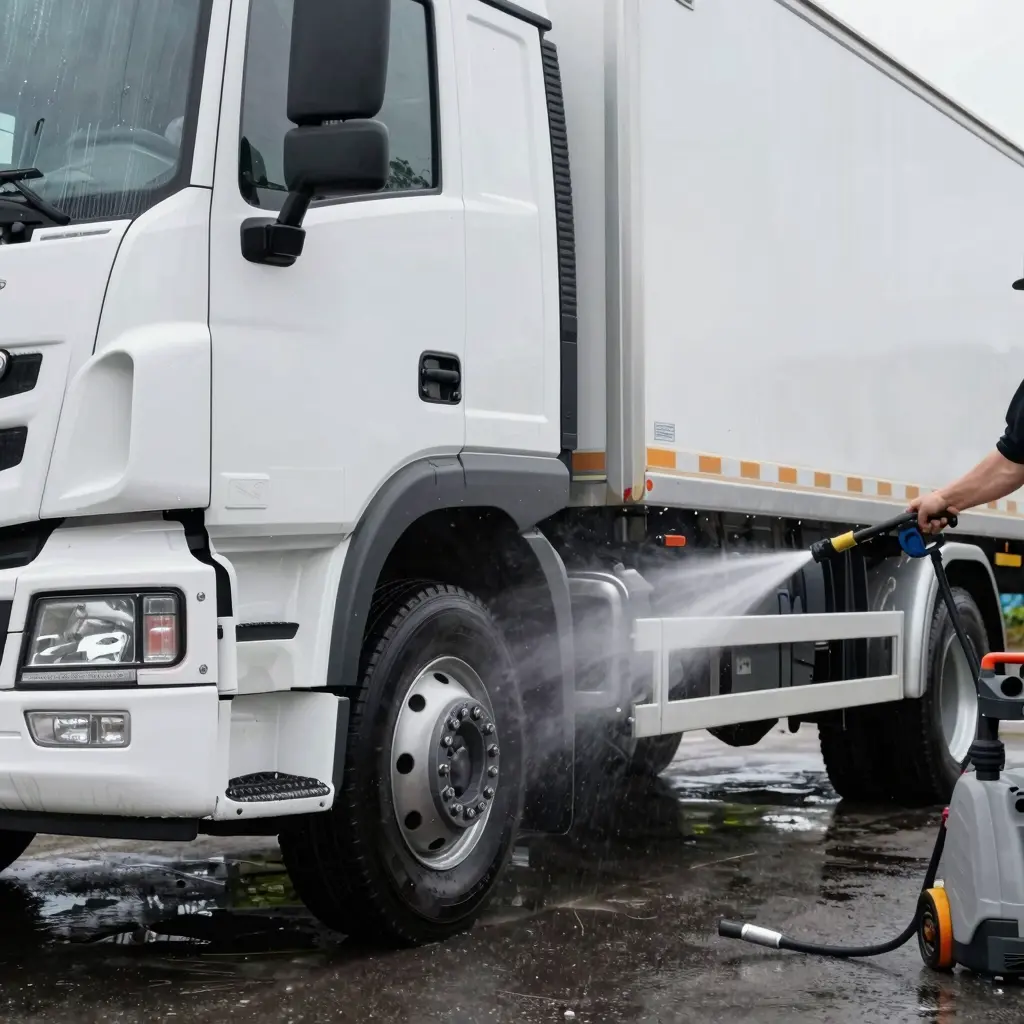
This image illustrates the effectiveness of hot water pressure washing in achieving a clean truck surface.
Conclusion
In conclusion, choosing the right method of power washing can significantly impact the longevity and appearance of truck surfaces. This comparative analysis provides essential insights for fleet managers and operators in their decision-making process.
Benefits of Outsourcing Truck Power Washing Services
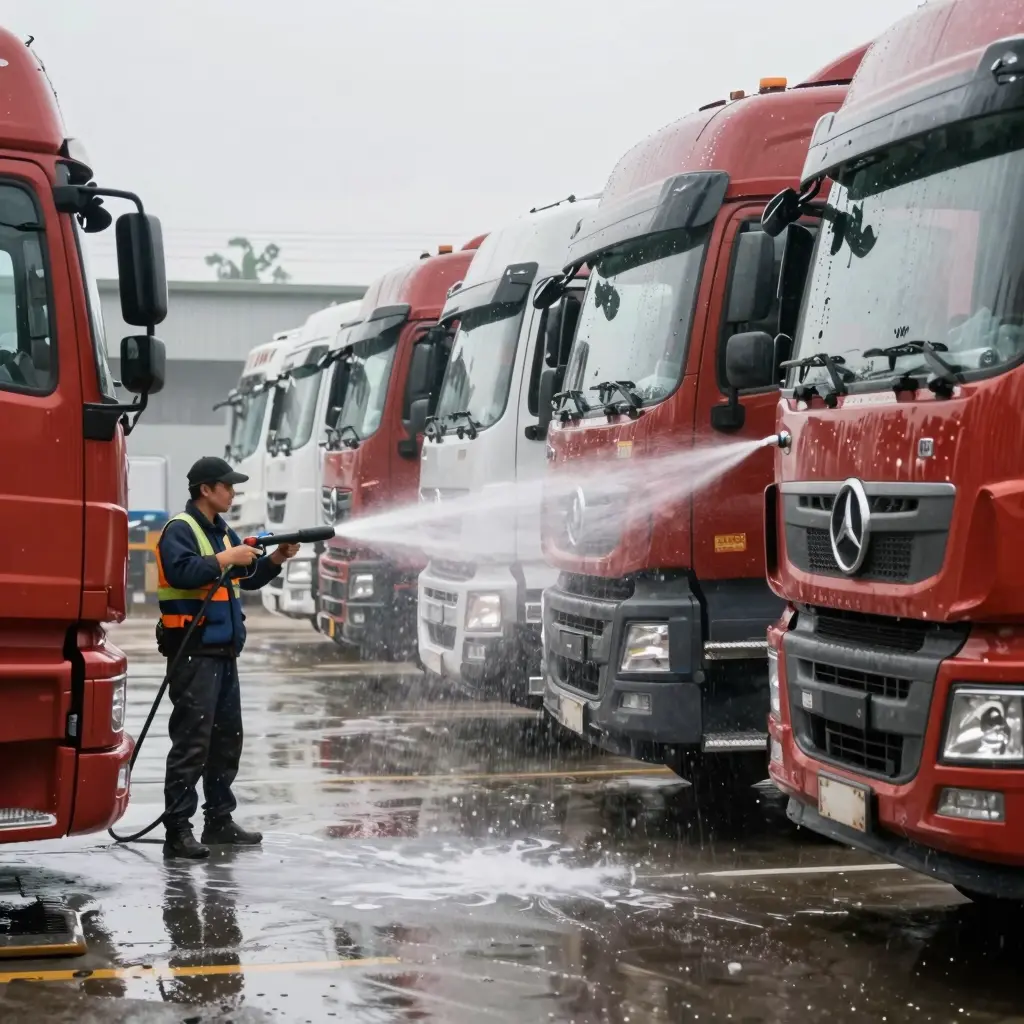
Outsourcing truck power washing services presents significant advantages for logistics companies, primarily in cost-effectiveness and operational efficiency. Managing in-house truck washing operations often requires extensive investment in both time and resources. By hiring professionals, logistics firms can significantly reduce operational overhead by eliminating the need for specialized staff, expensive equipment, and facilities necessary for an effective power washing operation.
Cost-Effectiveness
One of the most compelling reasons to outsource is the substantial cost savings. A Harvard Business Review article highlights how outsourcing maintenance services, including truck power washing, can lead to a reduction of cleaning and maintenance costs by as much as 35%. Such savings stem from the outsourced provider’s economies of scale, which allow them to offer lower per-unit costs than it is feasible for a logistics company to achieve with an in-house team.
Moreover, by outsourcing, logistics companies can adopt a fixed payment model for services received, which prevents budget overruns associated with fluctuating in-house labor costs and equipment maintenance.
Enhanced Efficiency
Outsourced services also enhance overall operational efficiency. A study from Transport Topics found that companies utilizing third-party truck washing experienced up to an 18% reduction in vehicle downtime. This improvement results from specialized service providers using advanced technology and efficient cleaning processes that minimize the time trucks spend off the road.
Furthermore, outsourcing helps logistics firms ensure compliance with environmental standards, thereby avoiding potential penalties related to wastewater discharge and further reducing the risk associated with maintaining compliance in-house. Cleaner trucks mean improved fleet image, affecting customer perceptions positively and bolstering brand reputation.
In conclusion, outsourcing truck power washing not only yields cost savings and operational efficiencies but also enables logistics companies to focus on their core business functions while tackling the cleaning and maintenance of their fleets effectively.
Power Washing Regulations and Best Practices in Trucking
In the trucking industry, power washing is crucial for maintaining vehicle hygiene and compliance standards. However, fleet managers must be aware of various environmental regulations and best practices to ensure operations are both effective and compliant with laws governing wastewater and pollution control.
Regulatory Compliance
-
National Pollutant Discharge Elimination System (NPDES): According to the U.S. Environmental Protection Agency (EPA), any facility that discharges wash water containing pollutants (like oil, grease, and heavy metals) into surface waters needs to obtain an NPDES permit. This ensures that emissions are controlled and do not harm water quality.
-
Stormwater Management: The California Air Resources Board (CARB) recommends that all wash operations be performed on impermeable surfaces equipped with secondary containment systems. During washing, contaminants should be prevented from entering stormwater systems to comply with local and federal regulations.
-
Clean Water Act Compliance: Power washing exposure can lead to potential violations of the Clean Water Act due to the release of hydrocarbons and particulate matter. The National Pollution Prevention Roundtable (NPPR) emphasizes the need for a written stormwater pollution prevention plan (SWPPP) which should include regular inspections of wash areas.
Best Practices
To maximize compliance and operational efficiency, fleet managers should implement the following best practices:
-
Wash Systems: Utilize high-pressure, low-volume wash systems that minimize water usage while still effectively cleaning vehicles. This not only conserves water but also reduces the risk of erosion and pollution.
-
Containment and Recycling: Implement containment systems like catch basins or portable wash racks connected to holding tanks. Best practices also recommend capturing and recycling wash water whenever feasible, disposing of waste materials through licensed hazardous waste handlers.
-
Training: Regular employee training on proper washing procedures is crucial. Ensure that all staff are aware of the environmental impact of their actions and the importance of using biodegradable, environmentally-friendly cleaning agents.
-
Documentation: Keep detailed records of all wash activities and waste disposal to demonstrate compliance with regulations and support proactive management strategies.
By adhering to these regulations and best practices, trucking companies can ensure their power washing operations are environmentally responsible while maintaining compliance with necessary legal standards. For an in-depth exploration of compliance regulations in the trucking industry, consider reviewing this guide on truck wash industry compliance and emissions regulations.
Fleet Maintenance Efficiency: Power Washing Benefits
The importance of regular power washing has been documented in recent studies, showcasing substantial improvements in fleet maintenance efficiency over time. A comparison between regular washing schedules (every 30-45 days) and irregular cleaning practices reveals critical metrics such as:
| Metric | Regular Power Washing (Every 30-45 Days) | Irregular Washing Schedule | Improvement/Reduction vs. Irregular |
|---|---|---|---|
| Reduction in corrosion-related maintenance costs | 37% lower | Baseline (100%) | 37% reduction |
| Increase in vehicle lifespan | +28% | Baseline (100%) | +28% extension |
| Lower incidence of paint degradation | 42% less frequent | Baseline (100%) | 42% reduction |
| Decrease in unexpected breakdowns | 54% fewer incidents | Baseline (100%) | 54% decrease |
| Improvement in overall maintenance efficiency | 33% higher | Baseline (100%) | 33% improvement |
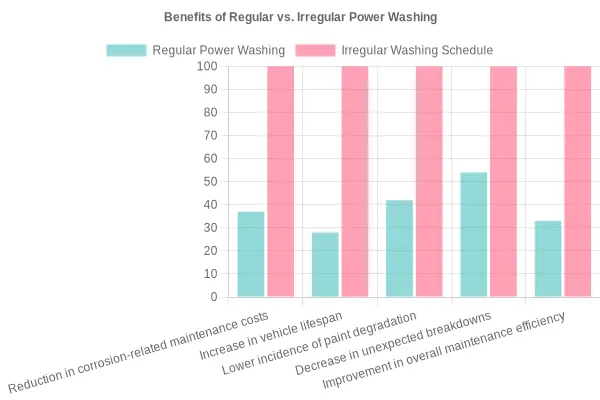
This chart visualizes the significant advantages of regular washing practices, demonstrating not only operational efficiency but also cost savings associated with preventive maintenance. Consistent washing leads to longer vehicle lifespan and reduced repair incidences, translating to better resource allocation and management in logistics and fleet operations.
Conclusion
In conclusion, engaging power washing professionals for the upkeep of trucking fleets is not merely an aesthetic concern-it’s a strategic investment that ushers in a range of operational benefits. Cleanliness in fleet maintenance translates directly into cost savings, operational reliability, and an enhanced brand image, which is crucial in the highly competitive logistics and freight industry.
A clean truck enhances fuel efficiency by reducing aerodynamic drag, leading to lower fuel consumption-up to 5% better in some cases. This reduction in fuel usage translates to significant savings over time, positively impacting overall operational expenses. Additionally, regular washing helps in extending the lifespan of vehicles by preventing corrosion and preserving their structural integrity. This proactive approach to maintenance can substantially lower long-term repair costs and minimize downtime due to vehicle failures.
Moreover, maintaining a consistently clean fleet boosts brand reputation, as clean trucks project professionalism and attention to detail. This perception of caring for equipment can provide a competitive edge, fostering customer trust and potentially leading to new business opportunities. In industries like food distribution, where hygiene compliance is paramount, the emphasis on cleanliness can be the differentiator that secures contracts and client loyalty.
Given these critical factors, fleet managers and owners must recognize the value of professional power washing services. By investing in regular cleaning, they can enhance their operational reliability while enjoying cost savings-ultimately leading to a more successful and robust trucking business. Learn more about the importance of regular trailer maintenance and how it aligns with fleet standardization for emergency response by visiting this page.
“A clean fleet not only enhances the professional image of the company but also helps in timely detection of leaking fluids, preventing further damage and ensuring the safety of operations.”
- Industrial Cleaning Equipment Experts, FUSSEN
Maintaining cleanliness in fleet vehicles is crucial for both operational efficiency and corporate image. A clean truck signifies a commitment to quality and care, reflecting positively on the brand. Proper washing routines not only prolong the lifespan of the vehicles but also minimize maintenance costs in the long run. Understanding industry compliance and regulations can further enhance the operations, which you can learn more about here. Regular maintenance, including thorough cleaning, should be a standard procedure for any logistics or trucking company striving for excellence, as highlighted in this discussion on trailer maintenance.