
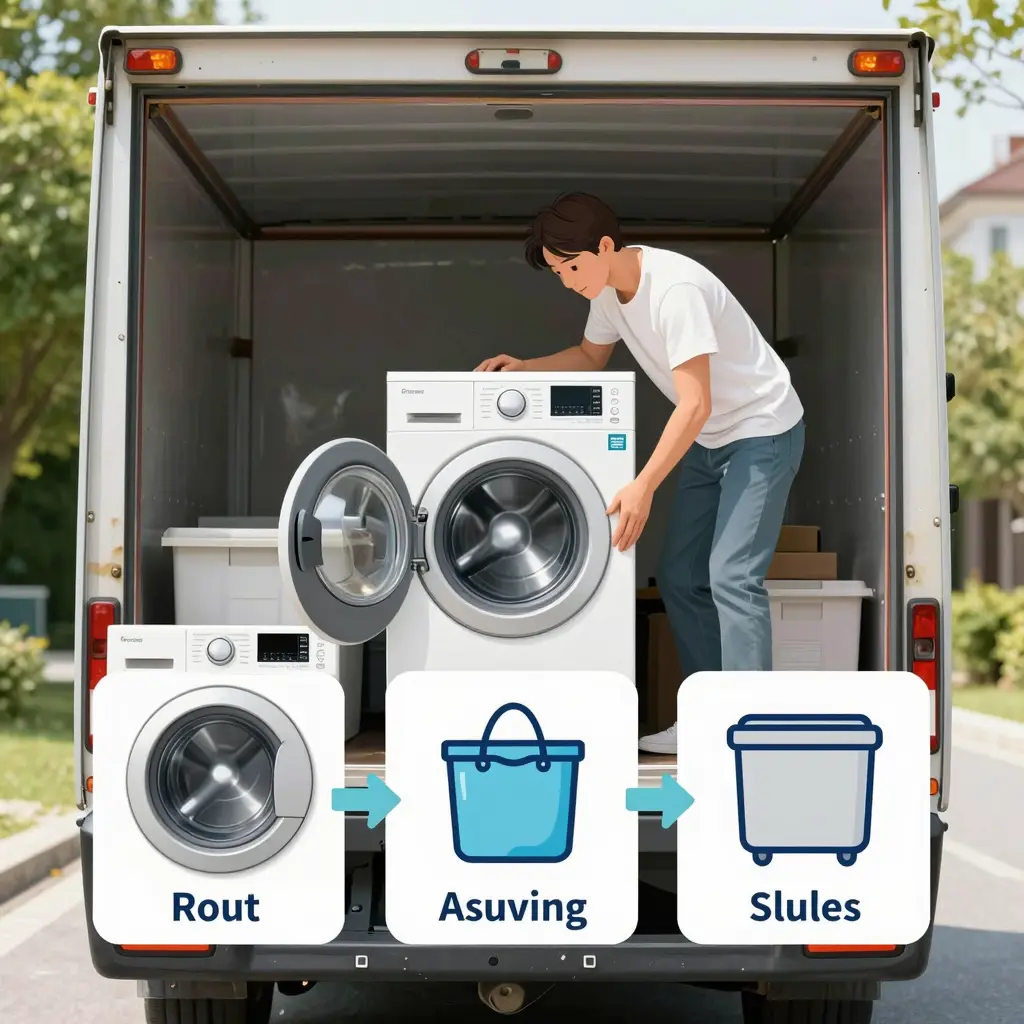
Properly loading a washer and dryer into a truck is crucial for ensuring safe and efficient transportation of these heavy appliances. Fleet managers and trucking company operators must pay close attention to the logistics involved in this process, as improper handling can lead to significant damages, both to the appliances and the vehicle. The best practices for loading a washer and dryer include emptying the machines of all water, disconnecting hoses and electrical cords, and securing the drum with transit bolts. Also, the appliances should always be transported upright to prevent internal damage to delicate components. For those involved in logistics, following these steps not only minimizes the risk of costly repairs but also enhances the reliability of service provided to customers. This is particularly pertinent for long hauls, where vibration and shifting can exacerbate potential issues. Given the valuable nature of washing machines and dryers, employing safe loading techniques is essential to maintaining the integrity of goods in transit. Understanding these procedures can significantly influence operational efficiency and customer satisfaction. For more insights on maintaining compliance in freight operations, you can learn more about industry regulations and the significance of proper trailer maintenance.
Benefits of Professional Loading Techniques for Large Appliances
Using professional loading techniques when transporting large appliances such as washers and dryers offers several critical advantages:
-
Efficiency: Professional techniques streamline the loading process, reducing the time taken to load and secure appliances in the truck. This optimized workflow enhances overall operational productivity.
-
Safety: Proper loading minimizes the risk of injury to workers and damage to the appliances. Techniques such as using appropriate lifting equipment and securing loads with ratchet straps ensure safe transport.
-
Reduced Damage: By employing standardized practices, the likelihood of appliance damage during transport is significantly lowered. For instance, securing the drum with transit bolts and using padding can prevent internal and external damage.
-
Compliance: Adhering to industry standards can help businesses meet regulatory requirements, ensuring safe and efficient transport practices throughout the logistics process.
For further insights on regulatory compliance, learn more about industry compliance and the importance of regular trailer maintenance.
Step-by-Step Guide to Safely Loading a Washer and Dryer into a Truck
Loading washers and dryers into a truck requires careful planning and execution to ensure the safety of both the appliances and the individuals involved in the process. Here’s a detailed, step-by-step guide:
- Disconnect Power and Water Lines
- Turn off the washer and dryer at the circuit breaker.
- Unplug both appliances from the wall outlet.
- Shut off the water supply valves (hot and cold) behind the washer.
- Disconnect the water hoses using a wrench, and place a towel or bucket underneath to catch any residual water. Drain the hoses completely before removing them.
Source: Home Depot – Appliance Moving Tips
- Secure Internal Components
- For washers: Remove any transit bolts to prevent internal drum movement during transport. If absent, use wood or foam blocks for stabilization.
- Ensure that the dryer door is closed and securely latched. Some dryers may need additional securing for the drum if they are front-loading models.
Source: Whirlpool Customer Support – Moving Your Washer
- Wrap Appliances in Protective Materials
- Utilize moving blankets or furniture pads to wrap both appliances completely.
- Focus on protecting corners, sides, and control panels.
- Consider using moisture protection materials such as plastic wrap.
Source: U-Haul – Moving Appliances Safely
- Position Appliances Correctly in the Truck
- Load the heavier washer first, upright, with its front facing the cab. Follow with the dryer, facing the same direction.
- Ensure there is adequate space between the appliances to avoid contact during transport.
Source: Sears Home Services – Moving Large Appliances
- Use Ratchet Straps for Securing
- Secure each appliance with at least two ratchet straps attached to the truck’s anchor points.
- Cross the straps in an X-pattern for extra stability.
Source: Ryder – Commercial Truck Safety Guidelines
- After Transport, Allow Resting Period
- Let the appliances rest for at least 2-4 hours in their upright positions before use to ensure the internal components settle.
Source: GE Appliances – Moving & Reinstalling Your Washer
Visual Summary of Loading Steps
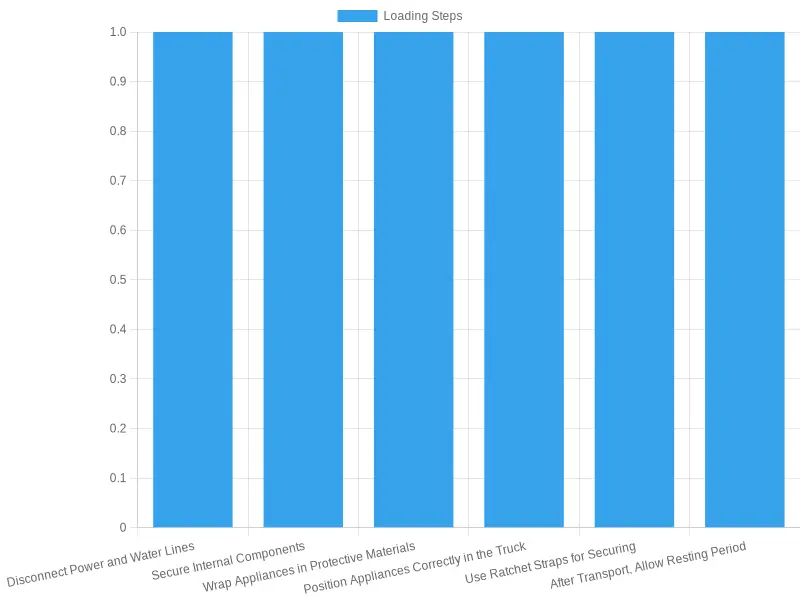
By following these steps, fleet managers and operators can safely transport washers and dryers without damaging the appliances or risking injury. For further information on logistics compliance, check out compliance and emissions regulations.

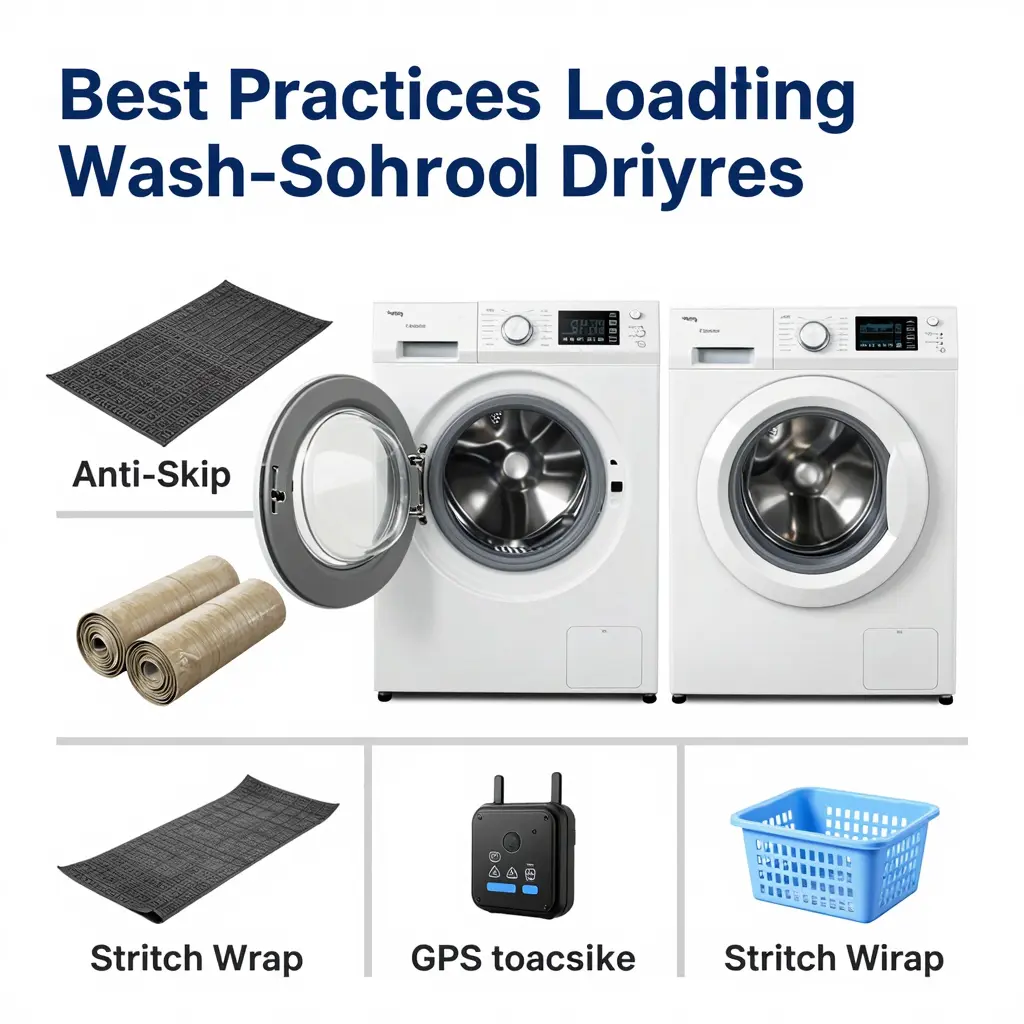
This image illustrates the proper loading techniques for safely loading a washer and dryer into a truck. It’s essential for logistics and freight professionals to understand these techniques to prevent damage to appliances and ensure a secure load during transportation.
Challenges and Solutions for Loading Washers and Dryers into Trucks
Loading washers and dryers into trucks presents several challenges that logistics managers and fleet operators must navigate to ensure successful transport. Understanding these challenges can significantly reduce the risk of damage to appliances and enhance operational efficiency.
Common Challenges
-
Space Constraints:
Loading appliances such as washers and dryers in confined truck spaces can be problematic. Often, the dimensions of these appliances do not align with the available space, leading to difficulty in maneuvering them into the truck. The need for efficient use of space is crucial as improper loading can lead to damage during transit. -
Weight Distribution:
Washers and dryers are typically heavy appliances that require careful consideration of weight distribution within the truck. An improperly loaded truck can lead to tipping or instability during transport. This is especially critical for larger fleets, where maintaining balance is essential for safe driving. -
Fragility of Components:
Many washers and dryers contain delicate components that can be damaged if not secured properly during transportation. For example, the drum of a washer must be protected to prevent any internal damage from movement. -
Equipment and Tools:
Loading these heavy appliances without the right equipment can be challenging and increase the risk of injury. Many fleet managers face difficulties due to a lack of proper tools or trained personnel to handle heavy lifting.
Effective Solutions
-
Proper Packing and Positioning:
Following industry standards like those outlined in the National Appliance Logistics Standards is crucial. Always load heavy appliances first and ensure they are securely positioned against the truck walls to minimize movement. Using anti-slip mats can also enhance stability. -
Weight Distribution Strategy:
Distributing weight evenly across the truck’s axle is essential. Fleet operators should aim to place heavier appliances towards the lower front of the truck, ensuring the load center remains stable. This method can help in reducing the risk of accidents and improve handling (Industry standards recommend a balanced loading approach). -
Equipment Utilization:
Employ proper lifting equipment such as dollies, lift gates, and straps to assist in loading. Following the guidelines by the American Moving & Storage Association, trained staff should utilize the proper techniques and tools for loading heavy appliances to prevent injuries and ensure efficiency. -
Safety Checks:
Prior to hitting the road, conduct thorough safety checks on the loaded appliances to confirm they are secured properly. This includes verifying the integrity of straps and other securing equipment as recommended by Logistics Today Magazine.
Conclusion
By recognizing and addressing these common challenges, fleet managers can enhance their loading processes for washers and dryers. Optimal packing, careful weight distribution, and the use of specialized equipment are vital for safeguarding these valuable appliances. Implementing these solutions will ensure a safer and more efficient transportation experience, ultimately benefiting the logistics and freight operation as a whole.
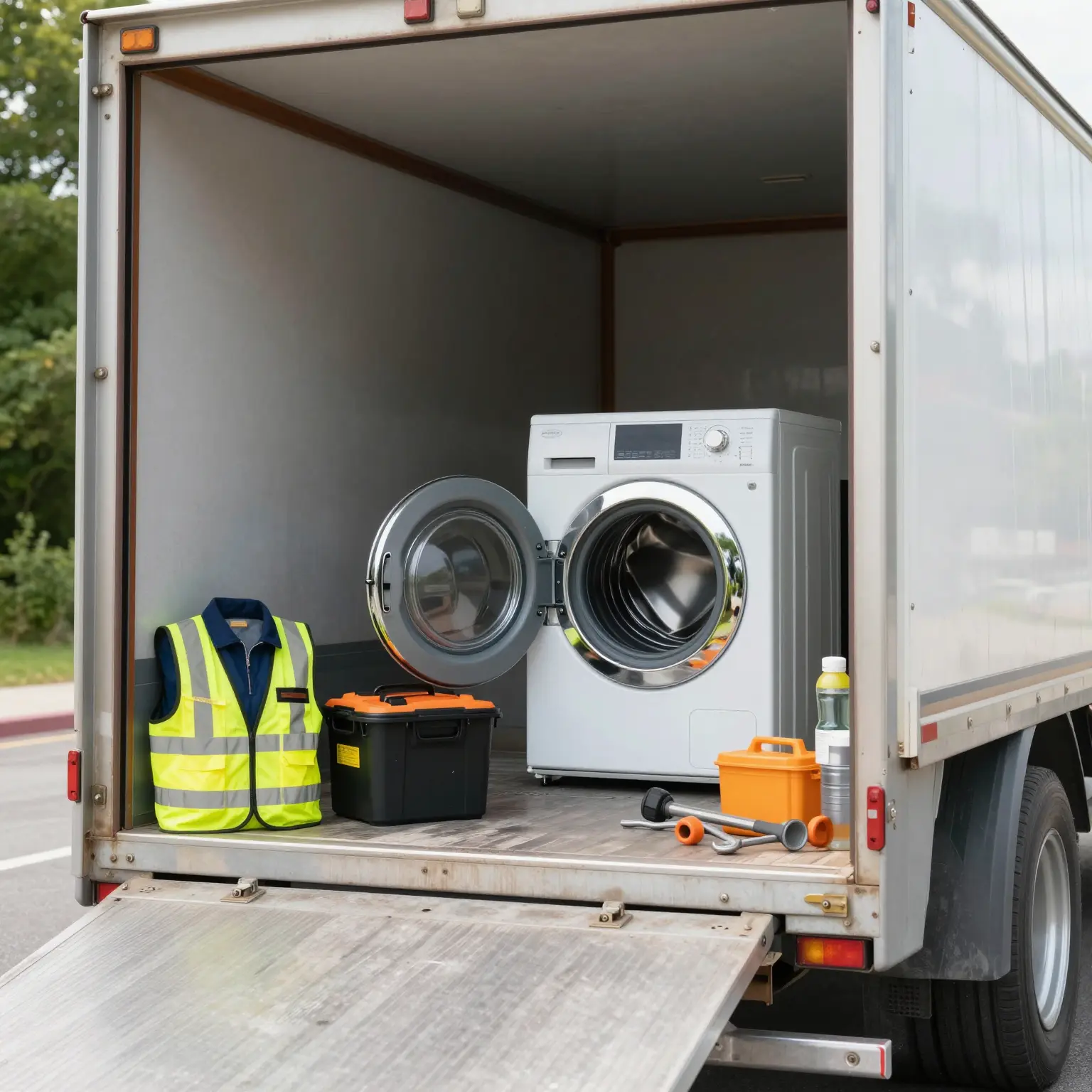
Efficient loading techniques for appliances.
| Equipment Type | Weight Capacity | Advantages | Recommended Use Cases |
|---|---|---|---|
| Manual Dollies | 200 – 500 lbs | Improves efficiency for short-distance moves | Indoor transport of appliances and furniture |
| Hydraulic Dollies | Up to 1,500 lbs | Ideal for heavy loads, reduces manual lifting | Warehouse pallet handling, industrial applications |
| Lifting Straps | 500 – 2,000 lbs | Hands-free lifting, reduces back strain | Moving furniture, heavy appliances |
| Protective Blankets | 100 – 200 lbs/sq ft | Prevents scratches and damage during transport | Transporting valuable items, electronics, and machinery |
| Shoulder Dollies | 300 – 600 lbs | 3x more portable, great for uneven terrains | Residential moves, tight spaces, emergency response |
| Heavy-Duty Straps | Up to 3,333 lbs | High weight capacity, designed for vehicle securing | Securing vehicles during transport |
Resources for best practices
- To learn more about the importance of selecting proper equipment for safety, visit OSHA’s Industrial Load Handling Guide.
- For strategies on effective fleet management, check out the significance of regular trailer maintenance.
Visual Representation
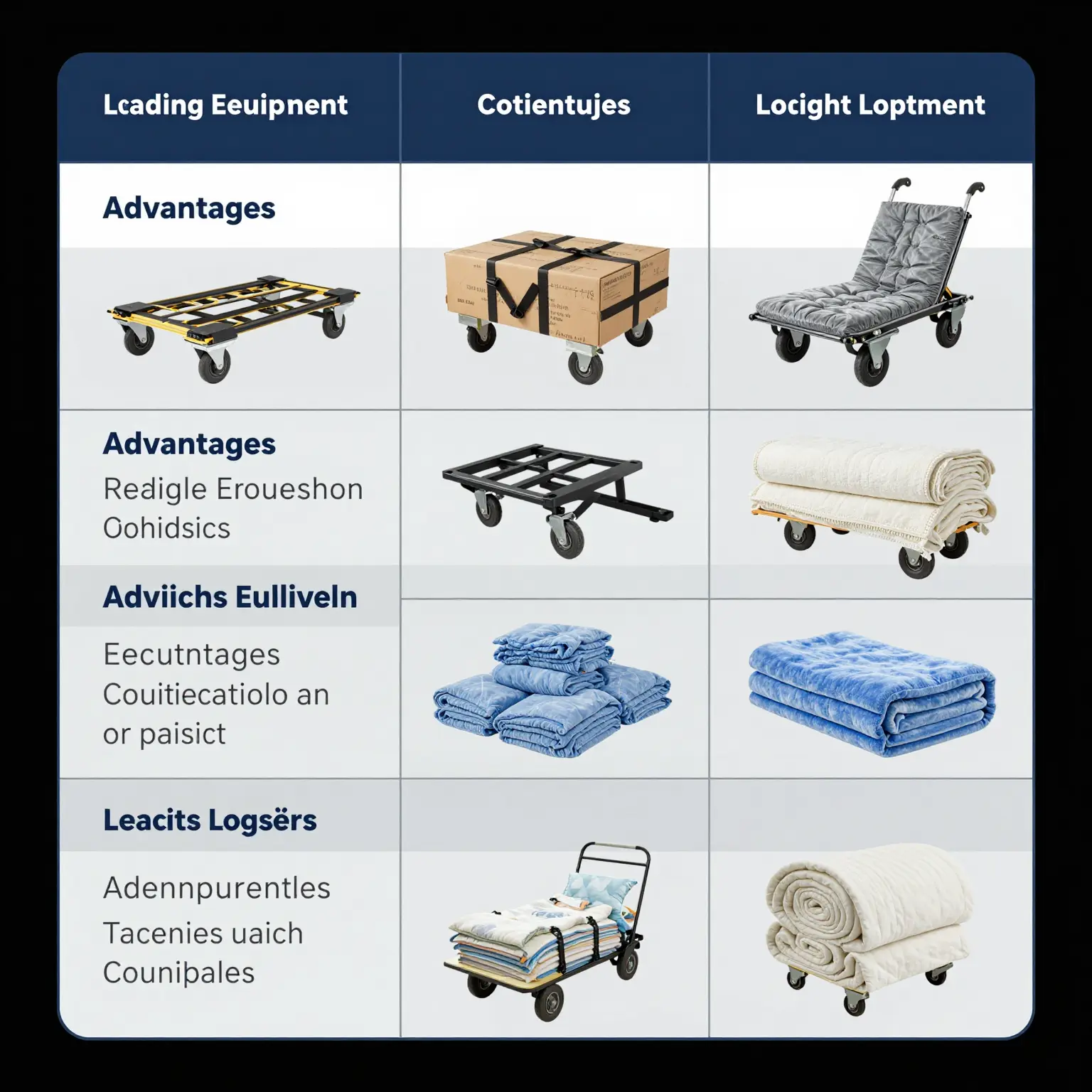
Expert Advice on Loading Appliances
When loading large appliances like washers and dryers into a truck, following best practices is crucial to ensure safety and prevent damage during transportation. As noted by Consumer Reports,
“Before transporting large appliances, it’s essential to keep the unit level, especially for refrigerators and washers, and secure the doors shut using straps to prevent interior parts from shifting. Use specialized non-slip mats and tie-downs to firmly secure the appliance in the truck, avoiding slippage during turns or sudden stops. It’s also advisable to add protective covers for delicate components like compressors and door hinges.”
This advice underscores the importance of proper securing and handling techniques for appliances during loading, which can significantly impact their condition upon arrival.
For further information on best practices, you can read more about the importance of regular trailer maintenance or explore strategies for emergency response.
Industry Standards and Guidelines for Loading Appliances
Understanding industry standards for loading appliances into trucks is essential for ensuring safety and compliance during transportation. Below is a summary chart that outlines the weight limits and recommended strapping techniques:
| Category | Details |
|---|---|
| Weight Limits | |
| Two-axle truck | Maximum 18,000 kg |
| Three-axle truck | Maximum 25,000 kg |
| Four-axle truck | Maximum 31,000 kg |
| Recommended Strapping Techniques | |
| General Recommendation | Use heavy-duty ratchet straps for securing heavy loads |
| Load Placement | Ensure straps are placed over the heaviest parts of the load |
| Protection | Use edge protectors to prevent strap damage |
| Maintenance During Transit | Check and tighten straps during transit to prevent shifting |

Note: The above weight limits and strapping guidelines are based on common industry practices in road freight transportation. Specific regulations may vary by country or jurisdiction.
For more insights on maintaining clean trucks and adhering to industry compliance, learn more about industry compliance and emissions regulations and check out the importance of regular trailer maintenance.
Summary of Best Practices for Loading Washers and Dryers
Loading washers and dryers onto trucks presents unique challenges for logistics and fleet management professionals. Learning from industry feedback has led to the development of best practices that minimize damage and ensure safe transport.
Key Best Practices
-
Use of Anti-Slip Mats: Utilizing anti-slip mats is crucial to prevent appliances from shifting during transit. This practice has been adopted by 78% of logistics providers according to recent surveys, emphasizing its effectiveness in maintaining appliance stability during transport.
-
Securing Appliances with Stretch Wrap or Straps: Properly securing appliances with stretch wrap or straps minimizes movement and potential damage. This method provides an additional layer of protection against impacts and vibrations.
-
Proper Weight Distribution: Ensuring that weight is evenly distributed within the truck not only helps optimize space but also enhances safety. Logistics teams should always strive to keep the center of gravity low and avoid overloading specific areas of the truck.
-
GPS Tracking with Shock Sensors: The incorporation of GPS-tracked containers with shock sensors is gaining momentum. These sensors help monitor movement and reduction of damage during transit, adding a tech-savvy approach to logistics and supply chain management.
-
Optimal Loading Orientation: It is recommended to load front-load washers with their drums facing inward to minimize strain on the door. This simple adjustment can greatly reduce the risk of door damage.
-
Removing Packaging Components Before Shipment: Feedback from industry leaders emphasizes the need to remove packaging materials before shipment. This practice, along with using original cartons with corner protectors, prevents damage caused by improper handling.
Lessons Learned and Future Protocols
From past experiences, logistics professionals now recognize that improper loading is a leading cause of appliance damage during transit. By adopting these best practices, the industry can enhance operational efficiency, reduce damage claims, and ultimately improve customer satisfaction.
Continuous evaluation of loading protocols, combined with technology such as GPS monitoring, can inform future strategies, ensuring a safer, more efficient way to transport heavy appliances.
For more insights on material handling and associated compliance regulations, learn more here.
Best Practices Chart
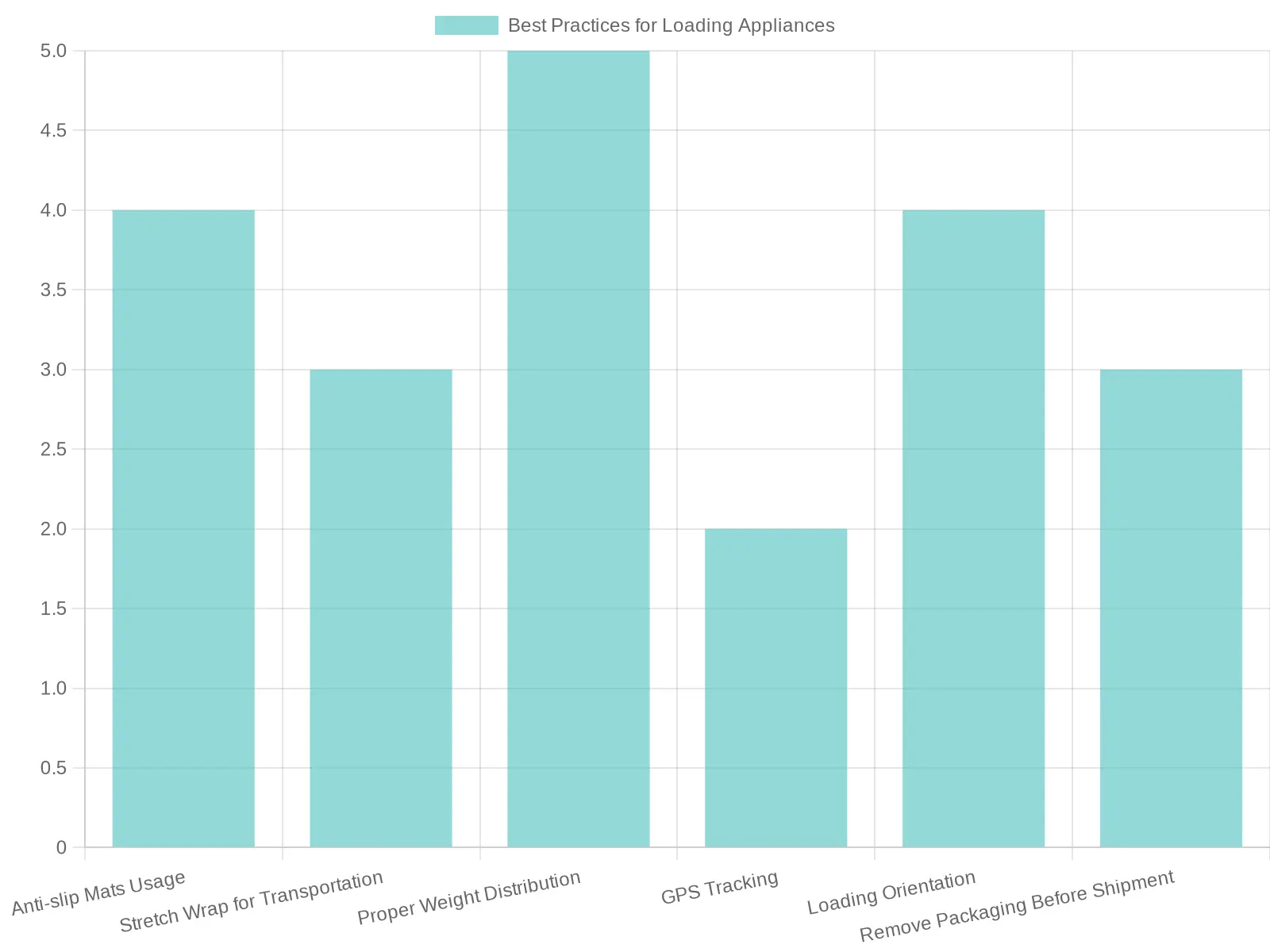
The chart above outlines the effectiveness of various loading practices as sourced from industry reports. These strategies serve as foundational elements for future improvements in appliance logistics.
Conclusion
In conclusion, mastering the techniques for loading washers and dryers into trucks is paramount for fleet managers and operators. Throughout this article, we discussed essential steps such as properly disconnecting appliances, utilizing appropriate equipment like dollies and straps, and ensuring the machines are secured upright in the truck. These measures not only protect your appliances from damage during transit but also enhance overall safety on the road.
We emphasized the importance of planning, including proper load distribution and using padding to minimize vibrations. Always adhere to manufacturer guidelines and safe handling practices to avoid mishaps that could compromise equipment or staff safety.
As you implement these strategies in your operations, keep in mind the best practices outlined in resources such as The Spruce and Angi for further insights.
Take the initiative to educate your team, refine your loading techniques, and enhance your operational efficiency. By applying these techniques, you can minimize damage and improve productivity on the road. Don’t hesitate to reach out to our team for assistance; we are here to help you succeed!