
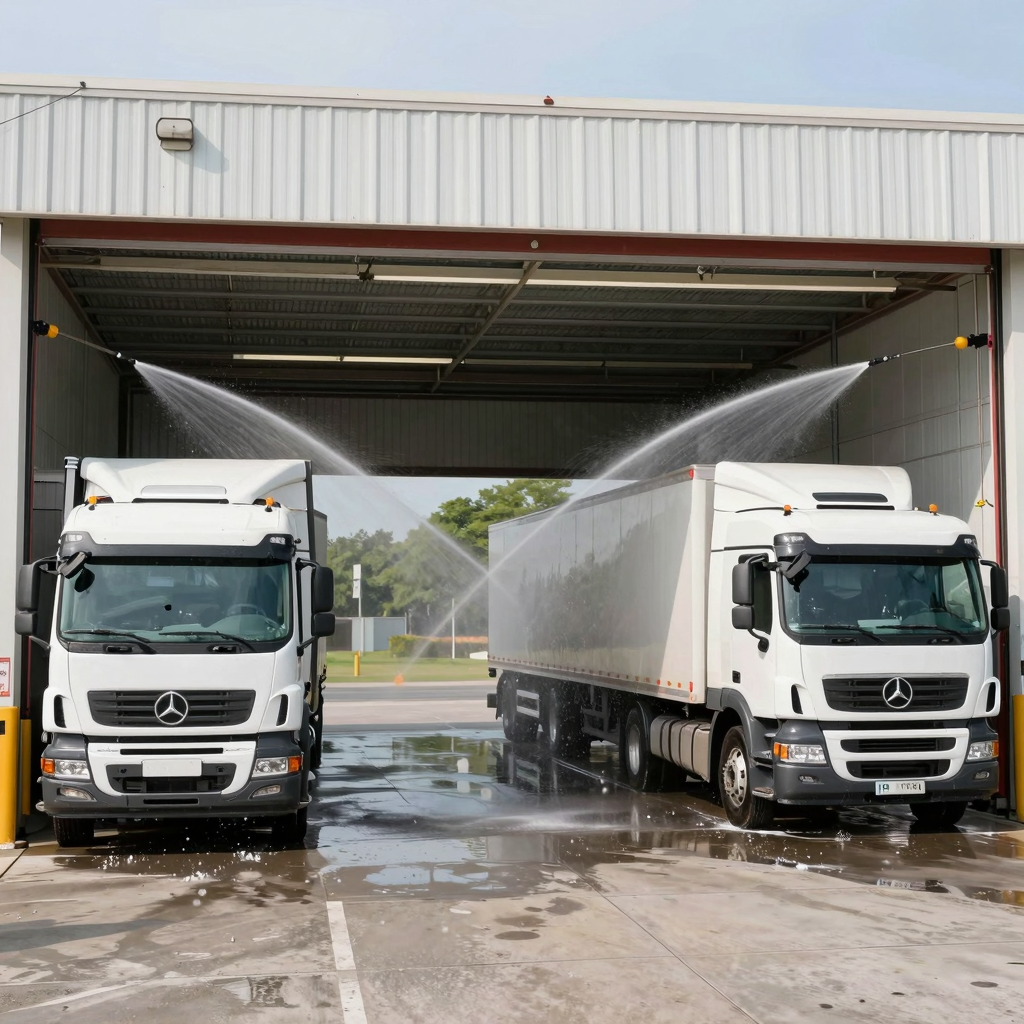
In the fast-paced world of logistics and freight management, maintaining semi-trucks is not merely a matter of compliance, but a strategic imperative that can yield substantial cost savings and extend vehicle longevity. Semi-truck tunnel washes have emerged as a vital component of this maintenance routine, ensuring that vehicles operate efficiently and adhere to stringent industry regulations. By investing in regular wash services, fleet managers can effectively minimize the wear and tear caused by road grime, salt, and other corrosive substances, ultimately leading to lower maintenance costs over time. Furthermore, an impeccably clean truck is not just about aesthetics; it plays a crucial role in improving fuel efficiency and enhancing the overall lifespan of the vehicle. As the pressure to optimize operational costs intensifies, embracing tunnel washing solutions becomes an essential strategy for trucking professionals aiming for sustained performance and profitability. Learn more about compliance and emissions regulations and the importance of regular trailer maintenance.
Profitability of Semi-Truck Tunnel Washes
Semi-truck tunnel washes can be a lucrative business due to various factors, including low maintenance costs, high customer willingness to pay, and competitive advantages in the market. Understanding these elements can help fleet managers and trucking company owners evaluate the financial viability and operational efficiency of investing in such facilities.
Revenue Generation
Revenue from semi-truck tunnel washes primarily hinges on the pricing of wash services and frequency of use. The average price for a standard truck wash in North America ranges from $45 to $75, while premium services can command between $90 and $150. Some specialized services, like engine bay detailing, can even exceed this. According to recent analysis, an automatic tunnel wash service can yield revenues of approximately $400,000 to $900,000 annually, depending on location and service model. This revenue potential is bolstered by customer segments willing to pay for enhanced cleaning options, especially during seasonal operations or increased activity.
Maintenance Costs
The ongoing maintenance costs for tunnel washes are typically manageable. Maintenance comprises approximately 15%-20% of total revenue, mainly concerning the upkeep of machinery, water treatment systems, and general facility maintenance. Effective maintenance strategies, including investing in durable equipment and regular servicing contracts, can reduce long-term operational costs significantly. For instance, investments in eco-friendly wash systems can lead to cost savings down the line, with reports suggesting that 68% of fleet managers are willing to pay more for sustainable options. Bear in mind that effective facility management not only influences costs but also affects customer satisfaction and retention.
Customer Price Willingness
Customer willingness to pay (WTP) plays a crucial role in the financial success of tunnel washes. Long-haul truckers, who rely heavily on cleanliness for compliance and operational efficiency, are often ready to spend an average of $85 per wash. This is particularly true during peak operational times when the demand for cleanliness spikes. Research shows that 72% of customers would pay a premium for innovative features such as eco-friendly cleaning technology. Understanding these trends can assist providers in tailoring services that meet customer expectations and enhance revenue.
Competitive Advantages
Competitive advantages in the market for semi-truck tunnel washes stem from several aspects:
- Speed and Efficiency: Tunnel washes can complete washes in approximately 5-8 minutes, significantly reducing downtime for trucks compared to traditional cleaning methods.
- Additional Services: Integrating complementary services like interior cleaning, detailing, and express services can enhance the customer experience and potentially increase the average transaction value.
- Strategic Location: Establishing washes near high traffic routes or logistics hubs can draw in more customers and optimize service delivery.
In conclusion, semi-truck tunnel washes can generate significant revenues when managed properly. By focusing on maintenance efficiency, understanding customer pricing behaviors, and leveraging competitive advantages, operators can enhance their profitability in this essential service sector. For more on maintaining compliance and efficiency in truck cleaning, visit Truck Wash Industry Compliance and Importance of Regular Trailer Maintenance.
Cost and Revenue Comparison of Tunnel Wash vs. Traditional Hand Wash
To understand the financial implications of operating a semi-truck tunnel wash versus traditional hand washing services, let’s delve into a comparative analysis of their operational costs and potential revenues.
| Metric | Tunnel Wash (Semi-Truck) | Traditional Hand Wash (Semi-Truck) |
|---|---|---|
| Cost per Wash | $15 – $25 (includes detergents, water, energy, and maintenance allocation) | $40 – $70 (labor-intensive, higher hourly wage costs) |
| Annual Revenue Potential | $300,000 – $600,000 (based on 10-20 washes per day, 300 days/year) | $150,000 – $300,000 (limited by labor availability and slower throughput) |
| Labor Costs (Annual) | $20,000 – $40,000 (minimal staffing needed: 1-2 operators) | $80,000 – $150,000 (requires 3-5 workers per shift, overtime common) |
| Maintenance Costs (Annual) | $15,000 – $30,000 (equipment wear, periodic repairs, belt replacements) | $5,000 – $10,000 (manual tools, minor vehicle upkeep) |
| Throughput (Washes/Day) | 10 – 20 | 3 – 8 |
| Startup Cost | $150,000 – $400,000 (includes tunnel system, water recycling, power infrastructure) | $5,000 – $20,000 (basic tools, soap, hoses, small facility) |
Sources:
- Understanding Operation Expenses for a Modern Tunnel Express Wash
- Car Wash Machine Pakistan: Key Standards, Physical Properties, and Engineering Applications
This table provides a clear visual of the cost-efficiency and revenue-generation capabilities of tunnel washes compared to traditional hand-washing methods, highlighting the logistic and financial advantages of modern automated solutions.
Key Benefits of Using a Tunnel Wash for Semi-Trucks
- Efficiency: Tunnel wash systems can clean up to 20 trucks per hour, significantly reducing wait times. This high throughput ensures that trucks spend less time being washed and more time on the road, which is critical for fleet logistics.
- Cost-Effectiveness: By reducing labor requirements and minimizing water usage through recycling, tunnel washes lower operational costs. This translates into savings on both personnel and environmental compliance expenses.
- Quality Cleaning: Advanced technology ensures a thorough clean, reaching hard-to-access areas like undercarriages. This consistent cleaning preserves the truck’s appearance and extends the lifespan of paint and body components, reducing maintenance costs.
- Environmental Benefits: Many tunnel wash systems use water recycling techniques, conserving up to 60% of water compared to traditional washing methods. Moreover, regular washing prevents road grime and salt buildup, which can lead to rust and damage.
- Improved Safety: A clean truck is a safer truck; removing dirt and debris enhances visibility and driver safety both on the road and during inspections.
For more insights on how tunnel washes can benefit your fleet, read about industry compliance and regulations.
Case Studies of Successful Semi-Truck Tunnel Wash Implementations
Implementing semi-truck tunnel washes has led to notable financial success and operational improvements for various businesses in the logistics sector. Below are two case studies that exemplify these benefits.
Case Study 1: Major Logistics Hub in Dallas, Texas
A successful installation of a semi-truck tunnel wash at a logistics distribution center in Dallas has significantly transformed operations. Completed in Q3 2024, the wash facility was implemented to address driver complaints regarding dirty trucks and to improve overall fleet maintenance. Here are some key highlights from the implementation:
- Usage and Revenue: Since opening, the facility processes over 8,000 washes per month, generating significant recurring revenue.
- Customer Retention: The installation has improved customer retention for the parent company through enhanced fleet appearance and maintenance standards.
- Operational Efficiency: Integration with a nearby fuel station and strategic location have allowed faster service and increased customer satisfaction, making it an exceedingly successful venture. This case emphasizes not only financial prosperity but also resolving logistical challenges associated with maintaining fleet cleanliness.
Learn more about the importance of maintaining clean fleets.
Case Study 2: Regional Trucking Company in Ohio
In early 2024, a regional freight carrier in Ohio decided to implement an on-site semi-truck tunnel wash, a strategic move that led to notable efficiency improvements:
- Time Savings: By eliminating the need for drivers to travel to external wash facilities, the company saved an average of 2.5 hours per driver per week. This equated to a 15% increase in productive driving time.
- Reduced Turnover: Cleaner trucks and less time spent outside the cab contributed to a measurable reduction in driver turnover rates.
- Cost-Effective Financing: The investment was financed through a mix of internal capital and a green business loan, achieving ROI within two years due to operational savings and reduced vehicle wear from regular cleaning. This case highlights how operational improvements can deliver substantial financial benefits for fleet management companies, showcasing a model that other businesses can replicate.
Conclusion
Both case studies highlight the financial and operational success achievable through strategic semi-truck tunnel wash implementations. From increasing productive driving time to enhancing brand reputation via cleaner fleets, logistics companies are positioned to gain considerable advantages in a competitive industry. The investment in such facilities ensures not just cleaner vehicles but also operational efficiencies that translate into financial gains.
Implementing these systems presents an opportunity for logistics companies to pursue enhanced operational performance and financial sustainability. Exploring options for tunnel wash installations can indeed pave the way for future success in fleet management. Explore more about fleet management practices
Visual Representation
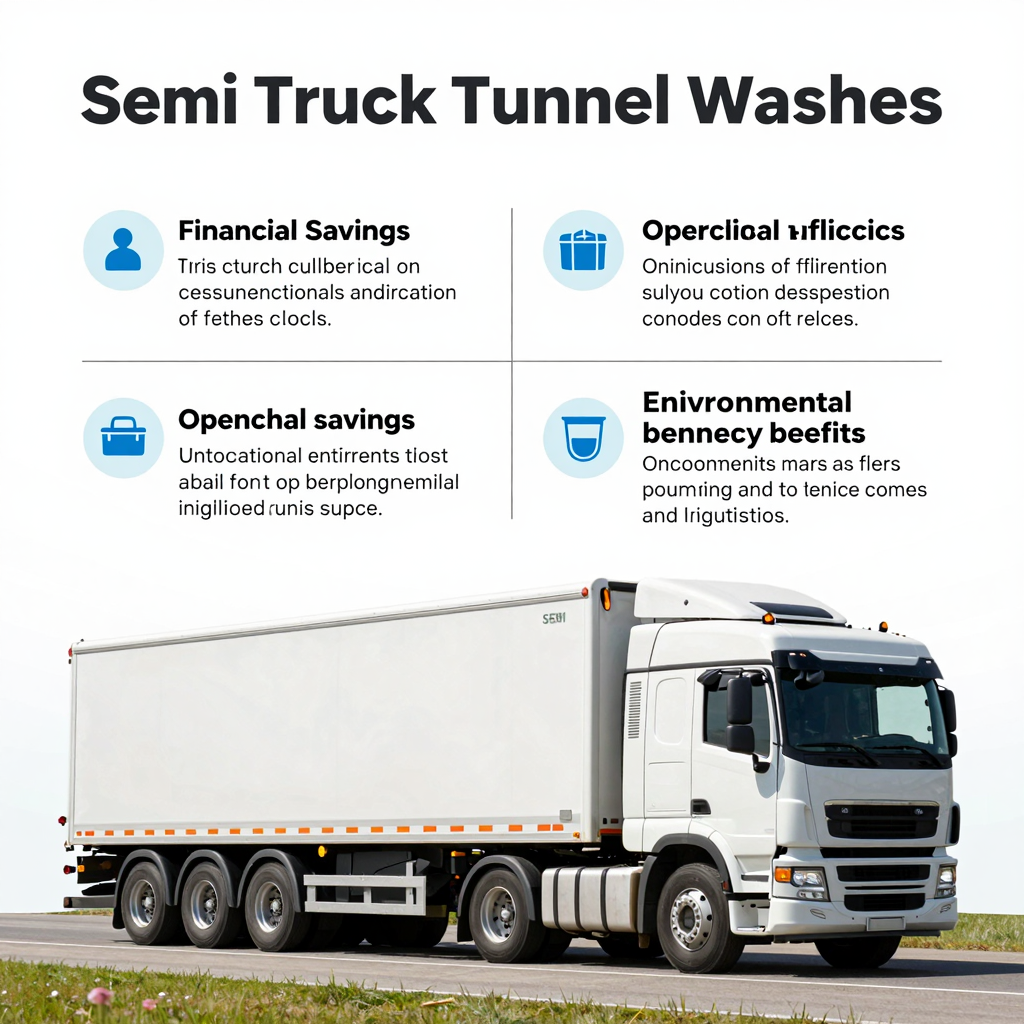
This infographic encapsulates the key benefits of implementing tunnel washes, showcasing time savings, financial benefits, and operational improvements.\n

The chart illustrates the projected ROI timeline for operating a semi-truck tunnel wash. As shown, the timeline typically includes:
- Initial Investment: Significant costs are incurred during the first year for equipment and setup.
- Break-Even Point: Potentially achieved by the end of the second year as operational efficiencies increase.
- Increasing Returns: Subsequent years show a gradual increase in return on investment as the business stabilizes and demand for services grows.
This visual representation is crucial for fleet managers and trucking company owners to understand the financial dynamics involved in establishing a semi-truck tunnel wash and realize its profitability potential over time.
For more insights into proper vehicle maintenance that can enhance operational efficiency, consider learning more about the importance of regular trailer maintenance.
Environmental Benefits of Tunnel Washes
The environmental impact of tunnel washes compared to traditional car washing methods is notable in terms of water usage, runoff management, and waste handling. Tunnel washes are designed to optimize water efficiency and minimize the ecological footprint associated with vehicle cleaning.
Water Usage
Tunnel car washes utilize advanced water recycling technologies that significantly reduce freshwater consumption. For instance, modern tunnel washes can operate using as little as 10-20 gallons of water per vehicle, while traditional car washes often require 30-50 gallons and residential washing can exceed even these numbers. According to the Water Environment Federation, tunnel systems can recycle up to 90% of used water, making them incredibly resource-efficient (learn more about car wash sustainability). This closed-loop approach ensures that less water is wasted and protects local water resources.
Runoff Management
The runoff from conventional car washes frequently contains harmful pollutants such as oils, detergents, and heavy metals, which can flow untreated into storm drains and waterways. A report by the U.S. Environmental Protection Agency highlighted that untreated wastewater from traditional methods poses serious risks to urban water systems (EPA Water Quality Report). In contrast, tunnel washes are equipped with on-site water treatment facilities that filter and treat wastewater, significantly reducing the risks of contaminating urban waterways.
Waste Management
Furthermore, tunnel washes manage waste more effectively by utilizing multi-stage filtration systems that capture sediments and pollutants. This process minimizes reliance on external waste disposal methods, thereby contributing to an overall reduction in environmental impact.
In a comparative study, it was found that tunnel washes have an 85% reduction in chemical runoff compared to traditional methods and 60% less energy consumption when optimized for efficiency. As a result, adopting tunnel wash technology not only conserves water but also helps to mitigate urban pollution, making it a preferable choice for fleet managers and operators committed to environmental sustainability.
“Tunnel wash efficiency is no longer just about cleanliness-it’s a critical component of fleet maintenance and operational uptime. Modern tunnel wash systems that integrate real-time water recycling and automated detergent dosing can reduce wash time by up to 30%, directly impacting daily trip availability and fuel efficiency. Companies investing in high-efficiency tunnel washes report a 15% reduction in vehicle downtime and improved compliance with environmental regulations.”
- Mark Thompson, Senior Logistics Analyst at the American Trucking Associations (ATA)
This insight highlights the essential role of efficient tunnel washes in achieving operational excellence in the trucking industry.
Conclusion
In conclusion, investing in semi-truck tunnel washes presents a formidable opportunity for fleet managers and trucking company owners. The profitability of such systems is underscored by their ability to achieve average profit margins of approximately 14-15%, which is quite significant compared to other service industries. Furthermore, the efficiency of these automated washing processes allows for rapid vehicle turnover, minimizing manual labor and maximizing daily revenue. This not only satisfies the increasing demand for cleanliness in the transport sector but also aligns with stringent environmental regulations by adopting eco-friendly practices. As the trucking industry continues to evolve, integrating a tunnel wash system can enhance your fleet’s operational strategy while driving profitability. Fleet managers looking to streamline operations and improve brand image should strongly consider the implementation of tunnel washes as a strategic investment, ensuring the longevity and aesthetic appeal of their vehicles. Learn more about compliance with emissions regulations and the importance of regular trailer maintenance.
Enhance Your Fleet’s Look and Performance with Tunnel Washes
Are you a fleet manager or operator looking to elevate your semi-truck fleet’s appearance and performance? Consider the remarkable benefits that tunnel washes can deliver! Not only do they transform the visual appeal of your trucks, but they also provide essential maintenance benefits that can prolong the life of your vehicles.
Don’t miss out on the opportunity to enhance your fleet’s efficiency and compliance with industry standards. Contact Summit Fairings today to explore how our tunnel wash solutions can make a significant difference in your operations. Your fleet deserves nothing less than the best!
The future of fleet hygiene starts with a simple step-reach out to us now!