
Introduction
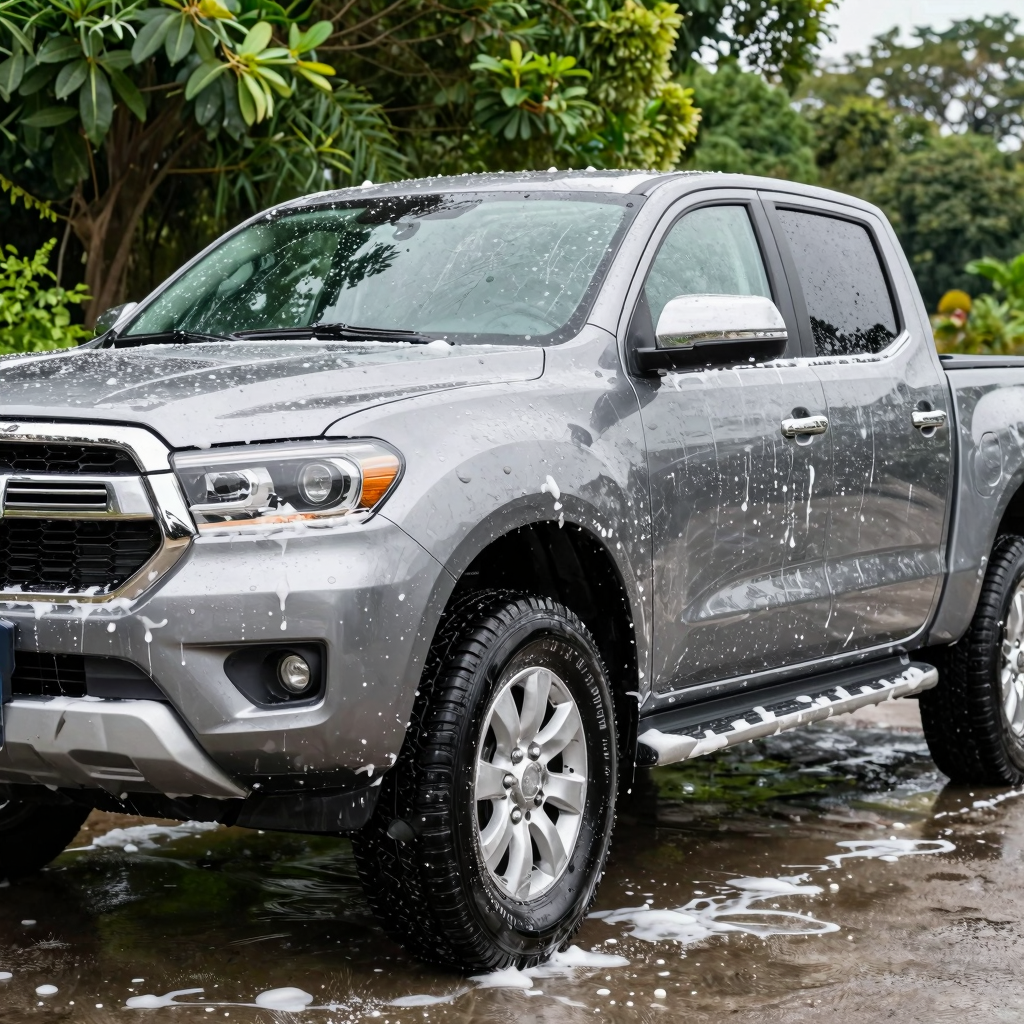
In the bustling sectors of logistics, trucking, and construction, the significance of maintaining a clean pickup truck transcends mere aesthetics; it is critical for ensuring optimal performance and longevity. Regular washing not only enhances the visual appeal of vehicles but also plays a vital role in truck maintenance. By learning how to properly wash a pickup truck, fleet managers and supervisors can effectively remove harmful contaminants such as salt, dirt, and grime, which can cause corrosion and damage essential components. Keeping trucks clean not only minimizes repair costs over time but also significantly improves fuel efficiency, ensuring that operations run smoothly and on time. Additionally, a well-maintained truck fosters a professional image and ensures compliance with industry regulations, safeguarding against potential fines. In the high-stakes world of logistics and construction, a commitment to truck cleanliness is not merely smart; it is essential for profit and sustainability.
Essential Supplies for Properly Washing a Pickup Truck
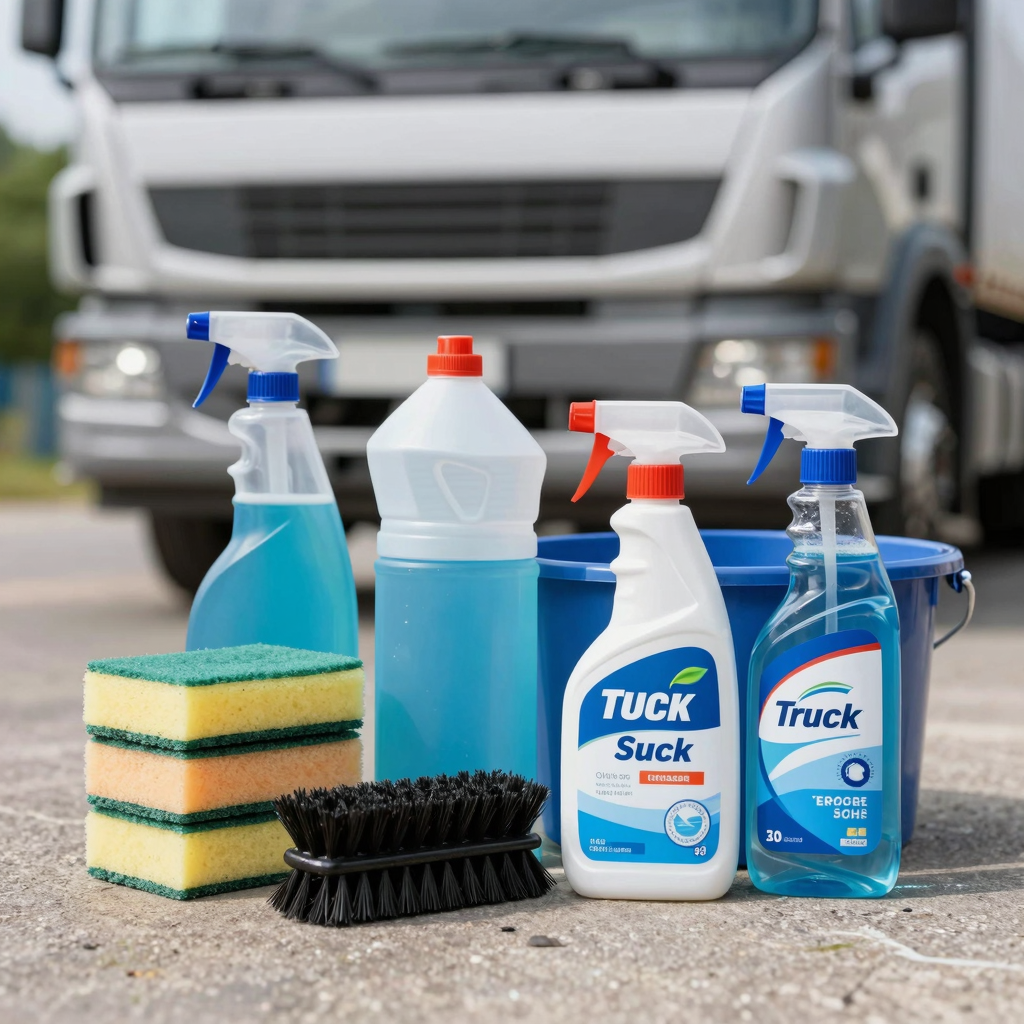
To ensure a thorough and effective wash of your pickup truck, it’s crucial to gather the right materials. Below is a comprehensive list of supplies you will need:
-
Soaps and Cleaning Solutions:
-
pH-neutral automotive soap (e.g., Chemical Guys Snow Foam or Meguiar’s Gold Class Wash)
-
Heavy-duty wheel cleaner (non-acidic formula for safe use on wheels)
-
Glass cleaner for clear visibility
-
Pre-wash spray to loosen dirt and debris
-
Washing Tools:
-
Microfiber wash mitts for gentle cleaning of the truck’s body
-
Soft-bristle brushes for tires and wheels
-
A foam cannon to apply soap evenly
-
A hose-end pressure washer or a standard garden hose with a spray nozzle
-
Drying Materials:
-
Multiple microfiber drying towels (3-5 recommended)
-
Protective Gear:
-
Latex or chemical-resistant gloves
-
Safety goggles to protect against splashes
By equipping yourself with these essential materials, you will not only streamline the washing process but also enhance the longevity and appearance of your vehicle.
Step-by-Step Washing Instructions for Pickup Trucks
Washing a pickup truck requires attention to detail to ensure longevity and maintain a professional appearance. Follow these step-by-step instructions tailored for fleet managers and operators.
Step 1: Rinse the Truck
Start by rinsing the truck with clean water. Use a pressure washer if possible for maximum effect. This initial rinse helps remove loose dirt and grime. Make sure to cover the entire truck, including the tires and undercarriage, to dislodge any built-up muck.
Step 2: Prepare Your Cleaning Solution
Using a truck wash or mild, non-abrasive car soap, mix your cleaning solution following the manufacturer’s instructions. Ensure that the soap is safe for your truck’s finish and suitable for fleet operational compliance.
Step 3: Wash the Truck
- Starting from the Top: Use a soft sponge or wash mitt to apply the soapy water, starting from the roof and working downwards. This prevents dirty water from running down over clean surfaces.
- Areas of Focus: Pay special attention to areas with stubborn dirt, such as wheel wells, bumpers, and underbody sections that often collect the most grime.
- Circular Motions: Use circular motions to effectively lift dirt without scratching the surface.
Step 4: Rinse Off the Soap
Thoroughly rinse off the soapy solution using clean water. Make sure to remove all soap residues as they can lead to streaking or damage the paint if left on.
Step 5: Dry the Truck
- Microfiber Towels: Use clean, soft microfiber towels to dry the truck. Start at the top and work your way down to prevent water spots.
- Finish Touches: Pay extra attention to areas that tend to retain water, such as door handles, mirrors, and the undercarriage.
Maintenance Tips
- Regular washing prevents corrosion and paint damage. It is recommended to wash the truck every two weeks to maintain its appearance and protect its finish.
- For hard-to-remove substances such as tar and grease, consider employing specialized cleaning agents designed specifically for trucks. Learn more about cleaning grease and tar efficiently here.

Following these detailed washing instructions ensures that your fleet’s pickup trucks remain in top condition, extending their service life and maintaining a professional appearance.
Comparison of Washing Techniques for Pickup Trucks
When it comes to washing pickup trucks, two primary techniques are widely adopted: hand wash and automatic wash. Below is a comparison of these techniques, focusing on their pros and cons, time taken, and best practices specific to fleet supervisors in various industries.
| Washing Technique | Pros | Cons | Time Taken | Best Practices |
|---|---|---|---|---|
| Hand Wash | – Allows for detailed cleaning. – Can access hard-to-reach areas. – Lower initial cost. |
– Labor-intensive and time-consuming. – Inconsistent cleaning results depending on labor quality. – Requires water and often soap, which impacts overhead. |
Approx. 30-60 minutes per truck. | – Use high-quality soaps and soft cloths to avoid scratching. – Ensure all areas, including undercarriage, are cleaned. – Schedule regular washes to maintain appearance and detect issues early. |
| Automatic Wash | – Saves manpower and time. – Standardized cleaning process ensures consistency. – Uses less water compared to hand washing. |
– Higher upfront and maintenance costs. – May miss detailed areas. – Over time, brushes can cause micro-scratches. |
Approx. 10-20 minutes per truck. | – Select machines that use microfiber cloths and gentler cleaning solutions. – Regular maintenance of equipment to ensure optimal performance. – Monitor water and energy usage for efficiency. |
Image Illustration
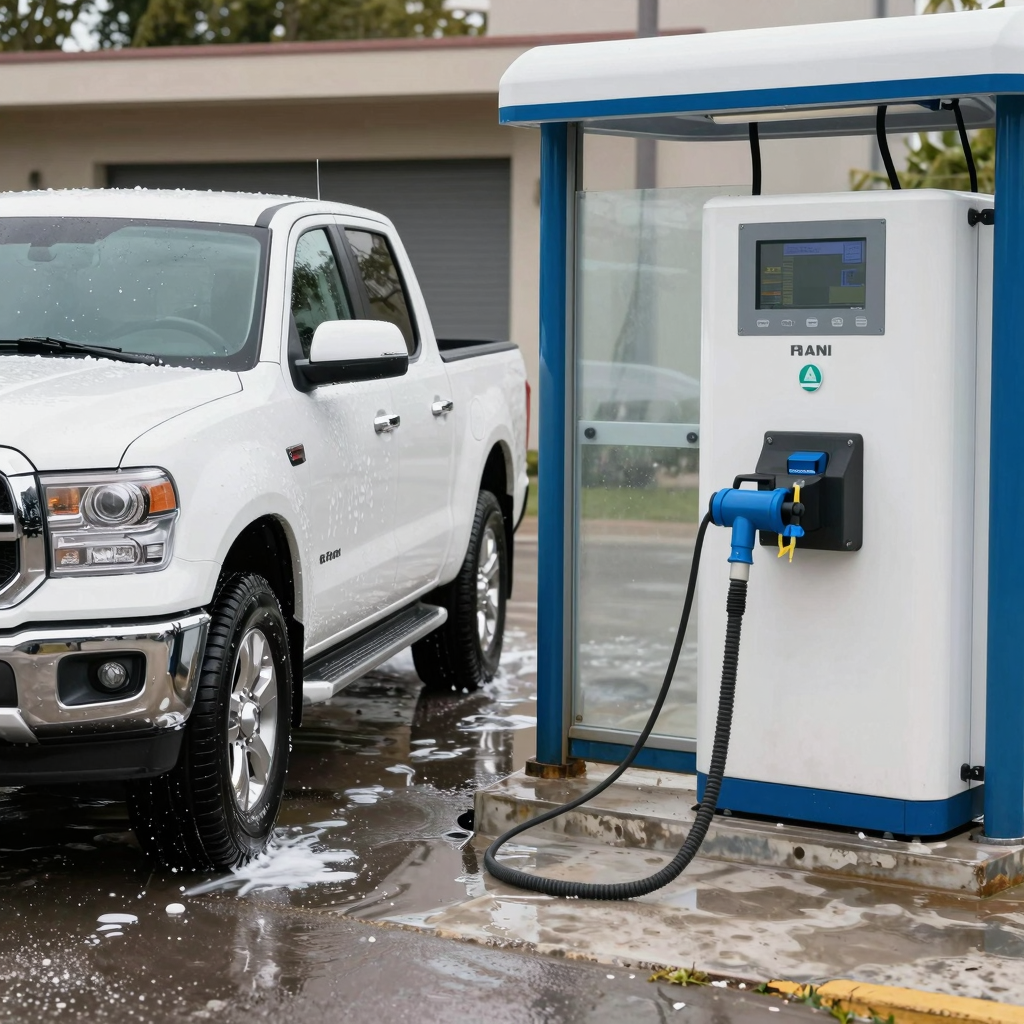
An illustrative comparison between hand washing and automatic washing techniques for pickup trucks.
For fleet supervisors, choosing between these methods depends on factors such as budget, the volume of trucks to wash, and the specific needs of the fleet. Regular washing not only keeps vehicles looking professional but also contributes to a longer vehicle lifespan by preventing corrosion and damage.
Maintenance Tips Post-Wash
After you’ve successfully washed your pickup truck, it’s essential to follow up with comprehensive maintenance to ensure long-lasting protection and preservation. Here are some vital truck washing tips and maintenance advice to follow:
1. Waxing and Protecting Paint
Once the truck is clean and dry, applying a high-quality wax or sealant is crucial. This step not only enhances your truck’s shine but also creates a protective barrier against environmental hazards such as UV rays, dirt, and contaminants. Here’s a brief overview of how to proceed:
- Use a foam applicator pad to apply wax evenly across small sections of the truck’s surface.
- Allow the wax to haze (5-10 minutes), which indicates it is ready for buffing.
- Buff with a microfiber cloth, ensuring a smooth finish that repels water and shields the paint effectively.
For more tips on waxing, check out this guide on truck waxing.
2. Checking and Cleaning the Undercarriage
To prevent rust and corrosion, a thorough cleaning of the undercarriage should follow your wash. This area is susceptible to rust buildup due to exposure to moisture, salt, and grime. Consider the following actions:
- Use a pressure washer to remove any accumulated dirt and debris, especially after trips through muddy or salty roads.
- Inspect hidden areas such as frame rails and suspension components, ensuring no dirt or grime remains.
- Optionally, apply a rust-proofing spray to vulnerable spots, which will seal metal surfaces and deter moisture intrusion.
It’s advisable to incorporate undercarriage maintenance regularly, particularly if your trucks operate in challenging conditions, to prolong vehicle life and maintain safety standards.
By adhering to these post-wash maintenance tips, you significantly enhance the longevity and performance of your fleet. Regular attention to paint protection and undercarriage cleanliness plays a crucial role in preserving your investment and ensuring the reliability of your trucks.
Recommended Washing Frequency for Pickup Trucks Based on Operating Conditions
| Operating Condition | Recommended Washing Frequency |
|---|---|
| Urban Commuting | Every 2-3 weeks |
| Off-Road or Muddy Conditions | Weekly |
| Coastal Areas | Weekly |
| High Dust Environments | Every 5-7 days |
| Road Salt Exposure in Winter | Within 3 days after snow/ice storms |
Sources: Car care guidelines from AAA, AutoMD, and manufacturer recommendations (2024-2026).
The Significance of Regular Washing for Fleet Longevity
According to fleet maintenance experts, regular washing is a critical but often overlooked factor in extending the lifespan of trucks. Dirt, grime, salt, and road debris can accumulate on the chassis, undercarriage, and bodywork, leading to accelerated corrosion, especially in humid or winter driving conditions.
“A thorough wash removes corrosive elements before they penetrate, preserving the structural integrity of the vehicle. Neglecting this can lead to costly repairs down the line,” says a leading fleet maintenance expert.
In addition to preserving exterior surfaces, regular washing also contributes to a cleaner cooling system and radiator, preventing clogging and overheating. Routine washing allows for early detection of minor damages during visual inspections, ultimately ensuring the fleet’s reliability and longevity. For more information on related maintenance practices, you can learn more here.
Conclusion
In conclusion, maintaining a clean and well-kept truck is paramount for fleet managers and trucking company owners alike. Proper truck washing and maintenance not only enhance the aesthetic appeal of vehicles but also play a critical role in operational efficiency and safety. Regular washing helps prevent the accumulation of dirt and grime, which can lead to corrosion and other costly repairs. A clean truck not only improves fuel efficiency by reducing aerodynamic drag but also ensures compliance with environmental regulations and reduces the risk of operational downtimes caused by maintenance failures.
By investing in proper maintenance practices, fleet operators can realize significant cost savings in the long run, with reports indicating reductions in repair costs by up to 60% when regular cleaning and maintenance are prioritized. Ultimately, a well-maintained fleet promotes a positive company image-making it more appealing to current and prospective clients while contributing to overall safety on the road.
To elevate your fleet’s maintenance routine, consider exploring Summit Fairings, an innovative solution designed to optimize truck performance while enhancing aesthetics. Commitment to your fleet’s maintenance can lead to better efficiency, safety, and success. Don’t wait-opt for a reliable washing and maintenance plan today!
How to Properly Wash a Pickup Truck
Washing a pickup truck is essential for maintaining its appearance and value, especially for professionals in logistics and transportation. Proper washing not only enhances your truck’s look but also protects its paint and keeps important components functioning effectively. Here, we will explore step-by-step techniques on how to properly wash a pickup truck, ensuring both cleanliness and protection.
Why Properly Wash a Pickup Truck?
Regular cleaning of your pickup truck is vital due to several reasons:
- Aesthetic Appeal: A clean truck presents a professional image to clients and partners.
- Value Preservation: Regular washing helps protect the paint from contaminants that can cause corrosion.
- Performance Maintenance: Cleaning the undercarriage and wheel wells prevents dirt buildup that can affect performance.
Step-by-Step Guide to Properly Wash a Pickup Truck
To ensure a thorough wash, follow these step-by-step guidelines:
Step 1: Gather Materials
Before starting, make sure all necessary tools are at hand:
- High-pressure hose or pressure washer
- Two buckets (one for soapy water and one for rinsing)
- Truck-specific soap
- Soft mitt or sponge
- Wheel brush
- Microfiber towels
- Wax or sealant (optional)
Step 2: Preparation
- Park your pickup truck in a shaded area to prevent soap from drying too quickly.
- Rinse the truck thoroughly with a high-pressure hose to remove loose dirt and debris. This initial rinse minimizes scratches during the washing process.
Step 3: Wash with the Two-Bucket Method
- Fill one bucket with soapy water and the other with clean rinse water.
- Start washing from the roof down to avoid dirt running over clean areas.
- Use a separate brush for the wheels to ensure effective cleaning. Pay extra attention to the wheel wells where dirt accumulates.
Step 4: Rinse Thoroughly
- After washing, rinse the entire truck thoroughly, starting from the top and working downward. This ensures that no soap residue remains, which is critical for maintaining the paint’s integrity.
Step 5: Drying
- Use microfiber towels or a chamois to dry the truck completely. This step prevents water spots and streaks.
- Consider applying a wax or sealant after drying to enhance protection and shine.
Environmentally Friendly Washing Practices
Using sustainable practices is essential, especially for large fleets. According to the EPA’s Sustainable Washing Guidelines:
- Implement water reclamation systems that recycle wash water.
- Use biodegradable, phosphate-free soaps to minimize environmental impact.
Consider Professional Services
For fleets, consider utilizing professional mobile truck wash services. They provide efficient and eco-friendly options that can save time and resources. Learn more about truck washing services.
Conclusion
Knowing how to properly wash a pickup truck can greatly benefit fleet managers, trucking company owners, and those in construction. By following these steps and employing sustainable practices, you can enhance the longevity and performance of your vehicle. Regular washes should be integrated into scheduled maintenance routines to ensure compliance with industry standards and preserve vehicle condition.
For more insights into maintaining your fleet, explore the importance of regular trailer maintenance.