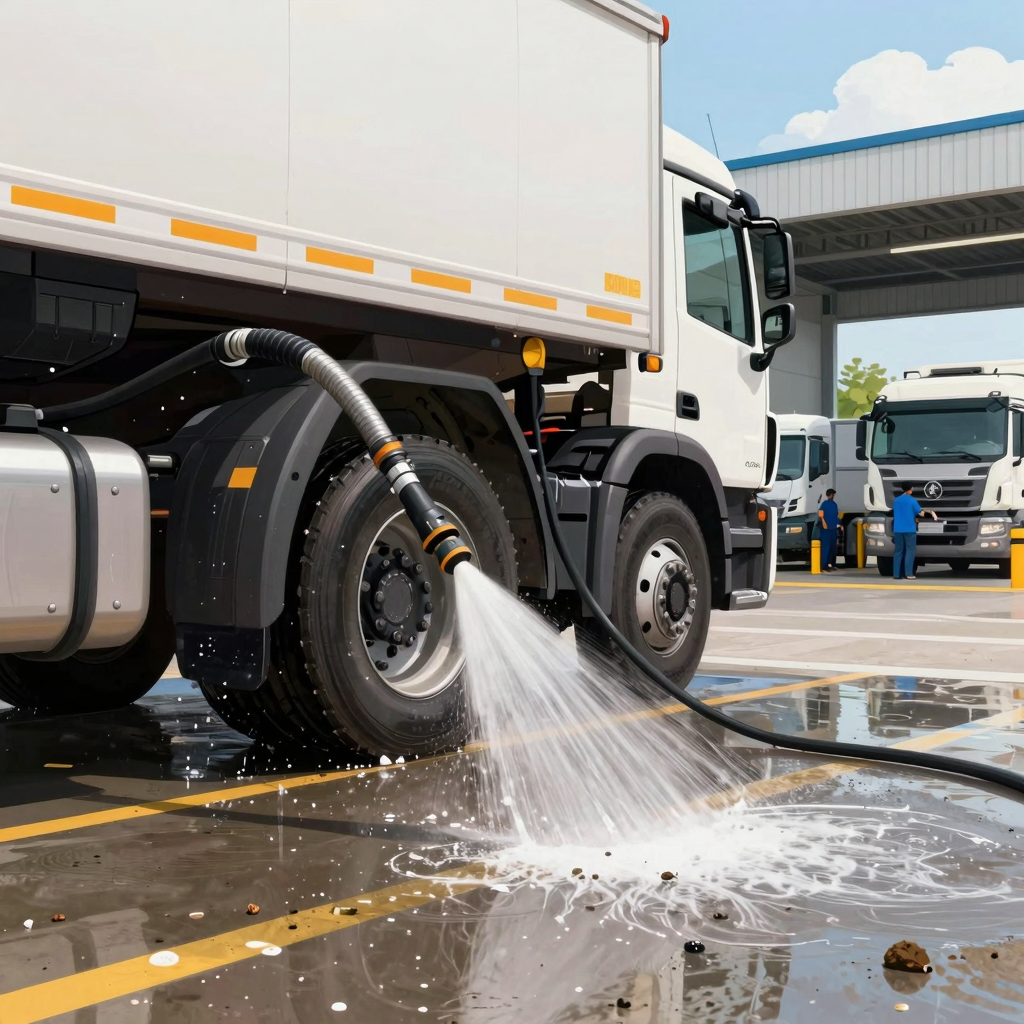
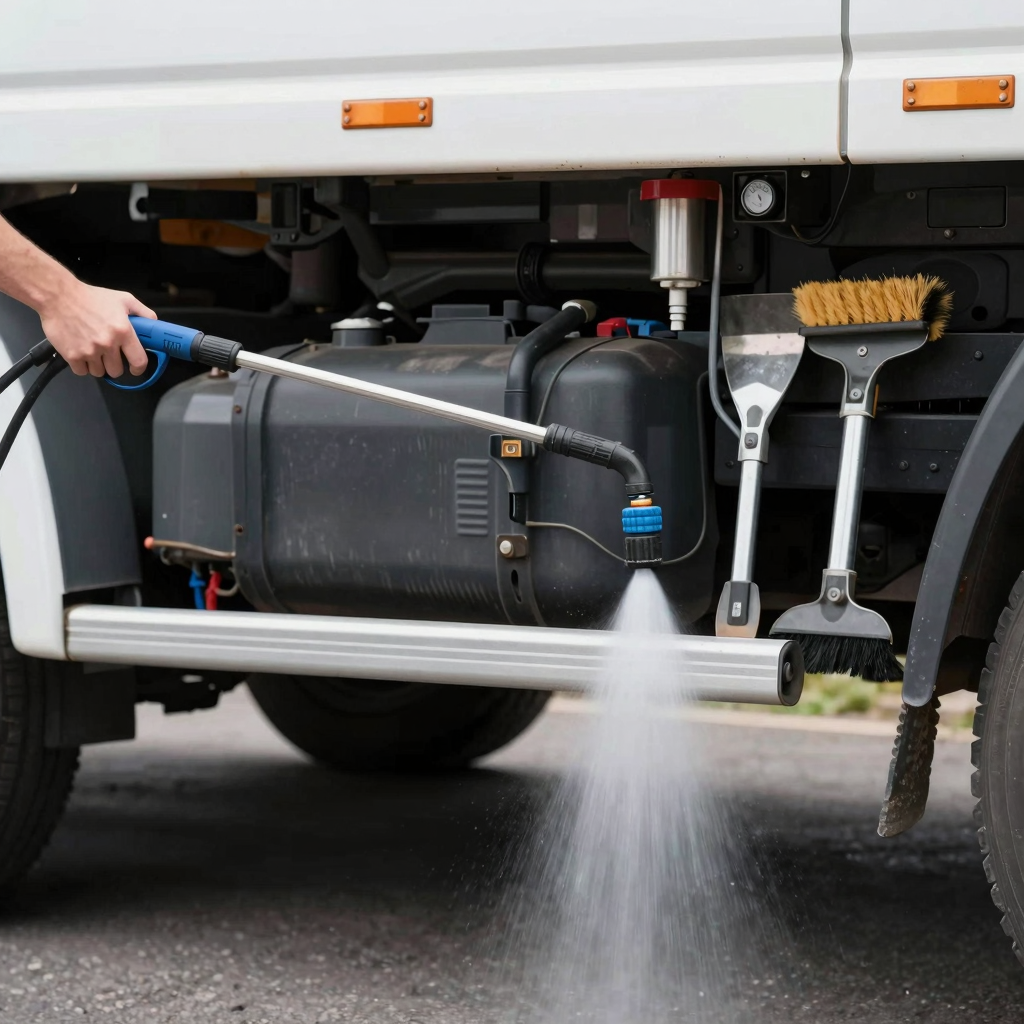
In the logistics and transport sectors, maintaining the cleanliness of vehicles, particularly the undercarriage of trucks, is crucial for optimizing performance and longevity. Regular washing of the under truck not only enhances safety by preventing rust and corrosion but also ensures that critical components function efficiently. Dirt, grime, and road salt accumulation can lead to mechanical problems that could compromise safety and increase operational costs. For fleet managers and operators, investing time in learning how to wash under truck effectively translates into better vehicle maintenance and a longer lifespan for the fleet. Furthermore, a clean undercarriage helps in complying with industry regulations and minimizes the risk of emissions-related penalties. The benefits of proactive cleaning practices extend beyond aesthetics, positioning fleets to operate at peak efficiency and bolster their reputations in a competitive market. For further insights, discover the importance of regular trailer maintenance to complement your cleaning efforts.
Essential Tools and Materials for Washing Under a Truck
To effectively wash the undercarriage of a truck, gather the following tools and materials:
- Pressure Washer (at least 1500 PSI for effective grime removal)
- Stiff-Bristled Brushes (for scrubbing tough dirt)
- Detail Brushes (for tight spaces)
- Scraper or Plastic Putty Knife (to remove stubborn tar and oil)
- Specialized Undercarriage Cleaner (to break down grease and grime)
- Protective Gear (gloves, safety goggles, closed-toe shoes)
- Jack Stands or Car Lift (to safely elevate the vehicle)
Learn more about the importance of regular trailer maintenance and best practices for cleaning grease and tar off your trucks fast.
Safety Precautions While Washing Under a Truck
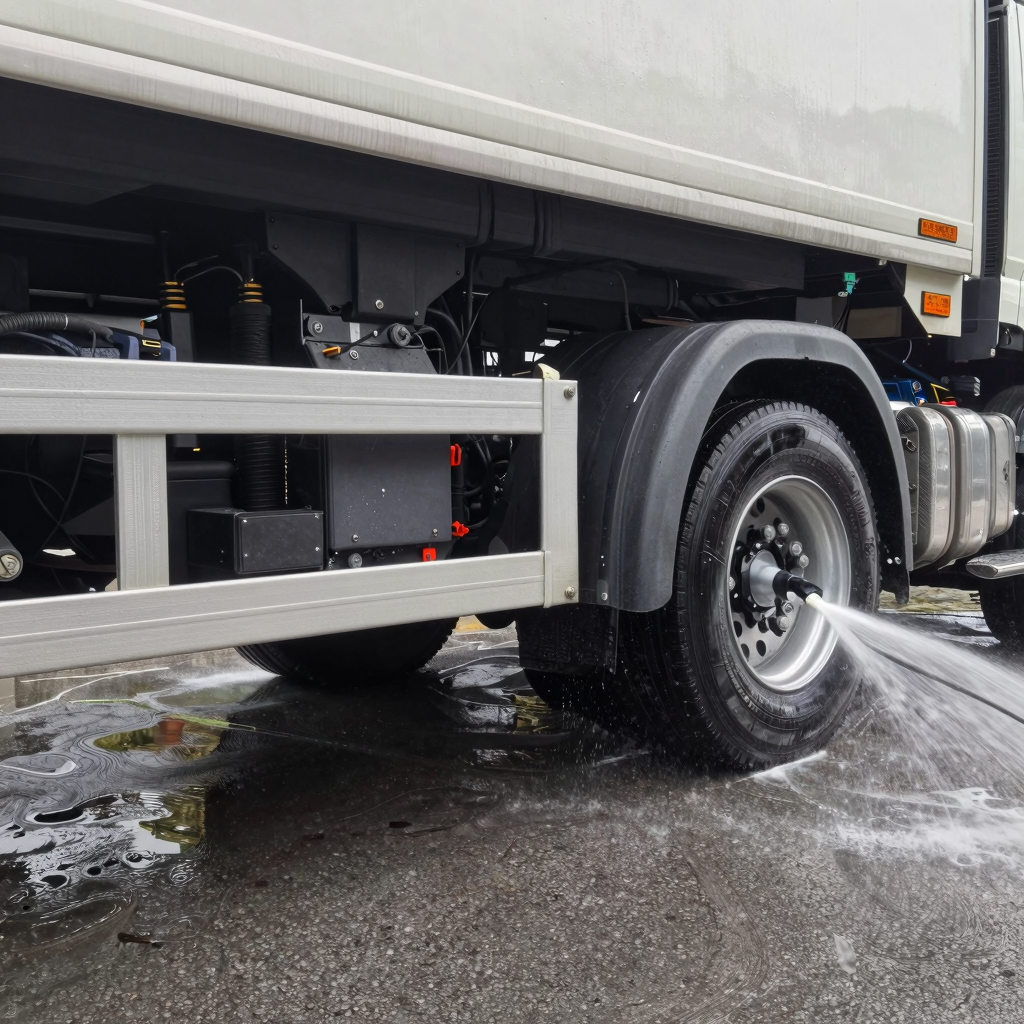
Maintaining safety while washing trucks, particularly underneath, is crucial for fleet managers. To ensure worker safety and compliance with industry standards, the following precautions should be prioritized:
- Personal Protective Equipment (PPE): Employees must wear suitable protective clothing, including ANSI-certified chemical-resistant coveralls, heavy-duty nitrile gloves, splash-proof goggles, and waterproof aprons. This gear protects against chemicals and injuries from water splashes.
- Handling Cleaning Chemicals: Fleet managers should ensure that all cleaning agents used comply with OSHA guidelines. Proper ventilation is necessary when using concentrated cleaners, and clear labeling of chemical containers ensures safe handling. Following the Material Safety Data Sheets (MSDS) for each chemical is vital to understand potential risks and the procedures for dealing with emergencies.
- Avoid High Pressures Near Sensitive Areas: It is advisable not to use high-pressure water near electrical components to prevent damage. When washing in direct sunlight, choose shaded areas to avoid rapid paint damage due to quick-drying chemicals.
For more comprehensive guidelines on compliance in the truck wash industry, you can learn more here.
Step-by-Step Guide to Washing a Truck Undercarriage
Washing a truck undercarriage is crucial for the maintenance of your fleet vehicles. Regular cleaning helps to prevent corrosion, extends the vehicle’s lifespan, and enhances safety. Here’s a comprehensive, step-by-step guide tailored for fleet managers and operators.
| Step | Action | Details |
|---|---|---|
| 1 | Prepare the Vehicle | Park the truck on a level surface, preferably over a drainage area or in a designated wash bay. Ensure the engine is off and the vehicle is cool. Remove any loose debris from wheels and mud flaps. |
| 2 | Protect Surrounding Areas | Cover sensitive components such as the battery, electrical connections, brake lines, and fuel tanks with plastic bags or waterproof covers to prevent water damage. |
| 3 | Pre-Rinse the Undercarriage | Using a pressure washer on low-to-medium setting, spray down the undercarriage, starting from the front and moving backward to clear loose dirt, mud, and salt. Avoid direct high-pressure spraying at seals or sensitive areas. |
| 4 | Apply Undercarriage Cleaner | Spray a biodegradable undercarriage cleaner onto the underside, allowing it to sit for 5-10 minutes to dissolve grime. Follow the cleaner’s instructions for the best results. |
| 5 | Agitate with Brushes | Use stiff brushes or scrub tools to clean hard-to-reach areas like frame rails and brake components. Pay particular attention to areas prone to grime buildup. |
| 6 | Rinse Thoroughly | Rinse the entire undercarriage again with high-pressure water until no cleaner or debris remains, ensuring everything runs clear. |
| 7 | Inspect for Damage | While wet, check for signs of rust, cracks, or leaks. Document any issues noticed for future maintenance. |
| 8 | Dry the Undercarriage (Optional but Recommended) | Use compressed air or let the truck air dry in a sheltered area to avoid rust development. |
| 9 | Recheck Protected Components | Remove protective coverings from sensitive parts, ensuring all are dry before reinstallation. |
| 10 | Document and Schedule Maintenance | Record the wash date and note any issues. Plan repairs for any significant wear or damage. |
Best Practices: Wash the undercarriage every 1-3 months, especially in high-salt regions. Use eco-friendly products to protect both your fleet and the environment. For enhanced performance and efficiency, consider utilizing professional truck wash services, which can provide automated touchless systems for thorough cleaning.
For further information, check the importance of regular trailer maintenance and explore compliance regulations.
Comparison of Cleaning Products for Undercarriage Washing
When it comes to washing truck undercarriages, choosing the right cleaning product is essential for maintaining optimal performance and preventing rust and corrosion. Below is a table that compares various cleaning products designed specifically for undercarriage washing, focusing on their features, benefits, and recommended uses.
| Product Name | Features | Benefits | Recommended Uses |
|---|---|---|---|
| Topwell GH-500 Rollover Type Truck Washing System | Full auto machine, cold wash, foam spray system | Highly efficient, cleans 15-20 trucks/hour, durable | Large fleets, sanitation departments |
| Topwell DCX-100T Grating Type Underbody Wheel Wash | Drive through design, cleans up to 2800mm vehicles, high pressure | Ideal for industrial sites, cleans 60-80 trucks/hour | Construction sites, heavy-duty fleets |
| SS-FM4 High Pressure Undercarriage Cleaner Wand | Portable tool, 4000 psi pressure, lightweight design | Safe and efficient, quick cleaning, easy to use | Small repair shops, personal vehicles |
Selecting the right cleaning tool not only ensures effective maintenance of your vehicles but also helps in adhering to industry compliance requirements. Learn more about compliance and maintenance and the importance of regular maintenance here.
“Neglecting undercarriage maintenance is like ignoring the foundation of a building. A compromised frame or suspension system can lead to catastrophic failures, increased downtime, and significant safety risks. Regular inspections and protective treatments are not optional-they’re essential for preserving vehicle integrity and ensuring driver safety.”
- Sarah Lin, Director of Fleet Operations at ProTrans Logistics
Maintaining the truck undercarriage is crucial to the overall safety and efficiency of your fleet. By prioritizing this aspect of maintenance, fleet managers can ensure not only compliance with industry standards but also enhance the longevity and reliability of their vehicles. For further insights on the importance of fleet maintenance, you can learn more about regular trailer maintenance.
Additionally, understanding regulatory requirements can also be beneficial, which you can check out here.
Best Practices for Water Conservation While Washing a Truck Undercarriage
Washing the undercarriage of trucks is essential for maintaining their longevity and performance. However, implementing water conservation strategies during this process is equally important, particularly for logistics and fleet management professionals. Here are several best practices to consider:
Use a Bucket and Sponge Method
Employing a bucket and sponge for washing your truck undercarriage is a highly effective way to conserve water. This method can reduce water usage by up to 80% compared to using a running hose, making it an environmentally beneficial choice as well as a cost-saving one. This technique allows for controlled water application, which minimizes waste while ensuring thorough cleaning.
Select Biodegradable Cleaning Products
When choosing cleaning agents for washing truck undercarriages, opt for biodegradable, phosphate-free soaps. These products are not only effective at removing dirt and grime, but they also reduce the environmental impact of wash runoff, contributing to cleaner waterways. Consider consulting resources such as the EPA’s WaterSense program for recommendations on eco-friendly cleaning agents.
Avoid Washing on Paved Surfaces
Washing trucks on permeable surfaces like gravel or grass allows the water to infiltrate the ground rather than accumulating as runoff. This practice not only aids in water conservation but also reduces pollution from entering storm drains. This recommendation is supported by various environmental agencies which emphasize environmentally responsible washing practices.
Control Water Flow with Nozzle-Equipped Hoses
If using a hose, make sure it is equipped with a nozzle that includes a shut-off valve. This allows for precise water control, enabling you to turn off the water when it is not in use, thus further preventing waste. Water-efficient washing techniques ensure that you use only what is necessary, making a significant impact on overall water conservation efforts.
Explore Professional Washing Services
Consider utilizing commercial washing facilities that recycle water. These services use significantly less water-often as low as 10-30 gallons per wash-compared to 100-200 gallons typically used during home washing. By choosing such services, fleet managers can conserve water while also ensuring thorough cleaning of their trucks. For more insights on truck wash standards, visit this helpful resource.
By adopting these practices, fleet managers and truck operators can contribute to sustainable water usage while maintaining their vehicles effectively. These strategies not only align with environmental regulations but also support long-term operational efficiency for your trucking business.
Frequency of Washing Trucks’ Undercarriages
Maintaining the cleanliness of a truck’s undercarriage is not just a matter of aesthetics; it is crucial for ensuring the vehicle’s longevity and operational efficiency. Industry standards provide clear recommendations on how often logistics and construction fleets should wash their trucks’ undercarriages to prevent damage and uphold safety regulations.
Recommended Washing Frequencies
-
Basic Guidelines: According to the American Trucking Associations (ATA), heavy-duty trucks engaged in construction and logistics should ideally have their undercarriages cleaned at least every 3,000 to 5,000 miles, or every three months, whichever comes first. This recommendation underscores the critical need to maintain cleanliness, especially when vehicles are operating in muddy, dusty, or snowy conditions, which can lead to accelerated corrosion and damaging debris accumulation.
-
Job Site Protocols: The ATA also advises that trucks exposed to significant dirt, sludge, or salt should be cleaned after each job site visit. This practice is essential for maintaining the integrity of critical drivetrain components.
-
Environment-Specific Recommendations: The National Institute for Occupational Safety and Health (NIOSH) emphasizes that vehicles operating in high-dust environments or winter conditions should undergo washing after every 2 to 4 workdays. Regular cleaning helps inhibit the buildup of corrosive materials like road salt, brake dust, and mud.
-
Quarterly and More Frequent Cleaning: The U.S. Department of Transportation (USDOT) suggests that undercarriage cleaning should occur at least quarterly. However, this should be increased to monthly for construction vehicles, bi-weekly for coastal or winter operations, and weekly for vehicles transporting hazardous materials.
These routines not only extend the lifespan of the fleet but also ensure compliance with safety regulations. For further insights, learn more about the importance of regular maintenance that helps enhance fleet longevity and efficiency.
Conclusion on the Importance of Regular Truck Undercarriage Washing
In summary, regular washing of a truck’s undercarriage is vital for a fleet’s safety, efficiency, and overall longevity. As we’ve discussed, neglected undercarriages can lead to accelerated corrosion, impacting essential components such as frame rails, suspension systems, and brake lines. The accumulation of road grime and corrosive materials can not only lead to costly repairs but also create safety hazards on the road.
Implementing a structured washing regimen, especially with professional undercarriage wash systems, aids in reducing unexpected downtime and associated repair costs. Furthermore, clean undercarriages facilitate better fuel efficiency by minimizing additional weight and drag, ultimately improving operational performance. Investing in routine undercarriage maintenance is not just about aesthetics; it’s a critical preventive measure that ensures long-term fleet reliability and safety.
For fleet managers and trucking operators, considering solutions like Summit Fairings can significantly enhance your fleet’s maintenance strategy, keeping operations running smoothly and efficiently.