

In the logistics and transportation industry, safely transporting heavy equipment like washers is paramount for ensuring operational efficiency and minimizing damage. Whether for fleet managers, truck owners, or supervisors in construction and mining, the challenges of loading, securing, and delivering such appliances require a structured approach. Proper handling not only protects valuable assets but also safeguards the well-being of personnel involved in the transport process. Fleet managers must adhere to stringent safety protocols and standards, taking into account factors such as weight distribution, securing methods, and vehicle specifications to ensure compliance with industry regulations. By prioritizing safe transportation practices, logistics professionals can reduce downtime, enhance productivity, and mitigate potential financial loss due to equipment mishaps. To further ensure compliance, operators can explore industry compliance on emissions regulations and the importance of regular trailer maintenance for optimal performance and safety during transport operations.
Checklist for Preparing a Washer for Transport
Transporting a washing machine requires careful preparation to ensure that the appliance remains secure and undamaged during transit. Follow this detailed checklist to prepare your washer for transport efficiently and safely:
-
Turn Off and Unplug: Ensure the washer is completely turned off. Unplug it from the power outlet to avoid any electrical hazards.
-
Drain All Water: Run a short cycle to drain any water left in the drum. This step is crucial to prevent leaks during transport.
-
Disconnect Hoses: Disconnect the water supply hoses and drain hoses. Coil them securely to prevent tangling.
-
Secure the Drum: Reinstall the transit bolts if available. These bolts keep the drum stable during movement. Alternatively, use a shipping strap to secure the drum.
-
Wrap the Machine: Wrap the washer in moving blankets or foam padding to protect it from scratches and impacts. Ensure that the corners and vulnerable parts are well-protected.
-
Load Upright: Always transport the washing machine in an upright position. Laying it on its side can damage internal components.
-
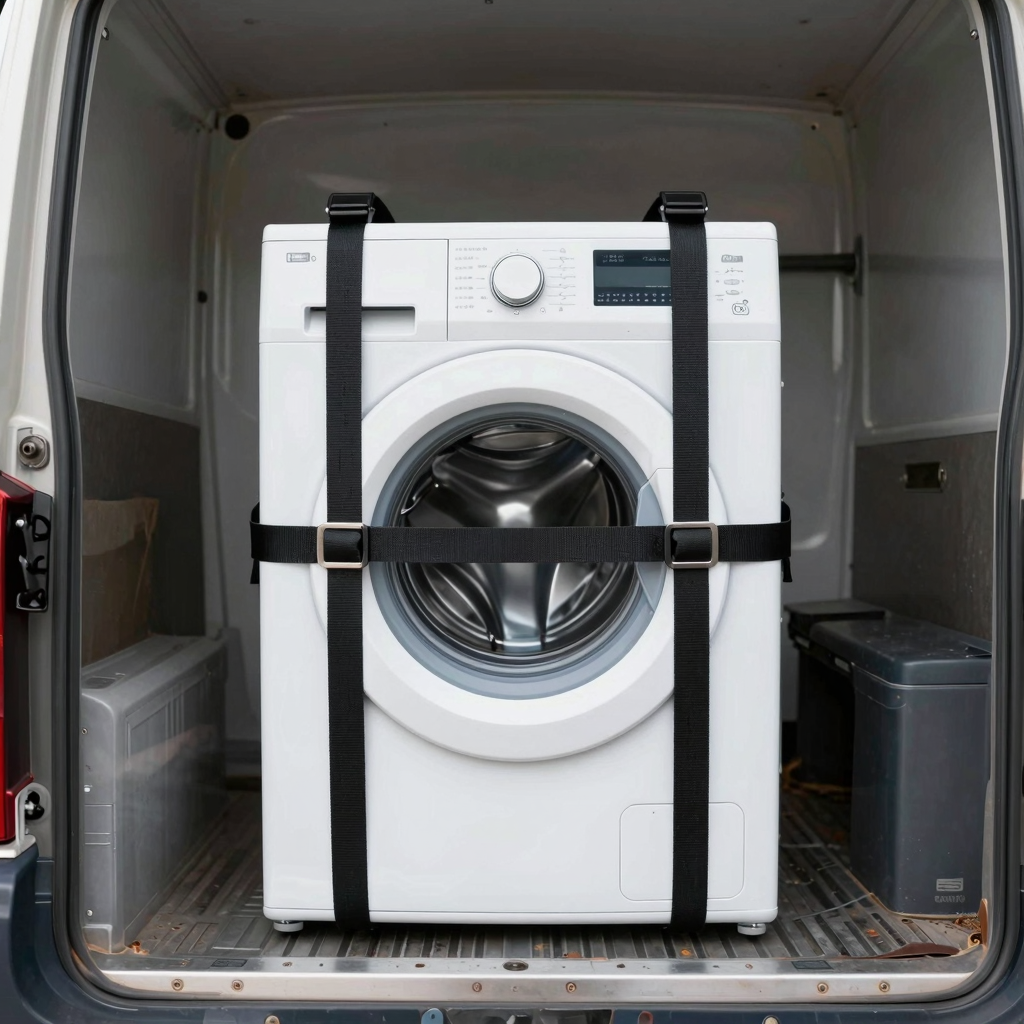
Secure in Vehicle: When loading into the transport vehicle, use ratchet straps or ropes to secure the washer against the sides of the cargo area to prevent movement.
-
Inspect After Transport: Upon reaching your destination, inspect the washer for any signs of damage, leaks, or imbalance before plugging it back in and using it again.
This preparation not only ensures safety but also maintains the efficiency of the washer, ready for immediate use. For more insights on efficient transport practices, learn about fleet standardization and the importance of regular trailer maintenance.
| Type of Washer | Height (cm) | Width (cm) | Depth (cm) | Weight (kg) | Packaging Requirements |
|---|---|---|---|---|---|
| Front-Load Washers | 85 | 60 | 56-65 | 59-75 | Must have additional foam packaging for vibration protection. |
| Top-Load Washers | 109.5 | 65 | 68.5 | 48-59 | Packaging must allow for strict upright positioning; often in crates. |
| Combo Washers | 85-90 | 60 | 60-65 | 55-70 | Must provide ventilation; packaging to protect internals from movement. |
Securing the Washer During Transport
Transporting a washer securely is essential to prevent any damages that may arise during transit. Proper preparation and securing methods can protect the appliance and ensure it operates efficiently after delivery. Here are several techniques and materials you can use to secure a washer in place during transportation:
1. Use Shipping Bolts
If available, the most effective method is to re-install the original shipping bolts that came with the washer. These bolts are specifically designed to immobilize the drum, preventing any internal movement that could lead to damage during transport. Ensure the washer is transported upright-never on its side or back, as tilting the washer can cause serious harm to its internal components.
2. Foam Wedges
If the shipping bolts are missing, consider using high-density foam wedges. Position these wedges around the drum to fill any gaps and prevent movement. Foam provides excellent cushioning and stabilization, reducing the risk of internal damage during transit.
3. Moving Blankets and Bubble Wrap
For external protection, wrap the entire washer in thick moving blankets or heavy-duty bubble wrap. This not only protects the dishwasher from scratches and dents but also adds an extra layer of cushioning against impacts during transportation.
4. Securing the Washer
Once wrapped, secure the washer with ratchet straps or bungee cords. Attach these around the washer and anchor them to the truck bed or trailer, ensuring that the washer does not shift during travel. This technique is crucial, especially when navigating rough terrains or making sharp turns.
5. Use a Dolly or Hand Truck
To move the washer safely, utilize a dolly or hand truck. This equipment minimizes the risk of tipping the washer while moving and allows for a more stable transport.
Conclusion
Securing a washer properly during transport requires a combination of the right materials and techniques. Using shipping bolts, foam wedges, moving blankets, and secure strapping methods will ensure your appliance arrives at its destination without any damage. Always transport the washer in an upright position to maintain its integrity and prolong its lifespan.
👉 For more best practices on appliance transport, check out how regular trailer maintenance contributes to overall efficiency.
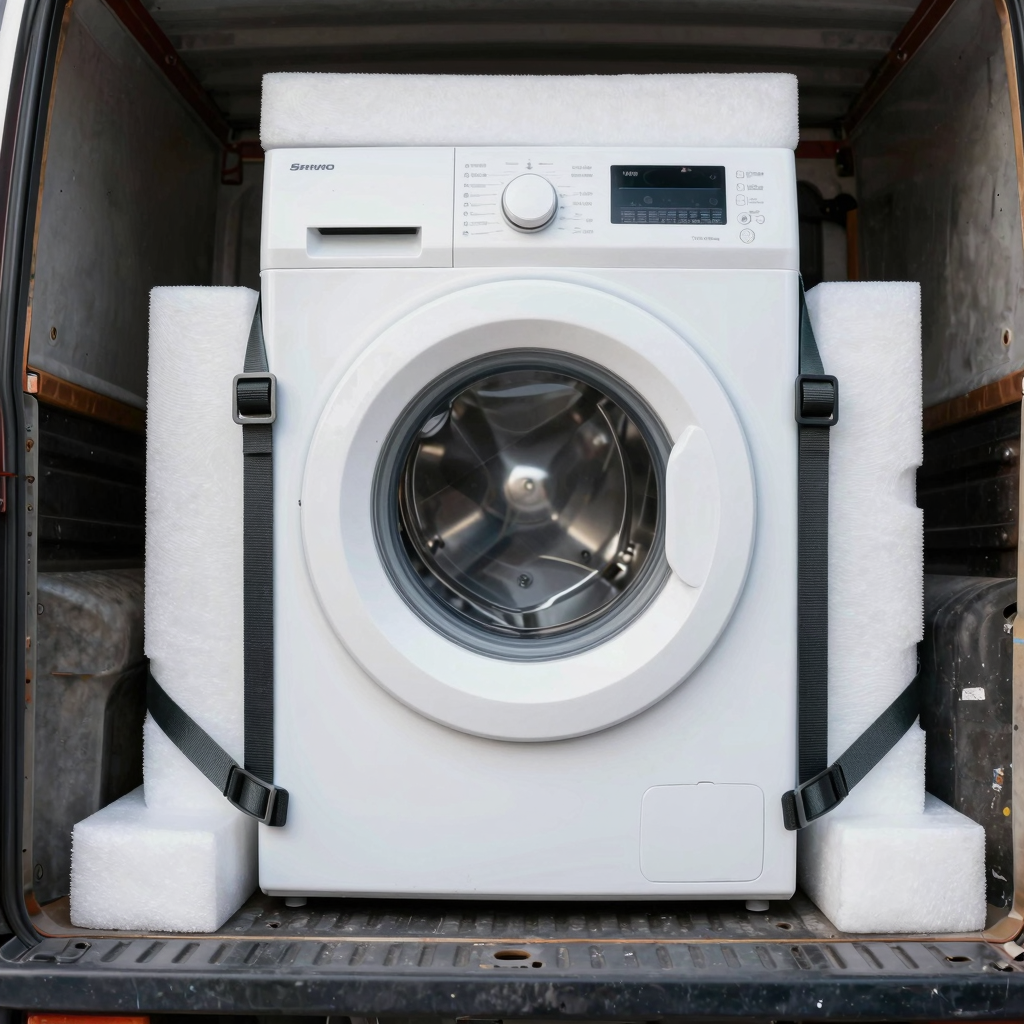
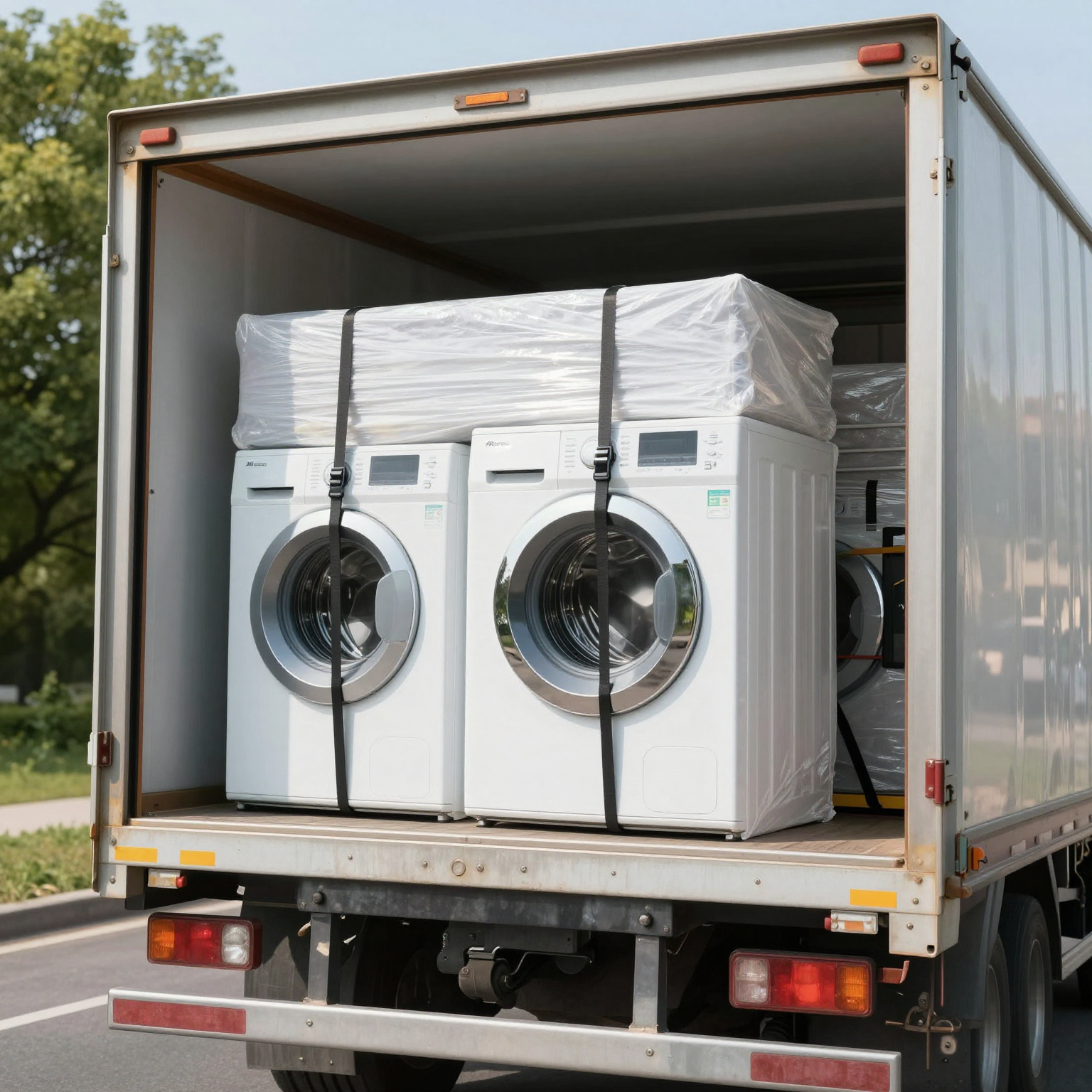
Figure 1: A securely secured washing machine ready for transportation, illustrating proper techniques.
Step-by-Step Guide for Loading the Washer onto a Truck
Transporting a washing machine requires careful consideration to ensure it is loaded safely and securely. Here’s a step-by-step guide to help you load the washer onto a truck effectively:
Steps to Safely Load a Washing Machine
-
Prepare the Washer:
-
Unplug the washing machine and disconnect all hoses.
-
Remove any shipping bolts or transit bolts, which are crucial for stabilizing the drum during transport. Failure to remove these can lead to internal damage. Learn more about best practices.
-
Gather Necessary Equipment:
-
Obtain sturdy ratchet straps, a moving blanket or foam pad, and potentially a dolly to move the washer.
-
Wrap the Washer:
-
Use a moving blanket to wrap the washer securely to protect it from scratches and impacts during transit. The blanket should cover all sides of the machine.
-
Loading the Washer:
-
Keep the washer upright while loading into the truck. Never lay it on its side, as this can cause damage to the internal components.
-
Position the washer near the front or close to a wall of the truck to minimize movement during transport.
-
Securing the Washer:
-
Use at least two ratchet straps to secure the washer to fixed points in the truck, ensuring it cannot shift during transport.
-
Place a thick foam pad or rubber mat under the washer to absorb vibrations and protect the truck bed. This minimizes wear from movement during travel. Consider professional packing services for added safety.
-
Final Checks:
-
Double-check that the washer is secure and all equipment is properly stowed before you begin driving.
By following these steps, you can ensure that the washing machine is transported safely and effectively, reducing the risk of damage during relocation.
Weight Distribution Principles for Transporting Washers
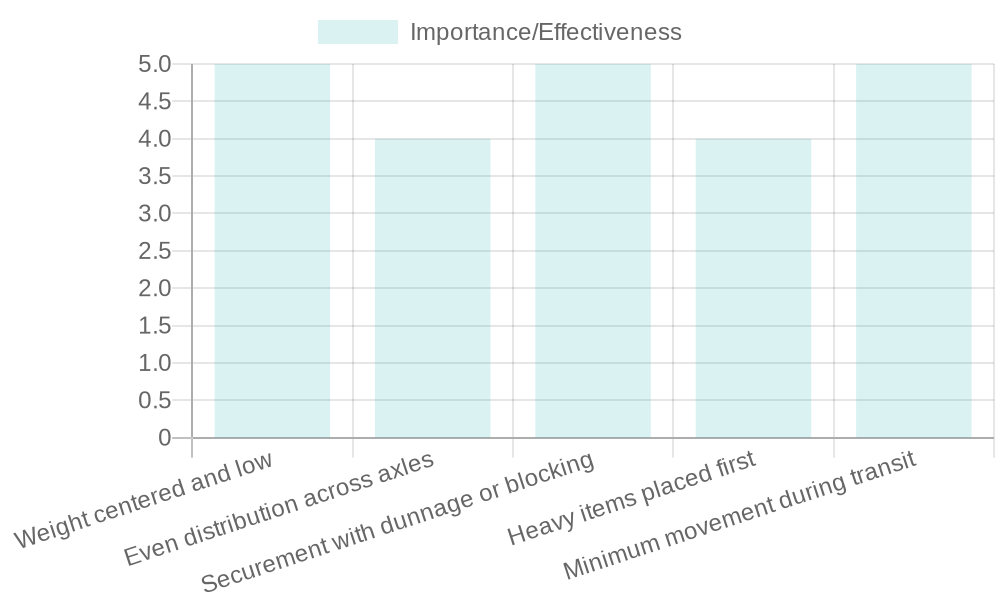
Transporting washers safely in a truck requires a keen understanding of weight distribution principles to ensure stability and compliance with regulations. Below is a visual representation of key principles in weight distribution when handling washers:
Key Principles:
- Weight Centered and Low: Keeping the washer’s center of gravity low and centered minimizes tipping risk and improves stability during transit.
- Even Distribution Across Axles: Distributing weight evenly across all axles prevents overloading any single axle, ensuring compliance with legal weight limits and reducing wear on tires and suspension.
- Securement with Dunnage or Blocking: Using dunnage (padding) or blocking materials prevents shifting during transit, maintaining balance and protecting the appliance from damage.
- Heavy Items Placed First: Placing heavier components (like the washer drum) lower and toward the front helps maintain a balanced load and reduces longitudinal instability.
- Minimum Movement During Transit: Ensuring the washer is firmly secured to prevent motion reduces stress on the drum bearings and internal components, preventing mechanical failure.
Safety and compliance are paramount in logistics. For further information on best practices in cargo transport and cargo loading best practices, please refer to industry guidelines and standards.
Legal Considerations and Regulations for Transporting Washers
Transporting washing machines, whether domestically or internationally, entails adherence to specific legal considerations and regulations that fleet managers must be keenly aware of. This ensures compliance and maintains safety standards throughout the transportation process.
Compliance with Regulatory Frameworks
Fleet managers should familiarize themselves with the following regulatory frameworks that govern the transport of washing machines:
- Customs Regulations:
- When importing or exporting washing machines, compliance with customs regulations is essential. In many countries, these appliances fall under specific tariff classifications (e.g., HS code 84501100), necessitating proper declaration and adherence to customs duties, which typically range from 8% to 15% depending on the product spec.
- Key documentation required includes the certificate of origin, packing list, commercial invoice, and contracts. For second-hand appliances, additional certifications may be mandated, such as inspection reports.
- Safety Standards:
- The handling and transportation of washing machines should comply with local and international safety standards. For instance, operators must ensure that transport vehicles are fitted with the necessary safety equipment and inspections to mitigate the risk of accidents or damage during transportation.
- It is critical to transport washing machines securely to prevent shifting during transit, which could lead to damages or even accidents.
- Environmental Regulations:
- As washing machines are considered electronic waste at the end of their lifecycle, transporters must adhere to local environmental regulations regarding the disposal and recycling of these appliances. This is particularly important when transporting washing machines across borders, where different regulations may apply.
- In jurisdictions that legislate the safe disposal of electronic waste, fleet managers should be prepared to document their compliance, including adhering to any take-back schemes or recycling obligations.
Compliance in Domestic Transportation
For domestic transport:
-
Fleet operators should utilize vehicles equipped with specialized equipment such as hydraulic lifts to facilitate safe loading and unloading, particularly on the last mile deliveries. Additionally, routes must be planned to avoid restrictions related to vehicle height or weight limitations that might affect delivery schedules.
-
Regular compliance checks and maintenance of transport vehicles are crucial to avoid penalties and ensure safety during transportation. Ensuring the vehicle’s state adheres to the importance of regular trailer maintenance can significantly reduce risks associated with transporting heavy appliances like washers.
In summary, the successful transportation of washing machines requires a keen understanding of applicable legal considerations and regulations. Fleet managers must not only prioritize compliance to avoid costly penalties but also to ensure the safety of their operations and the integrity of the products during transit.
Blockquote:
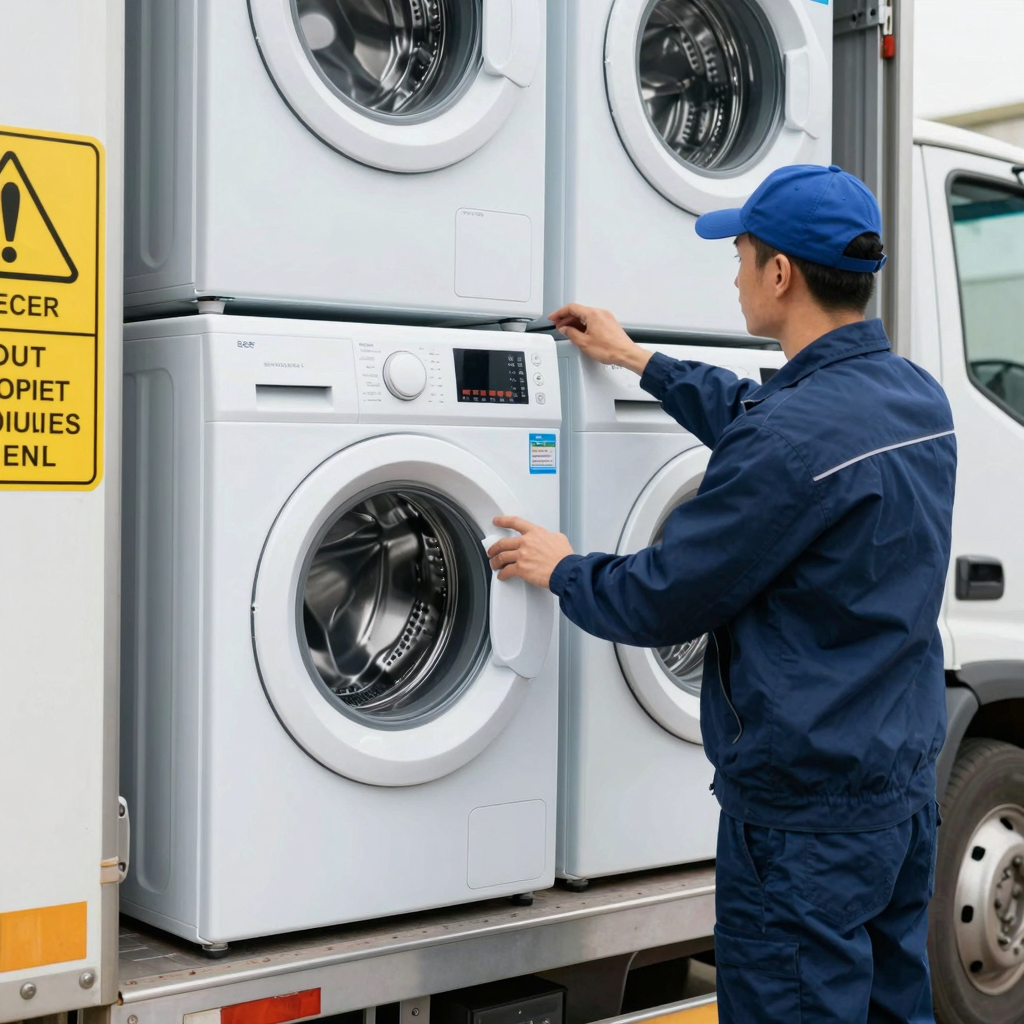
“Safe transportation of appliances like washers is not just about avoiding damage-it’s a critical component of customer satisfaction and brand reputation. A single damaged appliance during transit can lead to costly returns, warranty claims, and negative reviews.”
- Sarah Lin, Senior Logistics Consultant at Global Freight Solutions
For more on the importance of logistics safety, read about safety in appliance transportation.
In conclusion, the secure transport of washers and other heavy equipment is not just a guideline but a vital practice within the logistics and freight industries. As outlined, implementing secure transport methods – such as utilizing high-quality straps, ensuring proper loading techniques, and maintaining compliance with regulations – helps prevent accidents, reduces potential financial losses, and protects your valuable equipment during transit. The implications of neglecting these practices can lead to serious operational disruptions, increased costs, and safety hazards, all of which can be detrimental to your bottom line.
At Summit Fairings, we understand the importance of maintaining equipment integrity during transport. We offer a range of solutions tailored to enhance your logistics operations effectively. For insights into best practices, including securing methods that minimize risks in transport, be sure to explore our comprehensive resources here. Join us in prioritizing safe and secure transport methods to safeguard your workforce and your equipment. Contact us today to learn how we can help streamline your transport operations effectively!