

Introduction
Loading a washer into a truck by yourself may seem like a straightforward task, yet it embodies critical skills necessary for logistics and freight professionals. This ability not only enhances operational efficiency but also underscores the importance of effective handling of heavy equipment. For fleet managers, trucking entrepreneurs, and supervisors in construction and mining, mastering the loading process translates to time savings, cost-effective operations, and increased safety awareness. As you navigate the logistics realm, this article will provide practical insights and step-by-step guidance to successfully load a washer by yourself, ensuring that you’re well-equipped to manage this essential task with confidence. By honing these skills, you contribute to the streamlined operations that are vital in today’s fast-paced freight environment.
Additionally, managing freight operations requires adhering to industry standards, which can be explored in our article on compliance with emissions regulations and the importance of regular trailer maintenance.
Outline for Safely Loading a Washer into a Truck
-
Preparation
-
Gather necessary tools (e.g., dolly, straps, blankets) for safe loading.
-
Inspect the truck’s loading area for cleanliness and accessibility.
-
Assess the Washer
-
Measure the dimensions of the washer to ensure it fits in the truck.
-
Check the center of gravity to understand balance during loading.
-
Position the Dolly
-
Tilt the washer onto the dolly carefully to avoid injury.
-
Secure the washer with straps to prevent slipping.
-
Loading the Washer
-
Use the dolly to maneuver the washer to the truck.
-
Slide the washer into the truck’s rear using a ramp or lift if possible.
-
Securing the Washer
-
Position the washer at the front of the truck to avoid movement during transport.
-
Use straps to secure the washer to prevent shifting.
-
Final Checks
-
Confirm that the washer is firmly secured and does not obstruct the truck’s rear door.
-
Close the truck doors carefully to ensure no damage to the washer.
Safety Precautions When Loading a Washer into a Truck
Loading a heavy appliance, such as a washer, into a truck poses several hazards that require vigilance and the implementation of safety precautions. Fleet managers, truck operators, and supervisors in logistics, construction, and mining should prioritize safety measures to mitigate risks associated with heavy lifting and transportation.
Potential Hazards
- Back Injuries: One of the most common risks is back injury caused by improper lifting techniques. Musculoskeletal injuries can lead to long-term problems for workers.
- Slips and Falls: Heavy loads can be unstable, and if they slip or fall during the loading process, they may injure workers nearby.
- Environmental Factors: Weather conditions, such as rain or ice, can create slippery surfaces, increasing the risk of accidents.
- Equipment Failure: Using damaged or inappropriate equipment can lead to severe accidents during loading operations.
Mitigation Strategies
Implementing the following safety precautions can significantly reduce the risk of injuries:
- Proper Training: All personnel involved in loading should receive training in safe lifting techniques, emphasizing the importance of maintaining a straight back and using legs to lift. For proper lifting techniques, refer to guidelines from OSHA and NIOSH.
- Use of Equipment: Employ aids such as dollies, hand trucks, or hoists to transport heavy loads. Ensure these lifting aids are inspected before use and are suitable for the weight being handled.
- Team Lifting: When dealing with items that exceed 50 lbs, it is advisable to have at least two individuals handling the load. Coordination and communication between workers are essential to ensure a safe transfer.
- Maintain Cleanliness: Ensure that the truck bed and surrounding area are free of debris and other hazards. A clean loading environment can significantly reduce the risk of slip and fall incidents.
- Appropriate Footwear: Wearing proper slip-resistant shoes is crucial to preventing falls. Personal protective equipment (PPE) should also be considered based on the specific risks of the environment.
- Plan Your Route: Before loading, carefully plan the lifting and transport route. This includes checking the vehicle’s layout and ensuring it can accommodate the washer safely.
Following these guidelines will enhance safety during the loading process, helping to protect fleet personnel and maintain high efficiency in operations. For further insights into operational safety, learn more about emergency response procedures.
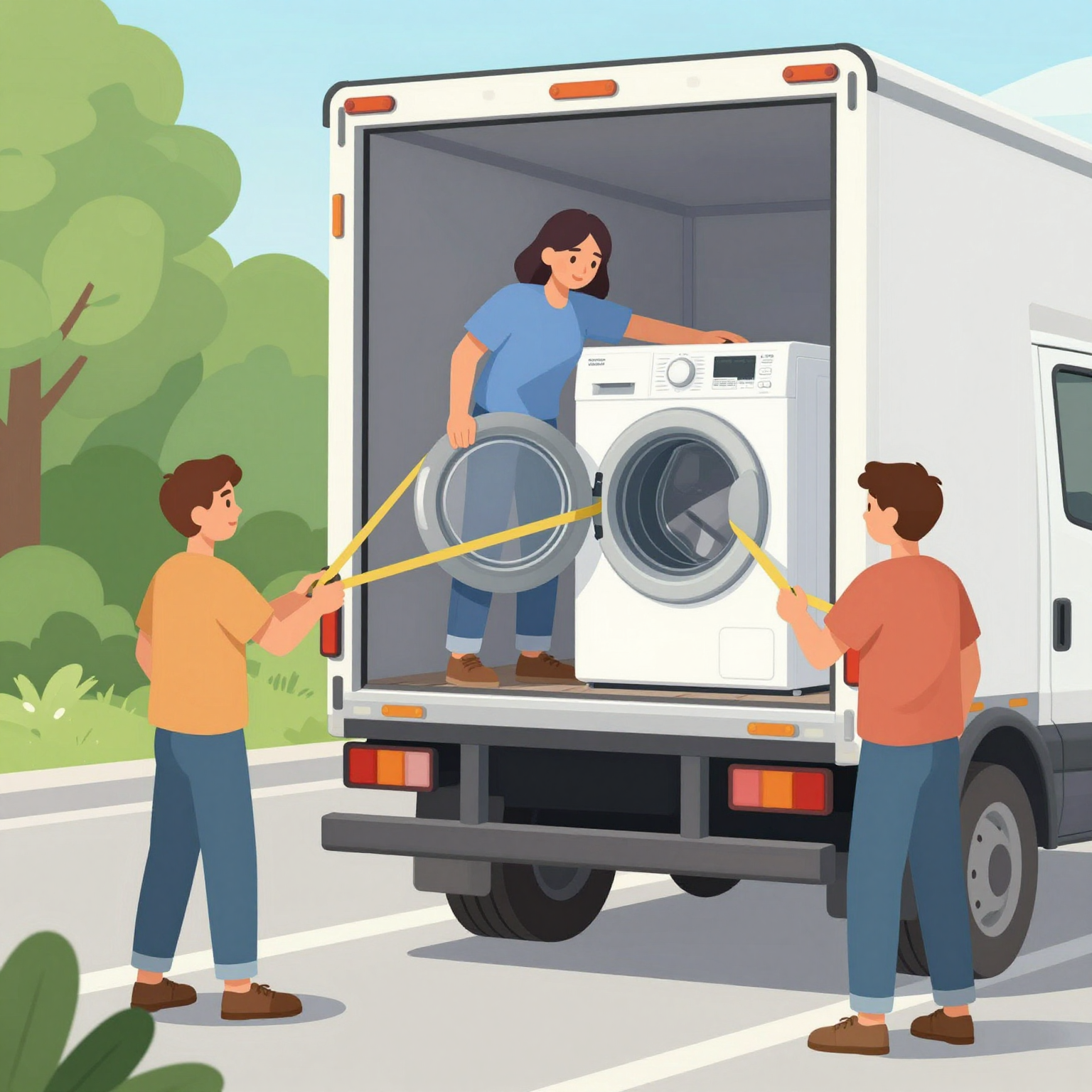
Comparing Loading Techniques for Heavy Appliances
When it comes to loading heavy appliances like washers, logistics professionals have several techniques at their disposal. Here’s a concise comparison to help determine the best method based on pros, cons, and recommended scenarios.
| Technique | Pros | Cons | Recommended Scenarios |
|---|---|---|---|
| Using a Dolly | – Reduces physical strain – Increases maneuverability |
– Requires careful balancing – Not suitable for uneven surfaces |
Ideal for flat surfaces where the truck is at the same level as the loading area. Learn more about safety during loading |
| Breaking Down the Appliance | – Lighter parts are easier to handle – Reduces risk of damage to the appliance |
– Time-consuming – Requires tools for disassembly |
Recommended when navigating tight spaces or uneven ground, ensuring all parts are secured during transport. Visit for more tips on moving appliances |
| Manual Lifting with Assistance | – Flexible for various environments – Immediate adaptability to issues that arise |
– Risk of injury without proper technique – Requires coordination with helpers |
Best for short distances and when optimal lifting techniques can be maintained, usually recommended for small team setups. |
| Using a Forklift or Hoist | – Efficient for lifting heavy loads – Reduces manual labor |
– Requires equipment access – Requires trained operators |
Ideal for warehouse environments or when moving multiple heavy appliances at once. Intervention for safety training is vital. |
Summary
Choosing the right technique can greatly affect the safety and efficiency of loading heavy appliances. Logistics professionals should consider factors such as the workspace environment, available equipment, and the specific appliance type to decide the best practice.
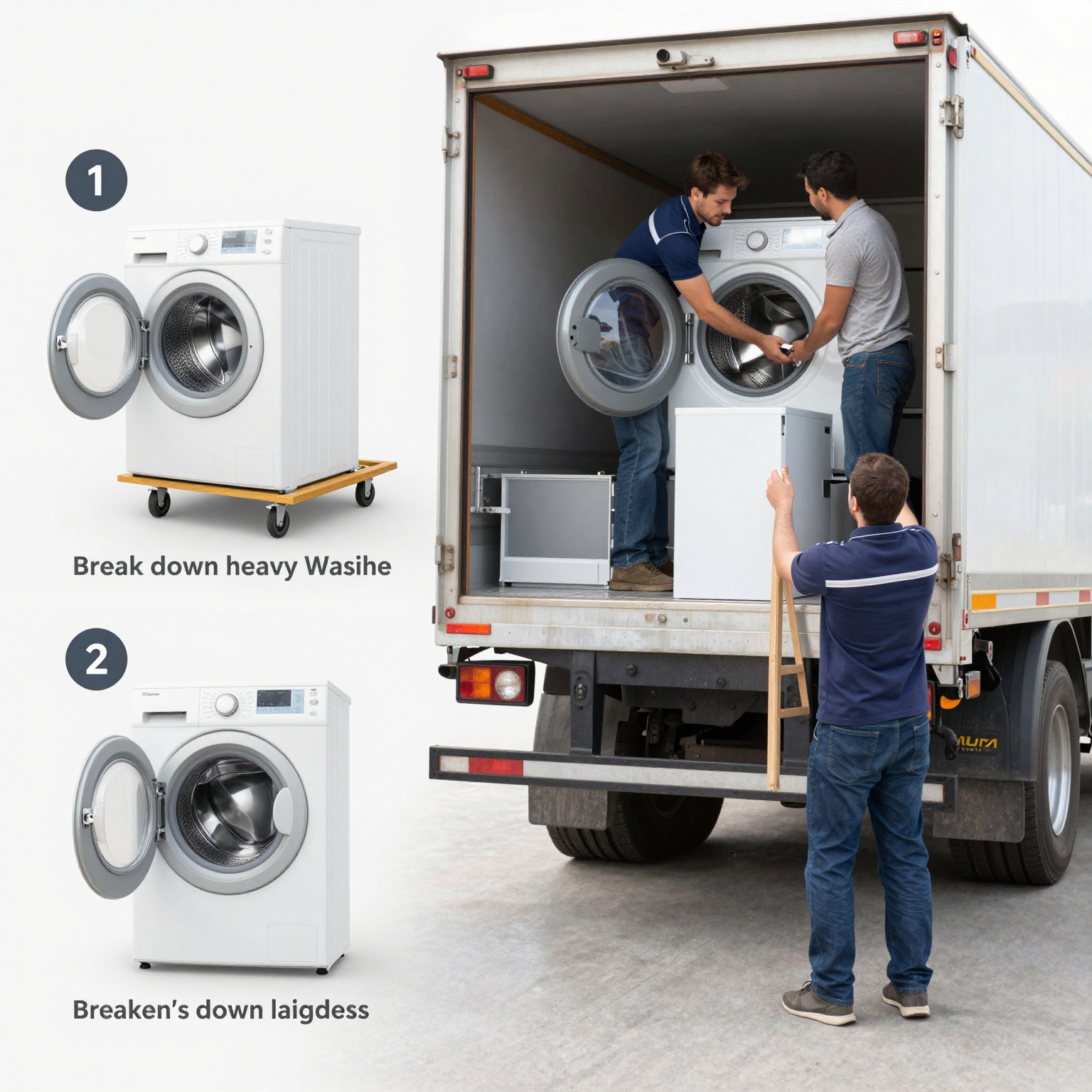
Overall, ensuring that loading techniques align with industry best practices can prevent damage and injuries, making the loading process as smooth as possible.
Loading a washing machine into a truck requires appropriate equipment and tools to ensure safety and efficiency. Below are the essential tools needed for this task, highlighting their features and uses.
1. Appliance Dolly
An appliance dolly is crucial for moving heavy items like washers. It typically features a sturdy frame with two wheels and a secured base that can support significant weight, generally up to 300 pounds. A dolly allows for easier navigation, especially in tight spaces. For optimal performance, ensure the dolly has rubberized wheels to provide stability and prevent damage to flooring. Loading using a dolly minimizes physical strain and enhances safety by improving balance and control during movement.
2. Ratchet Straps or Tie-Downs
Once the washer is loaded onto the truck, securing it with ratchet straps or tie-downs is critical. These straps prevent shifting during transportation, which could lead to damage. High-quality ratchet straps with heavy-duty hooks are essential to ensure a firm grip on the appliance. Always check the anchorage points in the truck to ensure proper securing, especially if the truck does not have built-in anchor points.
3. Padding and Moving Blankets
For protection against scratches and impacts, moving blankets or foam padding should be employed. These materials act as cushioning around the washer, safeguarding it from potential damage during transit. It is advisable to wrap the washer completely before loading it, ensuring any loose accessories or parts are removed or secured to avoid loss.
4. Corner Protectors
Using plastic or foam corner protectors is beneficial for safeguarding the edges of the washing machine during the movement. These protectors help to absorb shocks and reduce the risk of chips and scratches when navigating through doorways or during loading and unloading.
5. Loading Ramp
If available, a loading ramp can significantly ease the transition of the washer into the truck. A ramp minimizes lifting, making it safer for the user and preventing damage to the appliance. It allows for a more gradual incline, reducing the risk associated with lifting heavy appliances directly.
6. Gloves and Safety Gear
Personal protective equipment is invaluable. Using gloves during the loading process can improve grip, prevent slippage, and safeguard against potential injuries. Additionally, if the truck has a bed or height differential, wearing appropriate footwear with good traction is advised.
Using the right equipment is vital in preventing injuries and ensuring the safety of both the appliance and the transport vehicle. For further value, learn more about important equipment for fleet management and safety measures.
In conclusion, investing in the right tools and adhering to best practices will facilitate a smooth loading process for washers into trucks, minimizing stress and damage.
Loading Techniques for Heavy Items
Loading a heavy washing machine into a truck by oneself can be challenging but manageable with the right techniques. Below are detailed steps and recommended strategies to ensure a safe loading process:
1. Preparation
- Evaluate Weight: Ensure the washer is within a manageable weight limit. If it exceeds 25 kg, consider using mechanical assistance.
- Clear the Path: Remove any obstacles in the loading area to prevent accidents.
- Gather Tools: Use a furniture dolly or hand truck for easy maneuvering. Having moving straps on hand will also help with securing the load.
2. Disconnect and Drain
- Unplug and Drain: Ensure that the washing machine is unplugged from the power source. Drain all residual water from hoses to reduce weight and avoid spills.
- Remove Transit Bolts: If your washer has transit bolts, remove them to prevent damage during transportation.
3. Loading Process
- Tilt with the Dolly: Position the dolly under the washer. Tilt the washer towards you, using your legs to lift rather than your back. Make sure to keep the washer’s weight close to your body to maintain balance.
- Lift Safely: Secure the washer on the dolly before pushing. Keep your spine straight and bend at the knees. Avoid twisting your back while moving.
- Use a Ramp if Available: If your truck bed has a significant height, utilize a ramp to roll the dolly up to the truck bed. This reduces strain and minimizes the risk of dropping the washer.
4. Secure the Load
- Once on the truck bed, secure the washer with moving straps to prevent shifting during transport. Make sure the straps do not interfere with the washer’s structure.
5. Final Checks
- Before proceeding with transport, double-check to make sure all equipment is secure and the path to the unloading area is clear.
Using these techniques ensures not only efficiency in loading but also prioritizes safety for the individual. For more detailed guidelines on handling heavy items, you can refer to resources like this safe moving tips article and OSHA’s guidelines.
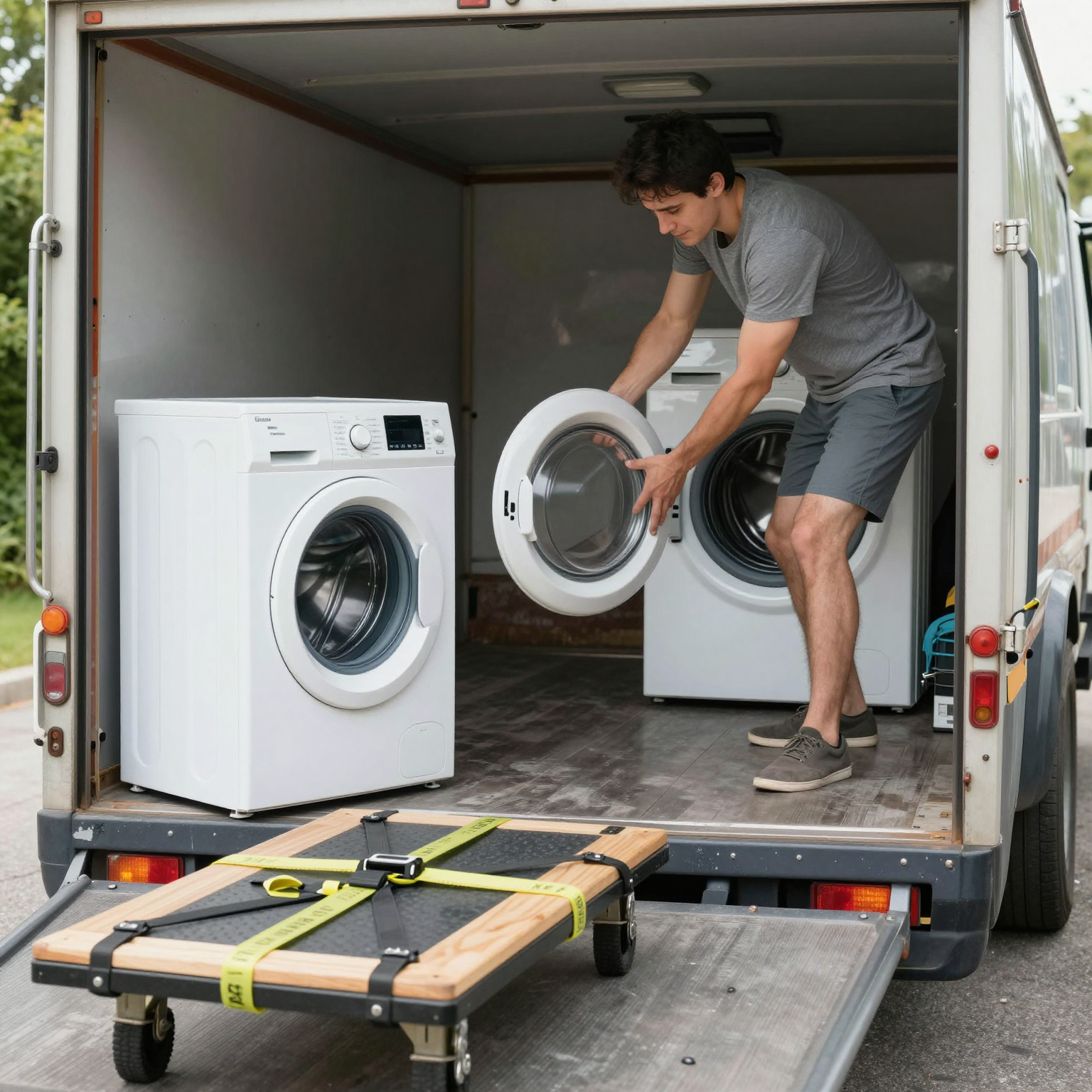

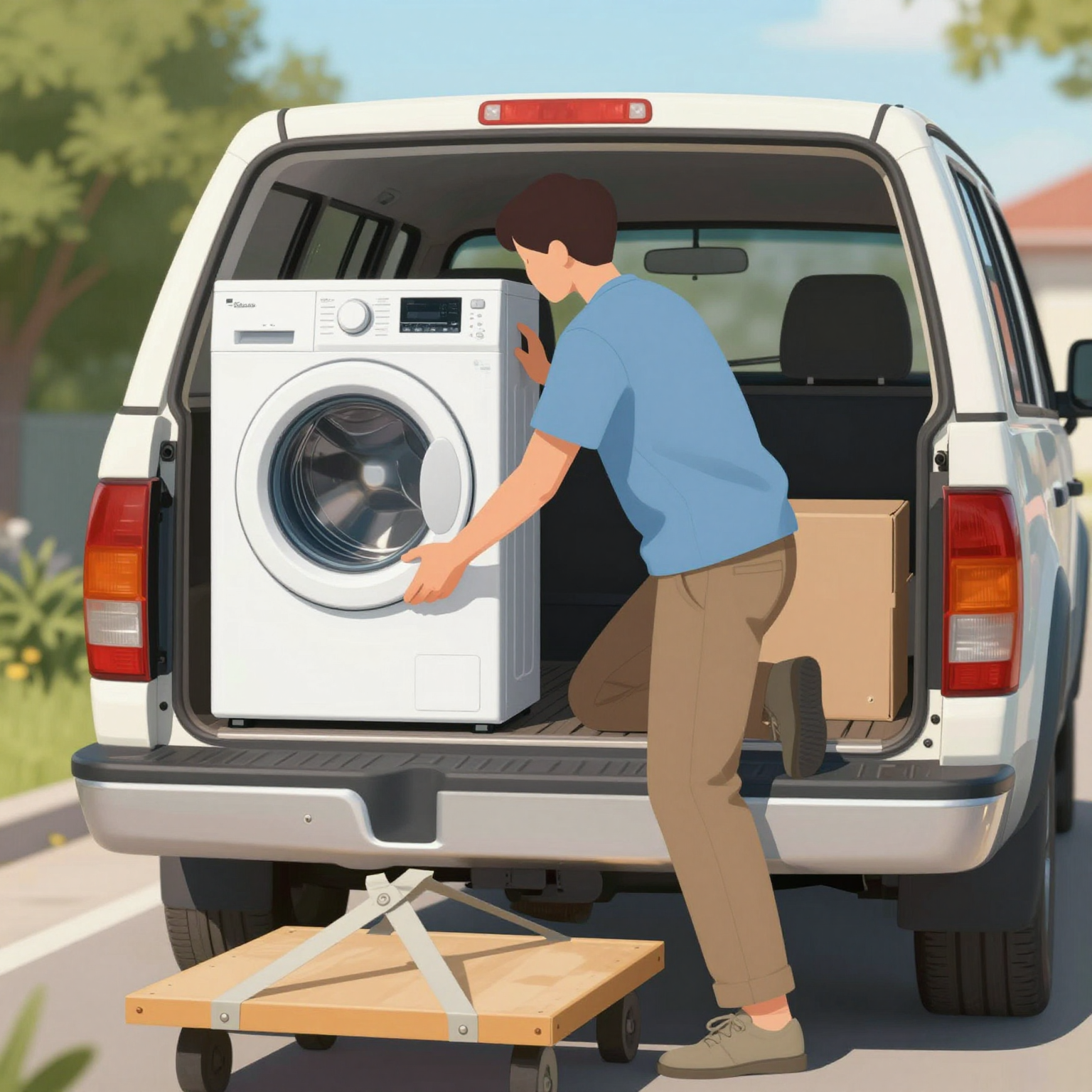
In conclusion, safely and effectively loading a washer into a truck involves meticulous planning and the right equipment. Key steps include utilizing a reliable dolly or appliance hand truck with sturdy wheels, ensuring that the washer is secure with heavy-duty ratchet straps, and maintaining its upright position throughout transport to prevent damage. It is crucial to remove any loose parts, such as detergent drawers, and to secure the doors to ensure they do not swing open during the move. Furthermore, adequate padding, such as moving blankets, should be used to protect the washer from potential scratches or impacts during transit. By following these outlined steps and employing appropriate materials, the risk of accidents or damage can be significantly reduced. For enhanced logistics and compliance information, learn more about industry regulations and consider the importance of regular trailer maintenance. Emphasizing safety not only safeguards the appliance but also promotes a more efficient moving experience overall.
Loading Heavy Items Safely and Efficiently
“In industrial applications, using heavy-duty lifting platforms equipped with safety systems has shown a 91% reduction in accident rates, alongside a 35% improvement in loading efficiency.” – Source: Jinan Jinli Hydraulic Machinery Company
For fleet managers and operators, adopting safety measures while loading can significantly enhance both safety and efficiency in transporting heavy equipment. Proper techniques and equipment not only prevent injuries but also minimize downtime. Consider the use of lift gates, ramps, and safety straps to securely load and transport items like washers.
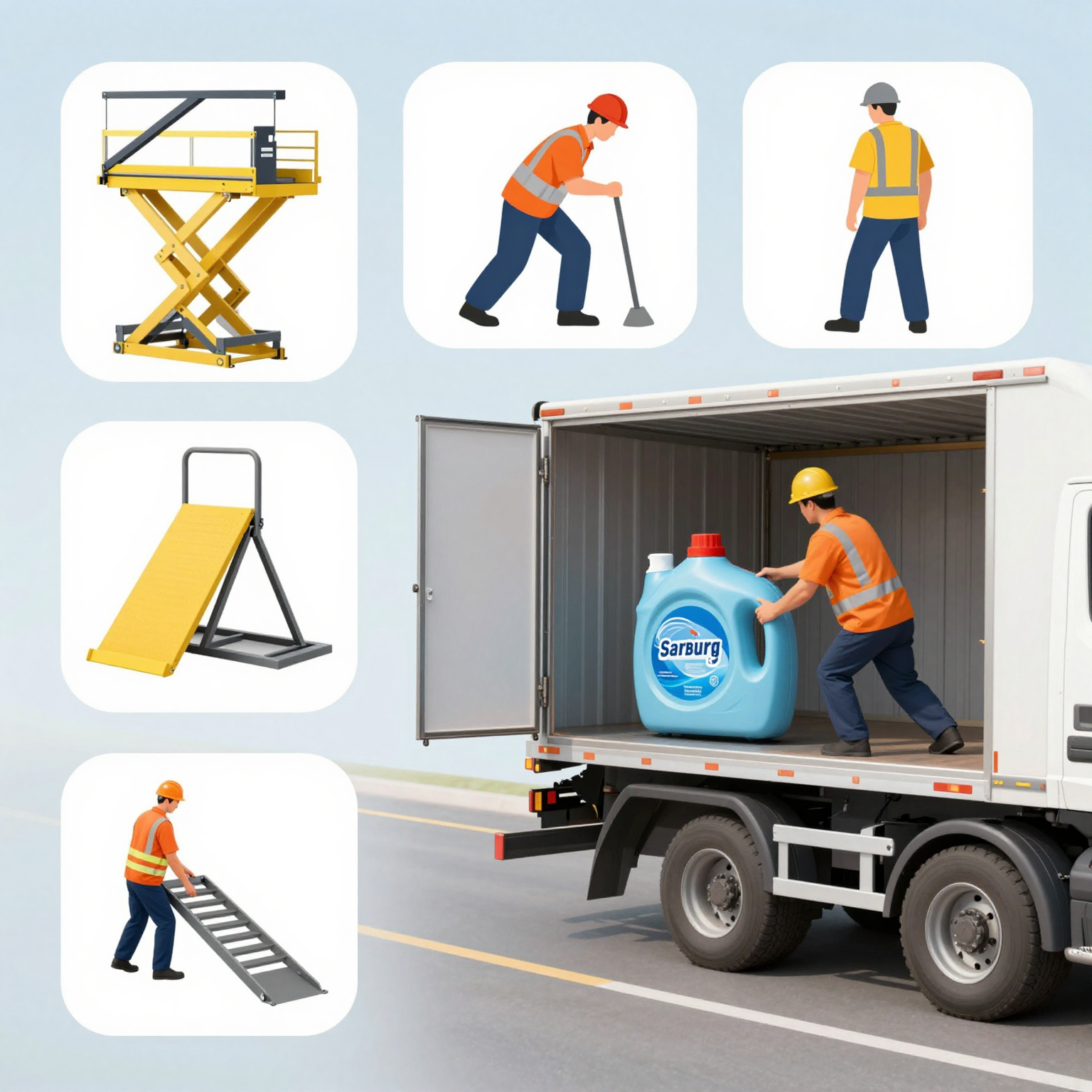
Best Practices for Loading Heavy Items Like Washers
Properly loading heavy items such as washers requires careful planning and execution. Here are some best practices for fleet managers and supervisors:
- Use the Right Equipment: Always employ mechanical aids, such as forklifts or pallet jacks, to lift heavy appliances. This minimizes the risk of injury and helps maintain safety.
- Inspect Before Loading: Conduct pre-loading inspections to check for any damage or instability in the items being loaded. Ensure that pallets and strapping materials are in good condition and suitable for the load.
- Secure Properly: Utilize ratchet straps or stretch wrap to secure appliances. Ensure that they are strapped tightly to prevent shifting during transit.
- Weight Distribution: Evenly distribute weight across the vehicle’s load bed to enhance vehicle stability. Avoid overloading one side or stacking heavy appliances on top of lighter ones.
- Follow Manufacturer Guidelines: Adhere to specific guidelines provided by manufacturers for transporting their products, especially for high-value or fragile models like washers.
By implementing these practices, you can ensure safe and efficient transport of heavy items like washers. For more insights on compliance, check out our article on industry compliance and emissions regulations. Also, ensure regular vehicle maintenance by visiting our section on the importance of regular trailer maintenance.