
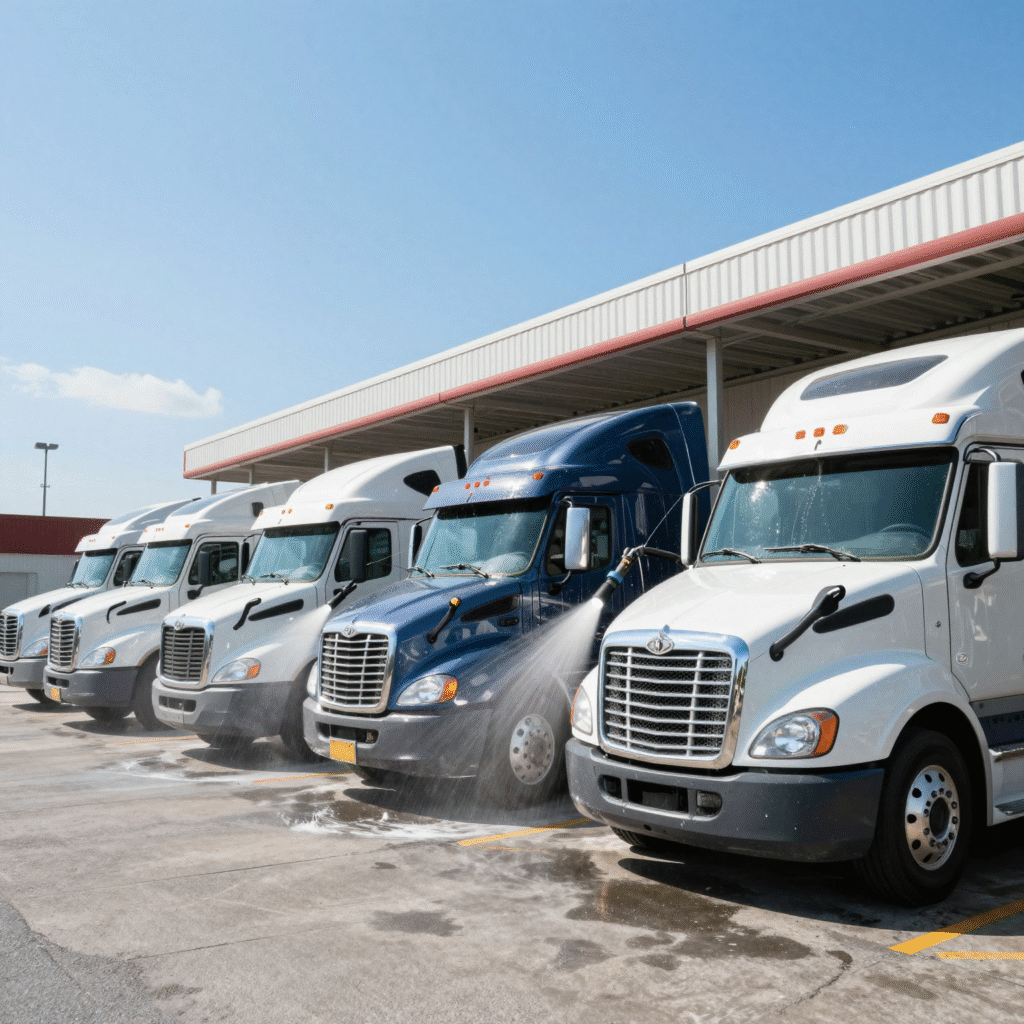
Introduction
In the trucking industry, maintaining vehicle integrity is not just a necessity; it’s a crucial strategy for success. Fleet managers in logistics and freight companies understand that regular maintenance enhances safety, compliance, and operational efficiency. According to the American Trucking Associations, improperly maintained trucks are a leading cause of preventable accidents, underscoring the critical importance of ongoing vehicle care. Regular maintenance practices-like brake inspections and tire pressure monitoring-help reduce the risk of mechanical failures that can lead to costly downtime, delayed deliveries, and safety incidents. Therefore, proactive maintenance not only extends the lifespan of vehicles but also contributes to substantial cost savings on repairs and fuel efficiency.
To further enhance maintenance practices, the use of professional car wash services plays a pivotal role. These services provide comprehensive cleaning that goes beyond aesthetics, utilizing high-pressure systems and specialized detergents that can remove stubborn grime, oil, and debris without damaging sensitive components. As reported by FleetOwner Magazine, 78% of fleet managers have noted improved vehicle longevity and reduced repair costs after implementing professional washing solutions. Moreover, regular truck washes contribute to safety by ensuring optimal visibility and performance, making them an essential part of fleet management in the trucking industry.
For fleet managers looking to optimize their operations, investing in both preventative maintenance and professional car wash services is vital. Learn more about the critical importance of truck maintenance and discover how these strategies can lead to success in maintaining an efficient fleet.
Benefits of Professional Semi Truck Car Washes
Utilizing a professional car wash for semi trucks provides several key advantages for trucking company owners and operators:
-
Vehicle Longevity: Regular washing removes harmful contaminants like salt, dirt, and grime, which can contribute to corrosion and wear. Studies indicate that implementing a consistent professional wash program can extend vehicle lifespan by 18-24 months, significantly lowering long-term maintenance costs.
-
Operational Efficiency: Clean vehicles operate more efficiently, enhancing fuel economy by reducing aerodynamic drag. Additionally, regularly cleaned trucks are less prone to mechanical issues, ensuring fewer delays and better time management for fleet operations.
-
Aesthetic Presentation: A clean fleet enhances the company’s image and customer perception. Well-maintained trucks project professionalism and care, which is essential for service-oriented businesses in the logistics sector.
-
Regulatory Compliance: Maintaining clean trucks helps comply with environmental regulations and reduces inspection delays caused by dirty or unsafe vehicle conditions. Proper maintenance can also protect against liability associated with hidden damages.
For more on fleet maintenance best practices, learn more here.
Types of Semi Truck Car Washes
When managing a fleet of semi trucks, maintaining their cleanliness is crucial not only for aesthetic purposes but also for operational efficiency and compliance. There are several types of semi truck car washes available, each with its own set of advantages and disadvantages. Understanding these options can help fleet managers make informed decisions based on their specific needs.
Mobile Truck Wash Units
Mobile truck wash services offer on-site cleaning, bringing the car wash directly to the fleet’s location. This service is particularly advantageous for logistics and freight companies that need to minimize downtime.
Advantages:
- Convenience: Fleet vehicles do not need to be transported to a wash facility, saving time and reducing operational disruption.
- Environmental Benefits: Many mobile units use water-efficient methods, which can be more sustainable.
- Flexibility: They can address specific cleaning needs without the constraints of a fixed location.
Disadvantages:
- Limited Scope: These units may not have the capacity for thorough undercarriage cleaning, which might be necessary for heavy-duty trucks.
- Inconsistent Results: The quality may vary based on the crew’s expertise and available equipment.
Automated Systems
Automated truck washing systems are designed for high efficiency and consistency. These systems are usually installed at a fixed location and can handle a higher volume of vehicles.
Advantages:
- Speed and Efficiency: Automated systems can wash several trucks in an hour (up to 15 trucks per hour depending on the system).
- Consistent Quality: Automated washes deliver uniform cleaning results, enhancing fleet appearance and maintenance standards.
- Cost-Effective: While the initial investment is high, these systems reduce labor costs and improve fleet longevity through controlled cleaning processes.
Disadvantages:
- High Capital Investment: The setup costs for automated systems can be substantial.
- Maintenance Complexity: Ongoing maintenance is necessary to keep these machines performing optimally.
- Limited Cleaning Areas: Basic models may not effectively clean undercarriages or may take longer to wash larger vehicles.
Hand Wash Services
Hand washes provide a labor-intensive yet thorough option for cleaning semi trucks. These services can be done at a facility or on-site and offer detailed attention.
Advantages:
- Thorough Cleaning: Hand washes can clean hard-to-reach areas effectively, ensuring every part of the truck is spotless.
- Personalized Service: Operators can tailor the cleaning process according to the specific condition of each truck.
Disadvantages:
- Time-Consuming: These washes typically take longer compared to automated systems and can lead to downtime.
- Higher Labor Costs: Employing workers for hand washes incurs more costs than automated or mobile solutions.
- Potential Risk of Damage: Inexperienced operators may inadvertently damage the truck’s surface if not trained properly.
Conclusion
Choosing the right type of semi truck car wash involves evaluating the specific needs of the fleet regarding time, budget, and cleaning requirements. Fleet managers may consider combining different types of washes depending on their operational priorities. For more information on effective fleet management practices, you can learn more about best practices for cleaning food-grade tankers and explore how investing in people can lead to truck fleet success.
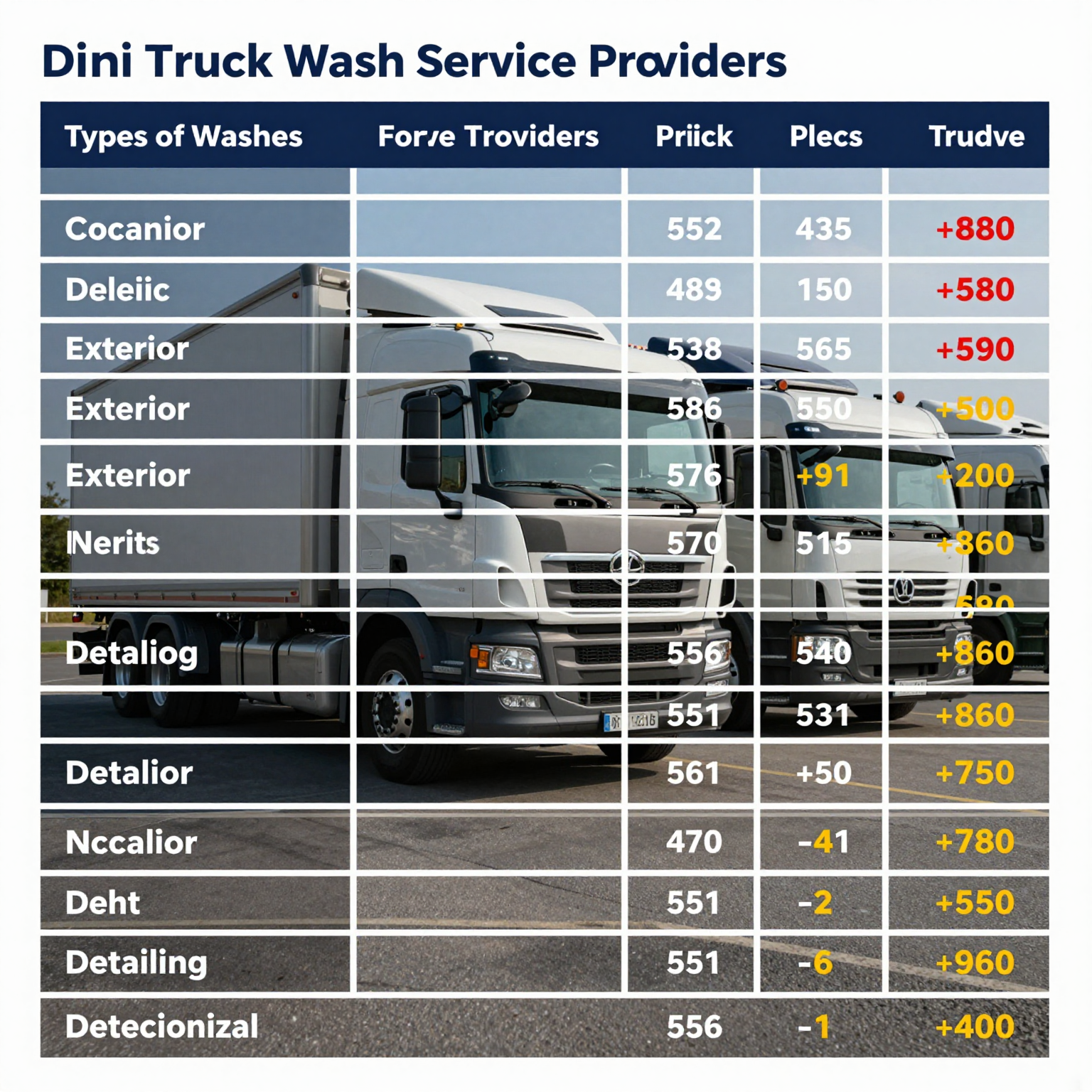
User Testimonials
Increased Fleet Efficiency and Image
David Lee, Fleet Manager at Express Logistics
“Since we started using semi truck car washes from Triple A Truck Wash, our fleet’s image has drastically improved. The clean trucks not only look more professional on the road but also boost our customers’ confidence in our services. We’ve noticed a 15% increase in customer satisfaction ratings since implementing regular washes.”
Sandra Montgomery, Operations Director at Fast Freight Solutions
“The efficiency gains we’ve achieved with a dedicated truck wash service are remarkable. Mobile truck washing has saved us significant down-time that we previously spent cleaning at our own facilities. We can wash up to 80 trucks a month more efficiently. Now, our drivers spend less time waiting and more time delivering goods on schedule. It’s a game changer!”
Michael Alvarez, Owner of Alvarez Transport
“Maintaining a clean fleet is not just about aesthetics; it’s about safety and reliability. Regular professional cleaning has reduced our maintenance costs by 12%! A clean truck drives better, and our fuel efficiency has improved by 3%-5%. I highly recommend this approach to all fleet managers.”
Lisa Kumar, Fleet Supervisor at Green Logistics
“Our brand identity is crucial in the competitive market we operate. With a clean, well-maintained fleet, we project professionalism and attention to detail. Our trucks receive excellent compliments from customers and partners alike, which reinforces our company culture of excellence.”
Environmental Considerations of Truck Washing
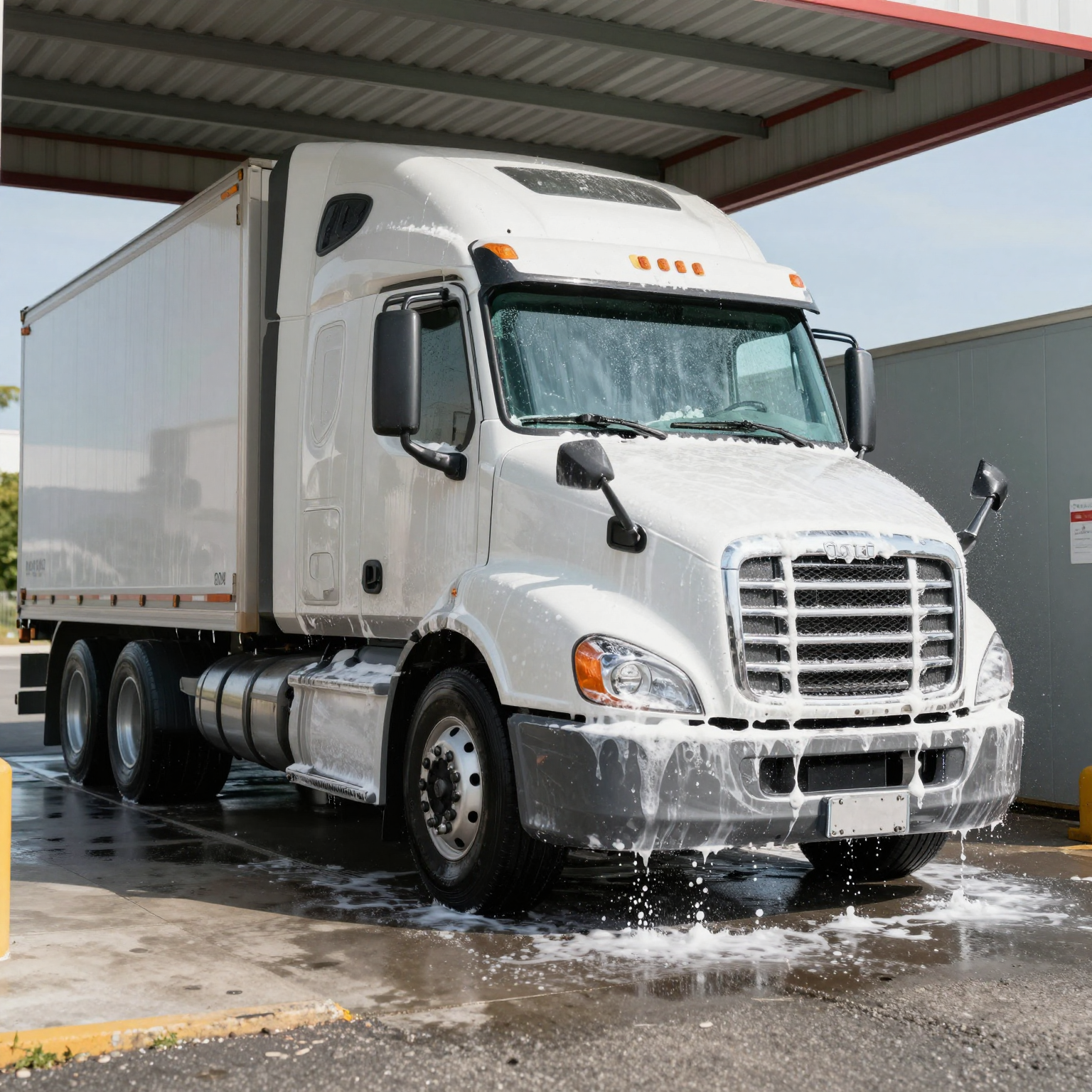
Truck washing, particularly in professional settings, has significant environmental implications that must be addressed for sustainable practices. Major concerns include water usage, runoff, and the ecological effects of pollutants found in wash water.
Water Usage
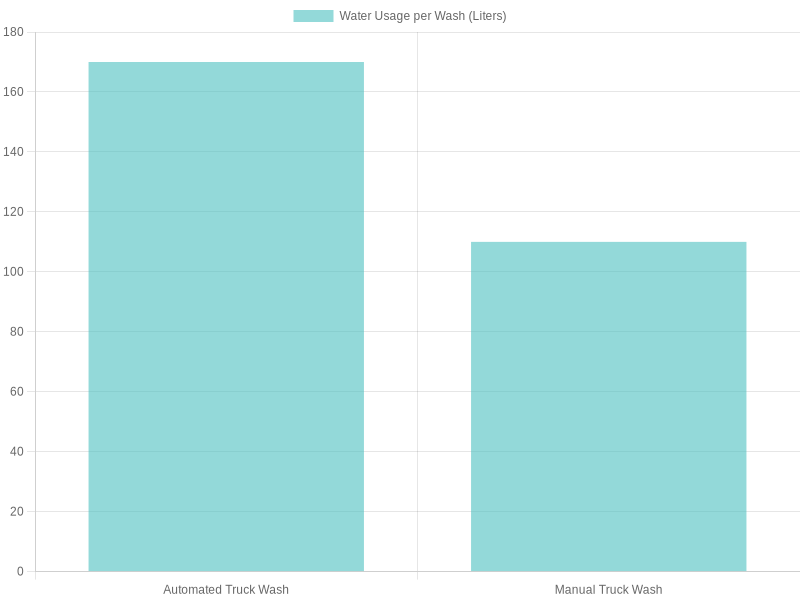
Automated truck washing systems are often more water-intensive than manual washing methods. A study from Environmental Science & Technology reveals that automated washes can consume between 150 to 190 liters of water per vehicle, while manual methods may range from 100 to 120 liters. This increased water usage presents challenges for facilities striving to be eco-friendly. Proper management strategies are essential for conserving water, such as implementing closed-loop systems that recycle water and thereby reduce overall consumption. Below is a comparative chart illustrating water usage between these methods:
Chemical Runoff and Pollution
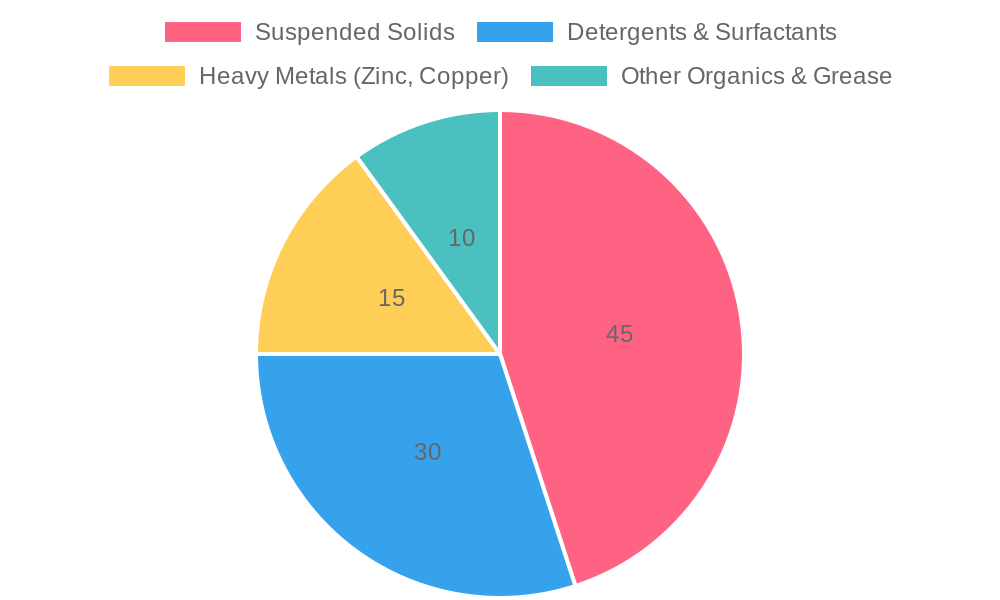
In addition to water consumption, runoff from truck washes can contain harmful pollutants such as detergents, suspended solids, and heavy metals, which can severely impact local ecosystems. Untreated wash water often contains up to 45% suspended solids, 30% detergents and surfactants, and dangerous heavy metals including zinc and copper. The U.S. Environmental Protection Agency (EPA) emphasizes the need for pollution prevention methods, including installing treatment technologies like hydrocyclones to remove these substances from waste streams. A breakdown of common pollutants in runoff can be seen below:
Management Practices
To mitigate these environmental concerns, professional truck washing services employ several best practices. The installation of containment systems-such as catch basins and sumps-helps prevent contaminant discharge into natural water systems. Regular monitoring of wash water quality ensures compliance with local regulations, safeguarding both the environment and community health. Utilizing on-site filtration methods and promoting water recycling can reduce fresh water use by up to 90%. Learn more about water management best practices and compliance measures to ensure sustainability in truck washing operations.
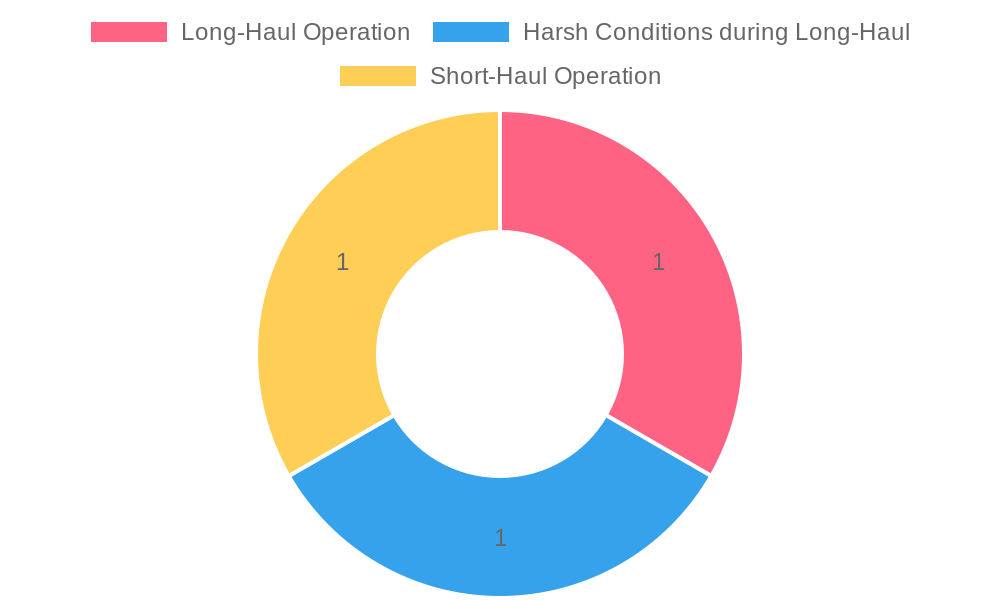
| Operation Type | Recommended Washing Frequency |
|---|---|
| Long-Haul Operation | Every 7-10 days or after 1,000-1,500 miles |
| Harsh Conditions during Long-Haul | Every 500 miles |
| Short-Haul Operation | Every 5-7 days |
Source: Industry best practices for commercial vehicle maintenance (2026 data)
Conclusion
In the competitive landscape of logistics and freight, truck aesthetics play a vital role in establishing a strong brand identity and enhancing operational efficiency. A clean and well-maintained truck not only reflects a company’s commitment to quality but also significantly impacts customer perceptions. According to a recent study published in Logistics Today, companies using clean trucks reported a 34% higher customer satisfaction score, correlating efficient fleet aesthetics with client trust and brand loyalty. Customers often associate clean vehicles with environmental responsibility and technological advancement, leading to an enhanced perception of reliability and integrity in the service provided.
Maintaining the aesthetics of your trucks can yield tangible benefits for your business. A visually distinct fleet, especially one that follows unified branding and environmental themes, can attract and retain environmentally conscious clients. Research from Harvard Business Review indicates that companies aligning their fleet aesthetics with green initiatives saw a 27% increase in repeat business from focused customers, demonstrating that not only performance but visual representation directly correlates with customer engagement.
As you consider the operational aspects of your fleet, prioritizing truck aesthetics must be a key strategy. A regular truck wash is more than just about cleanliness; it’s an investment in the brand’s image and operational efficiency. If your fleet requires an aesthetic upgrade or regular cleaning to maintain that polished look, consider leveraging Summit Fairings to keep your trucks in peak condition. Reap the benefits of a visually appealing fleet today!
FAQ Section for Trucking Companies Considering Car Washes
1. What are the typical costs for washing a semi truck?
In 2023, the costs for semi truck washes typically ranged from $75 to $150 per wash. Basic automated washes at truck stops generally average $75 to $90, whereas full-service washes that include high-pressure cleaning and interior cleaning can cost between $120 and $150. Notably, fleets that negotiate bulk washing contracts can often secure discounts of up to 20%. For comprehensive insights, you can learn more about bulk washing options here.
2. How long does it take to wash a semi truck?
The time required to wash a semi truck can vary considerably. Typically, a thorough wash can take anywhere from 18 to 22 minutes with automated systems. High-efficiency features such as pressure washing can significantly reduce this time while also optimizing water and labor costs. For a detailed breakdown of wash efficiency, visit this link for efficiency trends.
3. What best practices should I follow for truck wash maintenance?
Regular maintenance is crucial for keeping your fleet in top condition. Here are some best practices to consider:
- Schedule regular washes to maintain cleanliness and prevent corrosion.
- Use biodegradable soaps and shampoos that meet environmental regulations.
- Inspect vehicles for dirt accumulation and plan washes to address specific needs, such as removing grease or tar. For more insights on maintaining cleanliness standards, refer to our article on cleaning food-grade tankers.