
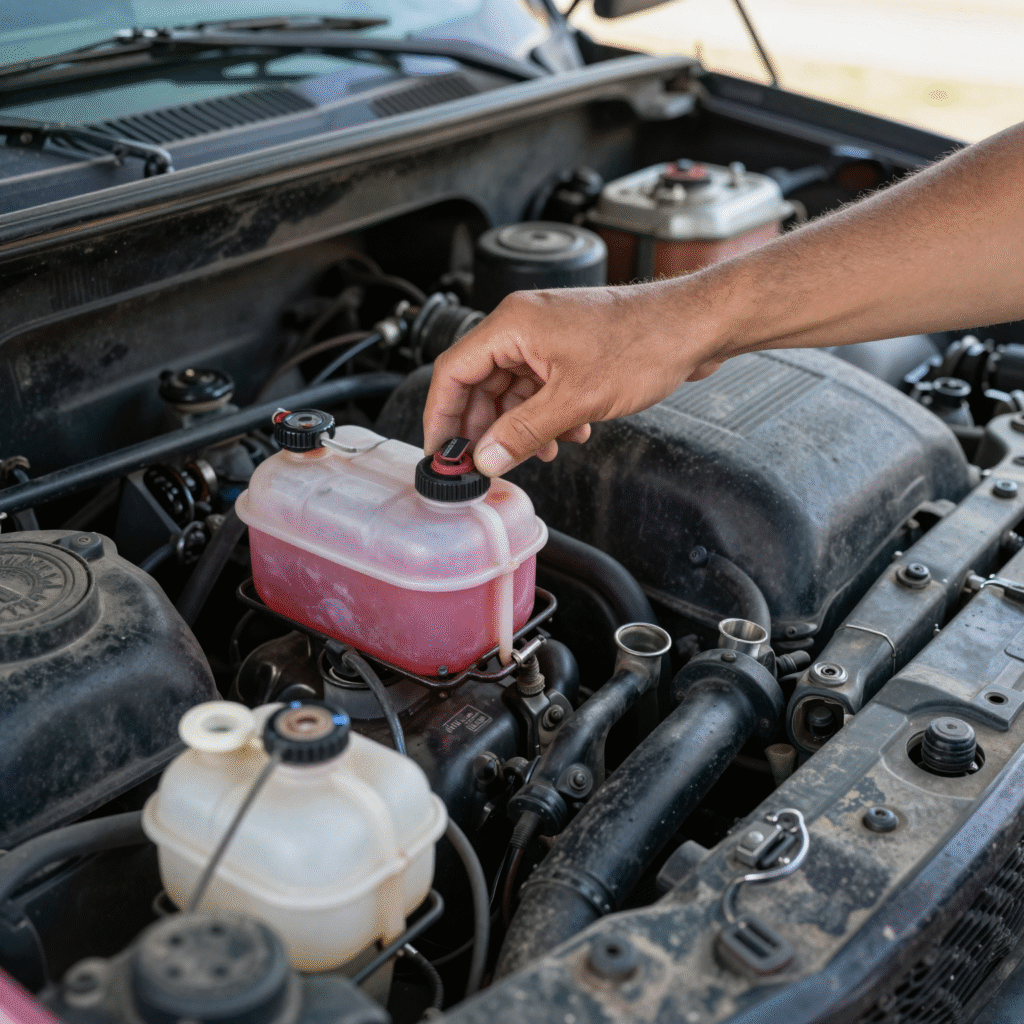
Maintaining the windshield washer system in 2005 Chevy trucks is critical for ensuring optimal vehicle performance and safety, particularly within fleet operations. A properly functioning windshield washer system enhances visibility by effectively clearing away dirt, grime, and debris from the windshield, which is crucial during adverse weather conditions. For fleet managers, the significance extends beyond just visibility; it reflects the overall maintenance and reliability of the fleet. A malfunctioning washer system can lead to hindered visibility, increasing the risk of accidents and costly downtime. Moreover, consistent maintenance of such systems exemplifies a fleet’s commitment to safety and operational efficiency.
By regularly checking and maintaining the windshield washer reservoir and its components, fleet operators can minimize unexpected repairs and extend the lifespan of their vehicles. Practices such as these are pivotal in promoting a culture of proactive maintenance within logistics and transportation operations. It is also essential for enhancing the overall reputation of the fleet among clients and regulatory bodies. For further insights into the importance of vehicle maintenance, you can learn more about best practices for cleaning food-grade tankers and the significance of regular trailer maintenance.
Changing the windshield washer reservoir in a 2005 Chevy truck requires a few essential tools to ensure the job is completed efficiently and safely. Here’s a list of the necessary tools:
- 10mm Socket Wrench: Used to remove bolts that secure the reservoir.
- Phillips Screwdriver: Handy for loosening screws and removing any protective panels.
- Flathead Screwdriver: Useful for prying off clips if necessary.
- Needle-Nose Pliers: Ideal for disconnecting the hoses attached to the reservoir.
- Funnel: Helps in refilling the washer fluid without spilling.
For a step-by-step guide on the process, you can view more detailed instructions here.
Step-by-Step Guide to Change the Windshield Washer Reservoir on a 2005 Chevy Truck
Changing the windshield washer reservoir on a 2005 Chevy truck might seem daunting, but with this step-by-step guide, fleet managers can accomplish it with ease. Follow these detailed instructions to ensure a successful replacement.
Tools and Materials Needed
- New windshield washer reservoir (compatible with 2005 Chevy trucks)
- Wrench set
- Screwdriver set
- Pail or container for old washer fluid
- Clean cloths
Step-by-Step Instructions
-
Preparation: Safely park the truck in a well-ventilated area. Engage the parking brake and ensure the engine is turned off.
-
Drain the Old Washer Fluid: Locate the windshield washer reservoir, typically situated near the front driver’s side fender. Open the cap and drain any remaining fluid into a pail to avoid spills.
-
Disconnect the Hoses: Identify and gently disconnect the washer fluid hoses from the reservoir. If your truck includes any electrical connectors, carefully detach those as well.
-
Remove Old Reservoir: Using a wrench or screwdriver, remove any bolts or screws securing the old reservoir in place. Once loosened, lift the reservoir out of its mounting.
-
Inspect Components: Before installing the new reservoir, inspect the surrounding components for wear or damage. Clean any residue from the area where the reservoir sits.
-
Install New Reservoir: Position the new windshield washer reservoir into place. Secure it using the previously removed bolts, ensuring not to over-tighten and risk cracking the reservoir.
-
Reconnect Hoses and Electrical Connectors: Reattach the hoses securely to the new reservoir. If there were electrical connectors, plug them back in.
-
Refill Washer Fluid: Pour fresh washer fluid into the reservoir through the opening.
-
Test the System: Finally, test the washer system to ensure proper operation. Activate the washer fluid spray to confirm optimal performance.
This simple replacement process can help maintain the efficiency of your fleet’s vehicles. For best practices on vehicle maintenance, learn more about regular trailer maintenance.
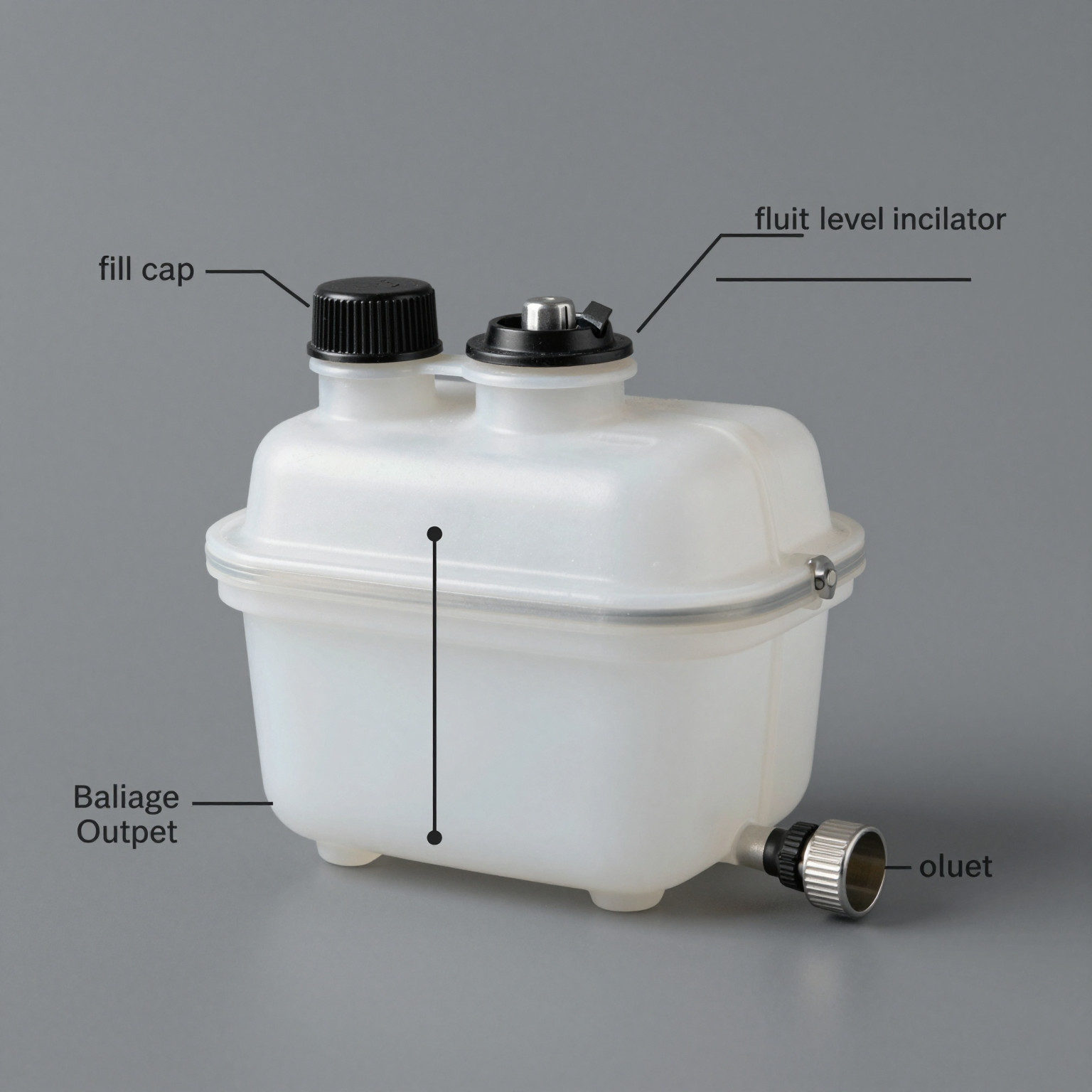
Safety Precautions for Changing the Windshield Washer Reservoir
Changing the windshield washer reservoir on a 2005 Chevy truck requires attention to safety to ensure the process is completed without incident. Here are essential precautions to consider:
-
Wear Protective Gear: Always wear gloves and safety goggles to protect your skin and eyes from chemicals that may be present in the washer fluid or cleaning agents.
-
Ensure Stability of the Vehicle: Park the truck on a leveled surface and turn off the engine. Use wheel chocks to prevent any roll-away incidents.
-
Disconnect the Battery: Before starting the maintenance work, disconnect the battery’s negative terminal. This action helps prevent any electrical shorts or unintended activation of vehicle systems.
-
Draining the Reservoir: Ensure that the windshield washer fluid is drained completely from the reservoir before removal. This prevents spills that could create slippery surfaces and hazardous conditions.
-
Check for Damage: Inspect the new reservoir for any cracks or defects before installation. Additionally, examine the surrounding components for wear or damage, which could lead to leaks.
-
Proper Tools Usage: Use the appropriate tools to avoid stripping screws or damaging components. Ensure that your tools are in good condition.
-
Refill with Caution: When filling the new reservoir, use a high-quality washer fluid suitable for the current weather conditions. Avoid overfilling, which can cause leaks.
-
Test the System Post-Installation: After everything is reassembled, reconnect the battery and test the windshield washer system to ensure it’s operating correctly. Make sure to check for any leaks or malfunctions.
-
Dispose of Waste Responsibly: Dispose of old fluid and any waste materials in accordance with local regulations to minimize environmental impact.
By adhering to these safety precautions, fleet managers and operators can perform maintenance effectively while minimizing risks. For ongoing vehicle safety, regular maintenance inspections are pivotal. Learn more about essential vehicle safety practices here.
Troubleshooting Common Issues When Changing the Washer Reservoir
When replacing the windshield washer reservoir on a 2005 Chevy truck, several common issues may arise. Here’s how to troubleshoot these challenges:
1. Improper Alignment
Ensure that the fill neck of the new reservoir aligns properly with the vehicle body. Misalignment can prevent the cap from sealing, leading to leaks.
2. Hose Connection Issues
After installation, verify that all hoses are connected without kinks or disconnections. Hoses should securely attach to their respective fittings to ensure proper fluid delivery. If the system doesn’t dispense fluid, check for kinked supply hoses or blocked return lines.
3. Fluid Level Sensor Problems
If you notice that the pump remains inactive, inspect the wiring harness connection to the pump. Loose connections or damage can disrupt the power supply. Ensure that you are using an OEM-compatible reservoir for seamless integration with the fluid level sensor.
4. Leakage at Connections
Check around the fill cap and hose connections for leaks after filling with fluid. This indicates improper sealing or worn gaskets that may need replacement.
5. Frozen Fluid or Clogs
In colder climates, residual fluid can freeze in lines, blocking fluid flow. Always drain old fluid before installation and use winter-rated washer fluid to prevent freezing. Additional checks should involve verifying unclogged nozzles and ensuring the reservoir’s vent tube is clear.
For more detailed guidance on these issues, consider reading about common troubleshooting techniques for washer reservoirs.
In the realm of fleet management, maintenance is paramount. A fleet manager once remarked:
“Keeping our vehicles in top condition isn’t just about avoiding fines-it’s about protecting our drivers and the public. A simple issue like a failed windshield washer can lead to dangerous visibility problems, especially in rain or dust, which is why we treat every system, no matter how small, as essential.”
This emphasis on even the smallest components reinforces the necessity of regular maintenance as a critical factor in ensuring safety on the road. …
Comparison of Aftermarket and OEM Windshield Washer Reservoirs for 2005 Chevy Trucks
To help fleet managers and trucking company owners make an informed decision, here’s a comparison table highlighting the differences between aftermarket and OEM (Original Equipment Manufacturer) windshield washer reservoirs for 2005 Chevy trucks.
| Feature | Aftermarket | OEM |
|---|---|---|
| Price | Approximately $60-$70 | Approximately $70-$90 |
| Quality | Varies; often less consistent | Engineered for exact vehicle specs |
| Installation | Typically plug-and-play; may need adjustments | Straightforward installation |
| Warranty | Limited; varies by manufacturer | Extensive, often 1-2 years |
| Fitment | Universal fit; possible custom modifications | Exact fit, factory integration |
Summary
Choosing between an aftermarket and OEM windshield washer reservoir involves weighing cost against quality and assurance of fit. Aftermarket options may prove more economical; however, OEM parts guarantee reliability that can be crucial for fleet operations. Fleet managers should assess their unique needs before making a selection.
For further assistance on maintaining your fleet, consider our best practices for cleaning food-grade tankers or investing in people: key to truck fleet success.
Conclusion
Understanding how to change the windshield washer reservoir on a 2005 Chevy truck is an essential skill for fleet managers, trucking operators, and maintenance supervisors. This seemingly minor aspect of vehicle maintenance plays a critical role in ensuring safety and efficiency on the road.
Maintaining a clean and functional windshield washer system enhances visibility, reducing the risk of accidents caused by obscured views in adverse weather conditions. Regular maintenance of components such as the washer reservoir not only promotes driver safety but also extends the overall lifespan of the vehicle through preventive care.
Moreover, adopting a proactive maintenance approach, including regular inspections and timely repairs like this, minimizes the risk of costly downtime and repairs down the road. According to the American Trucking Associations, a consistent maintenance program can reduce the risk of mechanical failures significantly and enhance fleet reliability, driving operational success.
In conclusion, knowing how to change critical components like the windshield washer reservoir contributes to the vehicle’s longevity and supports your fleet management strategy by ensuring safe, compliant, and cost-effective operations.
Call to Action
In the demanding world of logistics and fleet management, ensuring operational efficiency and safety is paramount. One often overlooked yet crucial component is the windshield washer system. Regularly maintaining and replacing your windshield washer reservoir not only enhances visibility for your drivers but also ensures compliance with safety protocols.
At Summit Fairings, we understand the importance of keeping your fleet in top condition. Our premium products are designed to support your maintenance needs effectively and efficiently. Explore our range of solutions that will help you optimize your fleet’s performance and safety. Let us help you keep your trucks running smoothly and safely on the road!