
Maintaining a clean engine is vital for the performance and longevity of your fleet vehicles. For logistics and trucking professionals, harnessing the power of washing while safeguarding against damage is crucial. This guide outlines essential safety precautions, effective methods for washing your engine, and key considerations like temperature effects and recommended tools. As each chapter unfolds, we emphasize safety protocols to mitigate risks while ensuring optimal engine maintenance.
Safety-First Engine Cleaning: Navigating Risks and Safeguards in Power Washing Your Truck Engine
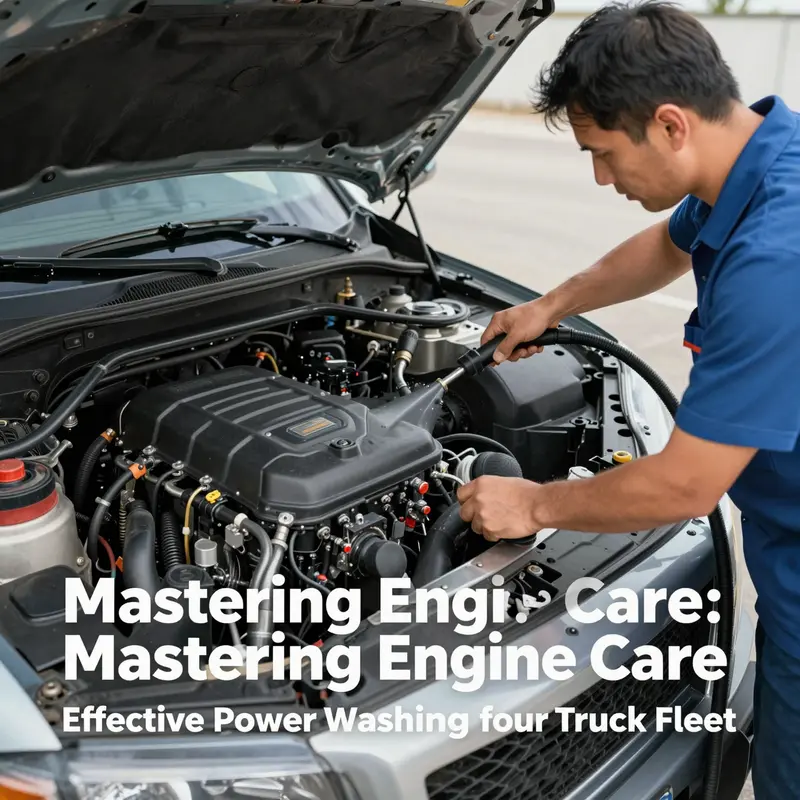
Power washing a truck engine is a tempting idea for quick cleanup, but it is a delicate operation that tests both your patience and your precautions. The engine compartment lives in a world of metal and electronics that dislike sudden temperature swings, sprayed water, and trapped moisture just as much as it favors a clean burn and a smooth idle. When done badly, a routine wash can turn into a costly repair bill, a stubborn corrosion issue, or an electrical hiccup that leaves you stranded. The goal is not speed but safety and stewardship of the engine bay. A careful, methodical approach that treats the engine like a living system will yield a cleaner bay without compromising reliability. You can achieve impressive results with gentler methods, a little time, and attention to detail. This chapter walks you through how to approach the job with safety as the guiding principle while still getting meaningful grime off the surfaces and around hard-to-reach corners.
Begin with the right gear. Put on safety goggles or a face shield to shield your eyes from debris and spray. Wear hearing protection because power wash work can be loud, especially in a compact engine bay where echoes travel. Durable gloves protect your hands from sharp edges, chemical splashes from degreasers, and hot surfaces you may inadvertently brush against during the process.
Engine preparation: make sure the engine is completely cool. A hot engine can suffer thermal shock if water contacts hot metal, and the sudden temperature change is a common culprit in cracked components. A cool engine also makes it easier to see what you are cleaning without rushing.
Electrical safety and protection: Disconnect the battery, removing the negative terminal first to reduce the chance of shorts or sparks if water drips near connectors. Then cover sensitive components with plastic bags or waterproof covers. The list includes the alternator, fuse and relay boxes, the air intake hose or filter box and mass airflow sensor, the distributor if equipped, the brake master cylinder, exposed wiring harnesses, and any connectors that would be vulnerable to moisture. The aim is to create a moisture barrier that allows you to use water without inviting short circuits or corrosion.
Water use and spray technique: When water comes into play, keep expectations modest. A low-pressure setting matters most, ideally under 1500 PSI, and use a wide-angle spray tip rather than a pinpoint beam. Maintain a healthy distance—at least 12 inches from any component—and never spray directly into connectors, sensors, or electrical openings. Even with plastics and metal covered, a direct jet can push grime into seams or force water past seals. Water can also creep along hoses and into the throttle body, so patience is essential. If a washer is your only option, a garden hose with a spray nozzle remains safer and is often enough to loosen surface grime without inviting trouble. Be mindful of belts, pulleys, and hoses; keep the stream moving and avoid holding the nozzle in one spot for too long.
Work environment and timing: choose a well-ventilated area and avoid operating near open flames or ignition sources. This is not just about your lungs but about the fumes that can accumulate in an enclosed space around the engine. Work in daytime light so you can visually inspect every corner as you go, and set aside plenty of time. Rushing increases the chance you will miss a spot or miss a safety step, which defeats the purpose of the exercise.
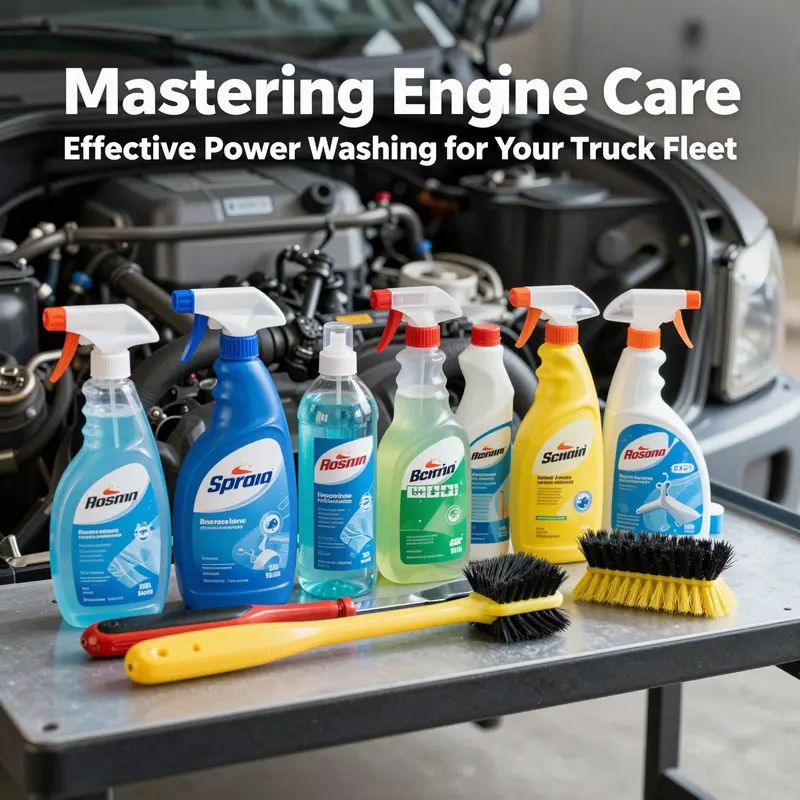
Recommended method in practice: Start with preparation and protection, ensuring the engine is cold and the battery is disconnected, then wrap the sensitive electronics with their covers. Begin with a pre-clean, brushing away loose dust and debris with a soft brush or dry cloth. Apply a degreaser or automotive foam cleaner to greasy areas, keeping it off the electricals and away from exposed hoses. Let the cleaner sit for the time indicated on the product label, typically five to ten minutes, to break down oil and grime. Scrub gently with a soft-bristled brush, applying light pressure to avoid scrubbing through protective coatings or seals. Rinse with a gentle stream from a garden hose, never a strong jet, and direct flow away from openings that could trap moisture inside. Dry thoroughly with clean microfiber towels; in hard-to-reach spaces, use compressed air to dislodge moisture. Allow the bay to air-dry completely before reconnecting the battery, and take another pass to wipe down any areas that still feel damp. If you suspect moisture has found its way into a sensitive pocket, give it extra time to dry and recheck before restarting. The aim is a cleaner engine that remains dry where it matters and visibly free of film or varnish on metal surfaces.
Why skip the power washer altogether: the promise of a spotless bay can tempt you toward a high-pressure stream, but the risks are real. High-pressure water can force moisture into electrical connectors, damage sensors and seals, push grime deeper into crevices, and trap water under protective covers, promoting corrosion and electrical failure. The safer route prioritizes a measured degreasing approach, a soft brush, and a low-pressure rinse that respects the layout of the engine. A proper sequence and deliberate technique protect gaskets, seals, and electronics while delivering meaningful cleanliness.
To deepen safe cleaning practices, you can look into proven strategies for cleaning grease and tar off your trucks fast, proven strategies for cleaning grease and tar off your trucks fast. This reference underscores that the right tools and methods—especially a gentle touch and the proper cleaner—yield repeatable results without inviting repair bills.
External reference: https://www.linkedin.com/pulse/how-pressure-wash-engine-bay-safely-alex-jones/
Gentle, Guarded Power: The Safe Path to Cleaning Your Truck Engine Without a High-Pressure Sprayer
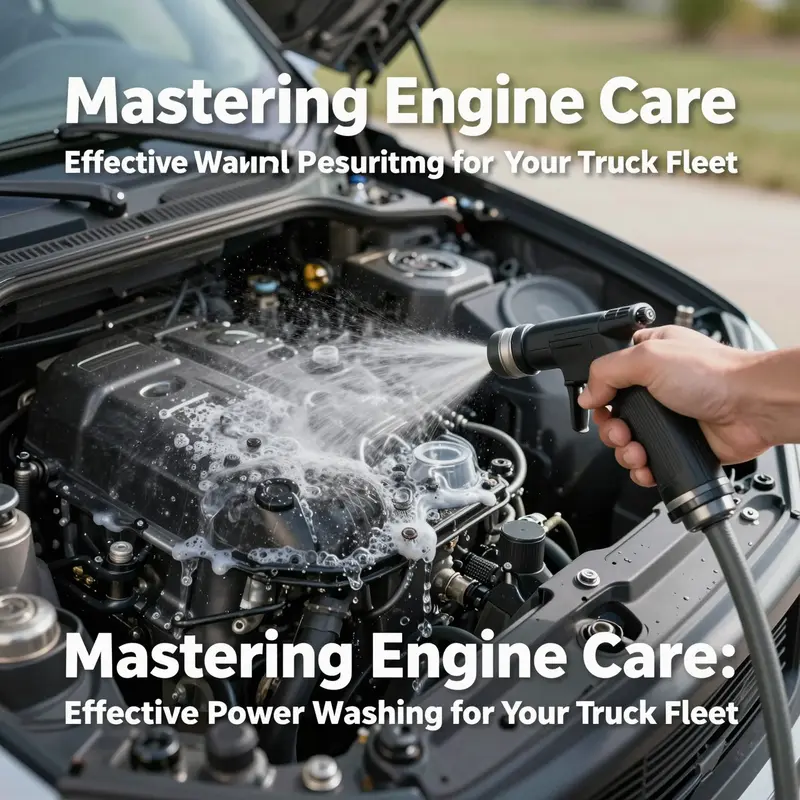
Power washing a truck engine conjures images of stubborn grime blasted away in a flash, but the reality is more nuanced. The engine bay is a maze of electronics, sensors, hoses, and delicate seals. In the interest of performance and longevity, the best route is a deliberate, low-risk cleaning that respects all the exposed components. This chapter offers a cohesive approach to achieving a surprisingly clean engine without leaning on a high-powered spray gun. It centers on cooling the engine, safeguarding sensitive parts, and using water with restraint to dissolve grease rather than force it into places it shouldn’t go. The goal is not speed but safety, leaving you with a bay that looks better and runs cooler without inviting electrical trouble or corrosion.
First, align your timing with the engine’s thermal state. The metal of an overheated engine expands, while the surrounding gaskets and seals can be stressed by sudden temperature changes. A precise starting point is to wait at least 30 minutes after turning off the engine, ensuring the metal blocks are cool to the touch. This pause also helps the cooling system return to a stable state and reduces the risk of warping or cracking under the shock of cold water. If you’ve just driven a long distance, extend that cooling period. The safer you are about thermal stress, the easier it becomes to clean without inviting surprises once the engine is powered back up.
Next comes protection. Disconnecting the battery is a non-negotiable safeguard against short circuits if water migrates toward connectors. Once the electrical circuit is severed, your mind can focus on grime without the nagging worry of a spark or a fouled alternator. With the battery separated, shield the vulnerable electronics with plastic bags or waterproof tape. This part of the ritual isn’t flashy, but it is the heart of the safety plan. Cover the battery terminals, fuse box, ECU, alternator, and the air intake—the mass airflow sensor and its hose are particularly sensitive to moisture. Even trusted connections can fail when dampness creeps into the wrong channels, so lay down your protective layer with care and double-check that nothing is left exposed.
Water, when used in this context, should be a whisper rather than a shout. A garden hose with a spray nozzle set to a gentle mist or a low-pressure setting is ideal. The aim is to remove loose dust first, then tackle the oily, greasy pockets with a cleaner that’s designed for automotive use. If you must use a spray, keep the nozzle well away from the critical zones and never point directly at sensors, connectors, or the opened ports that feed air into the system. There’s a simple reason for this: at even modest pressures, water can travel along electrical routes farther than you expect, pooling behind covers or creeping into harnesses. Keep the water flow subdued and controlled, and you’ll preserve the integrity of the engine bay while you work.
With protection and restraint established, you can begin the cleaning sequence. Start by applying a dedicated engine degreaser or foam cleaner to the areas that show the most oil and grime. The cleaner should sit long enough to break down the greasy films—typically three to five minutes, though you should follow the product’s instructions. This dwell time is a quiet, patient phase that yields better results than vigorous scrubbing with harsh tools. While the cleaner works, you can pre-clean adjacent, dry surfaces with a soft brush or dry cloth to remove loose dust, so you don’t drag grit into damp spots during scrubbing.
Scrubbing should be gentle and deliberate. Use a soft-bristled brush or microfiber cloth, working in small, circular motions. Avoid stiff brushes or metal tools that could scratch delicate finishes or bend thin hoses. The objective is to lift and loosen oil rather than to scour aggressively. In tight corners, let the cleaner do the heavy lifting while your brush follows the contours of each component. As you scrub, resist the impulse to chase every last particle with more liquid. A little reapplication of cleaner in trouble spots can be more effective than repeated, heavy rinsing that risks splashing water into protected zones.
Rinsing is the most critical step, and it must be performed with nearly the same restraint you displayed during application. Rinse with a low-pressure stream at an oblique angle, ideally about 45 degrees, to help wash contaminants away rather than push them deeper into crevices. Maintain a distance of roughly 20 to 30 centimeters from sensitive parts, and never spray directly onto sensors, open ports, or exposed wiring. If you notice stubborn grease, reapply a touch of cleaner to that patch and repeat the gentle scrub before rinsing again. The goal is a clean surface with minimal moisture intrusion into the engine’s protected zones.
After rinsing, the drying phase becomes essential. Wipe all accessible surfaces with clean, dry microfiber towels. The idea is to lift moisture rather than smear it into places where it could trap dampness beneath protective covers. In hard-to-reach areas, you can employ compressed air to blow out residual moisture, but use short bursts and keep the nozzle a safe distance away to avoid forcing water into seals or connectors. The engine bay should take on a visibly cleaner look, yet the priority remains ensuring it’s thoroughly dry before reattaching the battery and starting the vehicle.
A practical note for different vehicle ages helps tailor the approach. For older vehicles or those with known electrical issues, consider leaning toward a dry cleaning method—air blowing and wiping—rather than introducing any moisture that might seep into reluctant seals or aging harnesses. The older the chassis, the higher the chance that a less invasive method will yield safer results. This isn’t a caution against cleaning; it’s a reminder to adapt the process to the condition of the car and to prioritize safety over the temptation to push for a spotless engine bay in one go.
If you’re looking for deeper insights or variations on these techniques, you can explore additional strategies that focus on removing stubborn grease and tar without compromising electrical integrity. For instance, a comprehensive guide dedicated to proven strategies for cleaning grease and tar off your trucks fast offers a broader toolbox of approaches and precautionary steps that align with the principles described here. This kind of resource can expand your repertoire without replacing the fundamental safety checks that protect your engine electronics.
Finally, when you’ve finished cleaning, recheck all protected areas to confirm they’re dry. If any moisture clings to connectors or shielded components, a short blast of compressed air can help. Then reconnect the battery and start the engine. Let it idle for 10 to 15 minutes. The engine’s own warmth will evaporate lingering moisture and help you confirm the success of your cleaning effort. If, after this cycle, you notice dampness lingering in tight spaces, consider a second pass with a dry cleaning approach—sometimes the absence of constant moisture is the surest path to a fully dry bay.
The takeaway is clear: you don’t need a high-pressure spray to achieve a cleaner engine bay. A cautious, methodical process that emphasizes cooling, protection, and low-pressure washing, complemented by patient cleaning and thorough drying, can deliver a reliable result. The engine remains the heart of the machine, and safeguarding its electronics is worth the extra attention. In the end, safety guides the way, and a well-executed, gentle cleaning leaves your truck ready to perform without risking costly repairs. External resource: https://www.caranddriver.com/how-to-clean-your-car-engine-safely
The Hidden Dangers Behind Power Washing Your Truck Engine—and Safer Cleaning Paths

The appeal is simple: a quick blast of water can make an engine bay look nearly pristine, and in many shops the impulse to power wash is treated as routine maintenance. Yet there is a heavy counterpoint to that convenience. High-pressure water, even when it feels refreshing and efficient, can penetrate the most guarded corners of an engine bay and leave behind problems that aren’t visible at first glance. The engine is a complex ecosystem of metal, electronics, sensors, and moving parts that are surprisingly vulnerable to moisture, pressure, and the way water behaves when forced into tight spaces. When you step back from the shimmer of a visibly clean engine and consider what truly happens under the hood, the risks aren’t abstract. They are tangible threats to reliability, performance, and longevity. This is especially true for a work truck that faces rough roads, vibrations, and the steady march of engine heat during long hauls. If you’re weighing the option of power washing your truck engine, the story isn’t about will it clean your bay; it’s about whether it can compromise components that keep the truck running reliably when you need it most.
Electrical systems sit at the core of this risk. Water intrusion is not simply a matter of dampness. It can slip into connectors, sensor housings, and the alternator, where the slightest amount of moisture can trigger short circuits or corrosion over time. Even when the surface appears dry, moisture can linger in crevices and under protective sheaths, silently affecting performance or causing intermittent electrical faults. The risk isn’t merely cosmetic; it’s the kind of trouble that can leave a truck stranded in a parking lot or stranded at a fuel stop, tugging on your schedule and your bottom line. You don’t have to see a spark to know that moisture near the brain of the machine is a dangerous guest. As you move around the engine, you’ll notice a network of electronics that require careful handling: the alternator, the distributor (if applicable), the fuse and relay boxes, and various exposed wiring harnesses. Each one acts like a route for potential trouble when water is introduced carelessly.
Beyond the electrical danger, pressure washing can disturb the protective grease that keeps bearings and seals lubricated. High-pressure water can dislodge this layer, exposing metal surfaces to friction and heat sooner than expected. The result can be accelerated wear on bearings, pivots, and moving joints. When the protective film is stripped away, tiny particles of grit and dirt can become abrasive, initiating a cycle of wear that’s hard to reverse. This is particularly true for components that have to endure constant vibration and shifting loads as the truck travels over uneven pavement or gravel routes. The sense of a clean engine bay can be misleading if the underlying lubrication network has been compromised by a wash that was too aggressive for those delicate surfaces.
Then there is the intake system. Water finding its way into air pathways can spell trouble, and hydrolock—though relatively rare in a stock, well-maintained engine—represents a dramatic risk. Hydrolock occurs when a large volume of water enters the combustion chamber and prevents the piston from completing its travel. When this happens, parts can bend or crack, lifters can fail, and serious engine damage can occur. A power washing technique that directs a spray toward the engine’s intake manifold or air intake hose increases the odds of introducing liquid where it doesn’t belong. Even when you limit the pressure, the combination of spray direction and mist can push droplets into seams or hoses that are meant to stay dry. The damage may not be obvious immediately, but the potential consequences underline why many technicians and experienced DIYers avoid pressure washing the engine bay altogether.
Given these significant risks, the prudent path for most truck owners is to avoid power washing the engine bay unless performed by a trained technician who uses proper protective measures and controlled, low-pressure techniques. This is not to say DIY cleaning has to be off the table entirely. There is a method that prioritizes safety while still delivering a visibly cleaner engine area. It centers on gentle cleaning with minimal water and a focus on protecting critical components. The process begins with preparation: the engine should be cold, and the battery disconnected to eliminate the chance of a short circuit if water penetrates wiring. Protective coverings matter more than you might think. Critical electronics—the alternator, the distributor (if present), brake master cylinder, fuse and relay boxes, the air intake hose and any exposed wiring harnesses—should be sealed away with plastic bags or heavy-duty sheeting secured with tape or bands. The aim is to create a moisture shield around the parts that would suffer most from water contact. You’ll also need to use water that is gentle on the surfaces. A garden hose with a spray nozzle is generally safer than any power washer setting, especially when you keep the stream at a distance.
With the protective measures in place, the actual cleaning should unfold slowly and deliberately. Begin with a pre-clean that removes loose dust and debris using a soft brush or dry cloth. This step reduces the amount of loosened grime that could be forced into crevices during cleaning. Then apply a cleaner formulated for automotive use—an engine degreaser or a foam cleaner designed for engine bays. Focus on greasy and oily patches, allowing the cleaner to dwell for the recommended period, usually five to ten minutes. This dwell time breaks down stubborn grime so that vigorous scrubbing is not required. When you scrub, employ a soft-bristled brush or sponge and work gently to dislodge grime without forcing water into any crevices that you have intentionally protected. The goal is to loosen the grime and lift it away rather than to blast it into every corner.
Rinsing should be the most cautious part of the process. Rinse with a gentle stream from a garden hose, ensuring the flow is kept low and the nozzle remains at a safe distance from all protected areas. Do not spray directly into connectors or sensors, and avoid saturating crevices where moisture can become trapped. After rinsing, the engine bay should be dried thoroughly with clean, dry microfiber towels. For hard-to-reach corners, compressed air from an air compressor or electric blower can help blow out remaining moisture. Allow the bay to air-dry completely before reconnecting the battery and inspecting for any residual dampness around sensitive components.
This approach—protect, pre-clean, degrease, gentle scrub, cautious rinse, and meticulous dry—offers a safer alternative that preserves the integrity of the engine’s vital systems while still improving appearance. It’s a method that respects the engineering behind the engine and acknowledges that speed can come at the expense of reliability if water is used unwisely. For readers seeking broader context on disciplined truck maintenance practices, more perspectives can be found in industry discussions and real-world case studies, such as derrick-wolfe-trucking-success-story. The story underscores that consistency, protection, and thoughtful care yield durable results, not just a glossy engine bay.
If you still consider using a power washer, it should be approached with extreme caution. Use the lowest pressure setting available, typically well under 1000 PSI, and maintain a minimum distance of twelve inches from any component. Never spray directly into connectors, sensors, or the intake system. Even when you think you’ve protected the area, the risk of forcing moisture into hidden channels remains, and the consequences can extend well beyond a single cleaning session. The broader takeaway is that a safe, thorough clean does not require high-pressure water. A measured combination of degreaser, a soft brush, and a measured rinse with a garden hose will clean effectively while preserving the engine’s protective coatings and electronic integrity. In other words, prioritize safety over speed, and let the right tools do the work.
For those who want to explore the topic further, the discussion around engine cleaning benefits and risks is ongoing, and external resources provide technical nuance on why aggressive washing can be detrimental to engine components. External resource: The Risks of Power Washing Your Car Engine. This resource offers a detailed look at how moisture, pressure, and water ingress can impact engine hardware and electrical systems, reinforcing the case for a cautious, component-aware approach when cleaning an engine bay.
In the end, the engine bay deserves respect as the living heart of a truck. Its safety and reliability hinge on careful handling, not on speed or the illusion of a spotless surface. If you follow a method that shields electronics, preserves lubrication, and uses water judiciously, you’ll protect the engine’s performance and longevity. The guidance above remains the prudent path for most owners, balancing the desire for cleanliness with the imperative of safeguarding complex, costly machinery against preventable water-related damage.
Temperature-Tuned Engine Cleaning: Safe, Cool Methods for a Clean Truck Engine Bay
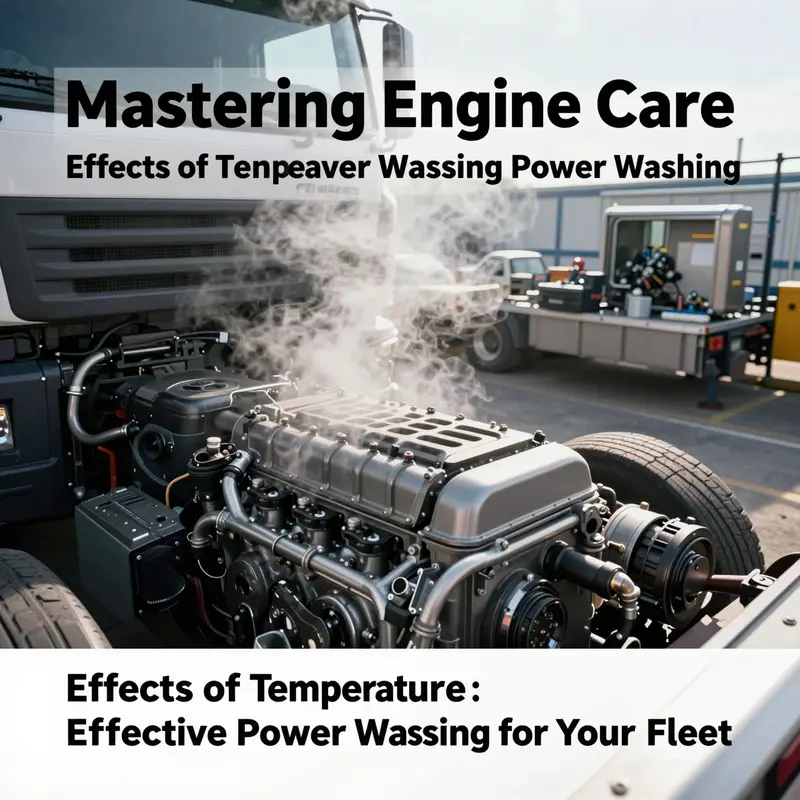
Temperature matters more to engine cleaning than most people expect. While some folks chase a magic temperature, the reality is that heat, moisture, and timing together determine safety and results. The safest approach is a temperature-aware plan that emphasizes control, not brute force.
The foundational rule is simple: never wash a hot engine. Metal expands as it heats; sudden cooling with water can create thermal shock that stresses parts, cracks gaskets, or warps components. Let the engine cool to a comfortable touch before cleaning begins, reducing the risk to sensitive electronics and giving you a more predictable work environment.
Ambient temperature matters as well. In cold weather, moisture can linger in crevices and behind covers; in hot weather, cleaners can dry too quickly and require a careful rinse or extra dwell time to avoid residue. Adjust dwell times and drying strategies to the climate you are working in: extend drying in cold air, and slow the rinse in hot air to prevent premature drying.
Cleaner temperature also affects performance. Degreasers are designed for a range of temperatures but may foam aggressively in heat and cling longer in cold. Balance dwell time, surface contact, and rinsing so the product can work without evaporating too fast or freezing in place.
Technique matters. Start with safety: battery disconnected, electronics protected, engine cold. A low-pressure method with a degreaser or foam cleaner can be safer than a high-pressure wash. Apply product to greasy zones, let it dwell per the manufacturer guidance, then scrub gently with a soft brush. In moderate temperatures, dwell times are usually enough; in cooler weather, extend dwell slightly; in hotter conditions, rinse sooner to prevent premature drying.
Rinsing and drying are critical. Use a garden hose with a gentle spray to avoid forcing water into sensitive areas. After rinsing, wipe exposed surfaces with microfiber towels and use compressed air or an electric blower to dislodge hidden moisture. Ensure the engine bay dries completely before reconnecting the battery or closing the hood and before any subsequent heat cycle.
The question of a pressure washer: the safest general rule is no. High-pressure water can push liquid into connectors, sensors, and behind covers. If you must use one, use the lowest pressure, keep the nozzle at a safe distance, and never spray directly at connectors or sensors. In most cases, a controlled, low-volume rinse with a garden hose provides safer, more reliable results.
Ultimately, temperature is a facilitator of safe, effective cleaning, not a magic lever. A calm, methodical approach that respects heat, moisture, and the engine’s components delivers better long-term reliability than rushing for a faster wash. For fleets and yards, prioritize electronics protection, controlled dwell times, and disciplined technique over chasing a temperature sweet spot.
External reference for further safety considerations: https://www.consumerreports.org/cars/how-to-clean-your-engine-bay/
null
null
Final thoughts
Prioritizing engine cleanliness while taking essential precautions can substantially enhance the performance of your fleet. By implementing safe power washing techniques and opting for gentle cleaning methods, fleet managers and operators can prevent costly repairs and maintain a high standard for their vehicles. Embrace these practices, and drive with confidence knowing your trucks are clean and well cared for.