
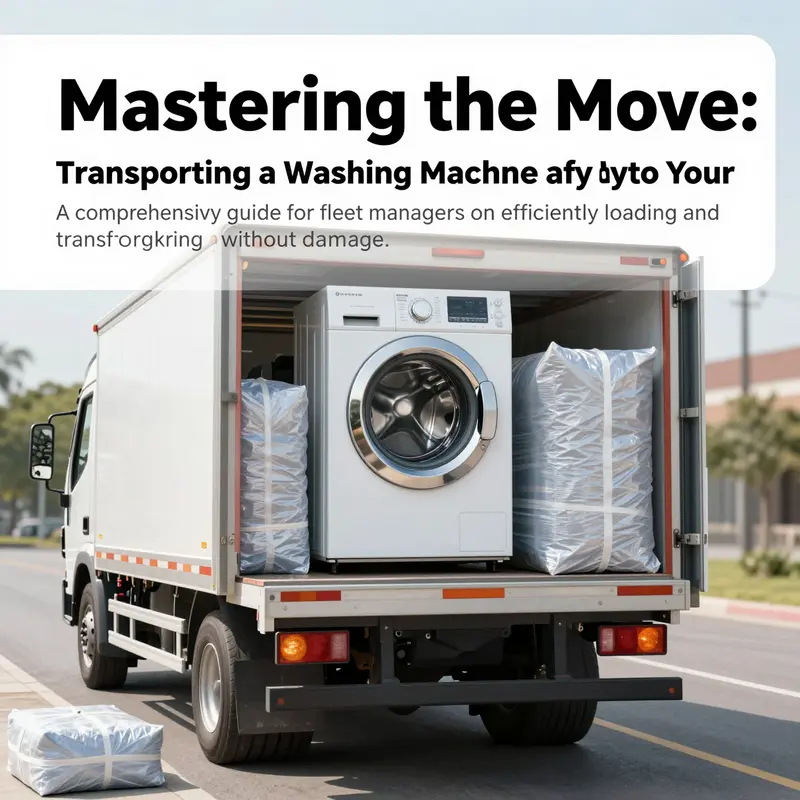
Transporting large appliances such as washing machines requires meticulous planning and execution. This guide equips logistics and freight managers with essential steps to prepare, transport, and secure washing machines effectively within truck beds. Each chapter presents critical insights—from preparation and unloading techniques to safety measures, ensuring that appliances reach their destination intact. By adopting these strategies, fleet operations can enhance efficiency, reduce damage risks, and achieve optimal performance in appliance logistics.
Behind the Bulkhead: A Calm, Calculated Prep for Getting a Washing Machine into a Truck
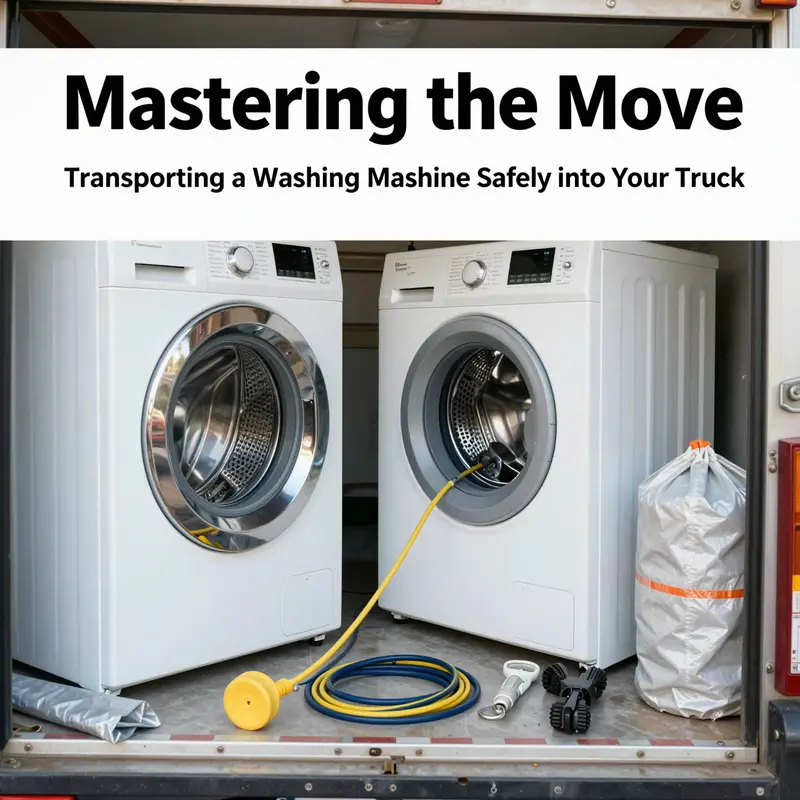
A washing machine entering a truck is less a brute shove than a careful, deliberate sequence. The goal is to protect the machine from shocks, prevent damage to the truck’s interior, and reduce the risk of personal injury during a move. When done with method and patience, the process becomes a quiet choreography rather than a chaotic struggle. The preparation phase sets the tempo, and the way you handle the washer before it ever leaves the doorstep will determine how smoothly it sits through the ride and how readily it re-emerges at the destination ready to resume a normal life. This chapter follows the practical, field-tested approach that seasoned movers rely on, weaving together the essential steps into a single, continuous practice you can carry out with confidence and care.
The first commitment is to the machine’s integrity. Disconnecting power and water sources is not simply a matter of convenience but a safeguard against leaks, electrical hazards, and accidental cycling that could damage the internals. Unplug the unit at the outlet, then detach the hot and cold supply hoses. If any residual water remains in the tub, run a brief cycle or drain manually. The tub should be completely dry, and the drum ought to feel cool to the touch. Dryness is not only a protection against corrosion and mold on the interior surfaces; it also helps keep the floor and your shoes from slipping as you maneuver the machine toward the door. A dry environment is a safer environment for everyone involved. Wipe down the interior with a dry towel, ensuring no moisture clings to the stainless steel or plastic surfaces that could peel or warp under load. These steps may seem excessive, but they pay off when the unit is transported through a warm afternoon and into a dim, dusty truck.
With the power and water out of the picture, the next focus is preventing internal movement and unintended shifts during transit. The drum inside a washer is not a bare metal cavity; it is anchored and balanced by components that can shift if the machine tilts or experiences a jolt. Secure the door, especially in front-loading models, to prevent it from swinging open during transport. A simple strip of tape or a rubber band through the latch area often suffices to keep the door closed without risking damage to the gasket. Fasten the drain hose and power cord securely to the back or side of the appliance with cable ties or duct tape. The aim is to keep every protruding item snug, so nothing vibrates loose and no cord catches on a door edge during loading or travel. If you have access to the original packaging, wrapping the unit in its box is excellent insurance against scuffs and dust. If not, a custom-sized cardboard box that fits snugly around the machine, plus a layer of protective padding, becomes the next best thing. The wrapping should be flexible but firm—plastic wrap or stretch film to hold the blankets in place, followed by bubble wrap or foam padding to cushion the corners. At this stage, consider the environment into which you’re moving. If there are pets or curious children around, extra time spent on securing doors and cords can avert a dangerous tug that could topple a partially wrapped washer.
Protection is not just about the exterior. The moment the machine is ready, you should think about the bottom and the sides that will bear the full weight of the load. The base should be kept clean and dry to prevent dirt or moisture from seeping into any seams or crevices during the lift. A clean base also helps you slide or lift the washer without catching a loose thread or a snag that could tear the padding. When wrapping is complete, inspect the package for any loose edges that could catch on a doorway or the truck’s interior panels. If you can, placing the washer inside its original box is optimal; otherwise, a snugly wrapped bundle protects the finish and shields the internals from contact with the truck bed’s hard edges. The goal is not to create a perfectly original display but a practical shield that allows for a controlled, safe transfer.
Once the machine is prepared, attention turns to packaging materials and the broader moving environment. You want a surface that is free of nails, screws, and any sharp objects inside the truck bed. A clean loading area reduces the risk of puncture or scratch that could become a point of weakness during transit. Before you load, measure the washer’s dimensions and compare them to the truck’s interior space. This step prevents a cramped, improvisational squeeze that could lead to sudden stops or awkward twists once the load is inside. If you’re moving into a small van or pickup, small miscalculations can become major headaches. Dimensions matter, because they guide not just placement but the securing strategy you’ll use inside the truck. A proper fit also means you’ll avoid pressuring the metal or plastic housing when you tighten straps along the bulkhead or side walls.
The question of stability during motion is where transit bolts enter the narrative. If you happen to have transit bolts, they are designed to secure the drum and dampen movement by locking the internal components in place. When these bolts are available, they provide a robust, field-proven restraint that minimizes the risk of the drum shifting and causing misalignment or internal damage. If you do not have transit bolts, you should at least tape the door shut to prevent the drum from moving inside the shell while tilted. This is not a substitute for proper bolt-down, but it is a practical interim measure to help preserve the drum’s balance during the lift and the early moments of travel. The central idea is that the more you limit movement inside the cabinet, the less likely the internal components are to shift—weights, springs, or other balancing elements—during the ride. This principle echoes through every move you make beside the bulkhead: restraint of the internal environment reduces the chance of post-mollow surprises on the other end.
When it comes to the actual lifting and carrying, technique is non-negotiable. Do not drag or pull the washer across the floor; that creates friction that can scratch the surface or strain the floor. Instead, grip the base or any designed lifting handle if your model includes one, and keep your back straight as you bend your knees and use your legs to lift. For heavier machines, enlist at least one additional person. Two people working in concert reduce the risk of a dropped load and provide better control on stairs and through doorways. The ideal path is a straight line from the floor to the truck bed—with the base acting as the principal load-bearing surface and the body of the machine remaining in its protective wrapping until you’re securely inside the truck. During the lift, maintain the washer so it stays upright. This is not merely a preference; an upright position preserves the internal stabilization weights and bearings that can be jarred out of alignment if the machine is laid on its side or heavily tilted. If you are guiding the machine up stairs, keep the tilt angle under 45 degrees to minimize any internal shift and maintain your footing. A single misstep can unfold into a chain reaction of slips, drops, and damaged components.
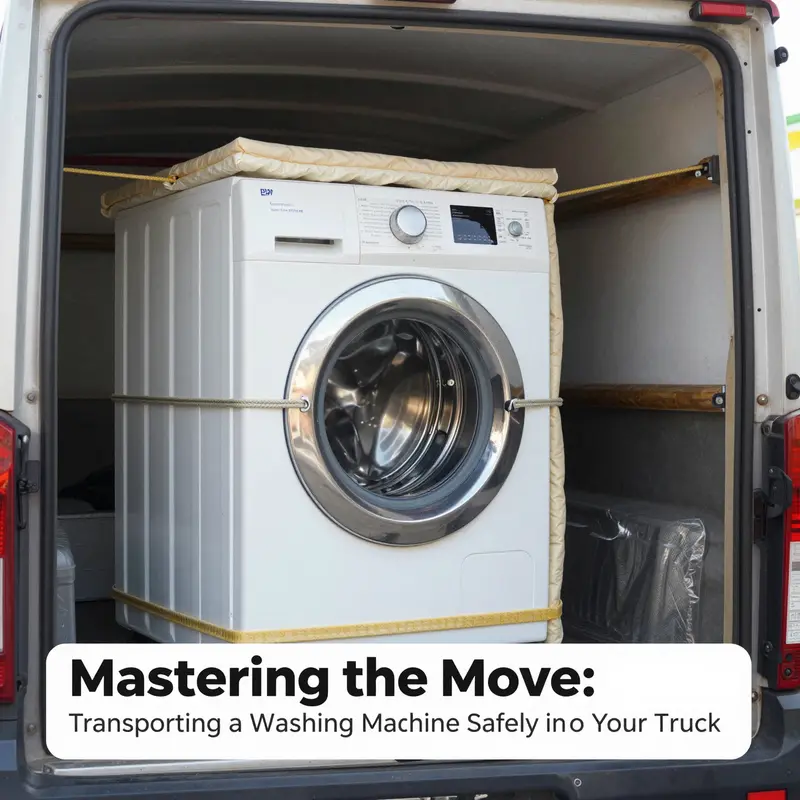
With the washer inside the truck, the stability phase begins in earnest. Place the machine against the side wall or the rear bulkhead, whichever position offers the most solid anchor points. Use ropes, straps, or moving blankets to secure it so that it cannot shift during travel. When possible, tighten the securing device at multiple anchor points to reduce any rotational movement. Then fill the surrounding gaps with soft materials—old clothes, foam blocks, or packing blankets—to prevent micro-movements that could rattle the finish or loosen the protective wrap. The orientation matters too: position the washer facing forward, toward the direction of travel, with the door toward the front or side depending on space. A front-facing orientation is often the simplest to reinforce with a strap along the back edge, ensuring that the lid and door won’t catch during a sudden stop or a rapid bend. Avoid piling heavy items on top of the washer. Even lower-weight loads can transmit a disproportionate amount of force through the machine’s housing or internal components if the top bears a weight that the packaging cannot distribute evenly.
The practicalities of fit and restraint intertwine with the human element of the move. Never rush a loading sequence. If the truck is cold, or if the clock is pressing, it is still worth stepping back for a moment and rechecking the straps and cushioning. A minute spent verifying alignment and tension can prevent hours of troubleshooting after you arrive. The method is to build a small buffer into your plan so that you can respond to unexpected bottlenecks—narrow doorways, tight staircases, or a misaligned bulkhead—without compromising the machine or the crew. As you gain experience, you will learn to scan the path ahead with the same eye you would use when planning a complex route. The aim is to maintain a steady rhythm that keeps the machine secure without creating additional tension in the strap system or in your back.
In documenting this approach, it is helpful to keep the broader context of professional moving practices in mind. The preparation principles outlined here align with guidelines that professional movers emphasize: secure all loose components, protect surfaces with padding, transport upright, and use robust restraints once loaded. The synergy between careful preparation and disciplined securing is what separates a routine load from a mishap-prone one. The chapter intentionally foregrounds the importance of every small decision—from the moment you unplug to the precise moment you cinch the last strap—as those choices accumulate into a successful move. This narrative also recognizes that not every household move is the same. Some washers are compact; others are heavy, and interiors vary widely. Yet the core tenets hold: approach the process with respect for the machine’s internal balance, with a plan for protection, and with a methodical sequence that keeps everyone safe and the equipment intact.
As you pace through the process, you may find it valuable to consider additional resources on related moving practices. For example, thinking about the broader ecosystem of transporting large appliances can be helped by reading about trailer maintenance and the upkeep of vehicle interiors, which informs safer loading and secure transport. In this chapter, we’ve woven practical steps with a mindset that values preparation, restraint, and attention to detail. A well-prepared washer is a well-behaved load; a poorly prepared washer often becomes a liability. By combing through each phase—disconnection, dryness, door security, hose management, wrapping, bolting or door-taping, lifting technique, upright transport, loading against a bulkhead, strap-down, gap-filling, orientation, and finally the post-load check—you create a pipeline that reduces risk and increases predictability. The emphasis is not on brute force but on disciplined, repeatable practice that can be taught, learned, and repeated with consistent outcomes.
For readers who want to explore how preparation and maintenance intersect with overall fleet practices, there is value in cross-referencing related topics such as trailer integrity and routine maintenance. A practical touchpoint is the recognition that securing a heavy appliance inside a moving vehicle is a microcosm of the larger discipline of safe, efficient transport. The mindset—plan, protect, and secure—translates across moves, be they small or large. If you ever doubt the importance of a meticulous prep, recall that the most durable, lastingly reliable appliances have endured the journey not just because of stout materials, but because they were handled with care every step of the way. The washer that leaves the curb in a wrapped, strapped, upright state has already been through the hardest part: it has been prepared to endure the ride and re-enter its new home ready to perform as intended.
As a practical takeaway, the preparation steps described here form a continuous narrative rather than isolated instructions. The focus is on minimizing internal movement, protecting the finish, preserving the drum’s balance, and ensuring secure anchoring inside the truck. Those elements work in unison to minimize vibration, prevent shifting, and avoid post-motion damage upon reinstallation. If you are building a checklist, this approach translates into a simple rhythm: disconnect and dry, secure and protect, lift with care, load upright, strap down firmly, fill gaps, and verify—then do a final, quiet tour of the vehicle to ensure nothing has shifted. The result is a smoother, safer, more reliable transfer of a washing machine from home to truck and finally to its next stage of life.
Internal link reference for best-practice reinforcement: for those who want to augment their planning with maintenance context, see the discussion on the importance of regular trailer maintenance. This resource provides practical reminders about keeping the moving environment stable and capable of supporting heavy loads, which complements the careful preparation described here. Importance of Regular Trailer Maintenance.
External guidance can also broaden your understanding of large-appliance handling. For detailed, field-tested guidance from a professional moving perspective, refer to the official guide from the National Association of Professional Movers on laundry appliance moving. It offers structured steps, safety considerations, and professional best practices that align with the principles laid out in this chapter. https://www.napm.org/moving-tips/laundry-appliance-moving/
Upright and Secure: Mastering the Transport of a Washing Machine into a Truck
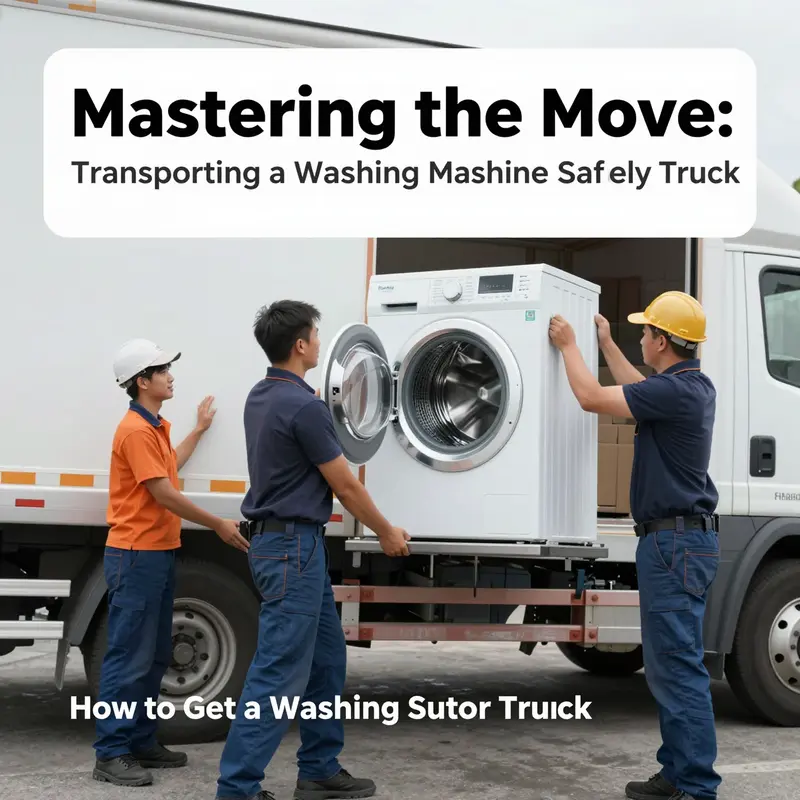
Loading a washing machine into a truck is more than a simple lift; it is a small orchestration of balance, restraint, and foresight. The goal is to move the machine with the least vibration, the fewest risks, and the smoothest transition from doorstep to cargo hold. When done well, the process protects the appliance and reduces the chance of injury to the people involved. When done poorly, it invites damage to the drum bearings, to the cabinet, or to the truck, and it can create hazards on the road. With that in mind, the following approach threads preparation, movement, and securing into a single, continuous practice that minimizes stopping points and keeps the machine upright, supported, and stable from the moment you unplug it to the moment you arrive at your destination.
Preparation begins long before any hands touch the machine. The washing machine should be unplugged from power and isolated from its water supply. The inlet hose and drain hose must be detached to prevent leaks and to avoid catching on door jambs or stair rails. After disconnecting, run a brief cycle if necessary to drain any remaining water, then wipe out the tub with a dry towel so the interior is completely dry. This step is essential—the presence of water can create slippery surfaces and introduce mold or mildew risk inside the drum during transport. It also protects the floor of the truck and the vehicle’s interior from slips and moisture that can damage other goods. Once the machine is drained, secure any loose components: tape or a rubber band to keep the door from swinging open, especially on front-or large-capacity models; and fasten the drain hose and power cord to the back or side with cable ties or sturdy tape so they aren’t flopping around during transit.
Protection is the next layer. Wrapping the appliance in plastic film or stretch wrap helps guard against dust and scuffs. A layer of bubble wrap or foam padding over the corners and edges provides additional cushioning. If the machine has its original box, transporting it in that box is ideal; if not, fashion a snug, custom-sized cardboard sleeve or carton to protect it from nicks and impact. The goal is to build a lightweight, protective cocoon that will not shift or rub against the truck walls during movement. For some models, removing the transport bolts—the stabilizing hardware used during manufacture for vibration reduction—can lessen the risk of damage if they are accessible. While it is possible to reinstall them later, removing them before transport reduces internal tension and vibration and makes the unit easier to handle as you angle it into the truck. If the model you’re handling is a front-load or drum design with a back bolt, locate and remove it; if the bolt is missing on a model, proceed with careful stabilization using padding and straps. Clear the interior of any laundry, detergent, or debris so nothing rattles or shifts inside the drum.
With pre-load protection complete, the next emphasis is on the correct method of lifting and moving. Never drag or slide the washer across the floor. The base or integrated handle—if the unit is designed to be lifted from that point—should bear the load. Lifting by the door or control panel is a bad habit and invites panel damage, misalignment, or accidental activation. For heavier or more awkward units, enlist a second person. A two-person lift distributes the burden and reduces the risk of back strain or shoulder injury. When a dolly or hand truck is available, slide it under the washer and secure the unit so it cannot slip off during movement. A heavy-duty appliance dolly with large, non-marking wheels is ideal for negotiated ramps and tight doorways. The appliance must be moved upright; tilting or laying it on its side can disrupt the drum’s internal balance weights and compromise bearings when the unit is reinstalled. Even short lifts with a tilt should be kept to under about 45 degrees to minimize the chance of internal damage.
This is the moment where technique truly matters. A back belt or lifting strap—positioned around the middle third of the machine, roughly two-thirds up from the base—can stabilize the load when a single caregiver must maneuver the washer into a truck. The strap should be tightened firmly to prevent slipping, but not so tight as to crush the appliance or impair its edges. The goal is even load distribution across the back and shoulders, which reduces the strain on the spine and protects the machine from twisting or jolting in transit. If you are working with a helper, coordinate movements with clear cues: one lifts the front edge slightly as the other guides the rear, maintaining a smooth, rhythmic motion that keeps the unit level. When you reach the truck, maintain a steady pace and avoid sudden jerks or rapid changes in direction that could rock the appliance. The moment you reach the ramp or threshold of the cargo area, slow the pace even further and lean into controlled, deliberate steps.
Positioning inside the truck is critical for safety and performance. Upright, the washer should be placed against the rear bulkhead or the side wall to minimize movement. This positioning leverages the truck’s geometry to resist forward and backward shifts during acceleration or braking. Avoid placing the washer on top of other heavy items; the weight needs a stable base and direct contact with a solid surface to reduce the risk of crushing or rolling. Padding goes between the washer and the truck walls—foam blocks, moving blankets, or bubble wrap—to absorb vibration and prevent dents. Tighten straps securely around the machine and anchor them to fixed points such as floor anchors or D-rings in the truck bed. Use a ratchet tensioner to achieve a snug, immovable hold. The objective is to eliminate any space for the washer to shift; if gaps exist, fill them with soft materials like old clothes or foam blocks that won’t compress into the machine’s exterior.
The door must stay closed throughout transit. If the door is at risk of swinging open, a simple strap or a piece of tape can maintain closure. It is also wise to verify that hoses and cords are not dangling where they could snag on a strap, a hook, or a piece of equipment. As you secure the unit, run a quick check by gently pressing the washer from different angles to confirm there is no movement. If the machine rocks or slides, tighten the restraints and adjust padding until the load feels solid from all sides. The aim is a quiet, stable cargo that travels as an integrated part of the truck’s mass rather than as a loose, potentially dangerous object.
Longer moves, particularly those spanning many miles or crossing difficult terrain, demand additional considerations. For commercial or bulk shipments, some operators employ specialized packaging and securement systems designed for appliances. These may include reinforced pallets, climate-resistant straps, and purpose-built crates that further reduce the risk of damage from road shock or shifting cargo. Expert guides emphasize aligning the washing machine with its door facing the direction of travel; this helps stabilize the load and reduces the potential for the door to swing inward or outward during stops and starts. In practice, you would also confirm that no heavy items are stacked on top of the washer, and that the machine sits squarely on a flat, non-slip surface. If the truck has a loading ramp, ensure it is clear of debris and that the dolly wheels roll smoothly up and down without catching on edges. If stairs or tight corners are involved, take extra care to maintain the machine’s vertical orientation and proceed at a consistent, measured pace. Each pause is an opportunity to reassess the strap tension, padding integrity, and the overall balance of the load before you proceed.
Long-distance transport changes the calculus somewhat. The risk of shifting, moisture intrusion, or temperature fluctuations increases with distance, so it is prudent to double-check that the protective wrap remains intact and that all hoses and cords remain secured. You may want to add a secondary layer of protection around the machine’s exterior or place the washer against a solid bulkhead with a soft barrier to dampen road shocks. A staggered, well-supported placement can make a big difference when the truck hits heel-toe transitions, potholes, or sudden braking. The emphasis remains constant: keep the unit upright, secure, and cushioned against any movement that could stress its internal components.
In practice, many move teams balance the practical with the cautious, especially on longer routes. For those who move frequently, the experience compounds into a set of repeatable habits: pre-move checks, protective wrapping, removal of internal stabilizers where relevant, careful lifting with straps and a dolly, deliberate loading into the truck, and a thorough securing routine once inside. Each step builds an invisible shield around the appliance, shielding it from moisture, dust, and the jostling of the road. As a result, the washer arrives in its new home with the drum aligned, the bearings undisturbed, and the cabinet’s finish unmarred. The investment in technique is modest compared with the cost of a damaged appliance or a lengthy repair, and it pays for itself in the form of smoother transitions, fewer interruptions, and greater confidence for movers and customers alike.
For those responsible for commercial moves or for long-haul shipments, professional advice reinforces the approach outlined here. Specialists emphasize the value of proper packaging and securement systems that are designed specifically for appliances. These systems account not only for the weight and dimensions of the unit but also for the dynamics of road travel. Practical guidance from leading logistics providers highlights the importance of stable, climate-controlled packaging and consistent, certified restraint methods that can withstand the worst road conditions. In a world where every mile adds up, investing in proper equipment and proven procedures reduces liability, protects customer assets, and supports a smoother, more predictable moving experience.
Internal linking note: for readers seeking broader context on how load planning and cost management intersect with everyday hauling challenges, see the analysis and insights in this resource: Derrick Wolfe Trucking Growth Cost Management Insights.
External resource: for a broader, professionally oriented treatment of appliance transport and securing systems, consult Hengbang Logistics’ guide on safely transporting a washing machine, which covers packaging, pallets, climate-resilient straps, and industry standards. https://www.hengbanglogistics.com/en/services/appliance-transport
The Upright Path: Strategic Loading for Safely Getting a Washing Machine Into a Truck
When you have to move a washing machine, the goal is to treat the appliance as both a delicate instrument and a heavy, awkward device that can shift balance in transit if you do not respect its design. The process begins long before the machine leaves its origin; preparation is the quiet work that sets the stage for a safe, damage free relocation. Begin by ensuring the machine is completely powered off and unplugged, with all water hoses detached and drained. If the tub still holds even a small amount of water, run a short cycle or manual drain until it is dry, then wipe the interior thoroughly with a dry towel. Dryness matters because damp compartments can slip under the hands and create unexpected messes in the truck, and moisture can attract rust or mold inside the drum during a long move. After drainage, consider securing any loose parts. For front load models especially, the door can swing open under vibration, so use tape or a rubber band to keep the door shut for transport. The drain hose and power cord should also be secured to the back or side with cable ties or duct tape; this keeps them from catching on other items or snagging on edges as you maneuver the machine through doorways or up a ramp. The next layer of protection is physical coverage. Plastic wrap or stretch film tightly encases the machine, guarding it from dust, scuffs, and incidental scrapes during handling. If you have a bubble wrap budget, add a layer of padding to the corners and edges; these are the points most vulnerable to hits and bumps, and careful padding is what prevents microfractures that could later compromise the drum support. If the machine’s original packaging is available, it is worth using, as it is designed to fit the unit’s contours and will minimize movement within the box. If not, a custom sized cardboard box or snug, purpose built padding becomes essential; the objective is to immobilize the machine inside its cradle so it does not rattle or shift during loading and transit. The choice of packing method communicates a simple truth: you do not want to encounter movement at the wrong moment, because the drum’s balance weights are precisely tuned for operation inside the machine and any displacement can lead to accelerated wear or misalignment once you reinstall the unit. With the appliance protected, you still face the question of how to move it without harming floors, walls, or the unit itself. The recommended practice is to protect the machine’s surface and keep the floor intact by avoiding dragging. Lift from the base or a designated lifting point if one exists, keeping a firm grip and a level posture. Do not attempt to pull from the door, control panel, or any exposed surface that would invite twisting or bending. For heavier appliances, enlist two people so you can distribute the loading burden and maintain a level, balanced position throughout the lift. The act of lifting is not only a matter of strength but of body mechanics; a straight back, bent knees, and the core engaged are the quiet elements that prevent strain and ensure a stable ascent. Once you have the machine off the ground, the upright rule should govern the entire transport. Upright transportation preserves the drum’s internal balance system and reduces the risk of dislodging stabilizers that could alter the machine’s performance after it is reinstalled. Even small tilts can cause lasting damage if they exceed about 45 degrees, especially when navigating stairs or tight corners. Upholding this limit requires careful planning of the path from the origin to the truck bed, including doorways, ramps, and any landing that might require a change of elevation. The aim is to keep the machine vertical and secure, not only for safety but for the long term health of the appliance. The loading into the truck is where preparation translates into a secure, stable ride. With one person guiding and another lifting, slide the machine onto a gentle tilt and carefully lower it into the truck bed, never allowing it to scrape along the ground or rub against asphalt. The moment the appliance rests inside the cargo space, position it against a sturdy anchor, either a side wall or the rear bulkhead. This choice limits the possibility of shifting when accelerations occur during travel; a machine that sits convinced and calm against a solid surface is far less vulnerable to jolts that could upset its alignment. The next step is securing the load. Straps or ropes should be looped around fixed points—think of tie down hooks or sturdy structural members of the truck—and drawn tight enough to hold the washing machine firmly in place without crushing it. It is not only about preventing forward or lateral movement; it is about preventing the drum from rocking within its housing, which could transfer shock through the bearings and the frame. If possible, use cushions or moving blankets between the machine and the truck wall to cushion the impact of bumps and vibrations. This approach not only protects the exterior but also minimizes micro motions that can gradually wear seals and gaskets at the door and water inlet connections. A practical cue from seasoned movers is to fill any gaps around the unit with soft materials—old clothing, foam blocks, or extra padding—so there is no room for the machine to shift when the truck encounters uneven pavement, a sudden stop, or a curving lane. In the spirit of clear handling, label the load in a way that communicates the need for care. A conspicuous FRAGILE label and an orientation directive such as This Side Up alert anyone handling the box or the palletized unit to proceed with caution, minimizing rough handling or improper orientation. Even within a truck, the surface under the washer matters. If space permits, place a protective mat or a carpet square beneath it to reduce scuffs to the truck floor and to prevent slick sliding on a polished surface. The door orientation is another consideration. The washing machine should face forward in the direction of travel, with the door oriented toward the front or side so any slight forward movement does not hinge the door into a wall or against a strap. The goal throughout is balance and restraint: balance in the sense of a level, upright position; restraint in the sense of properly fastened lines that keep the unit from shifting during acceleration, braking, or cornering. After the strap down procedure, it is prudent to confirm the machine’s security by giving it a gentle shake in all directions to ensure it cannot move. If it does, adjust the straps or insert additional padding. A single machine can be moved without help, but the safer, more consistent outcome arises when two people carry the load, maintaining equal leverage and awareness of the machine’s center of gravity. This is more than a precaution; it is a discipline that mirrors the standards many moving professionals rely on every day. The larger context of moving a washing machine into a truck connects with broader practices around trailer preparation and vehicle maintenance. Professionals emphasize a chain of custody for heavy appliances: steps from disconnecting utilities to securing the interior of the vehicle and ensuring that nothing is left loose that could create damage not only to the unit but to the truck’s interior and to nearby objects or people. In that sense, the move becomes part of a larger system of care for equipment and for the people tasked with handling it. It is also worth noting how this sequence aligns with established norms for equipment readiness in fleet operations. You will find that the attention to those small, precise steps—the way the power cord is tucked away and taped, the way the drain hose is contained, the door secured, and the unit wrapped—reassures everyone involved that risk has been mitigated. In practice, these details translate to fewer scratches, fewer dents, and less downtime after the move, which in turn supports the reliability that a fleet depends on for its daily operations. When you step back and look at the overall flow, you will see how preparation, careful lifting, upright transport, precise loading, and secure anchoring form a single, continuous motion rather than a collection of isolated tricks. The objective is not to improvise on the day of the move but to create a predictable process you can repeat on moving day, whether you are transporting a single appliance across town or coordinating a larger relocation with multiple units. And this is where a practical reference to trailer maintenance becomes relevant: a piece of guidance you might consider applying beyond the moment of loading, ensuring the path remains clear, the anchors hold steady, and the overall vehicle is prepared to shoulder the weight of the operation with safety as the default setting. For readers who want to deepen their understanding of moving large appliances safely, consider the broader fleet management perspective that places people, training, and process design at the heart of operations. The core idea is straightforward: treat the washing machine as a movable, valuable object that demands respect and preparation, and apply a calm, measured sequence to each phase of the journey. The result is less risk, less wear, and a smoother transition from origin to destination, with less downtime and fewer surprises along the way. This approach is not merely about one move; it becomes a template for handling similar loads in a way that preserves the integrity of the equipment and the safety of the crew. For added perspectives on related topics like routine maintenance and safe handling in moving environments, a recommended resource on the responsibility of those who manage fleets and their assets can be found in the internal material referencing routine trailer care and compliance. For further guidance, you might refer to detailed instructions from trusted sources like The New York Times moving guide for large appliances, which emphasizes tried and true methods for safe handling and transport of heavy gear.
Guarded Steps: Mastering Safe Loading of a Washing Machine into a Truck for Transport
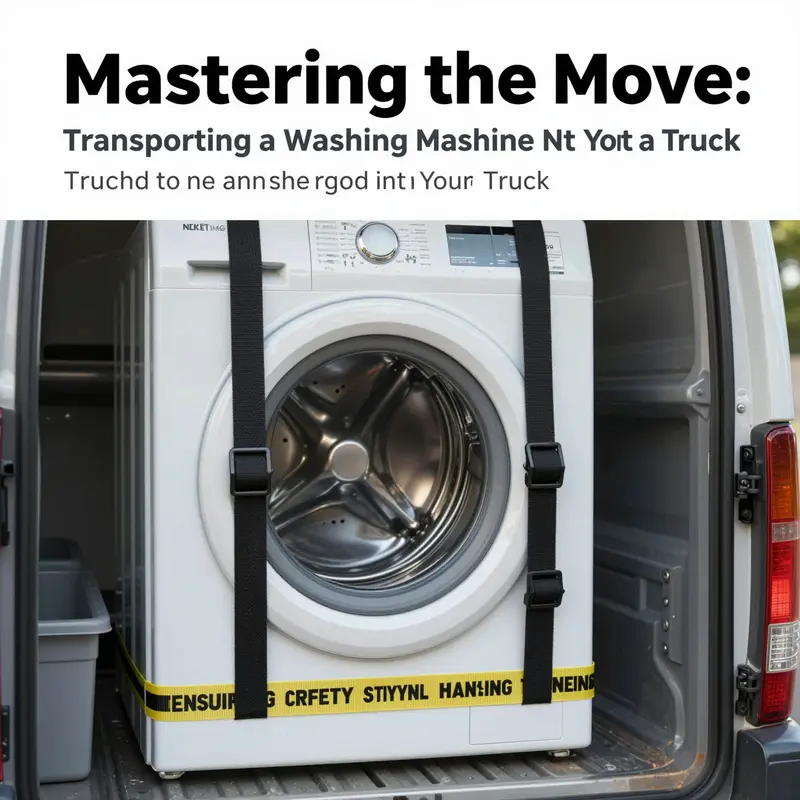
When moving a washing machine, safety and balance are critical. Start by powering down, unplugging, and disconnecting the water supply and drain hoses. If water remains, run a brief cycle or drain manually, then wipe the interior with a dry towel. Ensure the drum is dry to prevent slips and odors during transit. Secure any loose parts: keep the door from swinging open with a tape or strap, and secure the drain hose and power cord with cable ties. Wrap the unit in plastic wrap or moving blankets and add padding at the corners and edges. If available, use the original box or a snug moving crate to protect the machine from dust and scuffs.
For loading, stand with your legs bent, keep the load close to your body, and work with a partner for heavier models. Keep the machine upright and avoid tilting beyond about 45 degrees. Use a dolly or hand truck when possible, and strap the washer to the dolly to prevent shifting. Ensure the wheelbase is wide enough to prevent tipping when maneuvering through doorways and thresholds.
In the truck bed, place the washer against a side wall or rear bulkhead. Use ratchet straps or bungee cords anchored to fixed points on the vehicle, not to the appliance alone. Add a non-slip mat, rug, or foam beneath the washer and fill any gaps with soft materials to absorb vibrations and prevent movement. Align the door so it faces the direction of travel and will not bow outward under load.
Before departure, gently shake the washer to confirm it is secure and readjust as needed. During transit, drive smoothly with gentle accelerations and braking, and reduce speed on rough roads or ramps. If you encounter stairs or tight spaces, pause to reassess and reposition to maintain upright posture.
At the destination, unload with a controlled, stepwise approach. Remove padding only after the area is stable, reconnect hoses and power, and check for signs of leakage, unusual noises, or misalignment. The goal is to preserve the appliance’s internal geometry and ensure a safe reinstall.
The overall approach reflects professional practice: thorough preparation, upright transport, careful securing, and attentive in-transit restraint. By following these steps, you help protect both the machine and the crew, support a smooth handover, and reduce the likelihood of post-move issues.
Final thoughts
Effectively transporting a washing machine requires diligent preparation, safe handling techniques, secure loading, and conscientious measures during transit. By adhering to these detailed guidelines, logistics and freight professionals can enhance their operational efficiency and ensure the safe delivery of appliances. These practices not only protect the equipment but also contribute to customer satisfaction through reliable service.