

Maintaining the cleanliness of commercial trucks and their covers is vital for fleet aesthetics and longevity. However, a question often arises among logistics and fleet managers: can you take a truck cover through a car wash? This article delves into the implications of doing so, providing insights into potential damages to both the covers and vehicles, safety concerns, best practices for care, and actionable recommendations to ensure that fleet vehicles remain in optimal condition. Each chapter will explore a facet of this issue, equipping professionals with the necessary knowledge to make informed decisions.
Suds, Straps, and Seams: Navigating Truck Covers Through Car Washes
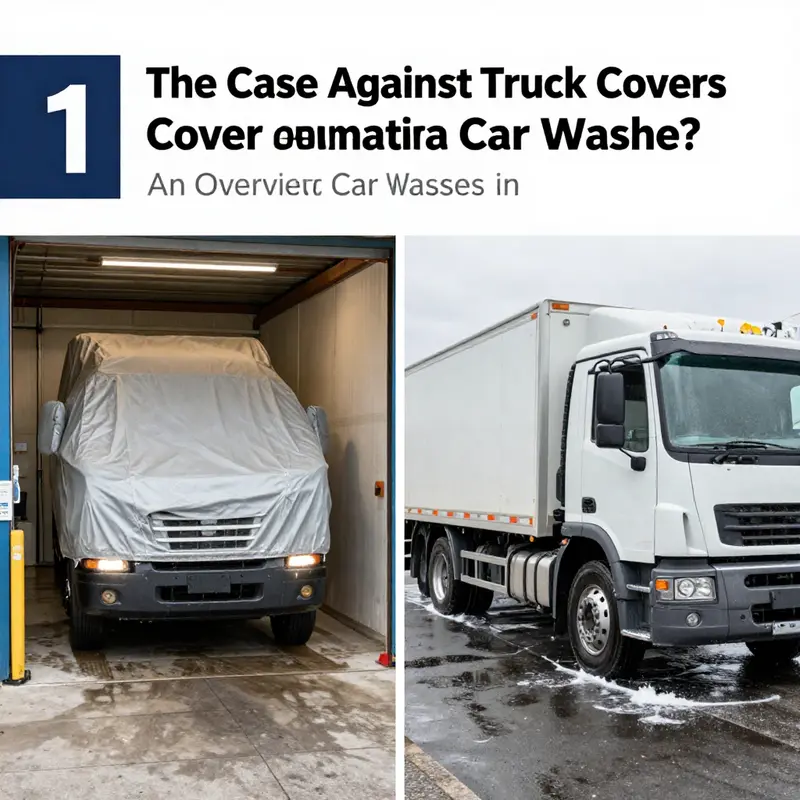
For many truck owners, the question of whether a truck cover can survive a car wash is less about a dare and more about a calculation of risk, materials, and procedure. It is tempting to think a quick wash is a quick fix, a moment to lift the veil of dust and road grime without lifting anything heavier than a spray nozzle. Yet the reality is more complicated. Automatic car washes, especially those designed to handle standard passenger vehicles, operate with a choreography of brushes, jets, conveyors, and timed cycles that simply aren’t tailored for the combination of a large truck and a bulky, fitted cover. The result can be a cascade of small, cumulative injuries: snagged hems, torn fabric, cracked vinyl, stretched seams, or water seeping into spaces that should stay dry. On the vehicle’s side, the consequences range from minor paint scratches to misalignment of panels when a cover lurches loose and acts like a sail, catching air and tugging at the bodywork as the truck advances through the tunnel. The risk isn’t theoretical; it’s practical and repeatable in yards across the country where fleets try to balance efficiency with care. The decision, therefore, rests on a few concrete variables: the type of cover, the wash method chosen, how securely the cover is fastened, and whether removal is feasible before entering the wash. Each factor matters because a cover is, in essence, a protective skin over a complex, sensitive structure. The most straightforward path to avoid trouble is often the simplest: remove the cover before washing, and clean the cover separately by hand or with a method that respects its fabric, seams, and any coatings it may have. This approach might feel like extra work, but it is the insurance that tens or hundreds of miles of road use won’t be undermined by a routine cleaning.
To understand why removal is frequently the best option, it helps to visualize what happens inside an automated tunnel. In a typical automatic wash, the truck doesn’t fit the same way a sedan does. The bed, the cab, and the tailgate can create extra clearance or compression that jams or misaligns the machinery’s reach. If the cover is still on, a protruding edge can catch on a brush or a spray bar, or it can become a piked obstacle that the car wash equipment cannot handle cleanly. Even when the wash is “gentle” by market standards, the forces involved—rotating brushes with bristles that can snag fabric, or high-velocity jets designed to dislodge heavy soil—are not calibrated for a cover that itself is an auxiliary part of the truck’s exterior. Oxidation and UV exposure are not the only enemies here; abrasion and mechanical stress are real hazards that can shorten a cover’s life and degrade its protective properties over time.
Beyond mechanical risk lies the issue of moisture management. A cover, particularly if it is not fully vented or if it is snug against the bed rails or between the cab and the bed, can trap water beneath its surface. Water trapped in folds, seams, or under elastic hems can lead to rot, mold, or rust, especially if the truck sits in humidity for hours after a wash. Even a well-made cover, when exposed to repeated cycles of soaking and drying, can experience degradations such as seam splitting, color bleed from dyes, or shrinkage that alters the fit. For fabric covers, this moisture trap can become a silent contributor to mildew, a problem that is not just cosmetic but potentially costly to remediate, particularly if it affects the truck bed’s finishing or the interior of the cab. The situation is a reminder that a cover is not merely a blanket of protection but an engineered component with tolerances and performance expectations that must be respected in any cleaning operation.
There is also a practical consideration about fit and tunnel compatibility. Large trucks with any kind of cover occupy more space than a standard car in a tunnel, and the alignment with the wash’s sensors, tracks, and drying mechanisms becomes a delicate proposition. A cover that is oversized or uneven can create mechanical jams or trigger safety shutoffs in the wash system. In fleet operation, repeated misfits can lead to downtime and equipment wear, a cost that fleets weigh against the convenience of an all-in-one cleaning moment. That calculus often pushes operators toward safer alternatives, such as performing the wash manually or at least selecting a wash mode that minimizes contact and pressure. A touchless wash, for instance, relies on high-pressure sprays and detergents delivered without physical brushes; while it does not guarantee total exemption from risk, it reduces the likelihood of fabric snags and direct fabric abrasion. A self-serve bay offers another option, granting the operator more control over pressure, nozzle distance, and wash duration, which can be crucial when a cover is present and the truck’s shape is atypical for a standard wash line.
The best practice, clearly, is to remove the cover whenever feasible and to wash the truck separately with appropriate tools—a hose, a mild soap, and a soft cloth or sponge, applied with the care you’d reserve for a delicate finish. This approach minimizes the chance of introducing abrasive interaction between the cover and the wash’s mechanical components. It also preserves the cover’s protective integrity and cycle longevity. If removal is not possible due to operational constraints or coverage that is custom-fitted to the truck, then the choices become more nuanced: opt for a safe, low-impact wash method, ensure the cover is securely fastened and has no loose flaps that can whip in the spray or snag on moving parts, and consider a pre-wash check to confirm that the underlying surface is clean enough to receive the wash without harboring debris that could create friction against the cover during the process. In such scenarios, it is essential to conduct a pre-wash inspection and to plan for post-wash inspection to identify any bruising, snagging, or moisture intrusion that could have occurred during the cycle.
For those who want to dig into the operational side of this topic, a closer look at how wash facilities handle large vehicles and their accessories can be instructive. In the realm of facility management for truck wash businesses, the emphasis is on safety protocols, equipment compatibility, and handling procedures that protect both the vehicle and the infrastructure. This perspective helps fleets understand when it is prudent to forego the automatic wash entirely and rely on more controlled methods that better accommodate oversized rigs and added attachments like covers. The guiding principle is simple: safety and preservation trump convenience when the risk of damage is tangible. When management teams codify best practices, they often include clear standards for removing accessories that can become hazards in a high-speed wash environment, along with checklists for secure storage, loading, and post-cleanup assessments. This organizational lens helps fleet operators implement consistent routines so drivers know what steps to take in different situations and how to document outcomes for maintenance records. facility management for truck wash businesses illustrates how these routines translate into day-to-day operations, reinforcing the idea that care for the truck should guide the choice of cleaning method rather than the reverse.
In practice, the decision tree is not merely about whether a car wash can accommodate a cover; it is about whether it should. The material science behind common truck covers means that many are built to endure wind, rain, sun, and road salt on the road—not the beating of jet sprays or the aggressive brushing that some car washes apply. Vinyl may withstand some elements but can crack or warp when flexed repeatedly by a coiled cover that shifts with the air; canvas can shed fibers or shrink, altering the fit and exposing edges to friction; foam-backed layers can trap moisture and accelerate degradation if they are pressed against the wash’s massaging pads. The user’s goal should be to minimize exposure to these stressors, preserving the cover’s protective value and the truck’s finish for the long haul. For those who insist on doing a wash with the cover in place, the safest path is a combination of precautions: ensure the cover is fully secured, avoid plastic flaps that could billow, use a low-pressure, non-abrasive setting if the wash offers such options, and monitor the process closely to stop the cycle if anything unusual happens. But even then, the risk-to-reward balance typically tilts toward removal and a separate cleaning session for the cover itself. A well-timed hand wash of the cover, with attention to fabric type and any coatings, can extend its life’s usefulness far beyond what a hurried automatic wash could achieve.
Ultimately, the rule of thumb remains straightforward: removal before washing is the safest and most reliable course. If the operation demands an in-place cleaning option, choose the least aggressive method and stay vigilant for signs of stress, moisture intrusion, or misalignments. After all, a clean truck is not worth a damaged cover or a scratched finish, and the time spent planning the washing routine pays off in durability, appearance, and resale value down the line. For those who want further guidelines on care and maintenance that align with industry best practices, see the external resource on truck cover care for broader context and tips beyond the car wash scenario: https://www.caranddriver.com/ownership/a53846907/truck-cover-care-tips/.
Through the Wash: The Inherent Risks of Running a Truck Cover Through an Automatic Car Wash
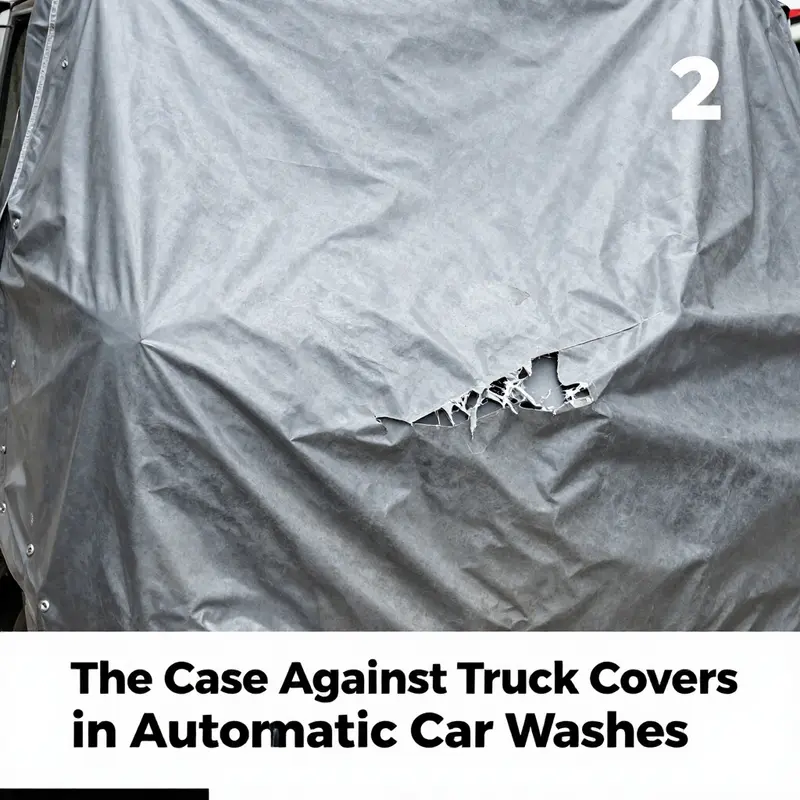
A truck cover is meant to shield paint, deter dust, and shed moisture when the truck sits outside. However, taking a cover through an automatic car wash can turn that protective layer into a liability for both the cover and the vehicle. The powerful brushes, high-pressure jets, and aggressive detergents used in many tunnels can snag seams, fasteners, or lettering and can cause cracking, warping, or premature wear in vinyl, canvas, or fabric covers. Heat and abrasion inside the wash cycle can accelerate aging, reduce breathability, and compromise the cover’s protective function.\n\nBeyond damage to the cover itself, a loosely secured or improperly routed cover can flutter or wrap around components, potentially scratching paint or jamming wash machinery. The risk of trapped moisture between the cover and the surface can contribute to surface corrosion or mold, especially under non-breathable materials. Breathable, ventilated covers are preferred for long-term protection, but they should still be removed from the vehicle before any automated wash.\n\nThe recommended practice is simple: remove the cover before entering any automatic or water-based wash, clean the truck separately, and launder or refresh the cover according to manufacturer guidance. Manual cleaning with mild soap and a soft cloth preserves material integrity and allows inspection of seams and fasteners. By separating tasks and using materials designed for breathability and airflow, owners can extend the life of both the cover and the truck’s finish.
Clear Path, Obstructed View: The Safety Stakes When Truck Covers Meet Car Washes
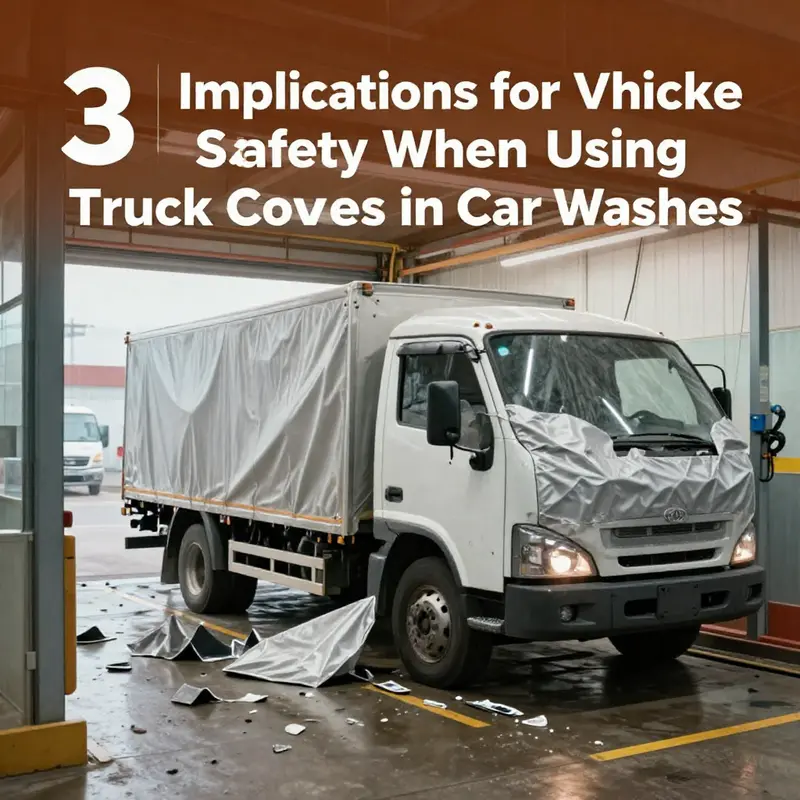
A cover over a truck bed or cab can feel like a simple shield against sun, dust, and rain. Yet when that shield meets the automated flow of a car wash, the result is less about protection and more about safety risk. The question, can you run a truck with its cover through an automatic wash, sits at the intersection of practical convenience and high-stakes vehicle safety. The straight answer, grounded in both mechanic reality and advanced driver-assistance system (ADAS) logic, is that you should not rely on a cover to survive a wash cycle. The problems multiply quickly: the cover itself can be damaged; the wash process can dislodge or entangle it; and crucial safety sensors can become compromised, undermining the very protections many trucks rely on every day. The stakes are higher than a curled edge or a torn corner. They touch the integrity of the sensors that help drivers see their surroundings, and they touch the long-term health of the vehicle’s body and electrical systems.
The exterior of a modern truck has become a moving canvas for sensors. Camera-based ADAS features read the world through lenses that must remain clean, unobstructed, and correctly calibrated. A cover, especially a heavy-duty vinyl or fabric layer, introduces potential obstructions in several ways. First, if the cover is not perfectly secured, the whirl of brushes and the spray of water can cause it to shift. A shift might momentarily cover a lens, smear a facet of the camera, or pool moisture in the housing. Even a small amount of dirt or condensation on a lens can blur images, degrade depth perception, and disrupt obstacle detection. In the heat of a wash cycle, a loosened edge could flutter upward, momentarily blocking a housing or vibrating against a seal. The consequences may appear minor in the moment, but the cameras feed real-time data to safety systems that must recognize lane markings, pedestrians, and other vehicles. When the feed becomes unreliable, the system can reduce its assistance, or in some cases disengage a feature to prevent misreading the scene. And because ADAS often relies on a constellation of sensors, a single obstructed lens can trigger cascading alerts and unexpected system behavior, leaving a driver to react to a car wash-induced anomaly rather than the road ahead.
Beyond the optics, the physical interaction between the cover and wash equipment poses material risks. Automatic car wash machinery is designed with a precise path through a tunnel. Large, bulky covers can collide with spray arches, rollers, or guides, creating pressure points that tear fabric, warp vinyl, or crack foam composites. Even if a cover survives a cycle, the mechanical contact can loosen fastenings, causing the cover to flap in the wind as the truck exits the tunnel. Flapping fabric or loose straps can whip into the wheel wells or underbody components, potentially entangling with moving parts or scuffing paint. In some cases, the weight and rigidity of a full-size cover can alter the center of gravity as the vehicle moves, introducing subtle handling shifts that become noticeable only after leaving the wash bay. The risk isn’t only aesthetic—repeated exposure to high-pressure jets and abrasive bristles can abrade the cover, leading to fibers that shed and contaminate the vehicle’s finish or clog nearby drainage and filtration systems in the wash facility.
Moisture presents a slower, less dramatic but equally insidious threat. A cover left in place can trap water between the cover and the truck’s metalwork. Over time, that trapped moisture can promote rust in vulnerable seams and anchor points or foster mold and mildew in fabric layers. In addition, water creasing the underlayers can create micro-environments where debris accumulates, turning what started as a protective shield into a reservoir that invites corrosion and staining. In trucks that carry tools, ladders, or other equipment under or around the cover, moisture-induced corrosion can creep into fasteners and connectors, complicating maintenance in the weeks that follow. And when water is trapped, it often migrates into the cab edges or bed seams, where it can seep into insulating layers, promoting odor formation and decreasing interior air quality over time.
There is also a practical dimension to safety, tied to the handling process. A weathered or poorly stored cover is more likely to drift or billow during a wash’s exit sequence, snagging on something or sliding forward to the grille area. The entry and exit points at many car washes are narrow compared to the length and height of a long truck with a bulky cover. A cover that shifts during the wash can create a temporary obstruction for the vehicle’s forward sensors as the driver moves away from the bay. The wash cycle’s vibrations, sudden stops, or abrupt slowdowns can exacerbate any misalignment, turning a minor loose edge into a larger misfit that requires immediate correction or the risk of chafing against chrome, paint, or trim. While it may be tempting to assume a quick check post-cycle will resolve any issue, the reality is that the wash environment is wet, electrically active, and time-sensitive. A moment of distraction can become a longer delay, or worse, a costly repaint or repair.
Industry guidance consistently urges owners to keep the vehicle and its sensors free of dirt and obstructions. The logic is straightforward: if you would not allow debris to accumulate directly on a camera lens or in a sensor housing, you should not allow a cover to introduce dirt or moisture into those critical components. The safest and most reliable practice is to remove the cover before entering any automatic wash, ensuring the vehicle’s exterior is clean and dry and that the camera housings and sensor windows are accessible for inspection. After removal, the cover should be washed separately according to its manufacturer’s instructions—typically with gentle soap and air drying or a delicate machine wash—so it does not contribute debris or moisture back onto the vehicle. This approach also prevents any accidental misalignment during the wash cycle and protects the vehicle’s safety systems from the unpredictable variables in a high-energy cleaning environment.
From a fleet management perspective, the decision to remove a cover before washing aligns with broader safety and operational standards. The practice reduces the risk of mechanical jams or gear wear in the wash system, preserves the integrity of the vehicle’s finish, and mitigates the likelihood of post-wash sensor recalibration needs. It also resonates with industry best practices around routine maintenance, which emphasize consistent, documentation-backed procedures for protecting equipment, extending asset life, and keeping safety features at peak performance. In conversations about wash procedures and fleet safety, this stance often appears as a fundamental, non-negotiable step in standard operating protocols. For readers who want to see how these considerations fit into larger fleet governance, related industry guidance and compliance discussions offer a framework that links individual vehicle care to fleet-wide safety metrics and regulatory expectations. See the broader discussion on truck wash industry compliance and emissions regulations for context and alignment with fleet-wide safety compliance truck wash industry compliance and emissions regulations.
Even when the mechanics of a car wash are sound and the operators are diligent, the safety case for removing the cover remains compelling because it preserves the reliability of camera-based safety features. The cameras serve as a layer of awareness for the driver, especially in urban or high-traffic environments where the vehicle must interpret lanes, vehicles, pedestrians, and sudden road hazards in real time. If the cover or the moisture under it alters the image quality, the system may lose its ability to detect a stop sign, a cyclist, or a vehicle in a blind spot. In such moments, the driver loses a layer of assistance that is designed to act as a safety net rather than a substitute for attentive driving. Keeping the exterior cameras free of dirt and condensation is an ongoing maintenance task that complements, rather than contradicts, good driving practices.
The practical outcome is clear: remove the cover before a wash, wash and dry the cover separately, and inspect both the vehicle and the cover for any signs of damage or moisture before you resume normal operation. This approach preserves the exterior finish, protects the sensor suite, and helps ensure that the truck remains a reliable, safety-first asset on the road. It also aligns with the broader objective of maintaining a culture of proactive maintenance, where small, disciplined steps reduce risk and extend asset life. A cohesive approach to care—combining careful cover management with routine sensor cleaning—becomes part of the standard operating rhythm of a responsible fleet. When teams adopt these practices, they reinforce the message that safety and efficiency are compatible goals, not competing priorities.
In sum, the question of whether a truck cover can survive a car wash is answered not by the cover’s resilience, but by the consequences for sensor integrity, mechanical safety, and moisture management. The most robust safeguard is a simple, repeatable rule: remove the cover before any automatic wash. This preserves the camera system’s fidelity, minimizes the likelihood of the cover causing damage to the vehicle or the wash equipment, and keeps maintenance records straightforward and actionable. It also helps ensure that the vehicle’s safety features function as intended in the moments when accuracy matters most on the open road. As fleets scale, weaving this discipline into training, checklists, and facility workflows becomes a practical investment in both safety and uptime. For organizations seeking to anchor this practice in a broader safety-and-compliance frame, the linked industry guidance provides a consistent reference point that helps align individual vehicle decisions with fleet-wide standards. And for owners who want to understand the technical rationale behind camera cleanliness and ADAS reliability, the external guidance on camera maintenance offers concrete, real-world detail about why cleanliness is non-negotiable for sensor performance.
External reference: https://www.tesla.com/support/video/cleaning-a-camera
Guarding the Gate: Why Truck Covers Don’t Survive the Car Wash—and How to Care for Them Instead
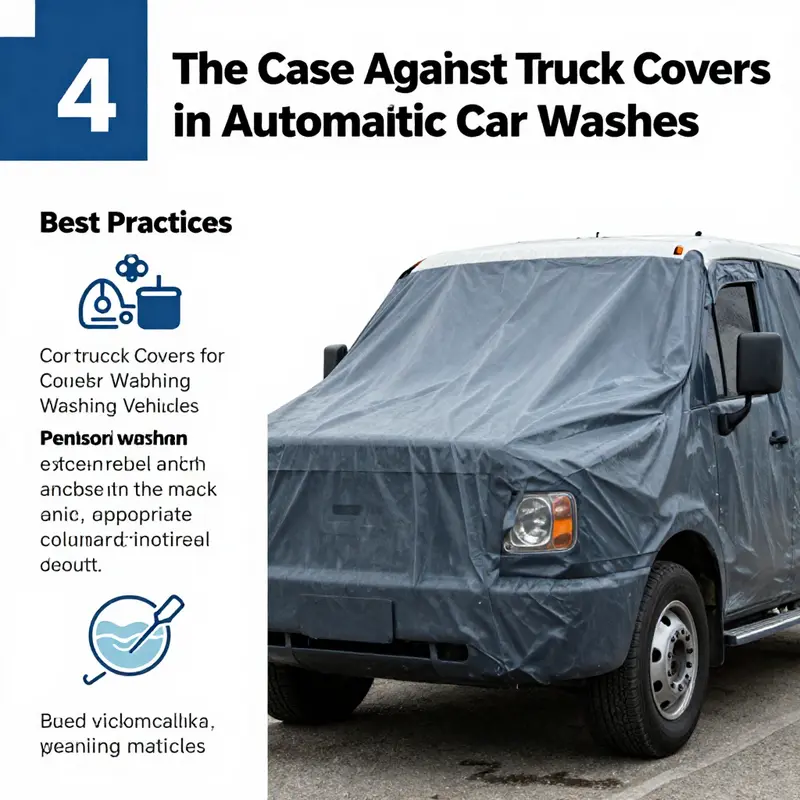
The question often arrives with a shrug and a shrug-back: can I push a truck cover through an automatic car wash and save time? The short, practical answer is usually no. The longer, infinitely more useful answer takes shape when we understand what a car wash does to a truck and what a cover is meant to endure during its daily life. A truck cover is not a cosmetic add-on but a protective layer, a moving part of a larger system that includes the bed, the rails, and sometimes a retractable mechanism. When you bring a cover into the controlled chaos of a washing tunnel, you invite risks that can compromise both the cover and the vehicle it protects. The natural forces at work in an automatic wash—rotating brushes, high-pressure sprays, and tightly tuned conveyors—are designed for a different purpose than the delicate, weathered, or heavily used layer that hides your cargo. If you still wonder whether the wash can be coaxed into accepting a cover, you’ll find that the trade-offs are rarely worthwhile. The cover may emerge with tears along seams, or with warping and color fading that undermines its protective function. The vehicle may bear new scratches or scuffs from accidental contact with loosened fabric or fittings caught in the machinery. And there is a practical chemistry to consider: water trapped beneath a cover can create a damp environment that invites rust, mold, or mildew over weeks and months. In the end, the car wash becomes less a time-saver and more a maintenance setback, a risk that a sturdy, weatherproof layer simply isn’t built to absorb within a standard wash cycle.
The reality of truck covers is gentle but exacting. They come in materials like reinforced polyester and vinyl-coated fabrics designed to hold up against sun, rain, and road grime. Those same protective materials can be sensitive to the aggressive treatment used in high-velocity wash tunnels. Even if a cover seems to ride through a first pass without incident, the cumulative effect of repeated washes can delaminate seams, weaken stitching, and degrade coatings that keep water and UV exposure at bay. Vinyl, in particular, though durable on the surface, can crack or warp under pressure or when forced into awkward shapes by water jets. Fabric covers can shrink, fray, or develop holes after repeated contact with stiff bristles. The risk isn’t merely cosmetic; a tear can widen into a vulnerability that invites rust, or a warp can prevent the cover from laying flat against the bed, defeating its purpose.
Beyond the fabric itself, there is a broader safety calculus. A cover that is not securely fastened can loosen in a wash cycle, turning from a protective layer into a hazard that could wrap around the vehicle’s body panels or even pull at the attachment points. The violent motion of the car wash’s mechanisms can push the cover into the wrong corners of the tunnel, creating friction against paint or chrome that should be preserved for years. If part of the cover catches on a roller or a comb of bristles, the resulting snag can leave behind pulled threads or torn edges that compromise both appearance and weather protection. In short, the automatic car wash is a forceful setting, and a delicate, loose cover is not a good match for that environment.
A practical concern that often gets overlooked is moisture management. A cover on top of a truck during a wash can trap water in folds, around hardware, or near attachment points. Even a brief exposure that leaves moisture under the fabric can create a microclimate ripe for rust or mold as the truck dries slowly. The moisture problem doesn’t just stay localized; when the cover is removed, you’re dealing with damp surface patches that can remain hidden until the next drive, potentially encouraging corrosion where you don’t want it. The moisture risk is especially pronounced in climates with pronounced humidity or where washes themselves use recycled water that may contain minerals or residues. The simple, common-sense rule is that a cover should be dry before it is stored or re-used, and that a car wash isn’t the ideal drying chamber for a large, bulky layer designed to shield the rig from the weather, not to double as a dry-off station.
For larger trucks, the fit in an automatic tunnel becomes another obstacle. Car wash systems are engineered for a certain vehicle geometry—standard sedans, compact SUVs, and mid-sized pickups. A full-size truck with a cover can present a geometry mismatch that leads to misalignment within the tunnel. If the vehicle cannot travel through the space cleanly, the wash cycle doesn’t just fail to deliver the desired results; it can stall equipment, trigger safety interlocks, or cause jams that require manual intervention. In some cases, this misfit can also cause water jets or brushes to ride too close to sensitive areas, increasing the risk of inadvertent contact that damages paint or trim. When you consider those probabilities alongside the potential harm to the cover, the argument for passing through automatic car washes with the cover in place grows even weaker.
So what is the best practice? The guidance that emerges from careful consideration centers on prevention, preparation, and proper post-wash care. The simplest and most effective approach is to remove the truck cover before entering any automatic wash. This step eliminates the majority of risk: it protects the cover from abrasive contact, it reduces the chance of the cover snagging or tearing, and it eliminates the moisture-trapping scenario that can accompany a wash. Once the cover is off, the vehicle can be washed using a method appropriate to its finish and to the type of wash you prefer—hand washing with a hose, soap, and a soft cloth or sponge, or a manual wash with a gentle spray wand and a microfiber drying towel to avoid scratches. In parallel, the cover itself should be cleaned separately, using a method that respects its material. For many fabric or vinyl-backed covers, a mild soap and water solution with a soft brush or sponge is sufficient. A high-pressure washer is generally a no-go; the force can push water into seams or coatings and cause delamination or fraying. Harsh chemicals—bleach, ammonia, or abrasive cleaners—should be avoided, as they can degrade the fabric’s UV resistance and overall performance.
Drying is a critical final step. The cover should be allowed to air-dry completely before storage. A cool, shaded area is preferred, as direct sun can cause fading and speed up material breakdown in some fabrics. Once dry, inspect the cover for signs of wear—tears, loose stitching, or loose fasteners at seams or zippers. Addressing minor issues early can prevent larger problems later and extend the life of the cover. Storage should emphasize a clean, dry environment away from direct sunlight and extreme temperatures; a well-kept storage area is just as important as routine washing to maintain performance. For cargo covers that use retractable mechanisms, the maintenance discipline is slightly different but equally important: keep the tracks free of dirt and debris, wipe down moving parts with a damp cloth, and apply a silicone-based lubricant to tracks and rollers every few months to ensure smooth operation. Alignments should be checked periodically; misalignment can cause uneven movement and failures to retract fully. Even when not in use, protect the cover from the elements to prevent material degradation that sun, rain, or snow can accelerate.
This continuity of care—regular cleaning, avoidance of harsh chemicals, thorough drying, and vigilant inspection—builds a durable routine that preserves the protective function of the cover while maintaining its appearance. The same principles apply whether you’re dealing with a roll-up cargo cover for a family vehicle or a weatherproof bed cover used in urban delivery and regional haul work. The essential idea is to treat the cover as an active component of the vehicle system, not as a one-off accessory you replace when it looks worn. By integrating care into your regular maintenance, you safeguard not only the cover’s longevity but also the truck’s paint, finish, and resale value.
To connect this with broader practical knowledge, consider how seasoned truck operators manage tough residues and grime without compromising cover integrity. When cleaning stubborn road grime, it helps to adopt a measured, gentle approach rather than an aggressive, all-at-once wash. For instance, a targeted pre-wash application with mild soap and a soft brush can dislodge stubborn deposits without stressing seams or coatings. For more on cleaning strategies that tackle grease and tar efficiently while preserving protective layers, see this guide on proven strategies for cleaning grease and tar off your trucks fast: Proven strategies for cleaning grease and tar off your trucks fast.
The key takeaway is clear: do not push a truck cover through an automatic car wash, especially if it is bulky or worn. The potential harm to the cover and the vehicle far outweighs any time savings. Instead, remove the cover, wash the truck manually, and care for the cover separately with attention to material-specific instructions. This disciplined approach ensures that your protective layer continues to perform as intended, shielding the bed from moisture, UV exposure, and road grime, while your vehicle enjoys the finish and structural integrity you expect after every wash. It is a practice grounded in common-sense risk management rather than a preference for convenience.
For readers who want a broader perspective on related vehicle maintenance and facility practices—especially those running wash facilities or fleets—the ever-evolving field of truck wash operations offers many insights. Adhering to best practices around cleaning, maintenance, and storage helps ensure safety, efficiency, and reliability across the fleet. It also underscores the value of manufacturer guidance and ongoing professional development, to stay current with evolving recommendations and safety standards. As manufacturers emphasize, and as everyday experience confirms, care routines that respect the materials and mechanisms of protective covers contribute to longer service life, better appearance, and more dependable performance under the demands of modern trucking.
External resource: Guidance from automotive manufacturers on accessories care and maintenance can provide additional context for the care decisions described here, including surface protection, attachment mechanisms, and routine inspections. See the official automaker guidance at https://www.toyota.com.au/ for product-specific care and maintenance recommendations related to vehicle accessories like cargo covers and related protective components.
Avoiding Automatic Car Washes with Truck Covers
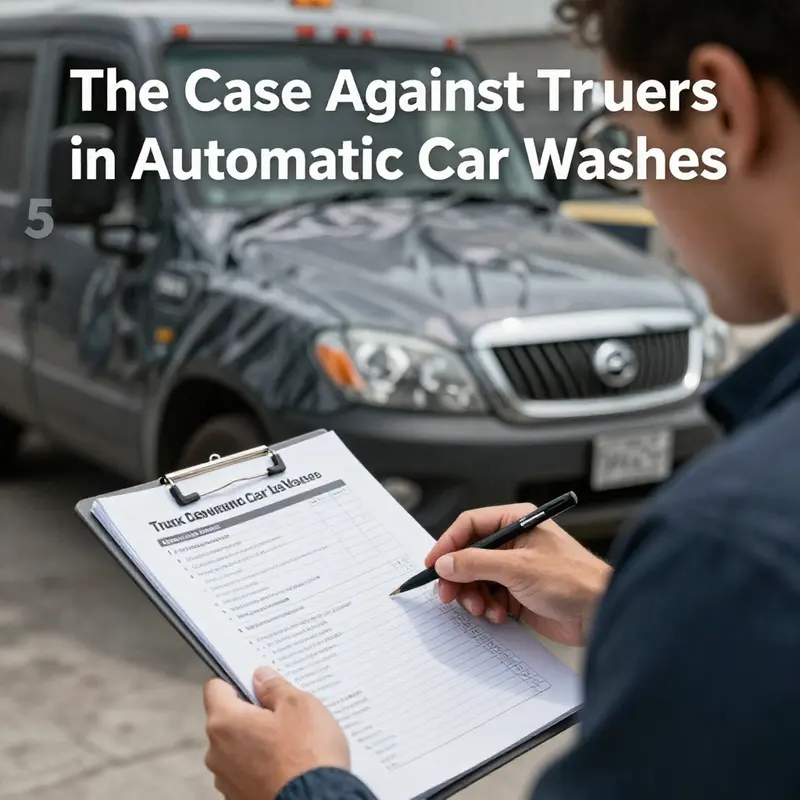
A practical answer to whether a covered truck can pass through an automatic car wash is to avoid it. Automatic tunnel washes rely on standard shapes and a fixed path, and a bulky truck cover—particularly vinyl or foam-padded models—can snag, tear, or press against washing equipment. The risks include damage to the cover, the truck’s finish, and even the wash apparatus, plus potential warranty exclusions. The safer approach is to remove the cover before entering the wash and perform a manual rinse of the truck. Follow the manufacturer’s care instructions for the cover; many fabrics tolerate gentle cleaning and thorough drying to prevent mildew. If the cover is removed, the wash can focus on the vehicle itself without compromising the cover. Roll-up tonneau covers are budget-friendly and easy to remove, but the core rule remains: avoid automatic car washes with a covered truck to protect both vehicle and wash system. For fleets, plan maintenance as a full-system task, using manual washing for covered vehicles and storing the cover properly between uses.
Final thoughts
In conclusion, the practice of taking a truck cover through an automatic car wash poses significant risks both to the cover and the vehicle itself. Ensuring the longevity of truck covers and vehicle integrity requires adherence to best practices in cleaning and maintenance. By removing covers before entering car washes and opting for manual washing methods, fleet managers can mitigate damage, uphold vehicle safety, and maintain aesthetic appeal. Understanding these principles is essential for any trucking and logistics operation aiming to preserve its investments.