
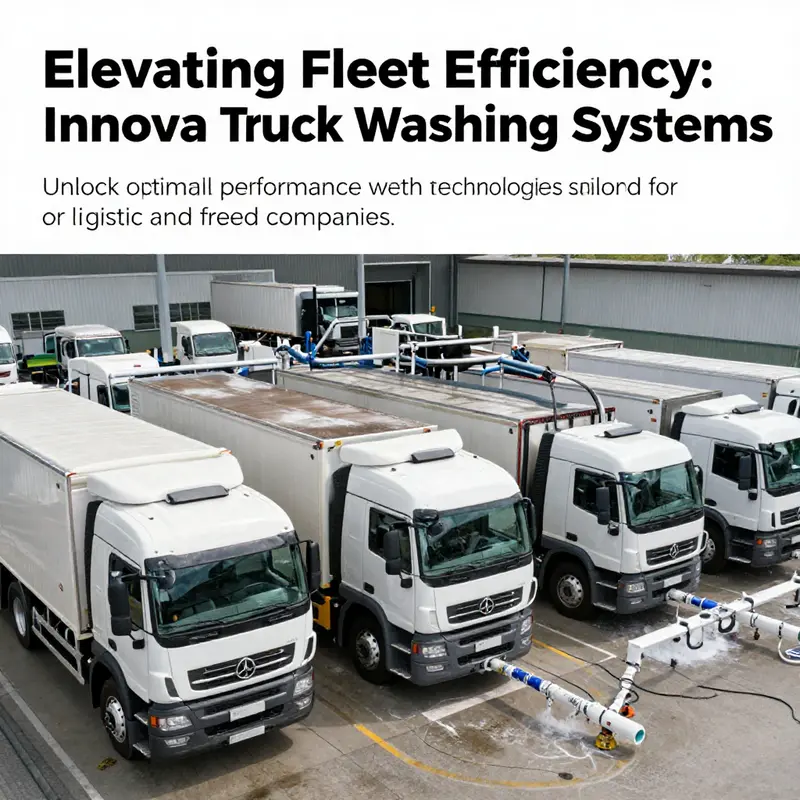
Maintaining a clean fleet is critical for logistics and trucking companies, impacting both vehicle maintenance and operational efficiency. As the industry evolves, innovative truck wash systems are emerging, designed to enhance cleaning effectiveness while ensuring vehicle longevity. This article explores essential technologies and materials used in commercial truck washing systems, the standards for automatic truck wash machines, customized solutions for high-end fleets, and the latest trends to inform your procurement decisions. Each chapter builds a comprehensive understanding of how advanced washing technologies can transform fleet management and improve overall service quality.
Engineered for Efficiency: Core Technologies and Material Mastery in Modern Truck Wash Systems
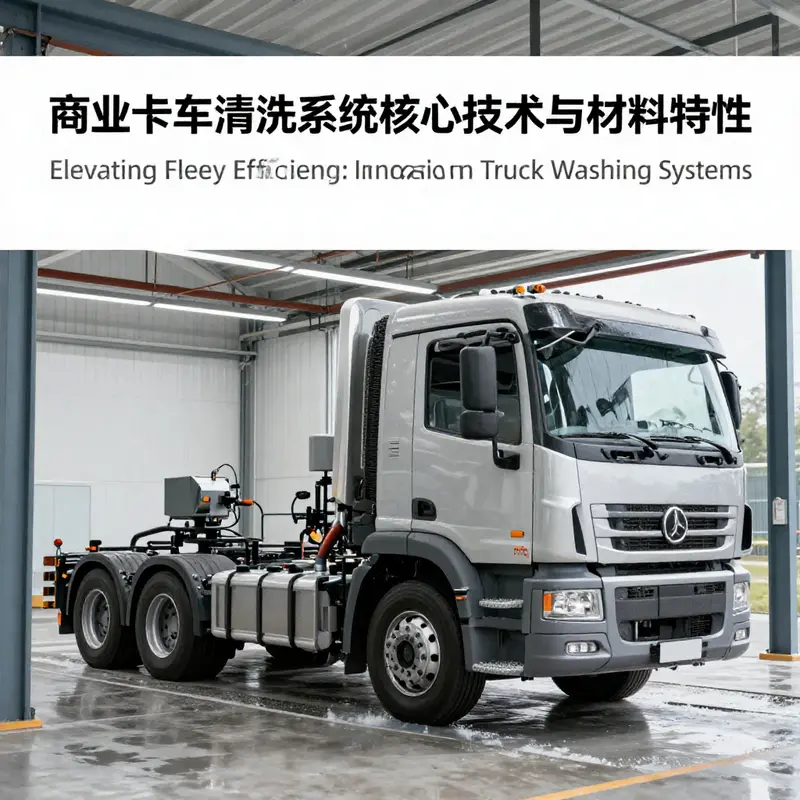
Modern truck wash systems are engineered as integrated ecosystems that fuse rugged hydraulics with intelligent control and water stewardship. The machine is a platform where materials science, fluid dynamics, control engineering, and logistics converge to deliver clean fleets with minimal downtime. A central feature is a 360 degree high pressure spray architecture with multiple arms that can be tuned to operate in a targeted, modular fashion. Typical configurations use sixteen high pressure spray arms with fan nozzles to create a broad yet controllable jet pattern. The goal is to remove road film while avoiding contact with paint and seals. To prevent collateral damage, spray paths are coordinated with vehicle length recognition using distance sensing that aligns spray sequences with a range of 6 to 18 meters. The sense and actuation sphere extends to sensing and control systems that provide a 360 degree perception of the vehicle through laser or radar tech, informing undercarriage, wheel wells, and body areas to prioritize. An industrial PLC orchestrates pumps, gantry motion, brush rollers, and valves to minimize cycle times while protecting components. The control system blends AI driven vision with motor control logic to adjust brush pressure within a safe zone and tune water usage for different coatings and soils. Seasonal and climate variations are accounted for by adapting rinse cycles and filtration to maintain cleanliness while conserving resources. A pillar of sustainability is the water management infrastructure, including a staged filtration and oil water separation to reclaim and reuse water. Closed loop operation can achieve high reuse rates, lowering daily water consumption and disposal costs. Material choices for the frame, drive system, and plumbing focus on corrosion resistance, wear performance, and compatibility with cleaning chemicals. The brush assemblies are designed to be gentle on paint yet durable in harsh wash cycles, with careful selection of bristles, weave, and connectors. Maintenance is modular, enabling rapid replacement of core components and remote diagnostics via connected platforms that monitor hours, vibration, and predictive failures. Procurement is guided by total cost of ownership, with modular, serviceable designs that enable upgrades as sensing and filtration technologies evolve. Finally, compliance with environmental and safety standards is essential, with transparent documentation of cleaning efficacy, water reuse, and maintenance history to support responsible fleet management and regulatory reporting.
One System, Many Routes: Standards and Industrial Realities of Fully Automated Truck Wash Machines
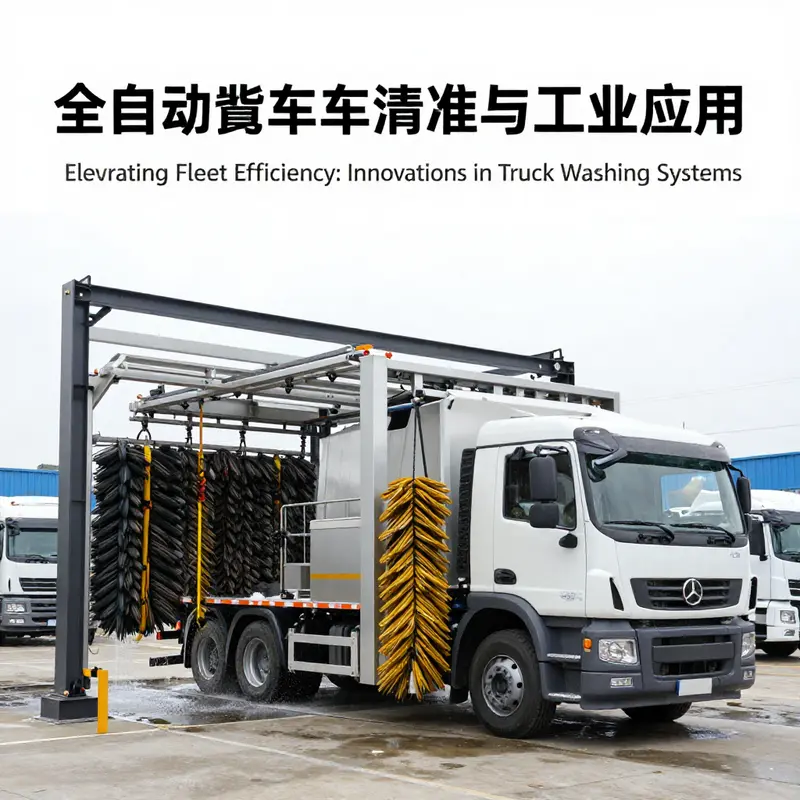
Across heavy industrial yards, fleets rely on maintenance discipline as much as on the machines that keep them clean. Fully automated truck wash systems have evolved from isolated bays into integrated, smartly regulated solutions that blend high‑pressure cleaning with environmental stewardship. The standards that guide these machines are more than checklists: they encode source control, risk reduction, and predictable maintenance so fleets operate with minimal downtime and maximum reliability.
This chapter threads together how core standards are constructed, what they require in the field, and how industrial environments—from steel plants to mining sites and port facilities—translate those standards into day‑to‑day performance. It is a story of engineering rigor meeting operational reality, where brush wear, drying efficiency, and automated fault detection converge to keep trucks clean, compliant, and ready for the next leg of their journey.
A defining feature of modern fully automated wash systems is the gantry closed‑frame design. This structure is not merely a frame; it is a hardened conduit that withstands frequent, high‑load passage by heavy vehicles. The gantry form creates a controlled corridor in which cleansing action can be precisely delivered, while the closed exterior minimizes splash and runoff. In sectors like steel, construction, and mining, the robustness of the frame translates into uptime and safety. The closed architecture also supports environmental control around the wash zone, allowing captured wash water to be managed more effectively and reducing the risk of secondary contamination to adjacent equipment or roadway surfaces.
The cleaning system relies on a high‑pressure cascade capable of dislodging stubborn soil while protecting sensitive finishes. Industry guidance specifies a wash pressure sufficient to strip adhered material from tires, undercarriages, and wheel wells, without imposing excessive wear on the vehicle finishes. A well‑designed system uses nozzle layouts that target wheel rims and undercarriage surfaces, enabling multi‑angled cleansing that reaches into crevices and hidden recesses. This multi‑axis approach, together with a carefully chosen spray pattern and flow rate, yields uniform cleaning and reduces the potential for corrosion or residue transfer to roadways.
An extended wash path is a critical design element. Industry practice often calls for a wash segment long enough to give vehicles a thorough treatment; 18 meters or longer is a common benchmark in heavy‑duty settings. This dwell time ensures the lower chassis and wheel arches are addressed, while a longer path supports consistent outcomes across fleets of varying sizes. When the path is too short, under‑cleaning can occur, leading to rewash cycles and reduced environmental efficiency. The extended segment also aligns with maintenance planning and predictable throughput in large facilities.
The spray ecosystem within these machines is another focal point of standardization. Effective nozzle arrangements balance coverage with resistance to clogging and corrosion. Dedicated nozzle clusters address bottom‑side areas and wheels at specific angles, enabling layered cleansing that reaches into crevices. Nozzles are selected for durability and chemical resistance, given the detergents and wash water compositions encountered in heavy industry. Material choices for spray components are guided by long‑term performance goals: durability reduces downtime and maintains efficacy over the lifecycle of the system.
Water disposal and drying complete the loop. A responsible automated wash must close the water use loop and minimize post‑wash surface runoff. Drying systems typically use a dual approach: a mechanical drying phase to rapidly reduce surface moisture, followed by a controlled sequence that minimizes residual water at exit. A dedicated drying platform may be used to shake the surface dry and accelerate evaporation, reducing droplets that could contaminate ground or drainage. These drying considerations support ultra‑low emission and low‑waste operation demanded by modern environmental regimes.
Automation underpins the modern wash. A robust control scheme uses PLCs to sense vehicle presence, confirm entry parameters, and orchestrate a sequence that adapts to vehicle type within predefined tolerances. Data capture—vehicle identity, cycle duration, water and energy use—is uploaded to a central ledger for traceability. The digital record supports environmental reporting, maintenance planning, and audit readiness. In many installations, remote diagnostics allow service teams to anticipate wear, forecast part replacements, and minimize downtime by preempting faults.
From a logistics perspective, the placement of the wash facility relative to the yard exit matters. Industry practice places the wash close to the exit, often within a few meters, to remove contaminants at the source and prevent soil and sludge from dispersing into yard lanes or road networks. This proximity also supports smoother traffic flow, with vehicles leaving clean and ready for downstream processes like resupply, loading, or return to service. Taken together, these design choices reflect a modern approach to environmental governance and operational efficiency across major industrial sectors.
The industrial applications for fully automated wash machines are broad and evolving. In steel yards, the wash system must handle metallic dust and viscous residues while delivering reliable performance under variable weather. In construction zones, trucks carry debris, mud, and cement residues, demanding robust wash action and dependable cleaning of the undercarriage. In mining and port environments, diverse vehicle footprints require a system capable of accommodating a wide clearance band and maintaining throughput during peak operations. Across these scenes, the wash machine is a core component of compliant, efficient, and safe transport ecosystems.
The sourcing landscape for heavy‑duty wash equipment is regionally nuanced. Manufacturing bases in major hubs offer standardized units with scalable customization that meet global cleanliness and environmental norms. Buyers focus on verifiable compliance, corrosion‑resistant brush materials, and the availability of remote monitoring and fault diagnosis. Local service networks are equally vital to ensure rapid response to wear, seal degradation, or nozzle clogging that could compromise wash quality or uptime. The result is a blend of robust mechanical design and intelligent control supported by durable partnerships for long‑term performance and accountability.
For practitioners aiming to anchor understanding to practice, consider a steel yard installing a gantry system with a 1 MPa spray capability, an 18‑meter cleansing corridor, and a drying platform designed to remove remaining moisture quickly. Pair this hardware with a PLC‑driven control system that recognizes vehicles, tailors the wash sequence to dimensions, and records cycle data for audit and emissions reporting. The system should be integrated with the yard exit so every truck leaves clean, while maintenance teams monitor brush wear, nozzle integrity, and seal condition as part of a continuous improvement loop. In short, standards become a living framework guiding daily operations, maintenance planning, safety, and environmental performance goals.
To connect the chapter to broader industry conversations, consider the evolving regulatory environment shaping these choices. A focus on reducing emissions and preventing surface contamination means wash systems increasingly function as part of a broader environmental management infrastructure. Demonstrating control over water use, maintaining low wash water runoff, and documenting compliance through automated data uploads helps organizations meet performance criteria tied to green ratings or regulatory incentives. The endgame is a smarter wash that supports cleaner fleets, safer roads, and transparent accountability across the supply chain.
Custom Fits for the Road: Elevating Truck Wash with Premium, Brand-Driven Solutions
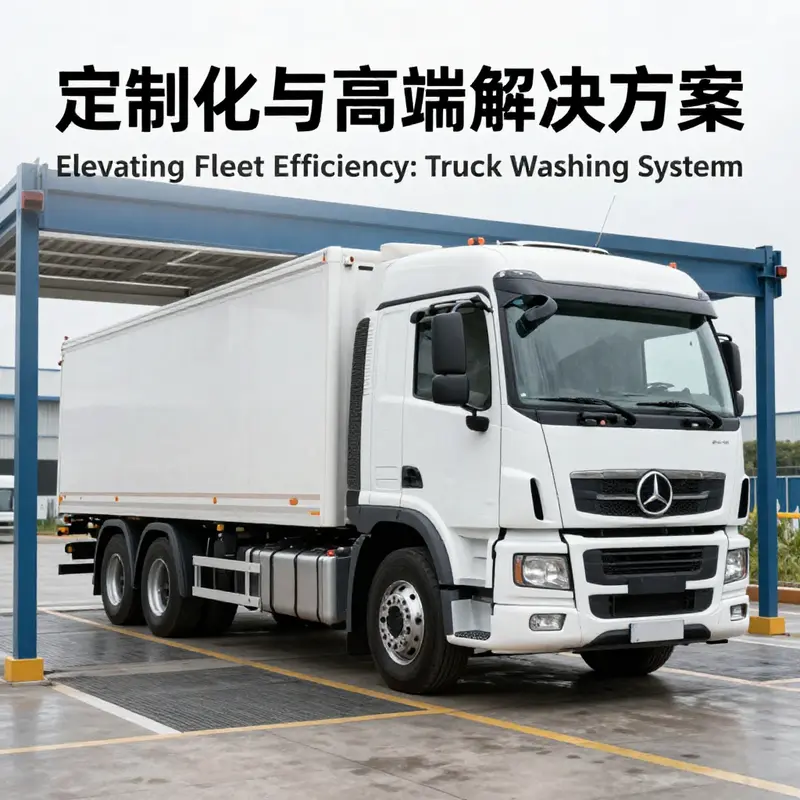
Customization has become the quiet fuel behind the most efficient, reliable, and brand-resonant truck wash operations. Across the industry, fleets demand more than a quick rinse; they want a system that protects their paint, preserves chrome, minimizes downtime, and reinforces a professional image at every touchpoint. The move toward high-end, customized solutions blends engineering insight with business strategy, transforming a hardware package into a complete, brand-aligned service platform. In this sense, a premium truck wash is not merely about the number of brushes or the speed of cycles. It is about engineering a cohesive ecosystem where the machine, the operator, and the fleet customer share a high-commitment standard of cleanliness, care, and communication. The result is a scalable asset that supports growth, reduces total cost of ownership, and strengthens the fleet’s trust in the wash provider’s long-term reliability.
From the outset, customization begins with the core technology and the materials that stand up to harsh, broad-spectrum contaminants. Modern commercial washing systems have pushed the envelope in material science and mechanical design. Brush wear remains a central determinant of cleaning efficiency and machine life, requiring regular monitoring and predictive maintenance to keep performance aligned with fleet expectations. A premium approach does not settle for a one-size-fits-all brush array. Instead, it anticipates the wear profile of different surfaces—steel, painted panels, chrome, and additives carried by milder winter road grime or summer dust—and it adjusts the brush grade, pressure, and sequence accordingly. At the same time, even the most advanced base models can grapple with insufficient cleaning at the lower chassis if the configuration does not account for mud, road grime, and the higher fins of undercarriage geometry. This is where customization shifts from a feature list into a design philosophy: every component works in concert to deliver a thorough, repeatable clean, even on stubborn mud that clings to underbody surfaces.
The standard tri-brush configuration—two side brushes and a top brush—serves as a baseline for many fully automatic systems. In practice, operators who demand premium results often extend beyond this standard to tailor the wash sequence to fleet reality. For long vehicles that approach the upper limits of common dimensions, or for regions with unique contamination patterns, adjustments to brush geometry, contact force, and cycle timing become essential. The best premium systems integrate sensors and control logic that monitor brush wear and the vehicle’s geometry in real time, enabling automatic compensation and ensuring consistent outcomes across a mixed fleet. The ability to adapt to a vehicle’s height, width, and length without manual reconfiguration translates into meaningful uptime gains and less operator intervention—a critical consideration for large fleets that require quick turnarounds.
A thorough premium solution also embraces the bottom-line concerns that fleets express when selecting a partner for ongoing maintenance. For many operators, the cost differential between a standard and a customized system is justified by reduced maintenance downtime and superior residual value of the wash facility. Even when the initial price premium is modest, the total cost of ownership may be significantly lower thanks to longer brush life, fewer service calls, and stronger adhesion to safety and regulatory standards. In tune with this economic calculus, several providers now offer customization options that align with the required service level. Soft-touch or non-contact cleaning variants are selected based on fleet paint protection needs and the fleet’s tolerance for potential micro-scratches or chipping. In essence, premium customization recognizes that fleet owners do not just want clean trucks; they want consistently pristine presentation that reflects their own brand promise.
Beyond the mechanical and physical dimensions, a high-end approach extends into control logic, monitoring, and service models. Modern premium systems are designed to be more than just a machine; they are part of an integrated, data-enabled service platform. Remote monitoring and fault-diagnostic capabilities—standard in many advanced installations—allow operators and fleet managers to see performance metrics, brush wear, water usage, chemical consumption, and cycle times in real time. The data feeds predictive maintenance schedules, minimizes unexpected outages, and helps planners optimize shifts and manpower. In turn, this reliability reinforces a reputation for operational excellence—a crucial differentiator when fleets compare wash facilities across regions.
The economics of customization are nuanced. Base, fully automatic systems for mid-size fleets typically fall within a broad price band that reflects industry norms for bus-type configurations, with typical ranges cited in recent market analyses. When operators seek premium customization—whether through enhanced wear-resistant brush compounds, advanced sensing, or multi-point control logic—the price escalates accordingly. Reports from industry watchers indicate a pricing ladder where the baseline system might sit in the low-to-mid tens of thousands of dollars, while customized, high-end configurations sit at a higher tier, reflecting the added engineering, materials, and service commitments. All told, the premium route is rarely about a single component; it is about a harmonized package that guarantees higher clean quality, more consistent results, and a more resilient asset in a machinery-intensive business.
To address the needs of high-demand fleets, many operators pursue a blended configuration that preserves the standard automated efficiency while adding bespoke elements that address unique contamination profiles or branding needs. For instance, fleets that maintain high paint gloss or operate in climates with heavy grit may benefit from a combination of stronger, corrosion-resistant brush materials and a brush wear monitoring regime that provides live feedback to maintenance teams. The operational discipline becomes part of the value proposition: customers know their trucks will exit the wash looking consistent, with a finish that survives highway environment wear for longer periods. The result is a service experience that communicates quality at every mile—a tangible reflection of a fleet’s own standards and a differentiator for the wash provider.
Such premium, customized systems are not purely mechanical. They are implemented with a partnered, shift-ready framework that recognizes the importance of an integrated facilities program. A modern premium wash operation does not rely on a single machine; it offers a complete ecosystem that embraces layout optimization, material handling, water recycling, chemical management, and biosecurity measures. In practice, this means a design approach that considers the entire wash bay environment: from the ingress and egress choreography that minimizes cross-traffic and queue length to the resin-infused filtration systems that keep water quality high while conserving resources. It also means ensuring the wash facility aligns with branding and service promises. The operator who invests in premium customization often also crafts a client-facing experience—clear signage, consistent touchpoints, and a reliable, transparent pricing model—that reinforces the premium positioning and drives repeat business.
Within this broader context of premium design, the operational sophistication of the facility management becomes a central pillar. Operators who treat facility management as a strategic function rather than a back-office task tend to deliver superior service continuity and a more compelling customer experience. The best practice is to couple premium hardware with a robust facilities program that emphasizes proactive maintenance, standardized procedures, and a culture of continuous improvement. This philosophy is echoed by industry practitioners who describe a well-run premium wash operation as a synergy of technology, process, and people, all aligned to serve fleets efficiently while preserving brand integrity. For teams seeking a holistic solution, an integrated approach to facility management—encompassing scheduling, maintenance, safety audits, and energy optimization—proves essential. This is where the premium proposition ceases to be merely about the machine and becomes about the entire environment that supports the fleet’s perception of quality.
The central question for any fleet contemplating premium customization is not simply what the machine can do, but how the machine and its ecosystem work together to sustain a brand promise over years of operation. In practice, this translates into a few guiding principles. First, design for durability with materials and wear patterns that reflect the fleet’s exposure. Second, calibrate control logic so that the system adapts automatically to different vehicle geometries without sacrificing cleaning performance. Third, integrate monitoring and diagnostics so that maintenance is proactive rather than reactive. Fourth, align the customer experience with branding by creating a coherent, predictable service journey—from the moment a vehicle enters the bay to the moment it departs with a gleaming finish. Fifth, support the business model with a compelling total cost of ownership that recognizes savings from reduced downtime, longer equipment life, and improved fleet satisfaction.
For operators exploring premium customization, the decision is never solely technical. It is a strategic choice to position the wash facility as a value-added extension of a fleet’s own brand. This is about more than cleaning trucks; it is about delivering a controlled, repeatable, and brand-consistent experience at scale. The premium path also involves engaging with customers through a carefully designed digital front door—an online presence that is not just a brochure but a dynamic, growth-oriented platform. The most successful operators view their wash facility as a growth engine. They weave together hardware sophistication, service excellence, and digital engagement to create a loop of brand reinforcement and fleet loyalty. In this sense, the premium customization journey is a long-term investment in reputation and capacity, not just a one-off upgrade.
To illustrate the practical impact of this philosophy, consider a facilities program that integrates robust maintenance planning with a customer-centric design. The program would emphasize regular brush condition checks, predictive wear analytics, and easily accessible service windows that minimize disruption to peak fleet hours. It would also prioritize local after-sales support, ensuring technicians can respond quickly to any issues and that spare parts are readily available. In addition, operators can draw on advanced training models for staff to handle premium equipment with the care required to maximize its longevity. A well-structured support framework—coupled with remote diagnostic capabilities—enables operators to monitor performance across multiple sites, compare results, and implement best practices across the network. This is where the premium solution transcends the physical and becomes a strategic asset for growth and brand equity.
From a purchasing perspective, buyers appreciate clarity on standards and compatibility. They seek equipment that adheres to international cleaning standards, uses corrosion- and wear-resistant materials, and supports remote monitoring and diagnostics. They want assurance of local, responsive after-sales service that can sustain performance through the fleet’s lifecycle. The premium path also calls for clear commitments about data security and system integrity—areas addressed by contemporary standards in information security and quality management. In short, premium customization is a holistic proposition: it combines advanced engineering with disciplined operations, a comprehensive services model, and a brand-forward customer experience that together create a durable competitive advantage.
For operators who pursue this path, the journey is iterative rather than fixed. The modern premium wash is designed to evolve. Brush materials may be upgraded as wear patterns become better understood. Control software can incorporate new optimization routines as fleets grow and diversify. The facilities program can scale to multi-site networks with standardized procedures and shared dashboards. And the branding, which began as a visual identity, matures into a coherent, data-supported narrative about reliability, efficiency, and fleet care. The result is not merely a more efficient wash; it is a smarter, more resilient operation whose value is amplified by every mile of road that the fleet travels.
Within this framework, the value of a premium, customized truck wash extends beyond the immediate cleaning task. It becomes a strategic partner in fleet operations, offering predictable outcomes, transparent service levels, and a growth-oriented platform that aligns with a fleet’s own ambitions. It is this alignment—between the machine, the facility, and the customer experience—that transforms a truck wash from a transactional service into a trusted operational hub. For operators aiming to lead in a competitive market, investing in premium customization is less about chasing the latest feature and more about delivering a sustainable, brand-enhancing, fleet-friendly experience that can scale with confidence across regions and years. As fleets expand, the premium wash becomes a vital asset that supports their growth while safeguarding their brand image at every point of contact.
For readers seeking practical pathways to connect premium hardware with the broader business ecosystem, consider the value of a well-integrated facilities program. Establish standards for equipment maintenance, calibrate performance metrics across sites, and build a customer journey that reinforces quality in every interaction. And for operators who are ready to explore the premium route, remember that customization is not a single purchase; it is a strategic design process that treats the wash bay as a living, evolving platform capable of driving growth, protecting brand equity, and delivering measurable returns for years to come. An investment in premium customization is an investment in the fleet’s trust, the operator’s reputation, and the future readiness of the entire wash operation. Facility management for truck wash businesses
External resource: https://www.iso.org/isoiec-27001-information-security.html
Riding the Clean Wave: Industry Trends and Strategic Purchasing for Modern Truck Washing
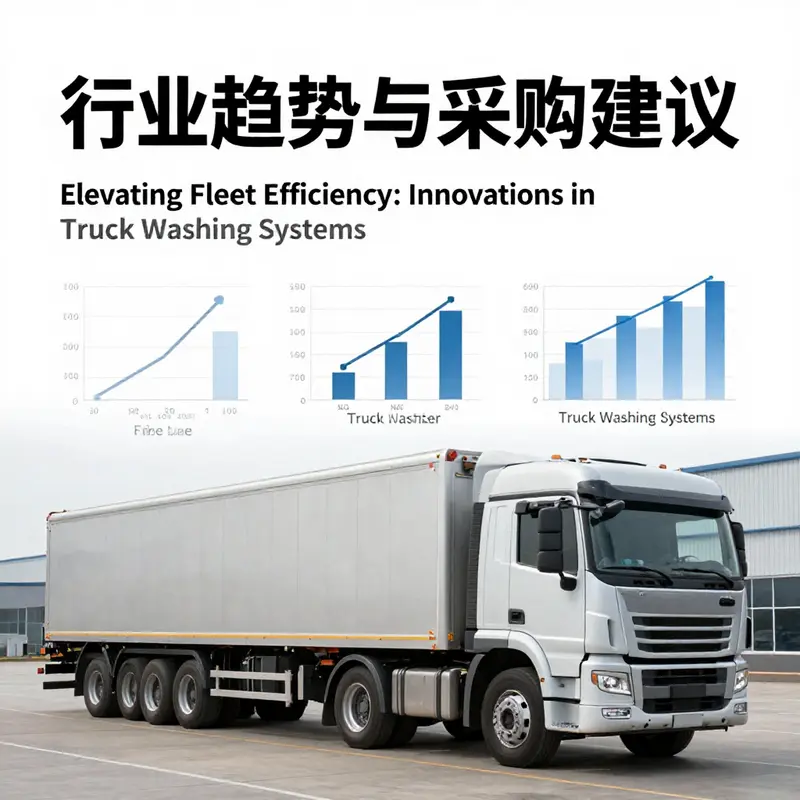
The truck wash sector has quietly become a critical hinge in the modern logistics machine. It sits at the crossroads of heavy engineering, fleet reliability, environmental accountability, and data-driven operations. As fleets expand their digital footprints, wash facilities evolve from simple rinse stations into intelligent nodes of an integrated supply chain. The latest industry analyses describe three converging currents that shape every investment decision, every maintenance plan, and every supplier conversation: the rise of data-powered maintenance and automated control, a rigorous move toward water- and chemical-efficiency in an era of tightening environmental standards, and a shifting supplier landscape that rewards standardized performance, remote diagnostics, and local service networks. In that context, a fleet’s return on investment in a wash system hinges not only on the machine’s cleaning power but on how well the equipment aligns with broader fleet operations, lifecycle costs, and risk management. The narrative around modern truck washing is no longer about how clean a vehicle can get in a single pass; it is about how consistently clean it can stay with minimal downtime and predictable costs over years of service.
Technology is the clockmaker here. Advances in materials science, sensor technology, and control software are remaking what counted as acceptable in the past. In particular, the wear of brush elements has emerged as a decisive lever of performance. Contemporary insights point to brush wear as a primary determinant of cleaning efficiency, because worn bristles reduce contact quality and scrub power, allowing mud and road grime to linger on difficult-to-reach undercarriage surfaces. Operators now routinely adopt preventive maintenance dashboards that monitor brush life, motor load, and water pressure, enabling proactive scheduling before performance dips become visible on the fleet. This shift toward predictive maintenance mirrors broader industrial trends where data turns a maintenance cost into a controlled, value-generating activity. The result is not merely cleaner trucks; it is more uptime, longer equipment life, and better asset preservation across a fleet that may span dozens or hundreds of vehicles.
On the sustainability front, water conservation and wastewater management have moved from compliance footnotes to central design criteria. Modern wash systems increasingly embrace closed-loop designs, on-site water treatment, and optimized rinse cycles that reduce fresh-water draw without sacrificing cleaning efficacy. The industry’s environmental dialogue now foregrounds chemical management as well—selecting detergents and cleaners not just for cleaning power but for compatibility with pump materials, piping, and waste-water treatment systems. In many markets, regulatory expectations continue to tighten, and fleets that plan ahead with modular, scalable wash facilities gain not only compliance comfort but cost resilience. The green thread runs deeper than compliance; it touches energy use, filtration effectiveness, and even the long-term paint and undercarriage protection afforded by more controlled wash processes. When a fleet reduces water waste and energy consumption, it also reduces operational noise, chemical exposure, and maintenance waste—all of which contribute to a healthier bottom line and a more defensible sustainability profile with customers and regulators alike.
The landscape of equipment configurations remains diverse, yet some patterns have taken clearer shape. Fully automatic truck wash systems, especially the ones designed to handle large commercial vehicles, typically present a three-brush arrangement—a pair of side brushes and a top brush—paired with a stationary vehicle or a fixed wash cradle. These systems target full coverage with minimal vehicle movement, a design choice that reduces abrasion on tires and suspension components while delivering repeatable cleanliness across multi-axle configurations. Market standards now commonly define compatibility windows: vehicles up to modest maximums in length, height, and width, with software-led adjustments to water pressure and brush speed to accommodate different tire treads and chassis clearances. Price bands for these complete automated packages have become a reference point for fleet managers evaluating capital expenditure, with a typical unit costing in the mid-tens of thousands of USD. The economics reflect not only the hardware but the embedded diagnostics, remote monitoring, and serviceability that modern buyers expect as a baseline capability. Yet even within this mature category, there remains room for customization when a fleet seeks to protect high-value finishes or to manage frequent exposure to heavy contaminants—grit, oil, tar, and chemical residues that demand either a soft-touch approach or a non-contact modality.
That is where the market’s tiered solutions matter. For fleets with above-average requirements for paint preservation, surface finish, and brief downtime, customized heavy-duty systems have emerged as a practical option. These offerings, often sold as turnkey packages, blend softer touch contact with heightened control over cleaning parameters and sweep paths. They may incorporate protective servos, fluid-dynamic sensors, and anti-splash features to minimize collateral wear on nearby equipment. Price-wise, these bespoke configurations sit at a premium relative to standard automated systems, reflecting the investment in specialized components and the extended engineering work required to tailor the solution to a specific fleet topology and operation tempo. The logic is straightforward: for high-value assets and time-sensitive operations, a higher upfront investment can translate into longer service life, fewer unplanned maintenance events, and tighter control of fleet availability. In markets where repair and repaint costs are non-trivial, the business case becomes even clearer: protected finishes maintain resale value and fleet aesthetics, which in turn support customer perception and contract competitiveness.
Beyond the technology itself, procurement practices are undergoing a quiet but meaningful transformation. China has become a pivotal hub for heavy-truck cleaning equipment, with a growing ecosystem of manufacturers and integrators that emphasize standardized interfaces, modular design, and after-sales capability. The procurement playbook now foregrounds several criteria that align with the realities of modern fleets: first, whether a wash system meets internationally recognized cleaning standards and offers robust corrosion and wear resistance under extended operational cycles; second, whether brush materials and other consumables are selected for long life in the face of abrasive road grime and chemical exposure; third, whether the system provides remote monitoring, fault diagnostics, and predictive maintenance features that enable technicians to preempt failures rather than only react to them; and fourth, the degree of local service support, spare parts availability, and response times that sustain uptime in multiple shifts. A fleet manager evaluating suppliers should treat these dimensions as non-negotiables for long-term reliability.
Within that procurement framework, the choice between standard automated solutions and customized heavy-duty configurations often boils down to total cost of ownership rather than upfront price. While the entry price of a standard automated unit may be lower, fleets must account for ongoing expenses: brush replacement, pump and motor wear, chemical inputs, power and water consumption, and the frequency and speed of maintenance visits. In many cases, a higher-capital solution pays for itself through reduced downtime, lower maintenance complexity, and longer service intervals. The calculation gains clarity when predictive maintenance data are integrated with the fleet’s scheduling systems, enabling coordinated cleaning cycles that align with vehicle availability. The integration of remote diagnostics is not a luxury but a practical requirement, turning a once-a-month service visit into a targeted, low-disruption intervention when a sensor flags an anomaly. The result is a wash ecosystem that behaves less like a standalone machine and more like a modular, trackable component of a fleet’s digital backbone.
For operators who also manage diverse trailer configurations and a mix of fleet roles—from regional distribution to long-haul transport—the ability to tailor a wash solution to a variety of chassis layouts becomes a competitive differentiator. The standard three-brush approach can be augmented with additional wash modules, extended top brushes for taller rigs, or undercarriage cleaning attachments to address mud and road grime that accumulate on the chassis and axles. Such expansions naturally influence the procurement path: more features translate to longer lead times, higher initial costs, and a larger support footprint. Yet they can deliver superior cleaning uniformity and better protection for sensitive surfaces, which is especially important where fleets operate in harsh environments or on routes with heavy residue exposure.
As a guiding principle, the industry’s procurement guidance emphasizes a balanced emphasis on standards compliance, material durability, and the capacity for remote oversight. A modern purchasing decision thus rests on three pillars: performance reliability, ecosystem compatibility, and serviceability. Performance reliability covers how consistently the wash system delivers the same outcome across shifts, weather conditions, and vehicle types. Ecosystem compatibility explores how well the wash unit integrates with existing fleet management software, data pipelines, and facility operations, including water treatment and chemical handling. Serviceability centers on how quickly trained technicians can diagnose and repair issues in the field, how readily spare parts can be sourced, and how responsive the supplier network remains during peak demand or supply chain disruption.
For practitioners seeking pragmatic steps, a digital, data-driven approach can translate into tangible savings. Digital procurement tools can generate dynamic rolling forecasts, factoring in planned maintenance windows, expected vehicle throughput, and seasonal fluctuations in wash demand. They can also optimize the sequence of purchases—prioritizing gear that yields the most uptime improvements first, and coordinating with local service partners to ensure rapid repair cycles. This kind of planning reduces the risk of overstocking or understocking consumables, and it helps maintain consistent cleaning performance even as the fleet grows or routes shift. In essence, the modern truck wash procurement agenda blends engineering prudence with operational discipline: select the right technology, configure it for the fleet’s unique mix of payloads and surfaces, and back it with a service ecosystem that keeps the wash bay humming.
The broader context also invites fleets to think about optimization beyond individual wash cycles. Cleaning quality, after all, is part of a larger chain that includes vehicle maintenance, paint protection, corrosion prevention, and even brand perception when a fleet appears in customer-facing operations. A wash system that delivers repeatable cleanliness with minimal downtime is a tangible contributor to uptime, fuel efficiency (through reduced road grime drag in some cases), and safety—clean undercarriages reduce the risk of inspections failing due to accumulated debris. It also supports compliance with environmental constraints as fleets increasingly prioritize water reuse and optimized chemical usage without jeopardizing cleanliness. The economic narrative here is not about choosing between green practices and performance; it is about harmonizing both within a single, well-managed investment that yields measurable operational benefits over time.
Within this evolving market, fleets are urged to connect the dots between the wash system’s design, its control architecture, and the operator’s day-to-day rhythms. A toolset that includes remote monitoring dashboards, maintenance scheduling integration, and clear service-level commitments creates transparency. It enables fleet managers to align wash capacity with peak demand, downtime windows, and repair cycles in a way that minimizes disruption to route plans. The resulting operating model tends toward a balanced portfolio of assets: robust mechanicals, intelligent software, and a responsive service network that can scale with a company’s growth. The strategic takeaway is straightforward. Invest in a wash system not as a stand-alone device but as a core component of a data-informed, sustainability-conscious, and reliability-focused fleet strategy. When this perspective is adopted across procurement and operations, fleets gain not only clean vehicles but a measurable edge in uptime, efficiency, and total cost of ownership.
For fleets that touch on specialized Cleaning requirements—such as those serving food-grade or highly regulated transport—the industry guidance extends to concrete practice. The literature and practitioner blogs emphasize that the right approach to sanitation and surface protection involves both robust cleaning performance and rigorous process controls. In this regard, a relevant resource outlines best practices for cleaning food-grade tankers, illustrating how cleaning systems can be tuned for gentler yet effective action on sensitive interiors while preserving coatings and finishes. This facet of the conversation reinforces a broader principle: the value of a wash system grows when it is capable of adapting to special-cleaning regimes without sacrificing core performance for routine duties. This adaptability is exactly what many forward-thinking fleets demand as they broaden service offerings and tighten margins.
Those who manage a diversified portfolio of trucks, tankers, and trailers can leverage procurement to build a more resilient wash operation. A disciplined approach involves not only selecting a machine with suitable capacity and durability but also prioritizing suppliers that provide a strong after-sales framework, including remote diagnostics, timely parts supply, and trained local technicians. This reduces the risk of extended downtime and helps sustain a predictable maintenance cadence. In turn, the fleet operator can maintain a cleaner vehicle profile—an outcome that translates into smoother inspections, fewer penalties, and better customer confidence when presenting a spotless, well-maintained fleet.
The procurement conversation, therefore, moves beyond price tags and into a broader assessment of lifecycle value. It asks how quickly a wash system can be deployed, how easily it can be upgraded as technology evolves, and how well the vendor’s service network matches the fleet’s geographic footprint and operating hours. In practice, a comprehensive evaluation will consider the system’s corrosion resistance, brush material durability, and compatibility with local water quality and chemical policies. It will weigh the benefits of remote fault diagnostics against the costs and complexity of integration with existing facility controls. It will assess the speed and reliability of spare-parts access, the level of training provided to local technicians, and the supplier’s track record for meeting performance guarantees under real-world conditions. Taken together, these factors form a decision matrix that helps fleet managers move from ad hoc replacements to disciplined, strategic investment.
As the market continues to evolve, the industry’s purchasing guidance encourages operators to harness digital tools for procurement planning, focus on high-value, durability-forward features, and partner with suppliers that offer flexible, scalable, and locally supported solutions. The implicit promise is that the right wash system, chosen with a clear eye on total cost of ownership and long-term reliability, can become a cornerstone of fleet efficiency. It enables tighter maintenance planning, reduces unplanned downtime, and helps fleets meet stringent environmental expectations without compromising cleaning performance. The result is a wash capability that not only keeps vehicles looking their best but also aligns with broader corporate goals around sustainability, safety, and operational excellence.
For further reading and broader industry context, readers may consult the 2026 industry trends resource, which provides a wider lens on the market dynamics shaping procurement decisions across sectors. In the same spirit of cross-pollination and continuous learning, fleet operators can explore specialized guidance on cleaning practices for niche applications, such as food-grade tanker sanitation, to ensure that their wash strategy remains versatile and compliant as requirements evolve.
Internal link note: for fleets seeking specialized cleaning guidance aligned with food-grade tanker sanitation, see the detailed best practices here: best practices for cleaning food-grade tankers.
External reference: broader industry context and future-facing insights can be found in the 2026 China industry trends report, which offers additional perspectives on market drivers, regulatory environments, and technology adoption trends that influence procurement and operations in heavy equipment sectors: https://www.haodong.com/report/2026-china-industry-trends
Final thoughts
In conclusion, leveraging advanced truck washing technologies is not merely a matter of cleanliness; it is integral to maintaining fleet performance, safety, and operational efficiency. Businesses in the logistics and freight sectors must consider the latest innovations in truck wash systems, tailored solutions for specialized needs, and industry trends to make informed purchasing decisions. A strategic investment in truck wash technology can yield significant long-term benefits, including extended vehicle lifespan and enhanced service quality. Embrace these advancements to improve your operational capabilities and ensure your fleet remains at its best.