
The visibility of big trucks in a car wash has become increasingly common, particularly in commercial setups designed to cater to large vehicles. Fleet managers, truck operators, and supervisors in construction and mining sectors are particularly aware of the importance of maintaining their vehicles’ cleanliness and appearance. This paper begins with operational cleaning techniques that detail how professional washes complete the challenging task of cleaning massive trucks. Following this introduction, we will discuss the economic and environmental impacts associated with regular truck washing. Next, we will explore the technological innovations revolutionizing the car wash industry by improving efficiency and effectiveness for big trucks. Finally, societal perceptions and current trends will provide a broader understanding of consumer expectations and preferences concerning truck washing.
Washing Giants: Precision Operational Techniques for Cleaning a Big Truck in the Car Wash
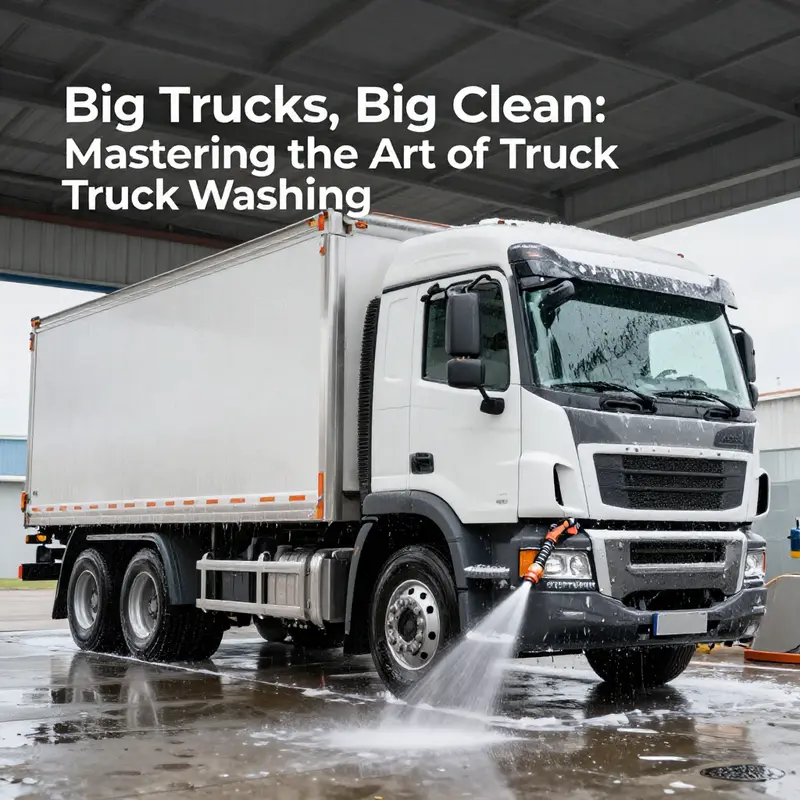
A big truck entering a car wash is more than a routine check of the vehicle’s appearance; it is a test of orchestration. The truck’s mass, its exposed undercarriage, and the diesel-soot that clings to chrome and plastics demand an approach that blends science with method. In commercial facilities designed to accommodate heavy-duty vehicles, every movement is purposeful. The bay becomes a stage, the operators its directors, and the day’s work unfolds like a well-executed procedure rather than a sequence of random sprays. This chapter explores the operational technique in a way that respects the vehicle’s size and its structural complexity, while also highlighting how the right sequence reduces wear on delicate components and extends the truck’s life on the road. The goal is not merely cleanliness but measured care that preserves paint, guard rails, seals, and the many crevices that accumulate grime from long hauls, rain, and the industrial environments many fleet yards traverse.
Preparation begins long before the nozzle meets the first smear of dirt. A successful cleaning operation hinges on site readiness. Large, open bays with robust drainage systems are essential because wastewater from a heavy vehicle carries coal dust, road grime, and sometimes stubborn grease that demands reliable collection and treatment. The chosen facility must offer equipment capable of handling the unique footprint of a big truck: industrial-grade pressure washers that can reach the entire surface from cab to trailer, long-reach nozzles that can kiss the top of the cab and the bottom of the trailer without forcing the operator into awkward positions, and specialized brushes designed to tackle wheel rims, fenders, and the undercarriage. Safety is the backbone of the process. Wheel chocks keep the truck steady, the engine is shut down to avoid rolling or fan belt movement, and all personnel maintain clear paths around moving nozzles and retractable arms. In a well-run operation, preparation also includes a quick mental map of the truck’s vulnerable areas: chrome accents and mirrors that scratch easily, rubber seals around doors that trap moisture and grime, and the undercarriage where road salt and mud may corrode metal if left untreated.
The cleaning sequence follows a logic that respects both physics and material integrity. It begins with a pre-rinse, a high-pressure wash that travels from top to bottom to loosen the heaviest deposits without grinding them into the paint. The operator adjusts the pressure to the vehicle’s tolerances, knowing that too much force can mar glass, crack brittle plastics, or loosen decals that brighten the cab’s appearance. From there, a specialized cleaning solution is introduced. The cleaners used are formulated for heavy-duty trucks, balancing strength with a gentleness toward metals and rubbers. The foam cannon, or a low-pressure sprayer, coats the body with an even layer that clings to vertical surfaces long enough to break down diesel exhaust deposits, coal dust, and caked mud. In stubborn zones—where coal residue or tar-like grime has clung for miles—the application can be intensified with a targeted degreaser designed for diesel engines and frames. The emphasis remains on formulations that respect metals and seals while delivering an effective clean. It is here, in this phase, that the operator must avoid harsh compounds that could corrode metal or degrade rubber seals, a misstep that might be invisible on day one but costly over time.
Targeted scrubbing follows, a tactile work conducted with soft-bristled brushes and microfiber pads. The cab, the side panels, mirrors, and grilles demand careful touch to prevent micro-scratches that become visible after drying. The wheel wells and fenders are not left to chance; they accumulate the most stubborn caked mud and mineral deposits. A dedicated wheel cleaner paired with a stiff brush allows the cleaner to penetrate tread grooves and rim crevices, removing the grime that can complicate future inspections and maintenance. The cab’s contours require a patient hand, with attention to door seams where dirt settles into micro-grooves. In some respects, the scrubbing phase is the most intimate part of the process, because it reveals the truck’s condition, showing where paint has oxidized or where seals have begun to wear. The operator’s experience in recognizing these telltale signs guides decisions about whether more protective treatment should follow.
Attention then shifts to the undercarriage and suspension—the parts most exposed to salt, water, and road spray. A high-pressure jet system or an automated undercarriage wash station is employed to cleanse the frame, suspension arms, brake lines, and axle housings. This is not a cosmetic step; it’s a preventive measure against rust and deterioration. The undercarriage can harbor mud and grime that, if left, trap moisture and accelerate corrosion. Rotating brushes or automated spray arms improve coverage, ensuring no hidden pocket remains untouched. The importance of this step cannot be overstated. A clean underside improves efficiency in later maintenance checks and reduces the risk of brake line exposure to corrosive residues. For fleets that navigate harsh winter climates or dusty routes, this phase is a critical line of defense against costly wear and tear.
Engine bay cleaning introduces a nuanced caution: it should only be attempted if the engine has cooled completely. When offered, this service is performed with careful technique. Compressed air helps to dislodge dust while damp microfiber cloths wipe interior surfaces. Water is never sprayed directly onto electrical connections or sensors, a guideline that echoes the broader principle of protecting sensitive components from moisture intrusion. The engine bay step, if included, is the least forgiving to mistakes, but when executed correctly it can significantly brighten the appearance of an otherwise grimy engine compartment and ease subsequent inspection tasks.
The process then moves toward which many drivers value most—final appearance and protection. A complete final rinse ensures soap residues, mineral deposits, and any remaining loose particles are removed. Drying is equally important, especially around door seals, trim, and the nooks that tend to collect moisture. High-volume air dryers are effective, but the operator may also use absorbent towels or chamois for areas where water tends to linger. The goal is a dry, spotless surface that minimizes water spots and corrosion risk. It is at this moment that the truck begins to reveal its potential for long-term aesthetic and functional preservation. If the budget and condition permit, post-cleaning maintenance steps begin. A protective wax or ceramic coating can be applied to the painted surfaces to resist future soiling and UV damage, while hinges and seals receive a light lubrication to preserve flexibility and prevent squeaks. A quick visual check afterward ensures there are no wet electrical connections, loose panels, or compromised seals that would indicate a performative cut corner rather than a thorough finish.
Every phase of the operation carries safety and efficiency considerations. Operators must follow manufacturer guidelines for all cleaning products and equipment to avoid invalidating warranties or causing unanticipated reactions. The risk of damage increases with excessive pressure near glass, rubber seals, or electrical components. A measured approach, with pressure calibrated to surface tolerance, reduces the risk of chipping glass or distorting mirrors. Efficiency arises from planning and timing. Scheduling regular washes keeps the workload manageable, reducing the need for aggressive scrubbing that can compromise finishes. A well-ordered rhythm—prep, rinse, wash, undercarriage, engine, rinse, dry—minimizes machine fatigue and operator strain, enabling crews to complete more vehicles without sacrificing quality or safety.
The value of training and standards cannot be overstated. Industry best practices underscore a balance between cleaning force and care for sensitive materials, and many fleets anchor their operations in documented procedures that align with broader industry standards. In practice, this translates to clear job aids that guide the crew through the sequence and a feedback loop that captures any equipment wear or surface issues noticed during washes. A disciplined approach yields tangible benefits: cleaner trucks, fewer missed spots, longer paint life, and better return on investment for fleet operators who rely on the vehicle’s visual presentation as part of their brand identity. It also supports environmental stewardship. Effective water management, filtration, and proper disposal techniques reduce the facility’s ecological footprint while keeping the process compliant with local regulations. The chain from site selection to post-cleaning maintenance thus becomes not only a sequence of mechanical tasks but a holistic framework that harmonizes performance, safety, and responsibility.
For practitioners seeking practical, field-tested guidance, a concise reference point exists within the industry’s shared knowledge base. The suggested approach emphasizes the careful application of grease- and tar-removal strategies that respect sensitive surfaces while delivering durable results. For those who want to explore this further, a concise guide on proven strategies for cleaning grease and tar off your trucks fast offers detailed insights into tackling stubborn residues without compromising paint or metal integrity. This resource serves as a reminder that technique matters as much as chemistry in heavy-vehicle cleaning, and it reinforces the idea that every truck deserves a thoughtful, well-executed cleaning routine. As with every strong operational practice, the best results come from experienced crews who couple knowledge with consistent execution, people who can read a wagon’s particular grime pattern and adapt the plan accordingly rather than sticking to a rigid script.
In summary, cleaning a big truck in a car wash is a coordinated, multi-stage operation that respects the vehicle’s size, materials, and the realities of the road. It begins with sound preparation, extends through a deliberate sequence of rinses and scrubs, and ends in a finish that protects and preserves. The undercarriage receives emphasis not simply as a cosmetic step but as a preventive measure against corrosion. Engine-bay cleaning, when offered, is handled with meticulous care to avoid water intrusion. Final drying and post-cleaning maintenance complete the cycle, turning an ordinary wash into a strategic service that extends the truck’s life and keeps fleets looking professional and well cared for on every mile of their journeys. The practice is as much about discipline and safety as it is about cleanliness, and it stands as a quiet testament to the way modern fleets balance efficiency, durability, and appearance in a demanding operating environment. For those who operate in environments where diesel exhaust and road grime are constants, the lesson remains clear: when you clean with intention, the truck shines, and so does the fleet that relies on it.
External resources can further illuminate the standards that govern this craft. For authoritative industry guidelines, see the National Car Wash Association. https://www.ncwa.org
If you would like to explore related operational considerations, consider a reference that discusses practical approaches to cleaning grease and tar off trucks quickly and effectively, which aligns with the attention to stubborn residues described above. Proven strategies for cleaning grease and tar off your trucks fast.
Washing Giants: The Economic Currents and Environmental Footprint of Large Trucks in Industrial Car Washes
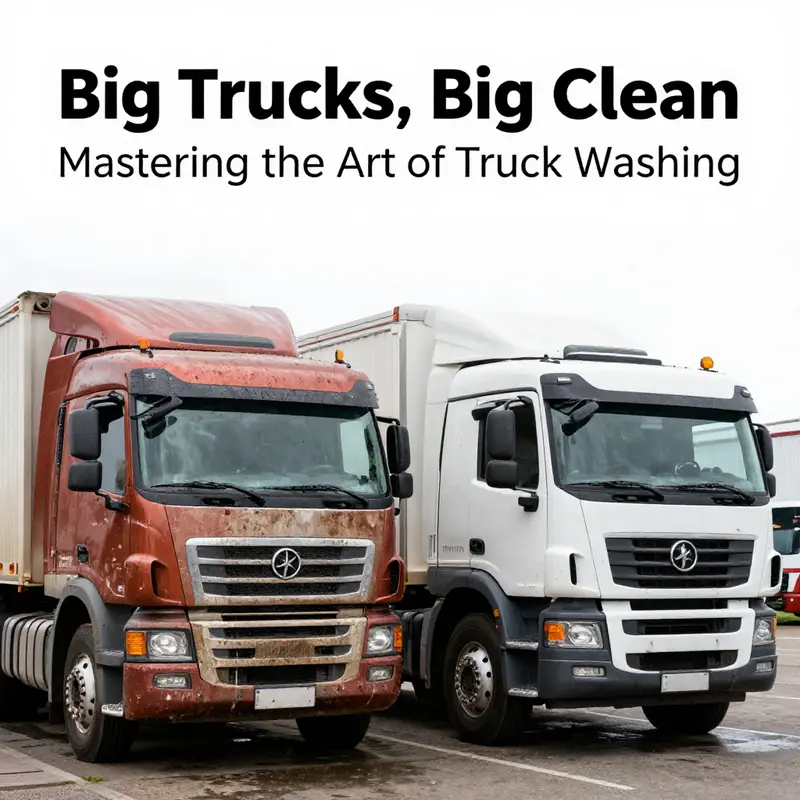
A big truck rolling into a car wash is more than a spectacle of scale; it is a study in resource intensity, logistics, and responsibility. The cab and the long trailer present a surface area that dwarfs passenger cars, demanding extended wash cycles, more aggressive cleaning agents, and systems capable of delivering high volumes of water at pressures designed to dislodge road film, caked mud, and accumulated grime from thousands of miles of highway. In a commercial context, that combination of size and need creates a distinctive economic equation. It also amplifies environmental considerations that some fleets would rather not confront, yet cannot ignore if they want to manage costs responsibly and comply with evolving stormwater and wastewater regulations. The chapter that follows treats the big-truck wash as a converging point where operational economics meet environmental stewardship, where the choices made in the wash bay ripple outward to affect fleet margins, community water quality, and even the public’s confidence in the logistics that quietly run the modern economy.\n\nEconomically, the most obvious driver is throughput. Large trucks demand longer dwell times in wash tunnels or bays, more powerful rinsing sequences, and a broader palette of cleaning agents designed to cut through road film, grease, and tar that cling to the chassis, wheels, and undercarriage. Even with automation, the scale of these vehicles means higher water use, higher chemical dosages, and increased energy draw for pumps and blowers during the drying phase. This translates into higher operating costs per vehicle, a margin squeeze that pushes facility operators to optimize every stage of the process. In practice, that optimization takes two primary forms: smarter resource management and smarter pricing.\n\nSmart resource management begins with water. In many commercial facilities, the question is not whether water will be used, but how much fresh water must be drawn from municipal supplies and how efficiently it can be recycled. Closed-loop or recirculating systems gain particular importance when the truck wash business targets fleets that depend on predictable service costs. Recirculation lowers fresh-water intake and reduces the volume of wastewater that must be treated downstream. Yet closed-loop systems require robust filtration, regular maintenance, and precise chemical balancing to prevent scale, odors, and bacterial growth from undermining performance. Effective recirculation also hinges on the integration of filtration stages that remove particulates and oils before the water re-enters the cleaning cycle. In practice, these technologies are paired with sensors and automation that adjust rinse cycles and chemical concentrations in real time, ensuring a clean finish without wasteful overuse.\n\nFrom a pricing perspective, the economics of washing large trucks push operators toward tiered models that reflect the fleet’s needs. A single heavy-duty wash may be accompanied by add-ons such as undercarriage cleaning, exhaust outlet brushing, or rust protection buffs for trailer components. Each add-on adds to the bill, but also signals a more customized service that fleets are often willing to pay for to maintain asset integrity and resale value. The high costs associated with large-vehicle cleaning push fleets to seek predictable, contract-based arrangements with a wash facility. In turn, wash facilities respond with contract terms that reward consistency and reliability—improved scheduling, guaranteed turn times, and streamlined invoicing that reduces administrative drag for busy logistics teams. The result is a delicate balance: operators must cover elevated operating costs while remaining attractive to fleets that seek predictable maintenance budgeting.\n\nThis economic tension also motivates technology investments within facilities. While the phrase “modern tunnel wash” conjures images of high-tech automation, the financial calculus for large-vehicle cleaning centers centers on return on investment over time. Investments in advanced cleaning systems, efficient nozzles, and durable conveyors pay off only when they translate to steady throughput and longer equipment lifespans. A key component of that math is water reuse—not simply to lower a cost line but to avoid costly penalties for wastewater that surpasses regulatory thresholds. Facilities that implement robust water recycling and wastewater treatment tend to enjoy lower operating costs per wash over the long run, even if the upfront capex is substantial. Moreover, environmental compliance becomes an asset. When a fleet operator sees a facility that demonstrates responsible water management and clean compliance records, the perceived value of that partner grows, not only in terms of price but in reliability and trust.\n\nEnvironmentally, the footprint of washing a big truck is disproportionate to the size of the vehicle, precisely because the sheer surface area and exposed components demand extensive cleaning action. The cleaning agents that tackle heavy soils, when combined with oils, greases, and road debris shed by large vehicles, can produce wastewater streams rich with detergents, hydrocarbons, metals, and particulates. The potential for contaminated runoff poses risks beyond the wash bay, extending to storm drains and nearby waterways. This is not a hypothetical concern. Research summarized in open datasets and environmental studies underscores the need for careful management of vehicle wash wastewater. In some assessments, vehicle wash effluents show the potential for toxic impacts on plant and animal systems if discharged untreated or inadequately treated. The practical implication for a big-truck wash is clear: without robust containment, treatment, and recycling, the environmental footprint grows, even as the business strives to meet customer expectations for spotless rigs.\n\nThe regulatory landscape reinforces that imperative. Municipal and regional permits increasingly require wash facilities to demonstrate that runoff is captured, treated, and discharged responsibly. Stormwater management plans, sediment control strategies, and best-practice chemical handling procedures are no longer administrative afterthoughts; they are central to a facility’s operating license. For large-truck washes, the compliance hurdle can be steep, because the volume of water and the chemical variety associated with heavy-duty cleaning expands the potential for pollutant loading. The interplay between compliance costs and the economic equation is real: stricter standards may raise the minimum viable size of a facility, push some operators toward consolidation, or compel smaller operators to partner with third-party treatment services. Either path tends to push the sector toward investing in infrastructure that harmonizes performance with environmental safeguards.\n\nBest practices in this space converge around three pillars: cleaner chemistry, smarter water, and rigorous containment. On the chemistry front, the move toward biodegradable and less persistent cleaners reduces environmental risk without sacrificing cleaning power. The choice of cleaners matters, but the broader corporate posture toward sustainability matters even more. A facility that commits to green chemistry signals to fleets that it understands the broader ecosystem in which trucking operates. Equally important is water management. Effective water reuse is not merely an efficiency feature; it is a compliance and risk-management tool. Water treatment stages—coagulation, filtration, and disinfection—collectively ensure that the water re-entering cleaning cycles is both safe and effective. They also limit the volume of wastewater that must be treated downstream, lowering treatment costs and reducing the facility’s environmental footprint. For the big-truck sector, where the scale of water use is not trivial, the gains from such technologies compound as fleets expand their operations or renegotiate contracts with suppliers who prize sustainability.\n\nContainment and runoff management complete the triad. Thoughtful containment starts at the wash bay floor, where drainage is engineered to minimize cross-contamination and to direct potential pollutants toward treatment facilities. Regular maintenance of drainage channels, screens, and pumps is essential to prevent small problems from becoming persistent leakages or blockages. The downstream story matters as well. Where runoff is collected for on-site treatment or for recycling, the facility reduces the risk of polluted streams and the broader ecological costs that come with unmitigated discharges. In contrast, insufficient containment elevates not only the environmental risk but the reputational risk for the facility and, by extension, for fleets that rely on it. The visible cleanliness of a truck is a point of pride for drivers and dispatchers alike, yet that cleanliness must be achieved without compromising water quality or community health.\n\nOperational and cultural shifts further influence the economic and environmental performance of big-truck washes. Facility management for truck wash businesses, for instance, anchors a broader conversation about people, processes, and capital investments. The link between a well-run facility and fleet reliability is not purely cosmetic. It extends to predictable wash times, reduced vehicle downtime, and reduced maintenance costs that fleets pass along in service-level agreements. A thoughtful facility strategy acknowledges that a clean truck is only as valuable as the condition of its paint and undercarriage after the wash. That realization fuels training programs for staff, investment in robust safety and maintenance protocols, and the careful design of service menus that meet the precise needs of different fleets. When a facility aligns its operations with fleet goals—minimizing downtime, protecting vehicle value, and delivering consistent results—it creates a virtuous cycle. Fleets reward such performance with repeat business, longer-term contracts, and referrals within a tight-knit industry network where reliability matters as much as price.\n\nThe economic and environmental narratives are not divergent threads but two sides of the same coin. A well-managed wash operation uses water wisely, reduces chemical waste, and implements technology that both enhances performance and protects water quality. This is not merely a matter of corporate responsibility; it is a practical, economic strategy that helps fleets contain total cost of ownership while reducing their environmental footprint. It also positions the wash facility as a credible partner in the broader logistics ecosystem. In a sector where margins can be thin and competition intense, the capacity to demonstrate responsible resource use and compliance can become a differentiator that translates into enduring partnerships with fleets and logistics providers.\n\nTo ground this discussion in the broader ecosystem, consider the practical reading and guidance available for facility managers and owners seeking to optimize operations without compromising environmental standards. For those who want to explore how professional management frameworks can support large-vehicle washing, a resource on facility management for truck wash businesses offers a structured approach to aligning people, processes, and equipment with sustainability goals. This perspective emphasizes not only the technical aspects of cleaning but the organizational discipline required to sustain high performance over time. Such a framework helps bridge the gap between daily wash routines and strategic environmental stewardship, ensuring that the big-truck wash remains both economically viable and community-conscious.\n\nFor readers who want a deeper, data-driven look at the environmental dimension, the broader literature and datasets on vehicle wash wastewater provide a scientific backbone to these practical considerations. These materials illustrate how operational choices—such as water recycling, chemical selection, and containment—shape the quality of runoff and its potential impacts on surface water. They remind us that the wash bay is a point of intersection between fleet readiness and municipal water health, a reminder that the consequences of cleaning big vehicles extend beyond the gate and into the watershed.\n\nAs the industry continues to evolve, the central tension remains: how to deliver dependable, high-quality cleaning for giants of the road while constraining costs and safeguarding the environment. The answer lies in a balanced blend of smarter technology, disciplined operations, and a willingness to invest in processes that may have higher upfront costs but yield clear long-term dividends in reliability, compliance, and community trust. The big truck in the car wash is, in many ways, a proxy for the broader challenges faced by heavy-duty transportation: it demands scale, it requires careful stewardship of shared resources, and it offers an opportunity to demonstrate how large-scale industrial activity can be conducted with increasing responsibility. This is not a footnote in logistics; it is a live, evolving field where economics and ecology learn to work in tandem, ensuring that the cleanest trucks in the fleet do more than shine—they signify a responsibly managed system that supports the movement of goods while protecting the waters that sustain life.\n\nInternal resource for practitioners exploring this balance can be found in practical discussions on facility management for truck wash businesses, which frames how leadership, staff training, and operational discipline translate into sustainable performance. facility management for truck wash businesses. For researchers and policymakers seeking data-driven context, the broader literature on vehicle wash wastewater offers a robust look at the environmental dimensions and how they inform regulatory and industry practice. External readers may consult sources such as the vehicle wash wastewater impact dataset, which provides empirical insights into how cleaning operations interact with surface water quality: https://www.kaggle.com/datasets/ajaypandey1234/vehicle-wash-wastewater-impact.
Washing Giants: Technology Redefining the Big-Truck Car Wash Experience
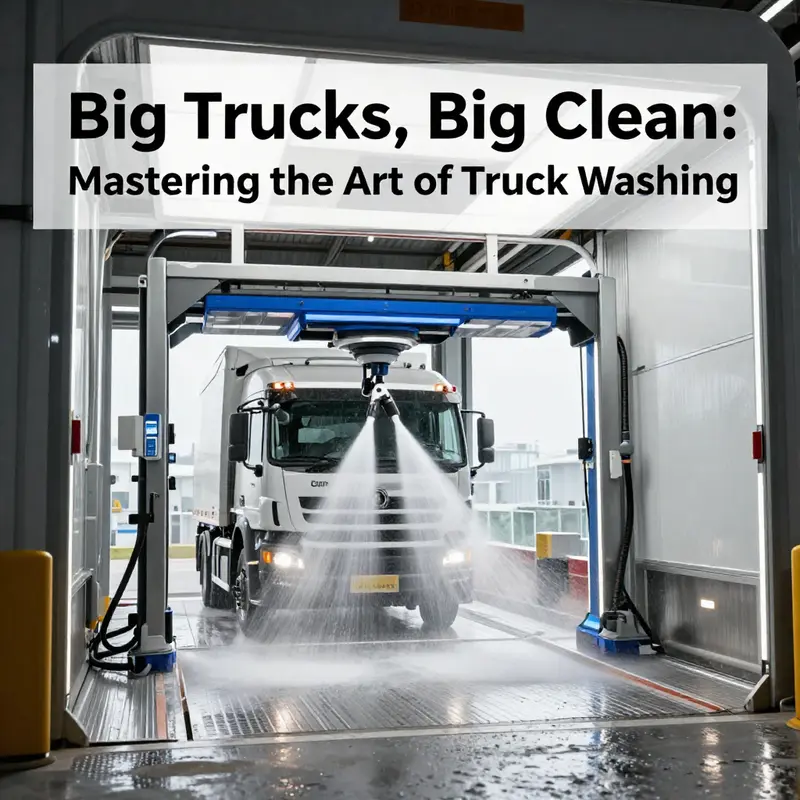
A big truck entering a modern car wash is more than a routine cleansing; it is a demonstration of how scale drives innovation. The sheer length of a semi-trailer, the weight and texture of its drivetrain, the chrome and paint that long-haul miles test over time—these factors demand a cleaning choreography that ordinary bays simply cannot provide. In a world where efficiency and sustainability increasingly define operations, the big-truck wash stands at the intersection of power and precision. The bay lights come on, and the first note is not the spray but the sensing: sensors map the vehicle’s silhouette, record its angles, and assess how grime has settled across doors, panels, and the undercarriage. The modern system does not splash blindly; it reads the truck before the rinse begins, then choreographs a sequence that optimizes water use, chemical delivery, and drying. The result is a process that respects the material worth of the vehicle while meeting the demands of a fleet schedule that runs around the clock.
For drivers and fleet managers, the difference between yesterday’s heavy wash and today’s automated, intelligent wash is measured in consistency and uptime. A big truck accumulates dirt in layers—from dust on rural routes to mud and grease from construction zones to the stubborn road grime picked up on open highways. Cleaning such surfaces requires more than brute force; it requires adaptable technology that can respond in real time. AI-driven wash systems, for example, detect a truck’s dimensions and dirt profile and then set the cleaning parameters accordingly. They monitor ambient conditions that influence drying performance, such as temperature and humidity, and adjust the cycle on the fly. The aim is not merely to clean but to protect: to avoid unnecessary abrasion on tires and mirrors, to keep sensors calibrated, and to prevent chemical damage to delicate finishes. The result is a wash that is both thorough and gentle where it must be, aggressive where the grime is deepest, and consistently repeatable across dozens of vehicles in a single shift.
Beyond the intelligence at the control panel, the hardware itself has grown more capable and more resilient. Automated brushless cleaning systems form the backbone of this evolution. Instead of relying on hard bristles that can scratch or wear down the vehicle’s surface, these systems use adjustable nozzles and carefully tuned jets that sweep across the broad expanse of a truck’s body. They are designed to reach the undercarriage, the frame, and the areas that accumulate tar and road film without requiring men to slip under the vehicle in dangerous conditions. The undercarriage, in particular, benefits from a tailored approach: longer dwell times for heavy grime, followed by a high-pressure rinse that dislodges sediment before it can settle or dry into stubborn film. The risk of contact-induced damage is minimized because the brushless approach eliminates abrasive touch in sensitive zones, preserving paint and emblem integrity even after thousands of miles of use.
Another cornerstone of the big-truck wash is the way it integrates with fleet operations. Modern car wash facilities are not isolated; they talk to fleet management software that keeps intrinsic records of each vehicle’s washing history, correlating wash frequency with maintenance schedules and regulatory requirements. This integration provides a panoramic view of fleet cleanliness, an indicator that managers use to forecast readiness for inspections, clean-cargo compliance, and hygiene standards in the transport chain. When a truck returns to service after a long haul, the data generated by the wash cycle—pressure profiles, chemical consumption, drying cycles, and cycle duration—feeds analytics that help operators optimize future washes. It becomes a feedback loop: better data lead to smarter washing, which in turn reduces downtime and lowers operating costs. In this sense, a car wash bay becomes a node in a broader logistics network, one that helps a fleet maintain a pristine exterior and a reliable performance envelope.
The question of water and energy use is central to the sustainability story of the big-truck wash. High-volume, high-pressure systems are effective at removing the most persistent grime, but they can also waste water if not managed carefully. The latest installations prioritize water efficiency through recirculation loops, real-time dosing of detergents, and sensors that adjust flow rates to the actual cleaning need. When the system detects a lighter touch required for certain surfaces, it reduces flow without compromising cleanliness. The result is a material reduction in both water wastage and chemical runoff, addressing environmental concerns while also lowering utility costs. Energy efficiency follows a parallel path: closed-loop water systems paired with intelligent drying reduce energy use by extending the effectiveness of each pass and limiting unnecessary cycling. The sustainability narrative is not an abstraction; it translates into tangible benefits for a fleet operator who wants to balance performance with responsible stewardship of resources.
As automation deepens, the human element evolves rather than recedes. Operators work alongside machines, supervising a synchronized ballet of sensors, pumps, nozzles, and spray patterns. Training aligns with the new realities of data-driven maintenance, where technicians read sensor dashboards the way pilots read cockpit instruments. The training ecosystem often includes virtual simulations that mirror real-world scenarios, offering practice runs for drivers and staff before they step into live bays. Even some consumer-facing education platforms, such as virtual wash simulators, illuminate the concepts of scrubbing, rinsing, and drying in a controlled, risk-free environment. While those tools are aimed at broader audiences, the underlying mechanics—how dirt is dislodged, how surfaces are protected, and how water efficiency is maximized—inform the way the professional wash engineers configure their systems.
A key element of this evolution is the shift toward touchless and low-contact paradigms when appropriate. Touchless truck washes, which rely on robust water pressure, aim to remove dirt and grime without physical contact. The benefits are clear: reduced risk of paint micro-scratches, minimized wear on tires and sensors, and a streamlined workflow that keeps revenue moving through the bay. For certain heavy-duty applications, where the exterior is already in good condition or where environmental constraints dictate a gentler touch, touchless modes can deliver consistent outcomes with lower maintenance overhead. Yet even touchless systems must be intelligent—able to adjust spray patterns and cycling to account for truck geometry, differential weathering on different panels, and the stubborn mud that clings to wheel bottoms. In practice, the most successful big-truck washes blend touchless options with targeted contact cleaning in zones that demand it, delivering a balanced, efficient, and safe cleaning experience.
The broader ecosystem supporting big-truck washing also reflects a future-oriented mindset. Fleet managers increasingly rely on integrated platforms that connect wash data with maintenance records, fuel usage, and parts inventories. A central dashboard can reveal patterns: a fleet that washes every two weeks may be maintaining a different standard than one that washes after every long-haul cycle. The analytics can flag when a vehicle’s appearance is slipping, prompting proactive scheduling to protect asset values and compliance standings. This level of visibility helps navigate regulatory frameworks that govern vehicle cleanliness and hygiene in certain transport segments, and it aligns with broader governance goals around fleet reliability and safety. In practical terms, the IT backbone of a truck wash is as important as the nozzle layout and the pump capacity: it ties the physical process to a decision-making framework that reduces downtime and optimizes resource allocation.
In this landscape of rapid change, the role of people remains essential, even as automation grows more sophisticated. Operators become interpreters of data and stewards of technique. They understand how to calibrate a system for a specific truck type and cargo, how to troubleshoot a dip in efficiency, or how to reconfigure a nozzle array when a new grime profile emerges from a fresh route network. The most successful facilities invest in people who can blend technical know-how with organizational discipline—people who can manage a facility’s day-to-day rhythm while also contributing to long-range planning and continued improvement. The human factor does not disappear; it evolves into a partnership with the machines, a collaboration aimed at delivering consistent, high-quality cleans across the fleet.
The future of the big-truck wash is not a single invention but an ecosystem of innovations that work together to improve outcomes at every touchpoint. AI-driven wash logic, brushless cleaning, and advanced undercarriage systems provide the physical foundation. Fleet-management integration and data analytics provide the strategic backbone. Water recapture, efficient chemical dosing, and intelligent energy use deliver sustainability and cost control. And the ongoing emphasis on training ensures that people can steward this technology responsibly, turning a car wash bay into a living laboratory of optimization. Even as new sensors and actuators appear, the aim remains constant: to deliver a safer, faster, and more reliable wash that protects every asset in motion and keeps fleets legally compliant, well-maintained, and ready for the next leg of the journey.
To anchor these ideas in the everyday realities of a busy facility, consider how a typical weekday unfolds. A line of long-haul trucks pulls into bays designed with modular, sensor-driven architectures. The first seconds are devoted to dimensioning and dirt assessment, a step that informs the wash’s subsequent actions. A smart dosing system releases the exact amount of detergent needed for the surface and grime level, minimizing chemical use while maximizing cleaning efficacy. As the cycle progresses, brushes glide along the body with carefully controlled contact, or jets hover over a door seam and wheel well, delivering a targeted rinse. Drying is not a single finish but a sequence—warm air, then cool air—fiercely efficient in removing moisture while avoiding lint and residue. The entire operation remains under constant watch: dashboards monitor flow rates, pressures, reactor temperatures, and energy consumption. If a sensor detects a deviation, the system adapts without slowing the truck’s progress. The result is a consistent, repeatable wash that keeps the fleet looking professional and ready for the next assignment.
The narrative above is not speculative theater; it reflects a trajectory supported by industry trends that emphasize automation, precision cleaning, and sustainability. An overarching takeaway is straightforward: big-truck washing is becoming less about brute force and more about intelligent force—systems that see, decide, and act in real time. This shift does more than improve aesthetics. It supports asset protection, reduces downtime, and aligns with environmental and regulatory expectations that govern modern freight operations. It also creates a more predictable work environment for technicians, who can plan around monitoring dashboards instead of responding to ad hoc issues. In other words, technology is not just cleaning trucks; it is organizing the entire process around reliability and accountability.
For facilities seeking to navigate this evolving terrain, collaboration between operations, maintenance, and IT becomes crucial. It is not enough to install a high-pressure pump and a shiny array of nozzles; the facility must be wired into a management framework that respects data integrity, workflow efficiency, and the realities of a 24/7 transportation network. Practical steps include auditing water usage and chemical consumption, calibrating sensors to reflect local climate and traffic patterns, and investing in staff development that keeps pace with a changing toolkit. When these components come together, a big-truck wash becomes a strategic asset rather than a mere service point—a place where technology and human expertise converge to preserve asset value and drive operational excellence. The road ahead will likely bring even more sophisticated sensing, more granular data on each wash cycle, and greater alignment with broader sustainability initiatives that govern the future of freight and logistics.
For further reading and deeper context on the broader industry implementation of these technologies, see the resource on facility management for truck wash businesses. This link provides additional perspectives on how facilities manage equipment, staffing, and process optimization in a field where every mile of clean road-facing gloss translates into operational reliability. facility management for truck wash businesses
External reference for industry trends: for a comprehensive overview of how technology is reshaping the car wash sector, including big-truck applications, explore Car Wash Industry Trends. https://www.carwash.com/industry-trends/
Washes, Wheels, and Welfare: How Society Negotiates the Big Truck in the Car Wash
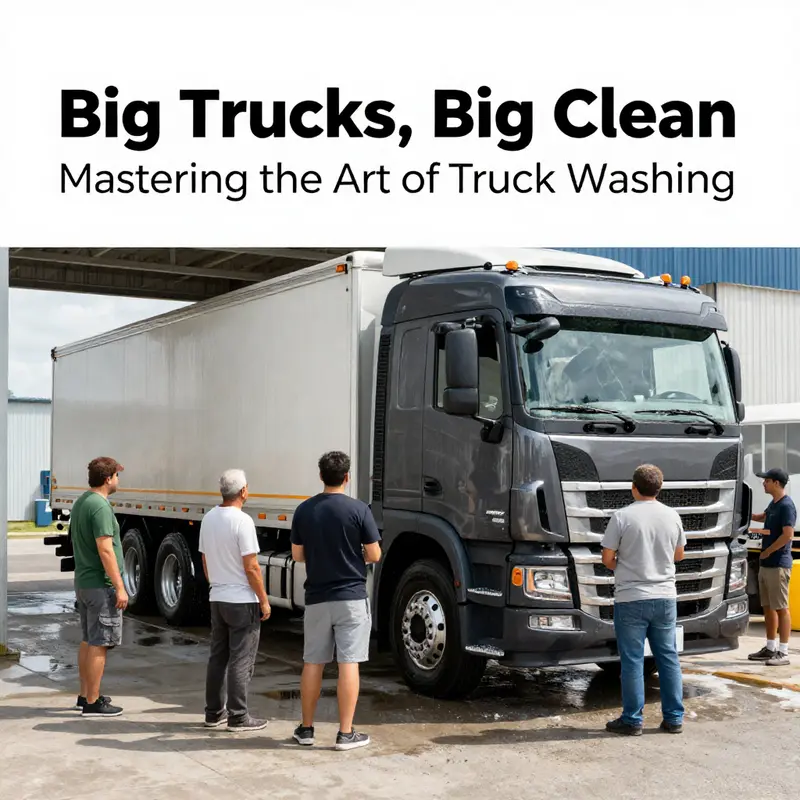
The sight of a big truck threading its way into a car wash lane is more than a logistical note in a busy fleet day. It is a social moment, a quiet ritual that folds together practicality, safety, and the growing expectation that maintenance should be both efficient and environmentally mindful. The big truck in the car wash sits at the intersection of scale and symbolism: a behemoth designed for long-haul endurance, now entering a space calibrated for smaller, passenger vehicles and fragile finishes. In this space, people imagine not only the cleanliness of chrome and paint but the reliability of supply chains, the safety of drivers and pedestrians, and the ethics of water and waste. The social perception that accompanies this image reflects a shifting consensus about how a modern society cares for heavy machinery and the people who operate it. It is a narrative in which efficiency is prized, yet safety and stewardship are nonnegotiable, and where the perception of risk and the reality of environmental constraints both demand careful handling.
Safety is the first door that many observers imagine when a towering truck backs into a bay. Large trucks can feel imposing in any setting, but the car wash adds a distinct layer of anxiety for some motorists. A 2019 study highlighted how proximity to oversized vehicles in confined spaces can provoke heightened caution, not just from truck drivers but from nearby car owners and pedestrians who share the same facility. The concern isn’t merely about contact with moving parts; it is about the choreography of space: the interplay of wind from high-pressure jets, the commotion of co-located vehicles, and the rhythm of a wash cycle that requires precise timing. In practical terms, this translates to visible safety features: wider bays, clearer sightlines, and braking or steering aids that prevent unnecessary squeezes between trucks and the equipment that cleans them. The social imagination of risk, in other words, often precedes the actual risk, shaping how customers and operators perceive and invest in the space. The result is a car wash culture that values explicit safety messaging, predictable workflows, and the sense that a big vehicle can be cared for without becoming a hazard to others.
Yet safety does not stand alone. It intersects with a growing sense of practicality that has quietly redefined what a car wash is for in the 21st century. As vehicle ownership expands and fleets grow more diverse, the demand for a service that can handle everything from long-haul tractors to compact delivery vans has become a practical necessity. Across the globe, the car wash market for both passenger cars and commercial trucks is expanding, driven by the needs of fleets that rely on regular cleaning to extend the life of their assets and to uphold the professional image of their operations. The logic is simple: clean vehicles reduce corrosion, maintain paint integrity, and improve fuel efficiency by reducing drag from dirt and residue. In this way, the car wash becomes part of the fleet’s maintenance doctrine, a non-discretionary cost of doing business that protects the bottom line. The social narrative here shifts from “nice-to-have” to “essential infrastructure,” similar to how maintenance bays, fueling stations, and tire shops are treated in global transport networks. The symbolism of a car wash, then, evolves from a mere cleansing ritual to a reliability checkpoint that underpins smooth logistics and orderly urban life.
This evolution is mirrored in the industry’s adoption of technology and layout changes designed to accommodate larger vehicles without compromising speed or finish. Modern car washes have begun to optimize for scale through facility adaptations: broader bays that invite large equipment to move in without friction, adjustable brushes that calibrate themselves to the contours of a tractor-trailer, and high-pressure systems capable of tackling the heavy grime typical of long-haul routes. The shift toward efficiency has not erased the tactile satisfaction of a hand-wiped finish; rather, it has introduced a spectrum of options, from gentle, touchless sequences that preserve the paint to more robust approaches for stubborn residues. The social acceptance of these options rests on the visible evidence of care: workers who monitor cycles, technicians who maintain the equipment, and managers who invest in training so the big truck receives a consistent, predictable experience every time. In many facilities, the scene is almost ceremonial—the truck in, the water roars, the foam blankets the exterior, the wheels are scrubbed with an almost surgical precision, and then a suite of blowers and air jets finishes the job with a brisk, professional dry. The choreography is not accidental; it is a carefully tuned social practice that signals reliability and respect for the vehicle and its operator.
In the face of environmental concerns, society’s expectations have grown more exacting. Sustainability has become a collective standard that shapes what a car wash can be and how it should operate. The practice of washing large vehicles consumes significant water and energy, so many facilities are implementing water-recycling systems that filter and reuse wash water, paired with biodegradable or low-toxicity detergents designed to minimize ecological impact. The cultural conversation has moved from whether a car wash is necessary to how it can be done responsibly. This shift reflects broader environmental movements that emphasize stewardship of shared resources and the responsibility of industrial spaces to model sustainable practices. It also shapes consumer perception. Fleet operators and individual drivers alike increasingly seek out washes that align with green standards, not only because of regulatory pressures but because customers, insurers, and the general public increasingly equate environmental responsibility with corporate integrity. The car wash, once a utilitarian service, becomes a stage where values are demonstrated—efficiency coupled with care for water, energy, and waste streams. The social meaning of a big truck entering a car wash thus extends beyond the aesthetic of a clean paint job; it signals a commitment to responsible maintenance in a world where every drop of water is a resource.
Within this moral economy, the car wash also becomes a space of inclusion and adaptation. The symbolic significance of enabling larger vehicles to access maintenance services resonates with broader agendas of inclusive transportation infrastructure. In cities and towns that have wrestled with congestion and limited space, the ability to accommodate trucks in a shared service venue communicates a public message: the transportation system is for everyone, and upkeep should not be an obstacle to operation. The adaptive design of bays, washing arms, and drying configurations demonstrates a physical manifestation of this principle. When a facility can handle a broad spectrum of vehicle sizes, it reduces bottlenecks and reinforces the idea that maintenance occurs on a continuum rather than in segregated boxes. This inclusivity has practical benefits as well: fleets can standardize care across a variety of vehicle types, which improves maintenance scheduling, reduces downtime, and promotes a healthier ecosystem of suppliers, technicians, and customers who work in concert to keep logistics moving forward.
The social narrative around big trucks in car washes also intersects with digital and educational ecosystems. In an era where simulated experiences and virtual challenges can teach about cleaning techniques, the human story remains central. From virtual maintenance games that let users scrub tires and buff rust to real-world training programs that emphasize safety and efficiency, there is a converging thread: the value of hands-on skills reinforced by accessible knowledge. These educational arcs help demystify the process for non-operator audiences while giving drivers and fleet managers fresh ideas about best practices, cost management, and the importance of regular maintenance as part of an overall safety culture. Even as screens and simulations offer entertaining previews of the work, they cannot replace the physical realities of a large vehicle navigating the powerful spray and the delicate touch required to preserve a truck’s finish. The social conversation, in other words, travels between screen and shop floor, linking digital literacy with shop-floor expertise to create a more informed community around truck maintenance in public-facing service spaces.
The economic logic behind these shifts deserves attention as well. The practical demand for efficient, scalable car wash solutions is intertwined with broader market dynamics in the automotive and logistics sectors. As fleets grow, so do the opportunities for standardized, repeatable cleaning protocols that minimize waste and optimize throughput. This economic frame reinforces the social perception of the car wash as a critical support service for a modern economy. It also pushes manufacturers and operators to think creatively about space utilization, water capture and reuse, and the integration of real-time feedback loops that help technicians tune equipment for the unique needs of trucks and trailers. The result is a cycle of continuous improvement: a facility expands, invests in new equipment, trains staff, and communicates with customers about the shared goals of safety, efficiency, and sustainability. The big truck, once viewed through a narrow lens as a pure consumer of water and space, becomes a central actor in a wider story about how communities organize, finance, and sustain the essential work of keeping commerce moving.
For readers seeking deeper context, the broader industry literature frames these shifts as part of a resilient, adaptive system. The analysis of market growth, regulatory environments, and technological advances offers a map of where perceptions are headed and how service providers can align their practices with social expectations. In particular, the growing emphasis on eco-friendly solutions and water recycling shows up in both policy discourse and consumer choice. This convergence signals a long-term trajectory: car washes will likely continue to evolve toward more sustainable, efficient, and inclusive designs, even as they remain guardians of safety and custodians of equipment that must endure the rigors of heavy transportation. The social contract, then, becomes clear. People expect large vehicles to be cared for with the same respect given to smaller cars, and they expect maintenance ecosystems that support reliability, safety, and environmental responsibility as part of a coherent, shared infrastructure.
As this chapter closes the loop between perception and practice, it is useful to consider how individual experiences fit into the larger narrative. A driver who parks a truck in a wide bay, watches foam cascade over the cab, and feels the insistence of a precise rinse is not merely watching a cleaning process. They are witnessing a microcosm of how society negotiates risk, values efficiency, and models stewardship. The observer who worries about safety has in fact a stake in better design; the fleet manager who insists on eco-friendly detergents is shaping a cleaner future for communities living near wash facilities; the technician who calibrates a brush for a specific trailer is practicing a craft that blends art and science. In this sense, the big truck in the car wash becomes not just a vehicle entering a service lane, but a representation of a modern system that seeks to balance speed with safety, performance with responsibility, and progress with place.
To connect the social narrative with practice, consider the human and organizational dimensions of these spaces. The staff who operate and supervise large-vehicle washes are shaping the culture of maintenance in visible ways. They answer questions from anxious customers, troubleshoot equipment that keeps itself in motion, and uphold standards that protect both people and assets. Their role is more than technical; it is interpretive. They translate safety signals, environmental commitments, and efficiency imperatives into concrete actions that the next vehicle, the next driver, and the next fleet operator will experience. In this sense, the social perception of big trucks in car washes reveals an economy of care: a network of practices that recognizes the truck’s essential place in modern life while ensuring that its care respects community well-being, resource limits, and predictable service.
For readers seeking further insights into how facility design and management shape this evolving landscape, a focused examination of industry practices offers practical lessons. The idea that a car wash can be both technologically sophisticated and socially responsible is not a contradiction but a strategic alignment. By prioritizing wider bays, adaptive cleaning arms, sustainable water management, and transparent safety protocols, facilities demonstrate how to reconcile a need for volume with a demand for environmental and public safety. This alignment is what sustains trust in a time when communities are increasingly vigilant about the ecological footprint of industrial services. It also supports the reputational health of fleets, operators, and workers who rely on the consistency and reliability of these spaces every day.
For a deeper dive into the management side of these facilities, readers may explore resources that discuss practical strategies for maintaining high standards in truck-wash operations. The following internal resource provides a thoughtful look at facility management for truck wash businesses, offering perspectives on staffing, equipment lifecycle, and process optimization that are directly relevant to these environments. facility management for truck wash businesses. The link underscores how the social, technical, and environmental threads weave together in a real-world setting, turning a busy wash bay into a model of responsible infrastructure.
As the social narrative continues to unfold, the external horizon remains clear. The transportation industry is increasingly asking its service ecosystems to balance speed, safety, and sustainability in ways that are coordinated with broader public policy and environmental goals. Readers who want a wider market lens can consult industry analyses that map the evolving landscape of car and truck wash services, including regulatory drivers, technology adoption, and regional differences. A comprehensive external reference that captures these dynamics is available in the market analysis literature, which discusses growth opportunities and the shifting competitive environment for car and truck wash services. https://www.marketsandmarkets.com/Market-Reports/car-and-truck-wash-market-357486425.html
In sum, the perception of a big truck in the car wash is less about a single event and more about a communal act of maintenance, safety, and responsibility. It binds together drivers, fleet managers, technicians, and everyday observers in a shared interest: to keep heavy machines moving efficiently while protecting people and the planet. The car wash becomes a living symbol of contemporary values—efficiency without waste, speed with safety, and progress with stewardship. The truck in the wash is thus not merely a scene of routine care; it is a mirror of how a society negotiates the future of transportation, and how its infrastructures adapt to that future with care, clarity, and communal purpose.
Final thoughts
Understanding the complexities of washing big trucks goes far beyond the surface. Through implementing proper cleaning techniques, acknowledging economic implications, embracing technological advancements, and recognizing societal perceptions, fleet managers and industry leaders can ensure not only the longevity of their vehicles but also a positive impact on their company’s bottom line. Maintenance practices such as regular washing are vital for preserving the appearance and functionality of logistics and fleet vehicles, reflecting professionalism and care characteristic of a successful operation.