
Maintaining a fleet of trucks requires attention to detail, especially when it comes to washing them. Proper washing techniques not only enhance the appearance of the vehicles but also extend their lifespan by preventing rust and deterioration. This article will delve into essential practices for washing truck frames, specifically designed for logistics, trucking, and construction professionals. Each chapter will equip you with knowledge on preparation, effective rinsing and cleaning, drying techniques, and important considerations to protect the truck frame post-wash.
Laying the Groundwork: Thorough Preparation for Washing a Truck Frame
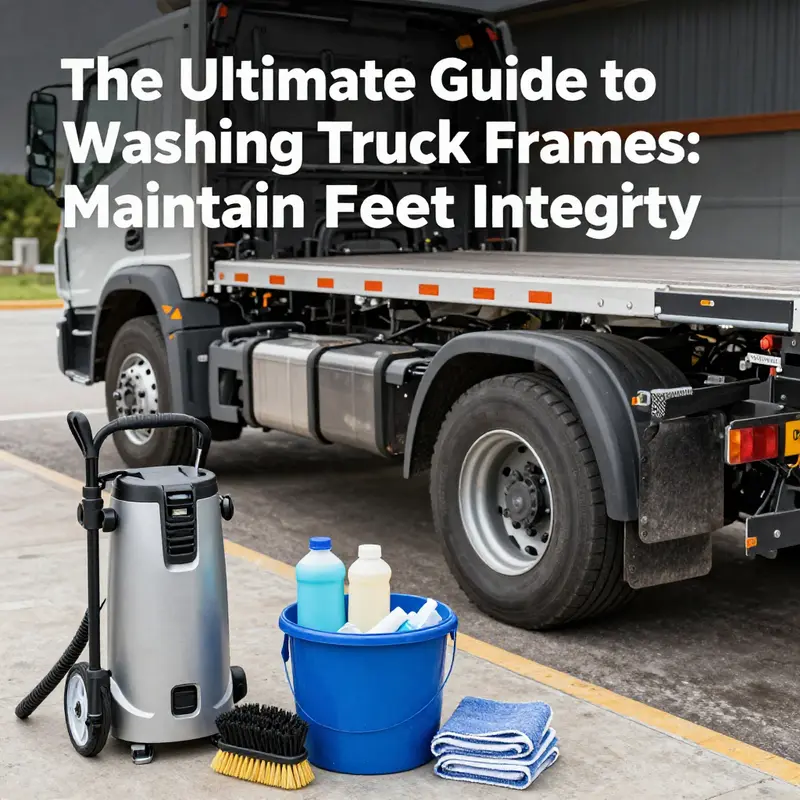
Preparation for washing a truck frame is not merely a prologue to scrubbing. It is the quiet, deliberate phase that determines what you can safely remove, what you must avoid, and how efficiently the rest of the process will unfold. When the frame is the canvas, preparation is the careful frame of the painting, ensuring every stroke clears away grime without dulling or damaging the metal beneath. The goal is not to rush to the rinse but to lay a foundation that protects the frame from rust, preserves protective coatings, and keeps critical components out of harm’s way. In practice, it means thinking through space, temperature, tools, and the order in which dirt gives way to cleanliness. It means recognizing that the frame, while resilient, carries vulnerabilities near joints, electrical connections, and hidden crevices where salt and road grime like to linger. A thoughtful prep session pays dividends in efficiency and in the long life of the vehicle itself.
Choosing the right place to begin is part of the prep. A flat, level surface is essential to prevent the truck from shifting during the wash, especially when you need to access under areas and the frame’s underside. A well-ventilated area helps dissipate fumes from cleaning agents and any heat generated by the washing process. Drainage matters just as much as water supply; without a controlled runoff, dirty water can pool and create slick spots or contaminate nearby soil. If you manage a fleet or a dedicated wash bay, consider how the space will handle waste water, runoff, and potential residue from salt or chemicals. For those operating a dedicated wash facility, see facility-management-for-truck-wash-businesses for guidance on layout, drainage, and safety protocols. This link serves as a reminder that preparation is not only about the truck; it is also about the environment that surrounds the wash.
Before any water touches the metal, you must allow the engine to cool completely. This step is more than a courtesy; it is a safeguard against thermal shock and burns. The undercarriage can harbor heat from recent operation, and sudden exposure to cool water can cause stress on seals and components. Waiting to start the wash until the entire system is at ambient temperature helps protect seals, gaskets, and nearby electrical connections that may be sensitive to temperature shifts. It also gives you a moment to survey the scene for hoses, fittings, and damp crevices that might retain heat or moisture after the wash, so you can address them with care rather than rushing toward a spray of cold water that could shock metal or drive grit into vulnerable areas.
Gathering the right tools and materials is a deceptively simple act with outsized consequences. The goal is to equip yourself with options rather than one rigid plan. A high‑pressure water gun with adjustable pressure settings is invaluable because you can tailor the force to the task at hand without forcing water into bearings or electrical connections. A clean, pH‑neutral or truck‑specific cleaner designed for metal frames provides effective cleaning while preserving protective coatings. Soft‑bristled brushes or scrubbing pads are gentle enough to lift dirt from corners, seams, and undercarriage crevices without abrading the surface. Microfiber towels or chamois are ideal for drying because they absorb water quickly and reduce streaks on painted or coated surfaces. Safety gear matters as well; gloves and eye protection keep you shielded from splashes, cleaning agents, and any debris dislodged during the prep. In all, the kit you assemble should feel like a toolkit for careful maintenance rather than a grab bag for a quick spray.
An essential but sometimes overlooked part of preparation is removing loose debris. Before any spray or suds, you want to clear away mud, gravel, and loose dirt with a broom or stiff brush. This simple step reduces the risk of scratching the frame during scrubbing and helps prevent dirt from clogging spray nozzles or becoming ingrained in hard‑to‑reach corners. If heavy grime stubbornly resists, a light pre‑soak with water can loosen it so that subsequent washing is gentler and more thorough. The objective is to keep abrasion to a minimum while maximizing cleaning effectiveness. This is especially important on vulnerable areas like weld seams, drip channels, and the edges of protective coatings where dirt tends to settle and corrosion can begin if moisture lingers.
With debris cleared, you can plan the actual cleaning sequence. A top‑to‑bottom approach makes sense because gravity naturally draws loosened dirt downward, and you avoid recontaminating cleaned sections. Start at the highest points of the frame or undercarriage first, then progress toward the lower rails and cross members. This method reduces the chances of dirty rinse water running over already cleaned areas and helps you identify stubborn spots that require extra attention rather than rushing through the easy sections first. If you encounter areas where salt residues from winter driving cling stubbornly, give them a targeted, careful pass with the appropriate brush to avoid pushing salt into protective coatings or seams.
Protecting sensitive components is a discrete but critical part of prep. The frame is studded with electrical connectors, sensors, brake lines, and suspension joints that do not respond well to direct spray or seeping water. If high‑pressure washing is needed near these elements, consider covering them with plastic bags or tape where appropriate, and stay mindful of the nozzle distance so you don’t force water into seals or connectors. A common practice is to shield exposed electrical access points, fuse boxes, and sensor housings during the wash. You do not need to imprison the truck; you simply create a barrier that reduces the chance of water intrusion while still allowing you to clean effectively around the protected zones. Properly protecting these components pays off with fewer postwash electrical issues and a quicker inspection once the water has drained away.
While protecting the components, give some thought to the frame’s coatings. If the frame is painted or coated, you want to preserve the integrity of that finish while still removing corrosion‑causing grime. The prep phase is an ideal time to reassess any protective layer and consider reapplication or touch‑ups after cleaning if you detect areas where coating has chipped or worn away. Bare metal frames behave differently; they may require additional care to avoid rust formation when exposed to water and salt. If a protective wax or sealant is already in place, this is the moment to decide whether to reapply after the wash. The goal is to make the frame more resilient to the elements, not to expose it to harsher conditions by aggressive cleaning methods. A light wax in painted areas can help repel water and contaminants on future washes, while bare metal frames may benefit more from drying and quick rust prevention steps.
An awareness of environmental and facility considerations rounds out the prep. Water use, runoff, and chemical disposal become part of the plan when you operate a shop or a fleet yard. You want to minimize potential contamination and comply with local regulations, which often means using containment measures and appropriate wash water treatment. The prep phase is where these choices are solidified. If you are responsible for a dedicated washing area, you can anticipate the flow of water, implement barriers, and schedule washing so that you do not overwhelm drainage or expose other vehicles nearby to spray or splatter. With this in mind, your prep steps extend beyond the truck itself; they become a blueprint for how your wash space operates with safety, efficiency, and environmental responsibility in mind.
Incorporating the idea of facility management naturally leads to a broader perspective on preparation. For stakeholders who oversee fleets or wash facilities, the prep phase is a chance to align maintenance routines with longer‑term goals, such as reducing downtime, preserving asset value, and maintaining consistent wash quality. When the plan is anchored in careful preparation, the actual washing becomes a series of controlled actions rather than reactive scrubbing. It is about building a habit of methodical care that translates into cleaner frames and more reliable performance on the road. This mindset also supports better team training, clearer safety procedures, and more predictable outcomes, which in turn makes the entire operation more professional and efficient.
As you complete the preparation, take a moment to reflect on the sequence you have established and the safeguards you have put in place. A well‑prepared wash is not simply a faster wash; it is a safer, more effective one that respects the frame and its components. It is also an opportunity to refine your approach for the next vehicle you treat. The discipline you practice during prep will echo in every stroke of the brush, every pass of the nozzle, and every wipe with a microfiber towel. When you are ready to move into cleaning, you will have a clear plan, the right tools, and a frame that is already primed for transformation from dirty to clean. This is the essence of a responsible, professional wash operation, where preparation is not an afterthought but the foundation of quality.
For readers managing or designing wash operations, the prep phase is a reminder that good maintenance begins with good planning. The care you put into choosing the location, cooling the engine, assembling the right tools, removing debris, protecting sensitive components, and coordinating with broader facility management practices creates a ripple effect of reliability and safety. The preparation you invest protects more than metal; it protects your crew, your customers, and the asset itself. As the next stage unfolds—the actual washing with its own set of careful techniques—the groundwork you laid will keep you aligned with best practices, reinforce the frame’s endurance, and set a tone of professional stewardship across the fleet. And as you apply the method in practice, you will likely note that the clean frame is not just an aesthetic achievement; it is a clear indicator that the vehicle is well cared for and ready for many miles ahead. For further context on managing dedicated wash spaces within a fleet operation, facility-management-for-truck-wash-businesses offers relevant considerations on layout, safety, and drainage. External perspectives on large truck maintenance washing can be found in broader guides such as the external reference below.
External reference: How to wash a large truck – Autohome
Rinse, Scrub, and Shield: Mastering the Art of Truck Frame Care
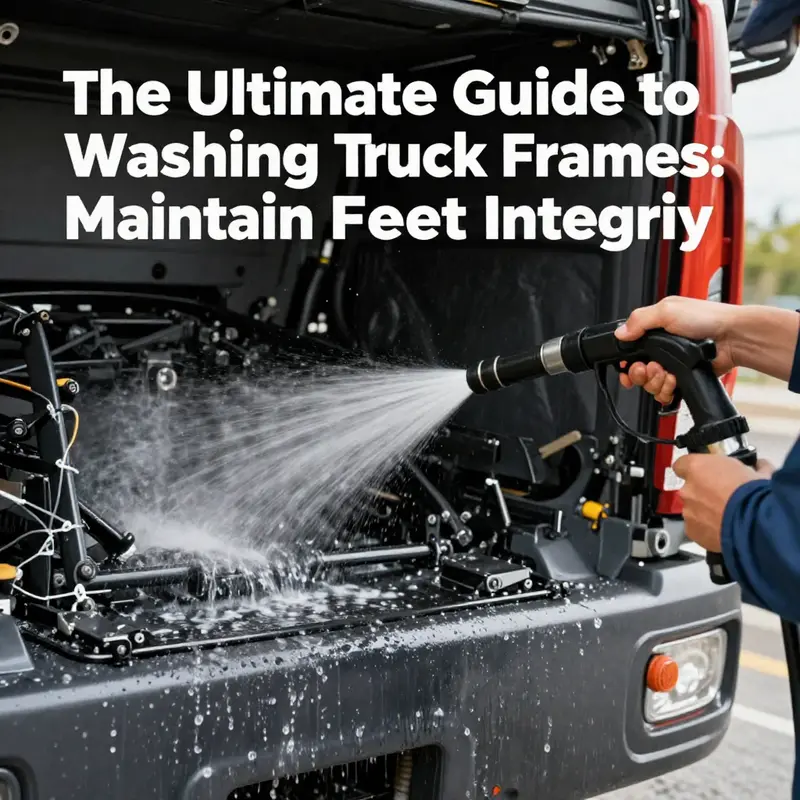
A truck frame is the backbone of a vehicle built for work, and it endures some of the harshest conditions on the road. It carries loads, bears vibrations, and meets winter roads salted to delay corrosion. Keeping this critical structure clean is more than an aesthetic choice; it’s a proactive step toward extending the frame’s life, preserving structural integrity, and reducing the long-term cost of ownership. The approach outlined here treats frame cleaning as a careful, integrated process rather than a quick wash of visible dirt. The goal is a thorough rinse that lifts grime without forcing water into vulnerable pockets, followed by a precise cleaning that respects coatings, seals, and metal health. In practice, this means adopting a measured routine, selecting the right cleaning agents, and coupling the act of washing with a mindful eye for safety and future protection. When done correctly, cleaning becomes preventive maintenance, a chance to inspect critical areas, and an opportunity to seal out the elements that would otherwise creep in with time and use.
Preparation begins long before pressure hits metal. A level surface is essential; you want the frame resting evenly to prevent slips or accidental movement. Let the engine cool completely so exhaust components and nearby hardware aren’t heat-stressed by the wash. A blanket of safety steps helps keep the work controlled: remove any loose debris from around the undercarriage so it doesn’t smear across fresh cleaner, and clear a path for hoses and cords to prevent trips. Battery safety deserves special emphasis. Disconnecting the battery reduces the risk of electrical short or sensor misreads as water and cleaner circulate through the shadows of the frame. This simple step protects electrical connectors that sit near frame members and helps avoid surprises when engines are restarted. It’s a small precaution with outsized payoff, especially if your vehicle sits idle for a while after washing.
Gauging the tools you’ll use is equally important. A high-pressure washer works well for frame work, but it requires careful handling. If you have access to hot water, you gain an advantage because warm streams loosen oil and road grime more readily than cold water. The key is to keep the nozzle at a safe distance to avoid blasting water into sensitive areas, such as bearings, electrical housings, or seals where water intrusion can do more harm than good. A soft-bristled brush or sponge lets you scrub without scratching, and a bucket of mild automotive detergent provides the cleaning power without stripping protective coatings. Microfiber towels or chamois will finish the job with minimal lint and quick-drying action. It’s worth noting that household detergents, dish soaps, and aggressively caustic cleaners should be avoided because they can erode protective finishes and accelerate corrosion over time. The right chemical choice matters as much as the right amount of water.
Begin the wash with an initial rinse that clears loose dirt, grit, and winter salt deposits that often cling to the undercarriage and the underside of crossmembers. Working from the top down helps prevent gravity from dragging dirty water into already cleaned zones. Pay special attention to the undercarriage, wheel wells, suspension components, and areas around the drivetrain where grime likes to hide. If you encounter stubborn mud or caked grime, use the high-pressure stream at a safe distance to avoid pushing moisture into bearings or electrical junctions. The goal is to loosen the worst of it before you apply cleaner, reducing the risk of scouring the frame with abrasive contact later in the process. The frame’s crevices—where bolts pass through, where crossmembers meet rails, and where protective coatings can fail—demand particular care. These are the spots that often reveal wear and salt exposure during inspection.
Once the frame has been rinsed to remove loose material, you’ll apply a cleaner. The guidance here is to choose a pH-neutral or mild automotive cleaner rather than household products. A properly diluted detergent solution, applied with a sponge or soft brush, softens grease, oil, and residue that accumulate around the frame rails and crossmembers. Focus on areas that show obvious grime, grease, or salt residues—targets that tell a story about where the frame channels the most wear. Circular, gentle motions are your friend; they lift grime without introducing scratches. Avoid abrasive cleaners or stiff bristles that can dull the finish or wear away protective coatings in key areas. If you’re dealing with rust or corrosion in spots, a dedicated metal cleaner can be used, but only after you’ve wetted and rinsed the area thoroughly to prevent any reaction from lingering chemical concentrations. This is where patience pays off—short, methodical scrubs beat aggressive scrubbing that risks damage.
A notable nuance in frame cleaning is the balance between chemical cleanliness and protective integrity. In some cases, a light application of a rust-inhibiting product or a protective coating to bare metal is appropriate after washing and drying. If the frame is painted or coated, you may choose to apply a wax or a sealant designed for metal surfaces; if the frame is bare metal, the emphasis shifts to preventing further corrosion rather than sealing a surface. The underlying principle is that cleaning should not become a doorway for moisture, salts, or aggressive chemicals to linger where they can cause corrosion. Rinse thoroughly after any cleaner is applied; residual soap can attract more grime and, over time, create a film that invites dirt to cling and rust to begin. The final rinse should sweep across all corners, behind bolts, and around brackets so nothing remains to trap moisture in recesses.
Drying completes the process and sets the stage for long-term protection. Immediate drying is essential to minimize water spots and the onset of flash rust on bare metal. A clean microfiber towel or chamois can remove surface moisture quickly, but consider using compressed air to reach into crevices where towels can’t easily reach. Focus attention on joints, weld seams, and the inner sides of frame rails where water tends to collect. If you notice lingering damp spots, resume light drying until the surface feels dry to the touch. Water that remains in hidden pockets can facilitate rust blooms later, especially in environments where road salt or mineral dust is present. This is the moment to transition from cleaning to preservation, so the frame is prepared for its next cycle of use.
Even with thorough drying, a critical post-wash step involves inspecting the frame for telltales of damage. Rust spots that appeared during the wash or were hidden before can surface after exposure to moisture. Look for bubbling paint, powdering metal, flaking coatings, or any new cracks along welds and seam lines. Small rust patches are easier to control when addressed early, before they extend. Wariness toward structural weakness is warranted where the frame faces heavy loads, uneven terrain, or repeated flexing around the suspensions and brackets. If you detect corrosion that’s more than a superficial surface stain, it’s prudent to slow down further cleaning in that area and consider contacting a professional for assessment. The goal is to catch deterioration before it compromises strength or safety, not to chase perfection in a single session.
Protecting the frame after cleaning is a safeguard against future damage. In painted or coated frames, a protective layer can help repel water and contaminants. In bare metal, rust inhibitors or protective coatings can be invaluable, created to form a barrier against moisture, road salts, and oxidizing elements. Reapplication during routine maintenance can enhance longevity and reduce the frequency of more invasive repairs. Regular maintenance, including washing and inspections, is the foundation of a durable, long-lived frame. It is a practical discipline: a scheduled routine that recognizes the frame’s exposure to the elements and responds with a consistently applied defense. The more consistently you perform this care, the less likely corrosion will surprise you in the long run.
The approach described here is not a one-off procedure but part of a broader maintenance philosophy. Cleaning is a diagnostic exercise as well as a cleansing one. As you work, you’ll identify areas that collected more grime, joints that show micro-damage, or components that need lubrication or tightening after exposure to spray and rinse cycles. The process invites a holistic view of the vehicle’s health, encouraging a habit of looking beyond the obvious dirt and into the cavities where moisture can linger. In that spirit, you might consider pairing frame cleaning with a broader inspection workflow: wheel well and brake line checks, suspension articulation tests, and a quick look at the radiator and overflow tanks from the vantage point of the frame. The goal is not to overstep boundaries but to use the washing session as a gateway to better maintenance habits and safer operation. For readers seeking practical, field-tested techniques on stubborn grime, a set of proven strategies for cleaning grease and tar off your trucks fast can offer a complementary perspective and methods that align with the same care-minded ethos. proven strategies for cleaning grease and tar off your trucks fast
Throughout this chapter, the emphasis has been on a disciplined, careful approach that respects both the frame’s metal health and the surrounding components. This is not merely about removing dirt; it is about preserving the frame’s structural integrity, minimizing corrosion risk, and extending the life of a workhorse that carries heavy payloads and frequent road exposure. The steps you take during cleaning—safe handling of water pressure, controlled application of cleaners, thorough rinsing, prompt drying, and careful inspection—build a routine that keeps the frame robust and reliable for years to come. The practice aligns with broader maintenance principles that emphasize prevention, proactive inspection, and consistent care, recognizing that the frame is the foundation of the vehicle’s performance. As you plan future wash sessions, you’ll likely refine your technique based on the climate you operate in, the season, and the terrain your fleet encounters. The underlying message remains constant: successful frame care is a steady, thoughtful activity that protects value, safety, and uptime.
For readers who want to explore the topic further, consider looking into authoritative insights on truck frame care that extend beyond the wash. A detailed discussion of frame maintenance and related practices can offer a deeper understanding of how water, detergents, protective coatings, and routine checks work together to preserve structural integrity over time. External resources can provide complementary perspectives and validation for the methods described here. Understanding how professionals approach frame care can help you adapt these practices to your own fleet without compromising safety or performance. External resource: https://www.autocar.co.uk/article/truck-maintenance/understanding-truck-frame-care
The Final Rinse: Drying Mastery and Rust-Prevention for a Strong Truck Frame

The final rinse is more than a quick soap removal step. It is the last gatekeeper between a clean frame and the creeping advance of mineral deposits, salt residues, and microscopic corrosion that can undermine steel over time. When the frame leaves the wash bay, every crevice, joint, bolt hole, and underpanel pocket has the potential to trap moisture and contaminants. The way you rinse and dry at this moment sets the stage for what comes next: a frame ready for protective coatings, easy inspection, and reliable performance on the road. Approach this phase with the same intent you brought to removing heavy grime earlier in the process. The aim is not merely to look clean, but to be dry, residue-free, and prepared for whatever protection comes next, whether that is paint, wax, or a rust-inhibiting layer.
Begin with water quality. The idea of using distilled or deionized water may seem like a small detail, but mineral-rich tap water can leave behind chalky residues as it dries. Those minerals can become focal points for rust or at least attract new dirt, defeat subsequent coatings, and complicate adhesion. If your facility routinely handles large fleets, investing in a reliable source of high-quality rinse water pays off in the long run by reducing rework and ensuring coatings bond evenly. As you plan the rinse, keep in mind that the frame’s most intricate regions are often the most moisture-prone: the inside of frame channels, the gaps around exhaust hangers, and the more weathered seams where salt and road grime cling stubbornly. This is where the procedural focus of final rinsing pays off, because a wide, generous rinse draws the loosened contaminants out of those tight spaces rather than leaving them to dry in place.
Flushing the frame thoroughly requires attentiveness to more than simply spraying every inch of surface. You want a sweep that reaches joints, crevices, bolt holes, and under panels where contaminants collect. The goal is to coax out dirt lodged in corners and to prevent residual cleaning agents from lingering, which could interfere with subsequent coatings or encourage corrosion over time. When you work, you should imagine water following every possible path of least resistance—from the top rails down into the webbing, into the box crossmembers, and through the undercarriage recesses. A practical approach is to begin with a broad, gentle rinse to lift the surface grime, then switch to a higher-pressure stream at a moderate distance—typically at least 12 inches away from delicate components—to push debris from deeper pockets without forcing water into seals, bearings, or electrical connections. This dual-phase rinse helps avoid scratching and minimizes the risk of water intrusion into sensitive areas.
The choice of cleaner during the final rinse period remains important. Even though you’ve already scrubbed with a milder detergent earlier, the final wash should still use a cleaner that is compatible with the protective coatings on the frame. A pH-neutral or mild automotive cleaner continues to be a safer bet than household detergents or harsh solvents. You want something effective at lifting salt residues and stubborn grease without weakening coatings that may still be present on painted or coated frames. You mix according to the manufacturer’s guidance and apply generously with a sponge or soft brush, paying special attention to seams, welds, and the undercarriage where residue tends to accumulate. After the cleaner does its work, a thorough rinse follows, leaving no soap film that could attract new dirt or foster corrosion. The final rinse is not a one-and-done moment; it is a deliberate sequence designed to ensure every square inch is free of residue.
The drying stage is where the science of moisture control meets the logistics of a shop floor. Immediate drying is essential to prevent flash rust—the rapid formation of rusty spots on exposed steel when it cools after being wet. Compressed air is widely regarded as the most reliable method to remove moisture from the frame’s hidden recesses. The technique is simple in principle but demanding in execution: you blow air into every cavity, bolt hole, and recessed nook until you are confident no visible moisture remains. The advantage is obvious. Air can reach spaces that wipes cannot, and it reduces the risk of water pooling in corners that later form rust spots or interfere with coatings.
If compressed air is not available, there are solid alternatives that still protect the frame. Clean, dry rags or towels can wipe down accessible surfaces, but they cannot fully dehydrate internal geometries. In smaller shops or for mobile operations, a heated air dryer can accelerate evaporation by providing warm, circulating air that carries away moisture. In larger facilities, a controlled-drying chamber can offer an environment where airflow, temperature, and humidity are calibrated to promote thorough dryness. Each alternative has trade-offs in speed, effectiveness, and cost, so the best choice depends on your operation’s scale and the frame complexity.
A crucial companion to drying is the timing and method of applying a protective layer once the surface is completely dry. The moment the frame is free of moisture, you can introduce a light coat of a rust-inhibiting product or an oil-based protectant. The purpose here is to create a temporary barrier that discourages immediate moisture pickup while you decide on the frame’s longer-term fate. For painted or coated frames, a thin layer of wax or sealant can enhance water beading and shed future contaminants, helping to preserve the surface between maintenance cycles. Bare metal frames, while not always needing a wax, can benefit from a light oil-based protectant that keeps the metal from direct contact with moisture and oxygen. When you apply any protective product, follow the manufacturer’s guidelines for coverage and cure time, and reapply at intervals appropriate for your environment and usage. The objective is not to seal in moisture but to establish a barrier that slows degradation and buys time for the next maintenance steps.
As you complete the drying and protection pass, integrate a quick, disciplined inspection. The final rinse is an excellent opportunity to scan for signs of damage that might have shown up during the cleaning process. Look for new rust spots, loosened coatings, or suspicious cracking in welds or seams. The frame’s feedback loop is simple but powerful: the more you observe during drying, the sooner you spot developing issues and the less likely you are to miss early warning signs. A careful eye during this stage can catch salt deposits that return after a few days of road exposure or small blemishes that, if left unchecked, could grow into larger concerns. The discipline of inspection is not an indulgence; it is a practical habit that saves time, money, and downtime in the long run.
Incorporating practical workflow considerations during the final rinse and drying amplifies the effectiveness of your process. A well-ordered wash bay that supports consistent rinse pressure, accessible air lines, and a straightforward sequence for drying reduces variability between operators and fleets. It also helps ensure you do not overlook the sensitive zones that accumulate moisture most readily. In day-to-day practice, resolving the frame’s drying requirements through a structured approach can reduce repeat visits to the same spot, which in turn lowers labor costs and protects the frame from repetitive handling risks. This is where the broader philosophy of facility management for truck wash businesses becomes relevant. A cohesive system that aligns water quality, rinse sequencing, and drying protocols with proper waste handling and equipment maintenance elevates the reliability of every wash cycle. See how a holistic approach can crystallize the final rinse and drying as more than a technical step, but as a cornerstone of fleet maintenance. Facility management for truck wash businesses.
Once the frame has been dried and protected, you should consider how to plan for the next stage in the maintenance cycle. If you intend to recoat, re-seal, or re-lubricate protective areas, you may want to wait a short period to allow any solvents or moisture to fully dissipate, especially in hot or humid environments. In some cases, the frame can be ready for reassembly or further work within the same day, while in others, a night’s rest in a controlled environment ensures optimal coating adhesion. The overarching principle is to avoid rushing the coating stage and to confirm dryness before applying any layer that could trap moisture or interact poorly with fluctuating humidity. The patience you show here pays off in a more uniform finish and a longer-lasting protective layer, reducing the likelihood of premature wear or rust reintroduction.
Notes on safety and integrity are also essential during this phase. Never direct high-pressure water at electrical connectors, fuse boxes, sensors, or other electronic components mounted near the frame. Water intrusion can cause costly damage and unpredictable performance. A quick check of connectors and seals as part of the final pass can help you avoid surprises later. Likewise, keep an eye on mechanical components that might have shifted slightly during cleaning. While you scrubbed and rinsed, fasteners may loosen from vibration or from the exposure to spray and cleaners. A post-rinse inspection should include a brief torque check on critical fasteners where appropriate, ensuring the frame remains aligned and structurally sound. The goal is a clean, dry, and ready frame that can take on protective steps with confidence and without the risk of moisture seeping into nooks that a hurried drying could overlook.
The journey from a heavily soiled frame to a dry, protected surface is not merely a sequence of steps. It is an integrated discipline that blends chemistry, airflow dynamics, and practical shop operations. The final rinse trims away the last invaders of grime, while drying locks in the benefits by removing moisture from every corner. The post-dry coating decisions then shape how well the frame resists future exposure to humidity, road salt, and environmental contaminants. When done correctly, this phase delivers a clean canvas for maintenance teams and reduces the likelihood that corrosion will reassert itself in the frame’s most vulnerable zones. It is a quiet, decisive part of the wash process, and a reliable predictor of long-term frame health.
External reference: https://www.instructables.com/How-to-Clean-Up-a-Rusty-Frame-on-a-Budget-9-Steps/
Guardrails for the Frame: A Practical, Protective Guide to Safe Truck Frame Washing
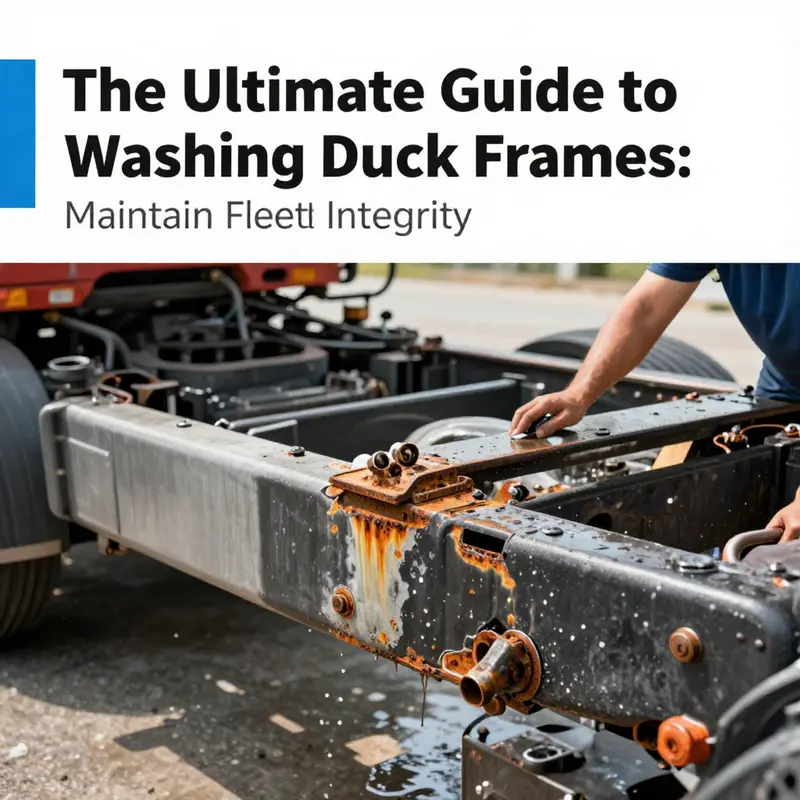
Cleaning a truck frame is not just about removing dirt. It is a carefully choreographed act that protects the metal, preserves coatings, and keeps essential components functioning. Framed by the reality that heavy-duty frames endure a constant assault from salt, grime, road debris, and weather, washing becomes a maintenance ritual that blends discipline and pragmatism. The goal is not only cleanliness but longevity. A well-washed frame reduces corrosion risk, makes inspections clearer, and supports reliable operation for fleets and owner-operators alike. This chapter explores the protective mindset and practical steps that keep frame washing from becoming a source of damage. It threads safety, technique, and environmental stewardship into a single, cohesive approach that respects the frame as the backbone of the vehicle.
Preparation is the quiet backbone of a safe wash. Before any spray reaches metal, the environment and the operator’s readiness set the tone. Park on a flat, level surface in a well-ventilated area and let the engine cool completely. A hot engine and high-pressure water can create hazardous steam and push too much heat into seals and bearings. Gather the essentials: a high-pressure washer or a strong garden hose with a spray nozzle, a soft-bristled brush or sponge, a bucket of water, and a mild detergent designed for trucks or automotive use. Keep clean microfiber towels or chamois for drying. The goal is to minimize friction and abrasion while allowing cleaning agents to work without forcing problems into crevices. At this stage, consider the undercarriage and wheel wells as potential trouble zones where water intrusion can hide until later inspection.
Safety and protection also extend to the undercarriage and electrical connections. High-pressure jets can be effective for removing stubborn grime, but they can also drive water into seams, electrical connectors, sensors, or seals if misapplied. Start with a gentle rinse to remove loose dirt, then adjust the pressure to address tougher residue. If heavy mud or salt crusts persist, a moderate spray from a distance of at least 12 inches helps dislodge debris without blasting into sensitive areas. The aim is to establish a clean baseline without forcing water where it should not go. In line with broader industry practices, researchers emphasize a cautious approach to pressure and distance as a protective habit. For a broader view on regulatory context and risk management, see the resource on truck-wash industry compliance and emissions regulations, which provides practical guidance that parallels hands-on washing techniques.
The choice of cleaner matters as much as how you apply it. Never rely on household detergents, dish soap, or harsh chemicals that can strip protective coatings, accelerate oxidation, or dull paint. Use cleaners that are pH-balanced and formulated for heavy-duty vehicles. These products are designed to lift grease, salts, and road grime without attacking the frame finish or protective sealants. Mix the cleaner according to the manufacturer’s instructions, then apply generously with a sponge or soft brush. Focus on areas where grime collects—corners, seams, and undercarriage pockets where salt and moisture can settle. The moment you switch to stiff bristles or wire brushes, the risk of micro-scratches increases, and those scratches can become initiation points for rust over time. The narrative here is clear: gentle, persistent cleaning is preferred to aggressive scrubbing that may cause more harm than good.
Scrubbing the frame should be a deliberate and patient process. Use a soft brush to work the cleaner into corners, along weld seams, and around bushings and mounting points. Avoid brute force or vigorous scrubbing that can remove protective coatings or expose bare metal. In winter or coastal environments, salt residues demand extra attention because they penetrate crevices and can corrode if left to sit. Consistent, careful scrubbing not only lifts grime but assists in revealing any underlying issues that require early attention. When you scrub, think in terms of coverage rather than speed. Cover every hard-to-reach area, including the undercarriage, crossmembers, and frame rails where dirt collects. The goal is a uniform cleanliness that makes subsequent inspection straightforward rather than a quick pass that leaves hidden pockets of residue.
Rinsing follows scrubbing as a critical control point for safety and protection. A thorough rinse with clean water removes soap residue that otherwise clings to metal and can attract more dirt. Soap residues can promote staining or chemical interactions that may compromise coatings over time, so ensure a complete flush. If the frame shows signs of rust or bare metal after cleaning, be mindful that moisture can accelerate deterioration in these vulnerable spots. Drying should begin immediately after the rinse to prevent moisture from lingering on the metal surfaces. A clean microfiber towel or chamois is ideal for quick drying, but more thorough drying may require allowing airflow to reach crevices and seal gaps that water can conceal. In tough-to-dry areas, a quick pass with compressed air can help dislodge trapped moisture without forcing water deeper into joints. Prompt drying reduces the chance of rust forming in crevices and prevents water from seeping into joints that may already be stressed from use.
From a protective perspective, several considerations tie the washing routine to the long-term health of the frame. First, avoid directing high-pressure jets at electronics and electrical connectors near the frame. Water intrusion can cause corrosion, short-circuits, and failures that ripple into costly repairs. If there are sensors, fuse boxes, or other electronic components in proximity to the frame, keep the spray away and use a gentler approach or targeted wiping to limit exposure. Second, during the wash, scan the frame for damage such as cracks, rust spots, or loosened bolts. Early detection enables timely maintenance and prevents minor issues from becoming major problems. The act of cleaning can reveal hidden vulnerabilities because grime often masks signs of wear. Third, post-wash protection matters. If the frame is painted or coated, applying a protective wax or sealant after drying can help repel water and contaminants in future washes. This step is not strictly necessary for bare metal frames but can be beneficial when a protective finish is present. A protective coating acts as a sacrificial shield against moisture and road salts, extending the interval between maintenance cycles.
The environmental context around washing is not merely a backdrop but a practical constraint and opportunity. Timeliness and location influence both effectiveness and safety. Conduct the wash in sheltered or at least semi-protected conditions when possible, to reduce exposure to blowing dust, debris, and sudden weather changes. Adjacent to a clean, ventilated space, a wash bay or sheltered driveway can keep contaminants from drifting onto nearby vehicles and high-traffic areas. Weather matters because freezing temperatures or rapid temperature changes can cause water to freeze in crevices, which may magnify damage when metal contracts and expands. If you wash in a cooler climate, plan for a warmer, sheltered setting to minimize ice risk. Routine washing should be part of a scheduled maintenance cycle, not a one-off event. Monthly or quarterly washes help maintain protective coatings, keep undercarriage components visible for inspection, and reduce the buildup of corrosive residues that winter driving often leaves behind. Fleet managers and owner-operators alike benefit from a consistent cadence that aligns with maintenance calendars and service intervals.
Detergent selection and rinsing discipline dovetail with a broader maintenance philosophy. Eco-friendly detergents that are pH-balanced support the longevity of coatings and metal surfaces. They reduce the likelihood of coating degradation and minimize environmental impact after runoff. Harsh chemicals are to be avoided, not merely for the sake of the frame but to protect surrounding ecosystems and comply with environmental considerations that govern modern wash operations. After application, thorough rinsing is essential. Any detergent left on the frame can cause long-term staining or chemical interactions that slowly degrade finishes or accelerate oxidation. A clean rinse ensures that the frame remains free of residues that could compromise future washes or inspections.
Protective coatings and rust inhibitors add an extra layer of defense. Once the frame is dry, consider applying a rust inhibitor or undercoating product if the frame carries a protective finish or if the climate fosters moisture and salt exposure. These products can form a barrier against moisture and environmental contaminants, giving the frame an added margin of safety between washes. The choice to apply a protective layer should reflect the frame’s existing finish and the manufacturer’s recommendations for coatings. Bare metal frames may not need this step, but painted or coated frames often benefit from a light touch of protection to preserve the integrity of the finish. The goal is not to create a slick surface that attracts more dirt, but to establish a durable shield that resists corrosion while remaining compatible with regular wash cycles.
Timing, discipline, and diligence complete the protective framework of frame washing. The timing of washes is not arbitrary. It should consider local weather patterns, road hazards, and the truck’s service schedule. Washing during a predictable window when the truck is stationary and accessible minimizes disruption to operations and reduces the risk of contamination by ambient dust or debris. Location benefits are clear: a controlled, sheltered space lowers the chance of recontamination after drying and reduces the likelihood of frost or rain interfering with the finishing steps. In practice, regular maintenance routines that integrate frame washing with other vehicle upkeep deliver a holistic approach to protection. When fleets commit to this rhythm, the frame becomes a reliable indicator of overall condition, not a neglected area that silently harbors problems.
The connection to broader practice is explicit in the emphasis on inspection and protective measures. Before washing, assess the undercarriage for any signs of structural concerns, such as rust progression, loose bolts, or cracking. Even minor issues can influence cleaning outcomes. Cleaning may temporarily obscure problems if debris shifts or hides damage, so a careful inspection before and after washing is essential. The aim is to prevent cleaning from masking weaknesses while promoting early intervention that preserves the frame’s structural integrity. This mindset—cleaning with purpose, not just to look clean—anchors the procedure in a broader maintenance ethos.
As you internalize these principles, you might explore additional resources that address the regulatory and safety dimensions of frame care. For instance, one resource frames the discussion around industry compliance and emissions regulations, offering a broader context for responsible maintenance that aligns with environmental and safety standards. This perspective complements the hands-on techniques discussed here by framing washing as part of a larger governance framework rather than a purely cosmetic task. The emphasis remains on safeguarding the frame while respecting the surrounding environment and the vehicle’s overall reliability.
In practice, the washing routine becomes a quiet ritual of vigilance. The operator moves with intention, balancing pressure, distance, and timing. Every corner is attended to, every crevice checked, and every step executed with the idea of preserving the frame’s endurance. The result is a frame that not only looks clean but remains better protected against the elements and the stresses of daily operation. The approach described here is deliberately practical, designed to integrate smoothly with maintenance planning, inspection cycles, and the realities of fleet life. It is about building a durable habit that acknowledges the frame as more than metal—it’s the structural heart of the truck, deserving careful care, not reckless cleaning.
For readers seeking a broader, research-informed perspective on frame cleaning and related mobile services, the following external resource offers a comprehensive guide to mobile truck washing, including specifications, types, and applications. It complements the practical steps outlined above by expanding on context, workflows, and safety considerations beyond the shop floor. https://www.mobiletruckwash.com/guide-to-mobile-truck-wash/
To connect this chapter with related discussions in the broader article series, consider the intertwined themes of maintenance discipline and protective practice. The considerations highlighted here—avoiding high pressure on sensitive zones, inspecting prior to washing, choosing appropriate detergents, ensuring thorough rinsing and prompt drying, and applying protective coatings when appropriate—create a cohesive framework. This framework supports not only cleanliness but the vehicle’s reliability and lifespan. As the conversation unfolds across chapters, the thread remains consistent: meticulous care for the frame is a concrete investment in performance, safety, and longevity. In that sense, washing the frame becomes more than maintenance. It becomes a disciplined form of stewardship for heavy-duty machinery that carries the weight of daily operations, long miles, and the hard wear of road life. And with that mindset, the frame stands not as a passive structure but as a resilient core that reflects the care it receives from the people who depend on it every day.
Final thoughts
The process of washing truck frames is crucial for maintaining the integrity and longevity of fleet vehicles. By following the outlined steps—preparation, effective cleaning, rinsing, drying, and implementing protective measures—fleet managers and supervisors can safeguard their investments against rust and structural damage. Regular maintenance through proper washing techniques will not only enhance vehicle aesthetics but also contribute to reducing long-term maintenance costs, making it an essential practice for logistics and fleet management.