

As fleet managers navigate winter maintenance, washing trucks in cold weather requires careful planning to prevent ice formation and damage. This article covers freezing risks, effective cold weather washing methods, rapid drying techniques, and why high pressure washing is ill advised in extreme cold. Each chapter offers practical guidance to keep your fleet in peak condition during winter.
Washing a Truck in Cold Weather: Risks and Safe Practices

Washing a truck when the temperature is at or below freezing introduces two major hazards: water that can freeze on the vehicle and water that can freeze on the ground. Frozen water expands and can seize door seals, window channels, and hose connections, causing doors to stick, seals to crack, and hoses to burst. It can also infiltrate tiny gaps in the frame or engine compartment, where ice can push against metal and rubber, leading to damage over time. On the ground, water that turns to black ice creates a slip hazard for anyone walking near the wash area and can block drainage systems, causing ice buildup in pipes and creating further safety concerns. To mitigate these risks, follow a disciplined routine: 1) Check the weather forecast and aim to wash during the warmest part of the day, preferably when temperatures are above freezing. 2) Use warm water—not hot—to loosen grime; warm water evaporates faster and reduces the amount of liquid that can freeze. 3) Keep hoses and nozzles disconnected after use and drain any residual water to prevent freezing inside the lines. 4) Work quickly and efficiently, moving the spray from one area to the next without lingering on vulnerable joints such as door jambs, window seals, and wheel wells. 5) Immediately dry the vehicle with high‑absorbency microfiber towels, paying special attention to seams, seals, and under‑carriage areas where water can collect. 6) Clear the work area of standing water, create a dry exit path, and consider using a heated mat or portable heater to keep the ground from icing over. 7) If an indoor wash bay or heated garage is available, use it instead of outdoor washing whenever possible. 8) After the wash, conduct a quick inspection to ensure no moisture remains in critical spots; re‑dry any damp areas before temperatures drop further. By integrating these steps, you protect the truck’s finish, maintain the integrity of seals and hoses, and keep the surrounding area safe for personnel. For broader guidance on winter vehicle care, see https://www.consumerreports.org/cars-car-repairs/winter-weather-car-care-tips/
Shining Through the Frost: Safe, Practical Truck Washing When the Temperature Drops

Cold weather presents a paradox for the conscientious truck owner: the urge to clean up after a long haul meets the risk of moisture turning to ice in the wrong places. Washing in the cold isn’t forbidden, but it demands a plan. Dirt and road grime cling to panels, undercarriage components, and door seals just as stubbornly in winter as in warmer months. The difference is that moisture left on a surface can freeze and cause problems that are far from cosmetic. A careful, deliberate approach can wash away grime while protecting paint, rubber gaskets, and sensitive hardware. The end result should be a surface that dries quickly and stays free of frost, not a vehicle that attracts ice in the middle of the night or during a sudden cold front. The core idea is to move deliberately and to choose methods that minimize water retention in nooks and crannies where ice can form.
First, understand the two inherited risks that cold weather brings to washing: water that freezes on contact and water that works its way into seals or electrical components. When temperatures hover around or dip below the freezing mark, even a well-meaning wash can become a risk if the water lingers on the surface. A thin film of water left in crevices—around door handles, wiper blade housings, and wheel wells—can freeze and create locked doors, cracked seals, or brittle rubber components. The same water can condense inside joints or under trim, only to expand with the next plunge below freezing. With this reality in mind, the washing process becomes a game of controlling moisture, not merely lifting dirt.
A practical rule of thumb is to work with warmer water whenever possible. Warm water is better at dissolving salt, oil, and road grime than cold water, which tends to cling to surface textures and require more scrubbing. Yet there’s a safety balance to strike: water that is too hot can shock paint and softened plastics, especially in a sudden change from ambient air temperature to heated water. The sweet spot is warm, not hot, water that can carry detergents efficiently without posing a burn risk to you or rapid temperature changes to the vehicle’s surface. When warm water isn’t available, take extra care with cold water by using gentler tools and slower, more deliberate strokes to minimize the chance of micro-scratches on the finish.
With the water chosen, attention turns to the actual washing method. The terrain of a modern truck—long hood, tall cab, exposed undercarriage, and a maze of crevices—presents many hiding places for dirt. In cold weather, aggressive brushing or high-pressure jets can do more harm than good by forcing water into seals or electrical components and by driving moisture into gaps that will freeze later. Therefore, the best practice is to employ a soft brush or sponge paired with a mild cleaning solution. This duo removes grime with controlled contact rather than blasting it away with force. Gentle scrubbing keeps the paint from micro-scratching and gives you predictable results when you rinse. In fact, a careful, patient wash promotes a cleaner finish with fewer water spots, which can be especially visible on a white or light-colored finish when frost is present.
The timing of a cold-weather wash matters as much as the technique. If temperatures are near freezing, aim for the warmest part of the day—typically midday when the sun has had time to lift the chill from the surface. The sun’s warmth can be modest but meaningful, allowing the water to shed from panels rather than cling and freeze. It’s also wise to forecast a drying window. If a drop in temperature is expected within a few hours, plan to move through the wash quickly and complete a thorough drying before nightfall. Adequate drying is crucial in winter because even a brief period of steady wind can whip a thin film of water into ice as soon as the vehicle sits in a shaded area or a cold driveway. A microfiber towel is the preferred drying tool—soft, absorbent, and less likely to mar the surface. It is important to dry the vehicle as completely as possible, including door jambs, mirrors, and undercarriage edges where water can pool and then freeze.
Shelf life of cleanliness also depends on product choice. Cold-weather cleaning products should retain their efficacy in cooler conditions and not thicken or separate in the spray bottle. Some detergents are fortified for winter use, offering better lubricity and film resistance that helps prevent water from baking onto the paint in thin layers. When you select a soap or cleaner, read the label to confirm it remains functional in cold temperatures and won’t leave a film that invites frost. Following the product directions precisely matters more in winter; misapplication can prolong drying times and increase the risk of water spots that freeze at night.
Beyond detergents, a protective layer after washing can significantly ease future maintenance. A high-quality wax or sealant creates a hydrophobic barrier that repels water, road salt, and slush. This barrier helps water bead and roll off, reducing the chance of water lingering on crevices. In winter, the repellent effect is not just cosmetic; it can lower the propensity for ice to cling to the surface and make subsequent cleanings more efficient. The protective layer also reduces the adhesion of road grime, meaning you can remove dirt in a shorter wash window when the sun comes out again. This approach supports a cycle of more efficient cold-weather upkeep and is especially valuable for fleets that must maintain a consistent appearance and protection level across miles and seasons.
The discussion would not be complete without acknowledging the electrical and mechanical realities of modern trucks in cold weather. Many vehicles feature ports and connectors that are essential for operation, whether traditional diesel-powered or electric models. Temperature extremes can introduce ice into the most unassuming places—the latch on a charge port, for instance, or the seals around a charging inlet. In a scenario where a latch freezes, the first instinct is to force it, which can risk damaging the port or its seal. A safer approach is to use gradual, targeted defrost techniques. If a latch will not release, use the vehicle’s defrost or warming features to thaw the area before attempting to connect or disconnect. This may involve a mobile app or on-vehicle controls that engage a controlled warm cycle to loosen ice and expand any trapped moisture safely. It’s a small operational detail, yet it prevents the frustration and hazards that come with a stubborn charging connection in sub-zero conditions. The broader point is that cold-weather maintenance requires an integrated mindset: washing, drying, protecting, and rearming the vehicle in ways that account for how moisture behaves in the environment.
From an operational standpoint, cold-weather washing is not just a solitary task. For fleets and individual operators alike, washing should be integrated into a broader set of winter maintenance practices. Cleaning should align with tire pressures, undercarriage inspection, and rust prevention routines. It also benefits the business to formalize a set of cold-weather procedures that staff can follow. A consistent process reduces mistakes, ensures more reliable drying, and helps to identify issues early—such as a seal that requires attention or a stubborn area that tends to trap ice after the wash. In this sense, washing becomes a component of ongoing vehicle health rather than a one-off cosmetic measure. When well-integrated into facility operations, winter maintenance supports uptime and safety across the fleet.
To bring these ideas into a practical cadence, consider referencing established guidance on how cold-weather considerations fit into the broader management of a truck wash operation. For example, those responsible for facility management for truck wash businesses can benefit from aligning a winter wash protocol with space usage, drying stations, and workflow. The central goal is to ensure that the washing process is efficient, safe, and repeatable, so that every vehicle leaves with a clean surface and minimal risk of frost-related issues once temperatures drop. This alignment reduces the likelihood that workers improvise on cold days, which can lead to inconsistent results or damage. For readers seeking a framework that connects day-to-day cleaning with broader facility planning, you can explore concepts at the linked page that discusses the managing of truck wash facilities in winter. facility-management-for-truck-wash-businesses.
In this context, the chapter’s practical recommendations cohere into a philosophy: in cold weather, success means reducing water’s stay, controlling where it can freeze, and reinforcing the vehicle’s protective barriers. A quick, warm-water wash followed by thorough drying under a shaded area away from late-day winds is often the most reliable approach. The gentle cleaning method preserves the surface and reduces the risk of micro-scratches that would become more noticeable once frost forms. A hydrophobic coating helps future washes shed precipitation and salt more efficiently, which not only maintains appearance but also protects the finish over the winter months. And when hardware or seals encounter cold-induced friction, taking a moment to thaw with the vehicle’s own climate controls or defrost features prevents damage and saves time in the long run.
It is also worth acknowledging that cold-weather washing should be planned with an eye toward safety. Slippery surfaces around a wash bay, wet steps, and frozen doors can all pose risk to operators. Using appropriate footwear, supporting staff with clear signage about slippery patches, and ensuring that cleaning solutions are tracked and disposed of properly are all part of a responsible winter protocol. The human element matters as much as the mechanical one: a cautious, well-trained crew reduces the chance of accidents and helps ensure a thorough, damage-free wash.
Finally, while the focus here rests on practical steps, it’s clear that the broader maintenance ecosystem matters too. The weather should never dictate a neglect of road-salt buildup or undercarriage corrosion, which can be accelerated by repeated freeze-thaw cycles. A winter wash is a critical line of defense, but it should be part of a continuous, well-documented maintenance schedule that captures what works, what fails, and what needs adjustment as conditions change. When the wind shifts and sunlight returns, a vehicle that has been washed and dried with care stands ready for the next leg of its journey, with fewer frost-related surprises and more efficient upkeep across the fleet.
External resource for further reading: https://www.tesla.com/support/vehicle-cold-weather-charging
Swift and Safe: Immediate Drying Tactics for Cold-Weather Truck Washes

Cold weather adds a quiet but persistent risk to any truck wash routine. The act of washing a vehicle in freezing or near freezing temperatures can leave behind moisture that does not mere evaporate away on its own. If that water freezes on metal, glass, or rubber, it can accelerate wear, create micro-cracks in paint, and irritate seals around doors and windows. The best response is not simply to rinse and walk away, but to treat drying as the decisive final step of the washing process. Drying in cold conditions demands speed, care, and a very specific sequence that protects the truck while still delivering a clean finish. When you plan your wash around drying, you reduce the risk of ice forming in nooks and crannies and you improve the longevity of seals, wipers, and trim. This approach ties directly to the larger question of can i wash my truck in the cold, because the answer hinges not only on how you wash but on how you handle the surface after washing. A thorough, immediate dry is the bridge between a clean truck and a protected one during winter.
The first and perhaps most important decision is the tool you use to dry. High-quality microfiber towels are the workhorse in cold weather, and for good reason. Microfiber is highly absorbent and remarkably gentle on clear coats and finishes. Unlike terry cloth or old rags, microfiber lifts and traps moisture rather than dragging it across the paint. In cold weather, lint is less forgiving because small fibers can freeze into a haze and leave tiny deposits that are hard to remove later. The best practice is to begin drying at the vehicle’s highest point—the hood or roof—and methodically move downward. This top-to-bottom approach creates a natural flow where gravity helps pull leftover water into already dried areas rather than running over them again. It also short-circuits the risk of water running into crevices that you have yet to treat. When you reach the lower panels, you will notice how much faster the procedure seems, because much of the water has already been captured and removed during the top-down pass.
Drying in sections is more than a matter of organization; it is a survival tactic for cold weather. The hood, the roof, the doors, and the fenders each present different challenges. The hood often collects heavier pools of water from the chilled air and prolonged exposure to wind, which can create drips that threaten to run onto a surface you have already dried. By treating each section as a distinct zone, you ensure that there is no lingering moisture left to freeze overnight. A practiced touch in this approach includes patting rather than scraping—pressing the towel gently against the paint and letting the fibers absorb moisture rather than dragging water across the surface. This subtle change in technique can help prevent micro-scratches and reduce the chance of mineral deposits that can form when water evaporates unevenly.
The timing of the drying process matters as much as the method. Direct sunlight, even in the chill of winter, can cause moisture to evaporate too quickly. When water evaporates rapidly on a cold surface, minerals suspended in the water can be left behind as faint, stubborn streaks. In such cases, it is wiser to park the vehicle in a shaded area or indoors, where the drying rate is controlled and predictable. A shaded bay or a garage provides the ideal environment for a comprehensive dry, allowing the microfiber to perform at its best and reducing the need for aggressive rubbing that could mar the finish. The aim is a uniform, streak-free dry, not a rushed, partial dry that leaves patches of moisture ready to freeze when night falls.
If the weather is especially cold, some owners turn to a supplemental drying aid that can accelerate the process without introducing heat that might warp trim or seals. A low-heat hair dryer or a specialized automotive air blower can be used as an optional aid, especially around tricky areas such as door jambs, mirror housings, and undercarriage nooks. The critical caveat with any heat source is to control the temperature. Excess heat on plastic trim or soft rubber components can cause warping or cracking over time. The goal is a gentle warm breeze that raises the moisture’s vapor pressure just enough to evaporate more quickly, without applying heat that exceeds a comfortable touch. In very cold conditions, a brief, controlled use of a blower can shorten drying time significantly, but the technique must be precise and patient.
In near-freezing conditions, residual water is a potential trap that can form ice on metal surfaces and around rubber seals if left to sit. This risk is why maintenance crews emphasize thoroughness in the final wipe-down. Every crevice and edge matters: door seals, window frames, mirror bases, and the edge where the hood meets the firewall are common spots where a small amount of water can linger. A clean, dry microfiber towel should be used to wipe these edges and crevices with particular attention. It is not enough to rub once; it helps to revisit tricky spots after completing the broader surface coverage. The tension between speed and thoroughness is real in winter, but the only way to win is to balance both with a deliberate routine that ensures nothing is overlooked.
Towel management is another practical detail that makes or breaks your drying. Towels lose their effectiveness when left damp or cold, which reduces their absorptive capacity and can even transfer moisture back onto the surface. For the best results, store towels in a warm, dry place when not in use. If you are working in a cold environment, you may keep a spare bundle warming in a vehicle or inside a heated shop area. The key is to avoid placing damp towels back onto the panels, where they can drip and leave behind mineral deposits or lint. Having a plan for towel rotation ensures that you always have a highly absorbent, clean tool in hand when the drying phase begins and that you are not fighting a towel that is already saturated with frozen moisture.
While the mechanics of drying are central, the broader context of winter car care breathes life into each step. The way you dry a truck in the cold reflects how you maintain the finish and protect seals across the season. If you consider the wash as your vehicle’s first defense against winter grime, drying becomes its final safeguard. A clean, dry surface is less prone to accumulating salt and moisture in seams, which can corrode surfaces over time. The habit of drying promptly after washing reduces the likelihood of water spots and mineral buildup that can be stubborn to remove later in the season. And the discipline of drying in sections, staying out of direct sun, and using a gentle touch creates a durable mental model for winter maintenance that carries over into other routines such as timely waxes, sealants, and inspections of door hardware and windshield seals.
It is also worth acknowledging how this approach fits into the larger lifecycle of a fleet. In a commercial setting, consistency and repeatability matter as much as the act of washing itself. When drivers or technicians adopt a standard drying protocol, it becomes easier to train new staff and maintain a uniform standard across vehicles and locations. The discipline extends beyond aesthetics. A consistent drying practice reduces the risk of ice forming in critical spots, which in turn reduces the chance of cold-related damage that could lead to downtime or costly repairs. In other words, drying is not a cosmetic flourish; it is a practical, protective step that supports the entire cold-weather washing strategy.
To weave this into a practical mindset, consider how you visualize the process at the start of a wash session. Picture the hood as the first target, the roof as the second, then the sides and the undercarriage as the final pass. Envision your towels as tools that must be kept dry and effective, not as disposable or secondary accessories. This mental map helps you stay focused on the objective: a complete, even dry that leaves no area susceptible to freezing overnight. The result is a vehicle that is not only clean but also safer and more reliable when the next temperature swing arrives. The chapter you are reading builds on the understanding that you can wash your truck in the cold, but the real value lies in how you finish the job, especially when the chill lingers after the water has left the surface.
For readers looking to deepen their understanding of winter maintenance and drying techniques, a related resource highlights the broader principles of efficient cleaning and protective care in demanding conditions. The emphasis on thoroughness, proper tools, and a deliberate drying sequence aligns with proven strategies for cleaning grease and tar off your trucks fast, which can help you translate a successful wash into a robust maintenance habit. Proven strategies for cleaning grease and tar off your trucks fast. This connection illustrates how a disciplined approach to drying complements other winter upkeep practices and contributes to a fleet that stays cleaner longer with fewer issues arising from cold weather.
As you finish the drying phase, the final step is a quick, practical check. Run a slow, visual pass along each panel to confirm no moisture remains in crevices or along seams. If you notice water lingering around door seals or mirror gaskets, spend a few extra seconds with a dry microfiber along the edges. If you find that some areas still feel cool to the touch but dry, you can let the truck sit for a moment longer in a sheltered space if possible. The goal is not to accelerate drying at the risk of cold-weather damage, but to establish a reliable, repeatable routine that works in consistent winter conditions. In practice, this means developing a ritual that you can perform no matter which bay you are working in or who is performing the wash. Once the habit is established, the routine becomes second nature, and the risk of letting moisture linger is dramatically reduced.
Finally, remember that the drying phase is intimately connected to forecast realities. If a drop in temperature is expected within a few hours, you might adjust your schedule to ensure the drying is complete well before the doors close and evening temperatures plummet. In some climates, waiting for a brief warm spell or choosing a sun-protected area for the key drying steps can be the difference between a successful winter wash and a fresh set of ice-related complications later in the day. When you weave forecast awareness into the drying routine, you extend the life of the vehicle’s seals, glass, and trim, while also keeping your finish looking sharp through the season. This approach ensures that the practical act of drying becomes a strategic component of winter upkeep rather than a hurried afterthought that gets neglected in the rush of the workday.
In sum, drying after washing in cold conditions is not optional; it is essential. The method matters as much as the wash itself. By using high-quality microfiber towels, drying in sections from top to bottom, avoiding direct sun, and employing optional gentle heat only when carefully controlled, you can prevent ice formation on critical surfaces. Treat the edges and crevices with the same care you give the main panels, and store towels in a warm place so they stay absorbent and lint-free. With a disciplined routine, the cold months become a predictable part of vehicle maintenance rather than a constant challenge. The result is a truck that not only looks clean but is also better protected against the unique stresses that winter weather imposes on paint, seals, and rubber components. And as you look ahead to future washes, the memory of a well-executed dry will inform every decision you make, reinforcing a culture of meticulous care that keeps fleets on the road longer in the cold.
External guidance on winter car care reinforces these principles and provides broader context for the drying techniques outlined here. For additional winter care strategies and best practices, consult the Car Care Council and their winter maintenance resources. https://www.carcare.org/.
Cold Weather Cleaning Without the Freeze: Safe, Practical Ways to Wash Your Truck When the Temperature Drops
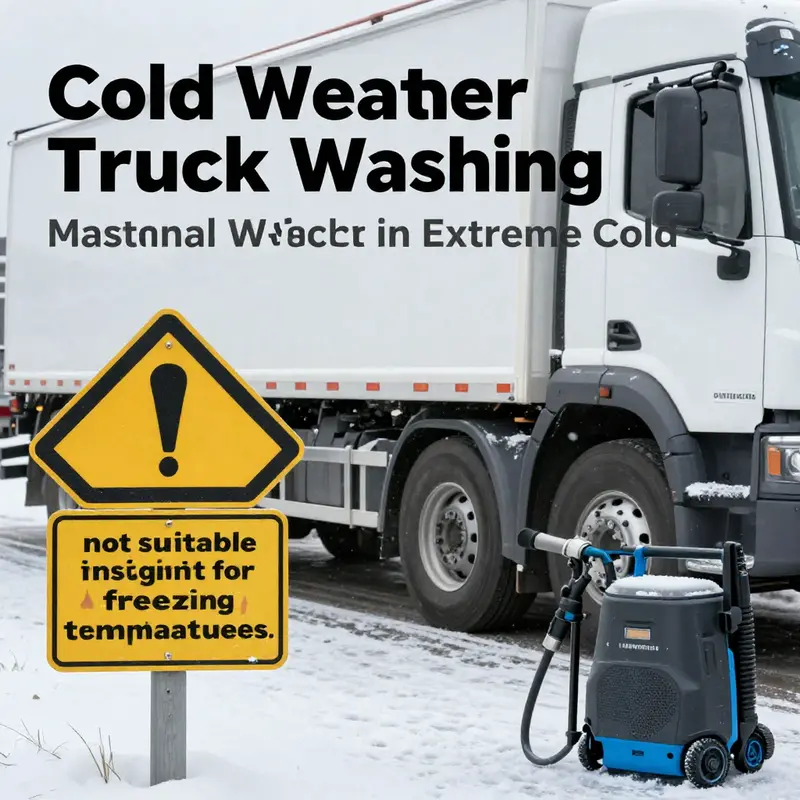
Washing a truck in cold weather demands a careful balance between cleanliness and preservation. When the air drops toward freezing, even well-intentioned cleaning can become a risk to the finish, the seals, and the very integrity of the equipment you rely on every day. The decision to wash in cold is not a binary choice between spotless and stalled; it is a calibration of what strategy will deliver the results you want while protecting the truck from the stresses winter imposes. The questions many fleet owners and individual operators face are practical: How can you remove mud, salt, and road grime without inviting ice to form on critical surfaces? If you must wash, what approach minimizes the chance that water will freeze in crevices, around gaskets, or inside a wiper motor? And when is it wiser to hold off and wait for more forgiving weather windows? The answers lie in understanding the physics of freezing, respecting the limits of equipment, and embracing methods that emphasize thorough drying and preventative care over a rush to finish in frigid air.
A core premise guides all winter washing decisions: water behaves differently when temperatures are around or below freezing. Water that remains on the surface of metal and composite panels can freeze almost instantly in open air. The moment that happens, a cascade of consequences can follow. Cracks can open in paint where it contracts with the cold, rubber seals around doors and windows can become stiff or misshapen, and even plastic trim can warp when ice grows in stubborn crevices. The risk isn’t just cosmetic; frozen water expands as it freezes, and that expansion can exert mechanical stress on joints, seals, and seams. In extreme cases, this stress may lead to leaks or misalignment that complicates the next warm cycle. The overarching rule is simple but not always intuitive: if temperatures are at or below freezing, you should avoid letting large amounts of water sit on the surface for any length of time. This is the core reason many operators avoid high-pressure washing in truly cold conditions, where the force of the spray coupled with cold surfaces can drive water into tiny openings and freeze there, turning a routine cleaning into a problem to be repaired later.
This isn’t a plea to abandon cleaning when winter bites; it’s a call to adapt. A practical winter washing plan begins with the understanding that technique matters as much as temperature. When the air is marginally above freezing—say in the mid-30s or low 40s—there is a window of opportunity to wash with the right approach. The water should be warm, not hot, because warmth helps dissolve grease and road grime more effectively than cold water, reducing the amount of scrubbing necessary. Warm water, used with gentle brushes or cloths, can lift stubborn dirt without the aggressive friction that can scratch or dull the paint. In this context, the risk of micro-scratches increases whenever you rely on hard scrubbing with cold water, especially on surfaces that have not been pre-wetted or loosened by a warm wash. The buffered approach—warm water and a soft touch—often yields a cleaner result with less harm to the finish than a cold, forceful rinse.
Drying emerges as a partner to washing in winter. Wet surfaces left to air dry are a prescription for trouble when the day cools further or night falls. The most effective winter drying technique begins immediately after the rinse, leveraging microfiber towels to blot and wipe away the remaining moisture. It is not enough to remove the visible water; residual droplets can freeze in micro crevices or along seam lines where salt has begun to accumulate. The goal is not only to prevent ice but also to limit salt exposure, which can be corrosive. A thorough dry before nightfall reduces the risk of later icing on seals and glass and helps maintain the vehicle’s exterior integrity until the next wash cycle. It also minimizes the chance that a thin film of water carries contaminants back onto the paint as temperatures drift downward.
Where wash method meets winter realities, the role of high-pressure washing in subfreezing conditions becomes clear. While a pressure washer is a powerful ally in breaking through mud and road grime, its use in extreme cold is a calculated hazard. Water moving through a pump, hoses, and nozzles carries the potential to freeze inside the equipment itself. Frozen water inside a pump can irreparably damage seals and internal components, and even if you drain the system afterward, residual moisture can freeze and expand, leading to cracks and broken parts. The practical takeaway is straightforward: do not pressure wash your truck when outdoor temperatures are at or below freezing. If the forecast or current conditions put the thermometer at 32°F (0°C) or colder, the safest option is to pause the high-pressure technique and switch to safer alternatives that reduce the amount of standing water throughout the wash.
That said, winter does not strip away the need for cleanliness. Salt, slush, and road grime continue to cling to undercarriage components, wheel wells, and panel crevices. The compromised path is to substitute a gentler method that mitigates risk while still delivering a meaningful clean. A practical approach begins with controlled pre-wetting, then a careful hand-wash using warm water and a soft brush or sponge. The emphasis is on a slow, deliberate process that lifts dirt without forcing it into sensitive joints. The wash should be thorough but measured; you want the grime loosened, not scrubbed into the finish. The use of warm water is critical here. It effectively dissolves salts and sodium compounds that accumulate during winter driving, making it easier to rinse away without requiring aggressive scrubbing. In this scenario, the goal is to minimize mechanical stress while maximizing surface cleanliness.
Incorporating forethought into the cleaning plan can also reduce the risk of accidental freezing later in the day. If you are in a region where afternoon highs are expected to be just above freezing, plan the wash for late morning or early afternoon when there is more daylight to help surfaces dry. Avoid washing in the late afternoon if a sudden drop in temperature is likely after sunset. Clouds, wind, and humidity can all influence how quickly surfaces cool and how fast water can evaporate or freeze. A practical habit is to check the forecast and observe the microclimate around your work area—concrete surfaces can stay damp longer than painted panels, and metal can conduct cold from surrounding air in a way that accelerates icing near seams.
For professionals who operate fleets or regularly clean multiple vehicles, the decision-tree becomes more nuanced. It’s not merely about one-off washes but about process discipline that can be taught and repeated. Documented best practices for a truck wash facility emphasize a few constants: minimize water exposure to critical joints, protect electrical components from spray, and promote rapid drying. An operator can pin these priorities to the workflow and train teams to adapt quickly when the thermometer shifts. A useful inclusion in any fleet’s procedural manual is the acknowledgment that extreme cold requires a conservative approach to water. This is not a limitation of capability but a protective measure that preserves the long-term value of the truck and the reliability of the cleaning equipment.
The broader context of winter washing also includes the management of the equipment used to perform the work. The pressure washer itself is vulnerable to cold temperatures. Water inside the pump and hoses can freeze, which not only risks damage but can halt work in the moment. Even when a system is drained, residual moisture can remain and freeze upon restart, causing internal strain. Operators should respect the manufacturer’s guidelines for their specific equipment, as many manuals explicitly warn against use in sub-freezing conditions. Respecting these guidelines is not a mark of caution alone; it is a practical safeguard that helps extend the life of machines, reduces maintenance costs, and minimizes unexpected downtime. When in doubt, switch to a washing method that demands less from the equipment in cold weather and aligns with the forecast’s temperature trajectory.
In the spirit of careful operation, it is worth considering an integrated approach that connects the practical washing steps with broader fleet readiness. For fleet managers and shop operators, the decision to wash in winter becomes part of a larger calendar strategy. Cleaning windows, seals, and exterior surfaces is not just housekeeping; it is maintenance that supports safe operation and compliance with environmental and safety standards. The choice to avoid pressure washing in extreme cold represents a deliberate risk-management posture. It acknowledges not only the fragility of surfaces under frost but also the fragility of the equipment designed to do the cleaning. The result is a balanced program: when the temperature is marginal, opt for warm-water hand washing with a soft tool, focus on rapid drying, and plan the next session for a warmer window. That discipline translates into fewer paint chips, fewer seal failures, and fewer downtime moments caused by frozen components.
The practical takeaway for anyone reading about can i wash my truck in the cold is simple but powerful: your best-cleaning outcome in winter is achieved by respecting the temperature, choosing the method that minimizes water exposure to critical areas, and prioritizing thorough, rapid drying. If the forecast points toward freezing temperatures within a few hours, delay or cancel the wash. When you must proceed, use warm water, a soft touch, and a method that limits water pooling on the undercarriage and around seams. And remember that safety extends beyond the truck itself. The cleanliness of the surroundings, the condition of the wash bay or service area, and the protection of electrical outlets and hoses all contribute to a clean, safe, and productive operation. For operators who manage the broader ecosystem of cleaning routines, the subtle differences between winter washing and summer washing are instructive. They reveal how attention to temperature, moisture management, and equipment care translates into consistent results and longer vehicle life.
If you are curious about how to translate these principles into a structured, site-wide approach, consider the value of good facility management for truck wash businesses. A well-designed facility plan promotes controlled water use, proper drainage, heated or sheltered washing zones, and clearly defined safety protocols that reduce the risk of ice formation and equipment failure. Such planning helps teams act quickly and confidently in cold weather, turning even a modest wash into a safe, effective operation. Facility management for truck wash businesses offers perspectives on how to align physical space with winter cleaning demands, including layout considerations, staffing norms, and maintenance routines that support consistent results across a fleet. This reference is not a single solution; it is a framework for thinking about cleanliness as part of a larger system that prioritizes safety, reliability, and efficiency.
In closing, the question of whether you can wash your truck in the cold does not have a single, universal answer. It requires discernment, timing, and a measured approach to water and energy. The safest path in subfreezing weather is to avoid high-pressure washing entirely and to adopt a warm-water, low-pressure, scrub-and-dry method. When temperatures rise, or when a sheltered, heated environment is available, you can leverage more aggressive cleaning with attention to drying and post-wash protection. The key is to treat winter washing as a maintenance activity with specific temperature-aware constraints, rather than a routine that blindly mirrors summer practices. With that mindset, you preserve the finish, protect seals and gaskets, guard against rust and corrosion, and keep your fleet looking and performing its best throughout the cold season. And when in doubt, consult the forecast, respect the equipment guidelines, and lean on the broader industry knowledge that supports safe and effective cleaning practices. For further reading on broader winter vehicle care strategies, a trusted resource outlines how winter conditions influence driving and maintenance decisions, reinforcing the idea that cautious water-based cleaning can be part of a responsible winter plan rather than a careless expedient. The aim is a clean truck, protected components, and a workflow that holds steady even when the temperature dips.
External resource: For a broader perspective on winter vehicle care and the cautions around water-based cleaning in freezing temperatures, see the AAA winter driving tips resource. https://www.aaa.com/automotive/tips-and-advice/winter-driving-tips
Final thoughts
Washing trucks in cold weather requires attention to freezing risks and appropriate techniques. By understanding water freezing, applying proper washing methods, drying promptly, and avoiding pressure washing in extreme cold, fleet operators can protect vehicle integrity and extend service life.