
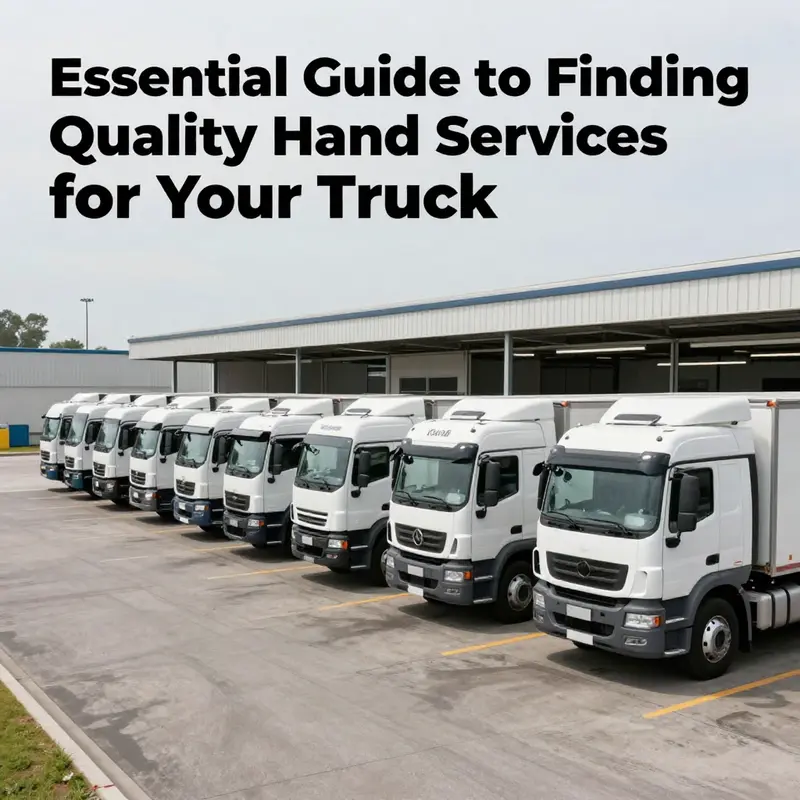
For fleet managers, trucking company owners, and supervisors in the construction and mining sectors, maintaining a clean and well-presented fleet of trucks is pivotal. Not only does it enhance the company’s professional image, but it also contributes to the longevity and efficiency of the vehicles. This article will explore the best locations for hand washing trucks near you, delve into the various services offered at truck wash stations, and provide practical tips for finding the right facilities. By understanding these aspects, you can ensure your fleet remains in prime condition and reflects the professional standards of your business.
Where to Find Hand-Wash Havens for Your Truck: A Practical Guide
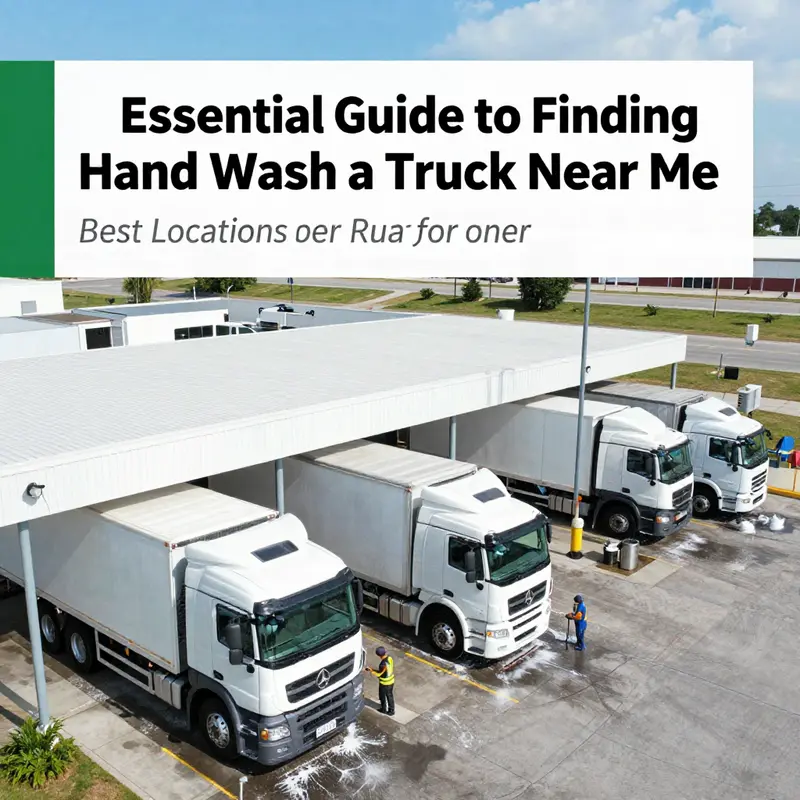
Finding a reliable place to hand wash a truck near you is about spaces that fit a large vehicle, the rhythms of long-haul life, and environmental standards.
It invites you to consider the kind of wash you need, the level of service you require, and the ecosystem around a washing operation that can influence water use and throughput.
In many regions, the best choices fall into a few broad categories, each with practical advantages and constraints. Reading the map with these categories in mind helps you move from a routine stop to a deliberate, efficient moment of maintenance that keeps your vehicle’s appearance and performance aligned with the demands of the road.
First, designate truck washing stations at entry points along major corridors. Across urban and peri-urban interfaces, cities and regions have begun to position high-capacity wash facilities where road fleets converge. These spaces are designed for large vehicles, with drive-through bays wide enough to accommodate their width and height, and with staff trained to manage the particular needs of heavy trucks. The layout is planned to minimize backtracking for a driver who is coming off a long haul and wants to reclaim time without sacrificing cleanliness. The hand-wash option is typically paired with high-pressure hoses and soft brushes calibrated for the scale of a tractor-trailer, enabling meticulous exterior work while protecting sensitive surfaces such as chrome, glass, and mirrors. In an era of heightened environmental awareness, many of these stations emphasize water efficiency and the use of biodegradable cleaning products. The practical benefit is that a driver can pull into a straightforward, well-lit zone, have the rig scrubbed by capable hands, and rejoin the route with a refreshed seal that reduces the chance of dirt and grime affecting aerodynamics or sensor performance.
Another major category worth considering is the driver rest hub, often located at or near gas stations that see continuous traffic from long-haul operations. These hubs reflect a broader shift in how fleets and drivers manage downtime between legs of a trip. They are designed not merely as a place to wash but as a compact ecosystem that supports the entire routine of the driver: hot showers for post-drive relief, laundry facilities for clean uniforms and sheets, lounges with charging outlets for devices, a place to stretch, and a kitchen for meals. The washing component is typically integrated with this broader hospitality concept, recognizing that a clean cab, a fresh exterior, and a restful environment all contribute to a driver’s ability to perform safely and efficiently. A hand-wash here is not a one-off service but part of a holistic stop that acknowledges the realities of long hours, cyclic schedules, and the need to reset bodily and mental energy before resuming a trip. The advantage is obvious: you get more than a wash—you gain a quick, practical reset that reduces the risk of fatigue and helps sustain professional standards over thousands of miles. The potential downside is the need to harmonize with the hub’s rhythm, which can be busy at peak hours and subject to the pace of other drivers using the same facilities.
Specialized car wash centers deserve special attention for their focused capabilities. Some centers are dedicated to heavy trucks, with infrastructure tuned to the dimensions, weight, and paint or chrome finishes typical of large fleets. These facilities bring the best of both worlds: the efficiency of a professional wash and the attentiveness of technicians who understand the particular challenges of big rigs. They can offer precise exterior hand-washing protocols, interior detailing packages, and add-ons like wheel and undercarriage cleaning that may be harder to achieve in a general-purpose wash environment. The staff at these centers bring experience that translates into better results in less time, supported by equipment that is specifically sized for trucks. If your route passes through industrial corridors or logistics hubs, these centers can be a reliable choice, especially when your schedule calls for a thorough clean that extends beyond the first layer of exterior grime and touches more sensitive elements such as radar equipment, light fixtures, or bumper protections.
Auto repair shops and logistics park facilities also present compelling options for truck washing, especially when maintenance planning intersects with a wash. Many repair shops incorporate washing services as part of their broader service menu, leveraging the same professional-grade equipment used for fleet maintenance. This arrangement can be particularly convenient if a truck requires a quick wipe-down before a follow-up service, a place to remove tar and grease that tend to accumulate after road work, or a chance to purge residual cleaner from the undercarriage after a wash that includes rust prevention measures. Logistics parks, in turn, have become hubs that combine warehousing, staging, and vehicle support services in one place. They promote efficiency by aligning wash operations with docking schedules, ensuring trucks do not wait unnecessarily for space in a yard. When you map your route through such zones, your wash becomes a seamless transition within a larger operational rhythm rather than a separate event that interrupts throughput.
In evaluating where to wash, a few practical considerations help you decide which category best serves your immediate needs. Timing matters a great deal. If you are racing against a tight window, a designated truck washing station at an entry point can offer speed and predictability. These spaces are oriented toward rapid throughput, with staff trained to handle the flow of large vehicles and to deliver consistent results even when demand is high. For longer breaks in the schedule, a driver rest hub or a specialized center may afford you the time to pursue a more comprehensive cleaning—exterior washed to a high standard, interior cleaned, and perhaps detailed services that address stubborn grime or tar that can accumulate on the cab and hood. Cost is another important factor. While hand washing often costs more than a basic exterior wash at smaller establishments, the value proposition lies in the thoroughness and the care given to sensitive components. Some hubs offer pricing packages that bundle exterior hand washing with interior cleaning, tire dressing, and undercarriage treatment. If you are managing a fleet, it may be worthwhile to negotiate a preferred rate or establish a standing appointment when your route intersects with a particular hub. Environmental compliance also plays a role. Facilities that invest in water reclaim systems, biodegradable cleaning agents, and responsible disposal practices typically align more closely with the sustainability standards that fleets increasingly adopt. Even if your own policy does not demand it, choosing a wash with strong environmental stewardship can reflect well on a company’s image and reduce risk if a regulation or contract requires adherence to green practices.
The practicalities of the wash itself deserve attention, especially in the moments when you pull into a bay and prepare for the work ahead. A typical hand wash begins with a pre-rinse that removes loose dust and salt and evaluates the vehicle’s surfaces for areas requiring special attention, such as tar, bugs, or difficult-to-clean chrome. Skilled wash technicians then move through the process with a balance of pressure and brush technique designed to avoid scratches while breaking loose stubborn grime. For many trucks, a hand wash is more efficient and gentler on paint than an aggressive automated cycle, especially when stainless surfaces, polished chrome, or delicate decals are present. A quality hand wash also includes attention to hard-to-reach areas such as the wheel wells, undercarriage, and the underside of running boards, where road grime tends to accumulate and begin to corrode if left untreated. The use of biodegradable soaps and water-recycling systems is increasingly common, reflecting growing concerns about runoff and local water quality. When these systems are in place, you can expect a cleaner outcome with a reduced environmental footprint, and you as the driver may appreciate the peace of mind that comes with seeing the waste stream diverted away from storm drains and natural waterways.
As you plan a hand wash, consider how the process integrates with the broader routine of fleet management. A wash is rarely an isolated event. It may be timed to coincide with a fuel stop, a maintenance check, or a mandated inspection window. For fleets that emphasize preventive maintenance, the wash often occurs just before a service interval because clean components allow technicians to spot wear more easily, identify leaks, and access hardware that might be obscured by grime. In this context, a wash becomes a diagnostic moment, an opportunity to verify that seals, gaskets, and sensors function correctly after exposure to road grime. Even when washing is purely cosmetic or happens at the end of a long trip, the habit of regular cleaning communicates a commitment to the vehicle’s overall condition, helps to maintain resale value, and reduces the likelihood that corrosion will begin in hidden places. The best approach is one that respects the vehicle’s schedule and the driver’s availability, balancing the need for a pristine appearance with the realities of a demanding timetable.
To locate the best options near you, start with broad search tools that pull in real-time data about available stalls, hours, and prices. A map-based search that accounts for your current GPS location is invaluable for immediate needs, but a little planning can pay dividends when you arrange a wash to fit a larger travel plan. If you are headed into an area with known washing hubs, check ahead for hours of operation, whether hand washing is offered, and whether the service can accommodate oversized equipment. It’s reasonable to call ahead or check online for current availabilities, especially if you travel during off-peak times or plan a stop in a region with fewer service centers. The idea is to arrive prepared, with a clear sense of what you want from the wash, what you are willing to pay, and how long you can spare in your schedule. Preparation reduces the risk of delays that ripple through the rest of the trip, especially on time-sensitive routes where a missed wash could cascade into missed deliveries or late departures.
In the spirit of practical, hands-on guidance, you may find a useful resource that aggregates cleaning best practices across heavy-duty applications. It discusses not only exterior washing, but also the care required for interior cleanliness and for maintaining the vehicle’s non-washable surfaces. For drivers and fleet managers who want a more rigorous standard, this resource provides a framework for evaluating wash quality, staff expertise, and the availability of specialized services such as tar removal, undercarriage rinsing, and wheel cleaning. You can explore the detailed guidance at Best practices for cleaning food-grade tankers, which offers insights into meticulous cleaning procedures, safety considerations, and maintenance-oriented thinking that apply across the spectrum of large-vehicle cleaning. The practical takeaway is that a well-chosen hand-wash location becomes part of a broader commitment to vehicle care, driver welfare, and operational reliability. To read more on this topic, follow the linked discussion here: Best practices for cleaning food-grade tankers: https://tripleatruckwash.com/best-practices-for-cleaning-food-grade-tankers/.
Beyond the immediate washing decision, think about the social and operational etiquette of using shared wash facilities. Large truck washes operate with a steady cadence of drivers and fleets, often within a small ecosystem of support services. Respect for the space, keeping to designated lanes, not blocking entry points, and promptly moving vehicles through when the wash cycle completes, reduces friction for others who are trying to use the same resource. A clean cab is not only about appearance; it reflects a driver’s discipline and professional identity. You can show consideration by securing your load before washing, ensuring that the bay area stays clear of loose items, and returning any cleaning supplies you use to their designated areas. The culture of truck washing centers tends to reward punctuality and courtesy, recognizing that every hour saved translates into safer, more predictable freight movement for all.
In practice, the question of where to go to hand wash a truck near me becomes a question of paying attention to route geometry and service design. If your route traverses multiple states or regions with variable proximity to trucks-only facilities, map a few anchor points where you know you can reliably get a thorough exterior and interior clean, plus any value-added services you might need on certain legs of a journey. If you are part of a fleet with dedicated dispatch support, coordinate with the operations team to align wash stops with maintenance windows, fueling points, and rest periods. That coordination reduces idle time, limits unnecessary detours, and keeps the fleet’s cumulative hours of service within regulated bounds. The end result is a repeatable process: you arrive at a trusted facility, perform the necessary cleaning with skilled hands, and depart ready to tackle the next leg of the journey with a cab that looks professional and a truck that performs optimally.
For drivers who want a more expansive sense of the landscape, the concept of designated truck washing stations, driver hubs, specialized centers, and auto repair or logistics park facilities represents a spectrum rather than a single destination. Depending on where your route lies, one category may dominate the local market, while in other areas you may encounter a blend that lets you alternate between a quick exterior wash and a more thorough interior refresh. The important point is to treat the wash as a strategic asset—part of a balanced approach to maintenance, safety, and fleet efficiency. A well-chosen location can reduce turnaround time, enhance the vehicle’s presentation, and support a safer, more comfortable working environment for the driver. As you build a routine, you’ll gain confidence in recognizing the cues that signal a trustworthy hand-wash operation and you’ll learn to read the landscape of facilities as carefully as you read a route map. This kind of literacy—about the places that support a truck’s cleanliness and readiness—ultimately translates into smoother trips and greater reliability across the road network.
Hand-Wash Havens: Finding Nearby Truck Wash Stations and Understanding Their Services
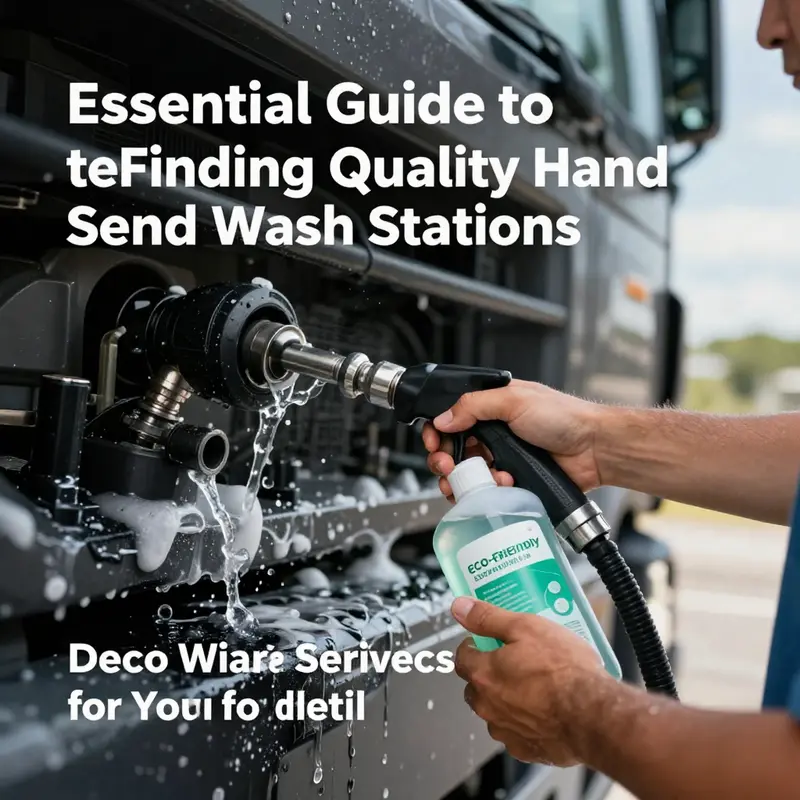
When a truck is your livelihood, the daily condition of its exterior and interior speaks volumes about reliability, safety, and professionalism. The search for a hand-wash option near your location quickly reveals a spectrum of choices: dedicated truck washes, 24/7 self-service bays, and on-site mobile cleaning that saves time and reduces downtime. Rather than picturing a single service, imagine a continuum of care designed to extend the life of the vehicle, preserve its appearance, and support a smooth operational cadence for your fleet or solo operation. This chapter falls in the middle of that exploration, serving as a practical map of what truck wash stations typically offer and how to interpret those offerings so you can decide where to go when a hand wash is needed most. It is not just about a cleaner truck; it is about choosing a partner that aligns with your schedule, your budget, and the image you present to customers, road safety standards, and regulatory expectations.
Exterior washing remains the core service at most truck wash stations. The exterior wash is designed to strip away mud, road grime, dust, and the stubborn residue that builds up along doors, sills, and undercarriages. A good exterior wash goes beyond a cosmetic rinse. It reduces slippery buildup on mirrors and windows, improving visibility for the driver and enhancing overall safety. In the best setups, skilled attendants or automated systems work in harmony to ensure paint and coatings are not compromised during the cleaning process. The goal is a thorough cleanse that leaves no stubborn patch of grime behind while preserving the vehicle’s finish for longer. Drivers often judge a facility by how well the exterior emerges post-wash, particularly if the truck spends long hours on highways where highway tar, insect residue, and industrial dust accumulate with the rhythm of miles traveled.
Mobile truck wash services occupy a distinct niche in this ecosystem. If time is a scarce resource or if a fleet operates on tight delivery windows, the convenience of a mobile wash can be transformative. Mobile cleaning brings professional-grade washing directly to the vehicle’s location, whether it sits idling at a loading dock, sits in a warehouse yard, or rests in a customer’s lot. On-site washing reduces the need to move a heavy vehicle through traffic, avoid possible scheduling conflicts with fixed-location bays, and minimize the downtime that fleets experience between shifts. Technicians arrive with a carefully selected toolkit, including high-pressure hoses, appropriate detergents, and sometimes water reclamation gear to limit environmental impact. The on-site service can be a lifeline for operators who supervise multiple days and routes, enabling a rapid turnaround that keeps trucks on schedule while still receiving a rigorous clean.
Advanced washing options form another axis of choice within truck wash stations. Shops often offer either soft-touch or touchless wash systems, each with its own strengths. Soft-touch approaches rely on gentle mechanical action combined with specially formulated detergents to lift and rinse away contaminants. This method can be particularly effective for intricate bodywork where stubborn grime adheres in crevices around cab corners, logo plates, and wheel arches. It can deliver a thorough clean while preserving surface textures and paint layers when performed by trained staff using appropriate pressure levels. Touchless systems, by contrast, rely on high-pressure jets and chemically engineered cleaners to lift debris without direct contact with the vehicle surface. For many operators, touchless washes present a faster, lower-risk option for minimizing the risk of micro-scratches on sensitive coatings, especially when vehicles show signs of delicate paint or wrap work. Many facilities tailor their washing systems to the needs of a fleet, enabling customization such as targeted wash cycles, variable dwell times, and selective application of cleaners for specific areas of the truck, like undercarriages or chrome accents. This customization is not mere vanity; it’s a practical response to the varied exposure trucks experience—from salt across winter routes to desert dust in arid cycles.
Behind the cosmetic and mechanical aspects lies a layer of after-sales support that can feel invisible at first but is crucial over the long haul. A professional truck wash operation will often provide ongoing support that includes clear documentation of services performed, maintenance reminders, and flexible payment options. For fleets that operate across multiple regions, standardized reporting and consistent service levels help operators benchmark cleanliness and cost per wash. In some cases, facilities offer lifetime online assistance or round-the-clock customer service, particularly for fleet customers who rely on predictable routines and rapid issue resolution. These elements may seem secondary to the actual wash, yet they shape the overall value proposition. When drivers and fleet managers can count on precise invoicing, predictable pricing, and a straightforward process for arranging repeat cleanings, trust grows and operations become more resilient to the inevitable schedule changes that come with mobility.
The target clients for these services are broad but distinct in their needs. Rental fleets, for example, require consistent, scalable cleanliness options that can be scheduled to align with rental turnover and inspection windows. Customer-facing businesses rely on a polished appearance to reinforce reliability and professionalism, making exterior and interior detailing a practical investment rather than an optional luxury. Vehicles in daily service, which see every mile contribute to wear and exposure, benefit from regular maintenance washes that protect chrome, sealants, and protective coatings. In practice, these clients seek a reliable partner who can deliver speed, efficiency, and quality. The right facility is one that anticipates their scheduling pressures, offers flexible options—such as rapid exterior cleans coupled with interior detailing—and provides transparent, straightforward pricing that supports budgeting for a fleet. In other words, a good truck wash station becomes more than a place to scrub the wheels; it becomes a partner in fleet hygiene and appearance as a driver-facing credential and a company-facing asset.
The broader importance of cleanliness cannot be overstated. A clean truck communicates professionalism on the road and signals a commitment to safety and maintenance. Beyond the plant aesthetics, regular washing helps extend the life of the vehicle by reducing corrosive exposure from road salt, tar, and grime that can degrade finishes and seals over time. Clean windows and mirrors enhance driver visibility, which translates into safer operation. Clean interiors improve cabin air quality and can reduce wear on upholstery and controls. In a climate where fleets strive to optimize uptime and reliability, washing is a small but meaningful component of a larger maintenance strategy. The discipline of regular cleansing also reinforces an operational culture that values attention to detail, punctuality, and pride in the fleet’s appearance—traits that customers notice and remember when evaluating partner reliability.
To make sense of the choices available near you, it helps to approach the search with a few practical lenses. First, consider the scale of your operations. A single owner-operator may prioritize swift turnaround and predictable pricing, while a fleet manager will look for scalable options, centralized billing, and consistency across multiple locations. Second, assess the preferred washing method in light of the vehicle’s needs. If paint and decals are prominent strengths of the fleet’s branding, you may lean toward a facility that emphasizes gentler wash cycles and careful handling of chrome and wrap work. Third, think about convenience and accessibility. Some operators benefit from 24/7 access through mobile apps or keycard systems, which allow for self-serve or assisted options at any hour. Fourth, factor in environmental considerations. Reputable facilities use eco-friendly formulations and water-saving practices, which can align with corporate sustainability goals and local regulations.
As you explore nearby options, keep in mind that the world of truck washing is not a one-size-fits-all landscape. The best choice often hinges on a balance of efficiency, quality, and adaptability to your schedule. A hand wash, in particular, benefits from human oversight—attention to detail that automated systems alone may not capture. Trained attendants can target stubborn spots, inspect for damage, and ensure that all surfaces—from mirrors to door jambs—receive a careful, deliberate clean. The human element also opens doors to add-on services that complement the wash, such as interior detailing, window cleaning, and specific attention to high-contact areas. This holistic approach makes the hand wash experience more than a quick rinse; it becomes a comprehensive service encounter that supports the vehicle’s long-term performance and the operator’s brand image.
In practical terms, when you arrive at a truck wash station, you want a clear sense of the workflow, the safeguards in place, and the degree of transparency around pricing. A well-run facility will explain the available washing options in plain language, without pressure to upgrade to services you don’t need. It will display posted rates for exterior washes, interior detailing, and any optional add-ons, along with acceptance methods for payment. It may also offer fleet packages with predictable monthly or per-vehicle pricing, a feature that helps operators forecast maintenance expenses with confidence. If a mobile service is your preferred route, you should still expect a straightforward, transparent process: a clear arrival window, a defined scope of work, and a reliable method for invoicing or payment after the service is completed.
The search experience itself can be streamlined by leveraging technology and location-based tools. A quick search for truck wash near me often surfaces a mix of nearby facilities, mobile services, and self-serve bays. For the driver on the road, GPS-enabled directories can highlight stations within a radius, filter by weekend hours or 24/7 access, and provide real-time status updates on busy periods. When selecting a nearby option, consider how the facility communicates about its services. Do they offer a detailed menu of wash options and pricing? Are there indications of environmental stewardship, such as the use of biodegradable soaps or water recycling? Are attendants available for hands-on assistance when needed, or is the station primarily self-serve? The answers to these questions help you determine not only the best nearby pick but also how that pick aligns with your operational realities.
If the fleet or operation you manage extends beyond a single city, it’s worth exploring how to maintain consistency across multiple sites. Some truck wash operators invest in standardized equipment and training to ensure uniform service levels at every location. They may publish detailed service specifications and provide ongoing education to staff, ensuring a predictable outcome regardless of where a wash occurs. For fleets that require this level of uniformity, the decision-making process isn’t only about price or speed but about reliability and repeatability. You want a partner who can deliver the same exterior cleanliness, the same attention to detail on wheels and undercarriage, and the same quality control in interior cleaning at every stop. The reliability of a partner grows with the consistency of the output, and that consistency becomes a strategic asset for the fleet.
The conversation about services can weave in some practical caveats. For instance, not every facility will offer every possible combination of services. Some might focus on exterior cleans and a light interior wipe-down, while others may provide robust interior detailing, engine bay cleaning, and deep cabin sanitization. There are also variations in how each wash is performed. Some operators emphasize rapid throughput for high-mileage fleets; others emphasize meticulous attention to every contour and surface for vehicles that represent the company’s premium brand. When you align the service mix with your objectives—speed, thoroughness, branding, or a particular maintenance priority—you position yourself to benefit the most from the chosen partner. A smart approach is to identify one or two non-negotiables (for example, guaranteed exterior cleanliness and a transparent price schedule) and then evaluate how additional options fit your broader goals.
The discussion would be incomplete without acknowledging the practicalities of making an adaptive choice in a real-world setting. You may find yourself weighing a mobile service against a fixed-location facility based on distance, traffic patterns, and the time of day. A fleet in a region with harsh winters might prioritize services that offer undercarriage wash and salt removal, while a company in a coastal area might value corrosion protection services and gentle detergents that safeguard chrome and brightwork. The decision is not simply about aesthetics; it is a strategic component of maintenance planning, one that can influence uptime, fuel efficiency, and the longevity of trim and coatings. In the end, the best choice is the one that offers predictable outcomes—cleanliness you can trust, a workflow that fits your schedule, and a relationship with a service partner that respects the operational realities of your business.
As you close in on your preferred options, the practical next step is to test the waters with a visit or a call. A preliminary visit can provide a tactile sense of the space, the condition of the bays, and the demeanor of the staff. It enables you to verify that the exterior wash aligns with your quality expectations, that the equipment is well maintained, and that safety protocols are clearly posted and followed. For fleets looking to scale, a trial run with a single vehicle can be a powerful proof-of-concept before committing to a broader engagement. The goal is to move from a theoretical preference to a demonstrated alignment between service quality, scheduling flexibility, and cost structure. It’s this alignment that makes the act of hand washing a routine asset rather than a reactive, last-minute decision.
To those who manage multiple locations or run a complex routing schedule, there is value in connecting with operators who offer logistical support that resembles a partnership rather than a one-off transaction. This includes clear communication channels, consistent documentation of service, and a willingness to tailor service windows to seasonal demands or fleet turnover cycles. When a facility shows readiness to adapt—whether by adjusting a wash sequence to accommodate a high-priority vehicle, coordinating with yard staff for efficient vehicle flow, or offering a simple, scalable invoicing mechanism—the relationship begins to feel like a core operational support. That’s the distinction between a place you go to “get a wash” and a partner you rely on to help you protect and project your brand through well-maintained equipment and on-road readiness.
For operators who want a deeper, research-informed understanding of the mobile wash landscape and its evolving specifications, there is a broader guide that lays out the varied options, including the hardware, chemicals, and workflow implications of mobile truck washing. This resource adds context for those who are evaluating whether a mobile or stationary solution best suits their fleet composition and geography. The guide provides a technical frame that complements the practical, hands-on insights shared here, helping you connect the on-the-ground experience with industry standards and best practices.
In moving from decision to deployment, you’ll appreciate that the best hand-wash option near you is not merely a place to remove dirt. It is a service ecosystem that blends human craftsmanship, system-driven efficiency, and a shared commitment to safety and presentable image. It respects a driver’s time, a fleet’s budget, and a company’s public persona. As you chart your path to a nearby hand-wash station, let these reflections guide your steps: identify the core exterior and interior care you require, weigh the benefits of on-site mobility against fixed-location efficiency, understand the relative strengths of soft-touch versus touchless approaches, and recognize the value of reliable after-sales support and transparent pricing. With these criteria in hand, you can navigate the options with confidence and arrive at a decision that supports your operation’s next miles with a clean, professional finish.
For operators seeking best practices in facility-level management, there is a resource that offers practical guidance on how to optimize cleanliness services, staffing, and workflow in a truck wash environment. This linked material provides further insight into the operational side of running a successful wash center and can help fleet managers and facility owners improve efficiency while maintaining high-quality standards. facility management for truck wash businesses.
External reference for deeper technical understanding: the field has published comprehensive overviews detailing the specifications, types, and applications of mobile truck wash systems. Those seeking a rigorous, technically grounded guide can consult the external resource at the following link: https://www.truckwashsolutions.com/mobile-truck-wash-guide. This external reference complements the practical guidance offered here by framing the software and hardware choices, detergents, water management, and workflow designs that underpin modern truck washing outside of the fixed facility.
Finding the Right Hand-Wash Truck Facilities Near You: A Practical Roadmap for Clean Rigs and Efficient Operations
When a haul rolls through the miles and your bumper gleams with road dust, the instinct to wash a truck by hand becomes not just a matter of pride but of durability and overall efficiency. A clean exterior isn’t only about appearances; it reduces drag, extends paint life, and helps you spot issues before they escalate into costly repairs. Yet the search for a hand-wash facility tailored to trucks is rarely a one-click affair. Trucks demand space, staff training, and equipment that ordinary car washes simply don’t guarantee. The goal, then, is to find a facility that treats your rig as a vehicle of scale and endurance, not as an afterthought. The route to that facility begins with clarity about what you need and where these capacities align with nearby options that can handle large vehicles, complex washing routines, and the rhythms of fleet life.
Quality hand washing for trucks sits at the intersection of careful facility design and reliable service standards. The right site will invite your team with clear lanes, wide bays, and solid adherence to environmental guidelines. A truck wash built around semi-trucks and larger freight vehicles is more than a larger version of a car wash; it is a system designed for height, payloads, and the specific challenges of trucking. In many regions, you will find dedicated truck-wash centers that emphasize full-service washing, detailing, and even eco-friendly practices. In other locations, 24-hour self-service bays offer the flexibility for late-night or early-morning schedules when a fleet must keep moving. Some operations blend manual and automated elements, giving technicians room to apply hands-on care to stubborn grime while technicians keep the exterior consistent with thorough, high-pressure rinsing. When evaluating options, the first questions should focus on scale, process, and pace, with a mind toward how a facility’s approach aligns with your fleet’s operational tempo.
To begin the search, think about geography and capacity rather than merely proximity. A truck needs more than a narrow bay and a quick spray. It requires adequate clearance to accommodate height, width, and length, plus a wash process that can accommodate the stubborn soils that come with long hauls. In practice, that means looking for a facility with wide entry lanes, tall wash bays, and sturdy water-management systems. It also means confirming that the staff understands the needs of heavy-duty vehicles—from the way hoses and nozzles are controlled to the kinds of rinses that avoid water spots on chrome and polished surfaces. In a well-run truck wash, you won’t just see a place to park; you’ll see a workflow that respects the time window of a fleet and minimizes the downtime that an inefficient wash would impose. A clean truck is a faster truck when it comes to returning to the road or continuing a delivery schedule, and this efficiency matters in the daily rhythm of logistics and service.
From there, the choice becomes about process integrity and environmental stewardship. The best facilities pursue a holistic approach to cleanliness and sustainability. They use cleaning agents that are effective yet gentle on paint and sealants, and they implement water-recycling systems or biodegradable formulations that reduce impact on wastewater streams. You can often confirm this by asking about the cleaning products used and whether the staff employ hand-washing techniques for stubborn patches of grease, tar, or road grime. A facility that emphasizes hand washing as part of its core process will typically assign trained technicians who understand the nuances of large-vehicle surfaces—the need to avoid marring chrome trim while still delivering a thorough rinse. In practice, this translates into a combination of pre-wushing, targeted hand work for difficult grime, and a final rinse that leaves the surface uniformly clean. You may also observe eco-conscious practices in the pH-balanced detergents, the containment of runoff, and the way waste water is handled on-site. For fleet managers, these details translate into a meaningful difference in long-term maintenance costs and compliance with local environmental standards.
Locating the right facility often starts with a mix of online discovery and local insight. In many regions, dedicated truck-wash centers exist with staff who specialize in handling large vehicles. The benefits of these centers often include hand-washing capabilities, high-pressure hoses, and a staff trained to manage weight distribution during entry and exit, which matters for trucks with tall heights and wide body profiles. As you scan the landscape, you may encounter options that promise both automated and manual washing—the kind of hybrid service that can be attractive when time is tight but thoroughness remains paramount. These centers may offer an integrated package: exterior hand wash, interior cleaning, and detailing, with the hands-on care ensuring that every crease and corner receives attention. When you’re evaluating multiple sites, you want to map out key attributes: hours of operation, lane width, bay height, available staff, and whether the facility can accommodate your current vehicle size and configuration. A practical approach is to categorize facilities by capacity first, then by service scope, and finally by ancillary conveniences like quick-dry options or interior detailing that can be bolted onto the wash cycle.
In practical terms, a few regional patterns often shape the search. In some cities, truck-focused facilities emphasize full-service washing with detail options, sometimes boasting eco-friendly cleaning products and on-site washing aides. In other regions, large, 24-hour self-serve bays equipped with oversized hoses and sturdy staging areas can be found, particularly along major freight corridors or near logistics hubs. These options provide the flexibility to wash at night during downtime or during brief stops between legs of a route. Across the spectrum, you’ll notice that the quality of the wash is not bound to a single price point; rather, it hinges on the facility’s investment in staff training, the quality of its water delivery system, and its ability to deliver consistent results across fleets with varying needs. For fleet managers or owner-operators, that consistency is the real currency—the assurance that each wash maintains a standard that protects asset value and keeps a rig looking and functioning at peak readiness.
The process of finding the right place also benefits from a practical, down-to-earth scout of real-world signals. If you can stop by during business hours, observe the way the staff interact with drivers, the clarity of the directions in the yard, and the organization of the wash bays. Are there dedicated lanes for large vehicles? Do the wash bays offer generous clearance with safe travel paths? Is there a visible adherence to safety protocols around wet floors, chemical handling, and electrical equipment? These cues often reveal the facility’s attention to detail and its commitment to minimizing risk for heavy equipment. If you are scheduling on a calendar, consider calling ahead to confirm a few specifics: whether they can allocate a hand-wash technician for the job, the approximate duration, and whether there is a staff member available to assist with any interior cleaning or protective detailing if required. For many fleets, a call ahead also serves to confirm availability during peak hours and to secure a slot that aligns with the next leg of the journey.
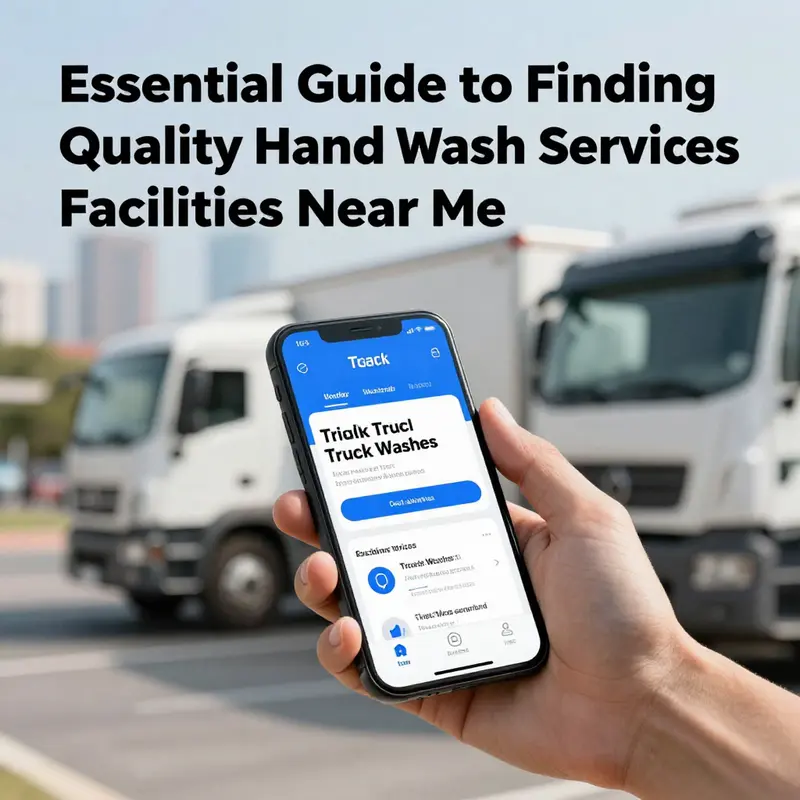
Technology plays a useful role in the search, too. The most efficient sites often leverage a blend of mobile apps, online booking, and real-time status updates. A few facilities offer 24/7 access via a mobile app or keycard system, enabling late-night or off-peak washes that keep a vehicle on schedule without forcing a stop that disrupts delivery windows. Even when a facility cannot offer online booking for every service, you’ll discover that the ability to check opening hours and to arrange an appointment by phone significantly reduces the risk of arriving at a closed gate or waiting for an available stall. The combination of human expertise and digital transparency is a strong indicator that a wash facility is committed to serving professional fleets rather than casual, one-off customers. As you weigh options, this blend becomes a practical proxy for reliability and predictability—qualities you cannot easily quantify but can feel in the rhythm of a typical visit.
In the course of your search, it can be helpful to anchor your assessment with examples that illustrate how different facilities approach the same objective: deliver a reliable, scrubbed exterior with hands-on care that preserves the integrity of the truck’s finish. In practice, some centers place emphasis on full-service capabilities, including high-pressure rinse, hand washing with attention to stubborn road film, and post-wash detailing that returns the vehicle to showroom condition. This approach often pairs with biodegradable soaps and environmentally friendly processes that reduce waste and protect the surrounding environment. Other centers may offer more modular services, combining a manual wash with optional interior cleaning, vacuuming, or windshield treatment. The best choice depends on the state of your fleet, the typical surfaces you need to protect, and the level of detailing that your customers expect. For a fleet operator, the decision is not simply whether to wash, but how to wash: the sequence of steps, the hands-on interventions, and the timeline that keeps the operation moving smoothly.
To illustrate the practical side of this, imagine a scenario on a typical business route. You pull into a truck-wash facility that welcomes large vehicles, with clear signs directing you into a wide, well-lit bay. The technician greets you, asks about specific concerns—tar on the doors, shellac on the chrome, or lingering exhaust residues—and then outlines a plan that balances speed with thoroughness. The process begins with a pre-wipe to remove loose dust, followed by targeted hand washing of heavily soiled panels. A high-pressure rinse clears away the bulk of grease, while a careful finish passes reveal the subtle improvements you expect: a uniform sheen, clean seams, and a lack of mineral spots that can appear after a hasty wash. If you want, the same team can extend the service into a light interior cleaning, ensuring the cab’s cleanliness as well as the exterior’s. The interaction is not merely transactional; it is a conversation about preserving asset value, reducing downtime, and building trust between a driver, a fleet manager, and the facility that becomes a routine partner in maintenance.
The question of cost naturally arises. Prices for truck-specific hand washing vary widely, reflecting factors like regional cost of living, the facility’s capacity, and the extent of the service. A hand-wash-focused operation may price by the job, with add-ons for interior cleaning, detailing, or protective coatings. Some centers separate the price of the exterior wash from the interior cleaning, while others offer bundled packages that appeal to fleets seeking predictable budgeting. It’s prudent to ask for a written estimate before moving forward, and to check whether the facility has any minimums for heavy-duty washing, given the added labor involved in scrubbing, rinsing, and drying large surfaces. If you manage a fleet, you may also benefit from negotiating preferred rates for recurring service. A facility that understands this demand is more likely to support your schedule with priority turnaround times, especially during peak travel seasons or after weather events that increase grime on the road.
Beyond the technical and economic considerations, the human element anchors a successful washing relationship. The staff’s experience and training matter because trucks are not ordinary vehicles; they carry payloads, electronics, and finishes that require specialized care. A facility that emphasizes staff development—through ongoing training in handling heavy vehicles, safe chemical practices, and customer service—tends to deliver more consistent outcomes. You’ll notice this in the care with which technicians approach corners, doors, and mirrors, and in how they manage the vehicle’s safety while working. The right team will also listen when you raise concerns and adapt the wash plan to address specific trouble spots, whether it’s stubborn tar near the wheel wells or delicate chrome trim that requires extra attention. Building a reliable relationship with a facility gives you a partner who understands the fleet’s routine, the routes, and the memory of previous wash sessions, which helps in planning future maintenance in a way that reduces surprises.
As you search and compare, keep a quiet eye on how the environment and the facility’s layout influence the experience. A well-designed site minimizes the risk of water pooling in the wrong places, reduces the chance of runway-like spray affecting other customers, and keeps pedestrians and drivers safe during the wash. Clear signage, well-maintained lighting, and a predictable flow of traffic are not mere conveniences; they are the sign of a professional operation that respects the scale of trucks and the safety of everyone around them. If you are coordinating maintenance for a fleet, you may prefer sites that can accommodate multiple vehicles at once without sacrificing the attention required for each one. In those cases, a strategic layout—where drivers follow a one-way path from entry through rinse, wash, and dry—reduces crossing lines and keeps everything moving with minimal supervision. The value of such an arrangement becomes most evident on days when a dozen trucks need washing in a compact window, and the yard must orchestrate that demand without chaos.
In practical terms, the search for the right hand-wash truck facility near you is a blend of method and intuition. You map out a set of criteria, verify reliability and capacity, and then let your observations of a real visit fill any remaining gaps. You may prefer to rely on a facility near major freight corridors or logistics centers, where the operational logic already accommodates large vehicles. Alternatively, you may find it advantageous to choose a location closer to a part of town that minimizes detours and reduces deadhead miles for your drivers. Either way, the overarching aim is to select a site that protects asset value through careful hands-on care, reduces downtime through reliable scheduling, and supports sustainable practices that align with your company’s environmental commitments. As you refine your approach, you will likely identify a preferred pattern: a trusted center that offers consistent exterior hand-washing, optional detailing, and a level of service that your drivers recognize and rely on. That pattern is the practical payoff of a thoughtful search.
Finally, consider how this choice connects to the larger ecosystem of your fleet operations. A hand-wash facility that aligns with your standard operating procedures can become part of a repeatable routine, much like a maintenance clinic that you visit on a predictable cadence. The facility’s ability to provide real-time availability updates, flexible scheduling, and a transparent pricing structure matters just as much as the actual wash. The more predictable the experience, the easier it is to plan for later legs of the journey, allocate time in the schedule, and deliver on customer commitments without sacrificing quality. If you ever need inspiration from how a culture of care translates into measurable gains for trucking teams, you can explore industry case studies that discuss employee engagement and broader fleet outcomes. For example, one resource highlights how consistent, well-supported teams contribute to growth and stability in the trucking sector, underscoring that a well-chosen wash partner is not just a service provider but a contributor to workforce morale and operational predictability. Derrick Wolfe trucking employee engagement growth.
In summary, the search for a hand-wash facility that truly serves trucks boils down to a few practical equations: space and capacity for large vehicles, a wash process that balances hands-on care with efficiency, and a staff and environment aligned with safety, sustainability, and reliability. When these elements converge, you gain a partner you can trust—a place that not only cleans your rig but also contributes to the smooth, predictable flow of your operation. The next time you’re planning a route or reviewing a maintenance calendar, keep these considerations in mind. Use modern mapping tools to locate nearby facilities with the right footprint, verify hours and services, and call ahead to confirm availability. If you need a quick, user-friendly starting point for your search, Google Maps and similar apps are excellent resources that provide real-time results and practical details like user reviews and photos of the facility. Real-world examples across regions show that the right combination of space, staff expertise, and environmentally mindful practices can turn a routine wash into a strategic advantage for a fleet. For drivers and fleet managers pressed by the clock, that advantage can translate into more miles on the road and more time on the job rather than spent waiting in line for a wash. The road to a clean, well-maintained rig isn’t always a straight line, but with the right hand-wash partner, it becomes a reliable, repeatable part of the journey.
External resource: For real-time search results and location-based options, you can use Google Maps to locate nearby truck wash facilities and compare options across your area. https://maps.google.com
Final thoughts
Choosing the right hand wash services for your trucks is crucial for maintaining the aesthetics and functionality of your fleet. By knowing the best locations, understanding the services provided, and utilizing targeted strategies to find the right facilities, fleet managers can elevate the upkeep of their vehicles. Consistent maintenance not only saves costs in the long run but also underscores a commitment to quality and professionalism in logistics and transportation.