
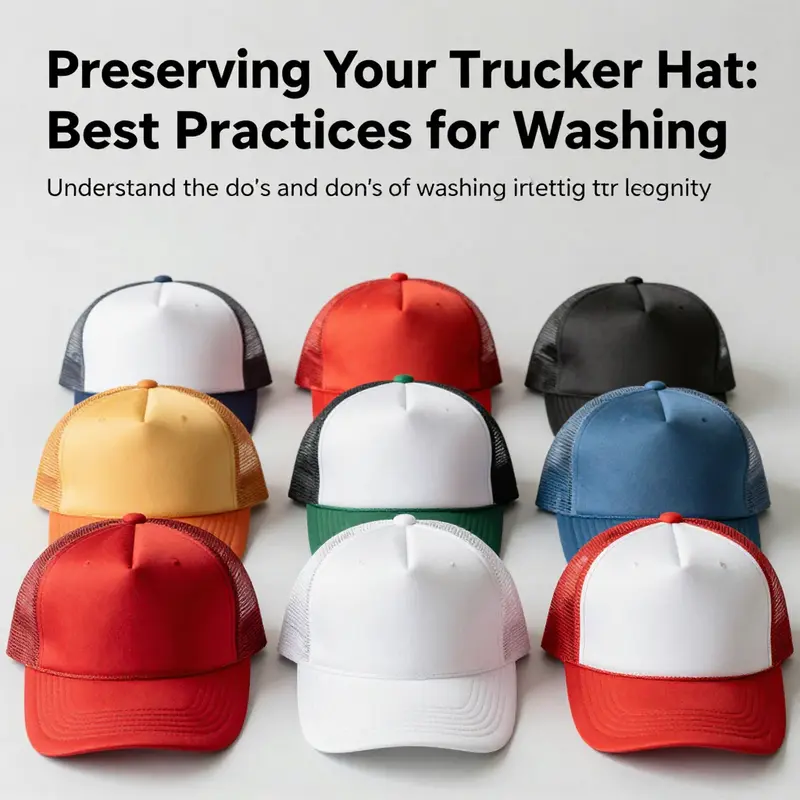
Trucker hats are essential pieces of apparel for many professionals in logistics, freight, and construction industries. However, maintaining their cleanliness while ensuring their longevity can be a challenge. The question arises: Can I put a trucker hat in the washer? While this method may seem convenient, it often leads to more harm than good. This guide delves into proper cleaning techniques; explores the risks associated with machine washing; discusses effective hand washing practices; evaluates the role of hat cages for machine washing; and contrasts hand washing against machine washing. Each chapter aims to provide fleet managers, trucking company owners, and construction supervisors with the insights necessary to keep their trucker hats looking professional and fresh.
Washer Risks and Better Alternatives: How to Clean a Trucker Hat Without Ruining It
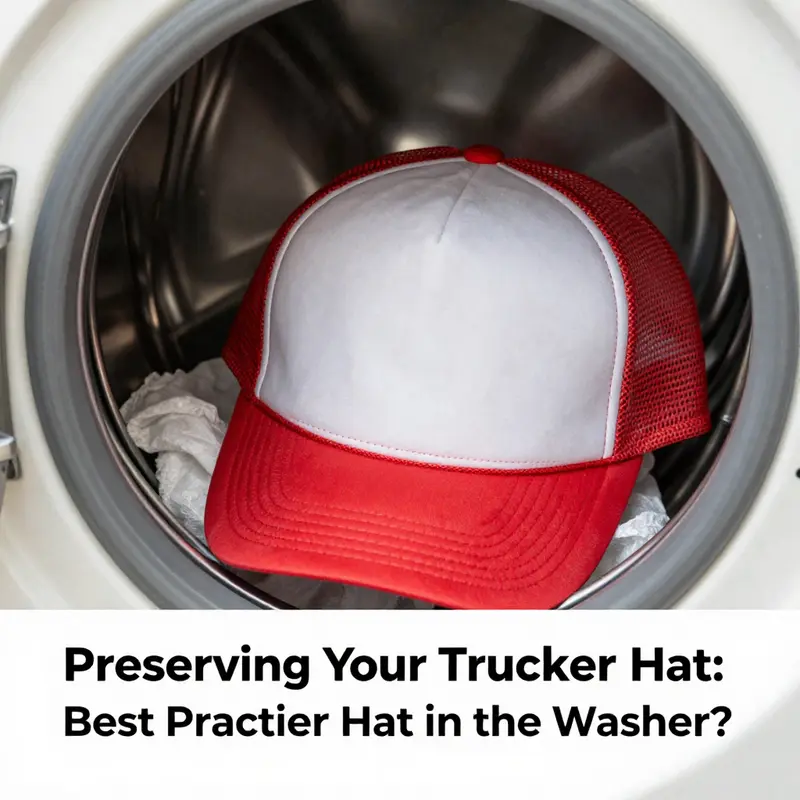
Hand washing is the safest route when cleaning a trucker hat, and this chapter explains why the washing machine is often a poor choice. A trucker hat is more than fabric and mesh. It is a shape, a brim, a stitched crown, a sweatband, and sometimes glued components. Those parts react differently to water, agitation, heat, and tumbling. The washing machine exposes a hat to mechanical forces and temperatures that can distort the brim, fray seams, loosen embroidery, and degrade adhesives. The result can be a misshapen hat that no longer fits well or looks clean.
Many trucker hats use a stiffener in the brim. That stiffener is often plastic, foam, cardboard, or a composite. Agitation and hot water can warp plastic or soften adhesives. Cardboard brims swell and collapse. Even if the brim survives, heat from a dryer or a high-spin cycle can encourage permanent bending. The mesh back is usually resilient but can stretch or snag. Embroidered patches and appliqués sit on threads that can fray when tumbled. Labels and fabric trims may shrink or lose color under heat. All these risks add up, so the general rule is to avoid the washing machine unless you take careful protective steps.
That said, people still wash trucker hats in machines. If you must use a washer, there are ways to reduce risk. Use cold water and the gentlest cycle. Remove any removable metal or plastic accessories first. Turn the hat inside out to protect embroidery and the crown. Place the hat in a protective hat cage or a firm laundry basket designed for hats to hold its shape while it moves through the machine. Alternatively, use a soft mesh laundry bag, but know it offers less structural support. Select a short spin or no spin setting if your machine allows it. Use mild detergent, and avoid bleach or fabric softener. After the cycle, do not put the hat in the dryer. Instead, reshape it and air dry on a form. Even with these precautions, machine washing remains riskier than hand washing.
A hat cage can help, but it is not a guarantee. These cages hold the crown and brim so the hat keeps its form while tumbling. They reduce direct pressure on the brim and limit crushing. However, cages can still allow enough movement for seams to strain, and they do not protect glued joints from heat or prolonged moisture exposure. If your hat has delicate stitching, special trims, or leather parts, the cage will not prevent all damage. Treat the cage as a risk-reduction tool, not a fix-all.
Hand washing stays the gold standard for preserving a trucker hat. It gives you direct control over water temperature, soap concentration, and the amount of agitation. In practical terms, fill a basin or sink with cool or lukewarm water and add a small amount of mild detergent. Submerge the hat and let it soak briefly. Gently agitate the water with your hands, pressing the hat beneath the surface to move detergent through the fabric. Pay attention to the sweatband. It is where oils, sweat, and odor collect. For stubborn sweat stains, apply a little detergent directly to the band and rub gently with your fingers or a soft cloth. Avoid twisting or wringing the hat. Those motions can distort the brim and crown.
Spot cleaning often solves the most common problems without immersing the entire hat. Use a soft cloth or an old toothbrush with soft bristles and a tiny amount of detergent. Work on the stained area in small circles. For oil-based marks, a gentle degreasing agent diluted with water can help. For mineral stains like salt, a mild vinegar solution can be effective; rinse thoroughly afterward to remove lingering odor. If the hat smells rather than shows visible stains, a soak in cool water with a mild detergent and a tablespoon of baking soda can lift odors. Rinse well. Smells trapped in synthetic sweatbands usually rinse away with careful hand washing.
Drying is as important as cleaning. Never use a clothes dryer. Heat can shrink fabric, warp brims, and compromise adhesives. After rinsing, press excess water out with your hands. Lay the hat on a towel and roll the towel to absorb moisture without squeezing the hat. Then reshape the crown and brim while damp. Place the hat over a form that approximates a head. Household items like an inverted bowl or a clean container with a rounded top can work. Allow the hat to air dry in a well-ventilated area, away from direct sunlight. Direct sun can fade colors and weaken materials over time. Check the hat periodically and gently reshape it if needed while it dries.
For vintage or delicate hats, extra caution matters. Older brims often contain cardboard or fragile stiffeners, and seams may use older threads. Hand washing with minimal wet time and only spot treatment is best. If the hat is valuable, consult a textile conservator or a specialty cleaner who understands hat construction. Leather sweatbands need leather-safe cleaners and conditioners. Avoid soaking leather parts, and use products formulated for leather care.
Maintenance reduces the need for deep cleaning. Brush off dust and crumbs with a soft brush after each wear. Let the hat air between wears to prevent odors from settling. Wipe the sweatband regularly with a damp cloth to slow soil buildup. When traveling with a stack of hats, pack them carefully to protect brims and use a hat carrier when possible. Small, consistent care steps keep hats wearable longer and reduce the frequency of more invasive cleaning.
If you run a shop or use commercial cleaning methods for many hats, adopt procedures that prioritize structure preservation. Use gentle detergents and controlled drying stations. The same principles apply when cleaning heavy equipment or vehicles: start with gentle treatments and escalate only when necessary. For practical guidance on cleaning resilient, hard-to-clean residues in a fleet context, see these proven strategies for cleaning grease and tar off your trucks fast. Those techniques emphasize controlled application and targeted treatment—concepts that translate to hat care as well.
When a hat looks beyond repair, understand the limits of cleaning. A permanently warped brim, separated adhesive, or heavily frayed stitching may need repair or replacement. Some hat owners choose to replace the brim with a new one if the crown remains intact. Others prefer to keep a favorite hat for casual use and reserve a different one for events where appearance matters. Weigh the cost of professional repair against replacement when making that decision.
To summarize the practical takeaways: avoid the washing machine if you want the hat to last. Hand wash with cool water and mild detergent whenever possible. Use spot cleaning for localized stains. Protect the brim and embroidery from excessive agitation and heat. Reshape and air dry on a form to maintain the hat’s profile. Use a hat cage only as a last-resort machine-washing aid, not as a substitute for careful hand washing. These steps protect the hat’s structure and extend its life while preserving the look that makes a trucker hat worth keeping.
External resource: Washing Caps 101: Best Methods for Clean Trucker Hats | TikTok – https://www.tiktok.com/@cleaningwithkatie/video/7348926123456789012
When the Washer Bends the Brim: Why Machine Washing Risks Your Trucker Hat
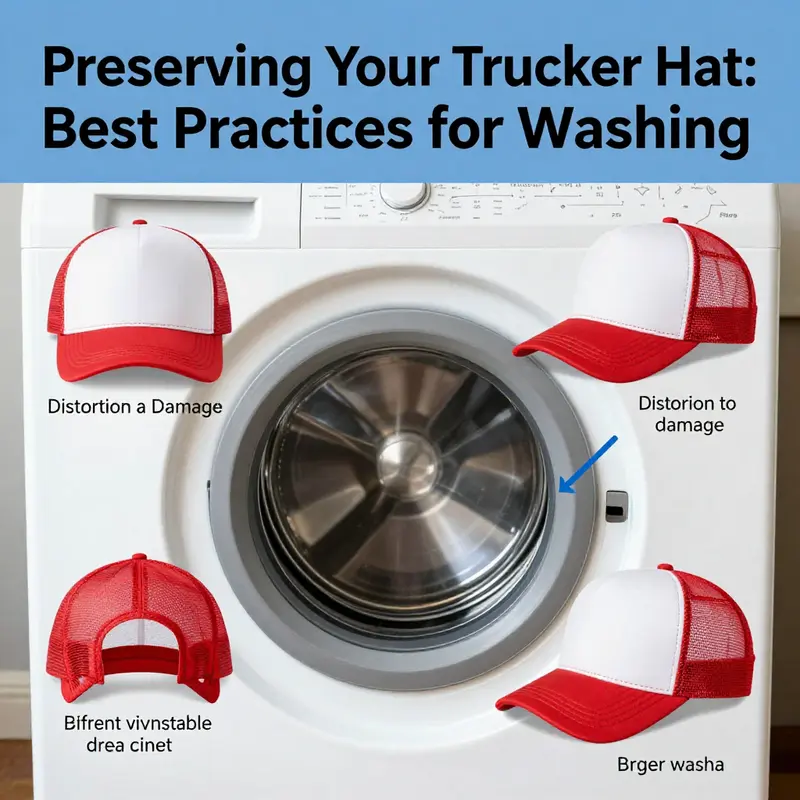
Why a washing machine can be the worst place for a trucker hat
A trucker hat looks simple, but its structure is a careful assembly of materials tuned to keep form and function. The stiff brim, the sewn crown, and the mesh back all work together. That balance is fragile. A domestic washing machine subjects the hat to forces and conditions those parts were not designed to withstand. Agitation, spinning, temperature changes, and water turbulence combine to threaten the brim, the mesh, the stitching, and the dyes. Understanding those specific risks helps you weigh convenience against the real possibility of irreversible damage.
The brim is the most vulnerable element. Many trucker hats use a thin insert inside the brim to provide stiffness. That insert may be plastic, cardboard, or a thin composite. When tossed into a machine, the brim endures repeated bending and impact. The agitation pushes the hat against the drum and other items. If the water reaches high temperatures, some plastics will warp or soften. Cardboard or paper inserts swell, then lose their flat, consistent shape. Once that insert is warped or deformed, flattening it again is usually impossible. The result is a permanently misshapen brim that ruins both fit and aesthetic.
The mesh back and synthetic panels also suffer in a wash cycle. Mesh is typically polyester or a polyester blend. It withstands wear well when handled gently, but tumbling subjects the mesh to stretching and snagging. The force of the drum can pull fibers unevenly, leaving one side more stretched than the other. That creates an asymmetrical fit and a loose, sagging crown. Hot water compounds the problem by relaxing synthetic fibers, causing them to stretch further. Over several machine washes, the mesh can become permanently distorted and the hat will no longer sit correctly on the head.
Stitching is an often-overlooked casualty. Seams around the crown and the joins between materials rely on tight, durable stitches. Mechanical agitation repeatedly tugs at those seams. Threads can fray from friction, and smaller, weaker stitches may break entirely. When seams fail, panels separate or the crown loses its structural integrity. Repair is sometimes possible, but it requires careful re-stitching to match tension and shape. Many casual owners would rather replace the hat than invest time or money in a repair that may not restore the original fit.
Hardware and fasteners face a separate set of risks. Snapback clips, metal buckles, and plastic adjusters can loosen or break. Metal components may corrode, especially if exposed to moisture repeatedly and then stored without proper drying. Plastic snaps can crack under impact or become brittle after repeated heat exposure. Damage to these elements compromises the hat’s adjustability and can leave sharp edges that are uncomfortable against the skin. Even when hardware survives visually intact, its internal fit and alignment can change, making the hat sit oddly.
Colorfastness is another practical issue. Dyes and printed graphics face friction and extended wetting in a wash cycle. Embroidered logos and printed fronts can fade unevenly or bleed color into adjacent fabric. This is particularly noticeable on hats with two-tone designs where light-colored panels pick up dye from darker ones. After a cycle or two, the hat can look washed out or blotched. For collectors or people who rely on their hat’s appearance for work or branding, that loss of crisp color is a major problem.
Shape and fit are casualties of repeated machine cleaning. A trucker hat depends on a predictable crown height and brim curvature. When any component warps—brim, mesh, crown seam, or sweatband—the overall fit changes. A hat that once had a clean profile can become lopsided or slumped. The sweatband, often a thin strip of absorbent fabric, can also shrink or distort, making the hat uncomfortable and less secure. Once a hat loses its intended profile, it rarely returns to the original silhouette, even after professional repair.
There are also safety considerations to keep in mind. Heat and friction inside a dryer or a heated wash cycle can melt adhesives used in some brims or in lining. Melting adhesives can transfer to other fabrics in the wash or create hard patches inside the hat. If metal parts corrode and stain, they can mark clothing or irritate the skin. Snagged mesh can catch on other garments, potentially pulling or tearing them. A simple washing machine cycle can therefore escalate into damage to multiple items, not just the hat.
Given these risks, people sometimes look for machine-safe workarounds. Hat cages exist to hold shape during a wash, and they can reduce direct contact with the drum. However, these cages do not eliminate heat exposure or the stress of water and detergent on fibers and stitched seams. They also do not prevent internal inserts from swelling if they are made from cardboard. Using a cage can lower the chance of some damage, but it introduces complexity and does not guarantee safety. Many experts still recommend avoiding the washer for structured hats.
When is machine washing acceptable? There are narrow exceptions. If a trucker hat is entirely synthetic, without a cardboard brim insert, and the owner is willing to accept some risk, a delicate, cold-water cycle with very mild detergent can sometimes be used. Placing the hat inside a protective mesh bag reduces direct impact. Even then, skip the dryer. Air-dry on a form or over a bowl to maintain shape. But this is a last resort, not a standard practice. Each machine wash eats away a little of the structure and finish, and those cumulative effects are what ultimately ruin a favorite cap.
For most situations, hand washing and spot cleaning are safer choices. Gentle cleaning targets the sweatband, stains, and odors without subjecting the entire hat to mechanical stress. Use lukewarm water and a mild soap. Work stains with a soft brush or cloth. Rinse gently and reshape the brim while the hat is damp. Dry on a clean, rounded support to preserve curvature. These steps keep materials intact and slow the wear that would otherwise come from the washer.
If a hat is heavily soiled or of high sentimental or monetary value, consider professional cleaning. Some cleaners specialize in headwear and can remove stains while safeguarding structure. Alternatively, certain truck wash or facility services may offer gear-cleaning options for drivers and staff. For insights related to managing cleaning operations in a truck-focused facility, see this resource on facility management for truck wash businesses: facility management for truck wash businesses. That link explains how businesses integrate cleaning services and the precautions they take to protect specialized gear.
The operating principle is simple: convenience from a machine wash is not worth the cost of a ruined hat. The visible damage is often only the start. Once brims warp, mesh stretches, or seams fail, the hat’s life shortens dramatically. Choosing careful, low-stress cleaning methods preserves both fit and appearance. If you must use a machine, take every precaution: cold water, mild soap, protective containers, no dryer, and immediate reshaping. Yet know this—the safest path is hands-on care. For a detailed, expert-backed step-by-step guide to washing a trucker hat without damage, refer to this comprehensive resource: https://www.thesprucecrafts.com/wash-a-trucker-hat-4135792
Protecting Your Trucker Hat: Why the Washer Risks Damage and How to Clean It Safely

Best Practices for Washing Your Trucker Hat: Why the Washer Is Usually a Bad Idea and What to Do Instead
A trucker hat is more than a temporary accessory. It has structure, materials, and finishes that respond badly to careless cleaning. The central question is simple: can I put a trucker hat in the washer? Technically, some hats survive a machine cycle. Practically, the washer is rarely the safest option. The agitation, spinning, and heat used by washing machines expose the hat to several failures: a warped brim, weakened stitching, faded decoration, and damaged back snaps or clips. This chapter explains why the washer is risky and gives a clear, reliable method to clean your trucker hat while preserving its shape and life.
Trucker hats typically combine a firm brim, a structured front, and a mesh back. The brim is often plastic or cardboard covered in fabric. The front panel can include embroidery, printed artwork, or foam backing. The mesh frequently uses a synthetic material that tolerates water. These different components react differently to laundry machines. When a hat tumbles and slams inside a drum, the rigid brim can bend or crack. High heat from a dryer or hot water can loosen glue, shrink fabric, or make foam sag. Embroidery threads and printed transfers risk abrasion and fading. The hat’s crown and sweatband can lose their original curve. Over time, repeated machine washes drastically shorten the hat’s useful life.
If a washing machine seems like a tempting shortcut, consider the alternatives. Hand washing is the recommended method. It lets you control water temperature, avoid harsh agitation, and focus cleaning on soiled areas. The goal is to remove dirt and sweat without forcing the hat to lose its shape. A gentle approach preserves the brim, retains color, and keeps stitched or printed designs intact.
Start with the right cleaning solution. Use a mild detergent or a gentle soap designed for delicates. Avoid bleach and strong stain removers that can strip dyes or weaken fibers. Mix a small amount of detergent in lukewarm water until it dissolves. Hot water can warp the brim and fade colors. Cold water reduces cleaning efficiency. Lukewarm finds the balance.
Before fully submerging the hat, do a quick spot test. Dip a soft cloth in the solution and rub an inconspicuous area, like the inside of the sweatband. Check for color transfer or material reaction. If the fabric bleeds, consider using a specialty cleaner or consulting a professional cleaner.
When you are ready, submerge the hat gently. Let it soak for a few minutes. Use your fingers to lightly rub heavily soiled areas. Pay special attention to the sweatband and the inside of the crown. These spots trap oils and sweat and benefit from targeted attention. Avoid twisting or wringing the hat. That motion deforms the brim and crushes the crown.
For particularly tough sweat stains, apply a small amount of diluted detergent directly to the band and let it sit for five to ten minutes. Brush gently with a soft-bristled brush or a cloth. This mechanical action removes oils without aggressive rubbing. Rinse thoroughly under clear, running water. Leaving soap residue risks attracting dirt later and can stiffen fabrics.
Drying is as important as washing. Never use a tumble dryer. Heat will warp brims, shrink fabric, and degrade adhesives. Instead, reshape the hat while it is still damp. Use a round form—like a bowl, a rolled towel, or a hat form—placed inside the crown. This supports the structure as it dries. Lay the hat on a ventilated surface away from direct sunlight. Sunlight can bleach colors and weaken fibers. Air drying in a shaded place provides steady evaporation without heat damage.
Pay attention to the brim. If the brim becomes slightly misshapen during cleaning, don’t force it into position with heat. Gentle pressure and careful reshaping while the hat is damp will usually bring it back. If the brim contains cardboard and it absorbs significant water, replace the hat’s form and allow more time to dry. Cardboard inside brims can rot or delaminate when repeatedly soaked. That is a key reason to avoid machine washing.
For hats with glued elements, minimal water contact is best. A spot-clean approach works well. Use a damp cloth with a touch of mild detergent and dab the area. Rinse carefully with a second damp cloth, then dry. Avoid prolonged soaking to protect adhesives and printed designs.
Metal snaps, plastic clips, or adjustable closures need special care. Do not scrub them vigorously. Salt and sweat can corrode metal parts. If you notice corrosion, clean the area gently and dry thoroughly. For plastic parts, ensure no hot water or prolonged soaking that could warp their shape.
If odor is a concern, use targeted solutions rather than aggressive washing. A light spray of diluted white vinegar on the sweatband neutralizes odors. Allow the hat to air out. Baking soda can absorb lingering smells if sprinkled into the crown and left overnight, then vacuumed or brushed out. These low-impact methods refresh your hat without risking structural damage.
When speed matters, a sink or basin offers more control than a machine. Fill with lukewarm water, add detergent, and treat problem areas. Swap the water if it becomes very dirty. Rinse with clean water and dry as described above. For hats that are only lightly soiled, a simple wipe with a damp cloth and a gentle detergent solves most issues.
Some people ask about specialized devices that let you machine-wash hats safely. There are hat cages and frames designed to hold a hat’s shape inside a washing machine. These can reduce risk but are not foolproof. They protect the brim from direct impact but cannot prevent all movement inside the drum. They also do not control water temperature or detergent strength. If you choose machine washing with a protective cage, use a delicate cycle, cold water, and a mild detergent. Remove the hat promptly and air dry on a form to avoid warping.
Another common question involves the safety of hats with embroidered designs. Embroidery is surprisingly durable, but it still suffers from friction. A hat that tumbles in a washer scrapes against the drum and other garments. That friction loosens threads and causes pilling. Hand washing avoids this abrasion and preserves embroidery detail.
Occasionally, a hat needs deeper cleaning than hand washing can provide. In those cases, a professional cleaner that understands structured headwear is the best option. Tell them the hat’s materials and any sensitive features. A specialist will use methods tailored to preserve the hat’s integrity.
Remember that prevention beats restoration. Regular light cleaning after wear reduces the need for heavy washing. Wipe sweat from the band, air the hat after use, and store it on a hook or form that preserves shape. Avoid leaving it in hot environments that can accelerate material breakdown.
Cleaning a trucker hat by hand requires a small investment of time. That time repays you with a longer-life hat that keeps its shape and appearance. In short, avoid machine washing unless you accept the risk. Use lukewarm water, a mild detergent, gentle rubbing, and careful drying on a form. Spot clean glued or delicate areas and treat odors with low-impact methods. If machine washing seems unavoidable, protect the hat in a cage and choose a cold, gentle cycle, then reshape and air dry promptly.
If you want to dive deeper into professional tips and a step-by-step guide, consult this detailed external resource: https://www.menswearfashion.com/how-to-wash-a-trucker-hat/. For cleaning techniques that apply to heavy-duty equipment and stubborn residues, learn from practical truck-cleaning strategies such as proven strategies for cleaning grease and tar off your trucks fast, which covers durable cleaning methods used in commercial settings.
Following these practices preserves your trucker hat’s structure, color, and details. The result is a hat that looks better, fits better, and lasts longer. Gentle care wins every time.
Hat Cages, Gentle Care, and the Realities of Washer-Washed Trucker Hats: A Candid Look at Cleaning Decisions
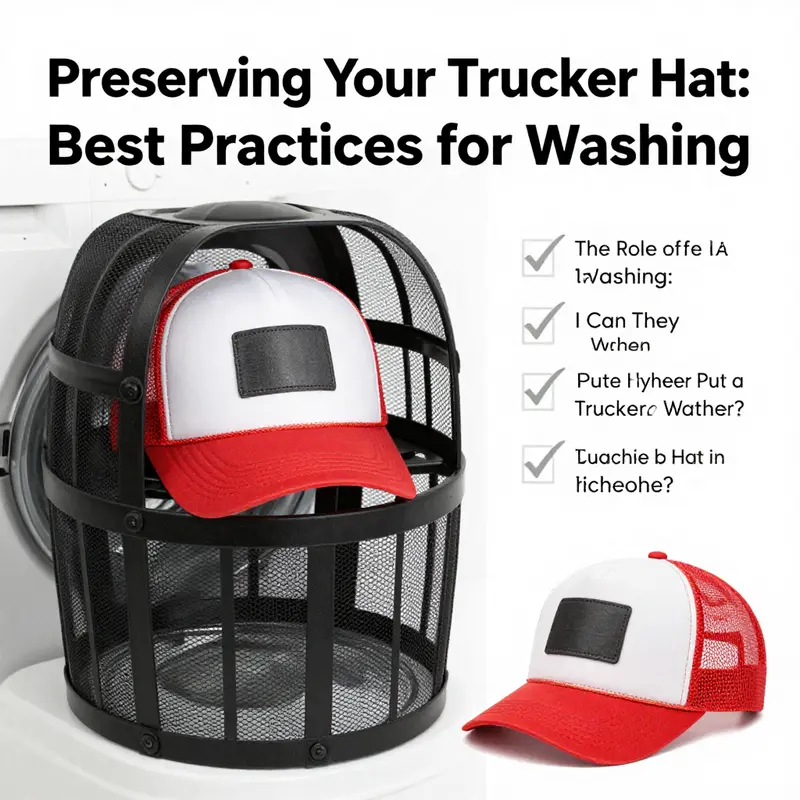
When confronted with a favorite trucker hat, the impulse to toss it in the washing machine can feel like a simple solve. After all, a quick spin, a cycle of water, and a light breeze to dry sounds like convenience itself. Yet the question at the heart of this chapter—can a trucker hat withstand the washer, even with protective aids like a hat cage—teases out a deeper truth about fabric, form, and long-term value: not everything resilient in appearance is equally resilient under the mechanical stress of a laundry cycle. A trucker hat is a hybrid garment, its crown often made from foam or structured fabric, its back mesh a delicate constellation of threads and adhesives, and its closure a plastic or metal flourish that anchors the whole thing in a shape. The combination creates a product that can endure daily wear, but that endurance is not guaranteed when subjected to agitation, heat, and high-speed rotation. The foam front, in particular, can act like a sponge to water and detergent, absorbing moisture in ways that disturb its original lattice of stiffness. The result can be warped brims, collapsed crowns, or seams that pull away from the fabric panels. In short, the hat’s anatomy thrives in casual upkeep, not in machine-scale cleaning physics. This fundamental mismatch between the hat’s design and a washer’s choreography is why most experts reserve judgment on machine washing as a routine option for trucker hats, even when the hat cage is in play to guide form and reduce movement. The materials matter, and the consequences of a rushed decision accumulate over time. The foam needs breath; the fabric needs gentle handling; the back mesh benefits from air rather than a storm of tumbling. All of these factors remind us that care for small gear like a hat is a lesson in respect for the item’s integrity, and that respect often translates into slower, more deliberate methods. If your aim is to preserve shape, color, and durability, the safest path is the most traditional one: hand washing with mild soap and lukewarm water, a careful rinse, and a patient air dry. This approach treats the hat with the kindness it deserves and acknowledges that it is a product built for outdoor use rather than for the inside of a washing machine. The reasoning is practical as well as principled. Machine washing imposes kinetic energy and chemical exposure that the hat was never engineered to absorb uniformly. The back mesh, the plastic snap, and the foam all respond differently to agitation and humidity. When a machine wash is invoked, it is not just the fabric that bears the load; the hat’s entire structure bears a risk that can change its silhouette for good. And yet, the wider conversation about care extends beyond the hat itself. Cleaning practices for personal items sit alongside broader maintenance disciplines in the service sector, where the emphasis is on uptime, visibility, and reliability of gear in challenging environments. In professional settings, this connection between personal gear hygiene and organizational standards is not abstract. It translates into how crews present themselves, how long their equipment lasts, and how well they perform when the work demands it. For readers who manage fleets or wash facilities, this perspective also echoes a principle that runs through the best practice guides for larger items: treat every component with an eye toward longevity, even if it seems small in scale. The hat’s fate, in other words, reflects a larger ethic of care that pervades the industry, one that values preventive handling as much as restorative cleanup. Within that frame, hat cages—commonly marketed as protective devices designed to cradle hats during laundering—offer a measured middle ground. They aim to stabilize form and minimize direct contact with the drum’s agitation. In practice, however, a cage does not create an invincible shield. It can reduce some movement, but it cannot eliminate the core dynamics that threaten a trucker hat: rapid water flow, consistent tumbling, and the relentless pull of the spinning cycle. The research material echoes this restraint with clarity. While hat cages may provide organizational benefits during a wash, the mechanical energy transmitted through the machine still has the potential to distort the crown, stress stitching, fade colors, and loosen the plastic or metal components at the back. The conclusion drawn from careful observation and expert consensus is not punitive toward the cage but honest about its limits: a hat cage can help, but it cannot compensate for the structural risks that machine washing imposes on a form-sensitive object like a trucker hat. Even when a cage is used, the safest practice remains cautious consideration of the cycle’s settings. A gentle cycle, cool water, and a small amount of mild detergent reduce some harms, but they do not guarantee preservation of the hat’s original geometry. The reality remains that the hat’s own nature is delicate enough to reward restraint and patient care more than aggressive cleaning. This is where the conversation about methods intersects with the more general ethics of artifact preservation. The hat is not simply a disposable item; it carries a story—one day, a long road, a favorite run, a camping trip, a moment of personal expression. Each of these chapters adds a layer of sentimental or practical value that deserves respect. If a weathered, soft-brimmed look is part of its charm, then the washing method itself becomes part of the hat’s arc. People often discover that the changes produced by hand washing feel like a restoration rather than a renovation. They see the crown regain its roundness, the brim retain its stance, and the colors appear brighter as the hat dries naturally in open air, with shaping done while the crown remains pliant. The steps involved are modest and repeatable: fill a sink with lukewarm water, introduce a small amount of mild soap, and use a soft brush or sponge to lift grime from the crown and brim. Do not scrub aggressively; think of gentle rain on dawn petals rather than a wool brush assault. Rinse with clean water until no soap remains, then carefully reshape the crown and brim with both hands. Place the hat on a form or a clean towel, letting it rest in a natural position as it air dries. If you need to speed things along, you can use a clean, dry towel to blot moisture, but avoid wringing or squeezing, which can distort the foam and tighten seams in ways that are hard to reverse. This process, though slower, offers a clean result that preserves the hat’s silhouette as well as its color and material integrity. For a reader who is balancing the urge for speed with the desire for durability, the final calculus is straightforward. If you prize the hat’s original form and the long-term life of its materials, hand washing is the best path. If you insist on machine cleaning, the margin for error expands, but it is possible to reduce risk with careful precautions. In that scenario, the use of a mesh laundry bag—rather than a dedicated hat cage—can provide an extra layer of protection. Place the hat inside the bag to cushion it from direct contact with the drum and to limit the scale of movement. Set the machine to a gentle cycle with cold water, and run only a brief wash. Afterward, remove the bag promptly and reshape the hat while damp to prevent setting any unwanted distortions. Even with these careful steps, the outcome remains less predictable than hand washing, and the hat should be monitored for any sign of strain. The practical decision, then, rests on values as much as on physics. If the aim is to maximize longevity and preserve the hat’s shape, color, and comfort on the head, hand washing consistently wins. If the need for machine cleaning arises due to time pressures or the realities of a shared workspace, the chain of precautions—gentle cycle, mesh bag, cold water, careful shaping—offers a compromise rather than a cure. For those who operate in or around the world of truck washes or fleet facilities, this ethos of careful handling translates into broader operational discipline. It aligns with the emphasis on routine maintenance, proper workflow, and thoughtful care for all gear that supports daily tasks. In the broader context of hygiene and equipment care, you may find it helpful to reference broader principles of facility management for truck wash businesses, where cleanliness and equipment longevity are part of a cohesive system. This cross-disciplinary mindset—treating a breakfast hat with the same care you apply to a truck’s hoses and brushes—can improve overall outcomes and reduce unnecessary waste. For readers exploring related topics in the field, such cross-pollination of ideas is valuable and practical. If you want to anchor this particular discussion in a wider conversation about upkeep and care, a quick exploration of facility management for truck wash businesses can provide a useful frame for how small items fit into larger processes. (Internal link: facility management for truck wash businesses) The point is not to conflate scale but to recognize a shared structure of care, protection, and longevity. As with many decisions in cleaning and maintenance, the simplest path—gentle hand washing—offers a clarity that is hard to beat. It minimizes risk, respects the hat’s materials, and tends to preserve the hat’s character. The cage, when used, can be a helping hand rather than a guarantee. It can contribute to a smoother ride through a cycle, but it does not eliminate the possibility of distortion or wear. This nuanced view helps readers who are balancing practicality with protection, and it underlines a central truth: the best preservation for a trucker hat is thoughtful, low-impact cleaning that supports the hat’s shape and life. External reference for deeper context: https://www.tiktok.com/@cleaninghacks/video/7483692758123456789
Preserving the Peak: Why Hand Washing Beats the Washer for Your Trucker Hat

Hand washing usually wins when cleaning a trucker hat. The structure, materials, and small parts of these hats are simply not built for the harsh agitation of a washing machine. Trucker hats combine fabric fronts, breathable mesh backs, and a brim that may contain plastic, cardboard, or foam. Those elements react differently to water, heat, and tumbling. A single machine cycle can warp a brim, loosen stitching, or weaken the adhesive that holds foam and fabric together. Plastic snaps and metal parts can scratch, bend, or corrode, while the hat’s crown may lose its shape. Over time, repeated machine washes will shorten the hat’s usable life.
Hand washing gives you control. You can moderate water temperature, reduce agitation, and treat trouble spots precisely. This control protects the brim and preserves the cap’s silhouette. It also prevents the mesh from tearing or snagging against other laundry. For hats with printed logos, painted designs, or delicate patches, hand washing avoids abrasion that can dull colors or damage detailing. The basic hand-wash approach is simple: use lukewarm water, a mild detergent, and gentle motion. The goal is to clean without stressing seams, adhesives, or stiffeners.
Start by mixing a small amount of mild detergent into lukewarm water. Hot water can set stains and damage adhesives; cold water can leave oils behind. Lukewarm water strikes the best balance. Submerge the hat briefly to wet it through, then lift and let excess water drip off. Use a soft cloth, sponge, or soft-bristled brush to work the detergent into sweatbands and visibly soiled areas. Focus on the sweatband first. Oils from skin and hair concentrate there and are the main cause of discoloration and odor. If the sweatband is heavily soiled, apply a small dab of detergent and rub gently with your fingers or a cloth. Let the detergent sit for a few minutes before rinsing to lift body oils effectively.
Stains will often respond better to spot treatment than to full immersion. For instance, a visible ring from sweat can be treated with a diluted detergent solution or a gentle stain remover applied only to the affected area. Avoid bleach or strong chemical cleaners. Those will lighten fabric unevenly and degrade fibers and foam. Always test any stain remover on an obscure area first. After treating stains, rinse thoroughly but gently. Never wring a hat. Twisting or wringing distorts the crown and can crease the brim permanently.
Drying and reshaping are as important as cleaning. After rinsing, press the hat gently against a towel to absorb excess water. Reshape the crown and brim while the hat is damp. If the brim contains plastic, ensure it returns to its correct curve before the hat dries. Let the hat air dry on a towel away from direct sunlight and heat sources. Sunlight can fade colors and weaken fibers. Heat from dryers or radiators can warp plastic brims and melt adhesives. Drying the hat on a curved form helps maintain shape, but a simple household item works well too: place the hat over a small bowl or a rounded object that matches the hat’s interior shape. Avoid anything that stretches the sweatband or distorts the crown.
Machine washing is tempting because it’s fast and hands-off. But it introduces risks. The washing machine’s mechanical action flexes and bends materials repeatedly. Brims may become misshapen. Mesh backs can catch on other items. Metal snaps and buckles bang against the drum and can bend or scratch. Even when using a gentle cycle, the hat still moves and twists inside the machine. Temperature control is another issue; many machines heat water or use warm rinse cycles that can degrade adhesives. If you decide to use a machine despite the risks, there are ways to reduce damage, though they cannot eliminate it entirely.
Hat cages and protective frames are available to shield caps during machine cycles. These devices hold the hat’s shape and keep it from thrashing in the drum. When used properly, a hat cage reduces the chance of a crushed brim and limits fabric abrasion. Still, hat cages are not foolproof. The hat remains exposed to water saturation and detergent, and small parts may still receive stress. Use the gentlest cycle, cold water, and a mild detergent when machine washing. Place the cage inside a mesh laundry bag for an extra layer of protection. Avoid combining hats with heavy items like jeans or shoes in the same load. Even with protections, only use machine washing as an occasional solution, not a regular habit.
Material matters. Mesh backs tolerate water well but can lose shape if stretched. Foam-front trucker hats may flatten if pressed or dried improperly. Cotton components can shrink slightly if exposed to hot water or for prolonged drying. Synthetic fibers cope better with moisture and retain shape more reliably. If your hat includes printed graphics, treat it as you would a delicate garment. Hand wash conserves print integrity, while machine cycles promote cracking and peeling over time.
When dealing with stubborn stains or strong odors, consider a targeted approach rather than a full wash. A soak of the sweatband in a small bowl with diluted detergent can remove oils without saturating the entire hat. For odor issues, a brief soak in a water and baking soda solution followed by gentle rinsing helps neutralize smells. Enzyme-based detergents remove organic residues effectively, but use them sparingly and rinse thoroughly. Avoid soaking hats for long periods; prolonged immersion softens glues and weakens interior structure.
Cleaning frequency also affects hat longevity. Frequent light cleaning prevents heavy buildup and limits the need for aggressive treatments. Spot clean between full washes. If you wear your hat daily, make it a habit to wipe the sweatband after each use. Rotate hats when possible to give each one time to air out. Proper storage matters too; keep hats on a shelf or a hook that preserves shape. Avoid stuffing hats into tight spaces where they can crease.
For folks who manage multiple garments or run a small cleaning operation, the principles remain similar. Systems that prioritize gentle care yield better long-term results. If you oversee larger-scale cleaning tasks, consider consulting resources about managing cleaning spaces and protocols to protect delicate items. A useful starting point is a practical discussion on facility management and best practices for care in cleaning environments: https://tripleatruckwash.com/facility-management-for-truck-wash-businesses/. That resource focuses on operational control and cleanliness, principles that translate to caring for small, delicate items like hats.
In short, hand washing preserves form, detail, and durability. It conserves the brim’s curve, protects seams, and maintains prints and patches. Machine washing, even with protective cages, increases risk. Use the machine only as a last resort and on the gentlest setting with cold water. Treat stains locally, focus on the sweatband, and dry slowly while reshaping. These steps keep your trucker hat looking newer and lasting longer. For further step-by-step guidance and visual tips on cleaning trucker hats, consult this practical external guide: https://www.thehatshop.com/blog/how-to-clean-a-trucker-hat
Final thoughts
In summary, while the allure of placing a trucker hat in the washer may be tempting due to convenience, the risks associated with machine washing often outweigh the potential benefits. Hand washing remains the preferred method for ensuring the hat’s integrity and longevity. By adhering to best practices and understanding the implications of different washing methods, fleet managers, trucking company owners, and construction supervisors can maintain their trucker hats in excellent shipping condition for their daily operations.