
Maintaining a clean truck fleet is paramount for logistics, freight operations, and construction industries. Regular washing not only enhances the aesthetic appeal of vehicles but also extends their lifespan by preventing corrosion and damage. Each chapter of this guide serves to equip fleet managers, trucking company owners, and construction supervisors with a comprehensive approach to effectively washing trucks at car washes. From selecting the appropriate car wash to understanding different washing techniques and post-wash inspection, this article covers every aspect tailored to professional needs.
Choosing the Right Car Wash for Your Truck
Plan a truck wash with care. The goal is a clean finish that protects paint, chrome and seals. The right wash minimizes friction and protects against swirl marks. For many truck owners a soft touch automatic wash or a high quality touchless wash is a good balance between cleanliness and care. Soft touch systems cushion the surface while still delivering scrubbing action. Touchless washes use high pressure water and detergents to lift dirt without contact.
Before you enter a bay observe the facility. Check water quality, brush condition, and whether the staff maintain equipment. Fresh water, well kept brushes, and regular filter changes reduce the risk of scratching. Ask about pre wash spray, wax or sealant options, and whether the facility can accommodate your truck size and features.
Consider your climate and usage. In winter, salt removal and undercarriage cleaning matter. If your truck has a specialized finish or decals, a touchless wash may be gentler. Plan to add a protective layer such as wax or sealant only if the finish tolerates it and matches your maintenance plan.
Finally, align your choice with reliability. A facility that prints maintenance logs, tests water quality, and trains staff tends to deliver consistent results. The right car wash becomes part of a routine that protects the investment and keeps your truck looking good longer.
Pre-Wash Precision: Debris Removal as the Gatekeeper to a Flawless Truck Wash at the Carwash
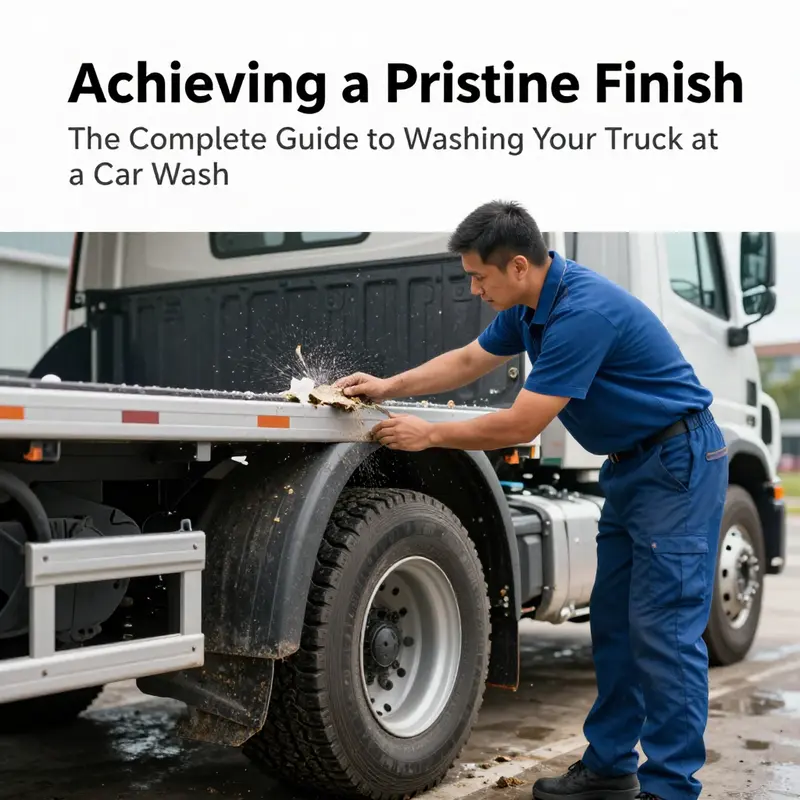
Debris, dust, and particles are not just unsightly; they are active abrasives waiting to scratch and dull a clean finish. The pre-wash phase is where your truck meets its first line of defense before it ever reaches the main wash. When you approach this step with intention, you reduce the risk of creating micro-scratches and you set the stage for an even, streak-free result. The goal is not merely to remove visible grime but to minimize the forces that can mar paint and chrome during the more aggressive cleaning stages that follow. In this sense, pre-wash preparation becomes the gatekeeper of the entire process, ensuring that what happens in the carwash bay is efficient, thorough, and protective of your truck’s finish.
Choosing the right location matters before you even pick up a nozzle. Park in a shaded area if possible. Direct sun can cause soap and water to dry quickly, leaving spots and reducing the effectiveness of detergents. Shade helps the surface stay wet longer, which gives you more control as you begin the pre-wash work. A calm, level spot also prevents water from pooling in unlikely places during the initial rinse. These practical choices set a calm tone for what follows and prevent hurried decisions that could lead to missed dirt pockets or overlooked debris.
With the truck properly situated, you start with an initial rinse to loosen the most stubborn grime. A thorough rinse from top to bottom helps dislodge loose dust and dirt that would otherwise be ground into the paint by brushes or high-pressure jets. Pay particular attention to the wheels, the undercarriage, and the lower panels. Wheels collect brake dust, road grime, and tar that cling to spokes and rims. The undercarriage witnesses road salt, grime, and mud that can cling to rocker panels and frame rails. The lower panels take the brunt of splashed dirt from driveways and highways. By giving these areas a deliberate rinse, you reduce the potential for abrasive contact later in the wash cycle.
Debris removal is the quiet work that makes the rest of the process smoother. The eye can miss small leaves, twigs, or sticker debris that can snag on bristles or drag across paint. A soft brush or microfiber cloth is ideal for lifting debris without scouring the surface. Work slowly around edges, door jambs, and body creases where dirt tends to accumulate. If your truck has a bed liner or thick mud on the tailgate, address those spots with care, using a gentle touch to avoid pushing dirt into crevices. This step is not about achieving a perfect free surface at this moment; it is about removing particles that could become micro-abrasives during a more aggressive wash.
Stubborn stains demand a smart approach. Bird droppings, tree sap, and resin can bond to paint in ways that resist a casual rinse. For these, apply a specialized cleaner and let it dwell for a few minutes. Do not rush to scrub while the cleaner is still active; this can drive the stain into small scratches or micro-marring. After the dwell time, re-wet the area and rinse thoroughly. The key is to let chemistry do the heavy lifting while you maintain control over pressure and distance. If you’re using a self-service bay, follow the detergent manufacturer’s guidelines and use a dedicated automotive cleaner rather than household products. The difference in chemistry matters for paint safety and for preserving the protective wax or sealant you may have on the surface.
A responsible pre-wash routine also includes removing any loose items from the bed or cab and checking for items that could get damaged during the wash cycle. Loose floor mats should be removed or secured, and any loose cargo in the bed should be protected. This is not merely about preventing damage to your truck; it is about preventing damage to the equipment in the wash bay and avoiding collateral contamination of other vehicles nearby. The act of debris removal is the moment you translate intention into action. It’s easy to rush this step, but the smoothness of the subsequent wash depends on how thoroughly you perform it now.
The decision about carwash type often intersects with pre-wash strategy. An automatic brush wash can be effective for general cleaning but may introduce risk for older or softer finishes. In such cases, a note of caution—consider a touchless option or proceed with extra debris removal and pre-wash care—can save you from unwanted scratches. A self-service bay offers the most control, letting you regulate water pressure and soap application to target tough areas without aggression. Regardless of the wash type, the pre-wash work remains a constant: clean the surface enough to prevent abrasive particles from grinding across paint during the main wash, then gently remove what could become a problem later.
Integrating facility considerations into your routine can pay dividends. A well-planned wash facility with clearly marked bays, appropriate drainage, and easy access to pre-wash supplies reduces the cognitive load on the operator. The broader discipline of facility management for truck wash businesses emphasizes layout, workflow, and maintenance standards that support consistency in cleaning outcomes. This is not just about business efficiency; it’s about creating conditions that minimize the chance of missed spots or rushed, careless passes. For readers who want to explore this dimension further, the topic is discussed in depth under facility management for truck wash businesses.
As you progress from pre-wash to the main wash, the payoff becomes clear. A truck that enters the bay with a clean, debris-free surface experiences less drag from residual dirt and fewer snag points for brushes or spray nozzles. The risk of introducing tiny scratches is significantly reduced, and you’ll likely see a more uniform result as soap and water continue their work. If you are running a fleet or repeat wash operations, this disciplined pre-wash protocol translates into consistency across vehicles, time saved, and less wear on the wash equipment itself. The smoother the surface that meets the brush or spray, the more efficient the entire cycle becomes, and the longer you protect the vehicle’s appearance against the elements.
This chapter’s guidance aligns with broader best practices in vehicle care. The emphasis on pre-wash preparation and debris removal is a foundation that supports safer chemical use, more effective cleaning, and better overall outcomes. It also helps you spot issues early. A clean surface makes it easier to identify dents, chips, or rust spots that could require attention after the wash. You can then plan for maintenance or touch-ups with greater confidence, knowing the wash has preserved the underlying integrity of the paint and clear coat rather than masking it with dirt or soap.
For readers who want to connect this practical approach to broader operations or facility design, see the linked discussion on facility management for truck wash businesses. This resource expands on how bay layout, workflow, and maintenance schedules influence the reliability of pre-wash and wash-stage results. It is by no means a substitute for hands-on practice, but it provides context for how individual washing choices fit into a larger system designed to deliver consistent, quality outcomes across a fleet.
In sum, the pre-wash phase is not a mere preliminary step; it is the keystone of an effective, paint-safe truck wash at a carwash. The careful removal of debris, mindful handling of stubborn stains, and strategic rinse work together to protect the finish, extend the life of detergents and coatings, and set up the main wash for success. Treating this phase as a deliberate, almost ceremonial, part of the process ensures you get the best possible result while keeping the truck in peak condition for longer. As you advance to the full wash, remember that the integrity of the finish starts long before the brushes touch the surface, in the quiet, thorough work of debris removal and pre-wash preparation. For additional context and a deeper dive into related operational considerations, the facility management resource mentioned above offers a broader lens on how wash environments support consistent outcomes.
External resource: For detailed, field-tested guidance on vehicle care and maintenance, consult the Car Care Council’s official resource at https://www.carcare.org/.
Choosing the Right Car Wash Type for Your Truck: A Practical Guide to High-Impact Cleaning
When you pull a heavy pickup or work truck into a car wash, choosing the right wash type is more than a matter of speed. It’s about protecting finish, avoiding damage to sensitive components, and getting a thorough clean without turning the process into a ritual of sweeping, scrubbing, and reworking. The decision rests on several factors—truck size and finish, the level of grime you’re dealing with, and how much time you’re willing to invest. With a clear sense of purpose, you can pick a wash type that aligns with your truck’s needs, your budget, and the kind of care your paint and hardware deserve.
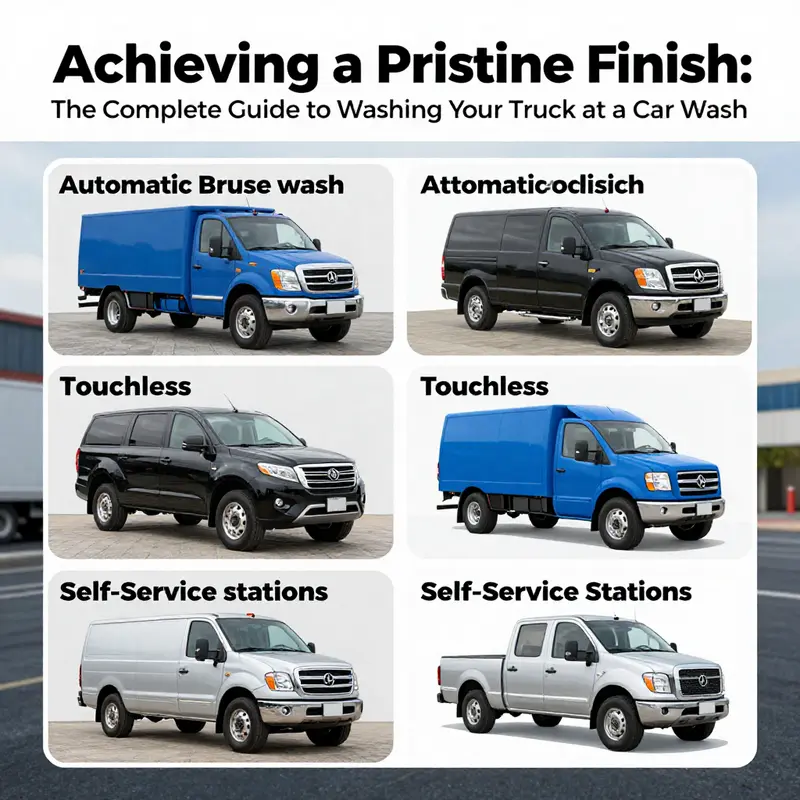
Washing your truck at a car wash can be a turn-key solution for regular maintenance, especially in climates that bring road salt, grime, or tar into play. Yet not all car washes are created equal, and the options fall into three broad families: automatic car washes (which themselves split into touchless and brush-based systems), self-service bays, and hand-wash services performed by trained personnel. Each type offers a distinct mix of convenience, cost, and risk to your finish. Understanding these options first helps you plan a cleaning session that respects your truck’s finish and your schedule.
Automatic car washes, by far the most common, are designed to move vehicles through a set rinse, soap, and dry sequence with minimal manual effort. The two primary subtypes—touchless and brush-based—offer different levels of contact and different outcomes. Touchless washes rely on high-pressure water jets and chemicals to lift grime off the surface. There’s little or no physical contact with the paint, which reduces the risk of micro-scratches on delicate finishes. This can be a win for trucks with custom or vintage paint jobs, or for vehicles with sensitive chrome accents that you want to spare from brush contact. On the flip side, touchless systems can struggle with stubborn road grime or heavy undercarriage buildup, particularly in humid environments or after off-road trips. The absence of brushes means less direct mechanical scrubbing, which can leave some stubborn residues behind if the wash cycle isn’t optimized for your grime profile.
Brush-based automatic washes, by contrast, use rotating brushes to scrub the surface. They’re typically fast and convenient and can deliver a bright, uniform clean that tackles wax and light surface contaminants in one pass. However, brushes can be a double-edged sword. If the brushes are worn, contaminated with grit, or not properly maintained, they can introduce micro-scratches or swirl marks on paint, especially on softer finishes or specialty paints. For trucks with unique paint schemes, matte finishes, or older clear coats, a brush-based wash demands extra caution. In such cases, a high-quality, well-maintained brush system paired with a diligent pre-wash may still do the job without compromising the surface.
Self-service car wash bays offer the most control. You’re the operator, selecting water pressure, soap amount, and rinse sequence. This can be especially valuable when dealing with heavy wheel grime, tar, or undercarriage buildup that automatic washes often miss. The self-service approach shines when you want to target specific problem areas—often the wheels, hubs, and undercarriage—that require more focused cleaning. You’ll typically find hoses, pressure washers, and separate wheel-cleaning stations. The trade-off is time and effort. A thorough self-service session can take longer, and it relies on your technique and attention to detail.
Hand-wash services, performed by trained technicians, are the most meticulous option. A hand wash minimizes the risk of incidental damage—since a skilled detailer controls contact, pressure, and technique. This method tends to be the most thorough, reaching into tight crevices, around chrome trim, and into wheel wells where automated systems often fall short. The downside is cost and scheduling. Hand-wash services require more time and typically cost more than automatic or self-serve options, but for trucks with valuable finishes or heavy contamination from off-road use, the investment can be well worth it.
Regardless of the wash type you choose, preparation sets the stage for a clean, efficient session. Remove loose debris from the truck bed, step away mats, and any items that could be damaged or cause scratches during washing. For wheels and heavily soiled areas, a pre-rinse can prevent caked mud and mud-brick tar from grinding into paint during the wash. If the grime is particularly stubborn, a light pre-rinse or spot treatment before entering a car wash can keep you from rubbing tough material across sensitive surfaces.
Detergent choice matters too. At self-service bays, use a detergent labeled for automotive use, and avoid household soaps that can strip wax and dull paint. In automatic washes, the detergents are pre-selected by the facility, but being mindful of your truck’s finish helps you avoid overexposure to harsh chemicals. Remember, the wheel and undercarriage areas deserve special attention. A dedicated wheel cleaner and a separate brush or sponge help prevent dirt from transferring to painted surfaces.
Wheel care is a frequent afterthought for many truck owners, yet it’s one of the most important areas to protect. Brake dust, road grime, and tar collect in the wheels, and they can be abrasive. Treat wheels with their own cleaner and tool set, and use a separate cloth or brush to avoid dragging gritty material onto the body. A spoked wheel, a chrome rim, or a rugged steel wheel all respond differently to cleaning routines, so adjust your approach accordingly.
Rinsing thoroughly is essential. The goal is to remove all soap and residues. Residual soap can dry into streaks, film, or water spots, especially when the sun comes out or the air is warm. If you’re using a wash with a guaranteed rinse cycle, you still want to run a quick check for corners that might hold soap—edges along the bottom of doors, under mud flaps, and in wheel wells.
Drying is another pivotal step—water spots are the enemy of a gleaming finish. A microfiber towel or chamois is ideal for drying, especially on glass, mirrors, and chrome accents. When drying, give extra attention to the edges around doors and around the chrome trim if your truck has those features. The goal is a uniform, dry surface that helps you see the true finish of the paint and identify any embedded dirt or road grime that needs extra attention.
Optional wax or sealant after washing can provide a protective layer, especially in harsh weather or salted environments. A sealant adds a durable shield and a renewed shine that lasts longer than a typical wax treatment. If your truck spends significant time in winter conditions or on salt-laden roads, sealing the finish after a wash can be a smart investment. It also makes future cleaning easier by encouraging water to bead and lift grime away more readily.
After the wash, a careful inspection helps you catch issues early. Look for dings, scratches, or rust spots that might need professional attention. A clean surface makes these issues easier to spot, and catching them early can prevent more extensive damage later.
The choice of car wash type should reflect your truck’s realities. If you regularly wash a truck with a durable, simple finish and you’re aiming for speed and cost-efficiency, a well-run automatic wash—preferably touchless if you’re cautious about finish—can serve you well for routine maintenance. If you regularly drive through mud, tar, or off-road terrain, a self-service bay offers the control to target stubborn areas and ensures you’re not leaving behind embedded dirt. For high-value finishes or specialty paints, a hand wash—though more expensive—brings the highest level of care and a meticulous finish. In all cases, a thoughtful approach to pre-wash preparation, correct detergent use, wheel care, thorough rinsing, and proper drying makes the difference between a quick, satisfactory clean and a job that leaves you frustrated with streaks or neglected grime.
If you’re weighing the practicalities of cleaning strategies for tough grime and tar, you might consider reading about proven strategies for cleaning grease and tar off your trucks fast. This internal resource provides workflows that align with the meticulous cleaning needed for forks like wheel wells and undercarriage components, helping you plan a session that yields results without unnecessary wear on your finish.
For broader guidance on choosing the right car wash type, see the external resource from a leading automotive publication, which outlines considerations such as vehicle finish, wash intensity, and the trade-offs between touchless and brush-based systems. This resource complements the practical, hands-on guidance in this chapter and can help you tailor your approach to your truck’s needs.
External resource: https://www.caranddriver.com/features/a49765201/how-to-choose-the-right-car-wash-for-your-vehicle/
Pristine at the Pump: Proper Cleaning Techniques and Products for Washing Your Truck at a Carwash
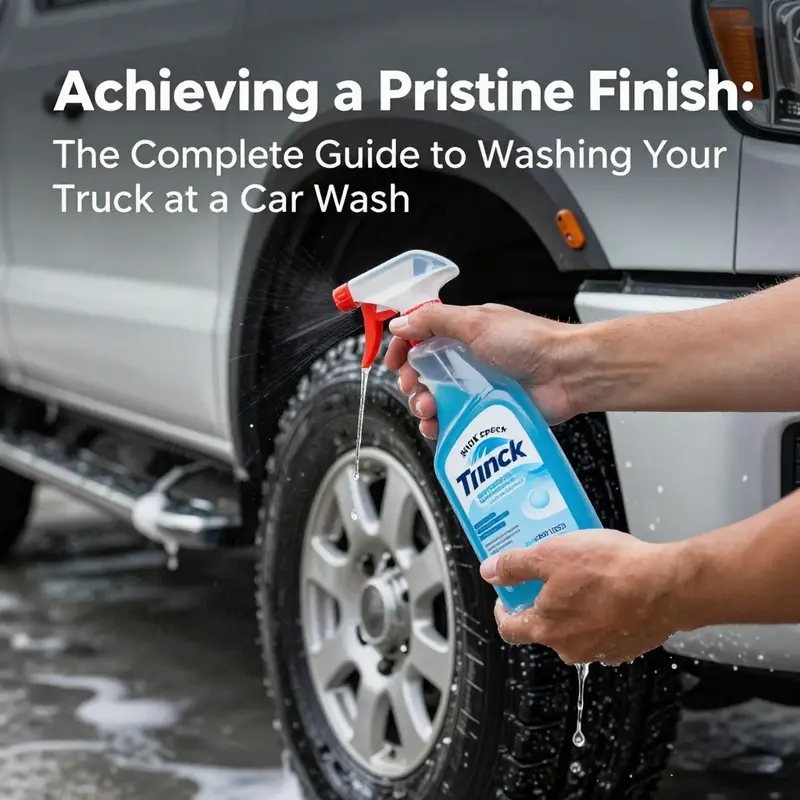
Washing a truck at a carwash is more than a quick rinse and a fade of soap on chrome. It is a careful ritual that preserves finish, protects coatings, and keeps heavy-duty tires and undercarriages clean enough to perform reliably in demanding conditions. When you pull into a bay designed for larger vehicles, you are entering a space that rewards patience, the right tools, and a plan that respects every part of the truck from bumper to tailgate. The goal is clarity rather than splash, a finish that shines without inviting imperfections down the line. To achieve it, you start with a mindset as much as with a method: know the vehicle you own, the washing options available, and the detergents and techniques that harmonize with your finish and protective layers.
Choosing the right carwash is the first practical step. Large bays, reinforced entry positions, and high pressure capabilities are essential for trucks with higher sides, sizable wheel wells, and heavy-duty tires. Some facilities specialize in heavy vehicles and offer services that go beyond a basic wash, such as wheel cleaning stations, undercarriage rinses, or even light waxing. If a truck has a custom paint job, a vintage feel, or delicate finishes, consider a touchless option or a self-service setup where you control the spray pattern, contact, and duration. The balance you seek is between thorough cleaning and gentleness on finishes, especially when splash zones include chrome, decals, or aftermarket protective coatings.
Prewash preparation matters just as much as the wash itself. Before you enter the line, remove loose debris from the bed if applicable, take out floor mats, and clear any items that could snag or fly loose during the wash. Heavy mud or caked dirt on wheels and body is a signal that a pre rinse is prudent. This reduces the chance of abrasive contact in automated stages and minimizes the risk of scratching, particularly on any exposed paint or coatings that may have been compromised by road grime. In some cases, a quick hose rinse outside the bay can loosen stubborn clumps so the wash chemicals can do their work more efficiently once you are inside.
Detergent selection matters as much as the wash method. If you are using a self-service stall, opt for a truck specific or automotive grade detergent rather than household soaps. High pH detergents or traffic film removers are designed to cut through road grime, oil, brake dust, and tar without compromising the underlying paint. Household dish soaps can strip wax, sealants, or ceramic coatings, leaving the surface more susceptible to new contamination and potential damage. The quality and compatibility of the product with your vehicle’s coatings influence not only the cleanliness of the truck but the longevity of the finish. When you choose products, look for formulas that are gentle on wax and protective layers while maintaining strong cleaning power for metal parts, chrome, and plastics.
The choice of wash system should align with your truck’s needs and the level of grime you encounter. An automatic brush wash cleans efficiently but can introduce micro scratches on older paint or delicate finishes. If your truck carries a custom paint job, a vintage look, or high value coatings, the safer path may be a touchless wash that relies on high pressure water and detergents, keeping contact to a minimum. Self-service stations offer the most control. You can adjust water pressure, soap application, and rinse cycles to reach stubborn areas such as wheel wells, undercarriage gaps, and the frame. The flexibility of a self-service approach can be especially valuable for high-mileage fleets where wheels, tires, and undercarriage accumulate the most buildup.
Once you commit to a cleaning approach, apply the detergent with care, following the manufacturer instructions if you are using a particular wash system. This guidance, printed on the product label or posted in the bay, helps you achieve the balance between dirt removal and paint protection. It also ensures you do not exceed recommended dwell times, which can lead to chemistry seeping into seals or soft coatings if left too long. Regular maintenance washes, performed with the right products, keep your truck looking sharp and reduce long-term buildup that might otherwise require more aggressive cleaning methods later on.
Wheels and tires are where grime gathers and stubborn contaminants like brake dust cling to metal surfaces. A dedicated wheel cleaner, used with a separate brush or sponge, minimizes the risk of transferring dirty soap to the painted body. This separate method prevents cross-contamination and protects the finish from abrasive particles that can scratch when smeared across panels. Many carwashes provide wheel cleaning stations; using them lets you concentrate strength on the most contaminated parts while reducing risk to the rest of the truck. When you finish with the wheels, recheck the body panels and wipe away any remaining residues or tar spots you may have missed in the first pass.
Rinsing thoroughly is a critical step that often determines the quality of the final finish. Inadequate rinsing leaves soap residues that dry into streaks or spots as the surface cools or dries under sun and wind. A complete rinse should wash away all soap and loosened dirt from the highest arched sections down to the lower rocker panels. After rinsing, drying becomes the art that prevents water spots and enhances the shine that follows a good wash. A microfiber towel or chamois is ideal for drying. Begin with larger, flat panels to absorb the bulk of the moisture, then move to mirrors, windows, chrome trim, and any chrome accents to prevent water from creeping into seals or gaps. Patience here matters; rushing through drying invites streaks and leaves a dull finish that undermines the effect of a thorough wash.
If you want to extend the life of your finish, consider an optional wax or paint sealant after the wash. A protective layer helps repel rain and contaminants and can amplify the gloss on the truck body. The decision to wax or seal depends on your climate and usage. Harsh weather, road salt, or frequent exposure to sun and heat makes the additional layer more appealing, but even in milder conditions a sealant can maintain that clean look longer between professional washes. In all cases, let the surface dry completely before applying any protective layer. This ensures the wax or sealant bonds properly and reinforces the protective coat rather than trapping moisture beneath it.
A careful wash also doubles as a quick inspection. Once the surface is clean and protected, run a visual check for dings, scratches, or rust spots that might have developed since the last wash. A bright, clean surface makes such issues easier to spot and address early, preventing subtle corrosion or paint peeling from going unnoticed. A routine assessment as part of the wash process helps you stay ahead of potential repair costs and keeps the truck in peak condition.
Beyond the moment of washing, keeping pace with maintenance is essential. Establish a regular schedule for washing with products designed for heavy-duty use. This habit makes it easier to keep dirt from building up in places that are hard to reach, like under the bumper or within the wheel arches. A worthwhile practice is to select a trusted truck wash soap with proven performance and a reputation for compatibility with waxes, sealants, or ceramic coatings. Such a product supports the longevity of your vehicle’s finish and reduces the likelihood of rapid dulling, which can occur when dirt becomes baked onto the surface from heat and sun. Regular use of the proper products also minimizes the risk of chemical damage to sensitive plastics or chrome trim when used in accordance with the manufacturer’s instructions.
In the context of the broader fleet or personal truck care, you can deepen your knowledge by tapping into perspectives from industry sources that focus on efficiency and effectiveness in routine maintenance. For example, you will find practical, field-tested strategies for addressing stubborn grease and tar on trucks fast, which can complement a standard wash routine and help you handle exceptional grime without resorting to aggressive brushes. This approach preserves finish quality while still delivering a clean, professional look in every bay you use. Proven strategies for cleaning grease and tar off your trucks fast.
If you are new to the process or you want a broader reference, consider how the routine aligns with official guidance on vehicle care. A well-rounded approach to washing considers the interactions between detergents, coatings, and surface finishes, ensuring the finish remains protected after each wash. A clean surface reveals all potential issues, making it easier to plan subsequent maintenance steps and address problems before they escalate. This holistic view of washing—covering preparation, product selection, mechanical methods, drying, protection, and inspection—forms a resilient habit for sustaining truck aesthetics and value over time.
As you integrate these practices, keep in mind that a careful wash is not simply about aesthetics. It is an ongoing investment in the vehicle’s structural integrity and longevity. The finish you protect today translates into lower maintenance costs tomorrow, less corrosion risk, and improved resale appeal. In a field where dirt, salt, tar, and road grime are constant companions, the discipline of correct product choice, proper technique, and mindful timing pays off in a truck that looks good and runs reliably for miles to come. External resources remain a helpful supplement to your routine, offering additional perspectives and techniques that can adapt to your specific environment and work demands. External resource: https://www.amazon.com/s?k=truck+wash+soap
Beyond the Final Rinse: A Comprehensive Post-Wash Ritual for Your Truck
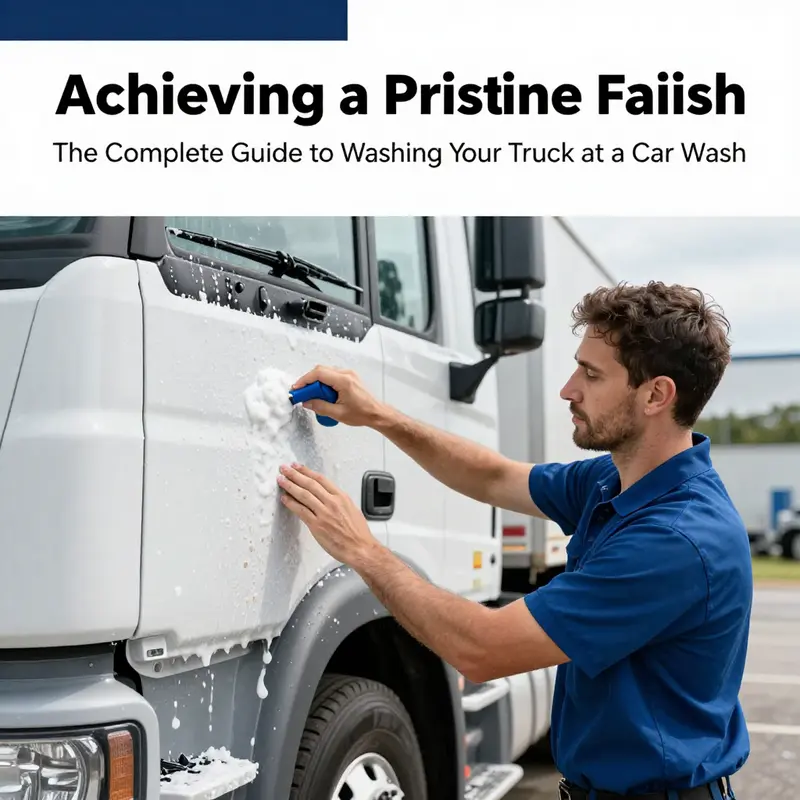
Washing your truck at a carwash leaves the finish gleaming and the body looking refreshed, but the care doesn’t end when the rinse nozzle shuts off. The moment you step back from the stall is when protection begins to matter as much as appearance. A deliberate post-wash routine locks in the shine, keeps contaminants from settling back onto vulnerable surfaces, and helps you spot issues before they escalate into costly repairs. The goal is straightforward: dry thoroughly, inspect with a critical eye, and apply protection that stands up to UV exposure, road salt, and the minerals that can sap luster from a clean surface. When you treat the post-wash phase as part of a complete cleaning ritual, your truck earns a longer life and a consistently sharp look that turns heads wherever you travel.
Drying is where a clean finish truly reveals itself. Hard water minerals and residual soap can cause water spots that resist the best drying technique if you rush. A meticulous dry begins with the door jambs and seals, where moisture often hides. Wipe around the edges of each door, the mirrors, and the chrome accents, then work down to the wheel wells and under the bumpers. A high-quality microfiber towel or a chamois works best because they lift and hold moisture without pushing it into crevices. Letting a single damp patch remain invites mineral deposits and possible staining, especially on paint that’s just been revived by a wash. The goal is to remove moisture evenly so there are no micro-drops left to dry in a way that creates streaks or hazy patches.
The exterior requires a careful, methodical eye after the water is gone. Inspect the surface in good light and from multiple angles. Look for chips, minute scratches, or any loose trim that may have loosened during the journey through the wash bay. Tiny nicks can become larger if not addressed, especially after exposure to sun and rain. If you notice a scratch that breaks through the clear coat, note its location and consider scheduling a touch-up before it spreads. The same careful approach should be extended to chrome, plastic moldings, and weather seals. Tarnish or dullness around these components can be a sign of water intrusion or chemical residue that needs removal. This is not merely about vanity; a well-documented exterior condition makes maintenance planning easier and can prevent corrosion from sneaking into unseen corners.
Protection after washing is a smart investment for the long haul. A wax or paint sealant adds a sacrificial layer between the finish and the elements. It repels water more cleanly, reduces the adherence of dust and grime, and eases future cleaning sessions. The decision to wax or seal should take into account the climate you operate in. Harsh sunlight, rain, and road grime demand a stronger weather barrier, while milder environments may benefit from a lighter, easier-to-maintain coating. If you use a wax, apply in small, circular motions with a soft applicator, allow the recommended cure time, and buff to a high shine with a clean microfiber cloth. Sealants, often easier to apply, create a durable shield that resists UV light and chemical exposure. Either choice should be followed by a final wipe to ensure there are no dust specks or streaks left behind. The result is a surface that sheds dirt rather than clinging to it, so the next wash proceeds even more quickly and thoroughly.
Tires and rims deserve attention that mirrors the care given to the body. Wheel cleanliness is not cosmetic alone; brake dust and road grime are more than unsightly. They can affect braking efficiency and heat dissipation if left unchecked. Inspect the tires for wear, cracks, or bulges that could herald a future failure. Debris in the tread grooves can trap moisture and grit that accelerates wear, so a quick brush through the tire treads and around the sidewalls can prevent grime from returning to the body during the next wash. The rims deserve a careful pass with a dedicated wheel cleaner and a separate brush to avoid cross-contaminating cleaner with the body finish. This separation helps maintain the integrity of reflective or polished surfaces, avoiding dullness caused by the wrong cleaners mingling with sensitive coatings. A thorough wipe-down after cleaning the wheels completes the circular post-wash routine, ensuring that any residue from cleaners doesn’t find its way onto the paint.
Inside the cab, a quick interior inspection supports a comprehensive care habit that begins with the exterior and ends with overall vehicle condition. Spills, crumbs, and damp spots can attract pests or lead to lingering odors that undermine the comfort of the interior. A fast scan of dash surfaces, seats, mats, and consoles helps you catch spills before they dry in place. If you spot a spill, address it promptly with a clean cloth and the appropriate cleaner for the material. This practice protects not only the cleanliness but also the longevity of interior finishes and fabrics. In addition, wiping down the interior surfaces after the exterior wash prevents any stray cleaning agents from being carried inside by wind or air movement, helping to preserve the cabin’s appearance as well.
A consistent post-wash routine also serves as a practical opportunity to align maintenance with industry standards. The rhythm of drying, inspection, protection, and targeted cleaning encourages a habit of thoroughness that translates into fewer surprises on the road. When you treat post-wash care as part of a broader fleet discipline, you improve the likelihood of catching small issues before they become repairs or replacements. If you want to explore how these practices fit within larger industry guidelines and regulatory expectations, you can read about truck wash industry compliance and emissions regulations. This broader context helps you understand why careful post-wash care matters beyond personal pride in appearance. For official care guidelines, see Car Care Council at https://www.carcare.org/.
As you finish the post-wash sequence, a final, practical step is to step back and assess the overall impression. A clean, well-dried truck that gleams in sunlight is more than a cosmetic achievement. It signals to drivers, clients, and passersby that the vehicle is well cared for and ready for the next assignment. A consistent routine makes the difference between a one-off shine and a durable, enduring finish that resists the daily assault of weather and road grime. The texture of the paint, the clarity of reflections, and the absence of water spots all reflect a disciplined approach to maintenance. That discipline, in turn, supports safer operation, easier future cleaning, and a more professional appearance for the truck and its operator.
For those who want to connect this post-wash routine to broader, formal guidelines, the Car Care Council offers authoritative perspectives on exterior protection, drying techniques, and contamination prevention. While you implement the steps described here, you can consult these resources to align your practice with widely recognized standards and best practices. The goal is not to chase perfection in a single wash but to cultivate a repeatable rhythm that keeps your truck looking its best, mile after mile, wash after wash. In the end, the carwash experience becomes a reliable partner in the ongoing journey of vehicle stewardship. For official care guidelines, see Car Care Council at https://www.carcare.org/.
Final thoughts
Incorporating a systematic approach to washing trucks at car washes not only enhances the vehicle’s appearance but also plays a critical role in its overall maintenance and longevity. By selecting the right facilities, preparing adequately, employing suitable techniques, and conducting post-wash inspections, fleet managers and operators can ensure that their trucks remain in peak condition. A clean fleet reflects professionalism and commitment to operational excellence, impacting perceptions positively within the logistics and transportation industry.