
Locking washers for semi-truck wheels serve a crucial function in securing wheel lug nuts and studs, thereby safeguarding the integrity of heavy-duty vehicles. With their specialized design, these components are tailored for the rigors of trucking and logistics, addressing common issues such as vibrations and tampering. As operational efficiency and safety are paramount for fleet managers, understanding the pivotal role locking washers play not only enhances vehicle performance but also minimizes the risk of accidents on the road. This article will delve into the fundamental aspects of locking washers, examining their design features, the critical importance they hold for wheel safety, their versatile applications in various vehicles, and a comparative analysis with standard washers, all tailored specifically for those managing fleets in logistics and construction industries.
Guarded by the Ring: The Hidden Role of Locking Washers in Semi-Truck Wheel Security
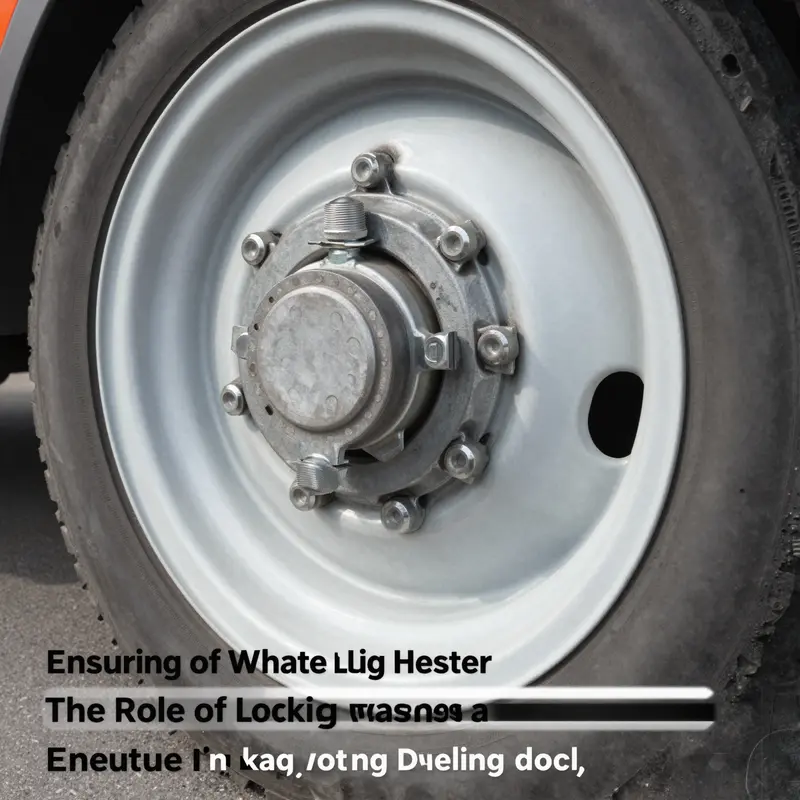
In the harsh rhythm of highway travel, where hum of diesel and wind noise blend into a constant thrum, the wheel assembly sits at the frontline of safety. Out in the open, every lug and every fastener endures temperature swings, road salt, vibration, and the jolts of heavy loads. Among the components that keep the wheels attached, locking washers are the quiet workhorses whose job is not flashy but vital: they resist the creeping tendency of lug nuts to back off when the truck is delivering heavy payloads mile after mile. A locking washer for semi-truck wheels is more than a simple spacer or shield. It is a precisely engineered device that introduces a mechanical interference, a bite that helps hold torque in the face of dynamic forces. Where standard washers primarily distribute load to protect the hub and wheel surface, locking washers add a fail-safe layer. They are designed with features—tabs, notches, or a deformed geometry—that engage with the nut and the mating surface in a way that resists rotation. In plain terms, they help ensure that a nut does not slowly turn loose simply because the road has punished the axle with a long faultless drumbeat of vibration.
The principle behind locking washers hinges on a combination of friction and mechanical interlock. When a wheel nut is tightened, the washer deforms slightly or catches on a serrated edge, a tab, or a defined notch. That small deformed bite translates into higher resistance to turning, turning a potentially dangerous loosening into a controlled restraint. Because semi-trucks operate with high clamping forces and under diverse stresses—from heavy braking to uneven loading—the edge-case scenario where a lug nut might loosen becomes much less likely when a locking washer is in play. This is not about substituting proper torque and correct tightening sequences; it is about providing an extra layer of durability that supplements those essential practices. In fleets where wheels are exposed to long hauls, varied terrains, and high duty cycles, this combination of precise engineering and disciplined maintenance becomes a cornerstone of roadworthiness.
To understand the functional design, it helps to imagine what happens when a nut is torqued down on a wheel stud. The washer sits between the nut and the wheel or hub surface. In many designs you will find a split or offset feature that creates a bite when the nut is tightened. The washer may include a serrated edge that grips into the wheel surface, or a formed tab that projects into a notch on the nut or onto the wheel itself. As torque is applied, the washer’s geometry converts some of the potential rotational energy into a locking action, creating a pseudo-thread lock that resists loosening under repetitive cycles of torque load. The effect is small in scale but large in consequence; it is a line of defense that keeps lug nuts in place during abrupt maneuvers, speed changes, and the relentless vibration of long-distance travel.
Material selection matters as much as geometry. Locking washers used in heavy-duty wheel assemblies are typically manufactured from hardened steel or other high-strength alloys to withstand the abrasive environment of road use, including exposure to moisture, road salts, and temperature fluctuations. The hard-wearing nature of the material ensures that the interlock remains effective for longer periods between service intervals. The design must balance resilience with the risk of galling or damaging the wheel surface; this is why proper installation, surface preparation, and torque control are essential. A well-chosen washer will resist deformation over the life of the nut, preserve the clamping force, and maintain the intended bite without creating micro-cracks or scoring that could compromise the wheel hub. In practical terms, the right washer contributes to consistent load distribution while preserving the mechanical lock that prevents backward motion.
The broader context of wheel security includes the relationship between locking washers and lug nuts, or lug studs. In many configurations, washers accompany locking lug nuts or are integrated into a security-oriented wheel end system. The goal is not simply to deter theft—a legitimate concern in fleets operating in crowded or remote locations—but to sustain wheel integrity against the more mundane but equally dangerous forces of vibration and torque drift. On a semi-truck, a single loose lug can propagate a cascade of failures: uneven stress concentration, wheel runout, heat buildup, and, in the worst cases, wheel detachment or hub damage. The locking washer reduces the probability of such scenarios by ensuring that the fastener remains clamped with the intended force, so the wheel assembly continues to behave as a single, predictable unit under load.
From a maintenance perspective, the value of locking washers lies not only in their initial performance but in the ongoing ability to inspect and replace when necessary. A worn or deformed washer loses its bite, and a damaged edge can abrade or contaminate the mating surfaces, reducing frictional resistance. Fleet technicians are trained to verify that the locking features have not been compromised by repeated disassembly, corrosion, or improper seating. The inspection process includes checking for signs of deformation, uneven bite, or corrosion that could undermine the interlock. When a washer is found to be out of spec, it should be replaced in accordance with the vehicle’s maintenance program and torque specifications. The replacement practice is part of a broader approach to wheel-end maintenance that prioritizes timely service over ad hoc improvisation. In the long run, consistent, disciplined maintenance is the most reliable path to ensuring that locking washers perform as intended across thousands of miles.
The installation protocol, while conceptually simple, is a place where attention to detail matters. A technician begins with clean, dry surfaces to prevent contaminants from reducing the effectiveness of the interlock. Surfaces that are oily, dirty, or corroded can mask a proper bite and lead to a false sense of security. The washer should sit flat, with the bite features aligned to engage the mating surface where specified by the design. The lug nuts are torqued to the manufacturer’s recommended specification, following the prescribed sequence to ensure even clamping. It is essential to understand that a locking washer does not replace good torque practice; rather, it complements it by adding a mechanical barrier to rotation that becomes more meaningful when torque is applied consistently and correctly. In some designs, the washer’s bite is intended to occur only after tightening to a point that achieves the clamping force; in others, the bite occurs as a direct result of the tightening itself. Either way, the installer must follow the exact design instructions to ensure the interlock is activated properly. A lapse in seating, even momentary, can leave a subtle gap that erodes the effectiveness of the lock, particularly under the dynamic loads a semi-truck experiences on the highway.
Beyond the technicalities, the practical impact of locking washers on fleet safety and reliability becomes clearer when we step back and consider the broader ecosystem of maintenance practices. In fleets with a well-defined preventive maintenance program, wheel-end components are routinely checked, service intervals are scheduled, and technicians are trained to recognize wear patterns. This approach reduces the odds that a compromised washer leads to a dangerous wheel loosening scenario. It also aligns with broader safety objectives—ensuring that all wheel-end fasteners maintain their torque and interlock throughout the lifecycle of the vehicle. The goal is not to fear a single component but to cultivate a disciplined maintenance culture in which each part contributes to a predictable, safe driving experience. For readers seeking deeper technical grounding and installation standards, professional wheel-end literature from manufacturers and industry bodies provides a comprehensive foundation that aligns with these general principles. A practical way to extend this understanding is to consult official guidelines that detail wheel end components and safety standards for heavy-duty vehicles. In addition, fleet leaders and mechanics can benefit from resources that connect these technical considerations to everyday maintenance decisions. For example, a targeted read on routine trailer maintenance offers a blueprint for integrating wheel-end checks into a regular service regime, ensuring that locking washers remain part of a coherent safety strategy. importance-of-regular-trailer-maintenance
In the end, the contribution of locking washers to the reliability of semi-truck wheel assemblies rests on a simple truth: when fasteners stay put, wheels stay attached, and so do the humans who rely on them. The quiet bite of a correctly installed locking washer helps keep a vehicle’s core system—its wheels—operating as intended, through the whole mile-driven journey. This is not a single-point solution but part of an integrated approach to wheel-end integrity that includes clean interfaces, proper torque, controlled assembly procedures, and vigilant inspection routines. The chapter on how these washers function, why their design matters, and how they fit into a larger maintenance framework solidifies a critical connection: the safety of the highway is built one secured wheel at a time. External references provide the deeper, design-specific context that qualified technicians use to refine practice, while fleets benefit from translating those details into actionable maintenance programs and training. To explore the broader technical landscape, see industry literature and supplier guidance focused on wheel end components and safety standards. External reference: https://www.dana.com/support/.
Locking Washers on the Move: How Precision, Material Science, and a Split-Second Hold Keep Semi-Truck Wheels Safe
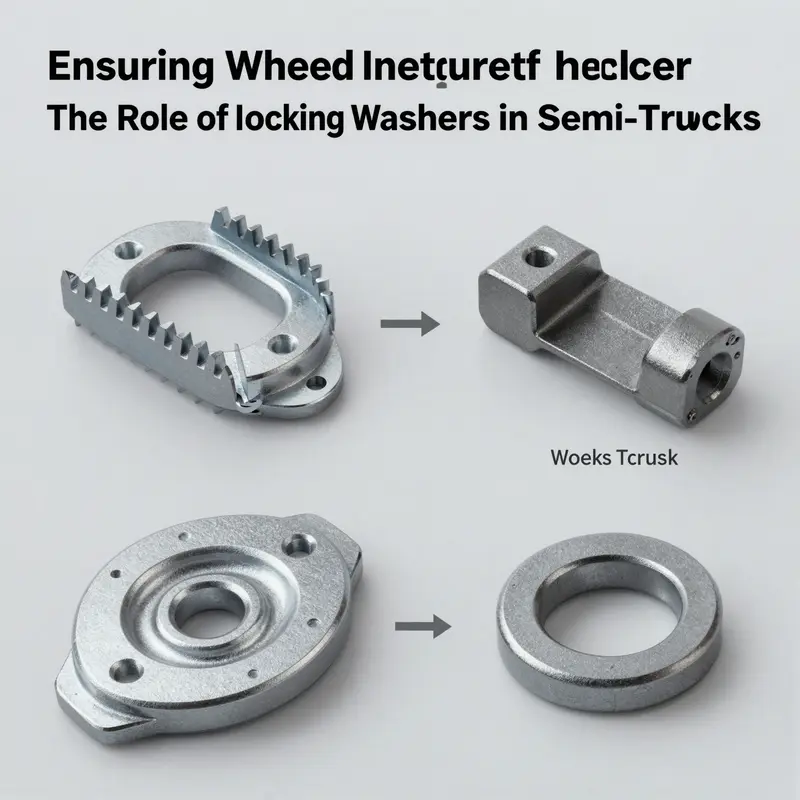
In the world of heavy-duty trucking, the wheel is more than a simple rotating component. It is a critical junction where dynamic loads, road vibration, and the unpredictable behavior of fleets collide. The locking washer, a small and often overlooked part, sits at the heart of that junction. Its purpose goes beyond merely spacing or distributing load; it acts as a second line of defense against loosening fasteners that would otherwise betray the stability of the wheel assembly. The harsh realities of highway travel—potholes, sudden accelerations, long downtimes, and temperature swings—create a continuous demand for a fastening system that can adapt without losing its grip. In this sense, a locking washer is not a cosmetic accessory but a functional stalwart that translates a constant, fatigue-fighting clamping force into a reliable hold on the wheel lug nuts or studs. The effectiveness of this small component hinges on design features that are equally small in scale but enormous in impact.
The first of these features is spring action. Locking washers for semi-truck wheels are designed to provide a resilient, constant clamping force. They achieve this through a spring-like geometry that allows the washer to flex slightly as the fastener experiences load and vibration. That little flex is the key to maintaining tension when the system is subjected to shocks that would otherwise loosen a bare lug nut. The splitting or coiling structure of many locking washers enables this flex while maintaining a tight bite into both the nut and the wheel hub. When a lug experiences a bolt head or nut rotation, the spring action cushions the movement and then re-centers, keeping the fastener in a state of high-torque contact with the mating surfaces. This is a quiet, persistent effect, but it is visible in the long-term performance of a wheel assembly that remains secure mile after mile.
Material choice is the second pillar of durability. High-performance locking washers are made from materials chosen for strength, fatigue resistance, and corrosion protection, because a wheel hub exists on the boundary between rugged mechanical work and corrosive environments. 65Mn spring steel is a common choice for its fatigue characteristics and resilience, offering a predictable spring rate and good energy absorption. Stainless steels, such as SS304 and SS316, provide superior corrosion resistance, a critical factor when wheels encounter road salt, water spray, and humid conditions. Some variants employ protective coatings, such as Dacromet, which adds another layer of corrosion resistance without sacrificing the essential spring behavior. The selection of material is not cosmetic; it directly affects the lock’s longevity and the fleet’s maintenance window. Operators who run in coastal or winter environments, where salt spray and rust accelerate wear, will find that the right coating or alloy makes the difference between a routine service and a costly wheel-out replacement.
Precision dimensions are the third cornerstone of reliable performance. Locking washers are manufactured in precise ranges that align with standard truck hardware. While fasteners in the heavy-truck world span a broad spectrum, locking washers are commonly produced to sizes that fall within a systematic order—from modest metrics such as M2 up to M10, with corresponding imperial equivalents in many fleets. This precision ensures consistent engagement with the lug nut or stud and predictable friction characteristics. Compatibility with standardized systems, including those that align with SKF-compatible hubs and components, means that the locking washer can be integrated with minimal marginal risk across different vehicle models. When dimensions are off by even a small fraction, the interlock can either fail to bite properly or introduce unwanted play, which translates into vibration and, eventually, loosening.
A fourth essential feature is the split-lock design itself. The very idea behind a split-lock washer is to create an interlocking bite that resists rotation. The split portion of the washer acts like a pair of teeth that bite into both the nut and the hub once the assembly is torqued to specification. This mechanical interlock creates friction that resists loosening due to cyclic loading. In the context of a semi-truck, where the wheel assembly endures tens of thousands of load cycles over a service life, this friction helps preserve clamping force even as the metal surfaces wear ever so slightly. The result is a fastener system that remains stable under conditions that would shake a non-locking arrangement apart. To a driver or fleet manager, this translates to fewer unscheduled stops for retorquing and a more predictable maintenance plan.
These design features—spring action, material integrity, precision dimensions, and split-lock interlock—do not exist in isolation. They are interdependent choices that shape how a locking washer behaves in real-world operation. Material selection informs the washer’s ability to sustain spring characteristics after years of road exposure. Precision tolerances determine whether the spring’s bite is strong enough to hold under vibration yet not so tight that it deforms the fastener’s mating surfaces. The split-lock geometry depends on both the material and the dimensions to deliver continuous friction without wearing away the mating interface. The result is a component that can contribute significantly to wheel safety and reliability without demanding constant human intervention.
Fleet operators recognize that the value of a locking washer lies not just in preventing a single event of loosening, but in the cumulative effect on uptime and safety. When wheel integrity is compromised, the consequences ripple through maintenance budgets, road safety, and the ability to meet delivery commitments. In fleets, where wheels endure exposure to dirt, moisture, heat, and corrosive road treatments, the washer’s performance under these stressors matters as much as the lug-nut torque itself. This connection between design and daily practice makes the locking washer a critical piece of the broader discipline of wheel maintenance. It is a reminder that every part in the wheel assembly, even the smallest, operates within a system that must function reliably if a truck is to stay on the road.
From a maintenance perspective, the discussion around locking washers naturally dovetails with broader maintenance practices commonly described in fleet operations. The discipline of preventive maintenance emphasizes inspecting fasteners, lubricants, and locking components on regular service intervals. The washer’s role becomes clearer when seen as part of a holistic approach to wheel safety, where inspection forces are not merely checking for looseness but assessing the integrity of the interlock under observed wear patterns. In this light, it becomes evident why a thorough maintenance protocol emphasizes not only torques and torque-retorque cycles but also the condition of the interlocking surfaces and the presence of any corrosion that might compromise the bite of the washer. For readers who want to connect this to practical maintenance routines, this is precisely the kind of topic you explore in depth when examining the broader subject of routine upkeep and prevention. For instance, the practice of importance of regular trailer maintenance serves as a reminder that wheel-related components deserve ongoing attention alongside brake systems, axles, and tires. You can explore that broader maintenance discipline here: importance of regular trailer maintenance.
Beyond the wheel itself, the locking washer’s behavior has implications for the way fleets design and implement security and reliability measures. Some operators pair lock washers with locking lug nuts or with complementary security schemes to deter tampering and theft. While the topic of locking lug nuts and security hardware extends beyond the washer, the washer’s core advantage remains its mechanical interlock and resistance to rotation. This is particularly true in environments where the risk of tampering is non-negligible, such as remote routes or long-haul operations where wheels encounter varying temperatures and moisture during extended periods of idleness. The goal is not just to prevent a single loosening incident but to reduce the overall risk of wheel assembly failure. When a fleet aligns locking washers with a consistent inspection cadence, the combined effect is a fleet that travels with greater confidence and fewer unplanned downtime events. The human dimension remains essential, too. Technicians must understand how to identify signs of wear that hint at compromised interlock function, such as flattening of the washer teeth, corrosion at critical contact points, or unusual play in the fastener stack. Education and training become the unseen gears that keep the designed performance of locking washers translating into real-world reliability.
In the larger picture, the chapter on locking washers ties back to the ongoing conversation about quality, standardization, and supplier reliability. The materials, geometry, and coatings used in these washers reflect a balance between performance and cost that fleets must navigate. Suppliers provide guidance on material tests, fatigue life, and coating durability, while standards bodies and industry guidelines help ensure that what lands on a truck is capable of meeting real-world demands. The exchange between design, testing, and field performance is iterative. It is a conversation that translates laboratory insights into the road-ready components that a driver depends on every day. The end result is a wheel assembly that maintains its tight hold as it endures the rhythmic shock of highway speeds and the unpredictable cadence of road conditions. The driving takeaway is straightforward: the small, spring-loaded interlock hiding in plain sight is a big contributor to road safety, fleet reliability, and the economics of keeping trucks moving.
To round out the discussion with a nod to the broader ecosystem, it is helpful to consider how this design philosophy informs maintenance decisions across the fleet. If you approach wheel maintenance with the same mindset used in strategic sourcing and supplier assessment, you begin to appreciate the importance of material quality, manufacturing precision, and the right protective coatings. For readers who want to explore supplier insights and market comparisons in the broader context of fastener components, a useful external reference is available here: Strategic Sourcing of Lock Washers: Supplier Insights, Quality Assurance & Market Comparison. This resource provides a framework for evaluating how choices at the supplier level influence the performance and longevity of locking washers in demanding environments.
In sum, the locking washer on a semi-truck wheel is a compact but consequential design element. Its value emerges from a confluence of spring action, material science, exacting dimensions, and a deliberate split-lock profile that together resist the relentless forces of road vibrations and loads. For fleets, appreciating these details translates into better maintenance planning, fewer unexpected failures, and safer, more predictable operation on long-haul routes. The chapter on these design features therefore serves as a bridge between engineering nuance and everyday practicalities, reminding us that every component in the wheel assembly has a story to tell about resilience, reliability, and the relentless pursuit of safer roads.
External resource: https://www.supplychaininsider.com/strategic-sourcing-lock-washers-supplier-insights/
Guarding the Wheel: Locking Washers as the Quiet Cornerstone of Semi-Truck Safety
Every hour on the highway, a semi-truck rides through a relay of forces that test every fastener in its wheel assembly. The axle, hub, lug studs, and lug nuts must stay clamped with precision as the vehicle accelerates, climbs, and hits pavement imperfections. It’s easy to overlook the small components that keep the wheel secure, but locking washers are one of those quiet, unsung safeguards. They are not flashy or glamorous, yet they function as an essential line of defense against loosening caused by vibration, shock, and the relentless rhythm of long-haul duty. In the big picture of wheel safety, locking washers work alongside lugs and nuts to maintain clamping force and to deter gradual and undetected loosening. When you consider the consequences of a wheel coming loose—loss of control, severe damage to the truck, and risk to others on the road—the importance of these components becomes clear. They are a practical embodiment of how small, well-engineered parts contribute to high-stakes safety on the highway.
Locking washers differentiate themselves from standard washers through purposeful design features that address the very dynamic environment of heavy-duty wheels. A serrated edge is common, turning a simple surface contact into a biting interface that helps resist lateral movement. Some designs incorporate a locking tab or an asymmetrical shape that forces a lug nut or bolt to engage in a way that creates a self-reinforcing hold as the wheel assembly experiences torque and vibration. The result is not just improved load distribution; it is a mechanical countermeasure that makes it harder for fasteners to back off, even when torque readings drift or when components heat and cool during a long road stint. Because semi-trucks operate in environments where moisture, road salt, and temperature swings are routine, the material choice and corrosion resistance of locking washers matter as much as their geometry. A washer that corrodes or pits can lose its bite and, over time, contribute to a creeping loss of clamping force rather than preventing it.
To understand why locking washers matter, it helps to picture the lug-nut-and-stud assembly as a three-part system: the fastener, the washer, and the wheel-end interface. The lug nut is supposed to clamp the wheel against the hub, but vibration can cause micro-movements that gradually reduce the effective friction and the steady grip of the nut. A locking washer adds a second line of defense by introducing an anti-loosening mechanism that reinforces the initial seating. In practice, the washer does not replace the need for correct torque or for proper seating of the nut. Rather, it complements those fundamentals by distributing some of the dynamic load and by resisting the tendencies of fasteners to wander under real-world operating conditions. The outcome is a more stable wheel-end package, with a reduced probability of friction-reversal or bolt-back phenomena that can escalate from small, almost imperceptible loosening to a dangerous wheel detachment scenario.
The interaction between locking washers and other anti-loosening methods often matters more than it might appear at first glance. In fleets and maintenance facilities, you’ll hear about using lock nuts or thread-locking compounds as a layered defense. When a locking washer is paired with other measures, the system gains redundancy: if one component experiences wear or degradation, the others still provide protection. This multi-layer approach is not merely a best practice; it’s a safety-critical principle in heavy-duty operations. For example, a wheel-end inspection protocol might include checking the seating of the washer, the integrity of the locking feature, and the presence of any corrosion or deformation that could compromise performance. The probability of wheel detachment drops when these layers operate in concert, rather than relying on a single measure such as torque alone. The emphasis on redundancy aligns with safety regulations and industry expectations that prioritize predictable, auditable maintenance routines.
From a design and service perspective, selecting the right locking washer for a semi-truck wheel is not a trivial choice. The washer must fit the specific axle and wheel-end geometry, tolerate the harsh conditions of highways and yards, and resist galling or embedding in metal surfaces over time. It should maintain its geometry under torque and during dynamic cycling, not deform in a way that would negate its locking function. The installation sequence remains important: seating the washer properly, aligning locking features with corresponding elements, and validating that the nut retains the intended preload through the expected service life. Installation details are not mere formalities; they influence how effectively the anti-loosening design performs when pressures peak and temperatures rise. In other words, a well-chosen, properly installed locking washer becomes part of a wheel-end system that behaves as a cohesive, predictable unit under real-world operating conditions.
In practice, the value of locking washers extends beyond pure safety. They contribute to reliability and uptime for fleets that operate on tight schedules and margins. When fasteners stay secured, maintenance intervals can be more predictable, and unplanned downtime due to wheel-related incidents can be reduced. This stability has downstream benefits: less risk to drivers, reduced potential for secondary accidents or road hazards, and a clearer, more defensible maintenance record that aligns with regulatory expectations. The overarching message is simple and potent: small, well-made components matter, especially where the consequences of failure are significant. The locking washer is a small but visible sign of a larger commitment to robust wheel-end integrity.
For readers who want to connect these engineering concepts to practical maintenance practice, consider the broader context of vehicle-wellness programs that emphasize wheel-end inspection as a core element. The maintenance discipline becomes a chain of observable checks—seating, alignment, corrosion resistance, and proper engagement of locking features—that together sustain safe operation. In this regard, the practice is less about chasing a single perfect torque value and more about preserving a proven interaction among fastener, washer, and wheel against the drumbeat of highway life. This is why many safety-minded operators treat locking washers as an essential, recurring checkpoint rather than a one-off installation detail. The idea is to keep the wheel-end system honest: to verify that the locking mechanism remains engaged, that wear has not eroded the interface, and that the assembly still resists the vibrational forces that can so easily erode confidence in a wheel’s security.
From an instructional perspective, fleets benefit from clear, standardized procedures that cover inspection frequency, replacement criteria, and the handling of worn components. A washer that shows signs of deformation, cracking, or significant corrosion should be considered a candidate for replacement rather than continued use. Likewise, any lug nut showing evidence of backing off or a seat that appears fatigued warrants closer scrutiny. The goal is not to create a rigid, bureaucratic checklist but to cultivate a culture of proactive care where the integrity of the wheel-end is part of every driver and technician’s routine. When maintenance staff approach wheel safety with this mindset, locking washers become more than a component name. They become a tangible symbol of the attention paid to the most critical interfaces on a mobile platform traveling at highway speed.
To anchor these ideas in a broader safety framework, consider the regulatory expectations that emphasize secure wheel-end maintenance as part of overall fleet safety. For those seeking detailed technical standards and formal guidance, the official resources provided by transportation authorities outline the emphasis on proper wheel-end maintenance and fastener integrity. These guidelines underscore that ensuring wheel security is not optional but essential for compliant, responsible operation. See the general guidance at the official transportation portal for more on these safety expectations.
As a practical takeaway, the responsible approach to locking washers in semi-truck wheels blends careful selection, meticulous installation, and disciplined maintenance. The goal is to keep the wheel firmly attached, even as the vehicle endures the knocks, strains, and miles of road. When drivers and technicians approach wheel safety with this mindset, locking washers reinforce a broader culture of reliability and accountability inside the fleet. For readers focused on building robust maintenance practices, this perspective helps connect the technical rationale to everyday actions and to the measurable outcomes that keep rigs on the road and people safe. For a broader view of maintenance practices that feed into wheel safety, see the linked article on this page: Importance of regular trailer maintenance.
External reference: https://www.fmcsa.dot.gov
Tightening the Highway: How Locking Washers Keep Semi-Truck Wheels Secure Amid Vibration and Time
The wheel end of a semi-truck holds one of the most demanding combinations of load, vibration, and environmental exposure in road transportation. It bears the weight of the trailer and payload, negotiates potholes and highway ruts, endures temperature swings, and confronts occasional tampering or accidental impacts. In that precarious balance, locking washers stand as a quiet, unglamorous line of defense. They’re not about flashy design or flashy torque values alone; they are about sustained clamping force and predictable performance when the road throws its worst at a fleet’s wheels. A locking washer’s essential job is to resist loosening. It does this not by creating torque in the traditional sense but by introducing a geometry or a feature that locks the interface—between bolt or stud and nut, or between the fastener head and the washer itself—just enough to withstand the micro-motions born of vibration, flex, and cyclical loading. In heavy-duty wheel assemblies, this subtlety matters. If a lug or stud begins to back off, even slightly, the consequences can cascade: uneven brake loading, improper hub engagement, uneven rotor wear, and, ultimately, a dangerous misalignment that could escalate into wheel detachment under load. Locking washers purposefully complicate that loosening path, keeping critical joints clamped and the wheel assembly behaving as intended under the demands of long-haul duty and variable terrain.
In practice, the most consequential applications of locking washers in heavy-duty vehicles revolve around the axle and suspension nexus. The wheel hub, brake components, and control arms are all components that depend on a stable clamping force to maintain accurate alignment and safe engagement. Among the varieties used in these environments, the wedge-style and spiral lock washers are common for their self-locking action. The helical geometry of a spiral lock washer, for instance, produces a spring-like force that dynamically resists the kind of continual vibration and shock loading typical of highway operation. When the axle end flexes or when a suspension limb translates minute amounts under load, the locking washer helps ensure the bolt or stud remains pinned to its original orientation. This isn’t a nominal improvement; it is a practical requirement for preserving wheel hub integrity, maintaining proper brake caliper alignment, and ensuring that the mounting studs retain the precise torque that keeps the rotor, caliper, and drum systems in proper relationship to the wheel. The reliability gained at the lug and stud interface translates into smoother braking performance, more predictable tire wear, and a lower chance of fuel-wasting, time-consuming adjustments on the shoulder of the road.
A second core area where locking washers prove their value is in towing and hitch assemblies that are common to heavy-duty trucking. Semi-trailers and various heavy-duty tow implements experience high tensile and shear forces, particularly during repeated attachment and detachment cycles, as well as when towing is interrupted by uneven surfaces, uneven loads, or sudden dynamic forces. In these contexts, the locking washer’s anti-skid and vibration-resistant properties help secure mounting bolts and pins that link tow bars, hitch brackets, and corresponding crossmembers. The washer’s function extends beyond simple load distribution. It provides a reliable frictional engagement that resists loosening even when the fastener is subjected to alternating cycles of high tension and momentary unloading. The outcome is a more consistent assembly, reduced maintenance downtime, and a lower risk of fastener-related fatigue that could propagate into misalignment or joint failure under heavy towing loads. In fleets that rely on quick detach-and-connect procedures, this reliability becomes a practical asset, enabling faster, safer operations with fewer post-assembly checks necessary for the same work.
Beyond the wheel hub and towing interfaces, locking washers play a meaningful role in engine and drivetrain components that accompany the wheel end. Engine mounts and transmission housings—areas exposed to thermal cycling and high torque—benefit from the same principle of maintaining tension under dynamic conditions. When exhaust heat, coolant exchange, and turbocharger action produce thermal expansion and contraction, fasteners may momentarily shed some of their clamping force. A properly chosen locking washer helps maintain a secure interface in the face of these changes, reducing micro-movements and the risk of bolt loosening that could alter engine alignment, vibration transmission, or drive shaft connections. The result is more stable engine mounting, calmer vibration profiles through the drivetrain, and a reduction in maintenance stops that stall a fleet’s productivity.
Material choice for locking washers matters as much as geometry. Heavy-duty steel and high-strength alloys are common in heavy truck applications because they resist deformation, keeper loss, and corrosion under harsh operating conditions. The locking washer must not yield or creep under load, or its locking function will degrade. In a truck environment, that means a washer that can withstand repeated contact with road salt, road grime, and the normal wear that accompanies long-haul duty cycles. The material needs to hold its form across a broad temperature spectrum, from frigid winter nights to scorching desert days, while preserving its anti-slip or locking characteristics. This durability at the material level—paired with a design that fosters secure engagement under dynamic loading—creates a fastener system that remains effective across thousands of miles and countless cycles.
In the broader view of fleet safety and reliability, the presence of locking washers is inseparable from maintenance discipline. They are pieces within a larger ecosystem of joint integrity that includes proper torque application, regular inspection, and timely replacement when wear surfaces indicate deterioration. Locking washers do not replace torque checks; they complement them. They allow technicians to achieve a steadier clamping force even as the components warm and cool, and they provide a barrier against the creeping loosening that can occur from the incessant vibration of road use. This relationship between locking washers and maintenance routines helps fleets keep wheels properly torqued, hubs correctly seated, and brake assemblies aligned, which in turn supports smoother operation, safer driving, and lower risk of roadside failures.
From a practical standpoint, a well-specified locking washer is a quiet enabler of predictable performance. The geometry—whether it be a wedge, a spiral profile, or another locking feature—interacts with the fastener system to convert dynamic energy into frictional resistance that keeps the interface locked. The best designs also resist deformation that could otherwise alter the lock angle or reduce the contact area, which would erode the frictional grip that keeps bolts and studs in place. In semi-truck wheels, the interaction is particularly sensitive because the wheel hub geometry, rotor or drum interfaces, and brake components depend on precise alignment for safe braking and tire contact. Any loosening at the wheel end has the potential to propagate through the system—affecting wheel tilt, brake line routing, or brake heat distribution—thereby compromising stopping distance and stability. This chain of effects underscores why heavy-duty applications demand washers that not only bear load but actively resist loosening through their mechanical design.
The narrative of locking washers in heavy-duty wheels isn’t about a single miracle material or a single clever shape. It is about harmonizing material performance, geometry, and installation practices to deliver reliable performance across a vehicle’s life cycle. When fleets standardize on robust locking washer solutions, they are effectively investing in a form of proactive risk management. The payoff is measured not only in reduced maintenance downtime and fewer roadside calls but in safer operation and longer component life. As trucks traverse icy highways and mountain grades or endure the rough tread of urban buses and freight operations, each wheel end can be confident that its fasteners are held in place by a mechanism that understands the realities of constant vibration and sudden shocks. In that sense, locking washers may seem humble, but they perform a crucial function with the quiet efficiency of a well-tuned suspension system.
For practitioners seeking to deepen their understanding, fleet managers and technicians can view the broader context of vibration resistance and material grade considerations as part of ongoing maintenance education. The topic intersects with countless aspects of wheel and underframe care, and it reinforces a simple but powerful idea: in heavy-duty transportation, the reliability of a wheel starts long before the truck moves. It begins with the choice of fastener components, the geometry of the locking elements, and the disciplined maintenance that keeps those elements performing under the most demanding conditions. To further explore related maintenance concepts in fleet operations, consider the broader discussion on importance of regular trailer maintenance.
An external reference that provides additional technical context on locking-washer performance in heavy-duty environments can be found here: https://www.amazon.com/dp/B0BZQ9X5JY. This resource offers detailed data on vibration resistance and material grade characteristics that complement the practical insights described here, reinforcing why the right locking washer design matters for wheel security, longevity, and fleet safety.
When the Nut Holds Fast: The Subtle Power of Locking Washers in Semi-Truck Wheel Performance
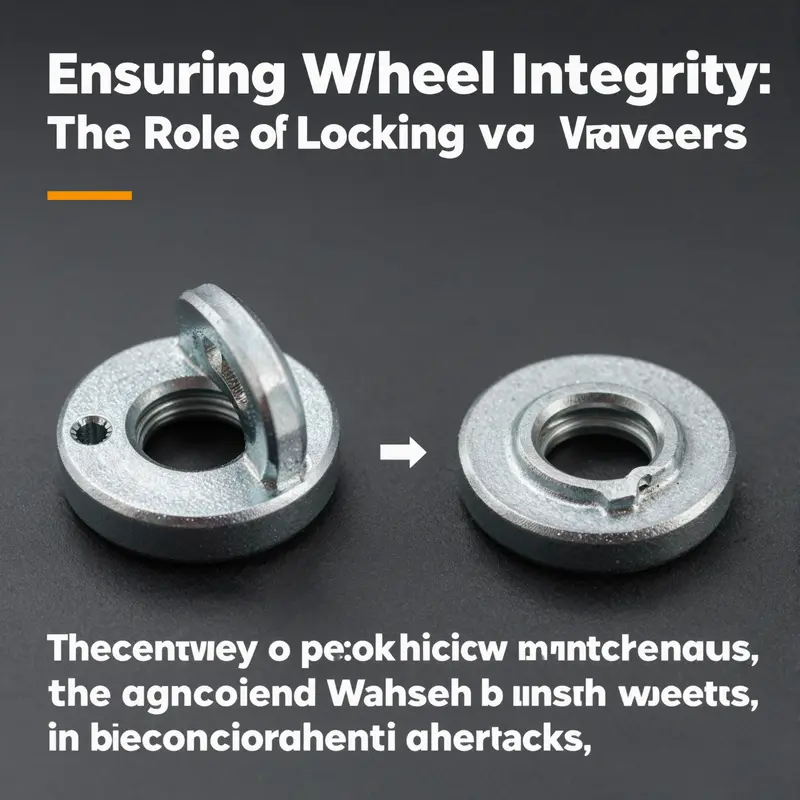
Across the highway’s stretch and through the rougher terrains that fleets sometimes navigate, semi-truck wheels endure a relentless combination of torque, vibration, and impact. The wheel assembly sits at a critical convergence of load paths: lug studs or axle nuts transfer the wheel’s weight and dynamic forces into the hub, while the wheel itself bears the brunt of road irregularities. In that finely tuned system, even a small component can make a life-or-death difference. Locking washers sit in that space between mere load distribution and active restraint. They are not simply flat rings to cushion a fastener; they are engineered to interrupt the marching drift of a fastener toward slack as the vehicle endures hours of high-speed travel and rough starts, stops, and heavy acceleration. The distinction between locking and standard washers becomes clear once we consider what each is designed to do under the kinds of duress that define heavy-duty trucking. A standard washer primarily shares the load of a lug nut or stud across a broader surface area. By doing so, it reduces point contact with the wheel surface, protects the hub or wheel from marring, and marginally cushions the fastener against minor surface irregularities. Its contribution is meaningful, particularly in preventing localized damage where a bare nut might chew into softer metals. Yet when the environment throws a constant stream of shocks, and when torque fluctuates with engine demands, a flat disc offers limited resistance to loosening. In such conditions, a washer that merely distributes load becomes a passive participant in a dynamic system whose stability depends on active resistance to rotation. Locking washers redefine the game by introducing a mechanical interference that grips the fastener and the mating surface with an assertive, deliberate bite. This is not a cosmetic feature; it is a functional strategy to counteract the windmill effect of vibration and the back-and-forth torque that can creep a lug nut loose over thousands of miles. The core adaptive feature of many locking washers is a split or deformed design that creates a spring-like posture or an irregular edge. When oriented correctly, the washer binds with the nut and with the surface it sits on, creating a resistance to back rotation. In some designs, serrations on the washer’s inner edge bite into the nut and the surface, while a locking tab or a deforming bend locks onto the nut’s flats or onto a corresponding groove. In practical terms, this means that as the wheel spins and the road undulates, the washer’s geometry converts occasional micro-movements into corrective resistance. The system works best when it is paired with fasteners that share intent: a lug nut or axle nut designed to cooperate with such a washer, and a mating surface that is clean, flat, and free of debris. The geometry of the locking washer is not an afterthought. It is chosen to interact with the axial locking requirements of heavy-duty wheels where high torque is the order of the day. In a semi-truck’s axle and wheel hub assembly, the stakes are amplified by the sheer mass the system must carry and the speeds at which it operates. The interplay among the fastener, the washer, and the hub must withstand repeated thermal cycles and the possibility of surface corrosion. Locking washers are commonly constructed from robust steel alloys that resist deformation and fatigue while offering the resilience needed for repeated engagement and disengagement of dynamic loads. This durability helps ensure that, even after thousands of stops and starts, the locking action remains intact. The protective value of locking washers expands beyond mere safety. They support consistent torque maintenance by reducing the likelihood that lug nuts back off between maintenance checks. When a fleet operates across remote routes or long-haul runs, the risk of uneven maintenance schedules increases. A locking washer acts as a deterrent to inadvertent loosening that can arise from imperfect re-torqueing, minor surface changes, or cumulative vibration. In this sense, the washer contributes to the reliability of the entire wheel assembly, keeping the wheel securely mounted and the hub in proper alignment, which in turn preserves braking efficiency and steering responsiveness. There is also a security dimension to consider. Some locking washers are paired with locking lug nuts or other anti-tamper features to deter theft or unauthorized wheel removal. While this is not the sole reason to employ a locking washer, it adds a layer of protection that is valuable in fleets operating in variable environments, where wheel components may be exposed to opportunistic tampering. The practical upshot for maintenance teams is straightforward: when choosing between a standard washer and a locking washer for semi-truck wheels, the decision is driven by the operating context and the risks associated with wheel loosening rather than only by the desire to protect the wheel surface. High-vibration environments, high-torque applications, and fleets that depend on consistent uptime benefit from the predictable engagement that locking washers provide. The advantages multiply in scenarios where the wheel assembly is subject to frequent inflation/deflation cycles or when axle nuts are torqued to precise specifications under heavy loads. In those contexts, locking washers do more than distribute load; they help preserve the intended clamp force by resisting gradual relaxation that could occur from micro-movements. It is not enough to point to a single feature and declare victory, though. Locking washers must be selected with careful attention to compatibility. Semi-truck wheel systems vary widely in thread size, nut type, and hub geometry. An axle’s torque history, the material quality of the wheel and hub, and even the cleanliness of mating surfaces can influence how well a washer performs. A washer that is too thick, too rigid, or misaligned may not engage properly, potentially creating hotspots or irregular load paths. In practice, technicians verify that the washer’s locking edge properly engages the groove or serration intended by the fastener design, and that the mating surface remains free of debris or corrosion that could undermine the engagement. Parallel to that, the installation and maintenance culture of a fleet will determine the day-to-day effectiveness of locking washers. The best outcomes arise when technicians adhere to torque specifications from hub manufacturers, re-torque after initial mounting and after any service that could disturb the wheel assembly, and perform regular visual inspections for wear, deformation, or corrosion on the washer itself. Even a seemingly small deformity in the washer can alter the intended interference fit and compromise the locking action. The conversation around locking washers also touches on the broader maintenance philosophy that fleets adopt toward wheel reliability. They are most valuable when integrated into a disciplined maintenance routine, where wheels are not only inspected for tightness but also checked for eccentric wear, hub integrity, and surface condition. In practice, that means crews routinely clean mating surfaces, remove old lubricants that could obscure the true condition of the lock, and verify that any locking feature—such as a tab or serration—still engages as designed. The dimension of cost also enters the equation. Locking washers carry a different price point than standard washers, and for some operations, the calculation centers on risk reduction and uptime rather than upfront cost. Yet for fleets operating in environments where wheel separation would yield catastrophic consequences, the cost differential is justified by the added assurance of maintained clamp force and reduced likelihood of wheel loosening. This is especially true in sectors where heavy loads, high vibration, and long duty cycles are common, such as mining, logging, and heavy-haul freight. The practical takeaway for the reader is clear: locking washers are a pragmatic choice when the operational reality demands increased resistance to loosening and a higher degree of security, while standard washers are a reliable option for less demanding contexts. They are not interchangeable on a one-to-one basis; the decision hinges on a careful assessment of the wheel system, maintenance practices, and the fleet’s tolerance for downtime and risk. For readers who want to anchor this discussion in a broader maintenance framework, there is value in consulting resources that emphasize routine trailer and wheel maintenance as a foundation for safety and performance. See the focused guidance at the linked maintenance article: importance-of-regular-trailer-maintenance. As this chapter moves toward a close, the reader should recognize that the technical nuance of a locking washer—how it grips, how it deforms, and how it resists back rotation—translates into tangible road safety. It is a small component with outsized impact, particularly when a fleet operates under the weight of demand and the stress of long, unbroken routes. Its value is measured not only in the immediate steadiness of a wheel nut but in the broader reliability of the wheel hub and the confidence that the vehicle will stay intact through miles of service. In the end, the choice between locking and standard washers reflects a larger question about how a modern fleet prioritizes resilience: how much friction can be engineered into a fastener system to compensate for the unpredictable rhythms of real-world operation? This question remains central as fleets evolve, and the answer often begins with a simple, decisive component that keeps a wheel, a hub, and a driver safely connected to the road.
External resource for further context: https://www.amazon.com/Wheel-Tire-Lug-Nut-Washers/dp/B0B8Z1KX2D
Final thoughts
Locking washers play a vital role in the safety and reliability of semi-truck wheel assemblies. Their unique designs help prevent the loosening of lug nuts due to vibrations and external forces, a serious risk for any logistics and transportation operation. As fleet managers and operators, investing in locking washers is not just a precaution; it’s a critical step towards ensuring operational efficiency, safety compliance, and reducing maintenance costs in the long run. Adopting these specialized components can significantly enhance the integrity of your fleet’s performance on the road.