
In the logistics and construction sectors, maintaining fleet appearance and hygiene is paramount, especially for pickup trucks that endure rigorous use. The debate on whether these vehicles can go through car washes, and under what conditions, is essential for fleet managers aiming to preserve vehicle integrity while optimizing maintenance costs. This article will examine automatic car washes and self-service options, offer best practices for washing, assess potential risks, and provide a comparative analysis, ultimately equipping decision-makers with the needed insights to ensure their fleets are cleaned efficiently and safely.
Through the Wash: Safely Guiding Pickup Trucks Through Automatic Car Washes, Wrappings, and Fleet Care
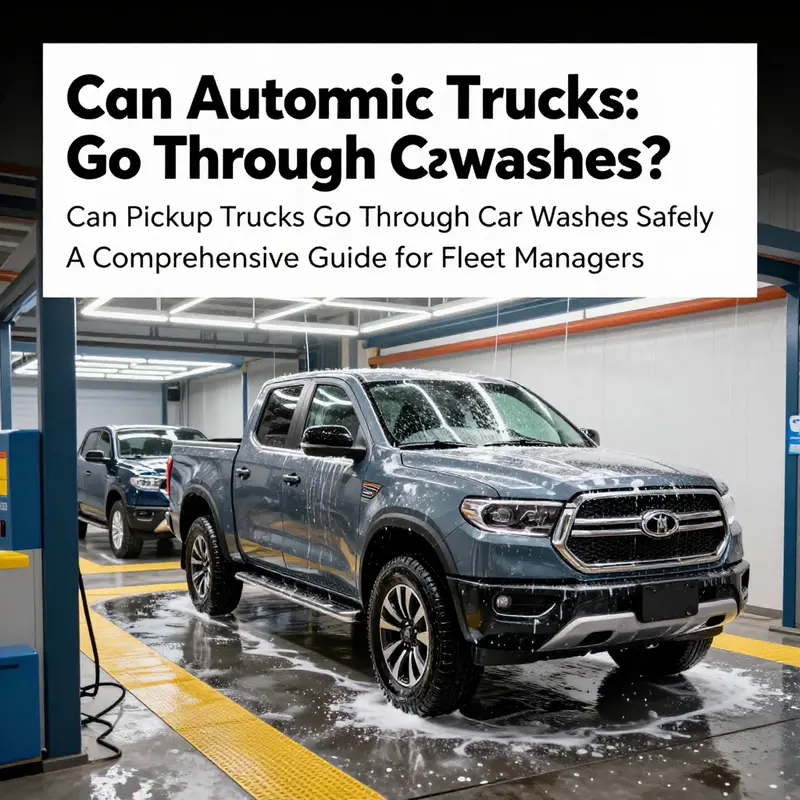
Pickup trucks are purpose-built for durability and utility, often handling rough terrain and heavy workloads with ease. That practicality invites the question: can they safely pass through automatic car washes without compromising finish, trim, or even the wrap that protects the exterior? The answer is nuanced. In many cases, a pickup can go through an automatic wash, but the safest path depends on the wash type, the vehicle’s finish, and any aftermarket work like vinyl wrapping. The key is to pair the right wash with the right technique, especially if the truck has a wrap or delicate components. Size, clearance, and the wash’s operating method all play a role in whether the ride comes out clean and intact rather than scuffed or misaligned in a few spots along the edges or seams. For fleets that rely on consistent cleaning cycles, this isn’t only about aesthetics; it affects long-term resale value, paint longevity, and the reliability of doors, seals, and trim around corners where exposure tends to accumulate grime or where brushes might make contact.
Automatic car washes are designed to handle larger vehicles, including pickup trucks. The conveyors and rollover systems in most facilities accommodate height and width that include many pickup configurations, and many trucks clear the archways without issue. Yet not all automatic washes are created equal, and some technologies pose more risk than others. Brushes, in particular, are a point of contention. Traditional brush systems rely on bristles that can become abrasive or loaded with debris, creating micro-scratches or lifting along the edges of wrapped surfaces. Even on unwrapped finishes, aggressive brushing can nudge at trim and door seals if the equipment isn’t properly maintained or if your truck’s geometry sits close to the wash’s tolerances. This is one reason many enthusiasts and professionals advocate for soft-touch or brushless, touchless models when you want to preserve finish and avoid friction against chrome, plastic trim, or vinyl edges.
A wrinkle that deserves explicit attention concerns vinyl wraps. Wraps change the dynamic of what a wash can do to a vehicle’s exterior. The adhesive and the edge liftoff risk at the seams makes some operators and wrap installers cautious about automatic washes, especially in the days immediately after installation. The guidance from wrap specialists is pragmatic: for most wrapped pickup trucks, it is safe to use either a hand wash or a touchless automatic car wash after the first 72 hours post-installation. That waiting period lets the wrap’s adhesive bond more securely to the paint surface, reducing the likelihood that pressure, agitation, or rough brushes will lift edges or create micro-defects. After that window, a careful approach is still prudent. The brush-based, contact-type washes carry the most risk because the physical scrubbing action can separate the wrap at the edges, create lift around seams, or abrade edges that have not yet cured fully to the paint surface. For older or poorly installed wraps, the danger is even greater, since the materials may be less forgiving of aggressive cleaning contact.
Given these dynamics, many experts and experienced detailers recommend opting for a touchless car wash whenever a wrap is involved, or choosing a professional hand wash that uses wrap-safe products and techniques. The advantage of touchless systems is straightforward: high-pressure water and chemical solutions do the cleaning without direct contact that could displace adhesive or lift edges. Hand washing, performed by trained technicians, gives an added layer of control. The technician can tailor pressure, rinse, and drying techniques to the truck’s particular wrap and ensure that sensitive areas—such as edges near fender wells, door seams, and wrap-adjacent trims—receive extra attention to prevent edge wear.
Even when you don’t have a wrap, the same principles apply if you want to minimize risk. Large vehicles have broader paint surfaces, longer body lines, and more opportunities for misalignment or snag points during the wash cycle. That makes the choice between automatic, self-serve, or hand washing important. Self-serve bays can be a safer middle ground for pickups. In a self-serve setup, you set the water pressure, choose the spray wand, and control the contact with the vehicle’s surfaces. This direct control enables you to avoid aggressive brushes while still giving you the power to reach undercarriage panels, wheel wells, and areas that tend to accumulate road grime. A two-bucket method with a microfiber mitt, as recommended by reputable interior cleaning guides, helps minimize cross-contamination and reduce the risk of marring the finish when you do decide to touch the vehicle with your own hands. In practice, this approach lets you assess the finish first, then decide whether a full hand wash is warranted or if a lightly guided rinse with a touchless wash will suffice for the given day.
Fleet maintenance philosophy also plays a crucial role. For operators who routinely wash a warehouse of trucks, consistency matters as much as caution. A formal policy that defines acceptable wash types for different truck configurations—including those with raised suspensions, added equipment, or wraps—can prevent mixed signals from drivers and wash facility staff. The policy might specify that wrapped units wait the 72-hour bonding window after wrap installation, or that vehicles with certain trim or edge details receive a guide to avoid spray angles that collide with seals and edges. For operations where owners or managers oversee multiple facilities, the adherence to a standardized wash approach helps ensure uniform results across the fleet. It also makes it easier to train new drivers or cleaners to recognize wrap-sensitive zones and to distinguish between a routine rinse and a thorough hand wash that preserves the vehicle’s aesthetics and value. In this context, a practical step is to document the exact wash type recommended for wrapped trucks and to share those guidelines with drivers via a concise reference card or digital note in the fleet management system. A useful companion to this policy is a facility-specific checklist that drivers can carry, ensuring that the chosen wash method aligns with the vehicle’s finish and the wash bays’ capabilities. For more on how facility management intersects with wash operations, see the linked resource on fleet facilities management practices. Facility management for truck wash businesses.
Beyond policy and procedure, the physical realities of a pickup’s finish must shape cleaning choices. Vulnerable sections include door seals, edge trim, and any exposed connectors or electronic components near the grill area. A high-pressure spray aimed directly at these areas can force water into seals or push moisture toward electrical connections, potentially leading to corrosion or component failure over time. Even when systems are designed to be water-resistant, repeated exposure to concentrated streams can wear away protective coatings or factory sealants. That is why many cleaning pros emphasize not just the type of wash, but the angle and duration of spray. If you’re evaluating a particular wash’s suitability, consider observing the cycle briefly to note whether the nozzle movement appears to target the vehicle evenly or whether it lingers on sensitive zones. If a wash facility can offer a demonstration or a brief walkthrough of how their system handles larger vehicles, that can be a valuable step before you commit your truck to the bay.
For wrapped pickups, the decision tree becomes more nuanced. The wrap’s longevity depends on adhesive strength, substrate compatibility, and the environmental conditions immediately after installation. The 72-hour bonding window is a practical guideline, but wraps vary in thickness and adhesive chemistry. The risk is not merely cosmetic; lift at the edges can expose the paint beneath to moisture, UV exposure, and debris, accelerating edge curl or peel. In many cases, wrap owners will choose a conservative approach: a hand wash by trained personnel or a specialized wrap-safe, soft-touch rinse long after the installation window has passed. If you need to make a quick decision under time pressure, opt for a touchless wash and conduct a careful hand inspection soon after to verify that the edges remain secure. The goal is to prevent a small lift from becoming a larger area of detachment that would require professional re-wrapping.
As you plan your washing routine, remember that the best choice is highly context dependent. A pickup with a pristine, factory-painted surface may tolerate a well-maintained brush-based automatic wash more readily than a wrapped or previously repaired surface. The cleanliness of the wash itself matters, too. Debris and grit in the wash system can cause micro-scratches, especially when high-pressure sprays hit the same areas repeatedly. That is why many drivers and fleet operators prefer washes with strict maintenance protocols and clear guidelines on vehicle types and sizes. The bottom line remains straightforward: pickups can go through car washes, but the safest approach is situational awareness combined with a wash type that aligns with the vehicle’s finish and any aftermarket modifications. Keeping a simple, well-communicated wash policy helps protect the fleet’s investment, reduces the risk of damage, and keeps your trucks looking ready for work and show alike.
For those seeking wrap-specific guidance, there is a detailed resource that outlines best practices for cleaning a wrapped pickup truck, including cautions about brush contact and the post-installation bonding window. That external reference can provide additional, discipline-specific insights that complement the broader guidance presented here. https://www.carinterior.com/washing-a-wrapped-pickup-truck/
Taking the Wheel into Your Own Hands: Self-Service Wash Bays as the Smart Choice for Pickup Trucks
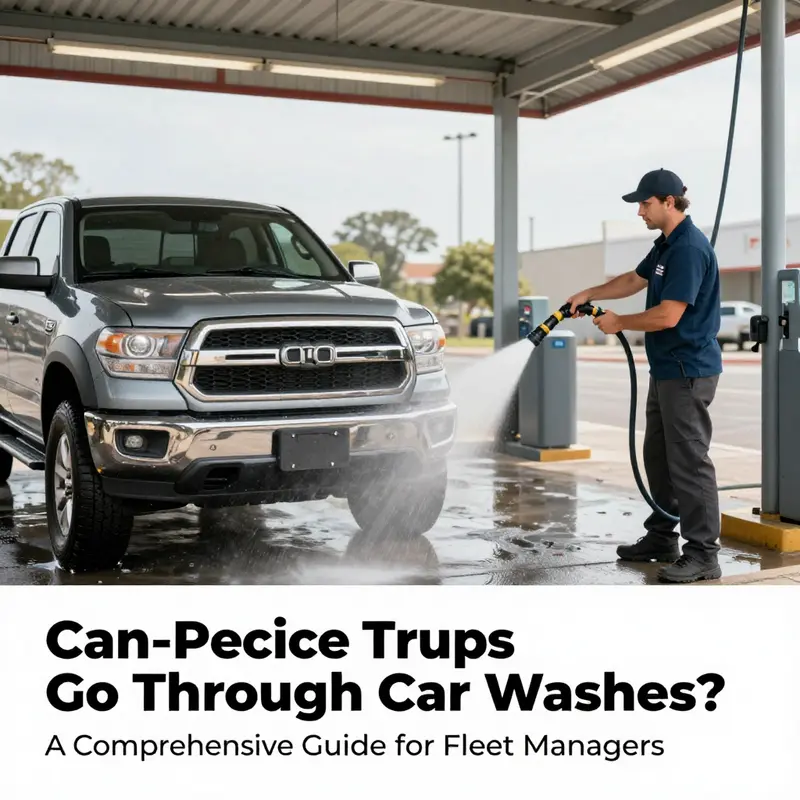
When you own a pickup truck, the question of can it go through a car wash is less about capability and more about care. A truck’s size, its bed, its undercarriage, and the scale of mud and salt it accumulates demand thoughtful choices. Automatic bays can work, but for many owners the self-service option emerges as the more reliable path to a thorough, paint-preserving clean. Self-service bays put you in the driver’s seat, not just of the vehicle, but of the cleaning process itself. You decide where to direct high-pressure jets, how long to foam, and when to rinse. This control matters because pickups are more likely to collect stubborn grime in areas that automatic systems might miss or mistreat. Wheel wells, suspension components, and the underside of the truck bed are common trouble zones after a heavy off-road sortie or a long stretch of winter roads. In a self-service bay you can tailor the approach to those zones—rinsing away caked mud from the undercarriage, blasting away road salt from frame rails, and ensuring nothing greases the seals or trim as it dries.
The core advantage of self-service is precision. Unlike automated systems that follow fixed patterns, self-service bays offer powerful hoses, foam cannons, and spot-free rinse options that you can automate with your own judgment. You can choose higher pressure for tenacious dirt and back off when you reach the painted surfaces, avoiding unnecessary abrasion. This flexibility is critical for pickups that come with older finishes, aftermarket trim, or protective coatings that may respond differently to spray angles or pressure. A careful approach means you can hit the heaviest soil with confidence and then transition to gentler rinsing to protect door seals, weatherstrips, and sensors that might corrode or wear if exposed to aggressive cleaning for too long. In a sense, self-service makes your wash thoughtful, not just thorough, and that distinction matters when you’re aiming to maintain resale value and the vehicle’s visual appeal over years of use.
The mechanics of a self-service wash bay are well-suited to the realities of pickup ownership. Most bays are equipped with high-pressure water jets that can be tuned by the operator, along with foam cannons or sudsy applicators for the early stages of cleaning. The ability to control timing means you can push through a pre-rinse, a foam coat, a targeted spray, and a final rinse in sequence that matches the dirt profile on your truck. For a pickup with a heavy build or a long bed, you’ll likely begin with a broad pre-rinse to loosen soil on the sides and tailgate. Then you’ll switch to foam to lift embedded grime from the wheel arches and bed rails. The chassis and undercarriage often require longer, more deliberate passes to dislodge caked mud; a static spray or short bursts can still do the job, but sustained pressure in the right spots helps prevent the buildup from becoming a stubborn crust. The key is to work methodically, moving from top to bottom and from the outside edges toward the center, ensuring you don’t miss hidden corners around the bumper, frame rails, and near the exhaust. A well-run self-service bay becomes a workshop where you apply the right tools to the right problems at the right moments.
This approach also translates into long-term value. Self-service bays charge by time or usage, which often makes them more economical for regular cleaning than hiring mobile detail services or booking a full-service wash. You’ll see how your hourly costs add up differently than a fixed-price automatic wash, especially if you’re cleaning after a muddy field workout or a cross-country trek through winter roads. The cost effectiveness comes not just from price per minute but from the level of control you gain. You can allocate more time to stubborn areas when necessary and cut back once the job is done, avoiding unnecessary expenditures on services you don’t truly need. The accumulation of savings over months builds up, particularly for fleets or owners who routinely maintain a higher standard of appearance for work trucks that are seen by customers or photographed for listings.
In terms of technique, there are practical rules that help protect your truck while maximizing cleanliness. Start with a broad rinse to wash away loose dirt and avoid scraping grit across the paint as you begin. Keep the spray nozzle at a distance that prevents direct contact with trim, weatherstrips, and any exposed electrical components. A common pitfall is using too much pressure in the wrong places, which can stutter or peel sealant and, over time, degrade the integrity of gaskets around doors and hatches. When you apply foam or detergent, stay mindful of the finish and any aftermarket coatings you may have added. Soft, steady strokes beat rapid, erratic pulses that can cause micro-scratches. After the main cleaning passes, switch to a thorough, fan-like rinse that removes soap residues from crevices and along the bed rails. Your goal is a uniform rinse, leaving the surface clean and dry enough to assess any remaining spots that require a quick touch-up.
Another practical angle is the hands-on control a self-service environment invites for detailing. Pickup trucks are often used in work contexts that leave stubborn residues like grease, tar, or oil on certain surfaces. Self-service bays give you the option to target these patches with a stronger spray or dedicated degreasing foam in a way you can’t easily replicate in automatic bays. You can also pay attention to the undercarriage more effectively, where road salt, mud, and grime tend to accumulate. A careful pass across this area reduces the chances of corrosion and improves payload protection over time. If you carry heavy gear or maintain a bed liner, you may want to avoid aggressive brushing in the truck bed and instead opt for targeted nozzle work and a rinse that prevents scratching at the same time. The ability to pause and reassess mid-clean is particularly valuable when you’re balancing time constraints with a meticulous finish.
The self-service model also tends to align with the practical rhythms of pickup ownership. Many self-service facilities stay open around the clock, which matters when you’re juggling a shift schedule or long hauls that end late at night. The convenience of being able to drop in, clean up, and move on has real value for anyone who uses their truck for daily work or weekend adventures. The bay design often reflects this reality too: clear lanes for entry and exit, high ceilings to accommodate lifted trucks, and practical rinse options that accommodate higher ground clearance. When a facility is well designed for larger vehicles, the experience feels effortless rather than awkward. A thoughtful layout reduces the risk of bumping into equipment or getting in the way of other patrons, which in turn preserves the integrity of your wash and the condition of your truck.
For those who manage fleets or who take a meticulous approach to maintenance, the benefits become even more tangible. The self-service route empowers owners to implement consistency across multiple vehicles. If you’re responsible for a small fleet of work trucks, you can standardize the cleaning technique across every unit, ensuring uniform results. The repeatability helps with visual maintenance checks and can simplify budgeting for routine cleaning, an important factor when contrast between a spotless and a neglected vehicle might signal organizational strength to customers or partners. In this sense, self-service is not just a personal hygiene ritual for a truck but an operational discipline that supports vehicle readiness, longevity, and presentability.
There is, of course, a place for other approaches as well. Some days you’ll prefer the speed of an automated wash, especially when you’re short on time and the dirt isn’t severe. Others will push you toward hand washing at home, where you can exercise the highest degree of control and use a two-bucket method with a microfiber mitt to minimize the risk of surface scratches. The point is not to reject any method outright, but to align the choice with the specific dirt load, the truck’s finish, and the level of care you want to invest in the vehicle. If your priority is a deeper, more deliberate clean with full supervision of every stroke, self-service remains one of the strongest options for pickup owners who value precision and value retention. In practice, the decision often comes down to routine, access, and the willingness to tailor the process to the truck’s unique needs.
For readers who operate or manage wash facilities, the implications extend beyond individual vehicles. Facility design, staff training, and maintenance schedules all feed back into how effectively a self-service model serves pickup owners. Clear signage directing larger vehicles to appropriate bays and transparent guidelines about pressure limits can help protect both customers and equipment. An operator who prioritizes reliability will implement a robust bay maintenance protocol, ensuring that high-pressure systems, foam applicators, and rinse cycles function consistently. This reduces the likelihood of malfunctions that could deter customers or compromise vehicle finishes. In addition, offering a clean, well-lit environment with accessible payment options and an intuitive layout adds to the overall value proposition for pickup owners who choose to wash their trucks in a self-service setting. The result is a cycle of better results, higher customer satisfaction, and longer equipment life for the facility itself.
Ultimately, the choice to wash a pickup in a self-service bay reflects a broader understanding of the vehicle’s needs and the owner’s willingness to engage in deliberate care. It’s about recognizing that the heavy, labor-intensive dirt of a pickup demands not just raw water power but strategic application, controlled pressure, and attentive technique. It’s about balancing speed with thoroughness, economy with meticulousness, and convenience with caution. When done thoughtfully, self-service car washes do more than remove dirt; they extend the life of the truck’s finish, preserve its value, and support the ongoing reliability that pickup owners rely on every day. For those who want a path that blends control, practicality, and cost-effectiveness, self-service bays offer a compelling, repeatable approach to keeping a rugged workhorse clean without compromising its durability.
External resource for further guidance on cleaning a pickup truck step by step can be found here: https://www.carinterior.net/how-to-clean-a-pickup-truck/
Internal reference for facility optimization strategies can be found here: Facility Management for Truck Wash Businesses.
Safe Passage: Washing a Pickup Truck Through Car Washes Without Damaging the Finish
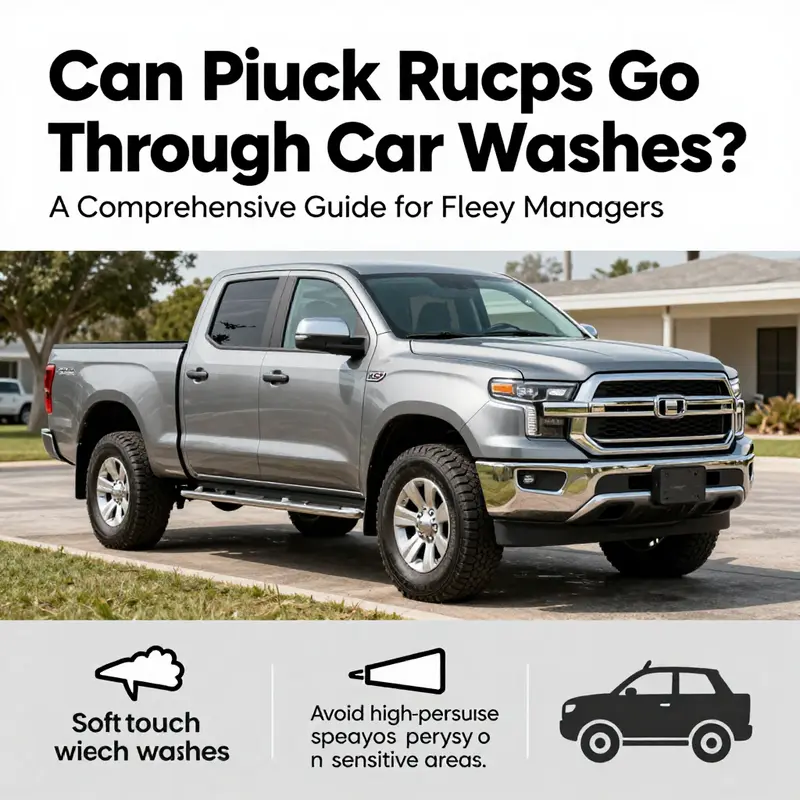
Choosing the right car wash for a pickup hinges on the finish and any protective film. Modern washes can handle pickups, but the finish and wrap demand care. Soft-touch and touchless systems each have pros and cons: soft-touch uses cloth-like brushes that lift dirt and rinse grime, but can abrade delicate finishes or wraps; touchless relies on high-pressure jets and detergents and eliminates brush contact but may miss stubborn grime and can push water into seams if misaligned. If your truck wears a vinyl wrap, pay special attention to edges and seams, as aggressive sprays can lift or bubble the wrap over time. Painted finishes, especially older clear coats, can be susceptible to micro-scratches from brushes. The safest approach is to treat the wash as a potential aid rather than a guarantee of a perfect clean, and tailor the choice to your vehicle’s protection level.
Key factors to check before driving through a bay include the facility’s guidelines for large vehicles, the availability of appropriate wash types, and whether the system can accommodate the truck’s height and length without forcing awkward angles. Look for soft-touch or touchless configurations that advertise gentle handling and for operators who understand wraps or specialized paints. If you are unsure, ask staff about their experience with bigger vehicles and finish types. Choose a facility that can adjust spray intensity and avoid zones near doors, trim, and wrap edges.
Detergents matter as well. Prefer pH-neutral, wax-free cleaners that are designed for automotive finishes. These formulations reduce the likelihood of chemical damage while still delivering a reliable wash and protecting sealants or wraps. For wraps, ensure the cleaners do not degrade edge tapes or the adhesive over time. If you wash your truck at home, you retain control over water pressure, mitt quality, and the contact time with edges; a two-bucket method remains a practical standard.
Drying is often overlooked but critical. Use a two-step approach: first, gentle air-drying or blower to lift water from crevices; second, a microfiber towel to remove remaining droplets. Avoid rubbing directly on seals, trim, or wrap edges. If you use a blower, keep it away from exposed electrical components and door gaps. When possible, finish with a careful hand dry to inspect for lift around wrap seams or chipped paint.
Professional detailing can offer wrap maintenance and protective coatings that are compatible with wraps and particular paints. If you choose a pro, confirm their experience with wrapped vehicles and their recommended approach for protective sealants or coatings. Request a lighter spray near the doors, trims, and wrap edges and avoid high-pressure cycles aimed at sensitive areas, especially when a wrap is new or recently serviced.
In practice, the safest path is to pair the wash type with the vehicle’s protection, insist on gentle spray settings near vulnerable areas, and perform a quick post-wash inspection. If any lift, bubbling, or edge wear is found, address it promptly with a professional or through a careful DIY approach. With thoughtful choices and mindful drying, a pickup can pass through most car wash systems without compromising the finish.
Rugged Tracks in Car Washes: Weighing the Risks for Modified Pickups

When a pickup with rugged tracks rolls into an automated car wash, the interaction between wash systems and the track setup can create risk. Tracks designed for off-road grip can clash with high-pressure jets, rotating brushes, and undercarriage components, potentially loosening fasteners, misaligning wheels, or scuffing sensitive panels. The safest approach is to treat such configurations as requiring tailored care: consider hand washing or using a soft-touch/brushless wash that accommodates lifted or modified vehicles. Always verify facility size limits and discuss your truck’s track setup with the operator before entering the bay. Regular inspection after washing can catch loose hardware or debris that might cause problems later. For fleets, having documented guidelines helps ensure consistent care and reduce downtime.
Balancing Speed, Control, and Care: A Practical Guide to Automatic vs Self-Service Washes for Pickup Trucks
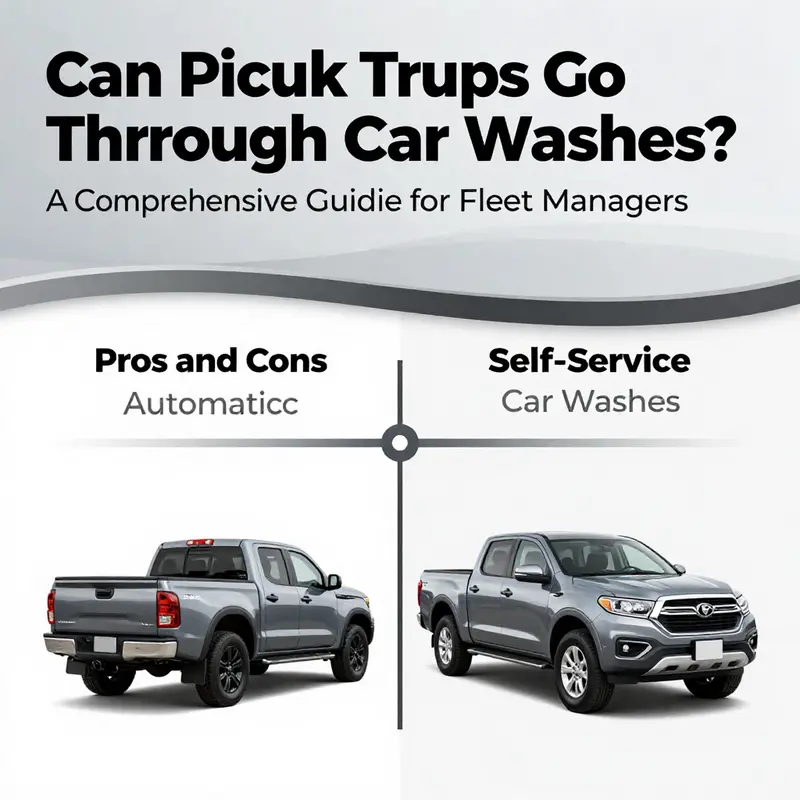
Choosing the right wash for a pickup truck means balancing speed, care, and cost, not blindly prioritizing one method over another. Automatic washes promise speed and uniform results, while self-service bays offer hands-on control and the chance to tailor the approach to chrome trim, rugged undercarriages, and stubborn wheel wells. For pickup trucks, the decision is never purely about size; it hinges on how the vehicle is used, the condition of its finish, and the constraints on time and budget. As a practical matter, many owners find the most reliable path to a pristine, well-maintained truck is a careful blend of both methods, using each where its advantages are most pronounced.
Automatic washes designed to accommodate larger vehicles provide a quick, predictable clean. For a truck, the appeal is obvious: a five to ten minute routine that can be run during a workday or a fuel-stop break. These facilities often employ sophisticated sensor technology to adjust spray patterns and nozzle pressure, and they may offer soft-touch brushes or touchless cleaning. The latter, in particular, is attractive for pickup owners wary of potential paint marring or trim wear. Yet even among touchless and soft-touch configurations, there is a spectrum of how aggressive the system can be about high-pressure jets or abrasive contact. The critical precaution is to verify that the wash can handle the vehicle’s size and profile without risking gaps where mud can linger or paint can be rubbed against sharp edges as doors and tailgates swing through the wash.
Cost is another dimension that often pushes owners toward automatic solutions. A typical automatic wash for a pickup truck runs somewhere in the range of ten to twenty dollars per session, with higher-end facilities or longer, more comprehensive cycles nudging past that ceiling. The economics make sense for regular, routine maintenance — especially when the goal is to remove light grime from a recently washed vehicle or to restore a uniform finish after a long road trip. But the trade-off is a degree of uniformity at the expense of hands-on customization. If the truck has heavy undercarriage mud, caked grime on the wheels, or paint issues that deserve a gentler touch, the standard automatic sequence may not address every problem area with the same diligence a careful hand would apply.
Self-service bays, by contrast, invite owners to take back control. In these spaces, you’re choosing the pressure, the nozzle angle, and the sequence of products, which means you can tackle the most troublesome zones first. For pickup trucks used off-road or in harsh climates, this matters a lot. The wheel wells can be blasted from multiple angles to loosen dense grime before a more delicate pass, and the undercarriage can receive a careful rinse to prevent the buildup of corrosive road salt or mud that can trap moisture against vulnerable surfaces. The hands-on approach is complemented by the ability to use higher or lower pressure as needed, apply cleaning foam with precision, and avoid forcing cleaning agents through door seals or onto electrical components. In practice, self-service can be a cost-effective solution when you’re willing to invest time. A typical session can cost a few dollars and include additional amenities such as a vacuum station for interior detailing, which is often an attractive bundle for fleet managers or owners who treat their trucks as multi-purpose tools.
What often matters most is how well the wash system aligns with the truck’s finish and its condition. A modern, well-maintained finish can tolerate a brisk automatic wash if the facility uses soft-touch or brushless technology with protective wrap for sensitive areas. However, for older or more delicate finishes, the risk of micro-scratches and trim wear grows with aggressive jets or abrasive brushes. In those cases, opting for a touchless automatic wash or leveraging a self-service bay with careful pressure control becomes prudent. The nuance lies in knowing what to look for: vehicle size limits, whether the system uses soft-touch rather than hard-bristle brushes, and how well the facility communicates best practices for different vehicle types. Industry guidance from independent care resources consistently emphasizes first confirming the wash’s guidelines for large vehicles and for sensitive components such as door seals, trim, and exposed electrical hardware. Without that alignment, even a well-intentioned wash can leave the truck looking uneven or, in the worst case, introduce minor vulnerabilities that require later repair.
From a practical standpoint, the best approach for many pickup owners is a hybrid rhythm. Use a self-service wash to address the stubborn grime on the bed rails, wheel wells, and mud-caked bumpers, applying a measured amount of pressure and selecting products that minimize contact with sensitive trim. This step-by-step, targeted cleaning reduces the likelihood of cross-contamination and abrasion that can come from automatic cycles that cycle through a standard sequence. After a thorough self-service session, you can follow with an automatic wash on a maintenance cycle to achieve uniformity and a refreshed exterior. This combination leverages the strengths of both modalities: the precision and control of self-service for high-risk areas, and the efficiency of automatic washes for routine maintenance.
If you want a quick reference for where to begin, consider the guidance from a respected maintenance resource that emphasizes a two-bucket method, microfiber application, and careful hand-lining around doors and seals when you do not rely exclusively on mechanical systems. The core idea is not to cling to a single method out of habit but to adapt your process to the truck’s current state and its typical workload. A thoughtful approach might start with a simple self-service rinse to remove loose debris, proceed with a targeted hand wash for the bed and wheel wells, and then run a light automatic cycle to seal in cleanliness and leave a uniform finish. For owners who frequently encounter mud, sand, or tar, the extra time spent in a controlled hand-wash environment can pay dividends in preserving paint integrity and trim longevity.
Beyond the washing itself, the choice between automatic and self-service influences maintenance planning. A facility that understands the needs of larger vehicles can provide clearer guidance on vehicle limits, recommended cycles, and how to avoid overexposure of seals and electrical connections during high-pressure use. This level of service is especially important for fleet operators who rely on consistent cleanliness as part of a vehicle’s daily readiness. When owners invest in knowledge and deliberate technique, they extend the longevity of their trucks by reducing the risk of paint chipping, stencil wear on accents, and corrosion around wheel arches. In this sense the wash becomes less a disposable utility and more a careful part of ongoing vehicle care.
For readers seeking a compact practical reference, a well-regarded internal resource offers actionable steps that echo many of the ideas above. It highlights the value of checking facility guidelines, avoiding direct high-pressure application on sensitive components, and considering hand washing for critical areas. If you want a deeper, step-by-step method, that resource outlines a sequence you can adapt for your own routine, whether you favor an automatic or a self-service path. Internal practice and user experience converge on one principle: the choice of wash is best guided by vehicle condition, finish type, and the specific grime you need to conquer.
Ultimately, the decision about automatic versus self-service comes down to matching the wash’s capabilities with the truck’s realities. Time constraints and budget matter, but so do the long-term consequences of aggressive cleaning on finishes and seals. A pickup that sees rough duty will benefit from the careful, area-by-area attention of a self-service approach, followed by a maintenance wash to preserve the paint and trim. A truck that sees mostly highways and light dust may thrive on a well-chosen automatic cycle that respects vehicle size and uses gentle brushes or touchless technology. When these conditions are aligned, pickup trucks can pass through car washes with confidence, preserving both the utility and the aesthetics of the vehicle they rely on every day.
For readers who want to explore practical strategies that extend beyond the wash itself, consider the broader literature on vehicle cleaning and maintenance. One cited resource outlines proven strategies for removing tough substances quickly and safely, a reminder that even routine washing benefits from deliberate technique. Proven strategies for cleaning grease and tar off your trucks fast can serve as a helpful companion as you tailor your wash routine to your truck’s needs. External industry thinking balances the internal guidance, reinforcing that the wash is only one part of a broader care program for pickup trucks. External insights from online guides and product overviews reinforce the idea that the right wash approach is a blend of technology, user skill, and vehicle-specific considerations. External resource: https://www.alibaba.com/product-detail/Mobile-Car-Wash-Guide-for-Pickup-Trucks_1600489872457.html
Final thoughts
Cleaning practices directly influence the longevity and appearance of pickup trucks in commercial fleets. Each washing method presents unique advantages and risks, demanding careful consideration. Fleet managers must weigh the efficiency of automatic car washes against the control afforded by self-service options to make informed decisions that suit their operational needs. With the right insights and best practices, you can maintain your fleet’s vehicles without compromising their integrity.