
Truck wash services are a critical aspect of maintaining a fleet, impacting both aesthetic appeal and operational efficiency. As logistics and freight company leaders, understanding the costs associated with truck washing allows for better budget forecasting and fleet management. This article details the various pricing structures involved in truck washing, examines the factors influencing these costs, highlights regional pricing differences, and compares truck wash services to other vehicle washing options. Each chapter provides insights necessary for making informed decisions regarding truck maintenance investments.
Wheels Clean, Costs Clear: Decoding Truck Wash Pricing for Fleets and Owner-Operators
Cleanliness on the road is not just about appearance; it is a maintenance discipline that helps protect assets, improve aerodynamics, and project professionalism to customers and partners. Yet the price tag attached to keeping a rig spotless is not a single number you can pin down with confidence. It shifts with the wash type you choose, where you are located, the size and condition of the vehicle, and how often you plan to wash. To budget wisely and avoid pay-what-you-see frustration, it helps to view truck wash pricing as a spectrum rather than a single line item. Think of it as a conversation between need, convenience, and value, where each wash type exists at a different point on a continuum of time spent, labor, materials, and environmental considerations.
A basic exterior wash is the most common entry point for most fleets and owner operators. In many markets, a straightforward exterior scrub for a semi or heavy truck sits in what many shops would classify as the mid-to-lower tier of pricing. A practical range to expect is roughly 15 to 30 dollars per wash, with some markets hovering a bit higher or lower based on overhead, water usage, and local wage rates. It is not unusual to encounter prices closer to 40 dollars in high rent districts or in facilities that emphasize rapid turnover and premium water treatment. The takeaway here is that the exterior wash price band is narrow enough to be predictable, yet wide enough to reflect regional labor costs, facility investments, and any add-ons that might be bundled into what some shops label as a basic service.
When a fleet or operator moves beyond the surface, the price structure becomes more nuanced. Comprehensive services that include interior cleaning, undercarriage cleaning, and chemical treatments designed to protect paint and prevent rust invariably push the ticket higher. It is common to see these enhanced offerings run in the 75 to 150 dollar range, and sometimes higher when the package includes interior detailing, engine bay degreasing, tire dressing, or protective coatings. The jump from a basic wash to a more complete service is about time, care, and the use of specialized products, but it is also about the value you gain in terms of reduced downtime, better asset protection, and longer intervals between deeper maintenance. For operators who manage a fleet, those added services can translate into meaningful cost savings when you factor in resale value and the likelihood of avoiding corrosion or buildup that can complicate inspections.
A service model that has grown in popularity for its convenience is mobile washing. The premise is simple: the wash comes to the truck, whether at a truck stop, a distribution center, or a rest lot. This on site flexibility is highly valued by drivers who cannot spare the time to stand in a bay or who operate on tight delivery windows. Prices for mobile washes typically run from about 25 to 50 dollars per visit, with the higher end of the range appearing when additional services are included or when travel time and specialized equipment are needed. The mobile approach often carries a premium that reflects not only labor but the logistics of delivering the service directly to the rig, yet the payoff is obvious in reduced downtime and better route reliability.
For fleets that wash with regular cadence, subscription and fleet pricing programs can shift the math in a meaningful way. In these arrangements, a fixed monthly rate covers a certain number of washes, sometimes with discounts that apply as the volume increases. This model provides budgeting stability, turning variable expenses into predictable operating costs. The exact numbers depend on the provider and the terms of the plan, but the concept is straightforward: consistency in service usage yields a lower average cost per wash and better forecasting for maintenance spend. If you are managing a large fleet, these plans can be a practical way to align cleaning with maintenance schedules and downtime planning, especially when combined with priority scheduling or other value-added services.
Self service remains an option in markets that invest in truck-friendly bays and equipment that allow drivers to take charge of the scrubbing themselves. The upside is clear for the cost-conscious operator who has the time and a preference for hands-on control. Self-service prices can be among the lowest, often in the 10 to 15 dollar range for basic use. But the real calculus includes labor, time, and the practical realities of washing a large vehicle in a busy yard. For drivers who value speed and efficiency, the time spent scrubbing, rinsing, and drying can add up, potentially eroding the apparent savings. It is worth noting that not all self-service facilities accommodate larger trucks with equal ease, so availability and bay size are legitimate considerations when weighing this option against the convenience and speed of a full-service or mobile wash.
Vehicle size and condition interact with geography in predictable ways. Larger tractors, long wheelbases, intricate chrome work, and heavy duty undercarriages demand more labor, more water, and often longer service times. The price you pay for a wash therefore rises with the complexity of the job, not merely with the size in linear terms. Geography plays its part as well: urban locations tend to carry higher labor rates and more stringent environmental standards, both of which can nudge prices upward. Rural or industrial zones can offer more economical options, but they sometimes come with longer wait times or less flexible scheduling. For a fleet that runs through different regions, it becomes worthwhile to map a wash strategy that matches route density with the most efficient price points while still meeting cleanliness and maintenance goals.
Budgeting around wash costs should also consider the role of frequency. A routine that includes a regular exterior wash, a quarterly or semi annual interior detail, and periodic undercarriage cleaning after certain routes can be more cost effective than sporadic, ad hoc cleaning. The goal is not simply to minimize the price of each wash, but to maximize the value extracted from each cleaning cycle: better visibility of the road surface for safety inspections, less drag from dirt and salt, and lower risk of corrosion and wear in sensitive components. Such a strategy benefits from a straightforward decision framework: establish a baseline exterior wash cadence that keeps trucks presentable, layer in targeted services for high-risk periods or routes, and consider a mobility mix that favors on site washes when time is tight or when downtime directly impacts delivery windows.
For those who want a practical starting point to compare options, there is value in speaking with local operators who can tailor a package to your needs. While price alone is not the sole determinant of value, it is essential to understand the scope of services you get and the scheduling flexibility you gain. When you call around, ask about service turnaround times, the ability to combine services in a single visit, and environmental practices that may affect cost. A clear picture emerges when you pair a price quote with an understanding of the time saved, the protection afforded to critical assets, and the ease of integrating wash cycles into fleet maintenance calendars.
The decision framework for pricing often benefits from a broader perspective on facility management within the wash ecosystem. Think of a well-run wash operation as a small, efficient operation that balances labor, equipment, scheduling, and environmental compliance. A guided approach to decision making asks not only what a wash costs today, but how it affects uptime, asset longevity, and the overall health of the maintenance plan. See how operators structure staffing, control queues, manage chemical inventories, and ensure responsible water handling in the yard. For a deeper look into how managers balance cost and quality in busy wash yards, you can explore resources such as the facility management guide for truck wash operations facility management for truck wash businesses, which offers perspectives on balancing cost, efficiency, and quality in a busy yard.
As you build your pricing picture, keep in mind that market dynamics shift with the seasons, promotions, and the emergence of new service bundles. A basic exterior wash may hold steady within a predictable band, but the value attached to the service—whether it is the time saved, the long term protection offered, or the reliability of routine maintenance—can tip the scales toward a higher-priced option if it delivers measurable returns. Conversely, you may find seasonal promotions or off peak discounts that make a premium service accessible at a more favorable price, especially when your schedule is flexible. The practical takeaway is to assemble a short list of trusted providers in your region, confirm the exact scope of services offered, and compare not only the sticker price but the potential impact on downtime, asset protection, and maintenance timelines.
For a quick external benchmark, it is useful to consult established industry listings or pricing guides that catalog wash options across the United States. These references can provide a sanity check on where a particular service falls within the broader market, helping you calibrate expectations before you engage with a shop. The objective is not to chase the cheapest option blindly but to select a provider whose service quality, turnaround time, and environmental practices align with your fleet’s operational needs. In the end, the most reliable approach is straightforward: pair market data with a direct conversation about your route patterns, vehicle types, and maintenance priorities, then choose a wash program that offers consistent quality, predictable costs, and clear value over time.
External reference: https://www.washworld.com
Beyond the Bubbles: What Drives the Price of a Truck Wash and How Much You Should Expect to Pay
In the world of freight and logistics, every mile counts, and so does every dollar. When fleets consider washing their rigs, the sticker price on the wash becomes more than a line item. It’s a reflection of what kind of cleaning the vehicle really needs, how much work the crew must put in, and the environment in which the wash takes place. The question “how much truck wash?” rarely has a single answer. It unfolds as a spectrum shaped by the service level, the size and condition of the truck, and the realities of geography and season. Understanding that spectrum helps operators budget accurately, justify the cost to fleet stakeholders, and avoid sticker shock when the invoice arrives. The simplest way to think about it is to separate price from value, and then align both with the specific needs of the fleet in question.
The most basic exterior cleanse offers a starting point that is easy to compare across providers. A straightforward exterior wash typically costs between twenty and fifty dollars for a commercial truck. This range covers rinsing and a light wipe-down of the visible surfaces, and it’s often the option most drivers reach for when a rig simply needs to shed a layer of road grime before the next leg of a journey. It’s tempting to view this as the standard, but it’s important to recognize what is not included. Heavier mud, splattered tar, or stubborn brake dust on rims are not reliably removed by a routine rinse. In many circumstances, drivers will discover that price-conscious exterior washes leave behind grime that can degrade the truck’s appearance and, more importantly, its maintenance cycle if neglected over time.
Venturing a step further into the cost spectrum reveals the more involved options with deeper cleansing, undercarriage attention, and sometimes interior work. A premium or deep-clean package, often marketed as a “truck detailing” service, can push the price into the range of seventy-five to one hundred fifty dollars, and sometimes more. The logic is straightforward: labor demands rise, equipment use intensifies, and the time required to execute a thorough clean increases significantly. In these higher tiers, you typically see features such as high-pressure washing, comprehensive wheel and tire cleaning, undercarriage rinsing, and, in some cases, interior detailing or vacuuming. For fleets that operate in harsh environments—dusty construction corridors, salt-laden winter routes, or coastal hauls—the incremental cost buys reliability. Clean components tend to wear more evenly, and the interior cleanliness can support driver comfort and customer perception on subsequent loads.
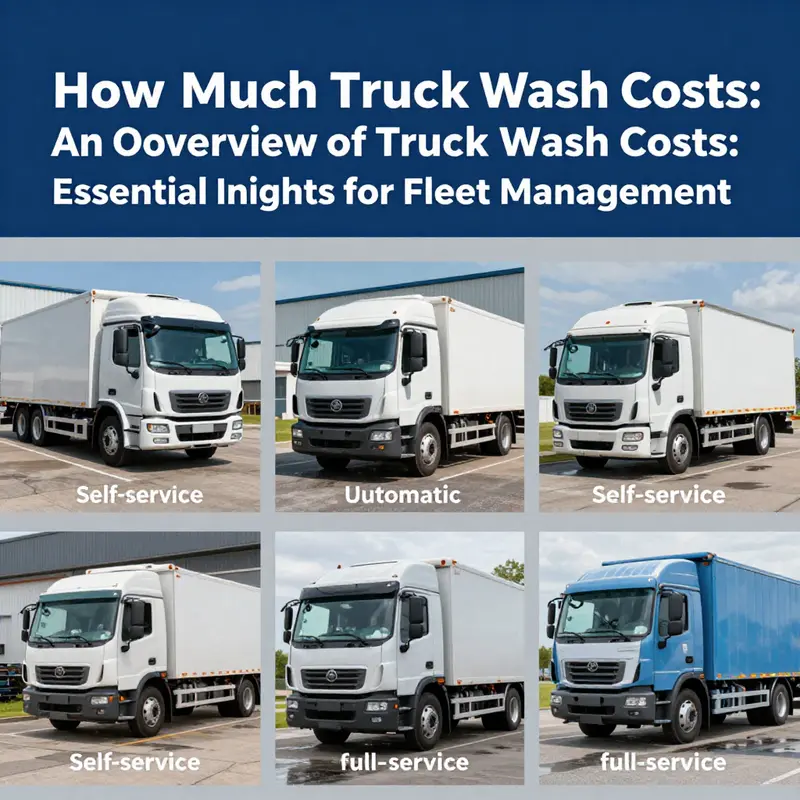
A useful way to frame the cost structure is to imagine the wash as a menu with three broad layers. The first layer is self-service or do-it-yourself wash bays, which in many markets run about ten to twenty dollars. These venues often require the operator to bring the manual effort and products; they can be efficient for small maintenance tasks but may fall short on heavy grime or undercarriage cleaning. The second layer is the automatic drive-through wash. These options are typically priced around twenty-five to forty dollars. They provide speed and convenience, and for many fleets, they represent a practical middle ground. They don’t always address the undercarriage or the interior, but they do offer a predictable, repeatable cleaning experience that can fit tight schedules. The third layer, the premium or full-service wash, is the most comprehensive. Prices here tend to range from seventy-five to a couple of hundred dollars, depending on how elaborate the package is and whether additional services such as waxing, tire shine, or interior vacuuming are included. These are the washes that many fleet operators reserve for quarterly maintenance cycles, pre-delivery inspections, or when vehicles must present at a high standard for customers or regulatory expectations. The broad lesson is straightforward: the more you demand in terms of thoroughness and finish, the higher the price will be.
Size and type of vehicle play a defining role in setting the cost. A semi-truck or large freight carrier demands more water, more cleaning agents, more labor hours, and more specialized attention to areas that passenger or light-duty vehicles do not require. The cab, trailer sides, wheels, and especially the undercarriage warrant careful attention to restore the vehicle to a clean state suitable for intensive operations or for demonstrating a professional image. Conversely, smaller vans or light-duty trucks are often less expensive to wash because they require fewer resources to deliver the desired result. Even within a single fleet, the spectrum can vary from warehouse-ready, mid-size rig cleans to full-scale, heavy-duty detailing on the largest tractors and trailers.
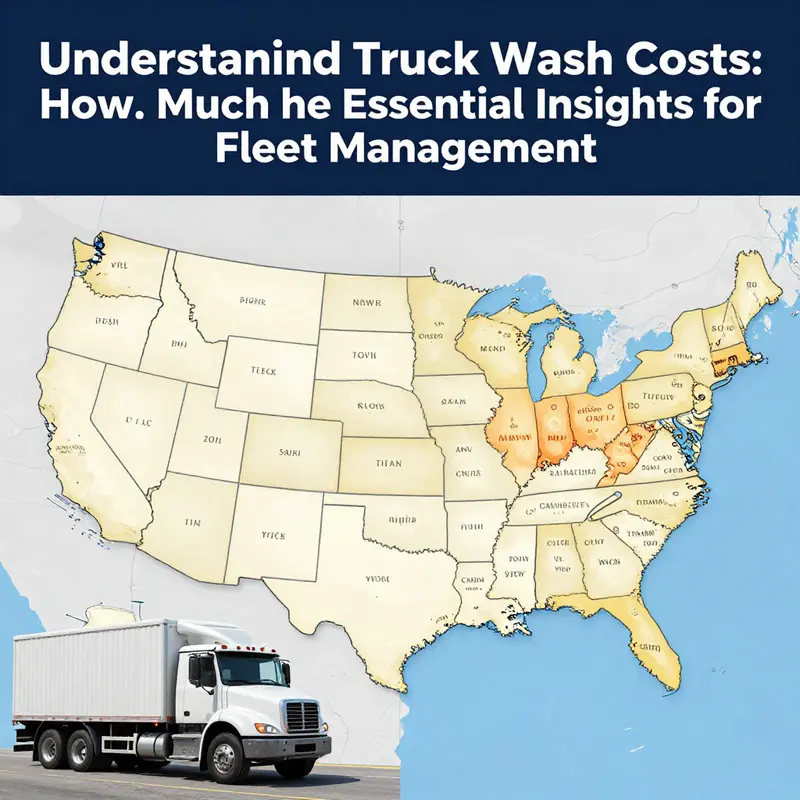
Location matters in predictable ways. Urban areas, where rent, utilities, and labor costs are higher, tend to push truck wash prices upward. Rural or smaller markets with lower costs of living and operation can undercut those urban rates while still delivering dependable cleaning results. The local competitive landscape also shapes what customers will pay. A facility that positions itself as a premium provider, with polished bays, modern equipment, and a crew skilled in detailing, will charge more than a basic, auto-credit-driven wash operation. It’s not just the sticker price either; it’s the total experience—the timeliness, the professionalism of the staff, the level of attention to detail, and the aftercare options that accompany the wash.
The quality of the wash facility helps determine what you get for the price. High-end detailing shops, equipped with advanced machinery and a trained team, can justify higher charges through a combination of meticulous manual cleaning, undercarriage rinsing, engine bay degreasing, and interior treatment. In contrast, standard automatic washes, while efficient and affordable, may not address stubborn grime, tar, or heavy salt residues, particularly in the undercarriage and wheels. The facility type also affects the expectations around eco-friendliness and water management, which are increasingly central to pricing as fleets align with sustainability goals and regulatory constraints. The cost is not simply a function of what’s being removed, but also of the quality and sophistication of the process.
Another critical factor is the vehicle’s condition upon arrival. Trucks that have been through muddy construction zones, salt-encrusted highways, or off-road routes typically require more cleaning time and specialized agents. The greater the effort needed to restore the vehicle to its standard appearance and operating condition, the higher the price. In some cases, certain exterior contaminants demand labor-intensive treatment, such as power washing in stages, spot-cleaning stubborn residues, or applying protective coatings that prolong the vehicle’s clean state. The condition-driven price variation underscores why a simple quote can become a campaign of questions: What surfaces need cleaning? Does the undercarriage require attention? Are there interior spaces that must be attended to? Is there a need for protective waxing or a tire shine? Each answer funnels into the final number, and fleets that request precise, written quotes with lines for each service will find the process most transparent.
Seasonal demand can stir price fluctuations as well. In winter, when roadways are salted to combat ice and snow, more trucks arrive for undercarriage cleaning and corrosion-prevention services. The demand surge can lift prices modestly because the facility handles higher throughput and uses more cleaning agents and time per vehicle. In peak travel months, when fleets synchronize inspections and maintenance windows, price volatility can reflect the competitive environment as well as the strain on scheduling. Understanding these cyclical patterns helps fleet managers forecast total maintenance costs and schedule wash intervals to balance cleanliness, downtime, and cash flow.
What about the practical aspects of obtaining a price quote and ensuring you get value? First, be explicit about what you need. A basic exterior wash is different in value from a full-service, multi-area cleaning package. If you anticipate needing an undercarriage flush or wheel and tire detailing, state that clearly from the outset. If interior cleaning matters—for example, keeping the driver’s area tidy and free of grime—include that in your request. The time of day can influence price and availability; some facilities offer lower rates during off-peak hours or for fleet contracts with scheduled windows. Fleet customers often gain leverage through volume and repeat business, especially when the fleet has a reliable maintenance window that keeps vehicles out of service during the wash.
The size of the vehicle and its configuration are not merely about heft; they affect the scope of the operation. A truck with a long trailer, multiple axles, or an unusual loading configuration may require more careful maneuvering within the wash bays, adding to labor time and resource consumption. For this reason, some facilities price by vehicle type or class, while others provide a flat rate with surcharges for oversized or unusually complex rigs. When you call for a quote, ask for itemized line items that include base exterior wash, undercarriage cleaning, wheel and tire care, interior detailing, and any add-ons. The goal is transparency so you can compare apples to apples across providers.
From a fleet-management perspective, it’s also worth considering how wash costs fit into broader maintenance planning. Regular, predictable cleaning can extend the life of exterior paint and undercarriage components and reduce the likelihood of accelerated corrosion or rust, especially in regions with harsh road treatments. A clean truck is easier to inspect and service, and it presents better when loading and unloading, which can reduce delays in the supply chain. In this sense, a wash is not merely an expense but a preventive maintenance activity that supports asset longevity and overall dispatch reliability. The challenge for managers is to balance frequency and depth of cleaning with the vehicle’s utilization pattern and operating costs. This is where a disciplined approach to facility management for truck wash operations matters, offering structured workflows, staffing plans, and quality controls that keep costs predictable while maintaining consistent results Facility Management for Truck Wash Businesses.
To bring these threads together, imagine a typical urban fleet facing a practical decision after a week of multi-site deliveries. A mid-sized semi-truck, with a moderate level of road grime and a few days of use since its last wash, might be best served by a standard exterior wash, priced in the lower to mid range, perhaps around thirty to sixty dollars, depending on the bay’s efficiency and the local market. If the route included highways through winter salt and a few construction zones, the operator might opt for an enhanced exterior wash with undercarriage attention, edging toward the eighty-dollar mark. If the truck will be moving into a high-profile customer yard or a new contract with stringent appearance requirements, a premium detailing package could be warranted, with total costs in the single-digit hundreds if interior work and thorough engine bay cleaning are on the agenda. The difference between these scenarios is not cosmetic; it’s about choosing a level of thoroughness that aligns with the truck’s immediate needs, the fleet’s maintenance standards, and the expectations of the next load.
For readers seeking a practical starting point in pricing, there is value in collecting quotes from multiple facilities, specifying the exact services required, and requesting written estimates that break down each component. It’s also prudent to consider aftercare. Some shops offer maintenance plans or fleet discounts that apply when a certain number of washes are scheduled within a given period. These arrangements can reduce the per-visit cost and align with a fleet’s routine maintenance calendar. The goal is to transform a one-off expense into a repeatable, manageable line item that integrates with the budgeting processes already in place for fuel, maintenance, and compliance.
As with any service tied to asset care, the true measure of value lies beyond the sticker price. It includes the assurance that the truck is presenting well, free of grime that could mask issues, and that the cleanliness supports safer, more efficient operations. The cost is justified when the wash aligns with maintenance objectives, reduces downtime through quicker inspections, and sustains a professional image for customers and drivers alike. The reality is that prices fluctuate with service level, vehicle size, geographic location, and season, yet a structured approach to quoting and service selection makes the price range manageable. A well-chosen wash strategy helps keep fleets moving, which is the ultimate metric of value in the transport sector.
Any discussion of pricing should acknowledge that the market has its standards and its outliers. Some customers will encounter unusually high quotes due to unique vehicle configurations, emergency cleaning needs, or a facility’s specialization in heavy-duty industrial cleaning. Others may encounter surprisingly low prices in very competitive markets or in bays designed for rapid throughput with limited scope for customization. In the end, the right price is the one that delivers the level of cleanliness and care that the vehicle requires while staying aligned with the fleet’s operating budget and service expectations. The emphasis should be on clarity, consistency, and a clear alignment between the service level purchased and the value received over time. For a current pricing snapshot, you can reference industry pricing through established industry resources at https://www.washworld.com.
This chapter’s exploration emphasizes that understanding how much truck wash costs is not merely about comparing numbers. It’s about matching the level of service to the vehicle’s needs, the fleet’s maintenance philosophy, and the realities of the operating environment. It’s about recognizing that higher prices often accompany higher value when the service delivers better protection for assets, reduces downtime, and supports a fleet that operates with discipline and reliability. And it’s about using the knowledge of these price drivers to negotiate smarter, plan ahead, and choose a wash partner who can consistently meet expectations without surprise charges.
null
null
Scale, Cost, and Efficiency: Truck Wash Economics
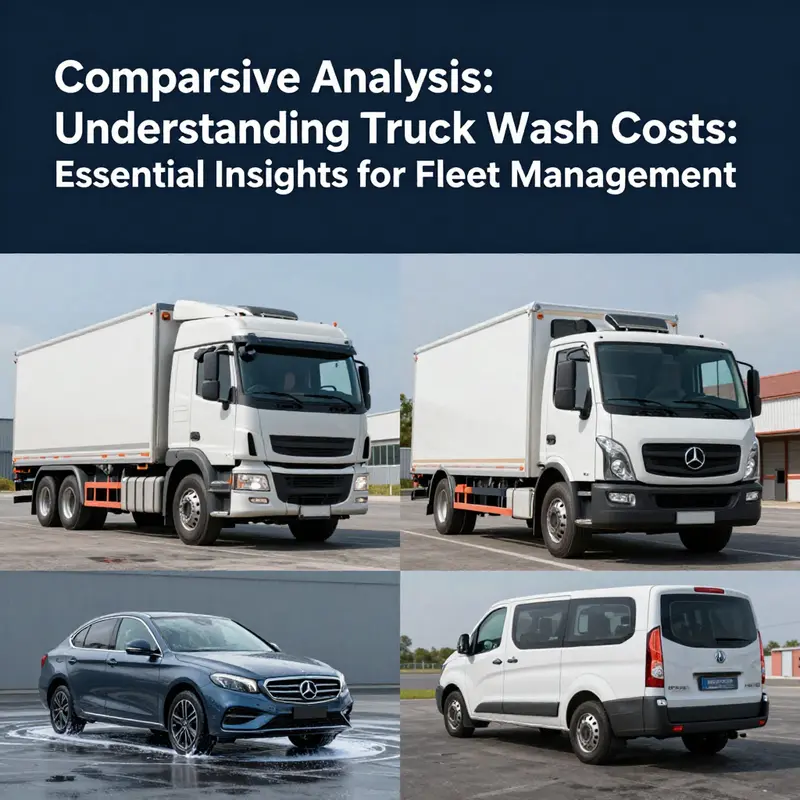
Truck washing economics hinge on scale, service level, and location. Exterior washes for large vehicles can range from about 20 to 50 dollars per vehicle, with higher prices for full-service packages that include interior care, undercarriage work, or detailing. Fleets delivering high throughput often emphasize automation and efficient workflows to lower per-vehicle costs, even as upfront capital for equipment rises. Geography and market conditions add variability: urban areas tend to be pricier due to labor and land costs, while rural locations may offer more competitive rates. Environmental measures like water recycling and energy management add to capital and operating costs but can improve long-run total cost of ownership and compliance. In practice, most fleets blend a basic exterior wash for routine turnover with periodic premium services to protect asset longevity, driver comfort, and uptime. The bottom line is value over time: the cheapest wash is not always the most economical when reliability and asset health are factored in.
Final thoughts
Understanding the costs associated with truck washing is essential for managers and operators in the freight and logistics sectors. By exploring the pricing structures, influencing factors, regional variations, and comparisons with other vehicle washes, companies can better allocate resources and manage maintenance effectively. A strategic approach to truck cleanliness not only enhances the fleet’s appearance but also extends vehicle longevity. Effective cost management in truck washing contributes directly to improved operational efficiency.