
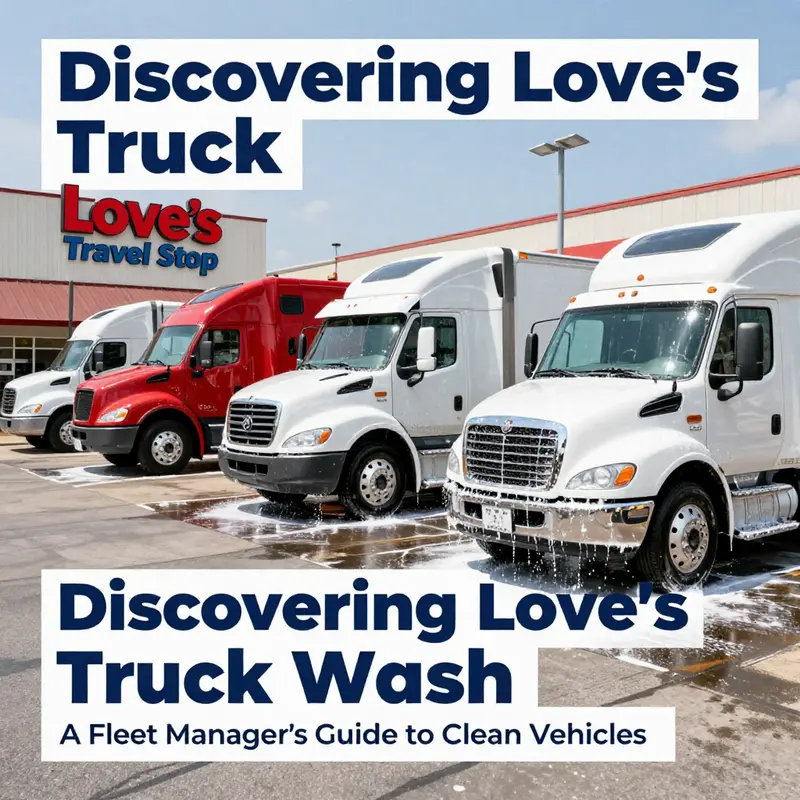
Maintaining cleanliness is crucial for logistics and freight companies, where the condition of the fleet reflects professionalism and efficiency. Love’s Travel Stops has recognized this need and provides truck wash services at select locations through partnerships with trusted providers. This article outlines the available truck wash services at Love’s, highlighting their locations, the partnership with Blue Beacon Truck Wash, and essential operational details. Each chapter focuses on a key aspect of these services, offering fleet managers, trucking company owners, and fleet supervisors the insights needed to enhance their vehicle maintenance routines.
Tracing Love’s Truck Wash: A Fleet-Maintenance Network Spanning the Road
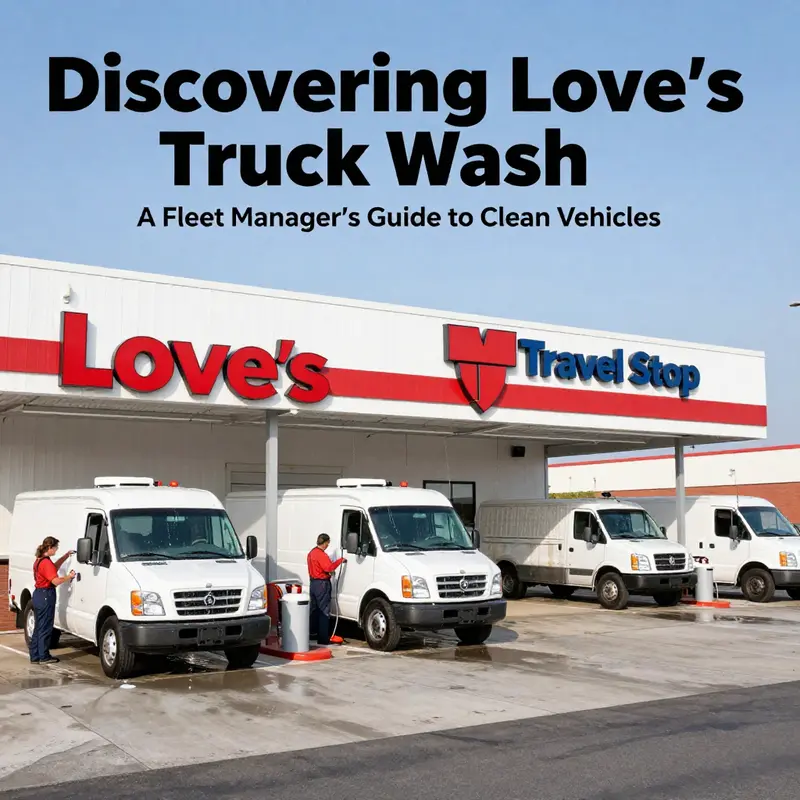
The question at the heart of this chapter—does Love’s have a truck wash?—opens a larger window into how modern travel stops support fleets and drivers on long road stretches. Love’s Travel Stops operates one of the largest networks of truck-friendly facilities in the United States, with more than six hundred locations spread across forty-two states. It is a network built not only to fuel journeys but to sustain them. For many fleets, cleanliness is not a luxury; it is a maintenance measure, a safety standard, and a compliance checkpoint all rolled into one practical service. Within that framework, the presence of truck wash services becomes a routine, expected capability rather than a special feature. Yet the way these washes are delivered matters just as much as their availability. Love’s does not operate a Love’s Truck Wash as a standalone brand. Instead, it partners with established, trusted vehicle wash providers to deliver high‑quality cleaning services at a number of its stops. This distinction matters for fleets that rely on predictable service quality across routes. The result is a network that feels seamless to the driver, even though the wash itself sits behind a partnering brand, not a Love’s-branded facility. The arrangement prioritizes scale, reliability, and a standardized level of service across locations, so long-haul operators can plan a leg of the journey with confidence about washing, too, not just fueling and meals.
That reliability and reach are not theoretical. They translate into real-world choices for drivers who need to keep their equipment in top shape while on the road. The partnership model means that wherever a Love’s Travel Stop sits along a given corridor, the truck wash offering, when available, comes with a degree of predictability. The drivers know the facility must handle large vehicles, and that it aims to deliver a thorough cleaning that supports appearance, safety, and regulatory compliance. The emphasis on large-vehicle cleaning means techniques and workflows are tailored to tractors, trailers, and their undercarriages, rather than small vehicles that lane change through a city block. In other words, the wash bays must be equipped, staffed, and trained to handle the unique demands of heavy trucks, from wheel wells to rear doors, from chrome to tarred surfaces under the chassis. The idea is simple but powerful: when a driver pulls into a Love’s, the wash service should feel like a natural extension of the stop’s core mission—keeping fleets moving with minimal friction and downtime.
To illustrate the practical side of the model, consider a specific Love’s Travel Stop location that helps anchor the chapter in everyday experience. The Love’s Travel Stop at 1905 Brookhart Drive in Harrisonville, Missouri, stands as a concrete example of how Love’s logistics and partner networks come together in a single site. The Harrisonville location, like many others, offers a truck wash as part of its suite of commercial-driving conveniences. The address places it along a corridor meaningful to regional and national routes, making it accessible for both local fleets and long-haul operators who are adjusting their routes to incorporate a wash stop into their daily plans. The contact line—(816) 380-1026—provides an open channel for drivers who want to confirm wash availability, hours, or any location-specific details that might affect their schedule. The presence of a wash facility at this site underscores the practical reality: Love’s locations are designed to be more than a place to refuel. They are carefully integrated service ecosystems that recognize the needs of professional drivers, including clean trucks that meet safety and regulatory expectations. The Harrisonville stop demonstrates that truck wash capacity can coexist with fueling, restrooms, food service, and lodging in a single, predictable stop along a driver’s route. And, importantly, the site’s operating hours align with common driving windows: the facility is open daily from 6:00 a.m. to 10:00 p.m., a range that accommodates early starts and late returns while offering a generous period for a wash before or after a shift. The concrete example also hints at the reliability of partner-based delivery: while the wash may be operated under a partner banner, the hours, access, and contact channels reflect a consistent, centrally understood standard that drivers can rely on as they plan their days.
Finding a Love’s Truck Wash near you is straightforward, and the process speaks to the broader design philosophy of the Love’s network. The official Love’s website features an interactive map and location finder tool that lets drivers search by city, state, or zip code to locate nearby facilities that offer truck washing services. This digital convenience mirrors the on-site experience: it is meant to help fleets and solo operators anticipate where a wash is available so that it can be slotted into the journey with minimal disruption. The map not only marks where wash bays exist but also provides real-time service availability, hours of operation, and a host of other amenities. For fleet planners, this means a single lookup can reveal whether a given Love’s stop can cover essential maintenance in addition to fuel or food options. The integrated design reduces the need to chase multiple providers or schedules, a feature that lowers the risk of unexpected downtime during a tight delivery window.
Inside the Love’s ecosystem, the wash is often part of a broader set of services that makes a stop more efficient overall. The same site that provides wash services typically presents a transparent picture of what else is available—restrooms, fuel options, food, and lodging—so drivers and fleet managers can plan a single break that balances maintenance with rest, nourishment, and restocking. In practice, this means a driver can map a leg that includes a wash and a meal, then pull into a stop to complete several tasks in one place. The ability to view service availability in real time is especially valuable for fleets operating on tight schedules where even a 30-minute wash can influence arrival times at customer sites and subsequent leg planning. The integrated approach helps reduce downtime across the network and strengthens the reliability of the entire operation. It is this combination—convenience, predictability, and a broad set of on-site capabilities—that makes Love’s truck wash services appealing to fleet operators who must optimize every hour on the road.
A fleet manager weighing the value of Love’s truck wash options will be particularly attentive to the way the service aligns with broader maintenance strategies. A clean tractor and trailer not only project a professional image but also contribute to safety and regulatory compliance. Clean wheels and brakes, for instance, improve braking performance and reduce the risk of debris-related damage on routes with rough surfaces or heavy gravel. Clean undercarriages help prevent corrosion and extend the life of critical components exposed to road salt and winter conditions. While the exact washing protocols are managed by Love’s partners, the resulting cleanliness supports the operator’s preventive maintenance program by limiting the accumulation of dirt and grime that can obscure inspection points or mask wear on mechanical components. In a very practical sense, the truck wash becomes a checkpoint in a fleet’s daily rhythm—a moment to reset the vehicle’s appearance and, more importantly, its safety and reliability profile before continuing down the highway.
The partnership with established wash providers adds a layer of operational certainty that fleets value. Within the Love’s framework, the wash is delivered not as a single, one-off service but as part of a standardized capability set that partners bring to every location. For drivers and fleet managers, this translates into a baseline expectation: at any Love’s stop that offers wash services, the experience should reflect the same level of thoroughness and efficiency regardless of which partner is operating the wash bay. The collaboration with providers such as Blue Beacon Truck, widely recognized in the industry for heavy-vehicle cleaning expertise, helps ensure that crews are trained to handle the particular demands of tractors, trailers, and equipment that carry heavy loads across long distances. The result is consistency: a driver who washes at one Love’s location should feel comfortable that the service will meet the same general standards as at another Love’s stop, even if the exact wash bay layout or the staff on duty differs. This reliability matters for fleets that rely on predictable routing and consistent service quality to maintain schedules and uphold brand standards on the road.
From the driver’s seat, the experience of a Love’s wash is often integrated with the rhythm of a typical route. Long-haul trucking demands careful time management. The availability of a wash at a Love’s stop, and the knowledge that it is delivered through a trusted network, reduces the cognitive load on the driver. The real-time information that the Love’s site provides about wash availability helps a driver decide whether to schedule a stop where a wash is possible or to seek alternatives if the wash is currently unavailable. This capability is particularly valuable in winter or in high-traffic corridors where wash bays can be fully booked or temporarily offline due to maintenance. The ability to pair a wash with fueling and rest opportunities creates a more seamless travel experience, turning a potential friction point into a straightforward, scheduled activity that complements the driver’s rest and recovery plan. And because these opportunities are embedded within the same stop, the likelihood of additional delays is reduced. In the design language of modern fleet operations, this is not a marginal improvement; it is a meaningful contributor to overall route efficiency and operator satisfaction.
To center the discussion around regulation and best practices without losing sight of everyday practicality, it is worth acknowledging the broader industry context. Truck washes operate under a spectrum of standards related to equipment, water use, and environmental responsibility. The way Love’s coordinates with wash providers aligns with industry expectations that large-vehicle cleaning be performed in settings that understand and manage the needs of fleets. Those standards influence everything from wash bay configuration to the training of staff who operate the equipment. The intent is not to create a premium service restricted to select routes, but to provide a consistent, scalable option that helps fleets maintain a professional image and comply with safety and regulatory expectations. For readers who want to explore the regulatory and emissions-regulations conversation in more depth, a complementary resource explores how these standards shape truck-wash operations across the industry. The linked piece examines the dynamics of compliance, environmental stewardship, and the practical realities of keeping large vehicles clean and road‑worthy in a landscape of evolving rules. Truck wash industry compliance and emissions regulations. This internal resource provides a broader frame for understanding the guidelines that underpin the wash services described here, and it complements the practical details outlined in this chapter by situating them within a compliant, forward-thinking industry approach.
As a final note on practicality, the Love’s truck wash network embodies a broader philosophy about how modern travel centers support freight operations. The combination of a national footprint, partnerships with established wash operators, real-time service information, and a suite of on-site amenities positions Love’s as more than a refueling pit stop. It positions the network as a maintenance partner that helps fleets control downtime, protect equipment, and maintain the appearance and function of their rolling assets. A driver who plans a leg of a journey to pass through a Love’s stop with wash capabilities benefits from the ability to check wash availability ahead of time, confirm hours, and make a single, efficient stop that serves multiple purposes. In practice, that means fewer detours, less waiting, and more predictable delivery times. It means a company can keep its fleet looking professional while meeting safety standards and regulatory expectations on a schedule that matches the realities of long-distance transport. And it means the road remains less a series of interruptions and more a continuous, well-coordinated operation where maintenance and mobility go hand in hand.
External resource: Love’s official truck wash page provides the current, location-specific information drivers need to plan their stops. See Love’s official truck wash offering here: https://www.loves.com/en/truck-services/truck-wash
Partnerships in Motion: How a Major Truck-Stop Network Leverages Third-Party Wash Providers to Keep Fleets Clean
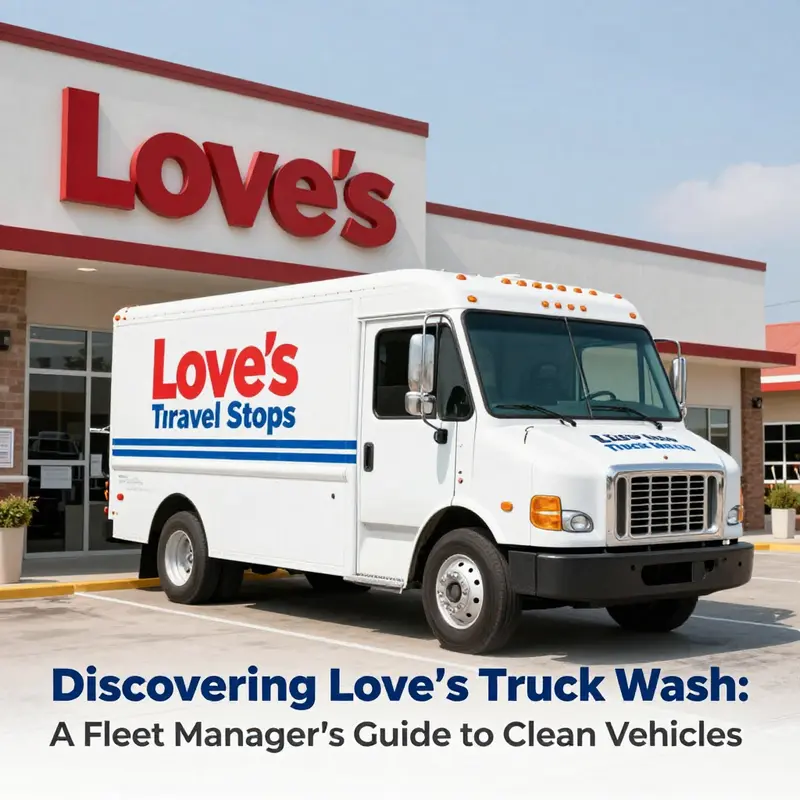
Across the vast geography that fleets traverse, the maintenance of a vehicle’s exterior becomes more than a cosmetic concern. It is a strategic touchpoint that affects fuel efficiency, driver downtime, and the overall reliability of a fleet. In the landscape of modern trucking, large networks of travel stops have learned that the most efficient path to delivering consistent, high-quality wash services is not always to build and operate every facility themselves, but to partner with specialized third-party operators who bring seasoned expertise, proven processes, and scalable capacity to a broad footprint. This approach creates a seamless experience for drivers and fleet managers alike. It also reflects a broader trend in the industry: service delivery at scale often hinges on collaborative ecosystems where the strengths of one partner fill the gaps of another. In this chapter, we explore how a prominent network of truck stops harnesses third-party wash providers to deliver reliable cleaning services at strategically located sites, the operational implications of that model, and the ways in which such partnerships shape the customer experience, quality control, and long-term fleet outcomes without relying on a single branded wash operation across every location. The discussion here moves beyond brand names to look at the mechanics and the philosophy that underpins the partnership concept.
From the outside, a truck stop network might appear to be a straightforward mix of fueling lanes, rest areas, and a shop or two. Yet beneath the surface, a carefully choreographed system coordinates space, staffing, equipment, and service levels so that fleets can access high-quality cleaning with minimal disruption to their schedules. The cornerstone of this system is the decision to work with an established, third-party wash operator rather than attempting to operate a dedicated wash brand across every site. This decision is not merely about outsourcing; it is about aligning with a partner whose sole focus is truck washing—its crews, its equipment, its chemical programs, and its compliance posture. The partner brings to the table rote expertise that would take a single organization years to accumulate if it attempted to replicate it network-wide. In return, the truck stop network gains predictable wash times, consistent service standards, and the flexibility to adapt capacity to demand without bearing the full burden of capital-intensive capital expenditures.
To the driver, this arrangement often translates into a streamlined, predictable experience. Upon arrival, a clean, well-managed entry and clear signage guide the process, with a designated intake point where the wash operator assesses the vehicle’s wash needs. The operator’s crew arrives with a familiar toolkit—high-pressure nozzles, brush systems, undercarriage cleaners, wheel cleaners, and drying equipment calibrated for heavy-duty use. The wash itself is typically modular, with options for exterior cleaning, undercarriage rinses, and wheel applications, plus the occasional interior or cab-dust wipe when a cruise will allow time for it. The exact menu of services may vary by location and season, but the underlying principle remains consistent: standardized procedures designed to deliver reliable results without surprises for the driver. The third-party operator’s workflows—pre-wash inspection, soil assessment, wash sequence, and post-wash inspection—are designed to minimize cycle time while maintaining quality. Even with a variety of vehicle sizes and muck levels, the crew follows a proven playbook that keeps throughput steady and outcomes repeatable across different sites.
Crucially, the partnership model depends on rigorous training and stringent quality-control standards. The wash operator typically brings certified staff who have undergone discipline-specific training in areas such as chemical handling, pressure-washing techniques, and vehicle-detailing best practices. By entrusting the cleaning to a crew with established credentials, the network reduces risk and elevates the reliability of the service. The standards extend beyond the physical act of cleaning. They encompass environmental stewardship—water usage controls, chemical management, runoff containment, and waste disposal—so that the operation remains compliant with regulations and respectful of the local communities that surround each site. In practice, this means detailed operating procedures, documented maintenance schedules for all wash equipment, and regular audits that verify consistency across locations. The result is a service experience that looks the same in a warehouse district as it does along a rural corridor, a crucial attribute for fleets that manage dispersed routes and tight delivery windows.
From a business perspective, the partnership model also delivers strategic benefits to the network. Capital expenditure is directed toward core capabilities—the fueling infrastructure, parking capacity for large rigs, and the real estate footprint—while the third-party wash operator absorbs the risk and expense of maintaining and upgrading the cleaning technology. The operator’s business model is designed to scale: as the network expands into new markets, the wash provider can deploy trained crews and portable equipment to new sites with relative speed, leveraging existing supply chains for detergents, rinse agents, and filtration systems. This scalability is particularly valuable in the trucking industry, where demand can be highly elastic. For instance, seasonal surges in freight volumes or regional traffic patterns may demand temporary increases in wash capacity. A well-chosen partner can flex with those patterns, bringing additional crews or extended hours without the network needing to alter its core operations at every location.
The customer-facing implications of this arrangement are significant as well. A driver who stops at multiple locations in a single trip benefits from consistent service levels. The external presentation—clean facilities, orderly wash bays, visible safety signage, and a courteous intake process—contributes to a sense of reliability that travels with the brand, even though the actual wash execution is performed by a partner. The driver does not typically see the exact firm performing the wash, which is a deliberate aspect of the model. The emphasis is on delivering uniform results, not on marketing the identity of the third-party operator. From the fleet manager’s side, uniform wash quality across sites reduces the variance that can complicate maintenance planning and vehicle-photographed documentation for preventative maintenance records. If a truck appears dirty at one site and gleaming at another just a few miles away, questions may arise about the continuities of the service. The partnership framework addresses those questions by providing a consistent playbook that remains stable regardless of geography or site-specific idiosyncrasies.
Another practical advantage lies in the timing and scheduling of washes. For fleets that operate on constrained windows—perhaps a driver has a tight layover, or a schedule requires a rapid turnaround—the wash partner’s operational discipline can be decisive. The wash bays are often integrated into the site’s overall traffic flow, designed to minimize cross-traffic conflicts with fueling lanes and parking. The partner’s crews may utilize standardized queuing and pre-authorization processes, ensuring that a vehicle can be routed to a wash bay with minimal waiting and that the final wrap-up, drying, and post-wash checklists occur within a predictable timeframe. The ability to forecast wash throughput at each location helps the network coordinate with its broader operations planning. When a location experiences above-average demand, the partner can adjust staffing within reasonable limits, a flexibility that would be harder to secure if the network attempted to manage wash operations in-house at every site.
The environmental and regulatory dimension of this model cannot be overstated. Truck washes consume substantial water and use detergents and degreasers that require careful handling to prevent contamination of local water courses. A third-party operator specializing in heavy-duty washes brings not only equipment but also regulatory know-how. They implement containment systems, recycling loops where feasible, and coordinated disposal practices. Their experience with varying municipal requirements and their own internal compliance routines help protect the network from inadvertent rule violations. This alignment matters to fleet operators too. They rely on predictable environmental performance as part of their own corporate responsibility and regulatory reporting, and the partnership model supplies a clear chain of accountability for environmental metrics across all wash sites.
The narrative of partnerships in this space, however, is not without its challenges. No model is perfect, and the reliance on third-party wash providers introduces variables that must be managed carefully. First, consistency depends on the partner’s ability to recruit and retain skilled staff across multiple geographies. Turnover can disrupt the cadence of service and require ongoing training investments. Second, equipment reliability becomes a shared concern. If a wash system experiences downtime, the network must have contingency plans—alternative bays, portable wash units, or a short-term agreement with another operator to prevent interruptions to service. Third, branding and customer perception require careful messaging. While the network benefits from the reputations of its partners, the absence of a consistent in-house brand for washing can lead to questions from drivers about why some sites are cleaner than others or why the wash experience differs from one location to the next. The solution lies in disciplined execution and transparent communication: clear service level agreements, visible performance metrics at each site, and a commitment to continuous improvement that travels with the network, not with any one partner.
From an architectural standpoint, the sites themselves must be designed to accommodate this model. The wash bays are intentionally placed to minimize dispatching friction with fueling lanes, but they also need to be compatible with the equipment and workflows of the partner. This often means standard bay dimensions, standardized electrical and water supply points, and universally applicable drainage and filtration solutions. The result is a campus feel rather than a patchwork of disparate facilities. A well-planned site integrates wash capacity with other critical services—rest areas, parking for long-haul trucks, and amenities for drivers—so that a stop becomes a one-stop experience that supports the driver’s overall trip, not just a wash job. The operational discipline required to pull this off is substantial, but the payoff is a reliable standard that becomes a competitive differentiator for the network.
For fleet managers, the long-term implications are meaningful. When a network consistently delivers high-quality washes across dozens or hundreds of sites, the maintenance schedule across a fleet becomes more predictable. The visual cleanliness of equipment, chassis, and wheels contributes to better assessment of mechanical wear over time. Drivers are less likely to postpone minor cleanups, which can reduce corrosion risk and improve inspection outcomes during roadside checks. There is a psychological element as well: a clean vehicle projects professionalism and reliability to customers and shippers, reinforcing a cycle of care that extends beyond the wash bay. In this light, the partnership model becomes less about outsourcing and more about embedding a reliability-driven capability into the broader fleet-management ecosystem.
The governance of such partnerships is, at its core, a matter of aligning incentives and expectations. The network and the wash operator typically enter into service-level agreements that specify performance targets, maintenance regimes, and response times for any maintenance issues or downtime. Frequent joint reviews and scorecards help keep both sides aligned and provide a clear path for continuous improvement. Data plays a central role here. Metrics such as wash cycle time, first-pass cleanliness quality, chemical and water usage per wash, and customer feedback scores feed into governance dashboards that inform investment decisions and operational tweaks. The culture of measurement reinforces consistency and creates a feedback loop that benefits the entire ecosystem. In this sense, the partnership is not merely a transactional arrangement—it is a living system that evolves as the network grows and as customer expectations shift with the times.
Even with a strong emphasis on standardization, local adaptability remains essential. Different regions bring different dirt profiles, seasonal weather patterns, and local regulatory nuances. A robust partner arrangement accommodates these realities through localized execution plans while preserving the core standards that define the wash experience. For instance, in regions with heavy grime on undercarriages from winter road salt, the wash protocol may call for a more aggressive rinse sequence or a targeted undercarriage wash option. In areas with stricter water-use regulations, the partner can optimize the process to meet the limit without compromising result quality. This balance between uniformity and local adaptation is at the heart of a successful, scalable partnership model.
The internal knowledge ecosystem that supports this approach is multifaceted. It draws on best practices in facility management for truck wash businesses, a topic that covers not just the moment of washing but the entire lifecycle of a site—from site selection and layout planning to ongoing maintenance and safety programs. Practitioners in this space benefit from a repository of case studies, playbooks, and process improvements that can be applied across the network. The conversation becomes less about individual site quirks and more about shared competencies: how to standardize a successful pre-wash inspection, how to calibrate a drying protocol to prevent water spots on chrome and paint, how to manage hazardous materials responsibly, and how to train staff to handle the unique challenges posed by oversized vehicles. For readers seeking deeper insights into these operational dimensions, a focused exploration of facility management for truck wash businesses offers a structured lens through which to view the practicalities of scale without sacrificing quality.
To illustrate how this landscape looks in practice, consider the cadence of a typical wash encounter within such a network. A driver arrives during a mid-morning lull and announces a wash requirement. The intake process confirms the selected wash package and estimates the cycle time, which the operator cross-checks against current bay availability and the site’s overall throughput plan. The pre-wash stage focuses on exterior soil assessment and wheel-side cleaning needs, while the actual wash sequence executes in a repeatable, efficient pattern. After the rinse and dry stages, a quick inspection checks for streaks, missed patches, or water spots. If necessary, a rapid touch-up is performed before the vehicle exits into a drying lane. Throughout, the operator maintains clear communication with the driver, noting any additional requests or concerns for the next visit. The experience, repeatable and reliable, reinforces the value proposition of the partnership model: a clean truck, a quick stop, and a predictable schedule that keeps the fleet moving forward.
Looking ahead, the evolution of these partnerships is likely to be shaped by advances in automation and data-driven optimization. Robotic or semi-robotic wash components may handle repetitive tasks with greater speed and consistency, while sensors and cameras can quantify cleanliness more precisely than human judgment alone. Data integration with fleet management systems could enable fleets to automatically plan wash stops based on usage data, weather conditions, or upcoming compliance checks. This integration would further reduce the perceived friction of maintenance and extend the benefits of the partnership beyond the wash bay itself. At the same time, the human element—the trained technicians who apply judgment to complex cleaning scenarios and the site staff who manage safety, signage, and queue flow—will remain central to delivering the nuanced, quality-driven outcomes that customers expect.
In sum, the partnerships that underlie truck wash services at a major stop-network are a testament to a pragmatic, scale-aware approach to maintenance. By entrusting specialized third-party operators with the cleaning function, the network can deliver consistent, high-quality results across a broad geographic footprint. The arrangement aligns incentives, spreads risk, and accelerates access to best practices, while still retaining the control and oversight needed to sustain a unified customer experience. It is a model built on the recognition that excellence in cleaning—like excellence in fueling, rest, and logistics planning—benefits from collaboration, clarity, and a relentless focus on reliability. For those who manage fleets and rely on efficient, predictable servicing of their assets, this is a compelling blueprint: leverage specialized partners to maintain a clean, well-presented vehicle, and let the rest of the operation run on the strength of well-designed processes, disciplined governance, and an unwavering commitment to service quality.
For readers who want to connect these ideas to broader operational considerations, there is value in examining how such facility collaborations intersect with other fleet-support services. Integrated approaches to site design, scheduling, and compliance can be reinforced by drawing on the broader body of knowledge around facility management for truck wash businesses. This cross-pollination helps ensure that the washing function remains a durable, scalable capability rather than a stopgap solution.Moreover, as fleets increasingly adopt standardized cleanliness metrics and digital reporting, a partner-driven wash model can become a reliable data source that informs maintenance planning, driver training, and safety programs. The result is a more resilient fleet operation where every wash is not only about appearance but also about supporting longer vehicle life, better inspection outcomes, and improved operational readiness.
For those who want to explore related topics further, one practical path is to engage with resources that distill the practicalities of running wash operations at scale. A focal point in that exploration is how facility management principles can be translated into everyday practice in wash bays, drainage systems, chemical handling, and waste management. This knowledge supports not only the immediate goal of a spotless exterior but also the broader objective of sustainable, compliant, and highly reliable service delivery across a network of sites. In this way, the partnership model becomes a conduit for continuous improvement, turning a routine maintenance activity into a disciplined, strategic capability that strengthens overall fleet performance.
As this chapter draws to a close, the big takeaway is not simply that a large network relies on a third-party wash operator. It is that the value lies in a deliberately designed collaboration—one that marries the scale and efficiency of a centralized system with the expertise, discipline, and responsiveness of a specialized service provider. When done well, such partnerships do more than clean trucks; they sanitize downtime, stabilize schedules, and reinforce the trust that fleet managers place in the network’s ability to keep goods moving. They represent a pragmatic, enduring solution to a complex operational challenge, one that recognizes the power of partnership as a core competitive differentiator in an industry where every mile per hour of uptime translates into tangible outcomes for customers and carriers alike.
Internal link for further exploration: facility management insights and best practices can provide a practical lens on how such partnerships are executed across sites. See https://tripleatruckwash.com/facility-management-for-truck-wash-businesses/ for a detailed look at how standardization, maintenance planning, and environmental controls support scalable wash operations across multiple locations.
External resource for additional context on industry practices and standards: https://www.bluebeacontruckwash.com
When the Bays Are Open: Hours and Support for Truck Washes at Love’s Travel Stops
Operational rhythm and on-the-road support for truck wash users
Understanding when a truck wash is available and how to get help if something goes wrong matters as much as knowing the service exists. For drivers planning routes, dispatchers coordinating stops, and fleet managers scheduling maintenance, reliable hours and practical support determine whether a truck wash is a convenient part of a trip or an unexpected delay. At the travel-stop locations that offer truck-washing facilities, the typical rhythm is consistent: the wash bays operate on a defined daily window rather than around the clock, and customer help is most effective when routed through the specific location or the chain’s centralized channels.
Most truck wash bays at nationwide travel stops open early and close late to match common driving patterns. A frequent schedule you will encounter is a 6:00 AM opening with operations wrapping up at 10:00 PM daily. This span covers the bulk of truck traffic that either begins early in the morning or finishes after a long day on the road. It provides a long service window while still allowing for staff shifts focused on maintaining equipment, restocking supplies, and performing routine maintenance after hours. While many of the travel-stop stores themselves may operate 24 hours, the bays are staffed and serviced on a narrower timeframe. That distinction matters: fueling, convenience-store purchases, and rest areas may be available day and night, but the truck wash usually adheres to its posted hours.
These posted hours are practical rather than fixed in stone. Weather, local regulations, and staffing can cause temporary changes. Cold snaps and freezing conditions may require partial or full closures to prevent equipment damage or unsafe surfaces. Severe storms or lightning risk can similarly suspend operations until conditions normalize. On the operational side, prolonged staffing shortages at a particular site—common in rural or low-turnover regions—can lead to shorter daily hours or sporadic closures. For this reason, checking the specific location before diverting off a planned route is wise.
A working habit that reduces the risk of an unexpected closure is to call ahead. The local phone number listed on the travel stop’s site or on review platforms connects you to the people who manage the wash for that location. Reaching out confirms current hours, the number of available bays, and any temporary limitations, such as bays out of service or detergents restricted for environmental reasons. Calling ahead is especially valuable for fleets, where a missed wash may require reworking the schedule or finding alternate facilities that can accommodate several trucks in sequence.
When planning for truck wash use, treat the posted daily window as the primary planning constraint. Aim to arrive within those hours, and avoid the first and last half-hour of operation when possible. Early-morning openings often have a slower ramp-up as staff complete pre-shift checks and warm up equipment. Late-night closures may include final checks and post-use cleaning that can delay immediate service. If your timetable is tight, factor in a buffer to ensure the wash can accept your truck without rush.
Customer support for truck wash users exists at two levels: local staff at the travel stop and centralized digital or phone resources provided by the chain. Local staff are the front line. They can answer immediate questions about bay availability, payment methods, or special services like undercarriage treatment and trailer-specific wash cycles. When issues arise—streaking, incomplete rinse, or mechanical problems with a bay—the local team can often offer immediate remedies, such as re-running a cycle at no extra cost or directing you to an available bay. If a bay is temporarily closed for maintenance, staff can suggest alternate nearby washes.
Centralized support complements local assistance and is where broader concerns are escalated. Through the travel-stop chain’s website and mobile app, users can locate service points, review amenities, and report problems. These channels are particularly useful for documenting an issue that affects billing or for giving feedback about facility cleanliness, equipment reliability, or staff service. For fleet operators, the app or website can offer a quick way to confirm which stations on a planned route have functioning truck wash bays. When you need help while on the road, calling the nearest travel stop typically provides the fastest resolution. The on-site staff can often resolve straightforward problems without escalation.
Good on-site communication matters. Most well-run locations display clear signage about hours, pricing, and any limitations on services. They also post contact information for reporting equipment failures and for requesting assistance if a vehicle becomes stuck or if there’s a spill. If you encounter unclear signage or incomplete information, take a quick photo and ask the staff for clarification—this makes follow-up easier and speeds resolution if you need to escalate your concern after you leave.
For fleets that rely on frequent washes, building a relationship with favored locations improves reliability. Regular customers who use the same sites can often benefit from smoother check-ins, priority scheduling during peak hours, and more accurate estimates of downtime. Some facilities will work with fleet operators to schedule blocks of time that minimize queueing. If your operation requires frequent trailer-only cycles or specialized cleaning for food-grade tanks, confirm that the location can meet those needs before committing to a regular stop.
Environmental and regulatory factors sometimes change available services or hours. Municipal water restrictions, discharge permits, and wastewater-treatment agreements can force facility managers to alter operations. For example, during drought-related restrictions, certain rinse cycles may be curtailed or altered to conserve water. In cold-weather regions, facilities may close specific bays that can’t be reliably winterized. These are the kinds of operational details that local staff or corporate support channels can explain.
When something goes wrong—your vehicle develops a mechanical issue in the bay, the wash fails to complete, or you suspect a charge error—document the situation immediately. Photos, timestamps, and the names of on-duty staff are useful for resolving disputes. Most locations can re-run a wash or provide a refund for demonstrable service failures. For billing or quality concerns that local staff cannot resolve, the centralized customer-support system becomes the next step. Provide clear documentation when you escalate: location, date and time, nature of the failure, and any corrective steps the local staff took. This speeds investigation and increases the chance of an equitable resolution.
Simple preparations reduce the chance of surprise. Inspect the bay before driving in: check for loose or hanging hoses, standing water, or visible mechanical damage. Confirm payment methods accepted—some bays accept card, fleet accounts, or app-based payments, while others may require on-site staff handling. If you use an account-based billing system for a fleet, verify beforehand that the station participates in that network. These steps cut dwell time and lower the risk of disputes after the wash.
In practice, one example location follows the typical daily window: open from 6:00 AM to 10:00 PM every day. Contacting that site directly by phone provides the most accurate, real-time information about current operations. When in doubt, a brief call saves time and prevents unnecessary detours.
Operational reliability and good customer support turn a truck wash from a convenience into a dependable part of a driver’s routine. Knowing the likely hours, having a plan to call ahead, and using available digital tools combine to minimize disruption. For fleet managers, the ability to confirm operations at a specific location before scheduling a stop keeps schedules tight and reduces unplanned downtime.
For facility owners and managers, operational hours must balance driver convenience with staffing realities and equipment maintenance needs. Clear communication, both on-site and through digital channels, reduces confusion. Investing in reliable, user-friendly customer support pays dividends in repeat business and smoother operations—issues get resolved faster, and drivers know where to go when they need a wash.
If you want a deeper look at running and maintaining a successful truck wash operation, particularly the facility-side practices that keep bays available and reliable, see this practical resource on managing wash facilities and operations: Facility management for truck wash businesses. For details specific to the example location mentioned earlier, which keeps its truck wash open daily from 6:00 AM to 10:00 PM, check the local listing on Yelp: https://www.yelp.com/biz/truck-wash-at-loves-travel-stops-harrisonville
Final thoughts
In conclusion, Love’s Travel Stops provides valuable truck wash services through its partnership with Blue Beacon Truck Wash, ensuring that fleet managers, operators, and supervisors have access to vital vehicle maintenance solutions. By leveraging these services, logistics companies can maintain their fleets in impeccable condition, extending the lifespan of their trucks and reinforcing a professional image on the road. Efficient vehicle maintenance is essential, and the truck wash services offered at select Love’s locations are a reliable solution for maintaining fleet cleanliness.