
Maintaining a clean dump truck is essential for logistics and construction companies. An effective wash not only enhances the aesthetic appeal but can prolong vehicle life, reduce maintenance costs, and ensure compliance with regulations. This article delves into the financial aspects of washing dump trucks, examining the costs associated with professional services, DIY methods, regional variations, and the long-term benefits of cleanliness. Each chapter builds upon these themes to provide fleet managers and operators with a thorough understanding of washing expenses, ultimately enabling informed decisions that contribute to operational efficiency.
Breaking Down Professional Wash Costs: What You Pay and Why for a Clean Dump Truck
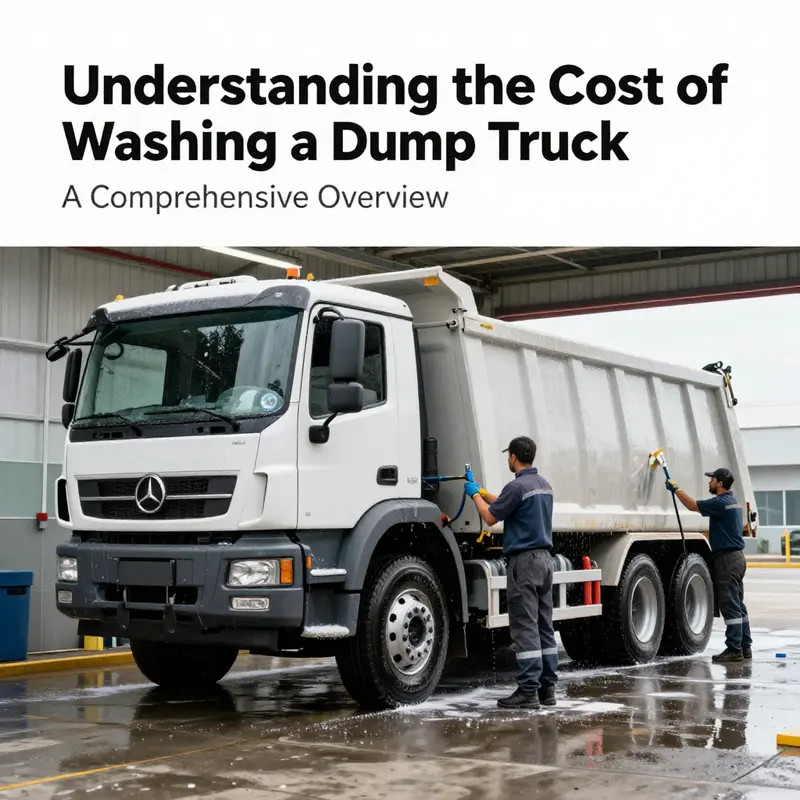
Understanding the real cost of a professional dump truck wash requires more than a glance at price lists. Prices vary widely because providers charge for time, equipment, waste handling, and the skill required to remove road grime, grease, and corrosive residues. A thorough analysis reveals clear categories of service and predictable cost drivers, so fleet managers and owner-operators can choose the right level of cleaning without overpaying for unnecessary extras.
Professional wash services fall along a spectrum from a quick exterior rinse to full-spectrum deep detailing. At the low end, a standard exterior wash addresses visible dirt and loose mud. It typically uses high-pressure water, detergent, and some manual scrubbing. Expect to pay between $50 and $200 for this service. The variance comes from geography and truck size: urban centers charge more for labor, and larger or heavily soiled dump bodies take longer to clean. For fleets operating in dense metro areas, the time-per-truck cost increases; a provider may also impose minimums or travel fees for large equipment.
Above basic rinsing sits deep cleaning and detailing, a far more resource-intensive service. This level often includes interior cabin work, engine bay degreasing, wheel well and undercarriage cleaning, and polishing of chrome and lights. Deep detailing typically runs from $300 to $800 or more per truck. The higher price reflects both materials and skilled labor: degreasers, specialized tools, and careful attention to areas prone to corrosion all add cost. Technicians need time to disassemble panels or lift components for safe access to hidden grime, and chemical treatments require controlled application and rinsing to avoid environmental harm.
Fleet-oriented businesses usually seek regular, scheduled services. Fleet wash packages range roughly from $200 to $600 per vehicle, depending on frequency and scope. Volume matters: providers commonly offer bulk discounts for five or more trucks, and predictable scheduling reduces per-vehicle costs because crews can process multiple units efficiently. Fleet packages also often bundle inspection tasks—such as tire checks, basic lubrication points, and cabin sanitation—so the wash becomes part of preventive maintenance. These combined services can reduce long-term repair costs and improve resale value by limiting corrosion and component wear.
Mobile wash services add convenience but come with trade-offs. They typically charge $100 to $300 per truck, transporting pressure washers and tanks to a job site so the vehicle need not be moved. Mobile units save on transit time and the logistical headache of moving large dump trucks to a fixed facility. They also reduce downtime for trucks that must remain on site for projects. However, mobile setups usually have space and water-handling limitations, and they may not match the thoroughness of a dedicated facility with industrial wastewater treatment and heavy-duty equipment.
Specialized washes address the toughest jobs: trucks returning from muddy construction sites, asphalt and tar exposure, or waste-hauling runs may require aggressive pre-treatment and industrial cleaning. These specialized washes often cost between $250 and $600 or more, depending on contamination severity. Pre-treatment—chemical soak or mechanical loosening—adds $50 to $150 in many cases. For trucks with hardened mud, concrete residue, or tar, technicians may use hot-water pressure systems, industrial solvents, and mechanical scraping. The extra time and specialized chemicals justify the higher price but are important investments; failing to remove abrasive or acidic residues accelerates corrosion and shortens component life.
Additional fees can push costs higher. Environmental or disposal fees appear frequently where wastewater runoff is regulated. Municipalities and private facilities may charge for proper containment and disposal of wash water that contains oil, grease, or hazardous sediment. If cleaning reveals body damage, rust, or component wear, repair estimates can balloon into the hundreds or thousands of dollars. Always ask whether quoted services include waste handling and site fees, and whether a follow-up inspection is offered to identify maintenance needs uncovered during washing.
The choice between a fixed facility and a mobile provider often comes down to a trade-off between thoroughness and logistics. Fixed facilities usually offer industrial-grade hot-water pressure washers, undercarriage lifts, and wastewater treatment systems, which enable deeper cleaning and legal disposal of contaminants. Mobile units, while convenient, may rely on freshwater tanks and limited pretreatment options that reduce their effectiveness on severe contamination. When deciding, consider the type of grime you encounter regularly and whether the additional cleaning power of a fixed facility offsets the transportation cost.
Cost-control strategies help manage expenses without sacrificing truck longevity. Scheduling regular exterior washes at a moderate frequency prevents buildup that requires costly pre-treatment. Pairing basic washes with periodic deep detailing—every few months depending on exposure—balances immediate cleanliness with long-term protection. For fleets, negotiate bundled rates and ensure the contract specifies included services and frequency. Ask for itemized quotes so you know how much you pay for labor, products, and environmental handling. Transparency prevents surprise bills and simplifies budgeting.
Another lever is task allocation: owner-operators can perform light, frequent cleanings themselves to extend the interval between professional deep cleans. With a pressure washer, detergent, and a few hours, an in-house wash can cost $20 to $50 in supplies and water—far less than a professional service. But self-washing has limits; removing hardened tar, deep-set grease, or cleaning the engine bay safely often requires professional-grade equipment and expertise. Use DIY for routine surface care and reserve professionals for heavy-duty cleaning, regulatory compliance, and full detailing.
When comparing providers, request references and examples of similar work. A reputable shop should describe its wastewater handling process and offer evidence of training or certifications for employees who handle chemicals. For fleets, ask whether the provider supplies a maintenance log that documents cleaning dates and work done. These records help with resale documentation and can support warranty or insurance claims related to vehicle condition.
Finally, factor in less obvious returns on investment. Regular professional cleaning reduces corrosion, keeps lights and reflectors visible, and minimizes abrasive buildup that damages paint and seals. Clean interiors reduce wear on upholstery and reduce long-term cabin deterioration, which matters for operator comfort and retention. Well-maintained trucks also perform better in safety inspections and have higher resale values. Viewed this way, the incremental cost of regular professional washing often offsets repair and depreciation costs over time.
For operators seeking targeted advice on removing stubborn contaminants like grease and tar, consult field-tested methods from industry experts who specialize in heavy-duty cleaning techniques. One useful resource that outlines practical approaches is a guide to proven strategies for tackling grease and tar on trucks, which can help you understand when professional intervention is necessary: https://tripleatruckwash.com/proven-strategies-for-cleaning-grease-and-tar-off-your-trucks-fast/.
If you want quick access to commercial wash providers as you compare quotes and availability, refer to the external price guides and directories used by the industry. These resources show typical pricing ranges and can point you to local facilities that handle heavy equipment. For further vendor search and benchmarking, see: https://www.truckwashpro.com
Balancing frequency, service level, and provider type keeps wash costs predictable while protecting asset value. Choosing the right combination—DIY maintenance for light cleaning, scheduled professional washes for deeper work, and specialized services only when needed—lets you manage cash flow and maintain a safe, reliable fleet without paying for excessive or redundant services.
Hands-On Savings: A Practical Guide to Washing a Dump Truck Yourself and What It Really Costs

A realistic, step-by-step look at DIY dump truck washing and the true costs involved
Washing a dump truck yourself can be a smart way to control expenses and maintain fleet readiness, but the apparent savings depend on the approach you take. A basic self-wash can cost as little as twenty dollars, while a thorough deep-clean with rented equipment and specialty chemicals can climb toward the low hundreds. This chapter walks through the realistic costs, the choices that affect price, and the safety and practical considerations that should shape every do-it-yourself wash. The goal is to give you a clear, usable picture so you can plan expenses, avoid mistakes, and keep your vehicles in service longer.
Start with the simple math: the cheapest route uses only water, a handful of rags, and common soap. That can run between $20 and $50 per wash if you already own basic supplies. The middle route adds a pressure washer—either owned or rented—and vehicle-grade degreasers, pushing the outlay to roughly $50–$100 per wash. The most intensive DIY approach, which targets heavy mud, tar, grease, and undercarriage buildup, requires stronger cleaners, more time, and sometimes rentals for industrial-grade equipment; costs here can reach the $100 mark or slightly above for a single thorough cleaning. Those numbers vary by region, availability of water and disposal options, and the frequency you plan to wash.
Materials make up most of the difference. A robust degreaser for heavy-duty applications typically costs between twenty and fifty dollars per bottle. This product is essential for breaking down oil, hydraulic fluid, and compacted grime that ordinary soap won’t remove. Soft-bristle brushes, scrubbing pads, and a supply of microfiber towels add ten to thirty dollars. These tools are inexpensive, reusable, and prevent surface damage when used correctly. If you already own a pressure washer, your marginal cost drops significantly; if not, renting one for the day commonly runs fifty to eighty dollars and can be the difference between a superficial wash and a professional-grade clean.
Time is another currency. Washing a standard dump truck thoroughly takes longer than washing a car. Expect two to four hours for a full exterior clean and a detailed undercarriage and wheel wash. If the truck has thick caked-on mud or tar, add more time for soaking and scrubbing. Labor for DIY is unpaid, but it’s valuable: the longer and more carefully you clean, the less likely corrosive materials will shorten the vehicle’s life. If time is limited, outsourcing to a professional shop may cost more but returns hours to your schedule.
Safety and technique cannot be ignored. Always ensure the engine and exhaust components are completely cool before applying water or high-pressure streams. Thermal shock can damage components and seals. Wear gloves and eye protection, and avoid spraying directly into electrical connectors, sensors, or intake areas. Use a damp cloth for sensitive components. When using a pressure washer, keep the nozzle at a safe distance and use a wide-spray tip; concentrated streams can etch paint and force water into seals. Proper technique reduces repair risks and keeps the truck in service longer, indirectly lowering total cost of ownership.
Environmental and regulatory considerations also affect cost. Many municipalities restrict where you can wash heavy vehicles and how runoff must be handled. If your wash water contains oil, sediment, or chemical cleaners, you may need to collect and dispose of runoff as hazardous waste. That requirement can add disposal fees or require the purchase of containment mats and filtration systems. Planning for compliant wash locations can avoid fines and hidden costs. In some cases, it’s more cost-effective to rent a bay at a facility with proper wastewater handling than to risk noncompliance.
Choose cleaning products with the job in mind. For light dirt and road grime, a general automotive detergent is adequate and inexpensive. For grease, hydraulic fluid, and oil, a heavy-duty degreaser is essential. For tar and asphalt, look for products formulated to soften and lift tar without harming paint. The upfront cost of the right chemical often reduces labor time and prevents repeat treatments, saving money overall. Follow manufacturer dilution instructions to maximize coverage and avoid wasting product. Concentrated cleaners can save dollars per wash when mixed correctly.
Equipment choice influences results and recurring costs. A residential pressure washer is often sufficient for regular washes; it uses less water than a garden hose and removes grime more effectively. For trucks used in heavy construction, consider renting a commercial-grade washer for a deep clean. Renters can often find one-day rates that make sense when balanced against the value of thorough cleaning that reaches undercarriage and frame areas. Brushes and scrubbers are low-cost items with high returns in preventing scratches; always choose soft-bristle tools for painted surfaces and stiffer brushes for wheel wells and frames.
Think in terms of preventive maintenance. Regular, moderate washes extend the time between deep cleanings and reduce corrosion risk. A weekly or biweekly rinse and soap-down for trucks that run on paved roads will cost far less in the long run than infrequent, intensive cleans that allow grime to bond to surfaces. Set a schedule based on duty cycle: trucks hauling abrasive aggregates or working on muddy sites need more frequent attention. The cost per wash falls when you amortize equipment purchases across many uses; an owned pressure washer is a wise investment for larger fleets.
Practical workflow saves money. Start by removing loose debris by hand or with an air hose to prevent scratching. Pre-soak heavily soiled areas with degreaser and give it time to penetrate. Use a two-bucket system for washing—one bucket for rinse, one for soap—to reduce grit recontamination. Rinse top-down to push grime away from cleaned areas. For undercarriage work, apply degreaser to suspension, axles, and frame, and let it dwell before using pressured water. Finish with a mild protective spray on painted surfaces if desired. Organized, repeatable steps decrease water use and cleaning time.
If you need guidance for removing particularly stubborn soils like grease and tar, look for practical how-to resources that focus on heavy-duty vehicles; they can shorten learning curves and reduce trial-and-error costs. One useful internal resource covers proven strategies for dealing with grease and tar on trucks and offers operational tips that align with DIY workflows. That article can be helpful when you encounter the toughest cleaning challenges.
Finally, weigh the hidden costs. DIY saves labor dollars but uses your time. In a small fleet, that trade-off may be acceptable. For larger operations, the opportunity cost of managers or drivers spending hours on washing can erode savings. Also consider wear on equipment, chemical storage needs, and vehicle downtime during cleaning. Sometimes a hybrid model makes sense: perform regular washes in-house and schedule professional deep cleans periodically to handle the heavy work and wastewater management.
Washing a dump truck yourself can be economical, but the real savings come from planning. Know the soils you face, invest in the right chemical and mechanical tools, follow safe techniques, and establish a realistic schedule. Expect basic washes to cost twenty to fifty dollars and more thorough sessions to reach one hundred dollars or slightly more when rentals and specialty cleaners are included. Factor in time, disposal rules, and equipment lifespan to make an informed choice. With the right approach, DIY washing keeps trucks presentable, reduces corrosion risks, and stretches maintenance dollars further.
For specific guidance on safely cleaning sensitive areas like engine bays and avoiding common mistakes, consult this external resource from a respected automotive publication: https://www.caranddriver.com/features/a46757987/how-to-clean-a-truck-engine-bay/
Why Prices Vary: Regional Drivers of Dump Truck Washing Costs
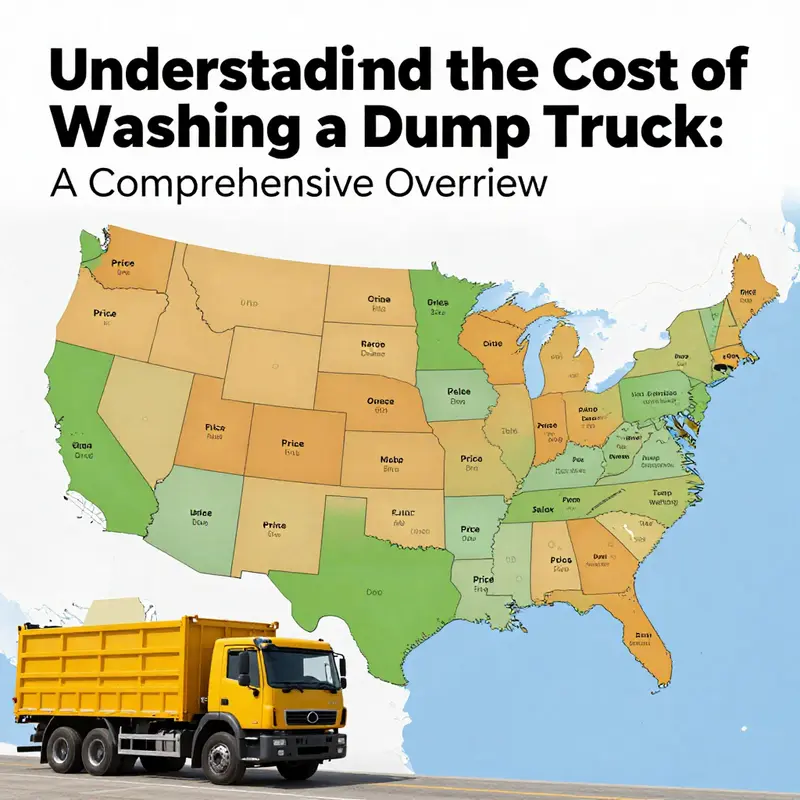
Cleaning a dump truck is more than a hose and elbow grease; it is a service shaped by regional economics, infrastructure, and regulation. When a fleet manager, owner-operator, or site superintendent asks “how much does it cost to wash a dump truck?”, the single most useful answer is rarely a dollar figure alone. Instead, the true cost emerges from a mix of labor rates, equipment economics, supply logistics, energy costs, and local environmental rules. This chapter walks through how those forces combine across regions to create the wide price ranges owners encounter.
One of the clearest and most immediate influences on wash pricing is labor. Labor is not just the time spent rinsing and scrubbing; it includes travel time for mobile teams, time to set up and break down equipment, and the administrative overhead of scheduling and billing. Urban centers typically have higher wages and stricter labor laws, which push hourly rates up. In a large city, operators must cover higher payroll taxes and benefits, and they often face higher turnover that increases hiring and training costs. Those labor realities translate directly into higher per-wash charges. By contrast, in rural areas where wages are lower and travel distances between jobs are greater, operators may price washes to reflect longer transit times but lower wage costs, producing a different, often more variable, price profile.
Equipment is the second big factor and often hidden in plain sight as “equipment depreciation.” Washing a heavy-duty vehicle requires pressure washers, heated water systems, containment mats, filtration units, and specialized nozzles. In regions where providers own newer, efficient systems, they can service trucks faster and with lower energy usage, allowing more jobs per day and spreading fixed costs more thinly. Conversely, in markets where smaller operators use older or mobile-only rigs, maintenance and replacement parts become a recurring expense that is passed to customers. The cost per wash must cover not just the visible consumables but also the amortized value of capital equipment. This is why an identical wash can cost more in an area dominated by older fleets of washing rigs.
Closely tied to equipment is the availability and logistics of chemical supplies and water. Some regions enjoy easy, low-cost access to cleaning chemicals and abundant water, while others face scarcity, seasonal restrictions, or higher transport expenses. In remote or arid regions, a mobile wash may need to carry significant volumes of water or invest in on-site recycling systems to avoid excessive hauling costs. When suppliers are distant, owners pay more for detergents, degreasers, and sanitizers because those items must travel longer distances. That markup shows up on invoices. For operators working in construction and waste hauling, which often require stronger chemical solutions to remove grease, tar, and hardened mud, the chemistry itself can be a material driver of price. Regions with limited supply chains or high delivery fees therefore see higher specialized-wash costs.
Energy is another variable that shifts regional pricing. A hot-water wash uses more fuel or electricity than a cold rinse. In some places, diesel or gasoline is inexpensive and reliable, so hot-water systems are common and efficient. In other areas, electricity is costlier or subject to outages, pushing operators toward fuel-based generators or away from heated systems entirely. Where energy costs are elevated, operators factor that in. For very remote sites, the travel combined with the need to bring a generator increases both direct costs and logistical complexity. The result is a higher price to ensure the same level of cleanliness.
Regulation and environmental standards can be a decisive element in cost structure. Many jurisdictions require containment, filtration, and approved disposal for wash water. In areas with strict wastewater rules, operators must install and maintain filtration systems or pump-out services to meet discharge standards. Those systems add capital costs, ongoing maintenance, and documentation overhead. Complying with permits and reporting is time-consuming and often requires trained staff. The economic impact appears on the invoice: washes that include water reclamation or hazardous-material handling are priced to recover those investments. Regions with lax or ambiguous rules may have lower prices, but they carry higher legal and reputational risk for both operators and customers.
Geography and climate also nudge pricing in predictable ways. Regions with heavy rainfall and frequent mud yield different wash patterns than arid areas where dust and dried mineral deposits dominate. Salt-rich coastal environments require more aggressive corrosion control and undercarriage work, which increases labor time and the need for protective treatments. Seasonal peaks matter too. After winter road treatments, demand for thorough undercarriage cleaning spikes, and providers may raise rates to balance increased demand and the need for more intensive service.
Market structure plays a part as well. In dense metropolitan regions, there is often more competition among wash providers, which can moderate prices despite high operating costs. Competition compels providers to streamline operations, offer bundled services, or specialize in niche markets like construction or municipal fleets. In less populated regions, the scarcity of providers gives remaining operators pricing power. A single mobile washer serving a wide rural area may set higher prices simply because alternatives are distant. The balance between competition and cost of doing business is a strong determinant of regional pricing variance.
Another consideration is the type of wash service demanded locally. Basic exterior rinses cost less than full-service detailing that includes interior cleaning, undercarriage degreasing, and filtration of runoff. Regions with a high concentration of heavy civil or waste-haul operations tend to require heavy-duty cleaning on a recurring basis, and those specialized washes use stronger chemicals, more labor, and sometimes heavier equipment. This specialization pushes the price up. Conversely, municipal contracts or long-term fleet agreements often secure reduced per-wash rates, because volume and predictability let operators amortize costs over many vehicles. Regional demand patterns therefore affect whether providers focus on single, high-cost jobs or steady lower-cost contracts.
Logistics cannot be overlooked. Mobile washing providers serve remote worksites and need to plan routes, manage travel time, and coordinate service windows. Fuel prices, road conditions, and travel distances vary dramatically across regions. An operator working in mountainous terrain with long access times will set prices that account for limited daily capacity and higher mileage costs. Urban providers may face different logistical costs such as parking fees, permit costs for operating in industrial zones, or time-bound access to worksites, and those costs are reflected in final pricing.
Finally, customer expectations and risk tolerance shape what gets delivered—and how much it costs. Some clients demand rapid turnaround, same-day service, or on-site filtration and certification documentation. Others are satisfied with routine seasonal washes. Providers price for risk; urgent, off-hour, or high-liability jobs command premiums. When environmental or safety penalties are steep, clients often choose to pay more for guaranteed compliance, which pushes providers to invest in services that increase their cost base.
These regional drivers explain why professional professional washes for a standard dump truck can range broadly—from lower-end urban or rural basic washes to premium specialized services that can cost several hundred dollars per wash. They also clarify why DIY washing often appears cheaper: the homeowner covers only immediate consumables and avoids staffing, capital depreciation, and regulatory compliance costs. Yet when considering long-term fleet maintenance, warranty concerns, and compliance, the choice between DIY and professional services is influenced by the same regional economics discussed here.
Understanding these regional influences helps fleet managers make smarter decisions. When evaluating bids, compare not just price but the included services: filtration, undercarriage cleaning, chemical types, and proof of compliance. Ask providers how they account for labor, equipment depreciation, and travel. If operating in a region with strict wastewater rules, prioritize vendors with reclamation systems. For remote operations, explore bundled contracts or scheduled visits to reduce per-wash travel premiums. And when salt, grease, or heavy soil are routine challenges, consider higher-frequency light washes to avoid costly heavy-duty cleanings.
For a concise industry perspective on how regional factors shape mobile truck wash pricing, see the authoritative source here: https://www.truckwash.com/mobile-truck-wash-pricing-factors.
For operators and managers seeking operational guidance tied to physical facilities and service delivery, resources on facility setup and management can be useful; one practical reference covers approaches to running wash operations and their implications for cost and compliance: facility management for truck wash businesses.
Collectively, these regional dynamics show that cost is not random; it is a predictable outcome of specific local inputs. Recognizing which inputs matter most in your region will help you interpret quotes, negotiate better terms, and align cleaning schedules with budget and compliance needs.
Why Regular Washing Pays: The Hidden Savings Behind Dump Truck Cleanliness
Why clean matters for the bottom line
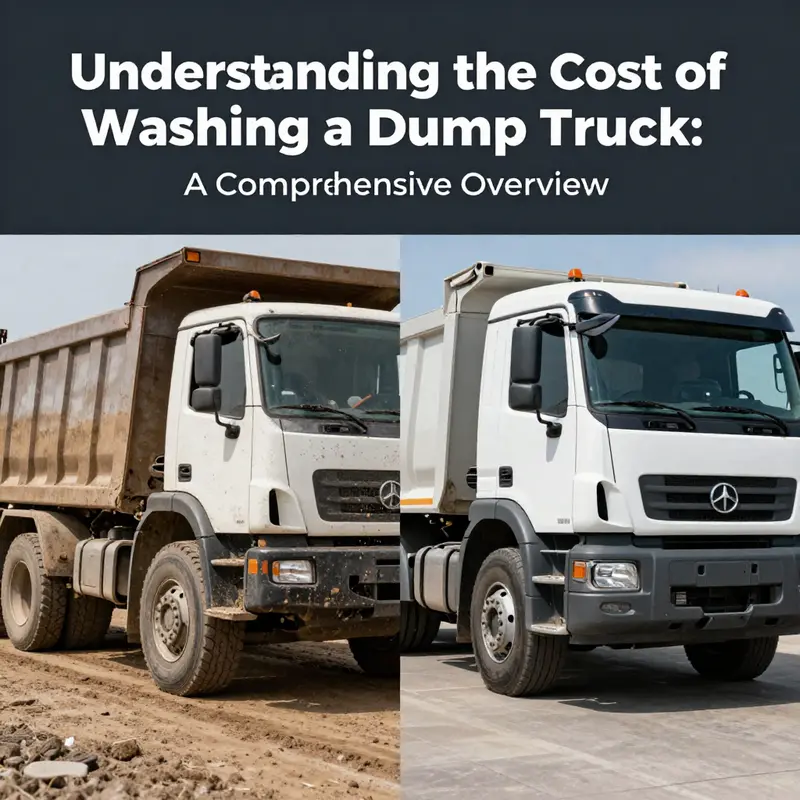
Keeping a dump truck clean is not an optional aesthetic choice. It is a clear operational strategy that reduces costs, improves safety, and preserves asset value. Owners and fleet managers often focus first on fuel, tires, and scheduled maintenance when trimming expenses, but routine washing sits at the intersection of all three. Dirt, mud, salt, and chemical residue are more than grime; they accelerate corrosion, hide wear, and increase rolling resistance and drag. Over weeks and months, those small effects compound into measurable increases in fuel consumption, maintenance bills, and downtime. Investing in cleaning is therefore an indirect but reliable way to lower the total cost of ownership.
Accumulated debris adds weight and changes aerodynamics. A truck loaded with caked-on soil and waste can use noticeably more fuel. Industry studies show a heavily soiled vehicle can consume up to 5% more fuel due to aerodynamic inefficiency and added weight. For a truck that averages hundreds of miles per week, a 5% fuel penalty translates into thousands of dollars annually. That alone often offsets the expense of regular professional washes or the modest cost of self-washing supplies. Beyond fuel, contaminants lodged in seams and joints invite rust and mechanical deterioration. Wet soil and corrosive materials attack metal, electrical connectors, and hydraulic seals. Over time these attacks become expensive repairs — hinging doors, weakened dump mechanisms, and failed undercarriage parts can all be traced back to neglect. Fleets with consistent cleaning protocols report significantly fewer maintenance-related breakdowns, which reduces both parts expense and the revenue lost during downtime.
Safety is another domain where cleanliness has direct financial consequences. Mud on tires and wheel wells can mask tread wear and trap stones that puncture tires unexpectedly. Debris on lights, mirrors, and cameras reduces visibility and increases the chance of incidents. A single preventable accident can exceed the cost of dozens of routine washes when you factor in liability, repair, increased insurance premiums, and lost work. Law and local ordinances also come into play. Many jurisdictions impose fines or take trucks out of service if they present a public hazard by dripping material onto roads or obscuring identifiers. In practice, the cost of fines from such violations can quickly eclipse the weekly or monthly cost of preventative cleaning, turning an operational omission into a regulatory expense.
Maintaining resale value is frequently overlooked when managers evaluate washing costs. Trucks that are kept clean and free of corrosion retain paint, structural integrity, and component condition much better than trucks that are allowed to degrade. When the time comes to sell or trade, a well-presented vehicle attracts more buyers and commands a higher price. The resale premium recovered by consistent care can be substantial, effectively reducing depreciation expense over the fleet’s lifespan.
The choice between professional washes and DIY cleaning depends on scale, frequency, and the type of contaminants encountered. Professional truck wash services typically cost between $100 and $300 per wash for standard dump trucks, with specialized cleaning for heavy grease, tar, or waste commanding higher fees. Those figures reflect labor, water management, detergents, and the use of pressure washers and undercarriage systems. For operators facing frequent heavy soiling — for example, construction and waste-hauling trucks — industrial facilities may charge $250 to $600 because they use more aggressive processes and handle wastewater and hazardous residues in compliance with regulations.
Conversely, self-washing can be cost-effective for smaller operations or when trucks are lightly soiled. Basic supplies and a pressure washer reduce per-wash costs to an estimated $20–$50. That includes detergents, water, fuel for a pressure washer or generator, and amortized equipment cost. The trade-off is time and labor; owner-operators and crews must devote hours to cleaning or accept the variability of quality. The decision therefore rests on how managers value their labor time relative to outsourcing the task.
There is also a middle path: scheduled, tiered cleaning. Light, frequent cleaning addresses surface dirt and prevents buildup, while periodic deep cleaning tackles undercarriage, hydraulic components, and stubborn deposits. This approach balances cost and benefit—keeping trucks in highway-legal and safe condition while avoiding the higher cost of constant deep cleans. Establishing a cleaning cadence aligned with operational cycles helps. For example, a fleet that finishes a muddy project might schedule immediate deep cleaning, followed by weekly light washes during steady operations. This anticipatory maintenance reduces the risk of emergencies and keeps long-term costs predictable.
Operationally, washing should be integrated into fleet management rather than treated as an ad hoc chore. Implementing a simple record-keeping system for washes—date, type, cost, and observed issues—creates data that fleet managers can analyze. Over time, patterns emerge: certain routes, materials, or seasons may produce heavier soiling or more corrosive residue. This intelligence allows managers to plan targeted interventions and negotiate bulk rates with commercial washers for frequent service. In some cases, investing in on-site wash bays with reclaim systems pays back in labor savings and scheduling flexibility. On-site facilities require capital and compliance with wastewater rules, but for larger fleets they offer control over wash quality and timing.
Environmental and regulatory considerations also shape the cost-benefit picture. Proper disposal of wash water and contaminants prevents fines and reduces environmental harm. Professional facilities typically have systems for treating and disposing of runoff, which explains part of their higher price. For operators considering DIY or on-site washing, investing in containment and treatment systems avoids regulatory risk and aligns operations with best practices. This investment is part of responsible fleet stewardship and can prevent much larger remediation costs down the road.
Training and standards matter. A clean truck that’s improperly washed can still suffer damage—pressure washers used too close to seals or electronics can cause leaks and failures. Teaching crews the right techniques, detergents, and pressure settings preserves components and avoids inadvertent repair bills. Training is inexpensive relative to the cost of replacing corroded parts or repairing hydraulics damaged by high-pressure misuse.
When evaluating cleaning strategies, it’s helpful to quantify the savings. Consider fuel economy improvements, fewer unscheduled repairs, reduced fines, and higher resale value. Even conservative estimates frequently show a positive return on investment for disciplined cleaning programs. For example, the incremental fuel savings from improved aerodynamics may cover the cost of several routine washes per truck annually. Add the avoided repair costs and reduced downtime, and the financial argument becomes compelling.
Finally, cleanliness influences more than immediate operations; it affects company reputation and employee pride. Drivers who operate well-maintained, clean trucks are often more engaged and take greater care, indirectly improving safety and reducing careless damage. Customers and partners judge professionalism in part by the state of vehicles they see on site. For businesses that rely on contracts and repeat work, a visible commitment to maintenance and cleanliness can support long-term client relationships and future revenue.
For a deeper look at how fuel efficiency and maintenance interplay with operational costs, industry resources provide useful data and guidance: https://ata.org/resources/fuel-efficiency-and-vehicle-maintenance/. Practical cleaning tactics for challenging residues are available as well; see these proven strategies for handling grease and tar effectively for additional technique-focused guidance: https://tripleatruckwash.com/proven-strategies-for-cleaning-grease-and-tar-off-your-trucks-fast/
Integrating cleaning into fleet strategy is not an extra line item; it is a lever for cost control. When cleaning decisions are guided by data, scheduled to prevent buildup, and executed with appropriate methods, the modest recurring expense returns measurable savings across fuel, maintenance, compliance, resale, and safety. Clean trucks run better, cost less over their lives, and protect both the people who drive them and the businesses that rely on them.
Final thoughts
Investing in the cleanliness of dump trucks, whether through professional services or DIY methods, can significantly impact operational efficiency and vehicle longevity. By understanding the costs involved and the critical factors that influence these expenses, fleet managers can make informed decisions that benefit their companies financially and operationally. Regular cleaning not only preserves the vehicle’s physical integrity but also projects a professional appearance that can enhance customer trust.