
For fleet managers and operators in logistics, trucking, construction, and mining, maintaining the cleanliness of dually trucks is crucial not only for aesthetics but also for operational efficiency and vehicle longevity. The unique specifications of dually trucks, such as larger wheels and heavier frames, necessitate specialized washing techniques to meet cleanliness standards and uphold value. In this guide, four detailed chapters will outline the top recommended wash services in Wichita, analyze their expertise, compare offerings, and share customer insights—leading you to make informed decisions about the best truck wash options for your needs.
A Fleet Manager’s Guide to Dually Truck Washing in Wichita, KS
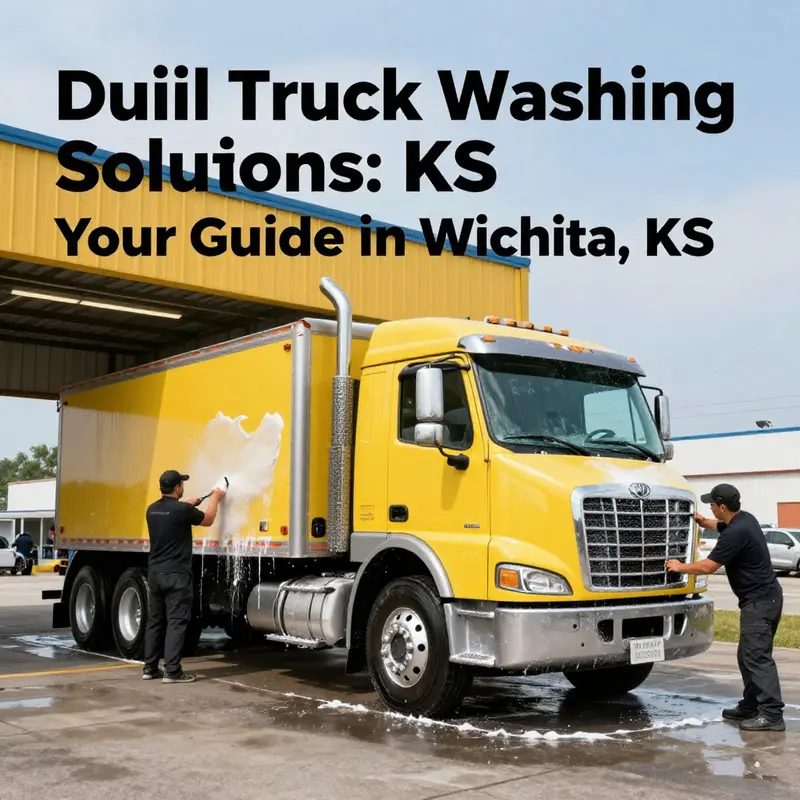
For a fleet that runs multiple duallies on Wichita’s roads, the wash is more than a quick rinse. The rear duals, broad wheel wells, and heavy frames demand a facility that can handle size, weight, and gritty conditions without compromising the vehicle’s finish. In Wichita, the options are practical and varied, from large, full-service centers to specialized shops that cater to heavy-duty and commercial fleets. The best choice balances three things: capacity and access for oversized rigs, a thorough, multi-pass cleaning process that reaches the undercarriage and wheels, and reliable scheduling that fits a fleet’s operational rhythm. When a driver or fleet manager considers a wash, the aim is to prevent rust, protect chrome and paint, and keep maintenance downtime minimal. Wichita’s market is well-suited for that approach, with facilities that can accommodate duallies while maintaining efficiency during tight windows between routes and deliveries.
The core challenge of washing a dually truck is not merely removing surface dirt. It’s addressing the unique angles and crevices that come with dual rear wheels, especially after a muddy day on gravel or a snow-filled drive through city streets. A high-quality wash in this context starts with proper lane sizing and vehicle access. It requires bays wide enough to admit wide fenders and long wheelbases, plus the ability to lower or move components to avoid brush contact with tires and rims. Cleanliness isn’t just cosmetic here; it protects braking components, undercarriage rails, and the frame, all of which can attract corrosive road salt during Wichita winters. The most capable facilities leverage a combination of automation and meticulous hand-cleaning to reach spots that automated systems may miss. In practice, a dually rinse may begin with a pre-wash to loosen caked mud, followed by a robust wash cycle that targets tires, wheels, and the undercarriage, then a final rinse and a careful inspection to catch any remaining grime.
When you evaluate local wash options, the first criterion should be the facility’s capacity to handle oversized vehicles. Look for large entry bays, tall doors, and generous turning radii that reduce the risk of scraping mirrors or ribbing the chrome. A second criterion is the ability to tailor the wash program to a dually’s needs. Not all automated programs are equal; some are geared toward passenger cars and light-duty trucks, while others offer heavy-duty or commercial options with stronger rinses and extended dwell times for wheel wells and rims. The best centers explicitly advertise multi-axle compatibility and provide a range of services—from basic exterior cleans to more thorough treatments that include rim detailing and undercarriage washing. A third criterion is the quality of the wheel and tire care. Large dual wheels demand careful cleaning to prevent scouring or scratching, plus thorough culvert-like cleaning behind fender flares where grime tends to collect. Facilities that offer dedicated wheel cleaning, tire scrubbing, and undercarriage flushes usually deliver better outcomes for duallys.
Locating a suitable option in Wichita often means visiting a well-regarded center on the city’s south side, with a track record of serving larger vehicles. One top-rated option sits along S Ridge Road, roughly five to six miles from central Wichita, known for its comprehensive wash menu and ability to handle heavy-duty trucks. This site is frequently cited by drivers for its attentive staff, flexible wash programs, and the option to pair automated cleaning with manual touch-ups when extra care is needed for rims and undercarriage areas. The proximity matters, because fleets appreciate the ease of quick turnaround when schedules hinge on tight delivery windows. For many operators, the decision to use such a facility hinges on whether the staff can adapt the standard wash to a duallie’s special requirements—like avoiding aggressive brushes on polished rims or ensuring undercarriage spray reaches the frame without forcing the truck into awkward angles. In Wichita, the most reliable centers anticipate those questions and respond with clear guidance on the best wash path for oversized vehicles.
If your immediate goal is speed without sacrificing thorough cleaning, a quick-service center with modern, well-calibrated equipment is a viable option for many duallies. These facilities often run efficient, high-pressure rinse cycles designed to handle large vehicles, but they may do so with a more limited focus than a full-service center. In practice, quick service works well when a fleet needs a rapid exterior refresh between routes, especially if the wheels are not heavily caked in mud or if the vehicle has just completed a routine service stop. The trade-off is that deep-cleaning the undercarriage, cleaning the insides of wheel wells, and removing road salt may require a follow-up visit or a manual detailing session. For operators who maintain a tight cycle of trips through Wichita, scheduling a brief exterior cleanse at a quick-service center can keep trucks presentable without taking them offline for the more involved deep-cleaning processes.
No matter the chosen facility, the key to a successful wash for a dually starts with communication. Call ahead or use the facility’s online scheduling tools to confirm that they can accommodate a dually’s size and axle configuration. Ask explicit questions: does the wash program include an undercarriage rinse? Are there dedicated wheel-cleaning steps for dual wheels? What about the rims—will technicians perform a targeted rim scrub to remove brake dust and road grime without risking damage? If your truck has special coatings or aftermarket rims, bringing these details up in advance helps the crew tailor the service. For fleets that require consistent outcomes across visits, establishing a routine with a preferred center—so that staff recognize the vehicle and know which wash sequence to apply—saves time and reduces the chance of miscommunication.
Beyond access and program options, reviews from other truck operators offer a practical, experience-based lens on Wichita’s wash landscape. Platforms like Google Maps and Yelp provide photos from customers showing trucks similar to yours in various stages of cleanliness. Reading these insights can reveal how well a facility handles oversized vehicles, whether the bays feel cramped, and how thoroughly the undercarriage and wheel wells are treated. Real-time feedback often highlights whether staff take extra steps for stubborn grime or if there are occasional bottlenecks during peak hours. For a dually, these details matter because even a single pass with suboptimal wheel cleaning can leave brake dust and road grime in places that are hard to reach on the return trip. It helps to view multiple recent reviews to gauge consistency over time, not just a single impressed visit.
In Wichita, a practical approach to choosing a wash center blends proximity, vehicle-support capabilities, and credible user feedback. If you’re managing a small fleet, you may favor a site that sits conveniently along a common route and offers an option for a deeper clean on a quarterly basis. If you manage a larger fleet with frequent long hauls, you’ll likely value a center that can schedule recurring visits and provide a predictable service level, with clear pricing for add-ons like wheel detailing or undercarriage flushes. Pricing is a factor, but it shouldn’t be the sole deciding criterion. The total value comes from how well the facility applies the right wash mix, how careful staff are with dual-wheel configurations, and how promptly they can return the vehicle to service with a consistent, reliable finish. The best centers in Wichita balance these elements by offering a spectrum of wash programs while retaining the flexibility to adapt to each duallie’s needs. As a result, a fleet can implement a standard cleaning protocol that delivers consistent results across multiple vehicles and visits, while also accommodating the occasional special clean when a particular route requires extra attention.
For fleet managers who want to broaden their understanding of how the wash environment operates, including how facilities manage equipment, scheduling, and staffing, there are broader resources that explore facility management for truck-wash businesses. These materials illuminate the practical considerations behind smooth operations, from workflow design to training and safety protocols. facility management for truck-wash businesses. This kind of overview helps a manager think beyond the immediate wash and consider how a site maintains its performance, uptime, and reliability—factors that ultimately influence a duallie’s cleanliness and the fleet’s overall maintenance culture.
As a closing note, when you’re evaluating options for dually truck washing in Wichita, you’ll likely appreciate the value of a consistent routine combined with the ability to scale up for heavy-duty needs. A dependable center that can handle duallies through both automated and manual processes offers the best of both worlds: quick exterior refreshes when time is tight, and deeper, more thorough cleanings when the job demands it. The goal is a fleet that looks clean and polished, with undercarriage and wheel areas free from stubborn grime that accelerates wear. A well-chosen wash partner becomes a quiet but essential ally in fleet maintenance, helping trucks stay on the road longer and ensuring drivers arrive at their next destination with confidence.
For those who want to explore options and see current reviews from other operators, a practical starting point is to search for truck washes in Wichita on Google Maps. This external reference provides up-to-date listings, hours, and user photos that can help you compare capabilities at a glance: https://www.google.com/maps/search/truck+wash+wichita+ks
Clean Routes, Clear Rigs: Finding the Right Dually Truck Wash in Wichita, KS
When you roll a dually into Wichita, KS, you’re not just parking a big truck in a bay and turning on the wash. You’re balancing weight, scale, and precision in a space that must accommodate extra wheels, wider spread, and the stubborn grime that sticks to heavy-duty axles and undercarriages. The city’s road network, seasonal debris, and varied work swaths—from construction zones to open highways—mean a wash facility that understands the nuances of a dual-wheel configuration can save time, protect components, and keep your rig looking professional. The right wash spot will treat your truck as a large machine that deserves careful handling, not a vehicle that simply needs a rinse. In Wichita, the search for this kind of facility becomes a practical journey that blends capability with predictable service, and it starts with knowing what to look for and how to judge the options you’ll find on the map and in the lot.
A dually truck comes with needs that exceed the scope of a typical passenger-vehicle wash. The extra wheels create wider wheel wells, more corners and crevices to reach, and a broader undercarriage that catches mud and road salt in harsher concentrations. Large dual rear axles can trap dirt in places where conventional sprayers barely reach. Consequently, a high-quality wash for a dually emphasizes two things: equipment that can deliver aggressive but controlled cleaning without risking misalignment or damage, and hands-on attention from technicians who know how to clean around dual wheels and wider rear tires without scratching rims or displacing protective coatings. The practical implication is simple: you want a facility equipped with appropriately sized bays, adjustable wands and high-volume rinse systems, and staff who can switch from automated sequences to targeted manual touch-ups when the truck’s geometry demands it. What matters most is the balance between speed and thoroughness. A good shop can move a heavy truck through an automated cycle while recognizing when a hand-clean or a wheel-and-rim detail is necessary to reach stubborn grease in the creases between the dual wheels.
In Wichita you’ll encounter two broad service models. Automated washes offer speed and consistency, which is valuable when you’re juggling a tight schedule or crossing a delivery window. The automated approach works well for removing road film from the sides, fenders, and the tops, and it can be paired with a second pass that focuses on wheels and undercarriage. Yet the dual-wheel setup sometimes benefits from an extra layer of care—hand detailing that targets rims, calipers, and the undercarriage where spray alone may miss buried grime. A reputable dual-wash facility will be transparent about what an automated cycle covers and what a manual detail can add. The best facilities in Wichita provide both options in a way that complements a fleet’s cadence rather than forcing a single path. They also understand the importance of drying, as water spotting on large aluminum or painted surfaces can undermine the final finish. Expect a thorough dry-down, including wheel arches and behind the dual wheels, to prevent water streaks and residue that can harbor rust or corrosion over time.
For owners who treat their equipment as a long-term investment, the deep-clean process matters as much as the quick rinse. A comprehensive service will extend beyond the visible surfaces to include the undercarriage and mud flaps, where salt and grime can accumulate and lead to corrosion if neglected. This level of care is especially relevant in winter months when road treatment chemicals cling to metal surfaces. A top-tier Wichita facility will offer a deep-clean option that can be scheduled periodically, providing a professional grade cleaning that keeps the undercarriage free of debris and the exhaust area clear of caked residue. It will also focus on the wheels, a critical area for durability and performance, delivering a rim scrubbing, brake-dust removal, and tire dressing that enhance both safety and aesthetics. When you combine these capabilities with a facility’s attention to axle alignment and chassis protection, you get a service package that respects the unique geometry of a dually and preserves the look and function of the truck for longer stretches between visits.
To navigate this landscape wisely, it helps to lean on customer feedback and real-world performance. Online reviews and photos can reveal whether a facility consistently handles oversized vehicles and whether technicians are prepared to address dual-wheel configurations without shortcuts. Look for observations about how well the bays accommodate broader wheelbases, how effectively the undercarriage is rinsed, and whether the staff can tailor the wash to sensitive finishes and custom coatings. In Wichita, a well-regarded shop will often be praised for its ability to manage large vehicles safely, with notes about careful driving into the bay, appropriate use of high-pressure jets, and a final, meticulous dry that leaves no water marks on expansive surfaces. These signals help you gauge whether a place can deliver both reliability and a finish that stands up to the road grime you encounter in the region. As you assess options, remember that your goal isn’t merely to remove dirt but to maintain the structural integrity and appearance of a dual-wheel system, and to do so in a way that respects the specific build and materials of your truck.
If you’re seeking insight into the broader ecosystem that supports cleanliness and maintenance for trucking operations, it can be helpful to explore sources that discuss facility management in this niche. For example, one can explore guidance on how truck-wash facilities optimize staffing, scheduling, and workflow to handle peak times while maintaining quality and safety. This isn’t about endorsing a particular brand; it’s about understanding the operational backbone that makes any wash service reliable for large, heavy-duty vehicles. For readers who want to dig into this ongoing conversation, a useful resource to consider is facility management for truck wash businesses, which offers context on how these shops balance throughput with attention to detail. This kind of knowledge helps fleet managers and owner-operators critically evaluate whether a given Wichita wash is positioned to deliver consistent results over time—an essential factor when you rely on daily availability and predictable service.
Beyond capabilities and reviews, practical considerations shape the decision. Proximity and access matter: you want a facility that fits within your route, minimizes backtracking, and offers reasonable wait times. Real-time information on availability, lane status, and estimated service times can help you plan your day and reduce idle time. If a shop publishes current wait times or accepts reservations, that can be a significant advantage, especially for fleets that operate on tight schedules. It’s also worth noting how the facility communicates about additional services. Some shops offer add-ons such as upgraded tire dressing, chrome cleaning, or protective sealants that can be applied after the wash to preserve the clean appearance and shield surfaces from road grime. For dually trucks, these add-ons can complement the main cleaning by addressing vulnerable areas that require more frequent attention, such as the inner wheel rims, hub areas, and exposed undercarriage components.
The environmental footprint of a wash is another factor that thoughtful operators consider. Many shops in Wichita emphasize water reclamation, efficient spray systems, and the responsible disposal of wastewater contaminants. Eco-conscious practices can align with a fleet’s sustainability goals and may influence choices when you compare several facilities. In addition to ecological considerations, the choice of detergents and rust-preventive treatments can affect how well a truck resists corrosion over the long term. A facility that discusses products in use and offers sustainable options communicates a level of transparency that resonates with fleet owners who want to manage total cost of ownership rather than just the immediate wash price. While price remains a practical concern, it’s the combination of capability, care, reliability, and environmental stewardship that distinguishes a good dually wash from a merely adequate one.
For readers who want to connect the practical with the technical, consider how an informed facility selection aligns with broader fleet maintenance strategies. The quality of wash services can influence how often you need to address road grime during routine inspections, how well brake components stay free of embedded debris, and how evenly paint and trim stay protected from the elements. In Wichita, the best facilities understand these linkages and approach each vehicle as part of a broader maintenance ecosystem. They recognize that a well-washed truck isn’t just about curb appeal; it’s about sustained performance, safer operation, and a longer life for tires and suspension components. This is especially true for duallies, where the complexity of the wheel arrangement magnifies the impact of neglect or rushed service. With the right partner, a dually can enter winter with a cleaner undercarriage, a better-sealed frame, and a routine that supports steady, dependable service across months of heavy use.
In choosing where to get your dually washed in Wichita, KS, you’ll rely on a blend of firsthand observation, online feedback, and practical alignment with your operational needs. Look for a facility that communicates clearly about its capabilities for oversized vehicles, offers both automated and hands-on detailing options, and demonstrates a commitment to safety in the wash bay. A space that maintains transparent scheduling, fair pricing, and a thoughtful approach to cleaning dual-wheel configurations will usually stand out in the local market. And while it’s natural to seek the fastest option, prioritizing thoroughness over speed ultimately pays off when you consider the long-term health of your truck’s wheels, tires, and undercarriage. In the end, a well-chosen Wichita wash partner becomes less a stop along a route and more a routine part of maintaining a clean, dependable vehicle that supports on-time deliveries and a professional image on every job site.
For operators who want a more structured view of how these facilities operate and to understand the broader systems at play, it can be helpful to explore related materials on facility management for truck wash businesses. This context can illuminate why some shops excel at handling duallies and others struggle with larger rigs. It can also shed light on how staffing, equipment upgrades, and process optimization interact to produce consistent results across many trucks and service cycles. If you’re curious to read more on this topic, you can explore the concept of facility management for truck wash businesses and see how the field is evolving to meet the needs of heavy-duty fleets. As you gather information, also keep an eye on local listings and recent reviews that describe real-world experiences with dual-wheel cleanup in Wichita. The city’s mix of long-haul routes, regional trucking, and construction activity means you’ll likely encounter a few standout shops that consistently deliver the right balance of speed, thoroughness, and care. And when the time comes to plan your next wash, you’ll be equipped with a clearer sense of what to request, what to verify, and how to weigh the value of a thorough dually-clean against the convenience of a quick pass.
External resource: Top 10 Best Truck Wash in Wichita, KS – Updated 2026.
Forging a Clean Route: A Fleet Manager’s Guide to Dually Truck Washing in Wichita, KS
Wichita sits at a crossroads of commerce and routes that keep heavy-duty haulers moving. For fleet managers and independent operators who rely on dually trucks, the choice of where to wash matters beyond appearance. Dual rear wheels mean broader wheel assemblies, deeper undercarriages, and rims that accumulate brake dust and road grime in ways single rear axles do not. Because of these differences, the wash solution you choose must address throughput, cleaning quality, and environmental responsibility while fitting within dispatch windows. The market in Wichita has evolved to meet these needs, with options ranging from high-throughput automated bays to traditional detailing shops that emphasize hands-on service. The key is aligning technology, cycle time, and maintenance outcomes with fleet requirements and operating hours.
The core distinction in this landscape is how each wash handles scale and consistency. A modern drive-through system with robust brushes and targeted nozzles can deliver repeatable cleaning across dozens of trucks per shift. For dually configurations, that means brushes that can reach around wider hubs, high-pressure jets that cut through brake dust on rims, and an undercarriage wash designed to dislodge salt and road grime without harming sensitive components. The appeal is the promise of dependable results at speed, reducing downtime and allowing a convoy to return to service on schedule. Practically, this translates into predictable wash times and consistent appearance across a fleet, which is especially valuable for carriers with tight dispatch windows and late-evening deliveries.
On the other hand, conventional washes and hands-on detailing still play a critical role. Manual scrubbing and larger, slower detailing sessions can reach areas automated systems miss, such as intricate finishes or stubborn stain spots on rims. They can be ideal for fleets that operate on highly varied routes or require post-wash touchups after extreme conditions. The trade-off is longer turnaround and higher per-vehicle labor costs, which many operations weigh against the benefits of automation.
From a fleet-management perspective, the cost calculus combines price points with the reliability of outcomes. An automated wash may carry a higher upfront or per-vehicle charge, but it can pay back through faster cycle times, reduced labor, and consistent results across hundreds of vehicles. If your operation includes many dually trucks returning to service within strict windows, even modest throughput gains compound into meaningful savings. The environmental footprint also matters. Recycled-water systems, efficient chemical use, and closed-loop drainage are not merely regulatory checkboxes—they influence operating costs and sustainability goals. In Wichita, facilities that emphasize water recycling and responsible chemical management tend to attract operators who plan for long-term reliability alongside compliance.
Practical decision-making also requires looking at the infrastructure that supports dually cleanup. Large bays, generous turning radii, and duallies-ready wash paths with adequate clearance above the vehicle height matter when maneuvering long wheelbases. The ability to accommodate oversized fuel and maintenance access areas, and to ensure rims and tires receive appropriate attention, can be a difference-maker. A robust undercarriage wash is often one of the most valuable features for the long-term durability of heavy trucks, protecting components exposed to salt, tar, and road grime. For managers coordinating multiple units, consistent rinse cycles and predictable drying times become essential data points. The best choice often harmonizes immediate cleanliness with long-term maintenance, all within the cadence of daily operations.
Accessibility is another practical consideration. Geographic layout, traffic patterns, and lane configurations influence how a wash fits into a daily plan. Fleets benefit from booking options, real-time status updates, and the flexibility to adjust plans as routes change. When these pieces align, a wash partner becomes a stable node in a broader maintenance and routing ecosystem, helping reduce idle time and avoid downtime during peak windows. The objective is a clean vehicle when it needs to be, not a facility that introduces scheduling friction.
In evaluating Wichita options for dually trucks, it helps to compare outcomes in practical terms. A high-throughput automated system with a two-brush drive-through design is often favored for speed and reproducibility, delivering consistent results across many vehicles and potentially lowering labor costs. Yet there is still value in slower, hands-on detailing for fleets with mixed routes or special maintenance needs such as rim polishing, precise undercarriage cleaning, or bespoke finish work that can yield longer-term durability gains. The most effective approach in Wichita tends to blend automation with selective manual detailing: automate the routine cleans, and reserve skilled technicians for cases that demand precision. The ability to accommodate large vehicles, respect dual rear wheels, and align with fleet schedules becomes a real competitive advantage.
Finally, it’s important to consider the regulatory and environmental context. Emissions and water-use standards shape operating models, but the goal is not paperwork for its own sake. A wash partner that demonstrates responsible waste-water management, controlled chemical use, and transparent pricing gives fleet managers confidence to scale operations without incurring unexpected liabilities. For readers seeking further grounding, industry resources on truck-wash compliance and emissions regulations can provide a framework for navigating evolving standards and expectations. If you want a practical, grounded reference, you can explore materials at the following resource: https://tripleatruckwash.com/truck-wash-industry-compliance-emissions-regulations/
As Wichita continues to evolve as a logistics hub, the path to a clean, well-maintained dually truck is less about picking a single provider and more about partnering with a facility that can blend technology, throughput, and maintenance philosophy with your fleet’s unique operations. The ideal partner offers more than a clean body and polished rims; they deliver schedule stability, workflow efficiency, and a shared commitment to safeguarding valuable assets against wear and corrosion. The city’s market embodies a practical philosophy: invest where technology scales with demand, maintain flexibility for specialized detailing, and cultivate open communication about capacity, pricing, and deliverables. The result is a cleaner fleet that navigates Wichita’s roads with confidence, efficiency, and a clear trajectory—a clean route that keeps goods moving, protects investments, and aligns with the rhythms of modern transportation.
Rolling Clean: A Comprehensive Look at Dually Truck Washing in Wichita, KS

The landscape of Wichita, Kansas, is defined by its hardworking roads and the heavy fleets that keep them moving. For drivers of dually trucks—the large, two-rear-axle rigs that haul everything from livestock to long-haul freight—finding a wash that understands the unique needs of a heavy-duty vehicle is more than a matter of curb appeal. It’s about preserving wheel endurance, protecting oversized tires, defending undercarriage components, and ensuring that every inch of the chassis is revitalized without risking stone chips or water intrusion into vital seams. In Wichita, the demand for skilled handling of duallys has spurred a range of wash facilities to evolve beyond quick spray-downs. What separates a good dually wash from a good-enough one is not merely the volume of water or the speed of the rinse, but a holistic approach that respects the geometry and mass of a dual-axle configuration. The best facilities in the area combine thoughtful process design with trained staff, robust equipment, and a pace that accommodates heavy vehicles without compromising meticulousness. It is this blend that earns many operators consistent praise from drivers who depend on their equipment to perform day after grueling day.
The core of a successful dually wash in Wichita rests on a balanced mix of automated power and hands-on attention. A modern truck wash that serves large rigs typically offers both automated cycles and manual detailing, with specialists who understand where dually trucks accumulate stubborn grime. The automatic side can handle the broad surfaces, run through high-pressure nozzles, and deliver a uniform rinse that reaches the wheel wells and the undercarriage, while the manual team focuses on high-friction zones and problem areas that demand a human touch—areas like the inner rims, tire treads, and the tight gaps around dual tires where road grime gathers. For the owner who wants the best of both worlds, a facility that orchestrates a seamless hand-off between machine and technician tends to deliver the most satisfying outcomes. This is particularly important for duallys, where wheel well clutter, brake dust buildup, and road film can lodge in places that a single brush or spray cannot fully reach.
A critical element in Wichita’s dually-wash ecosystem is the equipment and cleaning agents designed for heavy-duty use. The top settings employ high-flow water systems paired with scrub heads and wheel brushes capable of withstanding repeated exposure to abrasive dust and diesel particulates without dulling the finish. Gentle, but capable, cleaners are chosen for their effectiveness against tar, grease, and brake dust while remaining safe for painted surfaces and chrome accents. For drivers who value environmental considerations, many facilities emphasize water recycling and eco-friendly detergents that reduce chemical discharge without sacrificing cleaning power. The result is a wash that lifts caked road grime from the undercarriage, clears the brake dust from the inner surfaces of the wheels, and leaves the metal ready for the next leg of the journey without leaving behind a chalky film or a residue that can corrode if moisture lingers.
The undercarriage is a particular area where duallys demand extra care. In Wichita, several established wash centers have refined their procedures to include a dedicated undercarriage rinse and rinse-again pass for the spray-coated components, a step that can dramatically improve the longevity of exhaust mounts, cross members, and suspension hardware. A thorough cleaning here isn’t simply about aesthetics; it’s about rust prevention and preventive maintenance. When technicians methodically wash away diesel particulates, road salts, and trapped grime, they are performing a preventive measure that helps keep trucks on the road longer and with fewer downtime doldrums. The same level of care extends to the rims and tires, where the combination of high-pressure water, targeted degreasers, and careful brushing removes baked-on grime from brake rotors and calipers, reducing the likelihood of pitting or corrosion over time.
A meaningful customer experience in this context also hinges on the efficiency and reliability of the service. For fleet operators, scheduling and predictability are almost as important as the quality of the wash itself. In practice, the most trusted facilities in Wichita cultivate a workflow that respects each vehicle’s dimensions and the operator’s schedule. They often display transparent pricing and clear indicators of what a wash package includes, from the level of gloss on painted surfaces to the degree of tire shine and undercarriage inspection. When a driver pulls into a lot with a dually, there is comfort in knowing that the team will recognize the dual-axle configuration as a special case rather than a standard large sedan. This awareness translates into real-world benefits: fewer adjustments needed from the driver, a smoother entry and exit, and a result that looks polished without becoming a time sink.
Beyond the physical act of washing, the customer experience is also shaped by the people who work on these vehicles. In Wichita, drivers frequently note the value of technicians who understand heavy-duty equipment and the demands of fleet operation. When staff can discuss wheel and tire configurations, identify potential trouble spots, and recommend best practices for post-wash maintenance, the interaction becomes more than a transaction. It evolves into a partnership focused on keeping a truck in peak condition. This is especially valuable for those who manage multiple vehicles or operate in tight delivery windows, where efficient turnaround times and consistent results are essential. In short, the best washes are the ones where expertise with large vehicles is not an afterthought but a visible, integral part of the service model.
For drivers who prefer to do some of the work themselves or want to supplement a wash with a tailored care routine, Wichita offers access to professional-grade maintenance supplies that are tailored to heavy-duty vehicles. Local suppliers stock high-strength degreasers, protective coatings, and specialized foams designed to remove tough residues without compromising the integrity of paint and chrome. These products are chosen with dually needs in mind: they are potent enough to lift diesel particulates and brake dust, yet formulated to avoid harsh effects on sealants and protective finishes. The practical upshot is clear. A driver who uses a well-chosen cleaner and a thoughtful, repeatable post-wash rinse can extend the time between full-scale detailing while maintaining a high level of cleanliness between major service visits.
Of course, the decision about where to wash ultimately comes down to a mix of factors that align with personal or fleet goals. Some drivers prioritize speed and turnarounds, seeking a facility that can handle an oversized vehicle quickly and safely. Others prioritize a deeper clean that includes thorough chrome care, undercarriage attention, and a meticulous rim refresh. In Wichita, the most respected wash centers have learned to strike a balance that respects both priorities. They provide clear pathways for different needs—express options for days when time is tight and full-service cycles for more comprehensive cleaning—and they offer transparency about which services are appropriate for a dually’s particular configuration. This balance matters because not every wash is equally suited to every axle arrangement or every wheel size. A thoughtful operator will assess the vehicle, anticipate its challenges, and customize the wash sequence so that nothing is rushed to the point of compromise.
For those who run fleets or work on tight maintenance schedules, the value of collaboration with a wash provider becomes evident. Some facilities have developed workflows that accommodate fleet clients by offering preferred appointment times, dedicated lanes, and even on-site coordination with maintenance managers. In practice, this can translate to regular wash slots that align with scheduled maintenance checks or fuel stops, turning a routine appearance into a reliable part of a vehicle’s lifecycle. It also opens the door to fleet-level efficiency measures, where wash data—such as frequency, wash type, and surface conditions—can be tracked and analyzed to identify trends, measure impact, and optimize cost per mile. The goals are straightforward: cleaner equipment, longer component life, and fewer operational interruptions, all while preserving the driver’s time and the fleet’s budget.
For operators who want a tangible guide to best practices in this space, the discussion naturally extends to the concept of facility management for truck wash businesses. The practical wisdom in that domain covers leadership of trained staff, maintenance of equipment, adherence to environmental standards, and the strategic planning required to scale service capacity. The path to excellence is not a single decision but a series of disciplined choices—from selecting the right combination of automated and manual services to investing in staff development and ensuring that wash bays, water systems, and drainage comply with local guidelines. For readers who want to explore that dimension further, a detailed overview is available here: https://tripleatruckwash.com/facility-management-for-truck-wash-businesses/.
In the end, the Wichita dually-wash experience embodies a pragmatic blend of care, competence, and convenience. Drivers come away with a vehicle that gleams, a sense that the wash process respected the vehicle’s size and needs, and confidence that the service will be consistent the next time. The best centers earn their reputation not only through spotless exteriors but through the quiet reliability of their teams—the way they anticipate a dual-axle truck’s unique requirements, the care they take with heavy tires and open wheel wells, and the way they integrate with a driver’s broader maintenance routine. For many, this means a simple, predictable stop that delivers more than a clean surface; it sustains the tools and equipment that haul Kansas’s cargo across miles of highway, and it does so with a level of professionalism that turns a routine wash into a dependable maintenance touchpoint.
External reference and continued exploration can be found through widely used provider aggregators and local listings that compile user experiences and facility capabilities. For motorists who are planning their next trip through Wichita and weighing options, these resources help illuminate which centers consistently deliver on the expectations set by experienced drivers. External research points to widely consulted directories and up-to-date reviews to gauge how well a given facility handles oversized and heavy-duty vehicles, including insights about wait times, the thoroughness of undercarriage cleaning, and how well staff communicate about service steps. Readers seeking an external perspective can consult the public map and review pages that compile feedback from the trucking community as they navigate the Wichita area.
External reference: https://www.google.com/maps/search/truck+wash+wichita+ks
Final thoughts
In summary, choosing the right service for washing dually trucks in Wichita, KS, is imperative for fleet managers and operators who value vehicle longevity and performance. The comprehensive recommendations and insights detailed above can guide your decision-making process to select a quality service that meets your specific needs. Keeping your dually trucks in pristine condition can significantly impact operational efficiency and overall image.