
The maintenance of a clean truck fleet is vital for logistics efficiency and preserving vehicle longevity. A routine clean not only enhances appearance but also combats corrosive elements that can degrade performance. Given the unique challenges presented by larger vehicles, proper washing techniques are essential. This guide will empower fleet managers, trucking company owners, and construction supervisors with best practices covering compatibility and preparation before entering a car wash, inspecting vehicles to ensure readiness, parking techniques for optimal wash effectiveness, and post-wash evaluation methods. Together, these strategies will lead to a successful truck washing experience and promote operational excellence.
Clearing the Lane: Mastering Truck Wash Compatibility and Preparation
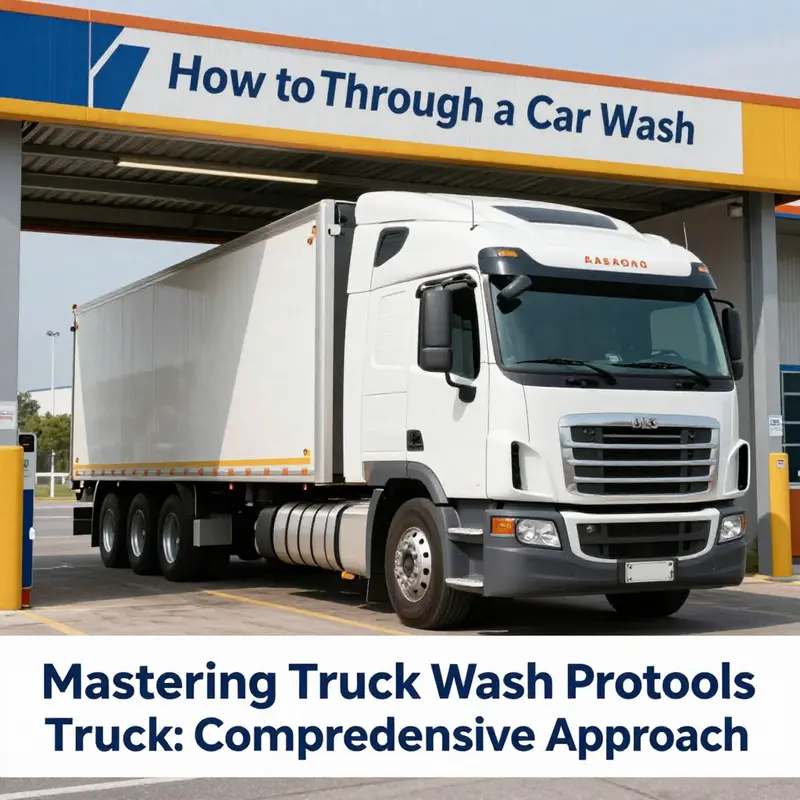
Rolling into a car wash with a truck is not simply an act of driving forward and hoping for the best. It is a negotiation with space, technology, and the realities of mass and flow. For a large vehicle, the wash tunnel becomes a moving puzzle: height limits loom as a quiet reminder, brushes swing in measured arcs, and sensors that guard your ride are hard at work in real time. The goal is not to conquer the wash but to choreograph the encounter so that every stage happens smoothly, without contact where it matters and with thorough cleansing where it counts. When you treat the process as a coordinated sequence rather than a rushed sprint, you preserve the truck’s finish, safeguard its components, and still achieve a clean, professional result that reflects the scale and capability of the machine underneath the hood.
Compatibility is the first and most visible hurdle. Standard automated car washes are engineered with passenger cars in mind: modest heights, narrower bays, and conveyor paths tuned to lighter, lower profiles. A big truck—whether it is a heavy-duty pickup, a mid-size freight rig, or a tractor-trailer with a long wheelbase—often exceeds the tunnel’s clearances or demands equipment that can accommodate its breadth and height. Your approach begins long before you roll forward. Look for signs that indicate “Truck-Friendly” or “Large Vehicle Allowed.” If no such signage exists, or if you notice the lane clearly isn’t designed for wide loads, the safest choice is to seek a dedicated truck wash facility. These places are purpose-built for larger vehicles, with higher overhead clearance, wider lanes, and adjustable or soft-touch brush systems that minimize contact with vulnerable surfaces. The difference is not merely cosmetic; it is about preserving mirrors, aerodynamic fairings, mudguards, and the undercarriage protections that heavy-duty trucks often carry.
Preparation is the hinge on which compatibility turns into a successful wash. Before you approach the gate, do a quick internal audit of the truck’s readiness. Loose items on the roof—bike racks, cargo boxes, or any aftermarket add-ons—should come off or be secured. A secure roof reduces the risk that an object gets snagged in brushing mechanisms or pulls a mounting point loose mid-wash. All windows and doors should be closed, and mirrors must be firmly attached and free of damage so they don’t vibrate or rattle under high-pressure spray. The cab itself is a sensitive zone; inside, loose tools or valuable mats can shift with the motion of the vehicle, and water or soap in the wrong place can cause more harm than a dry tangle of dirt.
Next comes the parked position, which is less a matter of ceremony and more a critical safety precaution. Align with the designated lines, keeping the front of the truck centered and away from the sides. If your truck’s wheelbase is long or the body is unusually wide, the risk isn’t just cosmetic; misalignment can cause the brushes or spray arms to strike protruding panels, aerodynamic add-ons, or door handles. Some washes use vehicle-detection sensors that adjust brush lengths and spray patterns based on the vehicle’s size. When you’re off-center, those sensors may misread the geometry, leading to incomplete cleaning, misdirected jets, or unnecessary mechanical action. It’s worth taking an extra few seconds to settle into the lane with steady hands and a calm approach to steering. A careful approach also gives you time to confirm that the wash’s path clearance aligns with the truck’s profile, a small but meaningful safeguard against costly misreads.
With the vehicle properly aligned, the choice of wash type becomes a decisive factor in results and risk management. Gentle and soft-touch cycles are the most forgiving for trucks, especially for those with extended side skirts, aftermarket fairings, or custom body kits. A pre-soak option helps to break down stubborn mud and clay, reducing the need for aggressive brushing. Some facilities offer no-brush cycles or soft-water options that are especially well-suited to heavy-duty fleets that routinely encounter road grime and tar. If you expect heavy grime or have recently traversed muddy backroads, you may prefer a longer pre-wash phase to ensure the dirt doesn’t simply smear along the sides during the main wash. The principle to carry forward is simple: choose the cycle that minimizes mechanical contact while maximizing the surface area cleaning efficiency. This is not the moment for bravado; it is a moment for measured, vehicle-aware behavior.
As you cycle into the wash sequence, the layout of sensitive areas becomes your focus. The wheels, wheel wells, and underside get the brunt of road filth, but when you direct high-pressure jets toward the wrong zones, you risk lifting mud guards or forcing water into places it can’t safely escape. Avoid aiming high-pressure jets at engine intakes, air filters, radiators, and exposed electrical junctions. The engine bay, in particular, requires restraint; modern engines are quite robust, but pressures and spray volumes can dislodge seals or drive moisture into spaces it shouldn’t occupy. If your truck carries aftermarket protection around the engine or around the cooling system, extra caution is warranted. In many cases a low-pressure mist or a controlled rinse is more effective and less risky for cooling fins and heat exchangers than a touted “strong blast” that benefits a passenger car but threatens a high-capacity cooling system.
Part of mindful washing is paying attention to features that may accumulate grime without obvious signs. Mudguards, tires, and side steps are prime examples. These areas often grab and hold the thinnest film of mud, clay, and road salt; a light, thorough rinse at the right stage can release this material that would otherwise dry into stubborn patches. If your truck has exposed undercarriage components or skid plates, you want to verify that the wash’s spray pattern reaches without forcing debris into gaps or seals. This is where the compatibility conversation intersects with preparation: if the vehicle’s geometry doesn’t align with the wash’s standard spray envelope, you may experience uneven cleaning or, worse, unintended chafing against protective coatings.
After the wash finishes, the post-wash procedure is a distinct but connected phase. Drying becomes crucial because large surfaces hold more water and more soap, and the last thing you want is mineral streaks or water spots marring the finish. Allow a moment for drying cycles to complete fully, especially if the facility uses blow-dryers that push air through wide channels around the vehicle’s body. Then, take a moment to wipe down mirrors, door handles, and any other exposed moisture by hand. Even a quick wipe-down can prevent water staining and keep glass clear, which matters for visibility and for the finished appearance of the truck.
The decision to use a standard automatic wash or a professional truck wash service hinges on factors that go beyond personal preference. For fleets with heavy usage or with highly soiled assets—think mud, tar, road salt, or industrial grime—a dedicated truck wash facility often delivers better results with fewer safety concerns. These centers understand the long-term wear patterns on large vehicles, and they tailor their nozzles, drying systems, and lane dimensions to accommodate bigger rigs. They can offer longer lanes, higher ceilings, and specialized nozzles designed to minimize contact with sensitive surfaces while delivering effective cleansing across broad surfaces. The alignment here is pragmatic: when a wash is designed around trucks, the risk of incidental damage drops while the probability of a thorough, even clean rises.
For operators who wash more frequently or manage fleets that require consistent cleaning timelines, establishing a routine can be as practical as scheduling maintenance. A routine may begin with a quick pre-wash inspection of all essential components, followed by a short walk around the vehicle to confirm there are no protruding items that could snag a brush or spray arm. Icy or frosty mornings can complicate the process; you may need a longer dwell time for pre-wash cycles or a gentle air-dry approach to avoid freezing spray on exposed metal parts. The aim is to move with confidence, not hesitation, and to treat each wash as a controlled operation that respects the truck’s design and build quality. In many fleets, this rhythm translates into fewer incidental dings, lower chance of engine exposure to sprays, and a more uniform appearance across the fleet.
In some cases it pays to seek professional guidance before entering a wash with a particularly unique truck configuration. If your vehicle carries specialized equipment, aftermarket cooling components, or extra-long trailers, the ordinary wash station may not be up to the task. You might opt for a facility that is explicitly designed for larger units, where technicians understand the nuances of larger axles, longer overhangs, and the aerodynamic devices that characterize modern heavy-duty trucks. The return on this choice is a cleaner, more consistent result and a safer, smoother wash experience for both vehicle and facility.
To further support this careful approach, consider that literature on large-vehicle washing emphasizes the importance of facility-specific systems and standards. Large truck wash equipment operates on an automated platform where the vehicle enters a calibrated path and triggers sensors that activate the washing cycle with precision. This system removes the guesswork from the process and minimizes the chances of human error during entry or exit. The takeaway is clear: use facilities that are engineered for your vehicle size and configuration, and align expectations with what the equipment can reliably deliver. When you do, you preserve the truck’s integrity and achieve a level of cleanliness that matches the vehicle’s capability on the road. For those exploring deeper strategies on removing stubborn grime, you can explore proven strategies for cleaning grease and tar off your trucks fast.
If you have a recurring need for thorough cleaning or if your operation includes fleets with multiple heavy vehicles, you might also consider integrating truck-wash facilities into a broader fleet maintenance plan. A maintenance calendar that includes regular wash visits, inspections of critical components after the wash, and follow-up checks for any possible wash-induced wear can help extend the life of mirrors, seals, and undercarriage protections. In this way, the wash becomes not merely a cosmetic step but a deliberate, integrated part of vehicle care that supports uptime and reliability. The best practices become habits that align with the broader goals of fleet efficiency and safety on the road.
As you weigh the options, remember that the ultimate objective is to achieve a clean truck with minimal risk of damage. A thoughtful approach to compatibility and preparation—recognizing where standard car washes fit and where specialized truck washes are warranted—delivers the best long-term results. The process isn’t about defeating the wash; it’s about partnering with it in a way that respects the truck’s design, protects its sensitive systems, and preserves the finish that tells a story of miles traveled and work accomplished. This is the mindset that guides drivers and fleets toward a smoother, safer, and more effective washing routine. External resource: https://www.example.com/truck-wash-process
Inspect, Prepare, and Protect: A Thorough Vehicle Assessment Before and After Washing a Truck
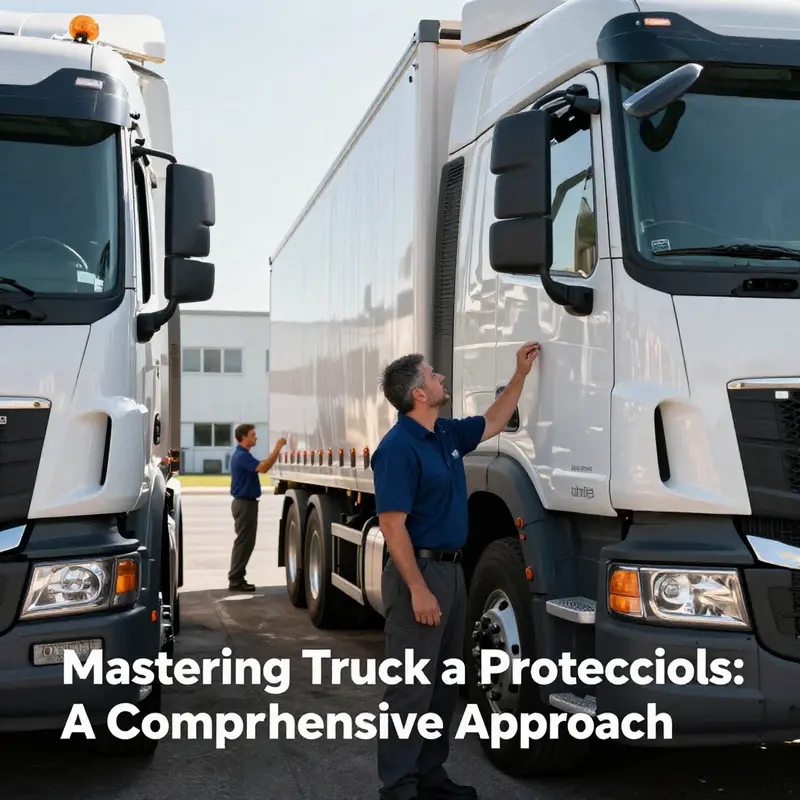
A truck rolling into a car wash brings a unique blend of power and vulnerability. Its size, height, and diverse accessories demand more than a routine rinse. The most important work happens before you enter the wash bay and again after you exit. A careful inspection sets the tone for a safe process, effective cleaning, and the avoidance of damage to vehicle, facility, and staff. This chapter flows as a single, continuous narrative because the success of washing a truck hinges on a mindset that treats inspection as a central practice rather than a one-off check.
Before you even pull into the drive, the pre-wash inspection is your first line of defense. Start by looking at the undercarriage. Debris like mud, stones, or twigs can travel with the water jets and occasionally jam or bounce into moving parts. In some trucks, a stubborn stone can loosen a shield or plastic panel if the wash applies high pressure or aggressive brushes. If you encounter heavy buildup, consider a light pre-rinse to knock it loose, or plan for a gentler cycle that relies more on detergents and dwell time than brute force. Move outward from the belly to the wheels, checking tires and rims for wear or damage. A bulge in a tire or a crack in the sidewall is not a problem to ignore, especially when the wash system uses high-pressure taps and fast cycles. Loose or protruding wheel well components—mudguards, trim strips, or run-off shields—can snag on equipment or vibrate loose during the wash. If any part looks suspect, address it now or choose a wash facility that can accommodate your truck’s configuration more safely.
Body panels, trim, and attachments deserve equal attention. Large trucks frequently carry aftermarket features—heavy bumperettes, side steps, cab extenders, or air-dam spoilers—that change how the wash interacts with the vehicle. Dents or peeling trim can be worsened by forced contact with brushes or spray, so note any pre-existing damage to prevent a dispute when the truck is washed. Fluid levels should also be scrutinized. Check engine oil, coolant, brake fluid, and windshield washer fluid. A low level can signal a leak or a fault that may worsen once the wash’s vibrations and temperature changes come into play. A quick check of lights is essential, too. Inspect headlights, taillights, brake lights, turn signals, and any clearance lamps. Make sure wipers glide smoothly and clear the windshield. Faulty or dim lighting can create safety concerns in a wash bay where other vehicles are present and where the driver must rely on visibility in tight spaces.
As you prepare to enter, alignment with the facility’s workflow becomes part of safety. Park the truck carefully along the designated lines and ensure the front is centered. Do not crowd the sides; a touch of buffer room helps prevent accidental contact with brushes or guide rails. If the wash uses sensors to gauge vehicle size, misalignment can mislead the system into setting the wrong brush length or spray pattern, potentially banging against a fender or bumper. Some car washes have separate lanes for large vehicles; if you see signage or know your vehicle’s height, follow those directions. A steady, deliberate approach at entry minimizes stress on the vehicle and on the wash equipment. If you drive with aftermarket modifications, this is a moment to consider how they might interact with wash cycles. A no-brush cycle or a cycle designed for trucks with extended bodies can reduce the risk of damage to fragile components while still delivering a thorough cleaning.
Choosing the right wash type is a pivotal decision for trucks. The gentle or soft-touch cycles are often the best option, as they strike a balance between cleaning power and protection for sensitive parts. If your truck bears mud or clay, a pre-soak helps loosen stubborn deposits before contact begins. A no-brush option can be especially helpful for trucks with custom body kits or exposed undercarriages. The goal is not to avoid dirt removal but to avoid abrasive action on parts that aren’t meant to endure it. If a wash offers a high-pressure spray in the nozzles, you should confirm that the cycle still accommodates the truck’s sensitive zones. A high-pressure jet can push water into seals, clamps, or electrical connectors that are not designed to tolerate it. In practical terms, choosing a cycle that prioritizes dwell time, lower pressure on critical areas, and controlled spray gives you a safer, more predictable result.
The middle phase—what to do during the wash—requires staying vigilant about vulnerable spots. The engine bay, air intake, electrical connectors, and sensor housings deserve special protection. Even when a facility advertises robust coverage, you should avoid directing jets at the most sensitive spots unless explicitly approved by staff. The wheels and side steps often accumulate debris that can be ground into paint or handle surfaces. If you have mudguards or textured panels, observe whether the wash’s brushes contact these areas as intended or if their geometry creates risk. The no-brush option becomes appealing here, not as a mark of less cleanliness, but as a conscious choice to reduce mechanical wear on edges, decals, and trims. If you notice any unusual noises or vibrations during the cycle, do not ignore them. Inform staff and pause if necessary to assess the situation. A calm, communicative driver can prevent a minor incident from becoming a costly repair or a service interruption for the fleet.
With the wash complete, the post-wash routine transitions from execution to verification. A blow-dry system is helpful, but it often leaves dampness in crevices and behind trim pieces. Give the truck a moment to shed the residual moisture before you begin a manual wipe-down. Dedicate attention to mirrors, door handles, and the joints where water can linger and cause streaks or corrosion over time. A wipe-down helps ensure that these touchpoints dry evenly and reduces the risk of rust or water spots on chrome and painted surfaces. As you scan the lower body panels, look for any missed spots or scratches that may have occurred during the wash. On larger vehicles, the lower sections near the rocker panels and along the wheel arches can accumulate stubborn dirt that a quick pass with a cloth might miss. If you find exposed metal or plastic edges that show signs of wear, note them and plan for a touch-up or repair in your maintenance cycle.
The post-wash inspection also benefits from a quick check of the interior. Water intrusion through door seals or window channels can happen if seals shift during the wash or if the interior is exposed to strong airflow. A damp mat or lingering odor means you should inspect seals and carpeting. Even if the interior appears dry, you should play it safe by inspecting fuses and electronics to ensure moisture did not find its way into a sensitive location. The goal is not to catch everything in the moment but to establish a habit that flags potential long-term issues before they become disruptive. When you are satisfied with the results, you can continue with any intended post-clean maintenance, such as applying a protective coating or wax to help the finish shed water and dirt in future washes. A light, compatible layer acts as a shield, making the next wash easier and reducing the friction between the wash brushes and your truck’s finish.
Documentation is more than a bureaucratic extra; in fleets it is a practical tool that saves time and money. Keep a brief record of what you observed before and after the wash. A simple note about a scratch, chip, or new dent helps maintenance crews reconstruct the vehicle’s history and avoid confusion about who caused what during the wash process. If you use the same facility repeatedly, you will notice patterns—areas that consistently attract grit, or cycles that are gentler on your paint. Those patterns can guide your choice of wash cycle or even prompt a conversation with the wash staff about best practices for your particular truck. For drivers who manage fleets, a routine that couples pre-wash checks, careful cycle selection, and post-wash verification becomes a standard operating procedure. Over time, it reduces downtime, extends the life of seals and undercarriage components, and projects a professional image for the fleet.
In this broader context, the act of inspecting is not mere compliance; it is a demonstration of respect for the vehicle and the people who share space in the wash bay. It signals that you understand how a truck’s unique features—its height, its equipment, its electrical system—interact with the modern car wash environment. When you approach the process with calm, deliberate inspection and a commitment to safety, you are modeling a culture of responsible trucking. You also position yourself to receive the best possible cleaning result while minimizing risk to the truck, the facility, and the operators who execute the wash. The long-term payoff is a cleaner truck, fewer repairs, and a smoother relationship with service providers who appreciate drivers who know what they are doing.
For readers seeking more context on how to integrate these practices into daily or weekly routines, consider how a habit of pre-wash and post-wash checks translates to the broader maintenance discipline that fleets rely on. A practical touchstone is the ongoing emphasis on trailer maintenance as part of responsible heavy-vehicle upkeep. The idea is that the mindset you apply to the wash should reflect a broader standard—one that keeps the entire vehicle chain reliable and predictable. Regular checks of lights, seals, and fluid levels before a wash, followed by an after-wash review and a plan for addressing any issues, reinforce a culture of proactive care. As a concrete reference, you can explore the discussion on the importance of regular trailer maintenance for practical insights that translate into better pre-wash and post-wash outcomes. Importance of Regular Trailer Maintenance.
For external, authoritative guidance on vehicle safety and maintenance, consult the National Highway Traffic Safety Administration. Their resources provide vetted information that complements the practical steps discussed here and can help you frame a comprehensive maintenance mindset beyond the wash bay. You can learn more at https://www.nhtsa.gov/.
Through the Wash Tunnel: Precision Parking and Safe Cleaning for Large Trucks
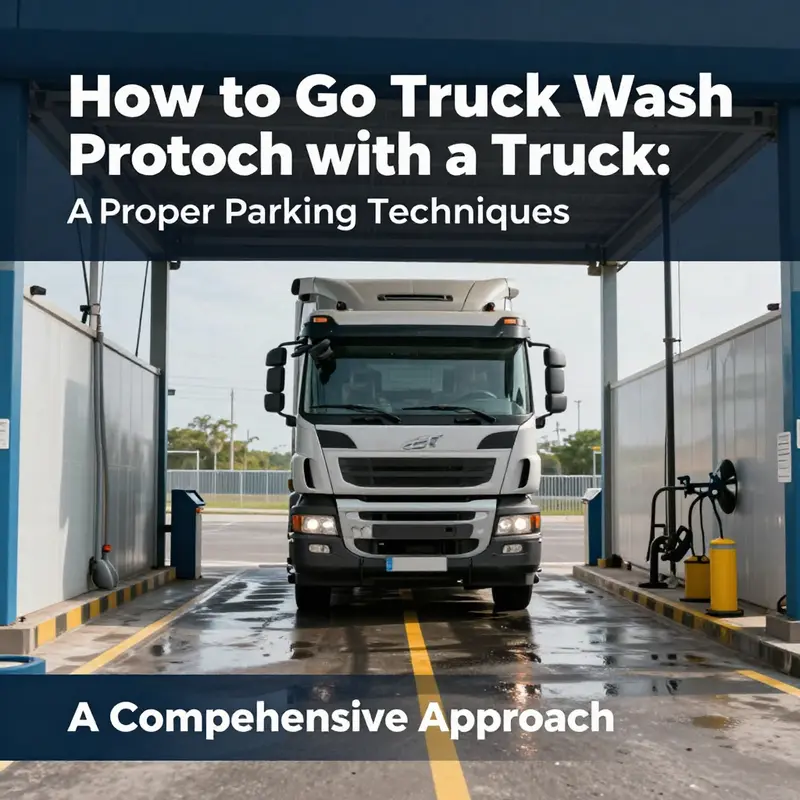
The way a truck enters and travels through a car wash tunnel sets the tone for a clean result and safety.
A large vehicle carries more mass, higher profiles, and may have add-ons that increase risk of contact with machinery. This chapter focuses on preparation before you roll toward the entrance, adopting a mindset of respect for the wash system and the vehicle. A truck requires more space, more awareness, and more patience than a typical car, and that awareness should drive your decisions from approach speed to post-wash checks. The core idea is simple: plan, position, proceed, protect, and verify. When you follow that sequence, the chances of a safe, damage-free clean rise, even in automated environments.
The approach is where trucks face their first test. Drive slowly as you enter the tunnel—typically 3 to 5 mph—enabling precise control while the wash detects your vehicle. Signs at the entrance indicate wash type (automatic, touchless, or hand wash) and any special instructions for larger vehicles. Some facilities use “Truck-Friendly” arrows or height indicators; others show clearance near the canopy. Modern car washes rely on lasers, infrared sensors, and physical guides to measure height and width. Enter at an awkward angle or off-center, and sensors may misread, leading to longer wash times, brush contact, or automatic shutoffs. The result is more time and risk; a calm, deliberate entry matters.
Parking is the next stewardship layer. Align the truck with the center line or guide marks. Centering protects mudguards, side steps, and lower panels from brushes. Keep the front end straight; adjust wheels only while stopped outside the wash. If you must loosen wheels, do it outside the tunnel. Leave ample space between vehicles in multi-lane facilities to reduce inadvertent brush contact.
Inside the tunnel, use mirrors and a rear camera to monitor clearance between the truck and the walls. Tall trucks may have roof racks or antennas that can catch on drying fans or ducts. Before entering, ensure windows and doors are closed, mirrors are secured, and loose items on the roof are stowed. Some systems adjust brush length or spray height based on the vehicle profile; misalignment can trigger rushed corrections that cause scratches. Be patient and let the system work without forcing the truck to fit.
Choose the right wash type for your truck. Gentle or soft-touch cycles are often preferable to brush-dense options. If the vehicle has sensitive bodywork or aftermarket parts, avoid aggressive brushes. Front-end pre-soaks help loosen mud; a no-brush wash, when available, can protect extended side skirts or exposed undercarriages. If the mud layer is thick, a pre-wash reduces the mechanical load later and helps prevent sensor impact.
Toward the end, avoid directing high-pressure jets at wheel wells, air intakes, or engine components. These zones can trap moisture and cause electrical issues. The lower panels, mudguards, tires, and side steps deserve careful, moderate rinsing, avoiding the undercarriage if unsure. If the truck has sensitive equipment, keep the nozzle away from cameras, lights, or low-profile aerodynamics and watch the spray with mirrors.
Post-wash, drying helps prevent water spots and mineral deposits, especially with hard water. A blow-dry sequence in automatic setups is common; finish with a manual wipe of mirrors, door handles, and chrome accents. Inspect lower panels and wheel wells for missed spots and address with a microfiber towel if needed. Fleet operators may log a digital checklist for each vehicle to ensure consistency.
For fleets or heavy soils, professional truck wash services offer longer lanes, higher ceilings, specialized nozzles, improved safety, and eco-friendly practices. A professional process can be tailored to minimize paint wear while delivering thorough cleaning. The best practice is to treat preventive care as a core element of fleet management, linking wash procedures to maintenance scheduling and driver training. External resources on facility management for truck wash businesses can provide further guidance.
When the wash is complete and the doors open, exit with the same calm pace you used to enter. Do a quick post-wash run-through to secure surfaces and hose lines. If you notice missed spots or drip marks, consider a brief touch-up in the lot or a longer service later. The goal is a finish that resists dirt and water spots and an inspection routine that catches issues before they grow. The wash is not just an event; it’s a repeatable procedure that aligns with maintenance and uptime goals.
The broader point is that washing a truck in an automated environment combines planning, precision, and accountability. A disciplined approach to preparation, alignment, and post-wash verification yields better durability and appearance and reduces downtime. The end result should be a clean, protected truck and a maintenance mindset that supports the equipment that keeps it moving. External reference: https://www.carwash.org/resources/best-practices-for-vehicle-washing/
How to Go Through a Car Wash with a Truck: Post-Wash Evaluation and Services

After a truck exits the wash, a focused post-wash evaluation helps protect value and reliability. This brief guide outlines a practical routine drivers and fleets can follow to verify cleanliness without compromising components. Start with a quick walk around the exterior to spot scuffs, paint micro-abrasion, or logo damage. Check glass for water spots, then wipe with a dry microfiber to restore visibility. Inspect headlights and taillights for clouding or residue and ensure all lenses are clear. Move to the undercarriage to look for remaining mud or water pockets that could promote rust; a light brush and targeted drying can prevent buildup. Open the engine bay only if panels are accessible; ensure no obvious moisture near electrical harnesses and reseal as needed. Finally, confirm interior dryness, remove damp mats, and consider optional interior cleaning services if offered. The goal is a concise, repeatable routine that preserves safety, appearance, and readiness for the next leg of a journey. If available, take advantage of on-site services such as tire pressure checks, battery quick tests, and maintenance reminders to reduce downtime and support fleet reliability.
Final thoughts
Successfully navigating the car wash process with large trucks requires careful planning, thorough inspection, precise parking, and attentive post-wash evaluation. Following the outlined steps ensures that fleet operators maintain their vehicles in top condition while preventing damage to hardware and finish. With these best practices, fleet managers and trucking professionals can confidently streamline washing operations, safeguarding their investment and promoting operational efficiency.