
The operational efficiency of logistics and construction companies heavily relies on the condition of their vehicles. Truck bed covers not only enhance aesthetics but also protect cargo. As managers ponder the effectiveness of maintaining these covers, the question arises: can truck bed covers go through car washes? This guide provides crucial insights into the compatibility and care of truck bed covers in various washing environments, ensuring that fleet managers are informed and equipped to make decisions that preserve their investments. Chapters will traverse essential guidelines, the impact of different car wash types, material considerations, best practices, and expert recommendations.
Between Suds and Seals: A Practical Guide to Whether Truck Bed Covers Can Go Through the Car Wash
The idea of cruising through a car wash with a truck bed cover attached sounds almost too simple to complicate. Yet this small decision sits at the intersection of convenience, maintenance, and risk management. For many truck owners, the car wash is a routine part of upkeep, not a test of what their equipment can endure. But the bed cover is more than a shield for cargo; it is a moving interface between the elements, the truck’s structure, and the cleaning process. The question, simply put, is not universal yes or no. It is a conditional yes or no, dictated by the cover’s design, how it’s mounted, the wash environment, and the care taken before and after the wash. When you step back from the impulse to save a few minutes, you see a spectrum of possibilities shaped by material, mechanism, and instruction from the manufacturer. In that spectrum, the common thread is caution paired with informed action, not bravado or blanket rules.
The first variable is the cover type. Fabric-based, soft toppers have different vulnerabilities than rigid or hard-shell systems. Fabric rolls or folds are designed to shed moisture and resist light splashes, but sustained exposure to high-pressure jets or aggressive brushes can push against seams, loosen fasteners, or drive water into the mounting points. The risk isn’t automatically catastrophic, but it is cumulative. Over time, repeated contact with stiff bristles or concentrated spray near the edge can cause wear or fraying at the seams, especially if debris has worked its way into the seals. In contrast, retractable or rigid bed covers—those with sealed canisters, rails, and moving components—present a different calculus. The seals and housings that keep water out of the mechanisms can be stressed by forceful water streams. If the canister or the track seals aren’t aligned or fully engaged, water can seep into spaces not designed for it, leading to mildew, corrosion, or degraded performance. The crucial takeaway is that each design has a defined threshold for water exposure and mechanical contact, and those thresholds are set by the manufacturers who built the system.
The second variable is the car wash environment itself. Automatic washes vary widely—from touchless bays that use only high-pressure water and detergents to brush-based bays whose rotating rollers and scrubbing action can act like sandpaper on exposed edges. The danger zone is the point where cleaning power meets the fasteners, weather seals, and mounting hardware. In a high-pressure, brush-laden wash, even a well-secured cover can suffer micro-movements. Those tiny shifts can gradually loosen clamps or rails, create gaps where water can pool, and invite wind-driven movement that further strains the attachment. On the other hand, touchless washes minimize physical contact with the cover and are generally gentler on the exterior surfaces. Yet even water and detergents under pressure can push against delicate seals or force small particles toward vulnerable seams. The takeaway is clear: if the goal is to minimize risk, the wash method matters as much as the cover type.
Manufacturers consistently advise readers to consult model-specific instructions. The diversity of designs means that a one-size-fits-all guideline is imprudent. Some retractable systems are engineered to endure certain car-wash processes; others are not designed for automatic exposure at all. A quick checklist before entering any wash should include a thorough inspection of the cover’s securement, a search for loose debris, and a confirmation that all seals and latching mechanisms are engaged as recommended by the maker. This is not a ritual meant to slow you down, but a practical habit that preserves the bed cover’s function and the truck’s payload protection. In the absence of model-specific guidance, many professionals favor a conservative approach: manual cleaning or a touchless wash when possible, paired with a careful, post-wash inspection for any signs of shifting, moisture intrusion, or edge wear.
For those who operate fleets or multiple vehicles, the decision process extends beyond personal risk to operational reliability and cost. Facilities that service a fleet must consider the impact of wash cycles on different cover types, as well as the cumulative effect of repeated exposure. In such contexts, clear standard operating procedures help maintain consistency and protect assets. The operational side of care—how wash bays are configured, how staff are trained to guide vehicles, and how maintenance checks are scheduled—ties into broader facility management principles. For those managing wash facilities or fleets, there is value in reviewing guidelines around equipment handling, preventive maintenance schedules, and warranty implications. See the broader discussion on facility-management for truck wash businesses for a deeper dive into these processes.
When considering whether to run a truck through an automatic bay, the safest path often begins with a cautious preference for non-contact cleaning. A gentle hand wash remains the gold standard for preserving the long-term integrity of most bed covers. Use mild soap, warm water, and a soft cloth or sponge to avoid abrading any surface. This approach allows you to clean around the seals and hinges without subjecting them to high-velocity stress. It also gives you the opportunity to inspect for signs of wear, such as uneven gaps along the seal line, rust on mounting hardware, or tears at the edges. After washing, dry the cover thoroughly to minimize moisture intrusion into the seams and tracks. A dry edge and a dry seal are less susceptible to water pooling and mold growth, preserving both the cover’s aesthetics and its structural integrity. The act of manual cleaning, far from being a nostalgic ritual, is a precise, low-risk maintenance practice when done with care and attention to detail.
Still, there are circumstances in which an automatic wash cannot be avoided or preferred. In such cases, one should prioritize a wash that minimizes contact and agitation around the bed cover. If a decision must be made to use a brush-based bay, verify that the cover is fully secured, and remove any loose items that could become projectiles or cause friction. Pet hair, sand, or grit collected near the trailing edge can become abrasives in motion, scratching surfaces or wearing seals. Before entering the wash, perform a quick, thorough debris check along the cover’s perimeter and rails. After the cycle, recheck the edges and seals for any movement or gaps. If any issue is detected, pause the use of the wash and address it—either with a maintenance check or by opting for manual cleaning in the future. These steps may seem procedural, but they are the practical protections that separate a routine wash from a costly misstep.
A central reminder emerges from the literature and practical experience: the decision to run the bed cover through a car wash is not just about water exposure. It is about the cover’s assembly, the maintenance routine surrounding it, and the wash environment. For fabric-based covers, the risk is typically lower with gentler care, provided the edges remain intact and the mounting hardware stays tight. For retractable or rigid systems, the stakes are higher, and the manufacturer’s guidance becomes more critical. The materials and mechanisms fulfill their protective role only when they are aligned with proper cleaning practices and regular checks. If you are unsure about your model’s compatibility with car-wash processes, the safest course is to skip automatic washes and rely on manual cleaning, which offers the most control and the least risk to the cover’s life.
In reflecting on these considerations, one principle stands out: preparation matters. The more you know about your specific cover’s design, the more you can tailor a cleaning routine that protects both the bed cover and the truck’s cargo area. This is not about denying convenience; it is about balancing efficiency with care. The manufacturer’s instructions are not constraints to frustrate the user; they are roadmaps built on real-world testing and long-term durability. When in doubt, treat the cover as a component with moving parts and sensitive seams that demand mindful handling. The car wash is a tool, and like any tool, its value is maximized when used appropriately and with respect for the design it is meant to protect.
To those who want to explore a broader perspective on how equipment and procedures shape vehicle care in a wash environment, consider the operational insights around wash facility management and fleet practices. For those seeking further guidance on fabricating a maintenance mindset, note how industry practices emphasize preventive care, inspection routines, and the alignment of cleaning protocols with component design. And for readers who wish to expand their knowledge beyond car-wash considerations to the specific care of bed covers, a trusted external reference offers detailed maintenance recommendations that complement this chapter’s guidance.
Rinse, Risk, and Reason: Navigating Car Wash Styles and the Lifespan of Truck Bed Covers

Washing a pickup is more than a routine rinse; it is a moment when the bed cover tests its fit, its seals, and its future. The question of whether a truck bed cover can go through a car wash invites a careful balance between convenience and conservation. For many drivers, the instinct is simple: if the car wash can clean the rest of the vehicle, why not the bed area as well? Yet the bed cover operates under different stresses than the cab, and those stresses hinge on two key variables: the type of cover and the washing method. Soft, fabric-based covers, often called tonneaus, bring a welcome flexibility to daily life. They shrug off rain and splashes more readily than most rigid shells and can tolerate a fair amount of water exposure. But tolerance is not invincibility. A high-pressure spray or a stray piece of debris can loosen, tear, or shift a cover that is not tightly fastened or properly seated. It is not a matter of if damage will occur, but when and how much effort it will take to repair or replace the cover later on. The real question, therefore, becomes not simply whether a wash can be performed, but how it is performed, and whether the risks are worth the convenience.
If the bed cover is rigid—fiberglass, aluminum, or other solid constructions—the stakes rise. Rigid covers offer more protection against rain and dust, but they also provide a stiff barrier that can catch brushes, jets, and pressure aimed at the truck body. In an automated wash with mechanical brushes, the contact is likely to be abrasive. The brushes can create micro-scratches that accumulate over time, dulling the finish of the bed cover and possibly compromising its seal. Scratches may become weak points for moisture intrusion, especially if the cover is not perfectly flush with the bed. High-pressure water jets, a staple of modern automatic washes, can force water under an ill-fitting edge or backflow around a seal. When that water lingers, it can contribute to mold growth or odors inside the bed cavity. A cover that moves even slightly during the wash can be misaligned post-wash, requiring realignment or resecuring that interrupts the convenience that prompted the wash in the first place.
The type of car wash environment matters just as much as the type of cover. Automatic washes with soft brushes may be less aggressive than those with stiff, rotating fibers, but even the gentlest system cannot guarantee no contact at all. The risk profile of any wash is also tied to maintenance. A neglected wash bay that leaves grit on the brushes or misdirected spray angles can create unexpected abrasions. In contrast, touchless car washes eliminate direct contact between the cover and mechanical components. They rely on high-pressure water and chemical detergents to lift grime. This method reduces the chance of brush-induced trauma and is generally safer for bed covers. Still, it is not without caveats. The high-pressure streams can push water beneath the edges if the cover is not properly secured, and detergents can degrade certain seal materials over time if misused. The result is a paradox: touchless washes appear safer, yet the cover still faces moisture exposure and potential seepage around seals if fitment is imperfect.
The underappreciated factor in all of this is fit and fastening. The bed cover must be securely anchored to resist movement during the wash. Loose snaps, brittle Velcro, or worn gaskets create openings that not only threaten the cover itself but also create a conduit for water to seep into the bed. Debris is another silent antagonist. A forgotten leaf, a stubborn grit speck, or a piece of dried mud can trap moisture against the underside of the cover or lodge in seals, inviting rust or mold. The most protective practice is hands-on preparation: inspect the cover for tears, confirm the fasteners are fully engaged, and clear the bed of any debris before approaching a wash bay. This simple routine transforms a potentially risky moment into a predictable maintenance task that protects both the cover and the bed’s integrity.
From a maintenance perspective, prevention beats cure. The literature on cleaning methods for truck bed covers consistently points to the value of controlled, low-stress cleaning over aggressive, automated methods. Hand washing with mild soap and water gives the vehicle owner greater control over pressure and contact. It allows for careful inspection of seams, seals, and the attachment points, and it provides a chance to rinse away dirt that could compromise the seal during the wash. For many owners, hand washing becomes not just a cleaning ritual but a brief inspection window—an opportunity to assess wear and to plan proactive maintenance rather than reactive repairs after damage occurs. When owners do opt for a wash, the preference often shifts toward touchless systems, which minimize the likelihood of physical contact that could dislodge or abrade the cover. Even there, though, a final manual check remains prudent: wipe away loose moisture, re-seal if any dampness is detected, and confirm nothing has shifted during the process.
An informed decision, however, cannot be made in a vacuum. It rests on a careful appraisal of the specific cover model, the bed’s configuration, and the wash bay’s particularities. Manufacturer guidance is a crucial compass in this landscape. Different models—whether soft tonneaus or rigid shells—often carry distinct recommendations about washing environments, securing mechanisms, and maximum safe exposure to water and pressure. When in doubt, consult the instructions supplied with the cover and follow the guidance of the vehicle’s owner manual. This is not merely a procedural step; it is a safeguard against warranty concerns and an investment in the cover’s longevity. The practical takeaway is straightforward: treat the wash as a potential risk, plan accordingly, and err on the side of caution when the cover’s security or the bed’s sealing is in question.
The practical consequences of getting this right extend beyond cosmetics. Water intrusion and mold seepage can erode the bed’s integrity, while ongoing abrasions can reduce the life of the cover’s fabric or seal. The questions surrounding frequency and method of cleaning should factor in climate, road conditions, and the driver’s usage patterns. A cover in a dusty desert environment, for example, will accumulate grit that can scratch seals if not thoroughly rinsed away, whereas a coastal climate introduces salt exposure that can corrode metal fasteners and degrade gaskets. Each scenario demands a tailored approach, from choice of wash type to prewash checks, to postwash inspections. The landscape is not uniform; it shifts with weather, terrain, and driving habits.
To make sense of this landscape, connect the practical to the procedural. The safest, most reliable path for most owners is to avoid automatic car washes altogether when a bed cover is installed. This does not imply a prohibition on cleaning the truck; rather, it reframes the cleaning into a staged routine: regular hand cleaning of the bed and cover, periodic professional inspections, and the occasional, carefully chosen wash when the cover is confirmed to be secure and properly sealed. For those who must use a wash facility, the touchless option, combined with a thorough prewash inspection, is a prudent compromise. The core message remains consistent: the cover’s integrity is more fragile than it may appear, and small, seemingly inconsequential events in a wash can accumulate into larger issues over time.
The broader takeaway for readers is that bed cover care is a microcosm of fleet maintenance at large. It demands a blend of careful attention, smart risk assessment, and disciplined practices in the wash bay. For those who manage fleets or operate multiple vehicles, the lesson translates into clear, repeatable procedures. Creation of a simple checklists-based protocol for bed-cover security before washing, staff training on recognizing worn fasteners and seals, and a shift toward facility practices that minimize abrasive exposure can yield tangible dividends in the long run. If a company manages wash bays or facility operations, the emphasis on bay cleanliness and equipment maintenance becomes even more critical. A well-managed wash facility reduces the risk not just to bed covers, but to the vehicles they protect and the people who rely on them.
As a final note, readers may find additional practical guidance in the broader literature on bed cover cleaning and care, which emphasizes controlled cleaning, regular inspections, and adherence to manufacturer recommendations. For a detailed, model-specific approach to cleaning and maintenance, refer to established guides that address the nuances of truck bed cover care. External resources provide complementary perspectives that help drivers tailor their routines to their equipment and environment. External resource: https://www.caranddriver.com/features/a54961873/how-to-clean-a-truck-bed-cover/. For those seeking deeper insights into the operational side of cleaning industries and how to integrate best practices in wash bays, a related internal resource can offer useful perspectives on facility management and workforce engagement: facility-management-for-truck-wash-businesses. This holistic view reinforces the idea that safeguarding a bed cover is part of a larger commitment to responsible vehicle care and efficient, well-maintained fleet operations.
Material Realities: How Bed Cover Materials Shape Car-Wash Compatibility
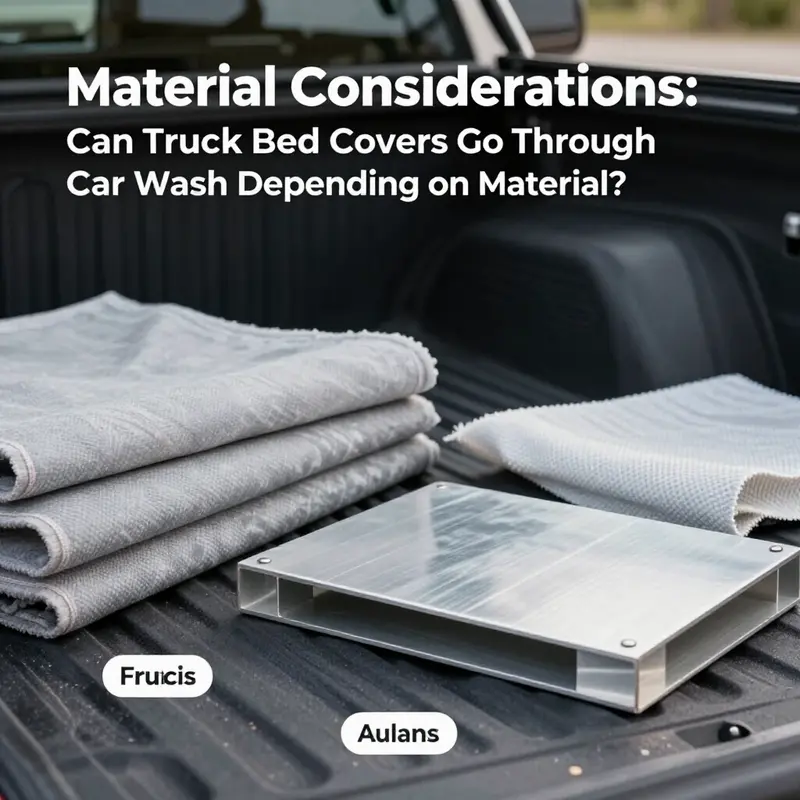
The question of whether a truck bed cover can ride through a car wash is not answered by a single rule, but by a careful look at what the cover is made of and how the wash itself operates. Material choices matter because they determine how a cover responds to water pressure, brushes, heat, and the rigors of a conveyer system. The most important thread running through this discussion is simple: if you know your cover’s material and follow the manufacturer’s guidance, you can make a smarter, safer choice about how to clean and refresh your rig. The logic begins with hard versus soft, and then moves to hybrids such as retractable or folding designs that blend elements from both camps. Each category carries its own set of implications for a wash bay, and understanding these implications helps align everyday maintenance with long-term performance.
Hard covers—fiberglass, aluminum, or reinforced plastics—present a different calculus from soft, fabric-based systems. They are typically designed to resist water intrusion and to stand up to regular weather exposure, but they are not invincible. The rigid integrity of these covers means that the panels, locking hardware, hinges, and seals are the components most vulnerable to the aggressive elements inside many automated washes. High-pressure jets aimed at joints or seams can, over repeated passes, force water into areas that are not perfectly sealed or that allow tiny gaps to widen. The potential consequence is not merely a cosmetic splash but a slow seepage that can lead to corrosion, mold in concealed pockets, or swelling in gaskets that no longer seal as intended. Most manufacturers acknowledge that a brushless, or touchless, automated wash environment is preferable for hard covers, precisely because it minimizes direct contact with the intended wind-up points of the system. Yet even in a touchless setting, care is required: aim away from the most delicate seams, avoid directing jets at the locking mechanism, and ensure all hardware is secured so it does not become a loose projectile in the wash cycle.
Soft covers, which include vinyl, canvas, and heavier fabrics, tell a different story. Fabric-based systems can be weather-resistant, but their strength is tested most acutely by the mechanical realities of a brush wash. The bristles and the spray can abrade fabric surfaces, weaken stitching, and degrade water-repellent coatings over time. The same fabric that keeps rain out can eventually suffer from repeated soak-and-dry cycles that invite mildew in vulnerable folds or seams. Even coatings designed to shed water can degrade with repeated exposure to high-pressure water and detergents. For soft covers, the safest recommendation is largely hands-on: manual cleaning with mild soap and a soft brush or sponge, followed by thorough air drying. This method reduces the risk of fiber fraying, stitching failure, or coating abrasion that could compromise the cover’s waterproof integrity. It also minimizes the chance of water pooling beneath panels where it can foster mold growth or prematurely degrade the cover’s structural integrity. In practice, those who opt for soft covers often rely on a meticulous routine that emphasizes gentle handling, regular inspection of seams, and avoidance of aggressive wash cycles unless the manufacturer explicitly endorses them.
Retractable and folding covers sit at an intersection between hard and soft designs. The rigid panels themselves may tolerate a wash environment, particularly a touchless system, but the moving parts—rollers, tracks, seals, and the fabric or fabric-like joints that connect panels—present a broader range of risk. These moving parts can become misaligned or worn if subjected to abrupt changes in water pressure, grime-laden jets, or forced entry of water into the tracks. The result can be sluggish operation, rubbing wear, or even a failure to retract properly in future cycles. Because these systems blend different material boundaries, it is especially important to consult the manufacturer’s guidelines before venturing into any wash environment. Some manufacturers explicitly prohibit car-wash exposure for retractable designs, while others permit carefully controlled usage in specific wash configurations. The prudent rule remains clear: treat the retractable components with extra care and rely on manufacturer-approved instructions to navigate potential damage to rollers, tracks, or seals.
In the end, the safest approach is to start from a basic principle: consult the care and installation manual for your exact model. The details—seal materials, gasket configurations, hinge design, and the cover’s mounting hardware—will tell you what kind of wash is compatible, and under what conditions. Even when a cover is labeled as “wash-ready,” the type of wash environment matters. A touchless automated system minimizes the physical contact that can threaten fragile joints and fabric edges, while a traditional brush system multiplies the risk to seams and coatings. The overall guidance in the field tends to favor manual cleaning for ongoing maintenance, especially for soft or fabric-based covers, with a suggested transition to a touchless wash when a wash is necessary at all. The goal is not to get every inch of the bed washed in a single pass but to preserve the cover’s functional lifespan, its weatherproofing, and its secure mounting.
A practical mindset emerges from this material-centered view. If you decide to take your truck bed through a car wash, preparation is key. Start with a careful debris check: remove leaves, twigs, or grit that could be pressed into seals or tracks during the wash. Ensure all locking mechanisms and latches are fully engaged so nothing shifts under pressure. Inspect rails, seams, and hinge points for signs of wear or damage before you roll toward the wash. If any part looks compromised, skip the wash cycle and opt for a hand-cleaning session instead. This isn’t merely about aesthetics; it is about preserving a watertight seal and preventing secondary damage that could arise from water intrusion or mechanical stress.
For those who manage multiple vehicles or operate a fleet, the decision-making process becomes more nuanced. A broader perspective on wash compatibility can help inform maintenance scheduling, risk assessment, and even the layout of wash bays to accommodate different cover types. In a broader sense, understanding how cover materials interact with wash machinery aligns with the overarching needs of facility efficiency and vehicle care. You can explore this broader context by looking into resources on facility management for truck wash businesses to see how decisions about equipment, process flows, and maintenance protocols intersect with vehicle accessories like bed covers. facility management for truck wash businesses.
As a final note, it is worth reiterating the most reliable pathway: follow the manufacturer’s instructions. The wording may vary, but the principle remains constant. Some models are built to withstand more aggressive wash environments, while others are optimized for minimal water contact in key areas. The instruction set will outline any limitations—such as how high water pressure can be directed toward joints, where to avoid spraying directly, and whether any parts need to be secured with additional fasteners before entering a wash. If the instructions appear ambiguous, err on the side of caution and rely on manual cleaning as your default routine. When a wash is necessary, choose a wash type that minimizes contact with sensitive components and, if possible, uses water alone or with light detergents in a touchless configuration. The overlap between practical maintenance and the science of materials is where sound decisions live, and the result is longer-lasting performance, fewer leaks, and a safer, more reliable setup for everyday use.
For readers seeking broader context about vehicle care and safety standards, see the related external resource on vehicle safety information. Keeping up with official guidance helps ensure that decision-making around bed covers, wash environments, and maintenance routines remains aligned with best practices across the industry.
Through the Wash With Confidence: Navigating the Car Wash Question for Truck Bed Covers
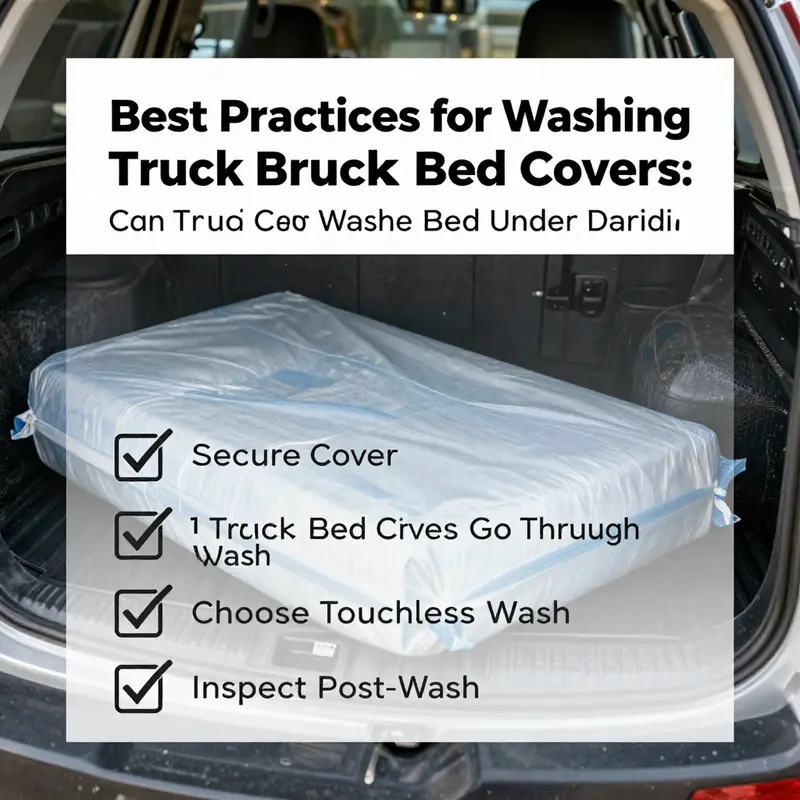
The startup impulse to simplify maintenance often steers truck owners toward a quick rinse at a drive-through or automatic car wash. The question at the core of this impulse is simple enough to state, yet layered in practice: can a truck bed cover go through a car wash without damage? The answer hinges on the type of cover, the car wash environment, and the care taken before and after washing. In the broad landscape of truck accessories, bed covers can be resilient, but resilience is not a blanket guarantee. The most common covers—soft, fabric-based tonneau styles—are built to endure the weather and occasional spray, yet they respond differently to the pressures and motions inside an automated wash. The real risk comes from two forces working in tandem: high-pressure jets and mechanical brushes that move along the sides and edges of the cover, often at angles designed to scrub paint and glass, not to cradle a flexible edge. When those forces meet a cover that is not securely fastened, or when the cover’s seals and fasteners are aged or compromised, the likelihood of damage increases. The consequences aren’t only cosmetic; a dislodged edge can invite water intrusion, seam separation, and long term leaks that lead to mold and degraded fit. For rigid, hard-shell covers made of fiberglass or aluminum, the stakes are higher. Those shells are sturdy against wind and rain, yet their surfaces are vulnerable to scratching and denting from car wash brushes and from any misaligned components that shift under pressure. The risk isn’t merely a scratch or a scuff; it is the slow fracture of seals that keep the bed dry and the cover from flapping in the wind at highway speed. In the practical world, many owners report that if a car wash is unavoidable, a touchless option offers the best compromise. Touchless washes use water and detergents without the physical contact of brushes, and they reduce the likelihood of abrasion on the cover’s surface. But even touchless systems aren’t completely risk free. The spray can still force water into seams if they are worn, and if the cover isn’t tightly secured, flapping or micro-movements can occur. The lesson, then, is not to reject car washes outright but to tailor the washing method to the cover type and to the wash configuration.
The heart of good practice is education about materials and fit. Most bed covers are built from materials such as polyethylene or vinyl. These are chosen for durability and flexibility, but their resilience has limits. A soft tonneau that remains tightly sealed and correctly latched can handle light exposure and moderate cleaning, yet the same cover can become loosened by a strong gust or by repeated contact with a closing mechanism during a wash. For these soft covers, the goal is to avoid aggressive cleaning methods that rely on brute force. The mechanical reality of car washes is that the brushes and high-pressure jets are designed to remove grime from metal and paint, not to pamper a fabric edge. In contrast, hard-shell covers, while rigid, carry the risk of surface damage and water intrusion if the seals fail or if the wash’s pressure is not well moderated. A crack across a fiberglass surface is not just a surface blemish; it can become a channel for water, snow, and dirt to accumulate under the shell, where it is hard to eradicate without professional intervention.
The everyday maintenance narrative grows even more nuanced when we consider the wash environment alongside a cover’s mounting system. The cover’s fit to the truck bed—how tightly it is secured, whether clamps remain evenly tensioned, and whether any weatherstripping has degraded—plays a decisive role in how well it survives a wash. A cover that is properly fastened, free of debris in its tracks, and with intact seals stands a better chance of weathering a wash with minimal disruption. Conversely, a cover with loose fasteners, torn edge seams, or trapped gravel can become a liability during a wash, as the car wash’s motion can exploit those weaknesses and magnify them. These realities align with a simple principle: the safer path is to minimize exposure to automatic cleaning methods that rely on movement and pressure, especially if a cover has aged hardware or if the bed is not perfectly clean of obstructions that could jam the mechanism.
In practical terms, the recommended course for most truck owners is to favor hand washing when the goal is to preserve long-term cover integrity. Hand washing is not a luxury; it is a strategy. It allows you to control every touchpoint, to choose mild soaps, and to use soft cloths or sponges that won’t abrade the material. A mild soap and water solution provides sufficient cleansing power for most dirt and grime without risking chemical damage to the cover’s surface or to any protective coatings. Soft cleaning tools are essential; these tools conform to seams and edges, reducing the chance of snagging and wear. Abrasive cleaners are a definite no, as are high-pressure rinses that can push water under poorly sealed edges. After washing, a thorough rinse removes soap residue that could degrade plastics or rubbers over time, and drying the cover completely before reinstallation, or before storing it for a while, prevents the growth of mold and mildew and minimizes the chance that the cover will slip when reattached.
If car washes must be used, two practical rules apply. First, select a touchless wash whenever possible. The absence of brushes reduces the direct mechanical contact that can loosen fasteners or scratch the surface. Second, if a traditional brush wash is your only option, take steps to minimize risk: ensure the cover is tightly secured, clear any debris from seal channels, and choose low-pressure settings with a emphasis on cold or cool water rather than hot streams. Avoid harsh detergents that could degrade the cover’s materials over time, and pay attention to any manufacturer guidance for your specific model. This is not a universal vindication of car washes; it is a cautious approach that weighs the convenience of automatic cleaning against the potential cost of damage. The most robust safeguard remains the manufacturer’s instructions, which reflect the tested tolerances of your particular cover. When in doubt, consult those guidelines and follow them closely. A cover’s age, condition, and the integrity of its seals will influence how it responds to car wash exposure, and those factors vary from model to model.
Beyond the mechanical considerations, there is a practical ethos to washing truck bed covers that aligns with longer-term maintenance goals. Keeping the bed area dry and free of debris isn’t only about appearance; it reduces the likelihood of moisture intrusion that can lead to mold, mildew, and corrosion around fasteners and the bed walls. This is especially important for covers with fabric components that can wick moisture or with seals that can degrade over time. Regular inspection of the cover—checking for rips, seam separation, or pressed-in grit along the edge channels—helps you catch problems before they become costly repair jobs. A simple, routine self-check can save more time and money than a rushed wash ever could. When you do wash, use this as an opportunity to inspect, clean, and preserve the fit, the seals, and the edges, reinforcing the bed’s protective barrier rather than testing it in a high-pressure scenario.
For readers who want to lean into the hands-on maintenance culture, there is a broader set of practices worth integrating into routine truck care. The broader field of vehicle maintenance teaches that methodical, deliberate cleaning habits often outperform hurried, blanket rules. For example, a careful approach to removing dirt from seams and edges—where grime tends to accumulate—prevents buildup that can later compromise seals. It also reduces the likelihood that grit will become embedded in a way that makes edge wear inevitable. In that spirit, a thoughtful maintenance ritual includes periodic checks of the mounting hardware and weather seals, testing for looseness or gaps, and performing timely replacements of worn components. This habit extends beyond aesthetics; it preserves the structural integrity of the bed area and ensures the cover maintains a secure fit.
As you balance the urge for a convenient wash against the imperative of preserving the cover, you may find it useful to reference broader resources on truck care that address related challenges, such as cleaning stubborn grime while protecting delicate surfaces. For hands-on guidance grounded in practical experience, consider exploring proven cleaning strategies for grease and tar off your trucks fast. This resource can serve as a reminder that the science of cleaning hinges on choosing the right tools, the right pressure, and the right materials for the task at hand. The point is not to shy away from maintenance, but to approach it with precision and restraint, especially when the bed cover sits between your cargo and the wash’s cleansing forces.
Ultimately, the decision to run a bed cover through a car wash is not a one-size-fits-all verdict. It is a judgment call based on cover type, age, mounting integrity, and the specific car wash configuration. The safest and most reliable path remains hand washing, with a careful, step-by-step routine that respects material characteristics and seal integrity. If the car wash is unavoidable, a measured preference for touchless options, together with a low-pressure, gentle approach and a quick pre-wash inspection, offers the best chance of preserving the cover’s fit and longevity. The value of this approach isn’t merely cosmetic; it protects the bed area, reduces risk of leaks, and keeps the truck ready for work without the distractions of a damaged cover.
For readers seeking further practical guidance on maintenance and cleaning strategies that extend beyond the car wash question, a real-world resource lies in the community’s accumulated experience. Consider the ongoing conversation surrounding how to maintain a truck bed area where grime and moisture are constants, and how professional cleaning practices can inform at-home routines. In this way, the topic of whether a bed cover can pass through a car wash becomes a microcosm of better vehicle care: know the material, understand the limits, and adopt a washing strategy that protects both the cover and the bed.
External resource: https://www.caranddriver.com/trucks/a42390856/how-to-clean-truck-bed-liner-and-cover/
Through the Wash: Safely Navigating Car Washes With Your Truck Bed Cover

A routine car wash can be a welcome renewal for both cab and bed, but when a truck bed cover is in play it becomes a careful negotiation between cleanliness and protection. For many drivers, a cover is not just a decorative accessory but a practical shield that keeps cargo secure, reduces wind resistance, and preserves the bed’s finish. Yet as soon as soap meets metal and brushes spin with deliberate torque, the question arises: can this setup endure the wash, or is it better to pause and wash by hand? The answer isn’t one-size-fits-all. It starts with the cover’s material and design, then considers the type of wash, and finally hinges on the fit and the state of seals and fasteners. In a way, the decision to run a bed cover through a car wash is less about a blanket rule and more about reading the telltale signs your particular setup offers the right degree of resilience.
Soft, fabric-based covers, such as tonneau designs that fold or retract, sit at the interface of practicality and vulnerability. They are typically built to withstand rain, spray, and light washing, but their vulnerability lies at the edges and seams where airflow and moisture can pry open gaps. High-pressure jets can push water under loose edges, bending the fabric or stressing the seals that keep moisture out. Over time, that pressure can alter the cover’s shape, loosen seals, or cause fabric wear that shows up as streaks or sags. The risk isn’t just cosmetic; when water infiltrates under a cover, it can stagnate and foster mildew or mold, especially in humid climates or during damp seasons. For soft covers, the dynamic between wash intensity and seal integrity is delicate. It’s here that a cautious approach pays off: a gentler touch, longer cycles with moderate pressure, and careful inspection afterward.
Hard-shell or rigid bed covers, whether fiberglass, aluminum, or composite, present a different calculus. These lids ride closer to the realm of rigid cabin accessories than flexible textiles. They often feature integrated seals and tight latching mechanisms designed to keep rain out and cargo secure. Yet the same rigid construction that helps with aerodynamics and theft deterrence can become a liability in a high-velocity wash cycle. Mechanical brushes can scratch, dent, or nick surfaces, and aggressive jets can push water into crevices that a hurried wash might not fully seal afterward. The risk isn’t merely surface-level. Water that seeps into seals or joints can corrode fasteners, degrade gaskets, and, in extreme cases, compromise the structural integrity of the lid itself. Even when a hard cover seems to withstand the spray, repeated exposure to abrasive bristles and high-pressure streams can accelerate wear and alter the finish, diminishing both appearance and long-term performance.
Given the spectrum of risk, most experts converge on a few practical guidelines. First, always consult the manufacturer’s guidelines for your specific cover model. Some covers are explicitly rated as compatible with car washes, while others carry cautions or outright recommendations against automatic cycles. The manual is the starting point, not a footnote. Second, avoid high-pressure washes whenever possible. The unpredictable mix of jets, angles, and bristles in automated bays creates a scenario where water can gain leverage under seams or along edge channels. Third, when in doubt, favor hand washing. A careful manual cleanse allows you to regulate pressure and reach tricky recesses without inviting the mechanical perils of an automated system. In any case, a thorough post-wash inspection becomes a habit. Look for signs of loosened fasteners, frayed seals, or moisture pockets that could indicate water has found a path under or around the cover. The sooner you catch wear or misalignment, the less likely you are to see a larger issue down the line.
This is more than a matter of posture; it’s about moisture management and the long-term health of the bed cover. Drying is not simply a matter of comfort; residual moisture can promote mildew and degrade materials, particularly fabric and sealants. After any wash—manual or automated—take the time to dry the cover thoroughly. This means paying attention to folds, creases, and the perimeter where moisture can accumulate. If you notice condensation or damp spots that persist, you may need to air out the bed area or use a gentle towel dry on fabric surfaces. For rigid lids, a careful wipe along the seals helps ensure a watertight fit when you reinstall or secure the cover for storage. In short, the post-wash routine matters almost as much as the wash itself, because it closes the loop on moisture management and helps preserve the cover’s structural and aesthetic integrity over time.
The reality is nuanced: not all bed covers are created equal, and the same wash scenario can yield different outcomes depending on the cover’s construction and the truck’s bed geometry. Vinyl and other flexible materials often fare better with controlled water exposure than with aggressive scrubbing, while glass or composite shells provide robust protection but can wear unpredictably at the edges where seals meet the bed rails. If you own a cover with a more complex sealing system or a frame that sits close to the bed surface, you should lean toward gentler wash cycles and be mindful of how the wash’s action could alter the seal’s compression. Conversely, if your cover is a simple, low-profile panel that clicks into place and leaves a clear, continuous seal, you may have more leeway to use a light car wash or a carefully supervised automatic wash that you know behaves well with your setup. The important thing is to know your specific equipment, not rely solely on general assumptions about “covers” as a single category.
From a fleet-management perspective, the care of bed covers becomes part of broader operational hygiene. For business owners and managers who oversee multiple vehicles, this means establishing a standard operating practice that aligns with the capability of your wash facilities and your cover types. It may involve staff training on how to secure a cover before entering a wash bay, how to inspect fasteners and seals afterward, and how to record wear indicators that emerge with time. In some cases, a facility may implement design features that minimize risk—curtained spray zones, better drainage to prevent pooling near seals, or more forgiving brush configurations. Even as a rule of thumb, the decision to run through the wash should weigh the cost of potential wear against the benefit of time saved by automated cycles. For fleet managers who need reliable guidelines, it’s worth consulting broader operational resources that address facility management in truck washes. Facility Management for Truck Wash Businesses provides a framework for balancing efficiency with equipment longevity and could be a helpful companion when you map out washing routines across a fleet.
Beyond the mechanics and the manuals lies a practical ethos: treat your bed cover as a well-worn component that deserves a measured approach. The decision to wash through an automated system should not hinge solely on convenience. It should reflect a conscious assessment of the cover’s material, the seal’s condition, and the wash’s pressure profile. For example, if you notice that the edges of a soft tonneau begin to lift slightly after a wash, or if the seal around a hard-shell lid shows signs of dryness or cracking, those are signals to adjust your routine. In some climates, seasonal changes can swing the balance toward more frequent water exposure or more aggressive cleaning needs. A quiet, steady hand with mild soap and water can deliver a thorough clean without inviting the risks that come with forceful sprays and abrasive brushes. And if you decide to proceed with a wash, choosing a touchless car wash whenever feasible reduces the chance of direct contact and mechanical handling that could disturb the cover’s fit or its seals. Touchless bays, which rely on high-pressure water and cleaners without contact with the vehicle’s surface, present a practical compromise—allowing for routine cleaning while mitigating some of the mechanical risks.
In the end, your approach to washing a truck bed cover is a personal and procedural decision that hinges on reliable information and an honest appraisal of your equipment. The general guidance remains: consult manuals, prefer gentler cleaning methods, and perform careful post-wash checks. Not every cover will tolerate the same regimen, and even within a single model, wear and aging can shift what’s acceptable. If you have any lingering doubts after reading the manufacturer’s notes, default to hand washing and a thorough inspection. This is not a sign of hesitancy; it’s a disciplined habit that protects both the cargo you carry and the cover that shields it. When the wash cycle is unavoidable, opt for the least aggressive setting with a careful eye on the sequence of steps—pre-soak, gentle scrubbing, and a final rinse—so you can observe how the cover responds to the process and intervene promptly if needed.
For those who manage fleets or simply want a more integrated approach to maintenance, the broader landscape of truck-wash operations offers additional context. A well-run facility prioritizes equipment longevity, safety, and efficiency. The best practices you apply to your own truck bed cover can echo across the shop floor, reinforcing routines that protect not only covers but the integrity of the entire wash environment. By aligning personal care with organizational standards, you create a consistent, predictable regimen that saves time, reduces unnecessary wear, and extends the life of both the cover and the vehicle. And when questions arise, you have a roadmap—manufacturer guidance first, then conservative testing in a controlled setting, followed by disciplined post-wash checks and drying practices. This methodical approach helps ensure that your truck remains ready for any job without compromising the bed cover’s protective purpose.
For readers seeking broader insights into car-wash dynamics and maintenance strategies that intersect with fleet operations, a respected external reference offers additional depth on care tips and best practices for protecting bed covers during regular washes. Popular Mechanics provides practical guidance on this topic, emphasizing careful handling, appropriate washing methods, and awareness of material-specific considerations. See the detailed discussion here: https://www.popularmechanics.com/cars/a40769/truck-bed-cover-care-tips/
Final thoughts
In conclusion, while many truck bed covers can endure the rigors of a car wash, the level of safety is significantly influenced by the type of cover and the washing method employed. Soft fabric covers generally fare better in automatic washes than their rigid counterparts, which require more careful handling to avoid damage. Adhering to best practices and remaining aware of material-specific needs will ensure that these essential accessories maintain their effectiveness and longevity. Fleet managers should always prioritize guidance from the manufacturer alongside their operational protocols for optimal results.