

Maintaining the interior of a GMC work truck is not merely about aesthetics; it’s essential for ensuring hygiene, extending material lifespan, and enhancing driver comfort. For Logistics & Freight Company Fleet Managers, Trucking Owners & Operators, as well as Construction & Mining Fleet Supervisors, understanding the proper techniques for interior cleaning is critical. This guide will delve into a systematic approach for washing the inside of a GMC work truck, offering insights into required tools, best practices for maintenance, and the overarching significance of cleanliness in commercial vehicles. Each chapter will empower you with actionable knowledge tailored specifically for your fleet management needs.
Inside the Cab: Practical, Durable Interior Cleaning for a GMC Work Truck
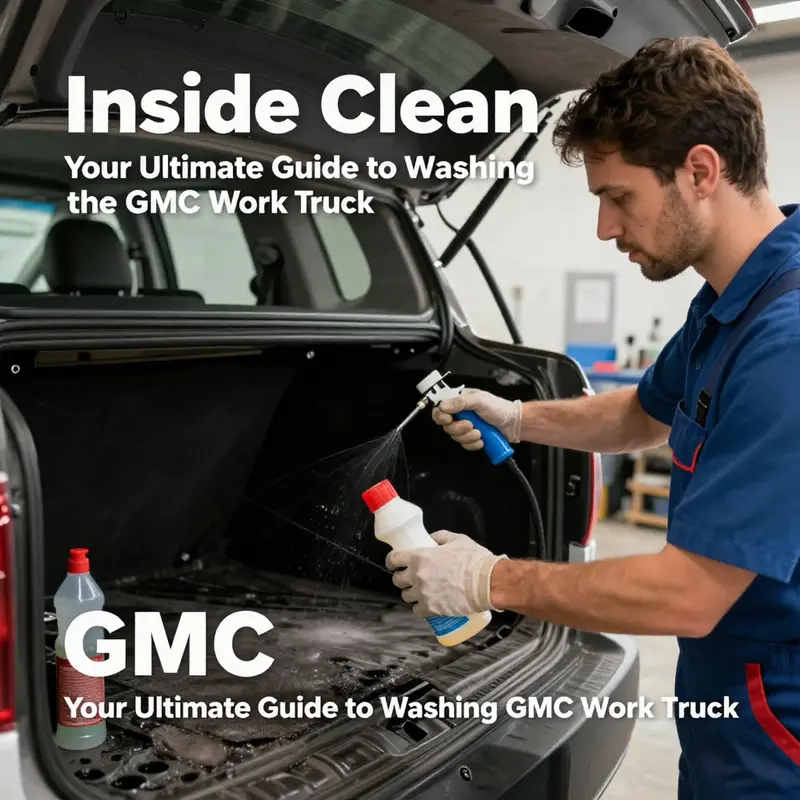
Entering a GMC work truck isn’t just about transporting tools and paperwork; it’s about stepping into a well‑tended, functional space that supports focus, safety, and efficiency.
The interior of a work truck endures a relentless routine—dust, dirt, spills, and the daily grind of gear shifts, pedals, and climate controls. A clean cabin isn’t a luxury; it’s a practical asset that protects the resale value, preserves materials, and creates a healthier atmosphere for the driver.
Preparation is the quiet foundation of any successful interior cleaning. Gather a vacuum with crevice tools, microfiber cloths, a soft brush, a spray bottle, a bucket with water, and the appropriate interior cleaners. Use cleaners suitable for vinyl, plastic, leather, and fabric, and apply them with restraint to avoid over-wetting. The goal is to lift grime and moisture, then dry with towels or microfiber.
Removal of loose items makes cleaning more effective. Take out tools, personal items, and floor mats, shake them out, and decide whether to shampoo or hose them outside. This reveals stubborn spots and prevents damage during cleaning.
Vacuuming is the workhorse of interior cleaning. Vacuum thoroughly, guiding the nozzle into seat seams, under the pedals, and into door pockets. Start high and work downward to keep dust away from electronics. Don’t neglect floor mats, which harbor grit that can scratch surfaces when reinstalled.
The seats and fabrics require material-specific care. Leather: clean with a dedicated leather cleaner and condition with a leather conditioner. Fabric: use a low‑foam cleaner and a soft brush, then blot with a dry towel to remove moisture. For carpets, lift grime and extract moisture to prevent damp odors.
Windows and mirrors benefit from a glass cleaner and a lint-free microfiber to achieve a streak-free finish focused on clarity and safety rather than shine.
Drying and reassembly are essential. Open doors and windows to promote air flow and avoid heat that could warp plastics or dry out leather. Ensure surfaces are fully dry before returning items to their places. Regular maintenance reduces the overall effort required for each cleaning and helps protect materials over time.
A practical routine: clean the cabin every one to three months depending on use, and keep a minimal kit in the cab for quick touch-ups. Odor control comes from removing the source and keeping the interior dry and ventilated, reducing the risk of mold and mildew.
For readers seeking more depth, additional industry resources on fleet maintenance and interior care provide broader context and standards that align interior cleanliness with overall vehicle longevity.
Inside-Out Readiness: The Essential Cleaning Arsenal for a GMC Work Truck’s Interior
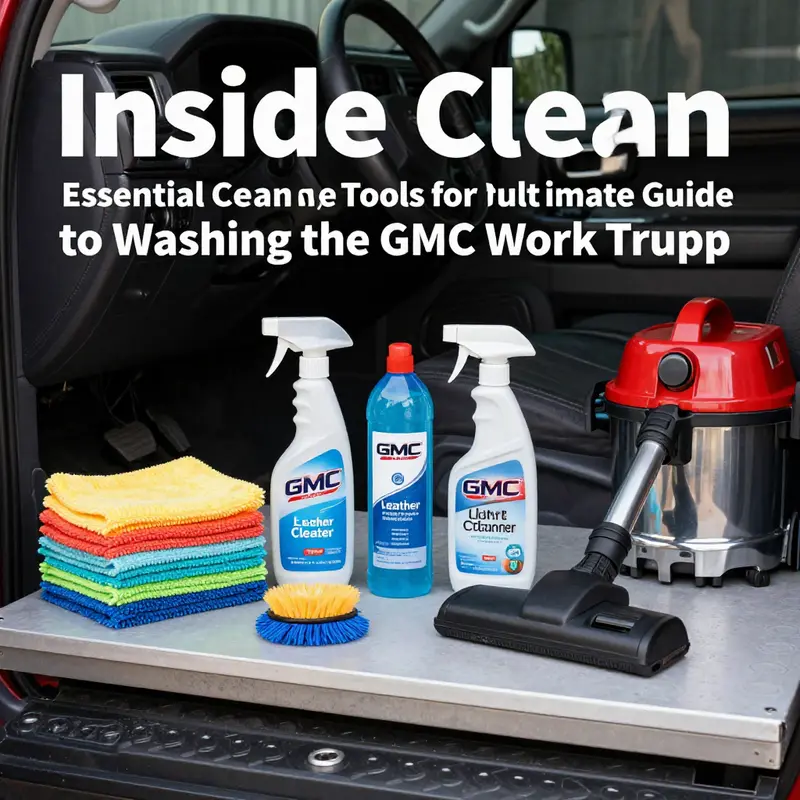
Maintaining the interior of a GMC work truck is more than vanity; it is about hygiene, comfort, and safety on the job. A clean cab reduces odors, prevents the buildup of grime that can corrode surfaces, extends the life of upholstery and plastics, and creates a space where the driver can focus on the task at hand rather than distractions from a dirty environment. The right cleaning routine begins with the right tools. When you equip yourself with a thoughtful kit, the actual cleaning becomes faster, more effective, and less stressful, which matters when you a busy schedule demands dependable results every time you climb in. The goal is a calm, professional interior that looks and feels cared for, even after weeks of demanding use. With that mindset in place, the toolbox becomes more than a collection of bottles; it becomes a system for preserving value, appearance, and, most importantly, a safe operating space for the driver and any passengers.
The core of this system starts with a well-rounded cleaning kit designed for vehicle interiors. A multi-functional kit is especially valuable because it bundles the elements that would otherwise require hunting through several aisles or catalogs. A soft-bristled brush is essential for delicate surfaces like the dashboard bezel, the topography of vents, and the texture of door panels. A dedicated crevice tool or detailing brush is indispensable for nooks where dust loves to hide—around knobs, inside cup holders, and along the edges of seat seams. A high-quality microfiber cloth is not merely a drying towel; it is a polishing partner that breathes, absorbing moisture without leaving lint or scratches. A spray bottle lets you control dilution and distribution, which matters when you are working with dashboards that contain a complex matrix of plastics, vinyl, and painted surfaces. The reach of the kit is just as important as the tools themselves. An extendable handle or a kit that includes a long nozzle can help you access under the seats, behind the dash, and into the shallow gaps around vents, without crawling across the cab floor. The best kits also come with a comfortable grip and a weight balance that reduces fatigue during longer cleaning sessions. The value of this approach is not merely speed; it is consistency. When the tools are easy to use and logically organized, you are more likely to stay on a routine that keeps the interior in professional shape.
A high-performing interior cleaner and, where needed, a purpose-built degreaser form the second pillar of the arsenal. You want a cleaner that is pH-balanced and non-toxic, crafted specifically for automotive interiors. This matters because the wrong chemical can dull plastics, strip coatings, or remove color from vinyl surfaces. A non-toxic formula reduces exposure risk to skin and eyes and makes the cleaning process more forgiving if you are doing a quick touch-up on a busy morning. In areas where there is stubborn grease or oil—think the steering wheel, gear shift, or the pedals—an appropriate degreaser can be employed with care. The degreaser should be used sparingly and never applied directly to sensitive surfaces; instead, apply to a microfiber cloth and then wipe to avoid oversaturation. For leather, you should select a dedicated leather cleaner and then follow with a protective conditioner after cleaning. The contrast here matters: leather calls for conditioning to maintain suppleness and to guard against cracking in extreme temperatures; fabric or carpet benefits from a low-foam interior cleaner that can lift grime without oversaturating the fibers. The distinction between these two paths is what makes the interior routine reliable rather than risky.
The vacuum is more than a vacuum. In a work truck that might accumulate sand, dust, crushed rock, or the occasional spill from equipment, a powerful vacuum with a hose attachment, crevice tools, and floor-attachment accessories is indispensable. Begin with the floor, moving from the front to the back, and switch to crevice nozzles for the seams between seats and the door channels. The floor mats deserve special attention: remove them, vacuum thoroughly, and wash or rinse depending on the material. Rubber or plastic mats can be hosed down and aired dry, while fabric mats benefit from a fabric-safe cleaner and a scrubbing brush to lift grime from the surface. Drying mats completely before reinstalling them is non-negotiable because damp mats can trap moisture and contribute to mold or mildew. The carpet beneath should be treated with a low-foam cleaner and a brush, then blotted to remove moisture. The goal is a dry, stable surface that does not invite mold growth or lingering odors. After vacuuming, a clean microfiber cloth can be used to wipe down seat surfaces and door panels to remove remaining dust, then allow the interior to vent and air out.
The seats themselves deserve a careful, surface-by-surface approach that reflects the material you are treating. Leather seating, if present, should be treated with a leather cleaner applied to a microfiber cloth rather than sprayed directly onto the seat. Wipe in slow, circular motions, paying attention to seams and the edges where oils from hands accumulate. After cleaning, a conditioner goes on to protect the leather’s surface from cracking and UV damage. A premium leather protection coating—implemented according to manufacturer instructions and applied by skilled hands, if possible—can create a barrier that repels water, oil, and many common stains. While this coating is described here in general terms, its purpose is to reduce maintenance and preserve the softness and resilience of the leather through regular use. If the truck’s upholstery is fabric, a foam-based cleaner is often the best route. Spray the cleaner onto the fabric and let it sit briefly to break down grime, then gently scrub with a soft brush. Blot with a dry towel to remove moisture and continue until the surface reads clean. It is important never to saturate fabric; excess moisture can seep into underlayers and trigger odors or mildew. In both cases, the aim is to lift dirt without driving moisture deeper into the substrate.
The dashboard, center console, and door panels demand a method that respects sensitive electronics and tiny crevices. A microfiber cloth dampened with interior cleaner is ideal for broad surfaces; for buttons, knobs, and the switchgear, it can be helpful to use a cotton swab or a small detailing brush. The aim is to remove dust and grime without pushing liquid into gaps or control switches. For tight spaces such as air vents and the edge where the dash meets the windshield, a well-chosen detailing brush can reach the bristles of each vent and soften debris that would otherwise blow around in the cab when you drive. The cleaner you choose should be compatible with the materials you encounter and should not leave a sticky residue that attracts more dust. The more you invest in the right tools, the less you will have to re-clean surfaces in a hurry when a supervisor or a client visits and expects a pristine cab.
Windows and mirrors are a finishing touch that cannot be neglected if you want a truly professional interior. A dedicated glass cleaner and a clean microfiber cloth will deliver a streak-free look on the windshield, side windows, and rear window. Paying attention to the glass helps the driver see clearly, which is a fundamental safety factor in any work environment. A zone-by-zone approach—front windshield, then side windows, then rear glass—ensures that you do not reintroduce dust into areas you have already cleaned. The edges of door glass and the corners near the weather stripping can trap moisture, so a final wipe along the edges helps keep things dry and sparkling.
The drying phase ties the entire process together. After you have cleaned every surface, it is wise to open doors and windows to promote air circulation and thorough drying. Avoid direct heat from the vehicle’s heating system or from a hairdryer, as excessive heat can damage sensitive plastics and vinyl or cause warping in some trims. The interior should reach a dry state before you reinstall mats and belongings. Replacing tools and personal items only after the interior is fully dry reduces the risk of trapping moisture and potential mold growth. The routine might seem time-consuming at first, but it becomes a simple habit after a few cycles, and it pays off in cleaner, more professional-looking interiors with less time spent on mid-cycle touchups.
A broader perspective on the cleaning toolkit helps connect daily maintenance with longer-term protection. Beyond the basics, many fleets and individual operators consider adding a high-end protective coating for leather or vinyl as part of a scheduled care plan. These coatings are designed to form a durable barrier against spills, oils, and everyday wear. They also help preserve the tactile feel of seating materials and keep surfaces looking newer for longer between full detailing sessions. The decision to use such a coating should be guided by the upholstery type, the vehicle’s typical exposure to grime, and the driver’s comfort with applying specialty products. It is crucial to follow the recommended cure times and reapplication intervals to maintain the coating’s protective qualities. The overall effect is a driver environment that remains clean under heavy use, which translates into better job satisfaction and a more favorable impression when interacting with customers or supervisors.
As this approach to interior cleaning unfolds, one sees how essential the right set of tools can be. The cleaning kit, the cleaning agents, the vacuum setup, and the finishing touches all work in concert to create a reliable routine. The kit’s design—ease of use, comfortable handling, and extendable reach—reduces fatigue and increases consistency. The cleaners, chosen to respect surface materials, offer reliable dirt removal without compromising the truck’s interior aesthetics. The vacuum’s attachments enable thorough extraction of dust from seams and crevices, while mats and carpets can be treated separately to prevent moisture buildup and shrinkage. The cleaning approach also fosters a mindset of care that extends beyond the cab; it informs how the driver approaches routine maintenance on the road, reinforcing a culture of professionalism and responsibility that benefits the crew and the fleet as a whole. When the interior looks cared for, the job feels that much more manageable, and trust in the vehicle’s reliability grows—an outcome that aligns with the expectations of any business that relies on trucks every day.
For readers who want to explore related practices and broader industry standards, consider the broader context of interior care in specialized fleets. The best-practice ethos extends beyond the GMC interior, applying to cargo constraints, contamination risk, and the practical realities of daily use. If you ever want to see how inter-chassis cleanliness translates into fleet-wide efficiency, consult resources on best practices for cleaning and maintenance in related vehicle categories. For broader procedural guidance, see Best practices for cleaning food-grade tankers. This reference offers a perspective on how professional cleaners approach interior and cargo-area cleanliness when the stakes are especially high, and it reinforces the idea that clean interiors begin with the right tools, a careful plan, and methodical execution. For additional perspectives on how interior maintenance interfaces with fleet performance and safety, you can explore related case studies and industry discussions that illuminate the connection between a tidy cab and operational success. External guidance from national safety and regulatory bodies emphasizes hygiene and proper maintenance as core components of responsible vehicle operation, underscoring the value of investing in a robust cleaning toolkit.
In sum, equipping the GMC work truck interior with the right tools is not about chasing novelty but about establishing a dependable workflow. The combination of a well-chosen multi-functional kit, surface-appropriate cleaners and degreasers, a capable vacuum with versatile attachments, and sensible protective coatings creates a durable framework for interior care. When you approach cleaning as a disciplined routine—one that prioritizes dry surfaces, non-abrasive products, and careful handling of leather and fabric—you protect investment, extend the life of materials, and deliver a cab that feels as ready for a job as the truck itself. This is interior care that respects the vehicle’s purpose and the people who rely on it every day. And while the specifics may evolve with new products and technologies, the underlying principle remains unchanged: the inside of a GMC work truck is a workspace, and a clean workspace supports performance, safety, and pride in the work being done. External reference: https://www.nhtsa.gov
Inside Out: A Practical Guide to Washing the Interior of a GMC Work Truck

Maintaining a clean interior is more than a matter of appearance; it’s about hygiene, comfort, safety, and longevity of the materials that endure the demands of a workday. In a GMC work truck, the cabin becomes a compact workspace where dust from job sites, oils from tools, and spills from meals or fuel can accumulate quickly. A thoughtful interior cleaning routine preserves the integrity of trim, protects upholstery, reduces odors, and supports a focused, safer driving experience. This chapter weaves together established best practices with field-tested techniques, guiding you through a cohesive process that respects the vehicle’s design and the realities of daily use. It emphasizes a practical approach: prepare properly, work systematically, and reinvest a little time regularly to prevent problems that become costly or stubborn to address later. The goal is not a one-time makeover but a sustainable rhythm that keeps the cabin professional, comfortable, and dependable for every shift, every trip, and every job site boundary you cross.
A clean interior starts with planning. Gather tools and supplies before you begin, so you’re not chasing items mid-clean or dealing with damp surfaces when you should be wiping down controls. Vehicle-specific interior cleaners are essential, chosen to suit the materials inside your GMC work truck. If you have leather seating, a dedicated leather cleaner and conditioner is preferred, and for fabric surfaces like carpet or seat covers, a low-foam interior cleaner or a fabric-safe foam cleaner works best. The emphasis is on gentleness and compatibility, avoiding harsh household cleaners that can dull finishes, degrade plastics, or leave residues that attract more dirt. You’ll want a set of reliable microfiber towels, a soft-bristle brush for detailing, a vacuum with attachments capable of reaching seams and under seats, a sponge or lint-free cloth, and a spray bottle. Optional but worth considering is a protective barrier treatment designed for automotive interiors. A durable, self-cleaning coating on leather or vinyl can reduce future staining and make routine maintenance easier, though it should be applied according to the manufacturer’s directions and in appropriate conditions. While it’s tempting to chase the newest product, the core principle remains simple: protect, don’t over-treat, and always respect the material beneath.
With your supplies ready, the routine begins by clearing the space. Remove all loose items—tools, spare parts, personal effects, and floor mats. This step is more than convenience; it’s protection for both you and the vehicle. Loose objects can snag during cleaning, scratch surfaces, or get damaged if cleaners interact with them. When you set things aside, you also create a clear view of surfaces that need attention and a safer path for the vacuum and brushes that follow. This is a moment to notice any items that may require repair or repositioning to improve access or safety in the cabin. As a rule of thumb, keep a dedicated place for tools and parts you actually use regularly on the job to reduce the buildup that necessitates frequent cleanings.
A thorough vacuum is the foundation of any interior refresh. Start with the upholstery and floor mats, then move to hard-to-reach areas like the seams between seats, under the seats, around the gear shift, and inside door pockets. The goal is to pull out loose dirt and embedded debris before any liquids are introduced. For mats, remove them from the vehicle and clean them separately. Fabric mats respond well to a fabric-safe cleaner and a brisk scrubbing with a soft brush; rubber or plastic mats can be rinsed and air-dried thoroughly before reinstallation. The carpet benefits from a low-foam cleaner applied in a controlled way, followed by a gentle brushing and blotting to lift grime while avoiding oversaturation that can tempt mold growth. It’s important to ensure everything is completely dry before mats are reinserted. A damp mat can trap moisture beneath seating surfaces and invite odors or mildew, especially in climates with high humidity or frequent rain.
Seat surfaces command careful attention because they bear the brunt of daily use. Leather seats respond best to a two-step approach: a light application of leather cleaner onto a microfiber cloth, never sprayed directly onto the seat, followed by a wipe in a gentle circular motion. After cleaning, a conditioner helps preserve suppleness and guard against cracking. In some settings, a protective barrier treatment can further repel liquids and minimize absorption, making future spills easier to manage. If you have fabric seats, a foam-based interior cleaner works well. Apply to the fabric, let it dwell for a few minutes to emulsify grime, then scrub gently with a soft brush. Blot with a dry towel to lift moisture and avoid soaking the fabric. The objective is to lift dirt without saturating fibers, which can lead to longer dry times and potential odor issues. In both fabric and leather scenarios, avoid harsh chemicals, and never scrub aggressively on delicate fibers or stitching, since aggressive action can loosen threads or damage the surface texture.
The dashboard, center console, and door panels often harbor a dense layer of grime where hands, knuckles, and tools repeatedly contact trims and buttons. A microfiber cloth lightly dampened with a vehicle-appropriate interior cleaner is often all that’s needed for routine wipe-downs. For these surfaces, precision matters. You want to remove fingerprints, dust, and oily residues from knobs, switches, and screens without leaving smear marks. In tight spaces, a cotton swab or a small detailing brush can be invaluable for cleaning around crevices, vents, and seams where dirt collects. If there are any stubborn marks, a second pass with a lightly damp cloth can help, followed by a dry microfiber to restore the shine without adding moisture where it’s not wanted. This step is also a good moment to assess the condition of the materials—are there scratches, fading, or brittle areas around control interfaces? Noting such wear early allows for timely maintenance and prevents more extensive deterioration later.
The windows and mirrors deserve attention that’s both practical and safety-minded. Clear visibility is a direct contributor to safer driving, especially in a work context where drivers may be navigating variable lighting, weather conditions, and busy work sites. A glass cleaner paired with a microfiber cloth yields a streak-free finish, provided you work in a shaded area or allow surfaces to cool briefly if it’s a hot day. Wipe in a consistent pattern—horizontal on one pass, vertical on the next—to detect any remaining smudges. It’s worth noting that dust on window tracks and seals can migrate inward over time; a quick wipe of these edges helps preserve the overall clearness of the glass and reduces the chance of dust being drawn into the cabin with each door opening.
Drying and reassembly complete the process. Once every surface has been cleaned, open the doors and windows to increase air circulation and expedite drying. Avoid directing heat from the vehicle’s heater or using a hairdryer on interior components, as excessive heat can warp soft plastics and degrade vinyl or leather over time. Before reinstalling mats and items, verify that the interior is completely dry—this small step prevents mold, mildew, and musty odors from taking hold. As you return tools, documents, and personal items to their rightful places, use the opportunity to reorganize. A tidy cabin reduces the risk of items shifting during transit, which can cause scratches or unintentional engagement of controls while driving. The act of organizing is not merely cosmetic; it’s functional, minimizing clutter that could impede safe operation or block access to essential gear.
A regular cleaning cadence makes maintenance simpler and more predictable. The exact frequency will depend on how often the truck is used, the environments you encounter, and whether you routinely transport materials that shed dust or oils. A practical baseline is every one to three months; however, more frequent sessions—such as after particularly dirty job sites or following a season with heavy exposure to sunlight and heat—can prevent grime from becoming deeply ingrained. A clean interior is easier to maintain, and the act of cleaning itself is a reminder to inspect frequently. While you’re at it, consider the broader picture: routine cleaning supports not just cleanliness but also the vehicle’s durability, interior aesthetics, and the comfort and safety of drivers and passengers.
In terms of best practices, several guiding principles consistently reveal themselves. Establish a cleaning routine that includes vacuuming upholstery and floor mats regularly to remove accumulating dirt and debris from the work site environment. Surface cleaning should rely on microfiber cloths and mild, non-abrasive cleaners to wipe all hard surfaces—dash, panels, and console areas—without damaging finishes or fading colors. Window and mirror care is non-negotiable for safety. Periodic inspections of high-contact areas—seats, seat belts, steering wheel, and control surfaces—allow you to catch wear or stains early and address them before they escalate. Organization matters, too; keeping tools and equipment in designated compartments minimizes clutter and protects surfaces from damage. UV protection becomes a proactive habit: applying a UV-protective spray to vinyl and leather surfaces helps prevent cracking and fading from sun exposure. Finally, professional maintenance should not be neglected; scheduling regular service checks with qualified technicians helps assess electrical systems, HVAC performance, and interior components, catching problems that might not be obvious during a routine clean.
As you integrate these practices into daily life, a broader context emerges. Interior cleanliness is not a single task but a cycle—clean, inspect, organize, protect, and re-clean—that reinforces a safer, more efficient work environment. The air of professionalism that accompanies a clean cabin extends beyond appearances; it signals care for the equipment, respect for the job, and consideration for colleagues who share the vehicle space. The narrative of maintenance is therefore not a ritual of vanity but a disciplined approach to extending the life of the interior and preserving the integrity of the truck as a tool. In this sense, interior cleanliness becomes part of the vehicle’s overall stewardship—an ongoing practice that aligns with responsible fleet management and with the practical realities of daily work.
For broader context on cross‑industry interior cleaning practices, you may explore related maintenance discussions, such as the article on Best Practices for Cleaning Food Grade Tankers. This reference offers a complementary perspective on cleaning workflows, surface care, and maintenance mindset that can be adapted to cabin environments without compromising material safety or comfort. Best Practices for Cleaning Food Grade Tankers.
Ultimately, the goal is straightforward: maintain a cabin that is not only clean but resilient. Clean surfaces respond more predictably to cleaning, protecting the materials from premature wear and reducing the risk of stains and odors that can distract or discomfort occupants. In the pursuit of that goal, every step matters—from the choice of a mild cleaner to the method of drying, from the careful treatment of leather or fabric to the disciplined organization of tools and gear. The routine you establish today becomes a foundation for cleaner, safer, and more efficient operations tomorrow. And when the next job demands a quick turn—dusty access routes, weather challenges, or back-to-back shifts—the cabin is ready to support performance rather than resist it.
External reference: Official GMC Vehicle Maintenance Tips: https://www.gmc.com/owners/service-maintenance.html
A Clean Cab, A Clearer Focus: Why Cleaning the Inside of a GMC Work Truck Matters More Than It Seems
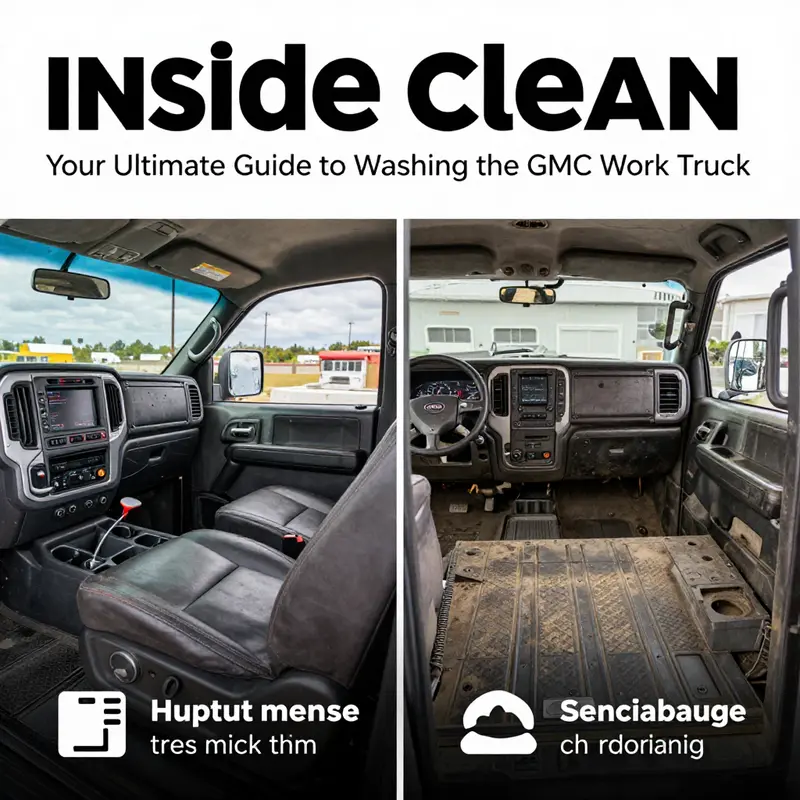
A GMC work truck travels through weather and work sites, everyday, as a rolling office and workshop. Its cab is more than a place to buckle up; it is a compact ecosystem where dirt, moisture, and daily use accumulate. The interior endures a constant exchange with the outside world—dust swept in from boots, oils tracked in from gloves, crumbs left from meals, dampness from weather, and the occasional spill that seeps into fabric or cling to plastic surfaces. Over time, this accumulation can quietly erode comfort, health, and efficiency. When the space feels clean and orderly, a driver can focus more readily on the task at hand. When it does not, distractions creep in and even small irritations can escalate into a sense of fatigue before the workday ends. Cleaning the inside of a GMC work truck is not a cosmetic gesture. It is a pragmatic maintenance practice that supports health, preserves investment, and sustains a reliable, professional work environment.
Health sits at the center of this truth. The cab is a closed environment, often with limited air exchange during long drives or back-to-back shifts. Bacteria, mold, and a host of allergens can thrive where moisture, warmth, and dust intersect. Fabric seats and floor mats tend to trap crumbs, skin cells, and sweat, providing a ready food source for microbes. In this setting, unseen growth can contribute to odors and, more importantly, to conditions that aggravate allergies or asthma. Regular interior cleaning acts as a first line of defense, reducing the reservoir of contaminants and limiting the spread of dust and microbes through the cab. This is not merely about a fresh scent; it is about a healthier space that supports safer, more attentive driving. A cleaner cab also means better air quality for any passengers or coworkers who ride along, which matters when the truck doubles as a portable workspace or meeting room during client visits or on-job consultations.
Beyond health, interior cleanliness protects the vehicle’s components and builds lasting value. Leather, vinyl, and fabric wear more quickly when dirt and oils sit on surfaces for long periods. Oils from hands and tools can cause plastics to become slick and attract further grime, accelerating fading and cracking. UV exposure compounds this effect, softening the constancy of color and texture. Regular care—using interior-specific cleaners, conditioners for leather, and fabric-safe cleaners for upholstery—helps maintain the softness of seats, the readability of dashboards, and the smooth operation of knobs and switches. A well-kept interior is a quiet, durable investment in the life of the truck. It reduces the likelihood of costly replacements or repairs tied to neglected surfaces, such as cracked leather or stained fabrics that require reupholstery. The goal is not perfection but resilience: surfaces that resist staining, wipe clean easily, and retain a professional appearance that aligns with the company’s image when the truck is on display at a client site.
A clean interior also translates into a more efficient and safer work environment. The cabin becomes easier to navigate when storage areas are kept orderly and surfaces are free of grime that can obscure warning labels or small control markings. A cluttered cab, with hidden spills or dusty crevices, can distract a driver and reduce reaction time in dynamic driving situations. By maintaining clear dashboards, legible gauges, and clean spaces around the gear selector and pedals, a driver can stay focused on the road and on the work at hand. In this sense, interior cleaning is not a luxury but a practical safeguard, supporting precision and steadiness under pressure, which in field work can be the difference between a smooth day and a frustrating detour.
The ways to care for a GMC work truck’s interior are practical and adaptable. Cleaning should be anchored in interior-safe products designed for the materials inside a vehicle: leather, vinyl, fabric, plastics, and glass all require different approaches to avoid damage. A leather seat may respond well to a dedicated cleaner followed by a conditioner, preserving suppleness and resisting cracking. Fabric upholstery benefits from a low-foaming cleaner that breaks down grime without soaking deeply into fibers, which can lead to mold if moisture lingers. Plastic surfaces and the dashboard respond best to microfiber cloths lightly dampened with a specialized interior cleaner, avoiding any harsh household solvents that can degrade color, stiffness, or the texture of the plastics. For glass, a standard interior-safe glass cleaner used with a lint-free microfiber cloth helps achieve a streak-free finish that improves visibility and reduces glare during long drives. The emphasis is on surface-appropriate care rather than one-size-fits-all products. When in doubt, the guiding principle is to avoid soaking any material that could hold moisture for extended periods and to use cleaners that are labeled for automotive interiors.
An important, often overlooked aspect of interior care is the rhythm and sequence of cleaning. A sensible approach begins with removing loose items and debris, then vacuuming thoroughly to lift dust from seats, under seats, and into seams. Floor mats deserve special attention: these are the primary source of dirt and moisture, so removing them for separate cleaning prevents recontamination of the carpet and makes it easier to reach the full length of the cabin. With surfaces clear, the surfaces themselves can be tackled in a deliberate order—from ceilings and dashboards down to floor areas—so that debris does not fall onto already cleaned sections. Cleaning in this order keeps the process efficient and minimizes the chance of cross-contamination. The careful sequence also aligns with the practical needs of a workday. If a truck is needed for urgent travel, it may be possible to perform a lighter touch-up that preserves a professional appearance without a full interior overhaul, ensuring that the cab remains usable and presentable for immediate tasks.
In practice, the process blends routine with attention to detail. It starts with a prepared toolkit: interior cleaning agents chosen for the job, a high-quality microfiber cloth, a soft-bristle brush for stubborn grime in crevices, a vacuum with appropriate attachments, and a spray bottle for controlled application. The idea is to avoid direct spraying onto seats or delicate surfaces, instead applying cleaner to a cloth and then wiping surfaces with care. For leather, a light touch with a leather-safe cleaner followed by a conditioner helps maintain flexibility and appearance. For fabric, a foam or low-foam cleaner applied to the fabric then worked with a soft brush can lift grime without saturating fibers. The goal is to extract visible dirt and unseen oils, then let surfaces air dry. While the surface may feel dry to the touch, true drying often requires time and good ventilation. If possible, opening doors and windows after the cleaning session accelerates drying, reducing the risk of mold or mildew. It is prudent to avoid direct, intense heat such as vehicle heating elements or high-temperature blowers during the drying phase, which can distort plastics or cause leather to stiffen.
The endurance of a cabin is closely tied to the routine schedule of maintenance. Regular interior cleaning, whether every one to three months or more frequently in harsh environments or heavy use, preserves it as a functional workspace. A routine also gives the driver a sense of pride and professionalism that can extend beyond the vehicle’s physical condition. When a crew arrives at a client site with a clean, organized interior, it signals care and reliability, reinforcing the company’s image. This alignment between interior care and professional identity matters, especially for trucks that are seen at client locations or during field service. In practical terms, the time spent cleaning is an investment that reduces the time spent dealing with stubborn odors, stubborn stains, or degraded surfaces later. It is a form of proactive maintenance that prevents minor issues from becoming costly repairs or replacements down the line.
In this broader context, interior cleaning also dovetails with industry standards and regulatory considerations. While the act of cleaning itself is not a regulatory procedure, the discipline of maintaining a clean, well-ordered cab supports compliance with safety practices and workplace hygiene norms that many fleets pursue. The habit of cleaning aligns with broader expectations around vehicle upkeep and operator safety, becoming part of a culture that values professionalism, health, and accountability. The result is a more consistent user experience for drivers, customers, and team members who rely on the truck for daily operations and service delivery. This is especially true when the vehicle serves multiple workers, where a clean cab reduces cross-contamination of tools and supplies and keeps miles of travel less encumbered by clutter. In short, cleaning inside a GMC work truck is a practical act of stewardship: it protects people, protects the tools of the trade, and protects the investment that makes daily work possible.
The question of how often to clean, while context dependent, generally tilts toward consistency. In high-use environments or challenging conditions, monthly touch-ups or a professional interior refresh every six months prove beneficial. For crews that move quickly through dust and moisture, more frequent attention becomes a cost of doing business rather than an optional luxury. Regardless of frequency, the underlying principle remains the same: clean before grime becomes a permanent stain, maintain surfaces before they crack or fade, and keep the cab a welcoming, safe place where drivers can concentrate on the road and the work ahead. This perspective mirrors a broader standard of care in the trucking and fleet-management world, where interior upkeep supports not only aesthetics but also efficiency, safety, and the reliability that customers expect when a truck arrives on site ready to perform.
For those who want a concise guide aligned with practical fleet norms, the approach can be summarized as follows: start with the right tools and interior-safe products, remove everything that does not belong, vacuum thoroughly, treat leather and fabric surfaces with appropriate cleaners and conditioners, wipe the dashboard and console with a microfiber cloth, refresh the floor mats separately, clean the windows to a streak-free finish, and finally allow the interior to air out in a well-ventilated space. Keeping this rhythm makes interior cleaning a predictable part of fleet maintenance rather than a reactive remedy after a bad odor or a stubborn stain takes hold. The result is a cabin that smells cleaner, looks more professional, and supports a more comfortable and safer driving experience for the men and women who rely on the GMC work truck every day. This practical, health-conscious, and economy-minded approach to interior care is a cornerstone of responsible vehicle stewardship, one that aligns with broader industry practices and fleet performance goals. For readers seeking guidance that ties directly to industry norms about best practices for cleaning and maintenance, note how this relationship to interior care echoes the standards demonstrated in truck-wash industry compliance and emissions regulations, which you can explore further here: truck-wash industry compliance and emissions regulations.
truck-wash industry compliance and emissions regulations
To broaden the perspective beyond the immediate field, a trusted consumer resource also offers accessible insights into interior care. For a clear overview of interior cleaning tips that apply to most vehicles, including trucks like the GMC work truck, you can consult Consumer Reports car interior cleaning guidance. This external reference complements the practical, hands-on advice in this chapter and provides additional context for drivers evaluating products and techniques that suit their needs. See the broader discussion at Consumer Reports car interior cleaning tips: https://www.consumerreports.org/cars/car-interior-cleaning-tips/
Final thoughts
Regularly washing the inside of a GMC work truck is crucial not only for maintaining a professional appearance but also for ensuring the safety and comfort of drivers and passengers. By following the outlined steps, utilizing appropriate tools, and adhering to best practices, fleet managers and operators can optimize their trucks for long-term performance. Understanding the importance of a clean environment enhances overall efficiency and reflects the professionalism of your fleet, ultimately benefiting your business’s reputation and operational effectiveness.