
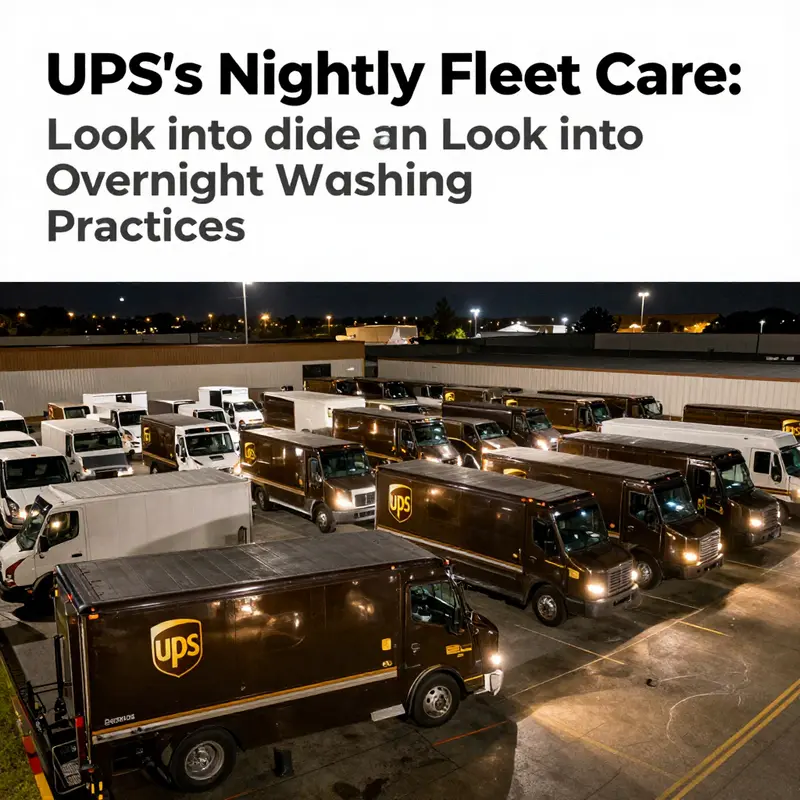
The logistics industry thrives on efficiency and reliability, with every aspect of operations contributing to overall performance. A significant yet often overlooked aspect of fleet management is vehicle cleanliness, particularly for companies like UPS, which prioritizes professionalism and operational efficiency. UPS follows rigorous overnight truck washing practices that ensure their vehicles are clean and ready to hit the road each morning. This article will explore UPS’s overnight washing routines, the importance of maintaining truck cleanliness, the operational efficiencies gained from this practice, and the environmental considerations involved in their washing process.
Behind the Night Shift: How a Global Fleet Keeps Its Trains of Delivery Clean, Quiet, and Ready for Dawn
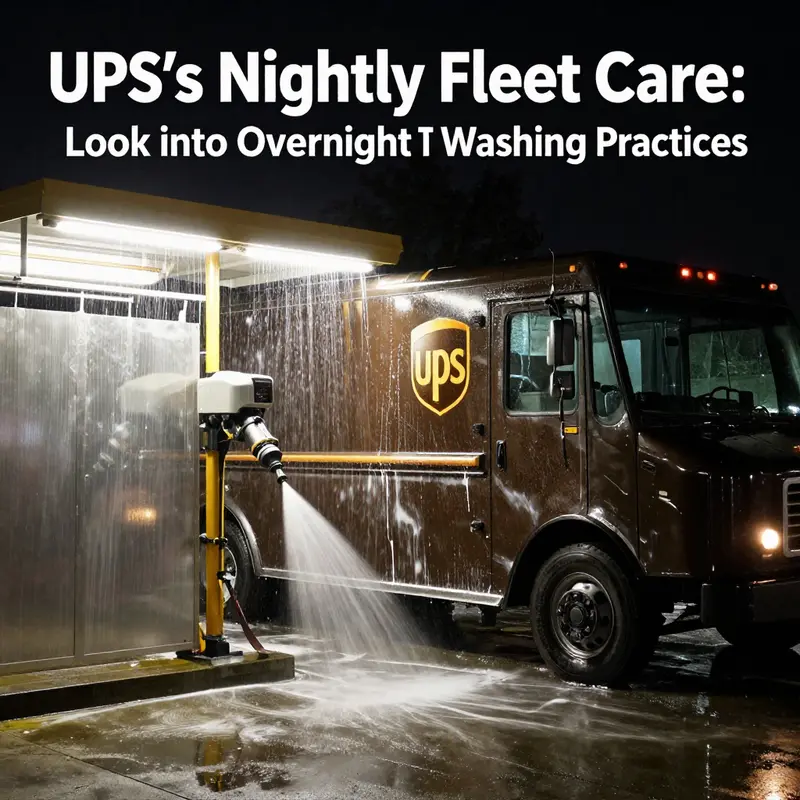
When the day’s bustle fades and streets slip into the quiet of late night and pre-dawn hours, a fleet that moves millions of packages per day enters a different kind of routine. The question of whether a major logistics carrier washes its trucks overnight isn’t just about cleanliness; it’s about discipline, efficiency, and a broader commitment to reliability, image, and the long-term health of a sprawling hardware fleet that must perform on a precise schedule every morning. The answer, drawn from a synthesis of corporate reporting and industry practice, is yes: the washing of the fleet largely happens overnight, at centralized maintenance and distribution centers, during off-peak hours when the roads are calm and the servicing bay doors can swing open without delaying a delivery cycle. This timing—overnight and during off-peak windows—makes the wash process unobtrusive to parcel movement while ensuring that the fleet presents a professional, well-maintained face each new day. In practice, the overnight wash is not a cosmetic flourish but a carefully choreographed element of fleet management that supports safety, efficiency, and longevity, converting a routine maintenance task into a strategic enabler for a complex network of nodes, routes, and drivers that must operate in near real time across vast geographies.
A closer look at the method reveals a preference for systems that minimize contact with the vehicle’s surface while delivering thorough exterior cleansing. The core technique is touchless or soft-touch automated washing. High-pressure water jets, specialized detergents, and a suite of sensors work together to scour dirt, grime, and road residue from the metal and paint without the wear that manual or abrasive washing can cause. The advantage of this approach is twofold: it protects the integrity of the vehicle’s finish, preserving the professional livery, and it reduces maintenance costs by limiting the micro-scratches and chemical wear that accumulate with hard contact. In practical terms, this means a fleet that looks consistently smart, year after year, and a maintenance footprint that does not balloon into bespoke, high-cost interventions for cosmetic upkeep.
The exterior wash is only part of the overnight routine. A comprehensive inspection accompanies the cleansing, and a level of interior detailing follows to ensure cleanliness and readiness inside the cab and the cargo area. Drivers are encouraged to perform quick, daily checks before they start their shift, but the bulk of the deep cleaning—especially the cargo space, driver compartment, and storage bins—happens during the off-peak hours by trained maintenance staff. This separation of duties serves multiple purposes. It reduces the risk of debris or spills affecting the day’s schedule and improves hygiene inside the vehicle, which in turn supports a safer, more comfortable experience for drivers who spend long periods in the cab. A clean, organized interior is not simply a matter of tidiness; it can impact driver focus, odor control, and overall job satisfaction, all of which have downstream effects on performance and safety.
The overnight wash is thus a balancing act among efficiency, care for the vehicle, and environmental stewardship. In many facilities, the wash systems operate within a closed-loop or near-closed-loop water framework. Water is captured, filtered, and reused, with some locations reporting reuse rates of up to ninety percent. The implication is clear: the fleet can be washed thoroughly without imposing unsustainable demand on water resources. The detergents and cleaning agents are chosen for their effectiveness while minimizing environmental impact, aligning with broader sustainability commitments that link fleet maintenance to water stewardship, emissions considerations, and the life cycle costs of the vehicles themselves. This connection between hygiene, performance, and sustainability is not incidental; it is a deliberate articulation of a corporate ethos that treats the fleet as a living, functioning asset that must be cared for in a way that respects both operational realities and environmental responsibilities.
It is important to note that the specifics of the overnight wash can vary from site to site. The network’s scale means different facilities may deploy slightly different equipment mixes, depending on the age of the facility, the layout of the bays, and the local climate. Some centers rely more heavily on automated systems with automated drying, while others may incorporate hybrid approaches that blend automation with touchless manual touch points for the final polish. Yet the underlying philosophy remains constant: the wash is scheduled to minimize downtime, protect asset value, and standardize the appearance of the fleet. The dark hours are preferred because they provide a window when the fleet’s movement is at its nadir, enabling the wash cycle to run without interfering with loading, unloading, and long-haul legs that must synchronize with expected delivery windows. In short, the overnight wash is less about glamour than it is about timing, consistency, and operational discipline.
Beyond the exterior, a purposeful interior focus completes the overnight routine. The cargo area must be free of debris, spills, or residue that could sprout odors or invite pest concerns, while the driver compartment and storage bins are treated to a level of cleaning that elevates hygiene and ergonomics. An orderly interior supports safer driving, clearer communication among crew members, and a reduction in on-road distractions. The practice also dovetails with driver well-being—clean, well-maintained cabs contribute to a sense of pride and ownership that can influence endurance and attentiveness on long routes. The result is a fleet that not only looks professional but also performs with greater efficiency, where the fully serviced vehicle is ready for the road, and the driver can trust that the cabin environment supports focus and comfort from pre-shift checks through the end of the shift.
The environmental dimension of overnight washing deserves particular emphasis. The global emphasis on responsible resource use has elevated water stewardship to a strategic priority in fleet maintenance. Facilities invest in technology and process designs that minimize fresh water input and maximize reuse. The closed-loop approach, coupled with the use of eco-friendly cleaning agents, reduces the total water footprint of the washing operation. In aggregate, this translates into a fleet maintenance program that respects water scarcity concerns and aligns with broader sustainability commitments. It is a practical demonstration of how a large, distributed transportation network can deliver daily value without overburdening natural resources. The overnight wash thus becomes a focal point where cleanliness, safety, efficiency, and sustainability intersect, offering a tangible model of how modern fleets can operate cleanly and responsibly, even as they cover immense distances and serve millions of customers each day.
For crews working in areas outside centralized wash facilities, the company does not leave cleanliness to chance. Guidance and resources—such as mobile wash units or on-the-go cleaning kits—are available to support daily upkeep between scheduled washes. This ensures that even remote or irregular routes maintain a baseline of cleanliness and hygiene. The presence of mobile options reflects a pragmatic response to the realities of a vast, heterogenous network where every truck needs to be ready when required, regardless of location. In practice, this means a frontline adaptability that keeps the enterprise resilient in the face of geographic and logistical diversity, ensuring that a driver can depart with confidence even when the nearest wash bay is several miles away.
The overnight washing program is not an isolated operation; it is part of an integrated approach to fleet management that combines asset care, driver support, safety, and sustainability. It interfaces with maintenance planning, route optimization, and asset lifecycle management. The same systems that track fuel efficiency, tire wear, and brake health can also feed into the wash cycle data, helping managers evaluate whether certain facilities require equipment upgrades, whether wash times need adjustment to accommodate seasonal variations, or whether additional staff training could yield further gains in cleanliness and throughput. In this sense, the overnight wash operates as a diagnostic tool as well as a service, revealing patterns in wear and contamination that might not be apparent from road use alone. And because the wash is scheduled during off-peak hours, it operates as a backdrop—a steady, predictable routine that underpins the reliability of the entire delivery network rather than drawing attention to itself.
An essential element of this program is how it supports the brand’s image and customer expectations. Clean, well-kept trucks convey professionalism and reliability, reinforcing the trust customers place in a global logistics partner. When packages move through a network that presents a consistently sharp exterior, clear signage, and clean cabs, it reinforces perceptions of efficiency and care. The effect extends beyond aesthetics: it signals a disciplined approach to maintenance, a commitment to reducing downtime, and a readiness to serve customers with punctuality and precision. In a field where timetables and service levels are scrutinized, the overnight wash becomes a quiet ambassador for the experience customers expect, even if most of that experience unfolds in their own neighborhoods and mailboxes.
To connect these operational realities with broader trends, industry discussions and sustainability reports offer corroboration about the importance of water stewardship and fleet maintenance in large logistics networks. Official disclosures outline how automated washing technologies and water recycling initiatives align with environmental goals, reduce resource intensity, and contribute to long-term cost containment. Such sources illuminate the strategic logic behind overnight washing: it is not merely a daily ritual but a disciplined practice that integrates maintenance, safety, efficiency, and environmental stewardship into the fabric of the company’s operating model. When one considers the magnitude of daily miles traveled and the scale of the fleet, the overnight wash stands out as a practical, repeatable process that keeps the wheels turning while the world sleeps, ready to greet dawn with clean, well-prepared vehicles.
For readers who want to explore related industry considerations in more depth, the topic sits at the intersection of fleet maintenance, environmental management, and workforce development. The practice of overnight washing exemplifies how a large organization translates policy into practice on the ground. It also demonstrates how a fleet can maintain high appearance standards and operational readiness without sacrificing sustainability or worker safety. The fact that many centers reuse water and employ low-impact cleaners is a testament to how modern fleet maintenance can be both effective and responsible. It is a model that other fleets—large and small—can study when designing their own off-peak servicing plans and when weighing the trade-offs between cosmetic cleanliness and resource use. In this sense, the overnight wash goes beyond mere cleanliness; it embodies a shared commitment to dependable service, responsible stewardship, and respectful treatment of the assets that move the economy forward.
As the night deepens further and the day’s last package finds its final destination, the fleet emerges from the wash not as a simple perk but as a fundamental component of a system designed for resilience. The routine embodies a philosophy that treats the vehicle as more than metal and glass: it is a mobile workspace, a representation of the brand, and a critical link in a vast chain of promises made to customers. The overnight wash, therefore, is a ritual that reinforces how a company can uphold its standards while navigating the practical realities of scale, geography, and time. It is a quiet but powerful demonstration of how modern logistics operations sustain themselves with routines that are invisible to most customers but indispensable to the daily miracles of package delivery. For readers, the takeaway is clear: overnight vehicle washing is not an optional afterthought but an integral feature of a well-managed, thoughtful, and forward-looking fleet program.
External resource for further context on water stewardship and fleet maintenance can be found in official sustainability disclosures that document the technologies and approaches used across the fleet.
Internal reference for related fleet maintenance practices: Truck-Wash Industry Compliance & Emissions Regulations.
External resource: https://www.ups.com/sustainability/report/2025
Overnight Vigil: How UPS Keeps Trucks Ready at Dawn
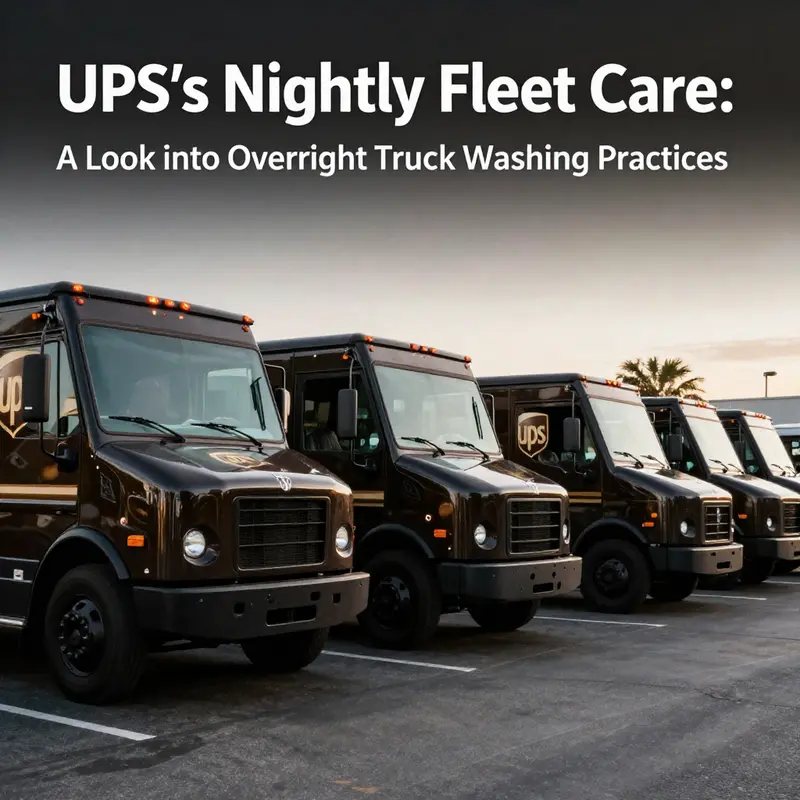
Night quiets the yards as the workday ends, and a deliberate routine takes shape in the UPS network. Cleaning, inspection, and preventive touch-ups unfold in the still hours so the fleet is ready for dawn routes. Overnight washing is not just cosmetic; it preserves visibility, minimizes corrosion, and creates a clear baseline for safety and reliability.
Cleaning at night serves both appearance and function. Dirt, road grime, and road salt can hide wear, obscure lights and markings, and contribute to corrosion if left unchecked. By concentrating these tasks during a quiet window, crews can restore exterior clarity, protect critical components, and present a uniform professional look that reinforces customer trust. This is paired with a structured maintenance window so washing becomes a preventive tool rather than a one-off appearance check.
The inspection cycle follows washing. As vehicles move through bays, technicians verify tires for tread and even wear, check brake lines and pads, and confirm fluid levels across reservoirs. The routine is part of a larger choreography that includes refueling, software updates, and diagnostic scans performed by telematics-enabled fleets. Aligning these elements minimizes daytime disruption while catching issues early, keeping the fleet robust enough to handle peak hours without surprise repairs.
Data informs maintenance in real time. Modern UPS fleets collect signals on engine performance, fuel economy, tire pressure, and brake status. Overnight, these signals are analyzed alongside hands-on checks, with trends flagged and small adjustments made to prevent larger failures. A timely software update or a targeted tire pressure correction can yield tangible gains in reliability and efficiency. Cleaner, better-tuned vehicles travel farther on a given shift, reducing the odds of detours or delays.
The broader context supports this approach. Industry insights show that structured overnight maintenance reduces avoidable downtime and standardizes the cadence of care across a large network. The result is steadier on-time performance and safer operations, even as routes scale up and miles rack up.
From the driver’s perspective, a clean exterior and clear visibility matter on every handoff. The practice communicates care for the communities served and reinforces the confidence customers place in punctual, predictable delivery. The overnight routine is a quiet but powerful asset that helps ensure packages reach their destinations on time, every time.
In sum, overnight washing and inspection are an integrated discipline: cleanliness that supports safety, reliability that supports service levels, and data-driven maintenance that sustains long-term asset health. The dawn-to-daylight cycle is framed not as a constraint but as a resource to be managed, turning quiet time into productive momentum for the network.
Overnight Shine: The Hidden Driver of UPS Efficiency Through Fleet Washing
When the city quiets and the streets begin their slow exhale before dawn, a routine unfolds that most drivers never see until the sun climbs again: the overnight wash of a vast, highly visible fleet. The topic might seem mundane on the surface, a routine of soap and water, but the practice is a quiet lever that nudges a complex operation toward steadier performance. In the case of a logistics giant with a fleet of thousands of delivery vehicles, the overnight wash is less about vanity and more about readiness. It is a deliberate habit designed to support speed, safety, and service quality in a system that must move with precision from first light to last mile. Yes, trucks are washed daily, and the timing matters. Washing overnight or during off-peak hours minimizes interference with daytime deliveries, ensuring that every vehicle that exits the depot is not only clean but primed for the road. This seemingly simple ritual touches several layers of the operation, knitting together cleanliness, maintenance, driver safety, customer perception, and sustainability into a cohesive efficiency strategy that operates largely behind the scenes.
The rationale for overnight cleaning rests on a clear calculus: minimize disruption while maximize the fleet’s readiness. In a network that treats every minute of service as a potential revenue opportunity, any downtime is costly. Cleaning procedures that are tightly scheduled during the night shift translate into cleaner vehicles by morning, and cleaner vehicles stay in service longer. Dirt, grime, and road salts are not merely cosmetic issues; they are vectors for corrosion and mechanical wear. Over time, these aggressors can dull paint, erode chassis components, fog windows, and obscure lights and cameras that are essential for safe operation. The overnight window provides a perfect balance—long enough to complete thorough washing and, at the same time, short enough to avoid introducing delays into daytime routes. The effect on maintenance cycles can be subtle but meaningful: fewer surprises during inspections, less mid-route downtime, and a more predictable sequence of vehicle uptime that aligns with driver schedules and dispatch planning.
A practical consequence of this approach is a tangible boost to operational efficiency. When trucks roll out in service each morning, they have the visual cleanliness that signals professional operation, but more importantly, the interior and exterior clarity supports safer driving. Clean windows, mirrors, headlights, and taillights improve visibility in varying weather conditions and reduce the cognitive load on drivers who must monitor traffic around them. Clean exteriors also help with branding on the road, presenting a uniform, maintained image that reinforces reliability in the eyes of customers and partners. Yet, the benefits extend beyond optics. By leveraging the overnight hours for washing, fleets reduce daytime downtime associated with mid-day cleaning tasks. This sequencing keeps maintenance bays available for essential checks and minor repairs when the trucks are idle, rather than when they are needed on a delivery route. In other words, the overnight wash contributes to a smoother handoff from depot to street, aligning with dispatchers’ emphasis on line availability and on-time performance.
From a safety standpoint, cleanliness is not cosmetic—it is a preventive measure. A clean vehicle presents fewer blind spots and clearer signals on the road. Wipers, washers, and lighting systems that operate through clean glass are more reliable, and the removal of road grime and ice-bonded residues reduces the risk of operational errors during early-morning or late-night routes. The routine also supports better adherence to safety inspections that many fleets undergo, including checks for wheel wear, brake temperatures, and undercarriage cleanliness that can reveal hidden issues. In an industry where routes are mapped to tight service windows and customer commitments, the marginal gains from a disciplined overnight washing routine compound across the entire network, turning a routine chore into a safety and performance multiplier.
Customer perception is another axis along which overnight washing exerts influence. Clean vehicles are more than moving signs of a brand; they communicate a commitment to quality and reliability. A fleet that presents spotless exteriors and well-maintained interiors signals to customers that the company takes pride in its equipment and, by extension, its service. The visual message matters in a business built on trust—where customers expect punctuality, careful handling of packages, and professional conduct from every touchpoint. The emphasis on establishing strong cleaning procedures, including the overnight wash, aligns with broader operational improvement strategies that seek not only to meet, but to exceed, expectations in practical, observable ways. And while the daily wash is a routine operation, its visibility—on the street, at distribution centers, and in the perception of business partners—can reinforce brand integrity more powerfully than a glossy ad campaign ever could.
Sustainability considerations have become inseparable from fleet maintenance, and overnight washing is no exception. A modern logistics operation recognizes that efficiency is inseparable from environmental stewardship. Systematic cleaning routines are designed to minimize waste, optimize water use, and select detergents with lower environmental impact. Where fleets deploy water recycling systems or capture runoff for treatment, the overnight schedule supports responsible practices without sacrificing wash quality. The logistical math here is nuanced: the water used in cleaning must be balanced against energy use, chemical consumption, and the potential for emissions associated with extended washing activities. Overnight operations often enable reuse of cleaning materials and more efficient scheduling, reducing repeated trips to wash bays and enabling better route-planning alongside facility management. In this sense, the wash is not just about gleaming paint; it is part of a broader hygiene and sustainability program that signals a forward-looking, responsible approach to fleet maintenance.
Despite the practical and symbolic benefits, some readers may wonder about the existence of formal, published analyses that quantify the impact of overnight washing on a company of UPS’s scale. The specific question—whether overnight washing alone improves efficiency—has not been the subject of a standalone, publicly disclosed study. Yet related literature and industry practice illuminate why such a routine is considered valuable. The core ideas—that well-defined cleaning procedures improve operational efficiency and safety, that cleanliness sustains service quality, and that systematic maintenance contributes to sustainability—are widely acknowledged in logistics discourse. When viewed through that lens, the overnight wash becomes a strategic enabler rather than a simple housekeeping task. It is the kind of routine that quietly underpins performance metrics such as on-time delivery rates, vehicle uptime, and the reliability with which drivers can begin and complete their routes each day.
In this broader frame, the overnight wash also interacts with other elements of a fleet’s maintenance ecosystem. Consider how cleaning interfaces with pre-delivery inspections, tire and brake checks, and fuel efficiency programs. A clean exterior makes it easier for technicians and drivers to spot leaks, corrosion, or damage during routine checks. It can reveal subtle signs of wear—tells in the paint and undercarriage that might otherwise be obscured—that trigger proactive maintenance before a failure interrupts service. When these checks happen in a well-timed, low-disruption window, the entire maintenance cycle becomes more predictive rather than reactive. This integration, in turn, reinforces the reliability of schedules and reduces the likelihood of last-minute delays for drivers who wake to a fleet that is already ready and road-ready. From the standpoint of operations management, each of these links—cleanliness, safety, maintenance readiness, and customer trust—interlocks with a common objective: to maintain a dependable, high-velocity network where the morning start is smooth, predictable, and on-brand.
To ground this discussion, it is useful to look at the kinds of practical, procedural adjustments that typically accompany an overnight washing program. A fleet-appropriate washing regime emphasizes gentle, effective cleaning that protects finishes and electrical components while removing salt, grime, and road contaminants that can exacerbate corrosion during freezing conditions or hot, dusty days. Modern facilities often incorporate water-recycling capabilities, efficient nozzle technology, and automated filtration to minimize environmental impact and maximize wash quality. Procedures may include multi-stage processes that address different surfaces and levels of soiling, followed by a drying phase that prevents water spotting and recovers heat energy from the process. The human and systems components of overnight washing—trained technicians, automated controls, and precise scheduling—work in concert to ensure that the morning roll call is met with vehicles that meet a shared standard of cleanliness and readiness. In this way, the wash is not a standalone task but a critical node in a larger network of routines that keep the fleet performing at a high tempo, even as the world wakes up around it.
For practitioners seeking to translate these ideas into concrete, replicable practices, one area of focus is the management of facility resources. Cleanliness routines must align with the depot’s broader facility management strategy, including bays, water usage, waste handling, and scheduling to avoid conflicts with other activities. This alignment extends beyond the wash itself to the way employees are engaged in the process. Training and engagement—employees who understand the importance of the overnight wash, who know how to operate the equipment efficiently, and who appreciate the role of cleanliness in safety and brand stewardship—are essential to sustaining the program’s benefits. A well-run overnight washing operation also serves as a testbed for continuous improvement: if the wake-up period reveals consistent bottlenecks or resource constraints, managers can adjust staffing, sequences, or equipment to reduce turnaround times without compromising quality. The idea is simple in principle but powerful in practice: a disciplined, well-resourced overnight wash becomes a catalyst for smoother day-to-day operations, reinforcing the reliability that customers and partners expect from a premium logistics network.
As this narrative connects the dots between routine cleanliness and systemic efficiency, it becomes evident that overnight washing is more than a housekeeping habit. It is a strategic asset that helps synchronize the fleet’s readiness with dispatch schedules, supports safer driving, and preserves brand integrity at the point of contact with the public. It also embodies a forward-looking stance on sustainability, recognizing that responsible resource use can coexist with high performance. The chapter’s core message—the impact of overnight washing on operational efficiency—is less about dramatic breakthroughs and more about the steady, measured alignment of processes that keep a vast, dynamic system moving with confidence. In a business where minutes matter and impressions count, a nightly wash that leaves the fleet pristine and ready for dawn performance is in itself a quiet edge that compounds across every mile delivered, every package handed over, and every customer interaction that follows.
For those who want to explore the practical dimension further, consider how the principle translates into everyday decisions about facility management for truck wash businesses. The ongoing conversation about operational hygiene, efficiency, and staff engagement is enriched by case studies and best practices that emphasize disciplined routines, thoughtful resource deployment, and continuous process refinement. The overnight wash thus stands as a case study in how seemingly simple routines can yield outsized returns when designed with intent and executed with discipline. It is a reminder that efficiency in logistics is not only about speed of movement but also about the quiet, systematic work that keeps a fleet clean, safe, and reliable—that is, ready for the road at first light and, more importantly, ready to meet customers where they are—with every parcel handled carefully and on time.
To connect this discussion to broader reading and practical application, see the discussion of facility management principles in practice at the linked resource on truck wash operations. This work illustrates how structured, well-supported cleaning programs integrate with overall fleet performance, maintenance, and safety programs, creating a cohesive approach to efficiency that extends beyond any single task. For a broader, external perspective on how cleaning and maintenance procedures impact operational efficiency, researchers and practitioners can consult industry analyses such as the piece on operational efficiency in logistics, which offers a framework for understanding how routine, well-engineered processes contribute to reliability and performance across the supply chain. The overnight wash is one thread in that larger tapestry, a visible sign of an organization’s commitment to keeping its fleet—and its promises—clean, punctual, and trustworthy.
In short, overnight washing is not just a nightly chore; it is a deliberate, strategic practice that aligns with the core aims of efficiency, safety, customer trust, and sustainability. It is the quiet engine that ensures the day’s first mile starts with a clean vehicle, a focused driver, and a system designed for reliability. The cumulative effect of this routine is a fleet that can withstand the daily rigors of logistics at scale while maintaining the professional presence that customers expect. In the end, the overnight wash is a practical manifestation of a larger philosophy: that meticulous care of the assets—the vehicles that carry the world’s packages—yields a more resilient, responsive, and responsible logistics network.
For further context on how cleaning and maintenance programs influence operational outcomes in logistics, see the external resource linked below. And for those curious about the internal strategies that support scalable cleaning operations, consider exploring the related discussion on facility management for truck wash businesses, which offers practical guidance on aligning wipes and washes with broader fleet management goals.
External resource: Operational Efficiency in Logistics.
null
null
Final thoughts
UPS’s commitment to maintaining their fleet with overnight washing practices reflects their dedication to professionalism and operational efficiency. By integrating a regular cleaning regimen, UPS not only enhances the visual appeal and longevity of their trucks but also plays a significant role in ensuring timely service delivery. This approach illustrates how essential practices like systematic vehicle washing can lead to improvements in logistics operations. Fleet managers and operators can draw valuable insights from UPS’s model, emphasizing the need for maintaining cleanliness in sustaining operational excellence and extending vehicle life.