
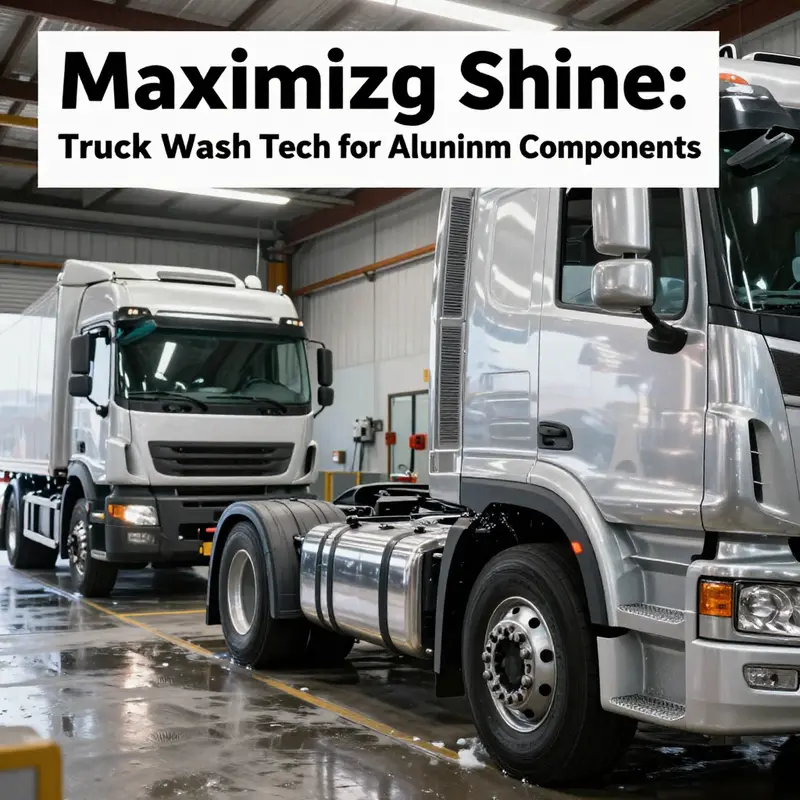
Trucking companies and fleet managers often face the challenge of maintaining the aesthetic and structural integrity of aluminum components on their vehicles. These components are critical not only for visual appeal but also for longevity and performance. Understanding the specific processes truck washes implement to make aluminum shine is vital for fleet operations. This article explores the multi-step procedures involved in truck washes, specialized equipment, chemical agents used, available detailing services, and future trends that cater to aluminum maintenance. Each chapter aims to provide insight into effective truck wash practices that enhance aluminum shine and durability, ultimately leading to improved fleet image and value retention.
Shining Up the Aluminum: The Step-By-Step Process Truck Washes Use to Restore Brilliance
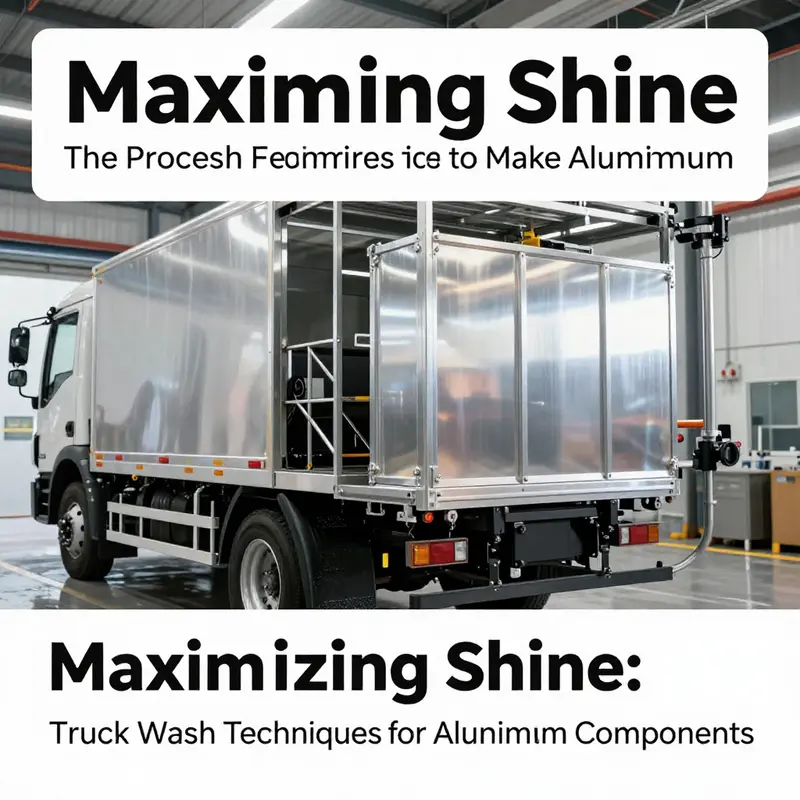
Aluminum surfaces on modern trucks carry a quiet dignity: they resist corrosion, reflect light with a clean edge, and project a sense of readiness for the road. Yet aluminum is also more delicate than some other metals when it comes to repeated exposure to grime, oils, and the road’s own chemistry. The question at the heart of many fleets’ maintenance routines is not merely whether a wash can remove dirt, but whether a wash can restore and preserve the metal’s natural shine without eroding its protective oxide layer. The answer, increasingly, is yes. The path from dirt to a gleaming panel is a carefully choreographed sequence that’s been refined by fleets and detail centers alike. This is not just about aesthetics; shine signals care, and care translates into longer life, easier inspections, and a stronger resale proposition. The process is less a single trick than a reliable routine—one that blends chemistry, gentle mechanical action, and timely protection to keep aluminum panels and steps looking as fresh as the day they left the factory floor.\n\nAt the core of the routine is a pedagogy of restraint. The wash cycle begins with a deliberate pre-wash that removes loose debris without hammering the surface. A brisk rinse loosens dust and grit so that later steps can do their work without dragging abrasive particles across the metal. The rinsing is more than cosmetic; it reduces the risk of micro-scratches that can dull brightness or harbor contaminants that encourage dullness over time. Then comes the degreasing phase, where an aluminum-safe cleaner works to dissolve road grime, brake dust, and oils that cling to the surface. These cleaners are formulated to respect the delicate oxide layer that protects aluminum from corrosion. They avoid harsh acids or alkalis that could alter the chemical balance of the metal and instead rely on pH-balanced chemistry that dissolves grime while leaving the finish intact. It is here that the line between clean and bright is drawn, because a cleaner that is too aggressive can leave invisible marks that later show up as uneven reflections or discolored patches when the surface dries.\n\nWhat happens next is a blend of technique and gentleness. Soft-bristle brushes or foam wash heads deliver a non-abrasive scrub that lifts embedded particles without grinding them into the aluminum’s surface. The goal is not to scour the metal but to lift contaminants so they can be carried away in the next rinse. The touch matters; hard brushes or metal tools can create micro-abrasions that may become focal points for oxidation or staining. In the best facilities, operators monitor wash pressure and brush softness to maintain a consistent, protective contact with every panel. The rinse that follows is more than a water flush. It is a precise cleansing that ensures no residual cleaner remains to interact with the air or sunlight, which could otherwise promote streaks or spots on aluminum over time.\n\nDrying completes the basic cleansing sequence in a way that protects the finish from the earliest moment of surface dryness. High-quality microfiber towels are the standard here, chosen for their ability to absorb moisture rapidly without scratching or leaving fiber residue on the surface. The choice of drying material is not an afterthought but a critical step in preventing water spots, which can undermine a bright appearance even after the most careful washing. A quick, thorough dry promotes an even reflectivity and helps the surface present a uniform look across the entire vehicle.\n\nFor many fleets, the shine is not merely a matter of cleanliness. It becomes a canvas for a polishing step that is optional but increasingly common in higher-end maintenance programs. A fine aluminum polish, specifically formulated for aluminum, can be applied with a soft cloth or a dedicated foam pad to restore brightness and fill in minor imperfections. This step is performed with a light touch and a product that won’t etch or discolor the metal. The polish, when used correctly, enhances the way light interacts with the surface, producing a more uniform glare that makes the aluminum appear almost new. It is a careful finishing touch that complements the underlying cleaning process rather than compensating for a weak wash.\n\nProtection follows polish in many modern wash cycles. A protective coating or sealant designed for aluminum surfaces provides a barrier against UV radiation, moisture, road salts, and acid rain. The sealant locks in the shine, slows the return of grime, and makes subsequent cleaning easier by reducing the adhesion strength of contaminants. This layer is not a substitute for regular washing; it is an adjunct that keeps the aluminum looking brighter for longer between visits. In fleets that value consistency and predictable results, this protective step is routinely offered as part of a detailed maintenance package. The combined effect is practical shine: a surface that looks sharp while standing up to the environmental rigors of highway travel.\n\nQuality control is not an afterthought in this sequence. A final inspection under robust lighting checks for uniformity. The operator looks for subtle differences in gloss, ensures there are no missed spots, and confirms that there are no pooled residues that would degrade the finish as the truck sits in sunlight. If any imperfect areas are identified, technicians revisit those sections with a quick targeted wipe, a touch of polish, or a light re-rinse. The goal is a consistent, reflective surface that communicates the fleet’s commitment to meticulous maintenance rather than a simple cleanliness grade.\n\nThe specifics of the process can vary depending on several factors, including the apparent condition of the aluminum, the desired level of brightness, and the vehicle’s age. Newer aluminum panels may respond quickly to polishing and sealing, while older components with deeper oxidation might require a more conservative approach to avoid introducing new micro-scratches or altering color tones. Even with these variations, the underlying arc remains similar: remove grime, protect the surface, and finish with a touch that enhances brightness without compromising the metal’s integrity. This is the practical truth behind the industry’s shift toward aluminum-specific care protocols, which recognize that aluminum requires a gentler rhythm than other metals and rewards disciplined, material-aware handling with a lasting shine that persists through many wash cycles to come. Fleet managers and detail professionals alike increasingly view the question not as whether shine is possible, but how reliably a wash can deliver it across a fleet’s diverse aluminum components—steps, trim, and body panels alike.\n\nThat reliability matters beyond aesthetics. The shine is a signal to drivers and managers that the vehicle is treated with a consistent, professional standard. It aids in inspections and reduces the time spent during maintenance checks, because a uniform surface is easier to evaluate for corrosion or wear. It can also boost resale value by preserving the appearance of aluminum components that otherwise tend to dull with sun exposure, road grime, and detergents used in harsher wash formulas. In this sense, the process is, at heart, a maintenance philosophy: it treats aluminum as a durable, high-performance material that benefits from care specifically tailored to its chemistry. The industry’s move toward low-abrasion cleaning cycles and protective sealants reflects an understanding that shine and longevity can go hand in hand when the right steps are taken with the right materials.\n\nFor operators looking to embed this approach into broader operations, the link between detailing and facility management becomes important. The same attention to process accuracy and material safety that governs how wash cycles are executed also informs how a wash facility is organized, staffed, and maintained. The ways in which technicians are trained, the cadence of wash protocols, and even the layout of the wash bay all influence the consistency of results and the resilience of aluminum surfaces over time. In this context, the shine on a truck panel becomes more than a momentary gleam; it is a reflection of disciplined procedures, careful material stewardship, and a culture of ongoing improvement. To see how these principles translate into day-to-day operations, explore the broader practices of facility management for truck wash businesses.\n\nExternal resource references reinforce these ideas, emphasizing how the industry is moving toward material-specific care and protective strategies that preserve both appearance and longevity. A practical, hands-on guide to cleaning and maintaining aluminum truck panels provides actionable steps that align with the process described here and helps technicians refine their technique over time. For readers who want a deeper dive into the chemistry and handling specifics, a thorough external reference offers valuable context and examples from professional practice. External resource: Car & Driver – How to Clean and Maintain Aluminum Truck Panels.\n\nFor an overview of how maintenance teams integrate these care rituals into everyday operations, see Facility Management for Truck Wash Businesses. This link reflects how the operational side supports consistent outcomes across a fleet, ensuring that the shine achieved in each wash is not the result of a one-off effort but the product of a well-managed, repeatable system. The emphasis on procedure, staff training, and environmental stewardship aligns with the broader goal of maintaining aluminum’s brightness without compromising its structural integrity or longevity.
null
null
Beyond the Brush: The Chemistry Behind Aluminum Shine in Modern Truck Washes
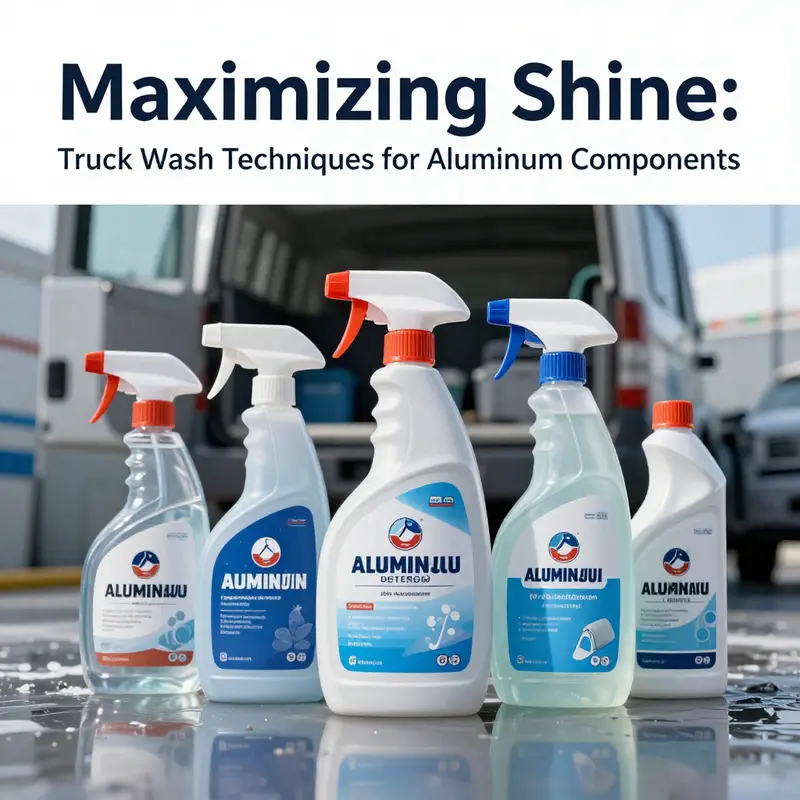
The question of whether truck washes have a process to make aluminum shine invites a careful look at how modern systems treat metal and surface finish, not just remove dirt. Aluminum components on heavy trucks—steps, body panels, trim, and wheels—face a dual challenge: they must withstand environmental grime and corrosive exposure while preserving their natural brightness. In many fleets, the answer is yes. The wash cycle is designed as a progressive, chemistry-guided sequence that combines cleansing with light surface finishing. It begins with the obvious, a robust rinse to dislodge loose soil, brake dust, and road grime. But the real work happens in the subsequent stages, where chemistry and contact time are calibrated to respect aluminum’s properties while delivering a lasting shine.
The heart of the aluminum shine, in contemporary practice, lies in using aluminum-safe detergents that balance cleaning power with surface gentleness. These detergents are formulated to dissolve oily residues and baked-on grime without stripping protective films or reacting with the anodized or painted finishes common on truck components. The chemistry here matters as much as the brush or foam that carries it. A good, pH-balanced formula minimizes alkalinity and avoids aggressive chelating agents that could dull or etch the metal. In practice, you’ll find a focus on low-abrasion cleaning cycles that reduce micro-scratches while lifting embedded contaminants. This is particularly important on lighter alloys, where even a light scratch can create a visual where light doesn’t reflect evenly, making the surface appear dull rather than bright.
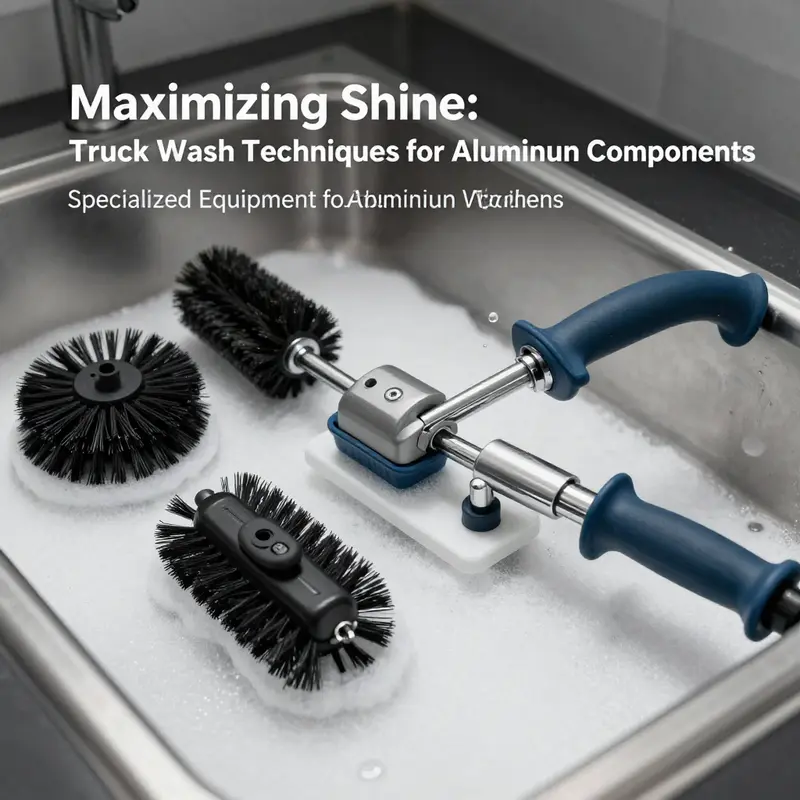
After detergents, many facilities employ soft brushes or foam applicators. The goal is to lift and suspend soil without dragging abrasive particles across the aluminum’s surface. Even gentle brushing can create enough friction to dull a high-gloss finish if it’s not paired with the right cycle times and rinsing. In this sense, the brush is not the star; it is the facilitator of a controlled chemistry that keeps the metal’s natural brightness intact. The rinse that follows is more than a water wash; it’s a rinse with a purpose. Clean water must remove all chemical residues that could leave a film or deposit on the surface. Leftover residues can cause a hazy look that cancels out the shine achieved in the polishing phase, so operators train staff to ensure thorough, uniform rinsing across all aluminum surfaces.
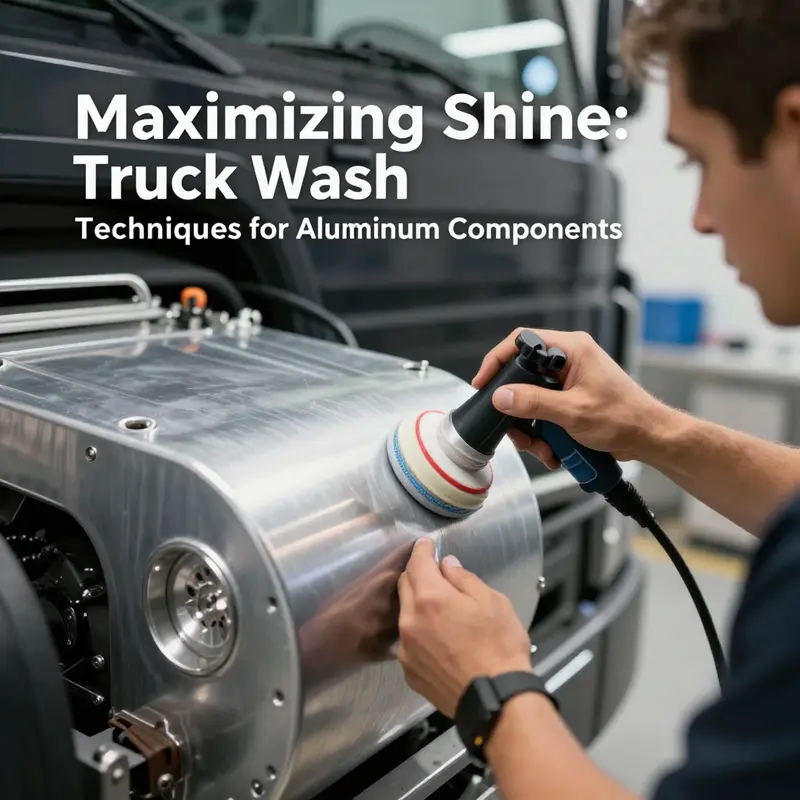
The finishing touch in some high-end fleets is a light polishing or finishing stage. Here, microfiber pads or a dedicated, non-abrasive aluminum polish are used to restore luster and even out micro-variations in reflectivity. This step is not about removing heavy oxidation; it’s about re-establishing micro-level smoothness so that light reflects evenly. The polish employed is chosen for compatibility with aluminum alloys, avoiding compounds that are overly gritty or that leave a waxy film that can attract dust. For many operators, this finishing stage blends seamlessly into detailing services offered as add-ons, such as clay bar work on specific panels or a protective sealant to lock in brightness. The trend toward material-specific care—low-abrasion cycles paired with protective coatings—reflects a growing industry emphasis on appearance that lasts between wash cycles, not merely a momentary gleam.
The research supporting these practices identifies specific chemical categories connected to aluminum surface treatment that illuminate why some processes look more polished than others. Aluminum chemical polishing brighteners are notable because they focus on enhancing brightness while reducing yellow fumes that have historically accompanied nitric acid-based solutions. This development is particularly relevant where the goal is a clean, bright surface without introducing hazardous byproducts. In a truck wash context, brighteners are less likely to be used in bare form; rather, their principles inform the design of safer, aluminum-friendly polishing steps within a broader detailing program. Degreasing agents for aluminum—alkaline and non-corrosive solutions—play a preparatory role when metal parts require a clean start prior to finishing or electrochemical treatments elsewhere in the supply chain. In a wash facility, these degreasers help strip wax and oil residues that would otherwise interfere with both appearance and adhesion of any protective sealant applied later. Finally, cleaning agents used to address aluminum oxidation—alkaline or mild acidic solutions—are part of a toolkit intended to remove dulling white oxide and surface oxidation that can obscure the metal’s natural brightness. The caveat, clearly noted in the research, is that these agents are typically associated with industrial finishing and pre-treatment contexts, not all truck wash configurations. They remind us that achieving shine on aluminum is as much about correct sequence and handling as it is about the chemical itself.
The practical implication for a typical truck wash is nuance. Operators routinely design a cycle that respects aluminum’s tendency to respond to moisture and residues with tarnish if not managed properly. A purely aggressive cleaning action can strip protective films or cause inconsistent reflectivity. Conversely, a carefully balanced protocol—an initial rinse, a pH-appropriate detergent, soft-contact cleaning, an ample, residue-free rinse, and a controlled finishing pass—could produce a noticeable glow that persists through the next days of service. In many shops, this is reinforced by optional detailing packages that emphasize what matters most to aluminum: removal of stubborn oxidation spots, the careful application of a sealant, and periodic reconditioning to maintain the metal’s brilliance. These services, while optional in many fleets, have become increasingly common as fleet managers recognize that shine is tied to maintenance, not just aesthetics.
The industry also trends toward integrating aluminum-specific care into the overall facility program. For operators who manage fleets, the notion of facility management for truck wash businesses becomes central. Designing a process built around material safety, consistent results, and efficient throughput requires more than a single formula. It requires a system that aligns chemical choices with equipment wear, cycle timing, and staff training. The goal is not merely clean surfaces but surfaces that look finished and protected after every wash. In facilities where aluminum components are in high relief—steps, trim, and wheels—the approach may include protective sealants or waxes to extend the shine, while still allowing the quick throughput that trucks need in fleet maintenance schedules. This balanced approach—clean, bright, and protected—can be observed in industry discussions and case studies where managers highlight the relationship between process design and the appearance of aluminum parts across a fleet. For practitioners seeking a broader perspective on these considerations, see the discussion on facility management for truck wash businesses. facility management for truck wash businesses.
Behind the practical steps lies a simple truth: aluminum shines when the chemistry is tamed and the surface is treated with respect. The finishing layer, whether a polish or a sealant, serves as a light-deflecting shield that keeps tiny abrasions from dulling the way light plays across a curved panel, a step edge, or a wheel rim. The decision to employ brighteners, degreasers, or oxidation removers is not about chasing a laboratory ideal; it is about delivering a visible improvement on a working vehicle that has to perform every mile of every day. In some markets, fleets have started to expect that a high-quality wash will do more than remove grease; it will restore a convincing shine to aluminum components without compromising corrosion resistance or wheel finish. The industry’s direction—toward material-specific care, safer brightening chemistry, and protective sealing—speaks to a broader objective: keep aluminum surfaces both clean and brilliant, season after season. This is not a miracle; it is chemistry in motion, guided by careful handling, well-chosen cleaners, and a finishing touch that respects the metal’s character while meeting the demands of high-use, high-mileage equipment.
null
null
Shining Beyond: Aluminum Care in Modern Truck Wash Technology
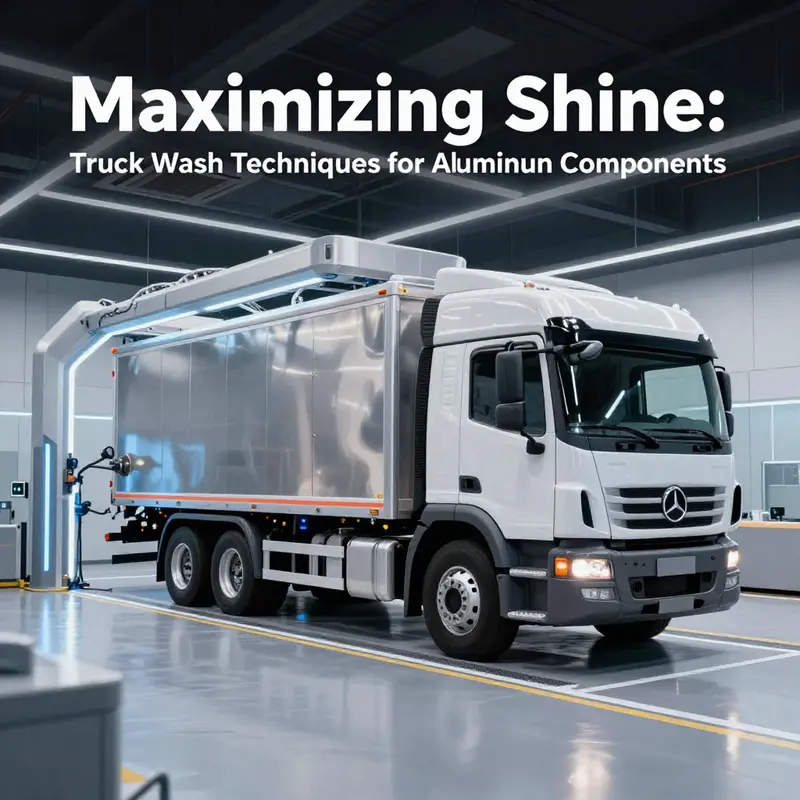
The gleam of aluminum on today’s tractors and trailers is more than aesthetics; it signals maintenance discipline and fleet reliability. In high volume truck washes aluminum surfaces such as steps, trim, body panels and wheels require material aware care. The question of whether truck washes have a process to make aluminum shine has evolved from basic cleaning to a purposeful protocol that respects the metal and the finish. The answer lies in a choreographed sequence that blends gentle chemistry with controlled mechanical action while keeping sustainability in view. Aluminum care in truck washes is not just about dirt removal; it is about preserving the metal’s quiet brilliance and protecting the oxide layer that gives aluminum its luster.
At the core is the idea that aluminum behaves differently from steel or painted surfaces. Modern wash cycles start with a dirt assessment and a pre rinse that loosens heavy grime without forcing contaminants into micro scratches. The detergents chosen for aluminum are balanced for pH and formulated to dissolve brake dust and road grime without attacking the protective oxide. The balance is delicate: cleaners must be strong enough to lift stubborn grime yet gentle enough to safeguard the surface finish. Cleanliness and care can share a single aim.
As the cycle progresses the method of contact matters. Traditional brushes can create micro abrasions that dull the shine on aluminum. The industry favors gentler approaches such as soft brushes or foam applicators that lift particles without scratching. Touchless wash configurations are common for aluminum heavy lines and premium equipment. They rely on high velocity jets and careful chemical dosing to dislodge grime without direct contact. Many fleets also use hybrid approaches with occasional low contact brushing in zones that tolerate light friction. The result is a brighter finish that remains faithful to the metal texture.
Rinsing is more than a rinse. It clears away soap residues and any loosened particles that could affect the oxide layer or leave a film that dulls reflectivity. Using clean water and filtration reduces mineral deposits that cause hazing. In many systems a final rinse uses purified water to ensure the surface looks clean and ready for polishing or sealing.
A finishing phase is common in premium facilities. A non abrasive aluminum polish applied with soft pads can restore brightness and enhance the reflective quality without erasing the oxide layer. The polish adds a light protective layer and removes micro hazing. Even when a final polish is not routine the option is often offered as part of a premium aluminum care package for steps, trim and wheels.
Beyond surface cleanup there is growing attention to long term protection. Aluminum specific sealants and waxes provide a water repellent layer that helps resist immediate soiling and preserves shine between washes. These products couple with the oxide chemistry of aluminum to help maintain the finish and fleet value over time.
Technology drives the future of aluminum care. Water recycling and smart sensor enabled controls are moving from concept to practice. Recycled rinse water lowers water use and sensors monitor dirt load, weather, and pass this information to adjust pressure and dosing in real time. Low abrasion cycles allow operators to tailor the aggressiveness of the wash to vehicle type and aluminum content. The result is a precise material aware cleaning workflow that respects the metal and the finish.
Sustainability and efficiency go hand in hand. Reducing water use through closed loop systems and reusing solvents limits environmental impact while delivering a bright aluminum finish. Operators benefit from lower costs and clients get a fleet that looks well cared for. The modular nature of modern wash lines also helps link aluminum care to the broader workflow without adding complexity.
For managers seeking best practices practical steps include training staff on aluminum chemistry and sensor interpretation, documenting cycle parameters and outcomes, designating zones for aluminum heavy and delicate finishes, and communicating clearly with customers about the value of aluminum focused detailing. This transparency builds trust and positions a wash facility as a specialist in aluminum care.
Looking ahead the field should converge on gentler cleaning, smarter automation and responsible chemistry. Expect more aluminum specific cycles, targeted finishing options and advanced water savings. The aim remains simple and strong: keep aluminum bright, protect the surface, and extend component life across a fleet. Researchers and practitioners can benefit from ongoing sharing of field tested routines and case studies that translate chemistry into reliable results.
Final thoughts
Ultimately, understanding the intricate processes behind making aluminum shine in truck washes is essential for fleet managers and trucking operators. By utilizing specialized equipment, chemical agents, and optional detailing services, companies can enhance the aesthetic quality and longevity of their aluminum components. As technology progresses, embracing future trends in truck wash practices will not only improve the fleet’s appearance but also contribute significantly to operational efficiency and vehicle lifespan.