
Monitoring temperature during the truck wash process is crucial not only for vehicle maintenance but also for efficient operations in logistics and construction. Understanding how to read and interpret temperature gauges can help fleet managers ensure that trucks are washed appropriately, avoiding potential damage from improper washing methods. Each chapter will delve into the specifics of temperature monitoring within the truck wash context, emphasizing safe operating ranges, risks, maintenance routines, and integration with safety systems.
What the Gauge Really Tells You: Reading Engine Temperature in the Context of Truck Wash Operations
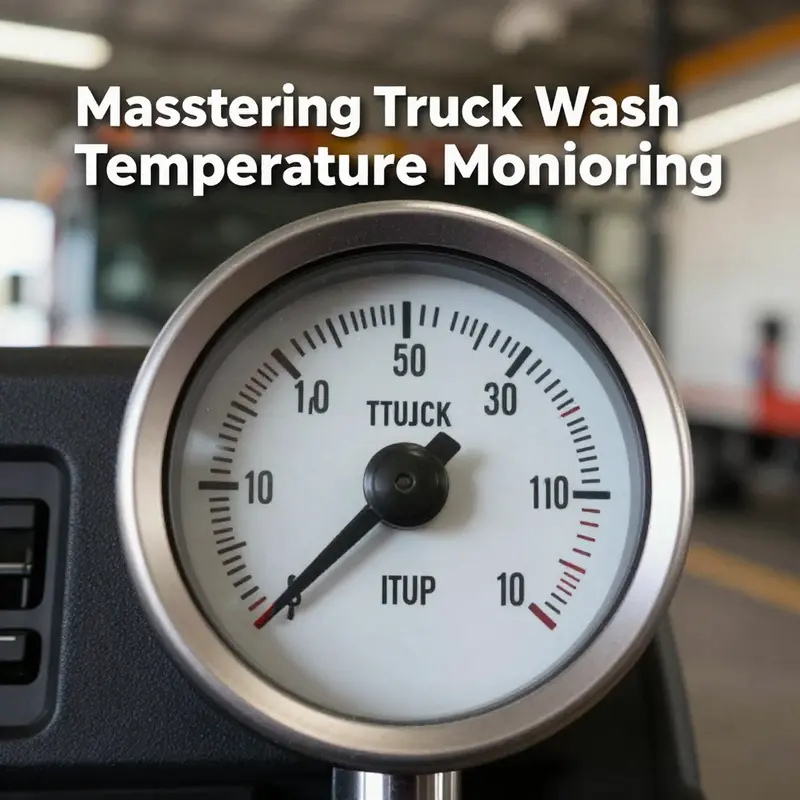
The idea of a dedicated “truck wash temp gauge” often surfaces in conversations about fleet maintenance, but it can be a misnomer. In the bustling world of truck washes, operators focus on water pressure, dwell time, chemical balance, and sensor-driven controls. The temperature readings a driver should actually care about live not in the wash bay’s dashboard, but in the truck’s engine bay. There is no standard temperature gauge built into wash equipment that a driver reads during a wash cycle. Instead, the critical temperature the driver must monitor is the engine coolant temperature, displayed on the truck’s instrument cluster. Understanding this distinction is essential for safety, reliability, and the smooth operation of both the vehicle and the wash facility itself.
To locate the relevant reading, start with the instrument cluster on the dashboard. The engine temperature gauge is typically labeled TEMP or shown with a thermometer symbol. In most modern trucks, the gauge presents a sequence of zones rather than a single line. Keeping this in mind helps prevent overreacting to minor fluctuations and ensures timely action when things go wrong. The normal operating range is usually between 180°F and 200°F (82°C to 93°C). While some models may drift slightly outside this band, the needle or digital readout should spend the majority of its time near the center of the scale under normal driving conditions. This baseline is your reference point for diagnosing potential cooling system issues, rather than for judging the cleanliness of the wash itself.
Interpreting the gauge requires a clear mental map of color or position cues. When the needle sits in the green or center zone, everything is operating as intended. The engine is at a healthy temperature, balancing combustion heat with the cooling system’s ability to shed it. If the readout shifts toward the yellow or orange region, you’re entering a caution zone. This could mean the cooling system is facing a stressor—perhaps low coolant, a stuck thermostat, a partially blocked radiator, or a worn water pump. The key in this scenario is vigilance: monitor the gauge closely, observe for accompanying warning lights such as a check-engine indicator or an overheat alert, and plan a safe stop if you notice the temperature continuing to climb.
If the needle enters the red zone, the situation is urgent. Overheating can cause significant engine damage in a short period. In that case, the correct response is immediate. Stop driving as soon as it is safe, turn off the engine, and allow it to cool before attempting a cooldown check or roadside service. Do not continue to operate a vehicle that is visibly trending toward overheating, since sustained heat can warp bearings, damage gaskets, and compromise critical systems that keep the truck on the road. Should you experience an overheating incident, a quick post-event checklist is prudent: confirm coolant level is adequate once cooled, inspect for obvious cooling system leaks, and consider whether a thermostat, radiator cap, fan clutch, or radiator fin blockage might be at fault. Addressing these issues promptly can prevent repeated overheating and the associated downtime.
In practice, many drivers will cross-check readings with warning lights. A high-temperature reading paired with a warning light calls for heightened attention. Sometimes the gauge may read high while the warning light remains steady, or a light may come on before the gauge moves. In either case, treat the combination as a signal to assess the cooling system more thoroughly. A competent maintenance routine includes regular coolant level checks, radiator and hose inspections, and an annual or semiannual inspection of the cooling system components. A well-kept cooling system minimizes the risk of unexpected temperature spikes that disrupt both driving and wash operations. The interplay between gauge readings and warning indicators is a safeguard that helps fleet operators avoid avoidable downtime and keeps the vehicle in service longer.
A practical reality underlines a broader point: truck wash systems are not designed to provide temperature readings for the engine. They are engineered to deliver clean vehicles efficiently. The wash bay may heat water for certain cleaning protocols, adjust chemical dilution, or manage spray temperatures as part of a process control loop, but these temperature controls are not driver-facing gauges. The absence of a “wash temp gauge” in the cab isn’t a flaw; it’s simply a reflection of the separation between the vehicle’s engine temperature monitoring and the wash system’s process control. In everyday fleet operation, the wash’s temperature controls contribute to effective cleaning and equipment longevity, yet they operate independently of the driver’s engine temperature awareness. If the wash system uses hot water as part of its cycle, the control panel will manage that parameter, not a dashboard gauge meant for the driver. This separation underscores why borrowers of terminology must be precise: engine temperature remains the driver’s responsibility, while wash-water temperature, where it exists, is a facility concern.
The absence of a dedicated wash temperature gauge also points to an important operational truth. When a truck arrives at a wash bay, the immediate priority is the vehicle’s exterior condition, not the engine’s current heat state. Yet the engine’s health is inseparable from a fleet’s bottom line. An overheating engine leads to downtime, costly repairs, and potential safety risks. The path to reliability is proactive maintenance. This means regular cooling-system service, verified coolant quality, and careful monitoring of hose integrity, clamps, and the radiator’s condition. It also means training drivers to recognize symptoms beyond the gauge—such as steam, a sweet or burnt smell, or unusual sounds—that indicate excessive heat buildup. Even in the absence of a wash-specific temperature display, the engine temperature gauge remains a central gauge of operating risk and performance.
From an operations standpoint, the relationship between engine health and wash efficiency is real. A truck arriving with an overheating engine will experience a driver who is forced to cut the wash cycle short, delay loading or unloading, and risk transport delays. Conversely, a normally operating engine supports smoother scheduling and more predictable wash cycles. In this sense, the best practice is to think of temperature monitoring as two linked systems: the engine’s cooling system that keeps the truck running, and the wash system’s process controls that keep the vehicle clean without undue downtime. A reliable fleet strategy aligns maintenance calendars with wash facility schedules, not only to minimize risk but to maximize throughput and uptime. This broader management perspective is where facility planning becomes critical, and it is where the internal linkage to practical operations becomes relevant. For example, robust facility management for truck wash businesses ensures that support systems remain dependable and that drivers can focus on safety and efficiency rather than chasing mythical gauges in the wash bay. facility management for truck wash businesses.
For those seeking a deeper technical grounding, mechanical temperature gauges offer a useful historical perspective. Mechanical gauges rely on a capillary or bimetal mechanism to translate coolant temperature into a readable dial. They can be more forgiving of electrical noise or sensor faults, which some drivers may encounter with digital systems. In practice, many fleets still value the simplicity and direct readability of a mechanical gauge, especially on older trucks or in remote service areas where electronic reliability can vary. While the presence of a mechanical gauge does not change the core diagnostic steps for overheating, it does remind us that temperature measurement has a long, practical lineage in vehicle design. Understanding these fundamentals helps fleet teams communicate more effectively with maintenance staff and avoid misinterpreting readings when time is of the essence.
As you consider the broader ecosystem, remember that temperature monitoring in the context of truck operations is ultimately about reliability and safety. The wash system’s temperature parameters may be tuned for optimal cleaning performance, but the driver’s focus should remain on the engine’s health indicators. When in doubt, prioritize a safe stopping point, perform the cooldown, and arrange a follow-up inspection if there is any persistent abnormal reading. Maintaining clarity between the wash process and engine diagnostics is a best practice that supports continuous operation and reduces both risk and downtime. The chapter on understanding truck gauges is a reminder that meticulous attention to the right readings—engine temperature rather than any misnamed wash gauge—yields the most reliable path to keeping a fleet on the road and a wash operation running smoothly.
External resource: For a deeper technical explanation of mechanical water-temperature gauges, see this external reference: https://www.autometer.com/products/mechanical-water-temperature-gauge
Reading the Truck Wash Temperature Gauge: Striking the Balance Between Clean Power and Equipment Longevity
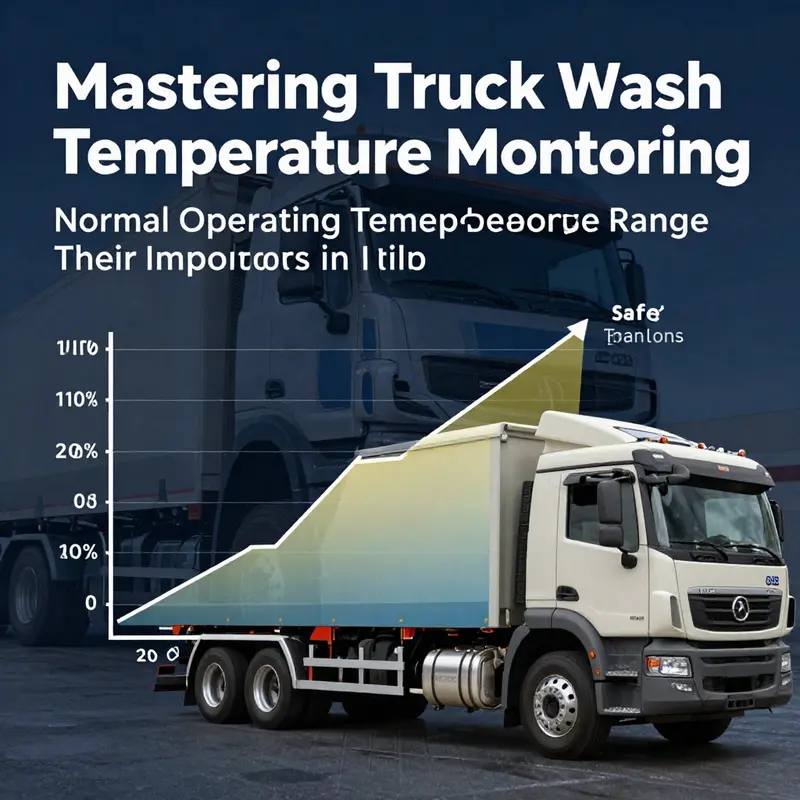
Temperature is often the unseen driver of a truck wash’s performance. Operators may focus on pressure, brushes, and chemical ratios, but the temperature of the wash fluid quietly governs how effectively grime dissolves, how the chemistry behaves, and how long station components will last. In this chapter we explore what it means to read a truck wash temperature gauge, how to interpret the readings in real time, and why those readings matter for both cleanliness and equipment health. The concept of a dedicated “truck wash temp gauge” may seem straightforward, yet it is easy to misread or overlook. The gauge in question typically monitors the wash fluid’s temperature within the system, not the engine or the vehicle’s cab instruments. A smart operator uses the gauge as a compass, guiding adjustments that optimize cleaning while protecting surfaces and pumps. Understanding this gauge requires connecting the thermal reading to the chemistry at work during a wash cycle, the physical limits of the wash components, and the regulatory environment that governs wash operations. It is not enough to know a target number; you must see how the number drifts, how the system responds, and how to intervene before problems become expensive downtime or paint damage.
Normal operation centers on a practical temperature window that delivers both effective cleaning and system safety. For many truck wash systems, the optimal range sits roughly between 120°F and 160°F (about 49°C to 71°C). Within this band, detergents reach their designed activity, emulsifying grease and road grime without becoming too aggressive for the substrate. Below 120°F, the cleaning action can stall. Soap molecules may not separate properly from oil films, leaving stubborn residues behind. Dirt and grime cling to painted surfaces, chrome trim, and rubber seals, undermining the wash quality that facilities advertise and that fleets expect. The workaday consequence is rework and customer dissatisfaction, not to mention wasted chemical and utility costs. Above 160°F, the risk curve shifts toward material wear. Excessive heat can soften or deform rubber gaskets, fade delicate paints, and accelerate chemical reactions that degrade protective coatings. In extreme cases, high temperature can compromise seal integrity or accelerate wear on conveyor belts and spray nozzles. The temperature gauge, therefore, is not a luxury but a fundamental control point. It is the knob you turn to balance strong cleaning with long-term equipment reliability.
Modern wash systems increasingly rely on digital gauges, with sensors embedded in the fluid line and connected to a control panel or building management system. Real-time feedback lets operators monitor temperature continuously as cycles run. Alerts are common—soft alarms that warn when readings deviate from the safe window, and more aggressive alarms that halt a cycle if the temperature threatens the hardware or the finish of the vehicle. Some systems also log peak and minimum temperatures, building a maintenance record that helps diagnose performance trends over weeks or months. In contrast, older installations may use analog indicators or remote readouts. Even in those cases, the principle is the same: a stable, trackable temperature signal feeds decisions about when to start heating, when to throttle back, and when to pause for cooling. For the technician, that signal is a language. It speaks of efficiency when read correctly and of risk when misread.
Interpreting the gauge involves more than noting a single number. It requires correlating the readout with the wash cycle’s stage, the chemical being used, and the flow rate of water through the nozzles. A temperature reading that sits near the middle of the green or blue zone on a digital display is a sign of normal operation. The assembly of components—heated water, detergents, spray patterns, and dwell time—works as a system, and the gauge is one interface showing how well those components cooperate. If the needle or the display starts creeping toward the yellow or orange band, that signal deserves attention. A rising temperature could indicate reduced coolant capacity, a failing heater element, or an upstream blockage that reduces the flow of cool water. In a well-tuned system, the operator would notice that the rise coincides with a longer dwell time or increased chemical concentration, and would adjust with a measured hand. If the temperature breaches the red zone, the response should be decisive: stop the cycle, verify the heater and sensor readings, check for sensor fouling, and consult maintenance to prevent damage.
Calibration and placement of sensors are critical for accuracy. The temperature sensor should reflect the true temperature of the wash fluid at the point of use, not the temperature of the room or the pump housing. Calibration routines ensure that sensor drift over time does not erode the reliability of readings. When a sensor is installed too far from the actual spray or in a shaded pocket of the wash line, readings can understate or overstate reality, leading to improper cycle timing or overcorrection. Regular calibration, ideally traced to a known standard, helps keep the signal trustworthy. Maintenance crews also check for sensor fouling by detergents and mineral deposits, which can insulate the probe and create a lag between actual temperature and what the gauge reports. A well-calibrated system reduces the chance of false alarms and ensures that setpoints align with the wash chemistry and the equipment’s capabilities.
Guidance on how operators actually use the gauge in daily practice sits at the intersection of process control and equipment care. Some facilities implement a standard operating procedure that ties temperature targets to the wash stage. For example, a pre-wash rinse may run cooler to prevent thermal shock to a vehicle’s finishes, followed by a heated rinse or wash stage that optimizes grease dissolution. By watching the gauge, the operator can confirm that the heating element has reached operating temperature within a predictable timeframe and remains stable during the application of detergents and rinse aids. When readings drift, skilled technicians interpret the data holistically. A gradual temperature decline might reflect a partially clogged heat exchanger or a low input voltage to the heater circuit. A sudden spike could indicate a misreading due to air trapped in the line or a failing sensor. In both cases, the response is to verify the hardware, check electrical connections, and validate sensor performance before making any cycle adjustments. The gauge becomes a diagnostic tool as much as a control instrument.
This topic sits within the broader framework of truck wash industry compliance and emissions regulations, which shape system design and operational limits. Understanding how temperature control affects energy use, chemical consumption, and environmental impact helps operators align daily practice with regulatory expectations. A compliant wash operation does more than produce clean trucks; it demonstrates responsible energy management, appropriate chemical use, and traceable maintenance, all of which hinge on accurate temperature readings and disciplined responses to them. The gauge, in this sense, is a steward of both product quality and regulatory integrity. Operators who treat temperature as an afterthought miss a layered opportunity to improve performance and reduce risk. They may miss early signs of heater inefficiency, waste unnecessary energy, and indirectly elevate maintenance costs. When temperature management is integrated with regular preventive maintenance, the wash system wears less and cleans better, every cycle.
A practical takeaway for operators is simple but powerful: know your target window, verify sensor accuracy, and act with data rather than with guesswork. Start by recording a baseline during normal operation, noting the time to reach target temperature after a cycle begins and how long the reading remains within range. If the baseline shifts over days or weeks, initiate a calibration check and inspect the heater, sensor, and control wiring. Keep an eye on the sanitation chemistry as well; some hot-water formulas behave differently as temperatures drift, which can alter cleaning outcomes even if the gauge reads within range. Finally, consider the human element. A well-trained operator reads the gauge not as a static number but as a live signal that informs timing decisions, cycle length, and routine maintenance. The best practices arise when temperature monitoring is embedded into the wash’s rhythm, not treated as a separate step.
To connect this understanding with practical resources, consider the broader discussion of how temperature control intersects with operational standards and industry guidelines. For a deeper dive into regulatory considerations and how temperature management informs compliance and emissions strategies, see the following resource on truck wash industry compliance and emissions regulations. truck wash industry compliance and emissions regulations. This link can help frame temperature control within a wider governance context, ensuring that temperature management supports both performance and accountability. For additional technical grounding on the physics of temperature in fluids and how it influences cleaning efficacy, you can consult established references such as the Engineering Toolbox, which offers practical explanations of water temperature and its relationship to pressure and flow in industrial systems: https://www.engineeringtoolbox.com/water-temperature-and-pressured1085.html.
Reading the Truck Wash Temperature Gauge: Interpreting Heat, Hazards, and Operational Confidence
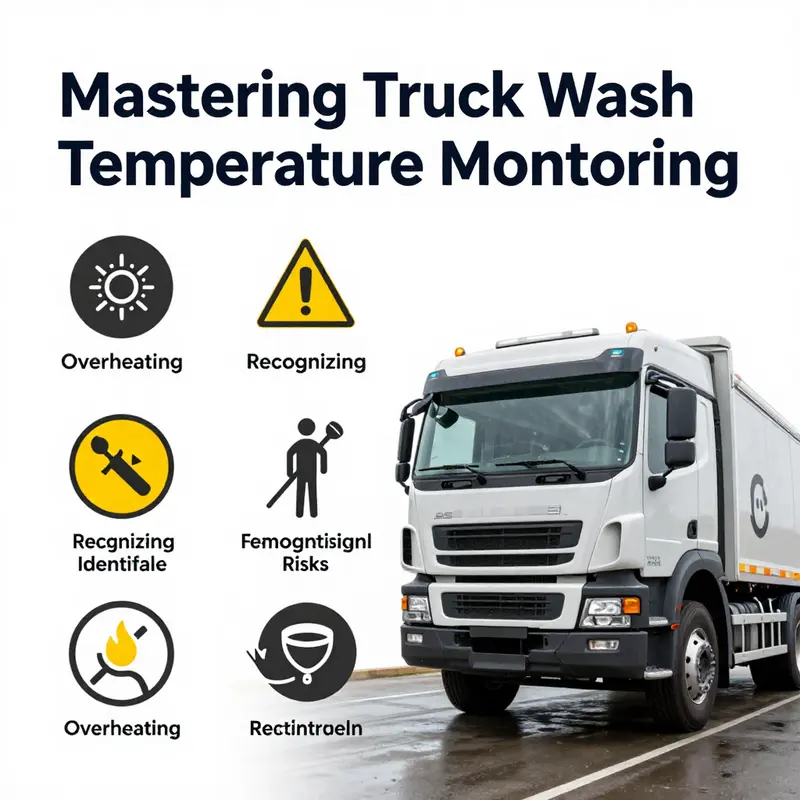
In the bustle of a busy truck wash bay, there is a small gauge that often goes unnoticed by the casual observer. It is not the engine temperature or oil pressure gauge that commands attention during a roadside stop. This gauge watches the water that cleans in seconds, and its readings shape every choice in the wash cycle. The temperature reading is more than a number; it is a signal about cleaning effectiveness, material safety, and crew well being. When read properly, it guides operators to maintain productive heat levels while avoiding the sharp edge of risk. When misread or ignored, it can undermine paint protection, accelerate equipment wear, or expose workers to scalding water. Understanding how to read this gauge, and what to do when the reading drifts, is a practical skill that links daily operations to long term reliability and safety.
Most truck wash systems aim for a practical middle ground in water temperature. The commonly preferred range hovers around 120 to 160 degrees Fahrenheit, or about 49 to 71 degrees Celsius. This window is broad enough to drive effective grease and grime removal while staying gentle on sensitive finishes and seals. It is important to note that the exact specification can vary by system design and the detergents used. A clean coat of soap and an optimized heat profile work together; when one element is off, cleaning performance drops or you pay in other ways later in the cycle. A steady reading within this range is a sign that heaters, sensors, and control logic are coordinating properly. If the gauge consistently sits outside the range, even briefly, begin a quick diagnostic before proceeding with another wash cycle.
Reading the gauge starts with recognizing the display type. Some bays use an analog dial where a needle sweeps across a calibrated arc, while others employ a digital readout that shows a numeric temperature. Either way, the principle is the same. The needle or the number should align with the labeled normal zone. If a color-coded indicator accompanies the display, the green band denotes normal operation, yellow signals caution, and red indicates overheating. Where color cues exist, they function as an extra layer of quick recognition in a high throughput setting. The key habit is to verify the temperature against the current wash stage. Heat is often applied at the start for soil loosening, then moderated as the cycle progresses. A steady, slight drift is normal as demand and water flow change, but sharp or repeated excursions deserve attention.
A fluctuating reading can be a red flag that something is not right. It may point to a malfunctioning sensor or a problem with the heating element, but it can also reflect irregular water flow or air pockets in the line. In any case, a fluctuating gauge should prompt a brief pause to confirm actual water temperature with a calibrated thermometer placed in the wash circuit. Visual inspection of the sensor immersion or contact point is wise. Mineral buildup, called scale, can insulate sensors and distort readings. Loose or damaged wiring along the control circuit is another common culprit. If you isolate the gauge as the source of the issue and the reading remains unstable, escalate to a technician for a deeper electrical and mechanical check. Never rely on a faulty gauge to gate safety decisions or to justify pushing through a cycle that could expose workers to excessive heat.
The practical steps of reading and responding are straightforward. If the temperature dips below the target range, cleaning efficacy declines. Surfaces may not release embedded grime as efficiently, and detergents may not perform as designed. In response, verify flow rates and ensure the heating element is producing heat consistently. If the temperature climbs toward or into the upper end of the range, the risk profile shifts. Hot water increases the potential for burns to exposed skin, and very hot washes can degrade coatings or sensitive materials on certain trucks. In a busy bay, a cautious approach is to reduce heat, or pause the wash until the temperature stabilizes within the safe band. When the gauge shows a sustained high reading, engage the emergency or safety-protection features if the system provides them, and consult maintenance before continuing.
A safer operation rests on keeping the gauge accurate and the control logic reliable. Some modern gauges pair mechanical sensing with electronic displays, delivering a more robust readout. These systems often include memory functions that store maximum and minimum temperatures over defined periods. The historical data helps maintenance teams identify gradual drift in the heater performance or changes in water supply quality. For operators, the memory feature offers a practical glimpse into the equipment’s behavior across shifts, highlighting trends rather than isolated incidents. Regular calibration against a known standard is a best practice. Periodic checks against calibrated thermometers ensure the sensor remains true, especially after component replacements or power outages that can affect digital controllers.
Beyond the equipment itself, the temperature readout intersects with worker safety and process discipline. The study conducted in Mataram underscores how physical risk rises when temperature control falters. Workers face thermal burns from hot water, slips on wet floors, and the hazards associated with high-pressure sprays. The takeaways are clear: a reliable gauge is part of a larger safety system that includes training, protective gear, and clearly defined response protocols. A dry, well-marked workspace and appropriate footwear reduce the chance of slips during rapid temperature adjustments or during maintenance checks. Training should emphasize recognizing abnormal readings, knowing when a cycle must be paused, and understanding where to find and how to operate emergency shut-offs. In practice, this translates to a culture where crew members actively verify temperatures, report anomalies, and support quick, safe decision making rather than pushing ahead with uncertain data.
Operational discipline supports both cleanliness and longevity. A simple routine helps ensure that the temperature gauge remains a trusted indicator. Start each shift with a quick verification of the gauge against a known reference. During a wash, monitor the temperature as part of periodic checks, noting any excursions and correlating them with cycle stage and chemical use. If a discrepancy arises, halt the cycle and perform a focused check of the sensor, heating element, and wiring. Document any fault codes or irregular readings as part of the maintenance log. Over time, a consistent record reveals patterns that can trigger preemptive maintenance, preventing unexpected downtime and keeping both cleaning quality and safety intact.
To connect these practical steps to larger organizational goals, remember that the gauge is not an isolated device but a component of a broader operational framework. It informs decisions about how long to run a wash cycle, what temperature to set based on the vehicle mix, and when to escalate for service. When teams align gauge readings with procedural expectations, they improve consistency and reduce the risk of accidents. As industry standards and regulatory expectations evolve, it helps to stay informed about the broader context. For further reading on this topic, see the resource focused on truck wash industry standards and compliance, which offers guidance on emissions, safety, and process controls in a modern wash operation. truck-wash-industry-compliance-emissions-regulations.
In sum, reading the truck wash temperature gauge is a practical discipline that blends observation with a plan for action. A steady range of roughly 120 to 160 degrees Fahrenheit typically supports effective cleaning while preserving safety and surface integrity. When readings drift, trust your verification process, examine sensors and wiring, and implement corrective maintenance. The gauge is a quiet guardian in the wash bay, and respecting its signals helps protect vehicles, people, and the equipment that keeps the operation moving forward.
External reference for broader context on heat management in automatic truck wash systems can be found here: Understanding Automatic Truck Wash: Grades, Properties, and Engineering Applications.
Reading Heat in the Wash: Why There Is No Truck Wash Temp Gauge and How Regular Checks Preserve Cleaning and Equipment
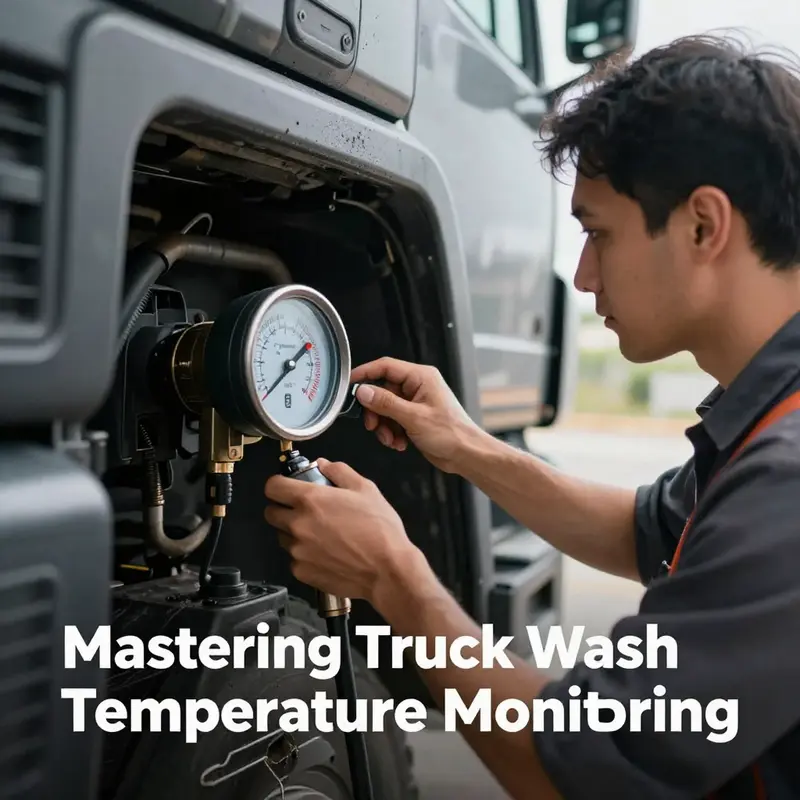
If you search for a specific device called a ‘truck wash temperature gauge,’ you will likely come up empty. There simply isn’t a standard gauge on most automated truck washes that tells the driver or operator the wash water temperature in a way that mirrors an engine temperature gauge. The truth is more nuanced: temperature monitoring in wash systems happens behind the scenes, within the wash controller, heater circuits, and the sensors that govern the cleaning cycle. This chapter follows that thread, explaining what you are actually reading when you glimpse a temperature readout on a wash system, why the numbers matter, and how steady maintenance turns those numbers into reliable cleaning performance rather than a mystifying dial. The discussion links the temperature readouts to the larger picture of wash efficacy, surface safety, and fleet reliability, while keeping a practical focus on what a technician or operator should do on a typical shift.\n\nHeated wash cycles rely on water that is hot enough to dislodge stubborn grime yet controlled enough to prevent damage to seals, finishes, and wiring. In practice, operators often aim for a target range that typically falls between about 120°F and 180°F (49°C to 82°C). The exact corridor can shift with the wash configuration, the detergents used, and the types of vehicles being cleaned. It is not unusual for a panel to display a digital temperature readout, or for a local gauge to show a value in the main wash module. In other setups, temperature data might be tracked in a remote dashboard tied to the facility’s control system. The important point is not the single number itself but what the number indicates about the wash process: consistent heat delivery, adequate dwell time, and the balance among heat, detergent action, and rinse chemistry.\n\nWhat you see on the readout is best interpreted as part of a larger signal chain. Temperature is a condition that interacts with flow rate, chemical concentration, brush or nozzle action, and the mechanical state of the wash line. If the panel suggests a mid-range reading during the main wash, that is a cue that the system is performing as designed. If the display shifts toward a warning zone, or if a fault light accompanies the temperature readout, the interpretation changes. Temperature warnings should never be treated in isolation; they often flag a broader issue such as reduced flow, blocked nozzles, insufficient chemical agitation, or a failing sensor. In short, the temperature readout is a useful data point, but it gains meaning only when observed alongside other indicators like flow rate and chemical balance.\n\nWithin this framework, the absence of a universal ‘truck wash temp gauge’ on the dashboard does not mean heat management is optional. It means operators must read the system’s temperature as it appears within the wash controller and, when necessary, verify that readouts align with the actual water temperature. For accuracy, technicians should perform occasional cross-checks using a handheld thermometer inserted into a representative stream of water near the wash head. Discrepancies beyond the system’s tolerance indicate calibration drift or sensor wear, and they demand maintenance attention. Regular calibration is essential because even small sensor deviations can lead to underheating, which reduces cleaning efficacy, or overheating, which risks damage to surfaces, seals, and coatings.\n\nCalibration and accuracy checks become a routine part of maintenance when you recognize how fragile the balance is between cleaning power and material safety. A sensor that reads high when the water is at a normal level can create a false sense of security, masking a clogged filter or a weak heater element. Conversely, a sensor that underreads might push the system to overcompensate, driving temperatures into ranges that shorten the life of hoses and gaskets or alter the chemistry of the wash solution. The practical implication for maintenance teams is simple: schedule regular sensor checks, verify readings with an independent thermometer, and log the results alongside cycle times, chemical concentrations, and visible wash performance.\n\nA broader view of maintenance helps connect temperature management to overall wash quality. Temperature does not act alone; it works together with the mechanical parts of the wash—pumps, nozzles, and brushes—and with the chemical program chosen for a given load. If heat is consistently within the target band, but the vehicle still returns with residual grime, the issue may lie in chemical delivery or dwell time rather than in heat alone. If heat is misbehaving—rising unexpectedly or failing to reach the lower threshold—investigate the heater circuit, check for air locks in the lines, and inspect sensors for scale buildup. In both cases, the maintenance narrative points back to one core practice: systematic checks during routine operations. A daily glance at the temperature readout should be paired with a quick inspection of flow meters and chemical feed valves. The moment you widen the lens from a single number to the entire wash sequence is the moment you gain control over cleaning outcomes, vehicle safety, and equipment longevity.\n\nThe rhythm of good maintenance is not a single action but a sequence of small, consistent habits. Start with a clear set of operating ranges for your specific wash configuration and vehicle mix. Document the expected ranges for the main wash, rinse, and dry stages, and ensure the control panel clearly communicates when any stage diverges from those expectations. Then, integrate temperature checks into a broader maintenance cadence: daily spot checks, weekly calibration verification, and monthly sensor inspections that include wiring harness integrity and connector cleanliness. This cadence, though seemingly granular, yields tangible benefits: steadier cleaning performance, fewer unexpected downtimes, and longer service life for heaters, sensors, and piping. To keep this practice aligned with broader facility standards, you can align your procedures with established facility-management principles for truck wash operations, which emphasize reliable infrastructure, consistent process control, and proactive maintenance planning. See more on facility management for truck wash businesses for a holistic view of these practices.\n\nIn the real world, operators often rely on a composite view of indicators rather than chasing a single dial. Temperature readouts are a valuable part of this composite, but they must be interpreted in harmony with other signals: flow rate, detergent concentration, nozzle cleanliness, and brush wear. When a readout enters a cautionary range, a disciplined approach is to pause, verify sensor integrity, and confirm that no external factor—such as a recently changed chemical batch or a clogged line—could be producing an anomalous reading. If the temperature movement aligns with a normal wash phase and other indicators remain steady, you may simply monitor the condition rather than act immediately. If, however, multiple indicators point toward a compromised state, a shutdown, inspection, or service call becomes prudent to prevent damage to vehicles or to the wash equipment itself.\n\nA simple but critical habit is to maintain a clean, well-labeled sensor environment. Debris, scale, or chemical residue near a temperature sensor can distort readings. Regular wipe-downs, flushing routines, and a quick sensor inspection as part of shift changeovers help keep data accurate. Documentation matters too. A well-kept log that records sensor readings, maintenance actions, and observed wash results builds a trail that helps technicians diagnose recurring issues and supports accountability within the fleet operation. When this approach is adopted across a facility, the collective benefit is a more predictable wash cycle, better vehicle surfaces protection, and a decreased likelihood of costly repairs stemming from undetected sensor faults.\n\nFor readers exploring how best to structure these practices within a broader operational context, the discussion of data-driven maintenance aligns with the broader philosophy of facility management for truck wash businesses. This approach emphasizes the integration of temperature monitoring with other system checks, the importance of calibrated sensors, and a culture of proactive upkeep that reduces downtime and extends equipment life. As you build out your own standard operating procedures, you may find it helpful to review related material on facility management for truck wash businesses to tailor the maintenance cadence to your specific site and workflow. facility management for truck wash businesses\n\nIn closing, there is no universal dashboard gadget labeled a ‘truck wash temp gauge’ in the sense of a driver-facing indicator. Temperature management in wash systems is a coordinated, internal function that influences cleaning efficacy and equipment health. Reading the temperature readout means more when it is contextualized within the entire wash sequence and the maintenance practices that support accurate readings. Regular calibration, verification with independent measurements, attentive observation of related indicators, and consistent maintenance routines together form the backbone of reliable wash performance. When these elements come together, fleets experience cleaner trucks, safer finishes, and fewer interruptions to service—outcomes that matter as much as any dial on the control panel. For industry guidance on best practices for maintaining automated truck wash systems, including sensor calibration and operational checks, consult external guidelines provided by the International Car Wash Association at https://www.carwash.org.
Reading the Right Temperature: Engine Gauges, Safety, and the Myth of a Truck Wash Temp Gauge
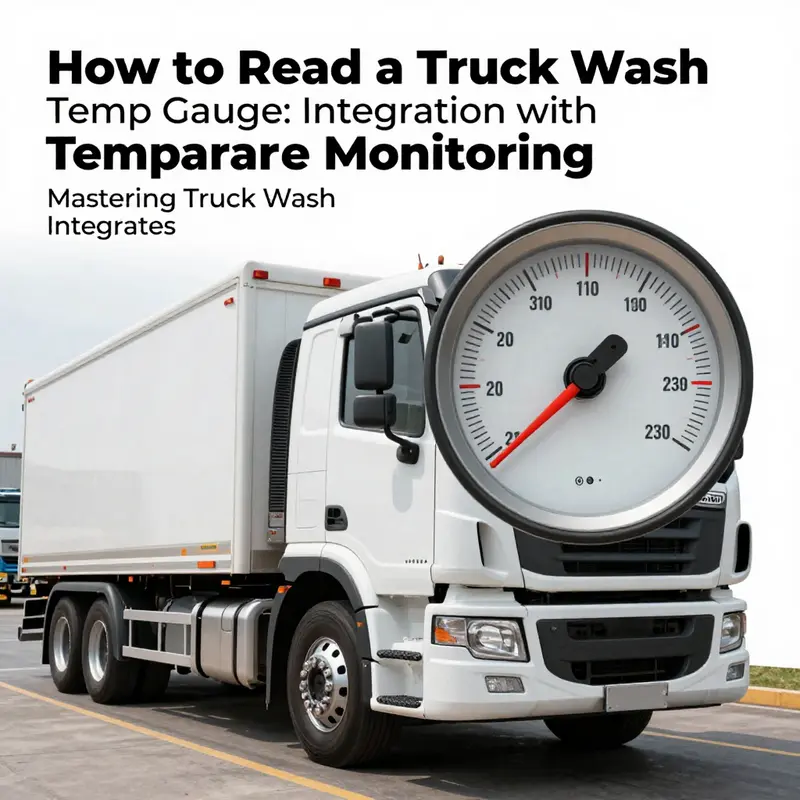
If you’ve ever searched for a so-called truck wash temp gauge, you’re not alone. The phrase promises a direct readout of the wash bay’s heat or a temperature reading tied to the cleaning process. In truth, there is no standard gauge in most trucks that tracks the temperature of the wash itself while you’re driving through a truck wash. What you do read every day is the truck’s engine temperature, a critical indicator of safety and performance. This chapter unpacks what that engine gauge really tells you, why it matters, and how to separate the reality of engine temperature readings from the myth of a dedicated “truck wash” temperature readout. In fleet operations, clarity about what you’re monitoring helps prevent costly downtime and keeps drivers and cargo safe. The engine temperature gauge is a window into the health of cooling systems, lubrication priorities, and overall engine integrity, not a dial for the wash bay’s heat. Yet understanding that distinction is essential, because when the engine temperature wanders outside its normal corridor, the fault lines of a heavy-duty vehicle’s operation can appear quickly, especially in demanding environments like a high-pressure wash cycle or a long haul with frequent detours through hot climates.
Locating the gauge is the first step in the routine of safe driving. On most trucks, the temperature gauge sits within the instrument cluster on the dashboard and is labeled TEMP or features a thermometer symbol. The way the gauge behaves over an ordinary drive is almost as important as the reading itself. In normal operation, most heavy-duty engines hover in a defined range that keeps metal and fluids in their optimal states. The classic rule of thumb across many trucks is a normal operating window that runs roughly between 180°F and 200°F (82°C to 93°C). That’s not a single fixed needle position; it’s a band where the engine’s heat is managed by coolant flow, radiator capacity, and the fan system, all of which are designed to keep the engine at a steady temperature during varying loads and ambient temperatures.
Reading the needle, or the digital readout if your truck uses a digital gauge, is not a matter of chasing a precise number minute by minute. It’s about watching for the needle’s journey within that green or center zone. A green or center reading signals normal heat: the engine is operating in its intended thermal comfort, and the cooling system is effectively dispelling heat as the truck climbs grades or maintains highway speeds. Trouble begins when the needle drifts toward the yellow or orange zone. That shift is a warning, a sign that something in the cooling loop might be failing or that conditions have exceeded what the current cooling setup can handle. A creeping rise into the yellow can indicate low coolant, a stuck thermostat, a failing water pump, air in the cooling lines, or a blocked radiator. It demands attention, but not necessarily panic. If the gauge continues to climb or sits in the yellow for an extended period, the prudent response is to slow down, switch off high-load settings if possible, and pull over when safe to assess.
If the needle slips into the red, you’re looking at a critical condition. Overheating can rapidly cause warping in head gaskets, cracking in cylinder heads, and other expensive damage that can sideline a fleet for days. In that scenario, the instruction is straightforward and deliberate: stop driving immediately, turn off the engine, and let it cool before attempting further diagnostics. Checking coolant levels is a natural next step, but it’s only safe after the engine has cooled. Rushing to add coolant while hot can lead to scalding or thermal shock to the system. And while you may be tempted to keep driving to reach a service facility, continuing to operate a hot engine risks severe, sometimes irreparable, damage. The warning lights in the cluster, such as a “Check Engine” or “Overheat” indicator, serve as supplementary cues. They reinforce the message delivered by the gauge but aren’t substitutes for a measured response.
The engine temperature gauge interacts with a constellation of subsystems designed to protect both engine and crew. The cooling system, of course, is the primary stage of defense. Coolant circulates through the engine to absorb heat, moves that heat to the radiator, and then into the outside air via fans and airflow. When a fault arises—whether a leak, a failing thermostat that doesn’t open when it should, a fan that won’t kick in under load, or a blocked radiator—the gauge tends to betray the problem by showing an abnormal temperature. In older, mechanical gauges, the reading was a direct relay from a physical temperature sensor, with the gauge responding in a way that could feel a touch slower or more linear. Modern trucks often combine mechanical and digital components to yield a faster, more precise readout and to trigger electronic warnings if temperatures cross preset thresholds. Either way, you’re not looking at a system designed to tell you when the wash bay is hot; you’re watching the engine’s own thermal balance in response to driving conditions and maintenance status.
The misconception around a truck wash temperature gauge matters because it can steer attention away from the real risks and the actual tools available to manage them. In the context of a wash, the driver’s focus should be on the driving conditions, fuel management, and the engine’s cooling capacity during peak operations, rather than a fictitious readout that would claim to reflect wash-water temperature. The wash environment itself—whether in-bay automatic, touchless, or another system—has its own operational controls that determine water temperature, chemical concentrations, and spray cycles. Those are managed by the wash system’s control logic and facility operators, not by the vehicle’s dashboard gauges. Practically, this means a driver won’t see a “wash temp” reading and shouldn’t expect one to influence driving decisions. To emphasize the point: the count of critical gauges you monitor while en route is about the engine, oil pressure, transmission temperature, and a few other vehicle health indicators. The wash’s conditions are managed wherever the vehicle is being cleaned and are not a variable you control with the same dashboards you use on the highway.
When an overheating episode does occur, there are pragmatic steps that align with good driver practice and fleet safety protocols. First, reduce power demand. Downshift and ease off the accelerator to lower the engine’s thermal load, avoiding the temptation to push through a hot spell to reach a service bay. Second, verify coolant status if you can do so safely after the engine has cooled. Low coolant is a common cause, but the cause can be more elusive—leaks, a broken hose, a degraded radiator cap, or even air trapped in the cooling system after maintenance. If coolant levels are normal, consider more subtle culprits like a clogged radiator or a failing thermostat that fails to regulate flow. Third, inspect the basics outside the cab as soon as it’s safe: clear any debris from the radiator fins that could impede airflow, check for loose or damaged belts that drive the water pump and cooling fan, and examine the fan operation itself. A fan that doesn’t engage under load can allow temperatures to rise quickly, especially in slow-moving traffic or heavy conditions often encountered near washed-out worksite roads and loading docks.
To connect these insights to a broader operational picture, think of temperature awareness as part of a holistic safety culture rather than a single dial’s drama. Temperature control is not just about avoiding breakdowns; it’s about preserving efficiency, protecting the engine’s longevity, and keeping drivers out of precarious situations. In fleet contexts, this awareness translates into proactive maintenance scheduling, responsive diagnostic checks, and clear decision rules for stopping or rerouting when a gauge shows something amiss. Integrating this approach with facility considerations—such as how wash bays operate, where trucks idle during cleaning, and how long they remain in hot environments—helps fleets plan maintenance windows, reduce downtime, and optimize throughput. For readers who are curious about the broader facility-side considerations in truck wash operations, the topic of facility management for truck wash businesses provides a complementary angle and practical guidance on how cleaning operations interface with vehicle performance. Facility management for truck wash businesses offers a perspective on ensuring that cleaning protocols support fleet efficiency and safety rather than interfering with vehicle readiness.
A final note on the ecosystem of temperature in trucking: the literature and industry practice differentiate clearly between the vehicle’s engine temperature gauge and any superficial notion of a wash-temperature readout. The engine gauge is a safeguard for the mechanical heart of the truck; the wash system is a separate domain that protects the vehicle and surfaces being cleaned, not the driver’s cockpit. Because the two systems occupy different spaces in the operational map, it’s essential to keep their signals distinct in training, in maintenance checklists, and in day-to-day decision making. Readers who want a deeper dive into how wash systems are designed, graded, and applied in real-world settings can explore the broader context of truck wash engineering and operation through resources that discuss automatic wash design and performance characteristics. For a technical overview of automatic truck wash systems and their engineering considerations, see an external resource on the subject: https://www.truckwashsystems.com/automatic-truck-wash-systems. This link provides a broader frame for understanding how wash technology interacts with fleet operations, independent of the engine’s temperature gauge.
In sum, there is no dedicated “truck wash temperature gauge.” The temperature you monitor on a truck is the engine’s temperature, and reading it accurately is a matter of recognizing the normal range, the meanings of green, yellow, and red zones, and the right sequence of safety actions when you detect an anomaly. The wash environment has its own set of controls and safety procedures, and while it is a critical part of fleet operations, it does not require, nor provide, a separate dashboard temperature reading. By aligning driver behavior with engine temperature literacy and codifying wash operations into a coherent safety and maintenance framework, fleets can keep trucks moving, protect valuable loads, and maintain a high standard of reliability in challenging work settings.
Final thoughts
Understanding how to read a truck wash temperature gauge is paramount for logistics and construction fleet managers. By following the guidelines outlined across various aspects—ranging from basic readings to identifying risks—you can ensure that your trucks are washed safely and efficiently. Proactive temperature monitoring not only preserves vehicle integrity but also enhances operational efficiency. Make temperature awareness a standard practice in your truck washing protocols to safeguard your fleet.