
Maintaining the appearance and reliability of dually trucks is crucial for fleet managers and trucking company owners. In Idaho Falls, specialized truck wash services cater to large vehicles to ensure that they remain in optimal condition for operational excellence. This article provides an in-depth look at where to get dually trucks washed in Idaho Falls, covering options, service quality, pricing, location convenience, and additional services that can enhance your fleet management strategy. Each section serves to arm you with knowledge essential for making informed decisions about your truck washing needs.
Rolling Clean in Idaho Falls: A Practical Guide for Dually Trucks
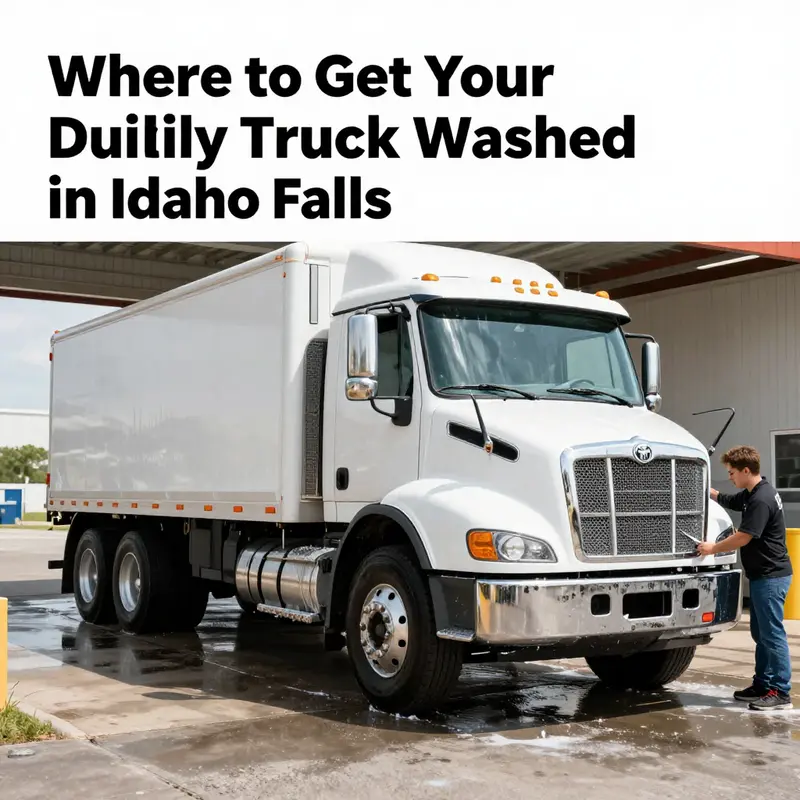
Idaho Falls sits in a region where winter road salt and summer dust demand reliable cleaning for the heavy-duty work trucks that keep fleets moving and families traveling. For dually trucks, with their wider stance and extra rear wheels, choosing a wash is more than a quick rinse. It’s about finding a facility that can accommodate the width and the dual tires, reach into wheel wells, and treat the undercarriage with care, all without delaying your schedule. In this market you’ll hear from drivers and small fleets about a few dependable options, each with its own strengths. The right choice often comes down to how you use the truck, how often you wash, and what you value most—speed, thoroughness, or price.
Option 1: Robust exterior wash at facilities with wide bays and tall doors designed to handle larger rigs. Emphasizes thorough cleaning around dual tires, wheel wells, and frame rails, with an optional undercarriage clean. Pros: quality cleaning and careful handling. Cons: may take longer during peak times.
Option 2: Efficient, high-throughput shops that optimize for speed while still offering an undercarriage rinse and wheel-focused cleaning. Pros: fast turnaround; cons: less time on detail.
Option 3: Budget-oriented washes with lower price but variable results. Caution about undercarriage and dual-wheel cleaning; recommended for light cleaning or routine maintenance rather than deep cleaning.
Practical criteria to verify before wash: can the bay accommodate your truck’s width and height? Are there options for dual-wheel undercarriage wash? How long does the process take, and what is the price range? Is pre-booking or a specific service level, such as wheel cleaning or undercarriage rinse, available? For fleets, ask about scheduled slots and throughput.
Best practices during the wash: request a targeted wheel and wheel-well clean plus undercarriage flush; verify that the high-pressure spray reaches around dual tires and along frame rails; ensure drying is thorough to reduce water spots and corrosion risk. After the wash, inspect the truck for missed spots on the wheel wells or undercarriage.
Beyond Idaho Falls: consider local environmental and compliance basics, including proper containment of wash water and treatment of runoff. This helps ensure the shop you choose adheres to industry standards while protecting your equipment and the environment.
Bottom line: a well-chosen wash program respects the dual-wheel design, cleans the undercarriage, and delivers predictably clean results that align with fleet maintenance goals. For owner-operators or small fleets, build a routine around one or two trusted facilities, plan around their hours, and allow extra time when needed. Scheduling a wash after a long haul or before a critical delivery can reduce downtime and preserve the truck’s appearance and value. The key questions to have ready: can you accommodate dual-wheel setups? Is there an undercarriage wash option? How long does the process take at peak times? What is the ballpark price range for a dual-wheel exterior and undercarriage service? These questions help separate options that merely satisfy a need from those that deliver real long-term value.
Beyond the Suds: High-Quality Dually Truck Washing in Idaho Falls
In Idaho Falls, where the rhythms of big-vehicle life pulse through the valley and rotaries of the nearby hills, the practical question for any owner of a dually truck is not just where to wash, but how thoroughly the wash will address the unique contours of a larger rig. Dual rear wheels, extra frame components, and the wider stance of a dually demand more care than a standard single-rear-wheel pickup. The region’s best options understand this implicitly. They combine attention to detail with the efficiency needed to keep fleets on the road. The result is a straightforward truth: when the goal is a clean, protected truck that has covered long miles yet still looks presentable for the next job, the washing approach matters as much as the wash itself. And in this regard, Idaho Falls presents options that are both practical and perceptive about the special needs of duallies.
What sets a top-tier local wash apart from a casual rinse is not merely the machinery on the conveyor belt, but the philosophy behind the service. For dually owners, the most crucial advantage comes from a hands-on, meticulous cleaning process. A facility that prioritizes human-assisted washing—with staff who are trained to follow the shape of a dually’s chassis and wheel wells—can reach into crevices that automated systems might miss. This approach makes a tangible difference on hard-to-reach places like the rear axles, the innards of dual wheels, and the undercarriage where road grit and salt accumulate. The best operators in Idaho Falls pair this hands-on diligence with a selective use of automation designed to amplify efficiency without compromising the level of detail that dual-wheeled rigs require.
In practice, a thoughtful dually wash begins with a careful assessment. An experienced technician will evaluate the vehicle’s most recent use, looking for stubborn grime that tends to cling to the underside, the frames, and the hubs. They will then tailor the wash sequence to the truck’s condition rather than simply running through a fixed routine. This individualized attention is especially valuable for duallies because their larger footprint and more complex wheel assemblies create additional surfaces where dirt can hide. A thorough wash will routinely include an emphasis on wheel wells and brake components, a targeted rinse for mud and road salt on the undercarriage, and a final inspection to ensure no residue lingers in crevices that could harbor corrosion over time. The goal is not only to make the vehicle sparkle but to extend the life of its working parts by removing corrosive contaminants.
The balance between handwashing and automation is another decisive factor. A facility that encapsulates the best of both worlds uses automated brushes judiciously for efficiency, particularly with trailers and broader surfaces. Yet when it comes to duallies, the safest route often remains hands-on cleaning. The crew can maneuver around the dual wheels with precision, ensuring the gap between tires and the body is fully rinsed and free of embedded grime. In Idaho Falls, this combination—careful manual attention supplemented by smart automation—has earned strong word-of-mouth and reliable customer feedback. One prominent local option, rated highly by customers, has built a reputation for reliability and effective service, evidenced by a solid rating from several reviewers. While the exact numbers may shift, the underlying message remains consistent: duallies benefit from a wash routine that respects their scale and the complexity of their drivetrain components.
For those who prioritize convenience and modern technology, there are adjacent facilities in the region that emphasize speed and streamlined workflows. These venues often feature advanced self-serve stations, high-capacity water recycling systems, and automated paths that move large vehicles through with impressive cadence. They can be a smart choice for routine maintenance washes or post-delivery cleanups when time is tight. However, for heavily soiled or highly customized duallies—especially those that have spent long hours on muddy rural routes or in salt-laden winter conditions—the evidence consistently points toward a more personalized handwash approach. The reason is simple: while automation can handle bulk dirt efficiently, the nuanced, hands-on scrub of a skilled technician remains unmatched for ensuring every nook and cranny is addressed and the finish remains protected.
Beyond the wash itself, a thoughtful dually-cleaning strategy involves preparation and aftercare. Owners can reap longer-lasting results by clearing loose debris from the cab and bed before arrival, which reduces the chance of scratching paint during the wash. Discussing any particular concerns with the technician beforehand—such as sensitive chrome accents, decals, or rust-prone areas—helps tailor the process to the truck’s vulnerabilities. A reputable Idaho Falls facility will also discuss the use of products appropriate for heavy-duty finishes and chrome, and it will provide or recommend aftercare steps that help maintain the shine and shield the metal from the elements. The advantage of such guidance is not simply aesthetic; it translates into real-world durability, less frequent need for corrective detailing, and a vehicle that projects a professional image after every job site stop.
The customer experience in this segment is as important as the wash mechanics themselves. The leading local option has cultivated a reputation for dependable service, with customers noting consistency and a clarity in communication about what the wash will deliver. A 4.5-star rating from a modest number of local reviews suggests a track record of trust and steady performance. For those who want a broader perspective, nearby facilities with similar ratings and a focus on large vehicles offer additional reassurance: modern setups, clear schedules, and visible attention to the vehicle’s arrival and departure times help fleet operators plan pickups and drop-offs with minimal downtime. For any owner weighing options, the decision often centers on the balance between a highly personalized handwash for duallies and the convenience of a fast, automated process for quicker cleans. The reality in Idaho Falls is that both types of service can be found, and a thoughtful approach usually means choosing the option that aligns with the truck’s current condition and the owner’s time horizon.
Interwoven with service quality is the question of location and accessibility. Idaho Falls is not a single-street convenience; it is a junction for regional hauls where trucks traverse long distances along mountain passes and valley routes. In practical terms, the best dually-specific wash for many operators is the one that is easy to reach, consistently open when needed, and staffed by people who understand the rhythm of a fleet mechanic’s schedule. The simplest way to evaluate this is to look at recent customer experiences and hours, then pair that with what the wash can practically deliver on a given day. A reliable facility will be forthright about appointment windows, walk-in capability, and any limitations regarding oversized trailers or extremely tall equipment. In the end, it is the combination of thorough cleaning, attentive handling of dual-wheel assemblies, friendly logistics, and transparent communication that makes a wash in Idaho Falls a dependable ally for duallies.
For fleet managers and owner-operators alike, the decision to visit a particular wash becomes a matter of aligning capabilities with vehicle needs. A top-tier option will balance hands-on care for the most challenging areas with the efficiency to manage a schedule across multiple vehicles. The result is a consistent standard of cleanliness that supports uptime and presents a professional image on the road. It is not merely about removing dirt; it is about protecting value, reducing the risk of rust and corrosion, and maintaining a fleet’s operational readiness in a climate that can swing from slippery winters to dusty summers. In this light, the Idaho Falls chapter of the truck-wash landscape reads less as a simple service menu and more as a measured approach to keeping dual-wheeled workhorses in peak form between jobs.
To researchers and readers mapping the best path for dually washing needs in Idaho Falls, one practical takeaway is the existence of a spectrum of services designed to meet different priorities. If the aim is the most meticulous clean—especially after heavy-duty use—the hands-on, detail-oriented approach stands out. If time and throughput weigh more heavily, a facility that blends automation with capable staff can still deliver a highly acceptable result with a short turnaround. The underlying theme across experiences is clear: the best choices respect the scale and complexity of a dually truck and tailor the wash method accordingly, without forcing a one-size-fits-all solution.
For readers seeking a deeper look into the broader discipline that underpins these operations, a resource on facility management for truck wash businesses offers context on how locations manage equipment, staffing, and workflow to support consistent outcomes. This guidance complements the field observations from Idaho Falls and can help fleet owners evaluate potential partners beyond a single visit, focusing on how the shop organizes its processes, trains its people, and maintains its equipment over time. facility management for truck wash businesses.
External resources can provide a practical outside-in view of the landscape. A recent listing from a leading local wash provides a useful snapshot of customer perspectives and service boundaries, including hours and handling guidance for large vehicles. For those who want to see the local setup in context and compare what a top-rated facility looks like in the wild, the Google Maps listing remains a reliable anchor for the latest reviews and updates: https://www.google.com/maps/place/The+Truck+Wash/@43.507967,-114.259338,15z/data=!4m2!3m1!1s0x0:0x0?sa=X&ved=2ahUKEwjYpJjG5tLdAhWnNjQIHVc-7a4Q8AEwAHoECAEQAg
In sum, Idaho Falls offers a meaningful choice for dually truck owners who care about getting the most thorough clean possible without sacrificing practicality. The best options acknowledge the special requirements of dual-wheel configurations and frame assemblies, weaving in hands-on attention with efficient, modern workflows. They provide clear guidance on preparation and aftercare, centered on preserving the vehicle’s longevity as well as its appearance. For operators who value a clean vehicle as part of a broader commitment to reliability and professional presentation, the local landscape is more than a set of services; it is a thoughtful approach to how a fleet’s image and performance are sustained on the road.
Pricing, Packages, and Practicalities: Navigating Dually Truck Wash Services in Idaho Falls
Choosing a dually truck wash in Idaho Falls is more than chasing the cheapest price or the shiniest rinse. For operators who rely on a clean rig to keep freight moving and drivers comfortable, the decision hinges on a careful balance between price, package depth, and the practical realities of washing large vehicles in a climate that folds winter into almost every route. In Idaho Falls, as with many regional markets, the pricing landscape can feel opaque. Shops may publish base exterior wash rates, but once you add undercarriage cleaning, wheel and tire care, wax treatments, engine bay detangling, or interior detailing, the numbers diverge significantly. The result is a trip that rewards preparation as much as it rewards a good rinse. If you’re evaluating options for a dually, you’ll want to ask the right questions, compare what each package actually includes, and consider how the service fits into your wider vehicle care plan.
First, understand why pricing tends to be variable. A dually truck, with its dual rear wheels and longer wheelbase, simply commands more attention from the wash crew. The base exterior wash is designed for efficiency and general cleanliness, but a true dually service often requires additional attention: extra contact time to remove road grime from wider fenders, a more thorough wheel cleaning to combat brake dust, and sometimes a longer drying cycle to ensure every crease and seam stays moisture-free. If a shop advertises a modest exterior price but adds a “premium undercarriage rinse” or “heavy-duty wheel scrub” as a separate add-on, the math can shift quickly. When you ask for pricing, request a complete apples-to-apples comparison. Ask specifically which steps are included in the base price and which items incur incremental charges. By mapping the full sequence—from pre-rinse to final blow-dry—you’ll gain a clearer sense of value rather than a list of line items that feel arbitrary.
Seasonality adds another layer. Idaho Falls experiences a real winter rhythm where road salt and brine can stain paint and creep into undercarriages. For fleets and owner-operators who rely on consistent cleanliness to protect value, a package that emphasizes salt and chemical control, rust inhibition, and undercarriage washing becomes more than a luxury; it’s a long-term preventive measure. Some shops structure pricing to reflect seasonal demand, offering higher-tier packages during winter months and lighter options in milder seasons. If you’re weighing the trade-offs, consider the cost-per-day or cost-per-clean that each option delivers over the course of a season. It’s a practical lens that helps quantify the value of additional protection versus the immediate sticker price.
Packages in this space typically fall into a few broad categories, though exact names vary by shop. A basic exterior wash will remove surface dirt and road grime, with a quick dry. This is sufficient for day-to-day maintenance, but for frequent haulers, it may not be enough to combat the grit that builds up around dual rear wheels or along the undercarriage. A mid-tier package often adds a more thorough exterior clean, a more deliberate drying pass, and an upgraded spray pattern that helps lift stubborn contaminants. The uptick from mid-tier to premium packages usually brings undercarriage cleaning, wheel and tire treatment, and a more robust rust-prevention or paint-protectant component. High-end or fleet-oriented packages can include engine bay cleaning, interior vacuuming, windshield treatment, and even optional waxing or sealant applications that extend the time between washes. When you’re pricing out, don’t assume the cheapest option is the best fit for a dually. Instead, evaluate what you gain for each incremental price, and whether the outcomes align with your maintenance goals and scheduling realities.
A practical approach to comparison is to build a simple checklist for each shop you consider. Start with size compatibility: can the facility accommodate the width and height of your dually? Not every wash bay is set up to handle wider bodies or extended wheelbases, and a misfit can lead to delays, re-sequencing, or uneven results. Next, verify the equipment used for delivering the package. A good dually wash benefits from high-quality brushes, appropriate touch points, and a reliable undercarriage system that can rinse out salt and debris without causing damage to sensitive components. Ask whether the wash uses heated bays or heated wash regimes in winter; this can dramatically improve clearance of grime and speed up drying after the rinse.
Another critical factor is drying and post-wash care. A large vehicle often requires more extensive drying to prevent water spots and to ensure the interior components remain free of moisture-related issues, especially if the cab or trailer interior space is used between loads. Some shops offer a dedicated blow-dry option for dual rear axle trucks, while others rely on air knives that push heavy volumes of air through the chassis. If you’re sensitive to the risk of water seeping into tricky gaps, ask about the specific drying methodology and whether the package includes a final wipe-down of exposed surfaces.
In Idaho Falls, the market has a reputation for quality work with a focus on large vehicles. A well-regarded local facility, known for its reliability with bigger rigs, can be a strong candidate if you frequently haul freight that exposes your truck to winter salt, road grime, or industrial debris. Because price transparency varies, a practical tactic is to request a written estimate that outlines exactly what the package covers, the expected duration of the wash, and any aftercare recommendations. If a shop offers a loyalty program or fleet pricing, factor that into your calculation. Fleet pricing isn’t only about per-truck discounts; it can include preferred scheduling, priority service windows, and bundled services that reduce downtime for drivers who are on tight delivery timelines.
For owners and operators who manage more than a single vehicle, it’s useful to think about pricing as part of an overall service strategy. A robust facility-management approach, even for a single-location operation, helps ensure consistent outcomes and predictable costs. If you’re curious about how professional operators structure service levels, you can explore resources on facility management for truck wash businesses. This perspective can help you see beyond the sticker price and appreciate how a shop’s scheduling discipline, chemical choice, and workforce training contribute to reliability and long-term vehicle health. facility management for truck wash businesses.
As you plan a visit or a call, consider the logistical realities of Idaho Falls. The city sits along routes that bring recurrent weather shifts and varying traffic patterns. A wash facility that handles duallys well will typically advertise breadth in its capabilities, including the ability to process large, long vehicles without congestion in the bays, and with a staff trained to handle dual-wheel configurations. It’s reasonable to expect a longer service window for larger vehicles, especially during peak hours or winter demand, so verify appointment options and whether walk-ins are feasible. When you’re evaluating hours, confirm whether there are seasonal adjustments that affect availability, such as extended hours during harvest periods or reduced hours during holidays. If you’re coordinating with a fleet, you’ll want to set up a recurring schedule that aligns with maintenance windows and loading cycles. In such cases, preventive maintenance becomes a driver of cost efficiency: a clean undercarriage reduces the likelihood of salt-induced corrosion, and a job that’s performed promptly can minimize downtime in busy operations.
A wider view of pricing also invites attention to what is not included in a given package. Some shops quote a low base price but add charges for undercarriage wash, wheel cleaning, or heavy-duty exterior conditioning after the rinse. Others build a transparent price that reflects all the steps needed to deliver a truly clean, protected surface. It’s worth asking about any “minimum service” requirements that may drive up the cost if certain steps are optional but practically necessary for your vehicle’s condition. For instance, if your dually’s wheels are particularly caked with brake dust or if the truck has heavy tar deposits from a recent highway run, a shop might propose extra attention that adds to the bill but results in a cleaner outcome. Clarify whether those steps are optional add-ons or standard components of the package you’re considering. The most effective way to judge value is to compare not just the final price, but the full scope of the wash process and the degree of care your vehicle will receive.
In the end, selecting the right dually truck wash in Idaho Falls comes down to aligning price with performance, and efficiency with care. It means asking explicit questions about what each package includes, how the facility handles the size and features of your truck, and how the service integrates with your broader vehicle maintenance plan. It also means recognizing that a little extra investment can translate into longer intervals between major cleanings, less cumulative wear from road grime, and a more comfortable ride for drivers who depend on a clean cab for focus and safety. As you compare options, keep the practical frame in view: am I getting the right level of service for the price, and does this wash help protect my investment over time? If the answer is yes, you’ve not only found a place to clean a truck; you’ve found a partner in vehicle care that respects the demands of a dually on Idaho’s roads.
External considerations extend beyond price alone. For businesses that operate fleets, the decision is less about one-off cleanings and more about building predictable routines and service consistency. A shop that can deliver reliable results, within your required time windows, with transparent pricing, and with a staff trained to handle dual-rear-wheel configurations, will typically provide the best value over time. Keep in mind that the best decision might be a balance: a slightly higher upfront price that guarantees faster service for tight delivery schedules, paired with an undercarriage and wheel care package that reduces corrosion risk and keeps components in good condition through harsh winter runs. In Idaho Falls, where the driving season is punctuated by snow and road salt, a well-chosen package can contribute to lower maintenance costs and higher uptime.
If you’m seeking a starting point for your search, plan to consult several local options and compare their published packages with your own vehicle’s needs. A visit—whether virtual or in-person—can reveal a lot about a shop’s capability to handle a dually. Look for clean, organized bays, clear signage regarding service levels, and staff who can articulate the specifics of each wash tier. And remember, the price is meaningful, but the outcome matters more: a truck that shines outside and stays protected underneath, ready for the next mile. The right choice blends practical pricing with dependable performance, turning a routine wash into a straightforward, reliable part of your fleet maintenance routine in Idaho Falls.
Proximity, Pathways, and Power Washes: Finding the Ideal Dually Truck Wash in Idaho Falls
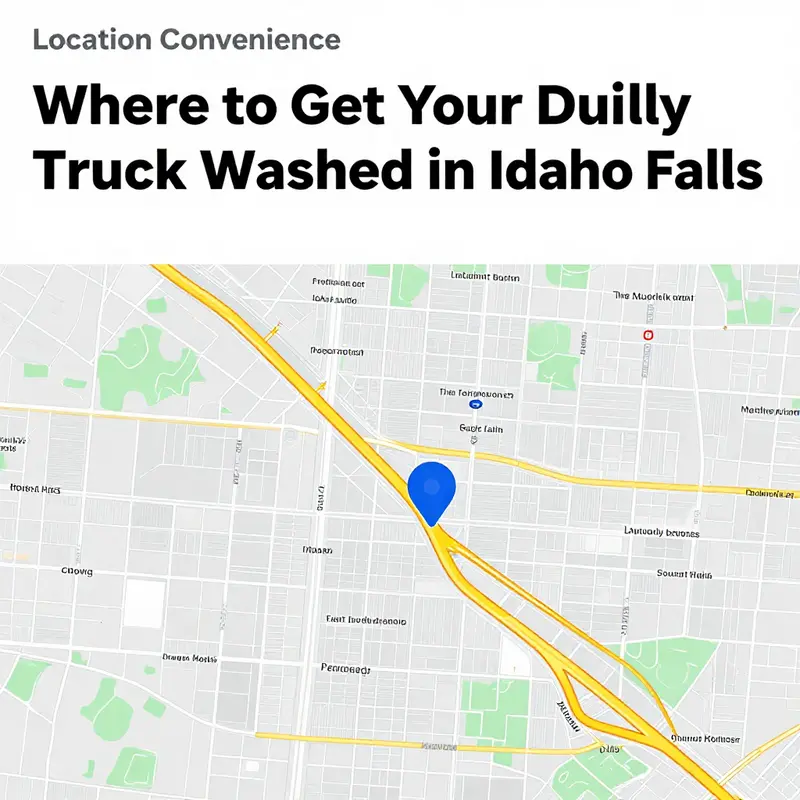
Choosing where to wash a dually truck is rarely about a single factor. Distance matters, yes, but so do access, facility design, and the subtle cues a shop gives about its understanding of large-vehicle needs. In Idaho Falls, drivers and fleets are often balancing routes, delivery windows, and fueling stops, so a wash that slots neatly into that rhythm can save both time and wear on a rig. The city’s downtown corridor offers a compelling blend of convenience and practicality for a dually, especially when a wash center sits at the heart of town where major arteries converge. In this context, the case for a downtown option that clearly accommodates bigger vehicles becomes stronger. When a site is easy to reach from the interstate or major streets, a routine wash transitions from an obligation into a simple stop that fits into a busy schedule rather than a detour that disrupts it. The concept of location convenience in this setting is not a luxury; it is a practical driver of uptime, readiness, and predictable maintenance discipline for fleets and solo operators alike.
The Truck Wash in Idaho Falls represents a compelling embodiment of this idea. Located at 210 N 4th St, Idaho Falls, ID 83401, it sits in a position that many drivers intuitively consider a smart anchor point for vehicle care. Its central, downtown placement offers a blend of accessibility, visibility, and ease of navigation that can make the decision to wash a dually less about logistics and more about routine maintenance. For someone rolling off a long-haul route or finishing a city delivery, this location is easy to reach, easy to remember, and easy to plan around. The sense that a wash is simply another step in a well-orchestrated day—not a project that demands extra legwork—can transform the perceived friction of maintenance into a straightforward, reliable habit.
From a service design perspective, the facility is positioned as a full-service wash with a clear specialization in large vehicles. A dually truck requires more than a standard car wash’s reach; it demands a space that can accommodate wider bays, taller clearances, and careful attention to areas that often escape the spray of a routine rinse. The Truck Wash emphasizes its capability to handle larger vehicles and to address the exterior as well as the more challenging, hard-to-reach areas that can accumulate grime in between routes. When you consider a dually’s profile—its dual rear wheels, extended bed, and sometimes complex undercarriage areas—the value of a site that is expressly designed to serve such dimensions becomes apparent. The facility’s approach to cleaning exterior surfaces, chrome details, and the undercarriage is aligned with the practical needs of big trucks, ensuring that the wash process is thorough without requiring a second trip to the lot to fix missed spots.
Customer feedback reinforces this alignment between location, capability, and experience. With a 4.5-star rating, the shop’s reputation signals consistency in delivering a level of service that resonates with drivers who depend on dependable results. For fleet managers planning regular maintenance cycles, this kind of rating is not a cosmetic figure; it reflects a track record of reliable operations, efficient flow, and a customer-centered approach to handling large vehicles. A downtown location further contributes to the perception of efficiency. Shorter drives between loads, easier access to parking, and proximity to supporting services—fuel, parts, and nearby eateries for extended shifts—compose a practical ecosystem that makes the wash feel like a seamless component of daily workflow rather than an unwelcome interruption.
In practical terms, this translates to a straightforward planning process. Rather than scheduling around a distant or out-of-the-way facility, drivers can map a wash stop into regular routes with a reasonable expectation of quick service. A dually truck, with its wider stance and more labor-intensive cleaning requirements, benefits from a facility that profiles itself as a full-service operation rather than a quick-in, quick-out option. The emphasis on thorough cleaning of exterior surfaces combined with attention to the hard-to-reach areas that often accumulate dust, road grime, or highway tar underscores a comprehensive approach to maintenance that supports the long-term appearance and performance of a vehicle. When a shop communicates a capability to handle larger vehicles with care, it reduces the cognitive load on the driver and allows for more consistent, predictable scheduling—crucial factors for anyone juggling tight delivery windows or multi-stop itineraries.
Beyond the immediate service offering, the downtown address fosters a level of accessibility that can influence a fleet’s maintenance culture. Downtown streets are familiar to many drivers, with clear signage, predictable traffic patterns, and nearby amenities that support the realities of long shifts. A centralized location in Idaho Falls also means shorter detours if a route changes unexpectedly, a factor that fleets increasingly weigh as they aim to minimize downtime. It is not just about washing a vehicle; it is about weaving maintenance into the day in a way that aligns with the rhythms of urban logistics. For a dually, this means a wash that can be scheduled with minimal disruption to a route and that reliably delivers a clean, well-presented vehicle ready for the next leg of a journey.
From an informational standpoint, prospective customers looking to verify details can turn to the shop’s Google profile for hours, services, and customer feedback. This kind of readily accessible information adds a layer of confidence, especially when planning visits to a downtown facility that might be impacted by street traffic, parking constraints, or local events. For operators who manage multiple vehicles or who must coordinate with drivers across shifts, the ability to check service scope and reliability online before arriving contributes to smoother operations overall. It is small, practical certainty that translates into less time spent standing in line and more time spent moving, cleaning, and prepping for the next assignment.
For those who want to deepen their understanding of how a well-run wash site is managed, it helps to explore the broader lessons of facility operations that apply across the industry. A well-managed truck wash is not merely about soap and water; it is about aligning capacity with demand, safeguarding equipment, and ensuring that staff can deliver consistent results even when faced with the volume and variety of daily work. To gain insight into the professional practices behind a site that accommodates dually trucks, consider exploring resources that address facility management for truck wash businesses. Facility management for truck wash businesses offers perspectives on scheduling, turnover, and the kind of workflows that keep large-vehicle washing efficient and reliable. This link provides a lens into how a site can sustain quality over time while remaining responsive to fleet needs and urban constraints.
The central location also invites reflection on how a wash experience could be internalized as part of a broader maintenance routine. If you view vehicle care as a series of preventive steps rather than a single service, the value of a dependable wash becomes even more pronounced. For dually owners and fleet operators, a consistent, convenient wash option can support regular cleaning cycles, which in turn helps protect paint, trim, and undercarriage components from the cumulative effects of road wear. In an Idaho Falls context, where weather patterns and travel demands can vary with the seasons, a downtown facility that balances thorough cleansing with practical accessibility becomes an anchor point—an expected, trusted stop that drivers can count on when a route unfolds as planned or when surprise delays require quick, reliable adjustments to a maintenance schedule.
The overall takeaway for anyone weighing where to get a dually truck washed in Idaho Falls is that location is not a standalone criterion. It is a signal about how well a shop understands the realities of large-vehicle care within the fabric of a city’s daily flow. A downtown address, paired with a full-service offering tailored to bigger vehicles and a strong reputation for efficiency, represents a combination that aligns with the operational priorities of both solo operators and fleet managers. It reduces friction, supports uptime, and reinforces the discipline of regular maintenance. In a world where every minute matters and every mile counts, the right wash location becomes a strategic asset rather than a mere service point.
External resource for location reference: https://www.google.com/maps/place/The+Truck+Wash/@43.4769688,-114.4369555,17z/data=!3m1!4b1!4m6!3m5!1s0x878c31d7a3f8e7d5:0x87f05b0e3a8e038c!2sThe+Truck+Wash!3m2!1d43.4769688!2d-114.4369555!4m6!3m5!1s0x878c31d7a3f8e7d5:0x87f05b0e3a8e038c!2sThe+Truck+Wash!3m2!1d43.4769688!2d-114.4369555
Beyond the Wash: Unpacking the Extra Services That Complement Dually Truck Cleaning in Idaho Falls
In Idaho Falls, where the pace of freight movement meets the rugged realities of winter roadways and hot summer straights, a dually truck wash is much more than a rinse and a rinse again. Fleet operators and owner-operators alike know that keeping a heavy-duty truck looking sharp is tied to uptime, resale value, and the quiet confidence that comes with well-maintained equipment. For many in the region, the optimal wash experience does not stop at soap and water. Instead, it expands into a spectrum of supplementary services designed to protect thousands of pounds of steel, leather, rubber, and paint from the daily grind of long-haul routes, salt-soaked winters, and clay-kissed backroads. In this environment, the value of a dually-specific wash is measured not only by how clean the chrome shines but by how comprehensively a shop can address the truck’s broader maintenance and appearance needs in a single, efficient visit. That is why, when evaluating where to get a dually truck washed in Idaho Falls, it pays to look for a facility that can fold additional services into one seamless workflow, minimizing downtime and maximizing truck readiness for the next load.
The interior of a big rig deserves as much care as its exterior. After hours on the road, cabins accumulate dust, debris, and odors that can linger in the vents, seats, and carpeting. A shop that offers interior cleaning can extend the life of materials, improve driver comfort, and reduce the wear that comes from frequent use. Vacuuming the cab, removing mats, and cleaning dashboards and consoles may seem routine, but for a driver who spends long stretches on the road, a spotless interior translates into fewer distractions and a more focused commute. A thorough interior service can range from a basic vacuum and wipe-down to more detailed attention that addresses stubborn stains, fabric protection, and even odor neutralization. While not every facility lists every interior option online, the best ones will explain what they can safely and effectively handle for a truck with dual rear wheels and a large cab, ensuring that the interior work complements the exterior wash rather than competing with it for time.
Exterior maintenance is the core of any dually wash, and in a climate like eastern Idaho’s, more than just a clean surface is at stake. Regular washing helps remove road salt, which can accelerate rust and corrosion along frame rails and undercarriage panels. Beyond cleanliness, many shops offer waxing or polishing services that create a protective layer over paint and clear coats, reducing the dulling effects of UV exposure and abrasive road debris. For a vehicle that always looks ready for the next dispatch, a polished exterior isn’t vanity; it signals responsible fleet maintenance and helps retain vehicle value. Tire shine and wheel cleaning are more than cosmetic touches. They provide a visual cue of maintenance discipline and help protect rims from brake dust buildup that can corrode finishes over time. A dedicated wheel and tire service can also include tire dressing and inspection, helping drivers catch issues like uneven wear or curb damage before they become expensive problems. In Idaho Falls, where weather can shift rapidly, having an exterior service that emphasizes both appearance and protection offers a practical return on investment that goes beyond aesthetics.
Window cleaning, both interior and exterior, is another piece of the comprehensive wash experience. Clear glass is essential for safety, particularly when maneuvering a large vehicle in tight loading docks or along busy corridors. Some shops extend window care to include a light glass treatment that can improve visibility in rain or snow, reducing glare and making it easier to spot hazards in the truck’s blind spots. Clean windows also reflect professional fleet standards, signaling to customers and partners that the operator maintains high levels of care across all vehicle systems. The concept of exterior-only washing can be tempting for rapid turnaround, but including window care helps ensure drivers have a complete, road-ready vehicle with one stop rather than chasing down separate providers.
Maintenance checks occasionally appear as a value-added offering at larger facilities. While not every shop performs mechanical work, some places provide quick maintenance checks that cover air filters, fluid levels, and battery and lighting condition. These checks are typically designed to identify obvious issues that could disrupt service or lead to more serious failures on the road. A shop with a proactive mindset may offer guidance on next steps if a potential concern is detected, along with scheduling options to address it. It is important to note that more extensive maintenance or repair work should be handled by a dedicated service center, but a brief safety and performance check at the wash can save time by catching obvious problems early and preventing unexpected downtime during a fleet cycle.
For those seeking a premium experience, many facilities present detail packages that blend several services into a single, value-forward option. A detail package might combine exterior washing, waxing or polishing, tire and wheel care, and interior cleaning with a few add-ons that address the truck holistically. Bundled options save time and help standardize maintenance routines, which is especially beneficial for fleets that need reproducible results across multiple vehicles. In practice, a well-assembled package works like a layered defense: it cleanly removes road grime, preserves paint integrity, protects interior materials, and leaves the vehicle with a refreshed appearance that can translate into better driver morale and enhanced impressions during customer-facing loads.
When evaluating a shop’s ability to support a dually truck, the equipment and space matter just as much as the services offered. Dual rear wheels and the wider footprint of a dually require robust wash bays, adjustable racks, and systems capable of reaching the undercarriage and wheel wells without risk of contact or damage. A facility that can accommodate larger vehicles without crowding its workflow reduces wait times and minimizes the risk of imperfect cleaning from a rushed process. The logistics of scheduling are equally important. A shop that understands the cycles of regional freight—where dispatch windows, load windows, and rest-periods converge—can tailor the wash sequence to maximize the driver’s time by aligning interior cleaning, exterior detailing, and any quick maintenance checks into one pass. In practice, this approach reduces fleet downtime and makes a single trip to the wash a reliable step in a broader maintenance cadence.
For readers planning their next stop in Idaho Falls, it helps to verify a shop’s exact offerings through the channels that locals use every day. A good starting point is the business’s profile on search and review platforms, where customers often share details about the services they received and the steps involved in a typical visit. While the core wash remains central, the presence of interior cleaning, exterior detailing, wheel care, and light checks is frequently reflected in customer feedback as a sign of a well-rounded operation. If you identify a facility that emphasizes these complementary services, you have likely found a partner that can support your dually truck in a manner that respects both time and the vehicle’s long-term value.
One practical approach to understanding what a given shop can handle is to ask about service scope in the booking or on-site consultation. Even if a shop lists a few core options, the staff may be able to tailor a sequence that aligns with a truck’s specific needs and the day’s schedule. For example, if a driver is preparing for a cross-state run with a tight turnaround, a facility might prioritize exterior cleaning and undercarriage wash, then slot in a swift interior cleaning or a quick maintenance check while the vehicle sits. The flexibility to combine tasks without sacrificing quality is a hallmark of a shop that truly supports dually fleets rather than treating them as an afterthought.
Attention to the practical realities of Idaho Falls’ truck lanes also matters. Winter salt and summer road debris create distinct maintenance patterns. A shop that understands the seasonal challenges can adjust its approach—emphasizing rust protection in the cold months and focusing on paint preservation when the sun is relentless in late summer. In the long run, this adaptability protects a truck’s appearance and structural integrity. It also makes it easier for fleet managers to implement a standard operating procedure for washes that fits into driver schedules and maintenance calendars. The goal, always, is not simply to look clean for photo opportunities but to present a vehicle that remains reliable, legible on the road, and ready for the next mile.
For readers who want a deeper dive into best practices and case studies related to heavy-duty cleaning and maintenance, there are resources that illustrate how these concepts play out in real-world fleets. One such resource offers insights into proven strategies for cleaning grease and tar off your trucks fast, a topic that often surfaces when discussing exterior detailing and long-haul resilience. You can explore that discussion here: proven strategies for cleaning grease and tar off your trucks fast. This reference helps frame how a shop’s approach to stubborn grime can align with broader maintenance goals and fleet performance.
As you plan your next stop in Idaho Falls, consider not only the wash itself but the surrounding services that can reduce downtime and extend the life of every component on a dually truck. The ideal facility will feel like a single, efficient hub—a place where drivers can step out of the cab, check in, and walk away with a clean exterior, a refreshed interior, a polished appearance, and a quick read on any minor issues that could impact safety or reliability. This alignment between appearance and function is what turns a routine wash into a meaningful maintenance milestone for a truck that carries heavy loads, long miles, and high expectations. With the right partner in Idaho Falls, a dually truck becomes less a vehicle and more a purpose-built enterprise asset that supports efficient, safe, and profitable operation across the road.
External reference: The Truck Wash on Google Maps: https://www.google.com/maps/place/The+Truck+Wash/@43.526878,-112.038965,15z/data=!4m2!3m1!1s0x874e5c5d5b3a5c3f:0x5d6b7b1c5e4c1a4f?sa=X&ved=2ahUKEwjJnZvVqK6GAxWhXewCHTjQHw4Q8AEQ8AgG
Final thoughts
Choosing the right truck wash service for your dually vehicles in Idaho Falls is a strategic decision for enhancing fleet maintenance and operational efficiency. Whether you prioritize service quality, pricing, or convenience, understanding your options will help you maintain the appearance and durability of your trucks. Ensure you’re maximizing the benefits by selecting a service that offers comprehensive solutions tailored to your needs.