
Opening a truck wash facility is a significant investment for logistics and freight companies looking to maintain their fleets. Understanding the costs involved, from equipment expenses to regulatory compliance, is crucial for fleet managers and company owners who want to make informed decisions. This guide will explore the various financial dimensions of establishing a truck wash, detailing equipment costs, total startup investment, ongoing operational expenses, technical considerations, and essential regulatory requirements. Each chapter builds a comprehensive view to better equip you for your venture into the truck washing industry.
Beyond the Sticker Price: Navigating Equipment Costs When Opening a Truck Wash
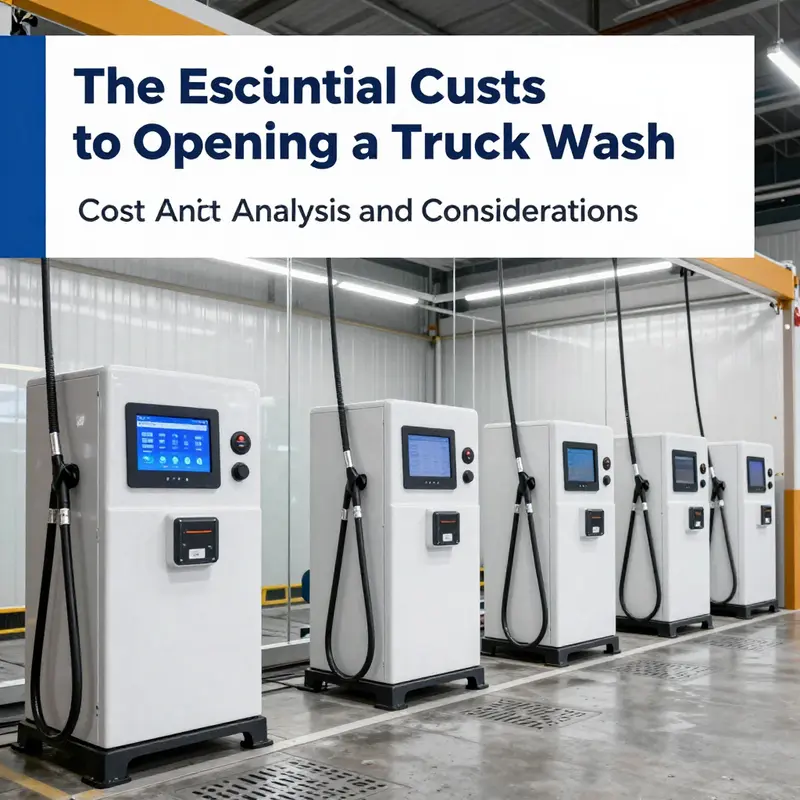
Launching a truck wash, especially one designed for high throughput, centers on a decision that often unfolds long before the first vehicle rolls into the yard: what kind of washing system will your operation rely on, and how much will it cost to turn that decision into a functional business? The equipment you choose is the backbone of the operation, but the price tag attached to it is only part of the story. Understanding the spectrum of equipment costs—how they differ by system type, how they scale with volume, and how they interact with site requirements—helps a hopeful operator move from a rough estimate to a credible business plan. At the core, the typical automated wash unit carries a price tag in the neighborhood of thirty-two to thirty-four thousand dollars. That figure represents the heart of your operation: a machine capable of washing, drying, and sometimes waxing a truck or bus with little manual input. Even this seemingly straightforward price comes with caveats. The actual sticker price you encounter at the point of sale may reflect factors such as customization, feedstock compatibility, and the pace at which the unit can process a vehicle. For many operators, the core equipment serves as the foundation, but it is not the whole build. When you map out a full-scale facility, the broader picture begins to emerge: the total startup investment can range from fifty thousand to one hundred thousand dollars, depending on a confluence of location, size, and the extent of water and electrical infrastructure upgrades required. In other words, a single automated unit is only the first tile in a mosaic where installation, land, and regulatory wheels tighten the budget. Once the doors open, monthly operating expenses add another layer of ongoing cost to manage. Utilities, rent or depreciation if financing, staff for supervision and maintenance, consumables, and insurance can push monthly outlays into a ten-thousand-to-twenty-thousand-dollar band, particularly in markets with higher rents or larger facilities. These numbers are not mere abstractions; they reflect the practical realities a new truck wash must withstand as it moves from a construction site to a working fleet service. The core message is simple: equipment cost is a starting point, not a conclusion. The initial price you negotiate for the wash unit, while critical, is just the first line in a multi-act budget that includes site preparation, permits, water management, electrical upgrades, and ongoing capital needs to maintain and upgrade systems as the fleet evolves. When you start to compare different system configurations, the range of choices becomes more pronounced—and so does the potential impact on your financial plan. A customized logistic truck washing setup, commonly pursued by operators seeking a balance of efficiency and scalability, tends to price out around forty to forty-five thousand dollars per set, with the supplier handling shipping arrangements directly. This class of system emphasizes streamlined flow and modular growth. It’s designed to fit a commercial operation where space and throughput demand are important but not overwhelming. The design emphasis tends to be on efficient staging, predictable maintenance, and straightforward integration with the rest of the site’s workflow. The upshot is that while the per-set cost is higher than a bare-bones unit, the long-term payback can be favorable if the configuration supports steady, repeatable throughput and relatively predictable maintenance cycles. By contrast, a tunnel wash system—a comprehensive, in-bay automatic solution that can handle multiple stages from pre-soak through wax and dry—appears on the high end of the spectrum. Where the logistics of a single set may be manageable, a tunnel system can require five hundred thousand dollars to over a million dollars in startup costs, and often far more when you factor in the necessary electrical loads, reinforced water infrastructure, and automation controls. The scale and complexity of this option are well suited to operations that expect to command high volumes and premium pricing, but they demand careful site planning, robust power and water supply, and strong regulatory compliance. Then there is the touchless automatic wash system, which relies on high-pressure water and chemical application rather than brushes. The initial investment for this approach generally sits in the two-hundred-thousand-to-four-hundred-thousand-dollar range. The appeal here is throughput and reduced mechanical wear, which can translate into lower maintenance over time. However, the higher upfront draw is tied to substantial water recycling capabilities and amplified electrical capacity to sustain intense cycles. The landscape also includes more flexible, mobility-oriented options. Mobile truck wash services tap into a different economic model altogether. They owe their lower upfront outlay to the absence of fixed-site infrastructure and the ability to leverage portable tools such as foam brushes and foam cannons—equipment that blends detergent, water, and air into a thick, clingy foam to lift dirt. These setups excel for fleets needing on-site service in dispersed locations or for operations that want to test water‑based cleaning concepts without a major capital commitment. The cost advantage is compelling, but it comes with trade-offs: you trade some throughput predictability and scale for mobility and flexibility, and you reduce the risk tied to large upfront investments. In all these scenarios, the decisive question becomes not which system is the cheapest, but which system aligns with your business model, fleet mix, geographical constraints, and capital position. The right choice balances the capacity to serve a steady stream of customers with the reality of local permitting, water disposal requirements, and the complexity of electrical infrastructure. It is here that an operator must weigh the advantages of a modular, gradually scalable approach against the allure of a single, high-capacity installation. And it is not just about the wash unit itself. The full package includes installation labor, site preparation, and the cost of bringing the necessary water and electrical services to the bay. Permits, environmental compliance, and any necessary upgrades to drainage or recycling systems can further influence the budget. In practice, this means you should plan for a total startup investment well beyond the price of the wash unit. A prudent estimate will reflect not only the price of the machine but also the infrastructure and regulatory investments required to bring a functioning facility online. For a practical frame of reference, expect the combined effect of land, installation, and compliance to push the initial outlay well into the fifty-to-one-hundred-thousand-dollar range, with variations driven by location and the scale of the operation. It is also essential to reckon with ongoing operating costs, which typically include rent or mortgage obligations if the site is financed or leased, utilities, staff supervision or maintenance, cleaning supplies, and insurance. In high-rent or high-traffic locales, these monthly costs can reach the upper end of the range, reflecting the ongoing need to sustain service levels and regulatory adherence. When planning capital expenditures, it helps to examine the broader cost landscape through the lens of a few guiding questions: How many bays will you operate, and what will be the expected daily volume? What is the longest cycle time your desired workflow can tolerate without compromising service quality? What regulatory constraints or environmental requirements exist in your jurisdiction, and how expensive are the necessary waste-water and recycling solutions? Do you plan to own the land and building or lease? Will you finance the equipment, or pay cash upfront? Each of these questions sharpens the cost picture and informs the selection of a system that offers the best combination of reliability, scalability, and total cost of ownership. In making these choices, it can be valuable to view the equipment decision as part of a larger facility strategy, rather than as a standalone purchase. A facility-minded approach considers how the washing system integrates with the site’s layout, the customer flow, waste-management practices, and the overall maintenance regime. It helps to keep in mind that the equipment you install today will be the operational backbone for years to come. As you navigate vendor discussions and vendor qualifications, you may discover that the cost structure includes more than just the stated purchase price. Some suppliers bundle installation labor with the price, while others separate it, and still others offer ongoing maintenance plans that affect long-term cost of ownership. A careful comparison of contract terms—warranty coverage, service response times, spare-part availability, and maintenance schedules—can reveal hidden value or pain points that significantly influence the true cost of bringing a truck wash online. For operators weighing different routes, there is guidance to be found in the way the market segments equipment offerings. A modular logistic setup can provide a covered path from a modest single-bay facility to a multi-bay operation, allowing a business to grow its throughput gradually in line with demand and cash flow. A tunnel-style system, while expensive, promises the potential for high-volume throughput and premium pricing, but it also demands a precise alignment with site readiness and regulatory readiness. A touchless approach offers appealing advantages in heavy-traffic environments, particularly for fleets seeking fast turnover and reduced brush wear. And mobile services present a flexible footprint that can be tested and refined before committing to a fixed location. Each path has its own budgeting rhythm, and each one has implications for the surrounding infrastructure—whether that means upgraded water recycling, enhanced electrical service, or more robust drainage and containment. The journey from concept to operation therefore becomes a balancing act between the purity of your service proposition and the practicalities of capital, land, and permits. As you finalize a financing plan, one more factor deserves careful attention: the potential to leverage tech-enabled analytics and maintenance data to optimize throughput and minimize downtime. A well-chosen system can yield more predictable maintenance windows, less unscheduled downtime, and a clearer picture of when equipment refreshes become economically advantageous. These considerations, while not always front-and-center in the initial vendor dialogue, can tilt the long-term cost of ownership in meaningful ways. For a deeper dive into the broader facility-management context and how it intersects with the physical plant you’re building, consider resources that map out how facility decisions align with people, process, and performance at truck-wash operations. Facility management for truck wash businesses. And for an external snapshot of current market offerings and technical specifications, explore the available listings that catalog a range of automated washing solutions, including the broader economics of these systems. External reference: https://www.alibaba.com/product-detail/Bus-Type-Fully-Automatic-Car-Washer-Truck_1600492588176.html
Rolling In the Costs: A Thorough Look at Startup Investment for a Fully Automated Truck Wash
The moment you begin planning a truck wash, the numbers stop being abstract and start shaping every strategic decision. Startup costs are not a single line item but a tapestry of interdependent investments that together determine whether a venture can reach break-even in a credible timeframe or drift into chronic cash strain. A comprehensive view of these costs helps operators anticipate the real capital needs, secure the right financing, and set a credible path to profitability. At the core, the total startup cost reflects more than the price tag of the wash bays themselves. It includes land or the right to lease, site preparation, construction, the actual washing and drying systems, and the water and wastewater controls that modern facilities must employ. Then come the regulatory gates—permits, environmental compliance, utility connections, and the crucial initial inventory and working capital that keep the doors open during the early weeks of operation. When this mix is balanced, a medium-sized, fully automated truck wash with water reclamation can be a solid business asset. When the balance tips toward scale or sophistication, the price can climb quickly, sometimes past the half-a-million-dollar mark, and in urban or tightly regulated markets, well beyond that baseline. The range is wide because the business model is flexible and location-driven, and the degree of automation has a multiplying effect on both upfront costs and long-run operating expenses.
A practical starting point is to separate the core equipment from the broader project cost. Equipment costs for a fully automatic wash bay tend to be around thirty-two to thirty-four thousand dollars per bay. This price captures the automated washing, drying, and often waxing capabilities that turn a single pass from a manual scrub into a repeatable, high-volume process. Yet even this seemingly modest figure sits inside a much larger financial equation. The total startup investment for a full-scale truck wash usually falls in a broad corridor—from roughly two hundred thousand dollars to seven hundred fifty thousand dollars or more. That span exists because the geography, the number of wash bays, the level of automation, and the site’s environmental requirements all push costs in different directions. Location is a potent modifier. Urban sites bring higher land values and denser zoning restrictions, while rural or suburban sites may offer cheaper land and more flexible permitting, albeit with other logistical trade-offs such as customer access and throughput potential. In practice, the decision to invest more upfront is often tied to the anticipated scale of operations, the desired service levels (for example, whether the facility aims to do rapid, high-throughput cleans or more comprehensive detailing), and the water management philosophy the operator adopts.
Within that broad spectrum, the cost components map out a sequence that is as instructive as it is practical. Land acquisition or lease forms the entry point. If you’re buying land, you’re purchasing not only space but also the long-term depreciation of that asset. If you’re leasing, you may face higher ongoing monthly obligations but gain flexibility to adjust scale with market demand. Site preparation follows, including grading, drainage planning, and any necessary soil or groundwater investigations. Then construction—the building shell, wash bays, roof, lighting, ventilation, and the plumbing and electrical skeleton that will support all equipment. Construction costs are sensitive to local building codes, seismic or wind considerations, and the complexity of utilities installation. On the equipment side, the wash system itself is a major line item, complemented by drying systems, conveyors if present, and any mobile or stationary water reclamation components that enable a closed-loop workflow. In recent years, water reclamation has evolved from a sustainability add-on to a near-necessity in many markets, driven by stricter discharge rules and the economic incentive of reduced water use. This shift, while beneficial to long-term operating costs, adds upfront cost through filtration stages, separation technologies, and monitoring controls. The environmental compliance segment cannot be overstated. Facilities must address oil-water separators, filtration, skid-mounted treatment trains, and sometimes sophisticated stormwater management, all of which carry capital and ongoing maintenance implications.
Permits and legal fees are the quiet but persistent cost layer that can become a distraction if not anticipated early. Depending on jurisdiction, you may encounter zoning approvals, environmental reviews, building permits, and business licenses. The temporal dimension matters here as well; some permits require mitigation plans or third-party assessments, which add both time and money to the project timeline. Utility connections—for water supply, sewer, electricity, and sometimes natural gas or compressed air—may require upgraded infrastructure, metering, and on-site stabilization work that is not visible to the casual observer but essential to reliable operation. Initial inventory and consumables—cleaning agents, soaps, waxes, towels, and spare parts—create a short-term cash need to sustain operations during the first weeks of activity. Marketing or launch promotions, while sometimes overlooked in pure feasibility models, can be critical to achieving early traction, especially in markets where truck fleets or owner-operators are sensitive to perceived service quality and turnaround time. Finally, working capital supports the business through its first months, covering payroll, ongoing utilities, insurance, maintenance, and any contingency reserves for unanticipated expenses.
The interdependence of these components means that a single dramatic gain in throughput or a major regulatory change can shift the entire cost envelope. For example, investing in a robust water-recycling and treatment system can drastically reduce utility bills and help meet environmental commitments, but it also increases the upfront scope. Conversely, choosing a leaner, semi-automated configuration might lower initial outlay but can constrain throughput and elevate labor or maintenance costs over time. This tension is where feasibility studies become indispensable. A precise estimate tailored to local conditions, market demand, and the operator’s service level goals requires a careful appraisal of site-specific factors. The feasibility exercise benefits not only from professional input but also from benchmarking against industry trends and cost data, such as those cataloged by trade associations. When you understand the probable payback dynamics—how quickly savings from water efficiency, energy performance, and higher throughput can cover the initial premium—you can design a structure that aligns capital deployment with anticipated revenue streams. The time horizon to payback will vary with the mix of automation, occupancy costs, and the volume of business expected from nearby fleets, but a transparent forecast anchored in credible inputs helps lenders and investors respond with confidence.
As part of this planning, it is wise to build a path that anticipates scale without over-committing capital prematurely. A phased approach—starting with a smaller, fully automated core and then expanding to additional bays or services as demand warrants—allows a business to test the waters and refine the model before committing to a larger, more expensive footprint. While this strategy may lengthen the capital recovery period, it improves risk-adjusted returns by aligning capacity with actual market uptake and fleet usage patterns. For operators who want a practical blueprint for managing the physical footprint once the doors are open, there are guiding principles in facility management for truck wash businesses that can help translate capital decisions into efficient, reliable operations. facility management for truck wash businesses
The roadmap for financing such a venture, while not the focus of a purely technical cost discussion, is inseparable from the numbers themselves. Banks and alternative lenders typically favor a clear, staged investment plan, a credible cash-flow projection, and a defensible exit or repayment scenario. A capital plan that demonstrates how the business will achieve steady-state profitability within a reasonable period, while maintaining adequate working capital, improves the odds of favorable terms. The emphasis, in many cases, is on showing a thoughtful balance between upfront capital and operating discipline. This includes sensitivity analyses that test how shifts in throughput, utilization, or utility costs influence the payback period. In markets with strong fleet traffic and limited land, the value proposition of a larger, automated system may be compelling, yet the same market can present heightened regulatory and permitting complexity that adds cost and risk. The right decision often hinges on a combination of local demand signals, site feasibility, and a disciplined financial model that accommodates both best-case and worst-case outcomes.
External forces also shape the total startup equation. Local incentives for sustainability, tax credits for energy-efficient equipment, or water-efficiency subsidies can tilt the economics in favor of a more ambitious build. Conversely, if a jurisdiction imposes stringent environmental requirements or more onerous permitting timelines, the upfront cost thread can unravel into months of delay and higher capital commitments. In practice, the most robust planning suite includes a detailed feasibility study conducted with experienced commercial wash contractors and active collaboration with local regulatory agencies. By mapping the regulatory path early, an operator can avoid costly redesigns and ensure that the final design remains compliant throughout its life cycle. The investment in sustainability is not merely a compliance choice; it is a strategic decision that can translate into faster payback through lower utility bills and improved fleet appeal. When fleets perceive a facility as modern, efficient, and environmentally responsible, throughput and loyalty tend to rise, contributing indirectly to revenue stability. In the end, the decision to open a truck wash facility rests on the clarity of the underlying cost model and the discipline with which the model is executed. A well-grounded plan that acknowledges the equipment price per bay, the breadth of site and utility work, environmental safeguards, and the working capital cushion provides a credible foundation for a profitable venture, while leaving room for disciplined growth and responsible stewardship of community resources. For readers seeking a broader frame of reference on industry benchmarks and cost trends, industry associations offer data that can anchor your financial plans in wider market realities: https://www.carwash.org/industry-resources/industry-trends-and-cost-data.
From Seed to Suds: Estimating Startup and Ongoing Costs for Opening a Truck Wash
Opening a truck wash is less a single purchase and more a sequence of decisions that shape both the upfront barrier to entry and the ongoing viability of the business. The journey from a blank site to a full-scale, high-throughput washing operation involves careful accounting for equipment, site readiness, and ongoing expenses that can swing profitability as much as the daily flow of trucks through the bay. The industry data lay out a clear pattern: the core wash system itself commands a substantial chunk of initial outlay, while the rest of the launch costs accumulate from land or lease, utilities, and regulatory readiness. Understanding this interplay helps potential operators set realistic expectations and build a financially sound plan that can weather fluctuations in demand, maintenance needs, and market rents.
At the heart of any truck wash is the automated washing apparatus. A fully automated system designed for high-volume loads is engineered to deliver speed, consistency, and throughput that a manual wash cannot match. The machine itself represents the most substantial single purchase in the early stages of a project. In current market terms, a complete automated wash setup tends to run in the neighborhood of thirty-two to thirty-four thousand dollars per unit. This price range reflects systems built to handle heavy vehicle traffic, with capabilities like automated washing, drying, and even wax application integrated into a single line. If a site plans to operate multiple bays or host more than a handful of trucks per hour, the equipment count can multiply quickly, driving the upfront cost up by the same factor that will appear in monthly throughput and revenue potential.
Yet the machine is only part of the story. The total startup investment to open a full-scale truck wash typically lands well above the gear itself. Realistic projections place initial capital requirements between fifty thousand and one hundred thousand dollars, depending on the site type, the scale of operations, and the additional infrastructure needed. Land acquisition or lease deposits, site preparation, and the installation of water and electrical infrastructure all factor in here. In more urban or high-traffic regions, rents or lease payments can push the embedded costs higher, as square footage for a high-ceiling wash bay, loading and staging areas, and drainage and filtration systems must be accounted for within the footprint. Permitting, compliance with environmental and safety regulations, and the costs of mapping out a compliant flow of wastewater or recycling water add another layer to the early price tag.
Even when a single automated line is enough to start, the chain of costs doesn’t end with construction. A truck wash is a capital-intensive business that depends on reliable back-end systems and ongoing maintenance. The ongoing monthly expenses can easily mirror or exceed the mortgage on a less equipment-heavy venture, particularly in markets with higher rents or where utilities are expensive. Typical monthly operating costs for a traditional fixed-site truck wash span a broad range. Rent, for instance, can vary from ten thousand to twenty-five thousand dollars each month, a function of location, property size, and the desirability of the site. If the operation leases rather than owns the space, the rent becomes a fixed and predictable line item that the cash flow must comfortably absorb.
Labor is another substantial recurring cost. Even in a largely automated facility, human oversight is essential for overseeing operations, handling customer service, and performing maintenance checks. Labor budgets commonly fall in the five-thousand to twelve-thousand-dollar range per month, depending on staffing levels, shift patterns, and whether ancillary services—such as interior detailing or quick servicing—are offered on-site. This is the human element that ensures the system runs smoothly, responds to jams or equipment alerts, and keeps customers satisfied with timely service and clear communication about the process.
Beyond rents and wages, the monthly tally grows with utilities, chemical supplies, and routine upkeep. Water usage remains a headline item, particularly when facilities pursue water recycling or advanced treatment to meet environmental standards or reduce operating costs over time. Electricity costs follow suit, rising with the demand of pumps, conveyors, dryers, and any waxing or polishing modules that are part of the wash line. Chemical supplies need to be replenished on a regular cadence, and their costs hinge on the frequency of washes, the chemistry chosen, and the geographic climate, which can influence how aggressive the detergents must be to meet the same cleaning standards.
Insurance adds yet another recurring obligation. The premium level will reflect risk factors tied to the location, the size of the operation, and the services offered. A robust insurance program that covers property, liability, environmental risks, and workers’ compensation is not optional; it is the financial shield that protects the business and lends credibility to lenders and partners. When you add up these recurring costs—rent, labor, utilities, chemicals, equipment maintenance, and insurance—monthly expenses for a mid-sized, fixed-site operation in a mid-range market can fall into the range of ten thousand to twenty thousand dollars. But this is a broad band, and the picture shifts with location, the exact mix of services, and the efficiency of the facility.
The cost structure also varies with the choice of facility type. A mobile or semi-mobile wash service presents a different economic profile than a fully fixed site. A mobile operation may carry lower overhead in terms of leased space, but it introduces other cost levers, such as fuel, vehicle maintenance, and the need to schedule on-site washes efficiently to maximize the limited windows of opportunity. In contrast, a high-throughput, fixed-site system can achieve economies of scale through automation and longer operating hours, but it requires larger, more expensive real estate and more sophisticated water management and electrical infrastructure. The up-front decision between a conveyor-based, fully automated line and a more manual or semi-automated configuration is not simply a soundbite about convenience—it is a core determinant of monthly cash flow, maintenance demand, and long-term profitability.
An overarching theme in the cost discussion is the importance of planning for both the obvious and the hidden expenses. The equipment price tag tells only a portion of the story. To reach a sustainable break-even point, operators must map out water handling, drainage, wastewater treatment or recycling, filtration, and the installation of any required containment or monitoring systems. Each of these elements carries its own price tag, but they also enable compliance with local environmental rules and can yield long-run savings through reduced water consumption and lower disposal costs. The interdependence of these factors means that small efficiency gains in one area can ripple into meaningful improvements in cash flow when aggregated across a month.
To gain a more complete sense of the financial landscape, many operators turn to the broader industry data and benchmarks provided by trade associations and market research. These resources emphasize that the core wash machine remains a major, but not solitary, driver of cost. The real picture emerges when a business models the full cycle—from the initial investment that secures a site and a line to the ongoing capital and operating expenses that sustain throughput and service quality. In other words, the question isn’t only what the machine costs, but how its presence shapes the day-to-day economics of the business.
Within this context, it becomes clear that the most critical questions for a prospective operator are: What is the expected daily volume? What facilities and services will I offer beyond washing—drying, waxing, interior cleaning, or fleet maintenance? How large a site is necessary to accommodate traffic flow, queuing, and safe maneuvering for large vehicles? How will I manage water use and disposal, and can I invest in recycling to reduce long-term costs? And perhaps most practically, how will I finance the startup—will I own the property, or lease it, and what are the terms for equipment financing or a phased rollout? Answering these questions with care creates a structured path to profitability that aligns with the realities of both capital availability and the market it serves.
From a strategic standpoint, the cost calculus should also factor in the potential for scalability. A site that begins with a single automated line can be designed with an eye toward expansion, whether that means adding bays, pursuing additional revenue streams, or implementing more advanced water treatment or energy efficiency measures over time. While expansion increases the upfront burden, it can also enhance throughput and stabilize revenue across cycles of demand, weather, and seasonality. The economics of scale become particularly meaningful when the business can consistently fill multiple bays and keep fixed costs spread across a larger volume of work.
For readers who want to situate these numbers against industry benchmarks, there is value in consulting sector-specific reports that explore typical load factors, utilization rates, and the correlation between automation levels and maintenance costs. Such reports help translate the headline figures into a nuanced forecast that can be tested against real-world performance after launch. They also offer guidance on best practices for facility management, equipment upkeep, and human resources, which can reduce downtime and improve customer satisfaction. If you are planning a site, consider pairing your financial model with a robust operational model that includes maintenance schedules, spare parts inventories, and a preventive maintenance calendar. This approach minimizes surprise costs and supports a steadier cash flow.
As you read the numbers above, it’s useful to anchor them to the realities of your market. In some regions, land costs and rent will dominate, making efficiency and space utilization critical. In others, utilities or labor costs will be the primary lever you can pull to protect margins. The key is to build a cost framework that captures both the tangible assets—the equipment, the site, and the water system—and the intangible assets—the processes, the workforce culture, and the brand promise that draws customers back. The balance you strike will determine not just whether you open a truck wash, but whether you sustain it through market cycles, regulatory changes, and the evolving expectations of fleet operators seeking faster, more reliable service.
For those who want a deeper dive into facility management considerations, a useful companion resource is available online through industry-focused guidance that addresses daily operations, workforce engagement, and maintenance discipline. You can explore practical strategies for managing a truck wash facility at facility-management-for-truck-wash-businesses. This discussion complements the numbers and scenarios discussed here by translating cost considerations into actionable practices that maximize uptime, safety, and customer experience.
In sum, opening a truck wash is a disciplined exercise in budgeting for both the visible and the invisible costs. The price tag on the wash line is only the opening chapter; the real story unfolds in the months that follow, where energy efficiency, water management, regulatory compliance, and workforce execution determine whether revenue outpaces expense. When planning, it helps to frame the project not as a single big purchase, but as a staged build that scales with demand, and to build financial buffers that can tolerate the inevitable bumps along the way. The market rewards operators who couple strong capital discipline with a steady commitment to reliability, quality, and service speed. And as the data suggest, a well-planned, well-managed operation can convert a significant upfront investment into durable, recurring business that keeps fleets coming back for a consistently clean vehicle and a predictable, professional experience.
External resource for industry benchmarks and data: https://www.ntwa.org/resources/industry-reports-and-data
Engineering Cost and Performance: Technical Foundations That Determine Startup Budgets for Truck Wash Operations
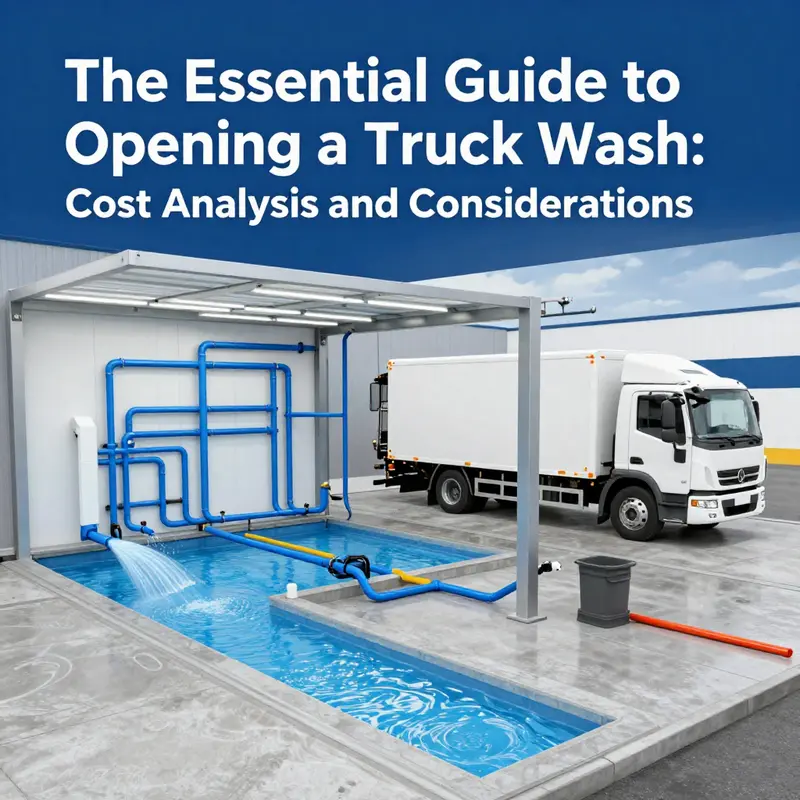
Opening a truck wash is rarely just about buy-and-plug equipment. The price tag hinges on a carefully balanced mix of technical choices, site realities, and long term performance. This chapter builds from the core technical considerations that set the baseline for what it costs to start a truck wash, especially a fully automated operation. It shows how decisions about power, chemical delivery, wash mechanics, water handling, air systems, and even canopy structures ripple through the initial investment and ongoing expenses. In practice, the numbers you see in brochures quickly become the outcome of a broader design philosophy: how to maximize throughput, minimize waste, and stay compliant, all while keeping capital and operating costs aligned with the scale of the business you intend to build. The starting point is simple but often overlooked: modern truck wash setups are high performance systems that require robust, well integrated infrastructure. The equipment itself is only one piece of a larger puzzle that includes electrical service, water treatment, and support structures. The cost reality, then, is not a single line item but a portfolio of interdependent choices that compound to shape the opening price and the monthly burn rate. When thinking through the budget, it helps to anchor the discussion in the practical cost drivers that recur across sites and formats, from mobile or temporary installations to fixed, rail mounted systems that cover an entire vehicle length with precision. The baseline equipment cost for a fully automatic wash module tends to be in the low to mid thirty thousand dollars per set. That figure represents the core cleaning, drying, and, in many cases, waxing capabilities, and it is a useful reference point for planning. Yet the total startup investment often lands higher, reflecting the need for water and electrical infrastructure, site preparation, permits, and capital to sustain operations during the early ramp. A realistic range for a full scale truck wash, including land, installation, utilities, and working capital, sits roughly between fifty thousand and a hundred thousand dollars. In practice, those numbers translate into concrete design decisions that determine the flow of cash over the first year and the ongoing costs needed to keep the doors open and the wash running smoothly. The following considerations emphasize how technical choices translate into dollars, and why the most cost effective path is not always the cheapest upfront option. The power source for a truck wash is a foundational decision with cascading effects. High throughput demands and the need for stable cleaning pressure push most systems toward a robust power unit paired with high pressure pumps. Achieving effective cleaning often involves pressures well above two thousand psi, which in turn requires a electrical service capable of sustaining steady operation without brownouts or trips. The cost implications are twofold. First, there is the upfront upgrade or installation of a dedicated electrical feeder, transformer, or service panel sized to handle peak loads. Second, there is ongoing energy consumption, which can become a meaningful portion of monthly operating expenses in larger facilities. Even for mobile or semi permanent setups, designers frequently specify a power path that avoids reliance on ad hoc generators and instead opts for a stable, fixed power feed. A well intégré detergent dosing mechanism is the second major consideration that influences both performance and cost. Precision chemical application matters because it improves cleaning outcomes while reducing waste and chemical costs. A dosing system that can calibrate the amount of detergent delivered as a function of flow rate, vehicle size, and cleaning stage is a prudent investment. The upfront cost for such a system might be modest compared with the overall project, but the savings over time—both in chemical use and waste disposal—can be substantial. In addition, a dosing mechanism reduces the likelihood of overuse, which can be a compliance concern in some regions and a potential hazard in others. The choice of wash equipment is where the daily workflow and the capital budget intersect most directly. For truck wash operations, the spectrum ranges from touchless nozzles and rotating brushes to rail mounted platforms that traverse the length of the vehicle. Mobile, flexible configurations appeal to seasonal or variable demand, but fixed installations—especially rail mounted systems—often deliver more uniform cleaning and better coverage across all sides. The cost delta here is not just about the hardware price; it encompasses installation complexity, maintenance access, and the expected life of moving parts under heavy use. In high throughput environments, the economics favor systems designed for continuous operation with minimal downtime. That often means choosing equipment with proven reliability, straightforward maintenance, and parts availability, even if the initial price tag is higher. Water management is a perennial cost and compliance issue for truck washes. In regions with water restrictions or high water costs, investment in water recovery and recycling can dramatically reduce operating expenses and total environmental footprint. Implementing a closed loop or partial recycle system requires upfront investment in filtration, pumps, lines, and monitoring controls. But the payoff comes as lower water bills, reduced discharge volumes, and less dependence on municipal water schedules. The long run cost of water treatment is offset by the protection of margins in markets where water prices climb or where droughts are a recurring risk. In designing a water system, planners must also consider the rate at which contaminants accumulate and how that affects filter changes and maintenance cycles. The goal is to strike a balance between water reuse and the cleanliness standards required for trucks, while avoiding bottlenecks caused by filtration or supply interruptions. The air supply is another technical domain with clear cost implications. A rotary screw compressor, favored for its efficiency and smoother operation, powers air driven components such as spray guns and brushes. The capital outlay for a reliable air system includes the compressor itself, air storage, piping, and a distribution network that minimizes pressure drops. Maintenance costs for air systems can accumulate if noise, heat, or moisture management is neglected, so designers often emphasize not only the right capacity but also proper filtration and moisture control. The resulting reliability is reflected in uptime and the quality of the wash process, both of which feed back into the bottom line through higher throughput and more consistent results. Canopy structures, while sometimes overlooked, can add meaningful cost or savings depending on whether the setup is seasonal, temporary, or permanent. Temporary or seasonal configurations frequently rely on durable PVC or polyethylene fabric canopies. These structures protect equipment and operators from sun, rain, or wind, but they come with engineering challenges: wind resistance, anchoring, and potential wear over time. In a permanent installation, steel supports, clear span frames, and robust cladding options drive higher upfront expenditures but yield decades of service life and fewer weather related interruptions. The choice between temporary and permanent coverings interacts with other cost drivers as well. A seasonal setup may require demountable connections, portable electrical feeds, and temporary drainage arrangements, all of which add to the startup and ongoing costs. A permanent canopy, by contrast, demands site preparation and structural engineering to ensure safety and compliance with local building codes. In both cases, the canopy choice affects not only capital outlay but also maintenance, safety, and the ability to operate year round. The overarching calculus is straightforward: invest enough in the technical spine of the operation to achieve reliable throughput, predictable maintenance costs, and scalable capacity, while avoiding overbuilding for the current demand and risking underinvestment that would hamper growth. The cost figures cited earlier—about the core wash module in the low thirty thousands per set and a total startup range of roughly fifty to a hundred thousand dollars—reflect the reality that most truck wash ventures must amortize a suite of equipment, infrastructure, and environment controls. The best path forward is a design that aligns with the business plan. If the plan foresees high volumes and extended hours, the engineering choices should lean toward robust power, precise chemical management, and water recycling where feasible. If the model emphasizes flexibility to run smaller vehicles or seasonal demand, the system should favor adaptable wash heads, modular piping, and removable canopies that can be deployed or stored with relative ease. Either way, the central challenge for cost management is not simply to minimize upfront price but to maximize long term value. Operational efficiency, uptime, and consistency drive a truck wash’s margin and cash flow, and those outcomes are the product of integrated, carefully chosen technical components rather than a single star system. For operators seeking practical guidance on translating these technical decisions into daily discipline, consider turning to facility management resources that focus on the operational backbone of truck wash businesses. facility management for truck wash businesses. This kind of guidance helps align the layout, maintenance regimes, staffing, and safety protocols with the capital plan, ensuring that the initial technical investment delivers durable value over time. In addition, for a broader sense of how to price and plan around equipment and installation, prospective entrants can explore external supplier information to benchmark equipment costs and performance. For a sense of current online pricing and equipment configurations, see the external resource linked at the end of this chapter: https://www.alibaba.com/product-detail/Bus-Type-Fully-Automatic-Car-Washer-Truck_1600492588176.html. This reference offers context on the kind of fully automatic modules that sellers promote, helping readers calibrate expectations as they translate engineering choices into one coherent startup budget. The practical takeaway is that cost discipline in truck wash start ups comes from a deliberate, systems thinking approach. The most cost effective path is not the cheapest option at the moment of purchase but the route that yields the best balance of throughput, reliability, and lifecycle cost. The precise mix of power, chemical dosing, wash mechanics, water reuse, air systems, and canopy strategy will vary with location, scale, and service model. Yet the underlying logic remains constant: align technical design with expected demand, ensure robust infrastructure to support that design, and select components that deliver predictable performance under the real world conditions of heavy vehicles, long hours, and continuous cycles. In this sense, the cost to open a truck wash is less a single number and more a carefully engineered package that translates a business plan into a functioning, repeatable system. The right combination creates not just a wash bay but a scalable platform for growth, a capital plan that stands the test of time, and a daily operation that earns back every dollar invested through efficiency, reliability, and customer satisfaction. External resources aside, the core decision framework remains human and logistical as much as mechanical. It hinges on asking how the plant will perform in peak demand, how it will respond to maintenance needs, and how the capital invested today will pay back in the form of higher throughput, lower utilities, and fewer regulatory headaches tomorrow.
Between Compliance and Cash Flow: Navigating the Regulatory Costs of Opening a Truck Wash
Opening a truck wash, especially a fully automated facility designed for high throughput, demands more than robust equipment and a visible storefront. The hidden price tag sits in the regulatory and compliance arena, where environmental rules, public health safeguards, and local codes shape both daily operations and long-term budgets. This chapter weaves those obligations into the broader cost picture, showing how regulatory expenses influence site selection, design choices, and the ongoing economics of running a clean, compliant queuing operation for fleets that depend on dependable, lawful service. The math isn’t simple, but it is manageable with a clear understanding of what lawmakers, regulators, and risk managers expect of a modern truck wash owner.
At the heart of regulatory cost is wastewater management. Truck washes generate substantial volumes of used water containing detergents, suspensions of road grime, and trace contaminants from the cargos and surfaces being cleaned. The regulatory framework typically centers on the Clean Water Act in the United States and equivalent state and local standards elsewhere. Compliance means ensuring that any water discharged to the environment meets quality standards or, more commonly, that wastewater is treated and recycled to avoid unlawful discharges. Selecting a site and a system design with long-term wastewater handling in mind can save money and avert compliance headaches. Facilities often consider on-site recycling or treatment units to reduce the load on municipal sewers and to provide a predictable, regulated discharge profile. These choices carry upfront and ongoing costs: installation of recycling or filtration units, regular maintenance of treatment systems, and monitoring equipment to verify that effluent meets permitted limits. While the initial outlay can run into tens of thousands of dollars, the alternative—risking fines, mandated shutdowns, or costly legal disputes—can be far more expensive and disruptive to revenue streams.
Beyond wastewater treatment, preventing runoff pollution is a foundational compliance concern. The design of containment systems, gravity-fed sumps, curbs that channel the flow away from stormwater, and covered wash bays all work to minimize the chance that wash water or sludge escapes into the surrounding environment. Implementing reliable runoff controls often requires structural measures at the site, routine inspections, and a maintenance schedule that keeps seals, drains, and liners intact. The costs here are not merely capital; ongoing monitoring and maintenance consume budgets year after year. Skipping or skimping on these systems can trigger regulatory actions, especially after storms or periods of heavy use when external drainage is stressed. The balance to strike is between the confidence provided by robust containment and the cash efficiency of leaner installations. A thoughtful approach pairs durable, low-maintenance components with a disciplined inspection routine, spreading capital outlay and upkeep costs in a way that aligns with revenue cycles.
Chemical handling and disposal form another major category of regulatory expenses. Cleaning agents, degreasers, and waxes used in truck washes fall under hazardous waste regulations when they are controlled substances or generate byproducts that require special handling. Compliance with the Resource Conservation and Recovery Act (RCRA) in the United States, and analogous laws in other jurisdictions, means drawing up safe handling procedures, training staff, and engaging licensed waste disposal services for any spent chemicals or contaminated rinsates. Even routine training of employees in proper storage, labeling, spill response, and emergency procedures adds to ongoing costs. The financial impact isn’t only the direct cost of disposal; it includes the time and resource burden of maintaining records, conducting periodic audits, and updating procedures as regulations evolve. A well-planned program that embeds compliance into daily workflows will long-term reduce the risk of accidents, penalties, and disruption to operations.
Permitting and inspections constitute another persistent line item in the regulatory ledger. A new truck wash typically requires multiple permits—covering wastewater discharge, stormwater, air quality if any volatile emissions are involved, and general business licenses. Permit applications themselves carry fees, often modest at first glance, but the renewal cycles can be annual or multi-year, with associated inspection costs and possible compliance audits. In many jurisdictions, outside consultants or legal counsel may be prudent allies to navigate complex permit conditions, ensure that plans and operations stay aligned with permit requirements, and respond promptly to any enforcement inquiries. Even routine compliance inspections carry a resource cost: preparing for visits, updating records, and demonstrating operational consistency. The overall effect is that the prospect of expanding or upgrading a facility must be weighed against the anticipated permit trajectory and the likelihood of needing modifications to stay within the consent orders or permit modifications.
Training and personnel costs intersect with compliance in ways that often surprise new owners. A compliant operation depends on staff who understand not just the mechanics of washing but also the regulatory boundaries for chemical storage, wastewater handling, spill response, and recordkeeping. Training programs can be ongoing, with refreshers tied to regulatory updates or changes in equipment and procedures. While it’s possible to hire a team with broad experience, many operators invest in in-house training programs or partner with local environmental or safety professionals to deliver consistent, up-to-date instruction. These investments yield dividends in safer operations, fewer incidents, and steadier regulatory relationships, but they do add to the monthly burn rate in ways that must be anticipated in the business model. Insurance and risk management costs also reflect regulatory exposure. Policies that cover environmental liability, worker safety, and property risk often rise in tandem with a facility’s regulatory complexity, buffering the business against unexpected incidents while adding to fixed operating expenses.
The consequences of non-compliance are not theoretical. Fines for improper wastewater discharge, inadequate chemical handling, or missed reporting can be substantial and, in some cases, accumulate quickly. In addition to fines, a facility may face ordered shutdowns, mandated corrective actions, or the temporary suspension of certain services until compliance is demonstrably restored. The reputational damage that follows environmental missteps can erode customer trust and make it harder to attract fleets that rely on consistent, compliant service. In a market where uptime and reliability are critical selling points, regulatory missteps can translate directly into revenue leakage, increased capital costs to fix issues, and longer payback periods for the investment in a new wash facility. This is why many operators treat compliance as an essential business discipline, not a peripheral obligation.
All of these elements—the wastewater strategy, runoff containment, chemical disposal, permitting, inspections, and training—must be integrated into a coherent financial plan. When creators of truck-wash facilities map out the total cost of ownership, they tend to reserve a portion of the budget for regulatory compliance on the front end and then build in a recurring maintenance and compliance cadence. The upfront capital you allocate for permits and containment structures may be modest compared with the ongoing costs of monitoring and renewal, but together they create a predictable compliance envelope. The advantage of this approach is twofold: it reduces the likelihood of disruptive regulatory actions and it helps stabilize operating budgets, allowing for more accurate forecasting of monthly and annual cash flow. In practice, this means treating compliance as a core design criterion during site selection and facility layout. From the earliest sketches, the decision to add a wastewater treatment component or a dedicated containment trench should reflect not only current regulations but also the likelihood that rules will evolve in ways that affect discharge limits, chemical approvals, or reporting requirements over the facility’s life.
For operators who want a practical, actionable road map, a starting point is to examine existing compliance programs within established fleets and facilities. One can learn a great deal from how well these organizations balance efficiency with accountability—how they train staff, how they document permits, and how they maintain their containment and treatment systems. A well-documented program, accessible to auditors and regulators, can reduce the friction of inspections and demonstrate a commitment to responsible operations. It is also worth cultivating relationships with local environmental authorities early in the project. A proactive dialogue can help clarify the expectations for reporting, maintenance schedules, and potential funding or technical assistance opportunities that could offset some initial costs. In short, compliance should be viewed not as a vague burden but as a design constraint and a competitive differentiator that supports dependable service and sustainable growth.
The broader takeaway is straightforward: regulatory and compliance expenses are an integral component of the total investment to open and operate a truck wash. They shape not just the equipment ledger but every major decision—from site layout and wastewater strategy to staffing and training programs. By recognizing these costs up front, you align capital spending with ongoing obligations, reduce the risk of costly surprises, and create a foundation for enduring, lawful operations that fleets can trust. For readers seeking a deeper dive into the practical aspects of managing facility compliance and operations, see the guidance on facility management for truck wash businesses, which offers perspectives on aligning infrastructure, people, and processes to regulatory demands. facility management for truck wash businesses.
Ultimately, the regulatory angle is not a barrier to entry but a discipline that, when handled well, clarifies risk, supports safer and cleaner operations, and stabilizes the financial trajectory of opening a truck wash. The cost of compliance, when treated as a project with defined milestones and accountable ownership, becomes a manageable, predictable component of the business model. This perspective helps ensure that the pursuit of scale—more bays, higher throughput, and broader service offerings—remains aligned with the need to safeguard water quality, protect workers, and honor the communities that host truck-wash facilities. As regulations evolve, an adaptable compliance framework—supported by skilled staff, robust records, and proactive regulator engagement—will sustain not only legal operation but customer confidence and long-term profitability.
External resource for further context on regulatory expectations: https://www.epa.gov/industries/truck-wash-operations
Final thoughts
Opening a truck wash facility requires a solid understanding of various costs and considerations. From substantial upfront investments in equipment and infrastructure to ongoing operational expenses and compliance with regulations, careful planning is crucial. By comprehensively evaluating equipment costs, total startup investments, monthly operating costs, technical setups, and regulatory compliance, fleet managers and trucking company owners can position their businesses for success while ensuring their fleet remains in peak condition.