
Truck washes play a pivotal role in maintaining the logistics and efficiency of freight and construction fleets. With over 100 truck wash businesses in Missouri, understanding their distribution, economic impact, and innovations is crucial for fleet managers and operators. This article delves into these aspects, examining the significance of the truck wash industry in Missouri, including regulatory considerations and emerging trends that could shape the future of fleet maintenance. Each chapter builds upon the last, providing a holistic view for logistics and trucking professionals.
Counting the Miles of Clean: A Comprehensive View of Missouri’s Truck Wash Network
Missouri’s roadways pulse with freight traffic, and the state’s truck wash landscape mirrors that reality. There isn’t a single public master list that tallies every facility with the precision fleets might crave, yet the available snapshots from trusted review platforms make one point clear: Missouri hosts a robust, dispersed network of truck wash services, with well over 100 listed locations as of late 2025. This figure encompasses a mix of independent operations and branches or units owned by larger auto-care or fleet-service brands. For operators planning routes, gauging downtime, or budgeting maintenance, this dispersed footprint matters as much as the services themselves. The state’s geography skews toward dense concentrations around major urban centers like St. Louis and Kansas City, where fleets converge for efficiency, but the system extends well into other metro areas and regional hubs, ensuring access for long-haul routes crossing the Missouri hills and plains alike. In practice, a fleet can plan predictable wash opportunities without detouring far from primary corridors, a reality that underscores the value of online discovery tools. Platforms that aggregate business listings—notably Yelp and Google Maps—offer real-time visibility into which facilities are open, what services they emphasize, and how customers rate them. This online visibility is not simply about finding a wash; it’s about choosing a partner that aligns with a fleet’s operational tempo and environmental standards, a consideration that grows increasingly important as compliance and sustainability become baseline expectations for transportation services.
What, exactly, constitutes a typical Missouri truck wash today? The market embraces a spectrum of formats designed to meet different needs. There are fixed-location facilities equipped to take on large tractor-trailers, with wash bays capable of handling high-volume cycles, along with specialized components for wheel cleaning, undercarriage rinsing, and trailer exteriors. These facilities often offer additional maintenance services such as drying, detailing, and protective sealing, enabling fleets to bundle chores into a single stop. Then there are mobile on-site cleaners who bring the wash to a fleet’s yard or to a customer’s specific site. Mobile services excel at minimizing downtime by removing the need for drivers to travel to a shop, an advantage that becomes significant when a truck is scheduled for back-to-back loads or tight delivery windows. The existence of both fixed and mobile options speaks to a broader truth: the Missouri truck wash market is as adaptive as the freight it serves. In regions where population density and economic activity are concentrated, you’ll find a higher density of facilities, more scheduling flexibility, and a broader array of service tiers. In more rural stretches, on-site mobile options often play a larger role, ensuring that long-haul operators can maintain vehicle hygiene without sacrificing miles or time on the road.
From a fleet-management perspective, the distribution of these facilities influences planning decisions as much as any single price quote. Access to nearby wash options reduces the risk of delays tied to waiting for a slot at an overburdened facility. It also helps with asset hygiene programs, where regular cleaning contributes to longer vehicle life and safer operations. Cleanliness is not merely cosmetic in this sector; it ties into regulatory compliance, road-safety standards, and even cargo integrity. For example, properly cleaned tractors and trailers reduce the risk of debris-related damage, braking efficiency problems, and traction concerns caused by accumulated grime on critical surfaces. This isn’t a hypothetical advantage. It translates into tangible outcomes for fleets that must meet strict DOT and carrier requirements, especially on high-traffic routes or during winter months when mud, salt, and road grime can accumulate quickly. The cleanliness standard carries downstream implications for fuel efficiency and maintenance cost, reinforcing why a robust and accessible wash network is essential for Missouri’s commercial transport ecosystem.
The online ecosystem surrounding Missouri truck washes adds another layer to how operators approach this landscape. Reviews, photos, and service descriptions help fleet managers compare options before committing to a stop. Yet numbers alone don’t tell the full story. A given facility’s capacity, staffing reliability, and environmental practices often define the practical value of its location. Many operators weigh not just the price of a wash, but the ease of scheduling, the speed of turnover, and the facility’s commitment to responsible water use and wastewater handling. It’s here that an understanding of the broader regulatory context becomes meaningful. The truck wash segment sits at the intersection of commercial transportation, environmental stewardship, and local governance. Facilities may employ water reclamation processes, filtration systems, and proper containment to meet local discharge requirements and safeguard waterways. Those practices tend to reflect a facility’s long-term viability and its fit with fleets that prioritize sustainability alongside service quality. To readers seeking a deeper dive into how these standards shape everyday operations, consider resources that discuss regulatory and emissions considerations in the industry, linked here as a practical starting point: truck wash industry compliance and emissions regulations.
On the consumer-facing side, the Missouri wash landscape also reveals a practical truth about pricing and service structure. Pricing models vary widely, reflecting differences in service scope—from simple exterior rinses to comprehensive packages that include chassis cleaning, degreasing, and trailer wash. Time-for-money efficiency matters as much as raw price, especially for fleets operating tight schedules. A service that can complete a thorough wash in a shorter window becomes a strategic asset, not just a cost center. In addition, some facilities differentiate themselves with value-added offerings like fleet accounts, recurring maintenance programs, and volume discounts, which can be decisive for operators who manage large or dispersed fleets. The practical takeaway for any reader is that Missouri’s truck wash ecosystem rewards reliability, accessibility, and a consistent standard of cleanliness. A state with a broad network also presents opportunities for route optimization, helping drivers plan washes in close proximity to fuel stops or maintenance lanes, further minimizing downtime.
For those navigating this terrain, it helps to approach the search with a holistic view rather than a single destination mindset. Consider proximity to core routes, average wait times, the availability of mobile services for yards or event-driven cleaning, and the facility’s capacity to handle the specific vehicle configurations in a given fleet. Reviews can point to recurring strengths or recurring bottlenecks, and digital maps often reveal seasonal patterns—such as increased demand in winter months when weather throws more grime onto exteriors and undercarriages. Because the landscape shifts with new entrants, remodels, and changing service lines, relying on current online listings provides the best snapshot of today’s options. In practice, a well-planned route might include a cluster of nearby wash choices, a mobile option for urgent needs, and a broader set of contingencies for peak periods, ensuring that a fleet maximizes uptime rather than loses it to wash-related delays.
For readers who want a concrete starting point in this landscape, exploring a representative metro area can illuminate how the network functions in practice. In St. Louis and its surroundings, the mix of fixed-location facilities and mobile services demonstrates how fleets balance operational efficiency with the demand for high-quality cleanliness. The broader Missouri context mirrors this pattern, with a spectrum of options that supports both small, single-vehicle operators and large, multi-branch fleets managing complex maintenance calendars. As in any dynamic market, the key is to stay informed about current listings and real-time capabilities. Platforms that aggregate listings remain useful for initial scoping, but direct engagement with facilities—through scheduling, clarifying service scope, and confirming wastewater practices—ensures alignment with a fleet’s specific needs.
If you want to explore related topics that affect how wash services integrate into fleet operations, you can follow internal discussions on regulatory and operational best practices that influence pricing, scheduling, and service design. For a practical, external view of a broader set of listings in a major Missouri metro, see Yelp’s truck wash listings in St. Louis: https://www.yelp.com/search?finddesc=Truck%20Wash&findloc=St.%20Louis%2C%20MO. This resource offers a snapshot of current providers, user experiences, and location spread that can guide initial planning and comparisons. In the longer term, the combination of local knowledge, online discovery, and a clear understanding of each facility’s capabilities will help fleets chart a smarter wash strategy across Missouri’s expansive road network.
Washing the Wheels of Missouri Commerce: The Economic Footprint of Truck Wash Operations
Missouri sits at the crossroads of the American freight network, and clean trucks are not only a matter of appearance but also of reliability, regulatory compliance, and speed on the highway. Across the state, more than 100 truck wash businesses are listed on major platforms as of late 2025, a figure that underscores a robust and visible infrastructure that serves fleets ranging from short-haul regional operators to long-haul carriers. This landscape includes both standalone facilities and those operated by larger chains, illustrating how local entrepreneurship can blend with the scale advantages of larger networks. Because there is no single public ledger that records every facility, counts vary by source and by how mobile services are categorized; still, the size of the Missouri wash footprint is clear, signaling a well-distributed service backbone that supports the state’s freight activity. In practical terms, every wash facility acts as a node in a broader logistics mesh, reducing downtime for trucks and fostering a more predictable service cadence for carriers that must keep schedules, comply with environmental and safety standards, and manage the wear and tear that comes with heavy-duty use. These are not mere maintenance stops but strategic touchpoints in a complex supply chain that stretches from rural shipping centers to metropolitan distribution hubs. The state’s highway corridors, from interstates that knit markets together to regional routes that feed local economies, depend on such touchpoints to keep rolling stock in service and in compliance. The representation of truck wash availability in search and review platforms thus reflects a fundamental economic stake: the ability to service large fleets efficiently and on a predictable timetable, which in turn reduces fuel waste, limits unnecessary downtime, and accelerates the movement of goods through the Missouri economy.
The economic ripple from truck wash operations travels beyond the immediate act of scrubbing and rinsing. These facilities are active buyers in local and regional procurement networks, sourcing specialized equipment, cleaning chemicals, water treatment components, and maintenance services from nearby suppliers. That procurement activity feeds SMEs across urban and rural locales, creating predictable demand for gear, parts, and consumables. The result is a multipliers game: dollars circulate locally, jobs are created or sustained, and tax receipts accumulate from both payroll and business activity. The broader picture aligns with national data from the U.S. Bureau of Labor Statistics, which shows that the motor vehicle repair and maintenance industry—including truck washing—supports well over 100,000 jobs nationwide. Missouri, with its central geography and expansive highway system, is positioned to benefit disproportionately from this industry mix, as fleets anchored in the region rely on readily available services to keep journeys efficient and compliant. The Missouri Department of Transportation frames this connection between infrastructure and economic vitality as mutually reinforcing, a reminder that maintenance ecosystems are as essential to growth as the physical roads themselves.
Beyond jobs and procurement, the environmental and regulatory dimension of truck wash operations adds another layer to their economic profile. Regular washing helps fleets meet maintenance standards and environmental requirements by reducing particulate buildup, controlling runoff, and mitigating the long-term wear that can lead to higher fuel consumption and more frequent repairs. Clean, well-maintained trucks generally perform better in fuel efficiency and in extending component life, which translates into lower total cost of ownership for fleets. In this sense, truck wash facilities contribute to a cleaner, safer, and more reliable freight system. When fleets can count on convenient access to cleaning and maintenance, routing decisions become more stable and less risky, which can influence investment patterns in the broader logistics landscape. The upshot is a value chain that binds local communities to the efficiency of regional and national supply networks, reinforcing Missouri’s appeal as a logistics hub where capacity is aligned with demand.
A further dimension of impact is the social and economic value embedded in the people who work in and around these operations. Many truck wash facilities are small- to medium-sized enterprises that create stable employment in both urban centers and smaller towns. The labor force involved ranges from frontline wash technicians to supervisory staff and maintenance personnel who ensure safety and environmental compliance protocols are followed. This human element, in turn, underpins a culture of professionalism and reliability that fleets rely on when planning routes and schedules. Industry voices often point to the importance of people-centric strategies for fleet success; investing in people, training, and career development is widely regarded as a critical driver of performance. To reflect this perspective, consider the emphasis on workforce development and engagement in related industry narratives, such as the broader discussion on trucking success and people-focused leadership. Investing in people: key to truck fleet success.
The geographic and economic texture of Missouri also shapes how these wash facilities influence logistics planning and capital allocation. Because Missouri sits at a central node in the national freight web, carriers often weigh the availability of maintenance amenities when negotiating routes or choosing distribution centers. A well-served corridor with numerous truck wash options reduces the risk of delays caused by deferred cleaning or limited access to downstream maintenance services. In turn, this reliability can attract new freight flows and attract investment in regional distribution infrastructure. The upshot is not just a tally of facilities but a measurable enhancement in the predictability and resilience of transport operations across the state. The interplay between infrastructure, service density, and fleet reliability helps explain why governments and economic developers track the presence of maintenance and support services as part of their broader strategy to position Missouri as a competitive logistics hub. The data point about more than a hundred wash businesses is more than a number; it is a signal of a functioning ecosystem that helps keep freight moving through the Midwest with fewer interruptions and greater efficiency.
In sum, the economic footprint of truck wash operations in Missouri is a layered story of employment, supplier networks, environmental stewardship, and strategic logistics advantages. The presence of a robust wash network supports fleets by cutting downtime, improving maintenance outcomes, and contributing to a healthier total cost of operation. It strengthens the state’s attractiveness to shippers and carriers who require dependable access to cleaning and maintenance to sustain efficient, compliant operations across long regional hauls and time-sensitive deliveries. As Missouri continues to grow its role in the national freight network, the density and quality of truck wash facilities will remain a meaningful, albeit often understated, indicator of how well the state can move goods—every mile of the journey supported by the quiet, durable work done at these facilities. For readers seeking broader context on infrastructure and economic development, the Missouri Department of Transportation provides resources that illuminate how maintenance and transportation capabilities feed growth across the state. https://www.modot.mo.gov
Tracing the Footprint: Geographic Distribution of Truck Washes Across Missouri
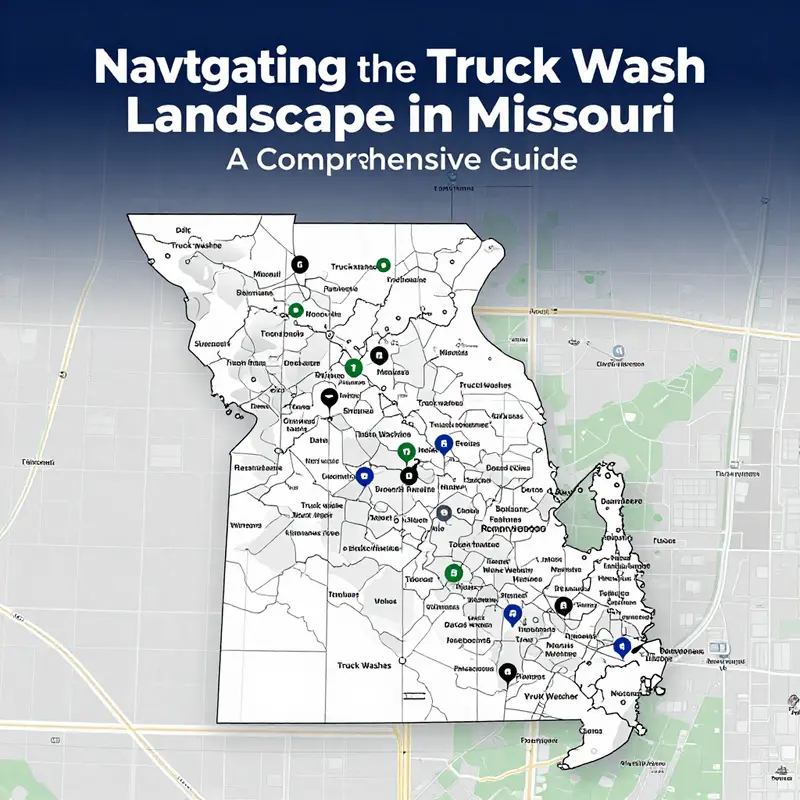
Missouri presents a compelling case study in how commercial vehicle care evolves alongside a state’s transportation backbone. The geography of truck washing in Missouri is not just a map of facilities; it is a map of freight flows, industrial clustering, and the practical rhythms of fleet maintenance. The exact number of truck washes in the state is not publicly tracked in a single, master catalog. Yet, based on available data from widely used marketplaces and review platforms, there are more than a hundred truck wash businesses listed across Missouri as of late 2025. This figure, though not a precise census, provides a working lens through which operators, fleet managers, and service providers can understand the scale and spread of the market. Different sources may count mobile services separately from fixed-location facilities, and some listings blur the line between an independent wash and a larger auto care operation. Despite those nuances, the consensus is clear: Missouri hosts a robust network of truck washes, spread across urban cores and along the corridors that keep commerce moving west of the Mississippi and deep into the central states.
If one were to walk a line between city centers and rural corridors, the pattern would reveal two predictable concentrations. The first lies in Missouri’s largest metropolitan area, where the density of transportation activity, warehousing, and manufacturing creates a steady demand for routine vehicle cleaning. In such hubs, truck washes—whether fixed-site facilities outfitted to handle heavy-duty fleets or mobile teams that pull up to a terminal or consignee yard—coexist in a dense ecosystem. Fleets operating across regional lanes rely on nearby washes to minimize downtime, reduce deadhead miles to faraway cleaning sites, and maintain compliance with operator standards that call for periodic washouts and deep-cleanings after long hauls or exposure to harsh loads. The second cluster centers around Springfield, Missouri, a major inland node that channels traffic from north-south and east-west routes through the heart of the state. Here, the market expands not only in the number of facilities but in the variety of services offered. The presence of several top-rated options in the region signals a growing demand for comprehensive vehicle care, where trucks can receive everything from routine exterior washes to more thorough interior detailing and trailer maintenance in a single, convenient stop.
The distribution, then, mirrors the practical geography of freight. Truck washing is most intense near interchanges, industrial parks, and logistics corridors where fleet operators make regular, time-sensitive stops. Fixed-location washes tend to cluster near large highway junctions and city-front logistics districts, offering predictable hours, power-washing bays, and water reclamation systems designed to handle high-volume throughput. Mobile washing, by contrast, fills the gaps in coverage by reaching fleets at terminals, rest areas, or long-haul corridors, converting the road into a rolling workshop. This dual model helps explain why Missouri’s footprint appears so expansive on maps that plot “truck wash” alongside “truck stop” and “fleet service.” It is less about a single center of gravity and more about a network that supports continuous operation across the state’s varied terrain and economic centers.
Beyond the map and the clusters, the distribution speaks to the operational needs of the fleets that rely on these facilities. Cleanliness is not merely cosmetic; it is tied to maintenance cycles, fuel efficiency, and regulatory expectations. A clean truck reduces drag, preserves wear on components, and extends the life of reflective markings and safety equipment. For fleet managers, proximity matters as much as service quality. A wash that is minutes away from a major route or distribution hub can shave hours off a maintenance day and improve on-time performance. In Missouri, where many fleets operate regionally with daily patterns that cross urban rings and rural stretches, the ability to find a wash quickly along a corridor is a practical advantage. This is precisely why the geographic spread, with its evident density in the St. Louis metro area and the Springfield region, feels both intuitive and economically meaningful.
The landscape is also shaped by the evolving expectations of customers. As the trucking industry increasingly emphasizes environmental responsibility, wash facilities adapt with water reclamation systems, water-efficient rinsing cycles, and waste handling practices that align with stricter emissions and environmental standards. These operational realities influence where facilities decide to invest—often concentrated near population centers and industrial zones where regulatory scrutiny and community expectations are strongest. Conversely, mobile services respond to the same pressures by delivering efficient, on-site care with minimal infrastructure, enabling fleets to clean and return to the road with little interruption. In this sense, the geographic distribution is not a static snapshot but a living map of how technology, regulation, and customer demand converge in a midwestern transportation corridor.
For readers seeking a practical sense of where to find washes in Missouri, the most reliable approach is to consult current listings on widely used maps and review platforms. These sources reflect real-time updates, hours of operation, and service scope across the state. Fleet operators and logistics professionals often rely on such platforms to plan maintenance windows around location availability and expected wait times. Additionally, if one is exploring strategies for expanding capacity or optimizing facility location, it is worth considering how the broader governance of a wash operation intersects with the local fault lines of Missouri’s geography—where population density, highway access, and industrial zoning come together to determine where customer demand is strongest.
For readers who want to connect this geographic insight to practical management practices, a broader discussion about facility operations can be informative. In particular, material on facility management for truck wash businesses offers guidance on scheduling, staffing, equipment maintenance, and compliance, all of which influence how a wash serves a fleet over time. This line of thinking—linking location strategy to day-to-day management—helps bridge the macro picture of Missouri’s distribution with the micro realities of running a wash operation. See the resource on Facility Management for Truck Wash Businesses for a structured view of how facilities balance throughput, quality, and regulatory requirements in a dynamic environment.
As readers assess the current landscape, it is worth noting that the counts and labels you encounter from different sources may vary. Some listings capture purely fixed-location sites, while others include mobile operators that service fleets on demand. The net effect is a robust and adaptable network that supports Missouri’s powerful freight economy. The state’s geographic distribution of washes—concentrated in major metro areas yet accessible along key routes—maps onto how fleets travel and how maintenance routines are scheduled across the year. In practice, a driver or fleet manager intending to clean a fleet efficiently will approach the state as a tapestry of hubs and veins, each offering a pathway to better uptime and cleaner assets.
To verify current options near a given route or terminal, consult Google Maps or Yelp for real-time listings, hours, and reviews. A contemporary snapshot of truck wash locations along Missouri’s corridors provides not only a count but a sense of capacity, service mix, and response times that matter to operations planning. The richness of this data—current hours, available washes, and the ability to compare facilities on a regional basis—hands operators a practical tool for refining maintenance calendars and routing decisions. For further geographic context and to locate washes within St. Louis and its surrounding metro, the following external resource offers a widely used reference point: https://www.google.com/maps/search/truck+wash+in+St+Louis,+MO.
In sum, while a single, definitive tally of Missouri’s truck washes remains elusive, the weight of available information points to a resilient and dispersed ecosystem. The state’s geography—anchored by a dense metro core around St. Louis and a major inland hub in Springfield—produces a distribution pattern that supports efficient maintenance for regional fleets. The overlap of fixed-location facilities with mobile services creates a flexible network capable of meeting tight scheduling needs and variable loads. For practitioners, researchers, and policymakers, the Missouri wash landscape offers a practical case study in how transportation infrastructure and service ecosystems co-evolve, shaping not just where washes are located, but how fleets plan, operate, and stay on the move.
Counting on Compliance: How Missouri’s Regulations Shape the Truck Wash Landscape
Missouri hosts a growing network of truck wash facilities, a landscape that reflects both market demand and the careful regulatory framework that governs where and how these services can operate. While there is no single public tally that captures every truck wash across the state, major review platforms such as Yelp provide a practical snapshot. As of late 2025, these sources show well over 100 truck wash businesses listed across Missouri, including standalone locations and those operated by larger auto care or fleet-service brands. That number is dynamic, shifting with new openings, relocations, and occasional closures, but it also signals a robust market where fleets and independent operators alike depend on efficient, compliant facilities. Understanding the regulatory backdrop is essential not only for existing operators seeking to stay in good standing, but also for potential entrants weighing the risks and opportunities of a competitive Missouri market. The regulatory landscape helps explain why the density of washes varies by region and why the footprint of these facilities tends to cluster near transportation corridors, industrial zones, and commercial districts that can accommodate the required infrastructure while meeting local standards for environmental protection and traffic flow. In other words, regulation both shapes the market and safeguards the water, soil, and communities that surround these commercial operations. The numbers tell part of the story, but the regulations tell the longer one about where and how a wash can exist and prosper in Missouri.
From a zoning perspective, the first question a prospective operator confronts is whether a site is properly zoned for commercial or industrial activity. Zoning determines the types of uses permitted at a given address and often influences the scale and design of a facility. Beyond zoning, the permit process can be iterative, requiring approvals from city or county authorities that may involve planning commissions, building departments, and sometimes special-use permits if a site sits near sensitive land uses. A concrete example from a Missouri municipality highlights how these layers come together: in Cassville, the process requires a business to have written consent from the property owner and to provide copies of a valid retail sales tax license, with the business responsible for applicable state, county, and city sales taxes. While Cassville is a specific instance, it illustrates a pattern across many jurisdictions: local officials expect demonstrable compliance with tax licenses and the ability to meet ongoing financial obligations tied to operations. For operators, this means that the regulatory equation includes both land-use permissions and a track record of tax and business registration that proves the enterprise can legally and financially sustain its activities.
Environmental regulation forms the second pillar of the regulatory framework and is arguably the most consequential for the day-to-day operations of a truck wash. Missouri’s Department of Natural Resources, or MDNR, enforces rules that govern stormwater discharge and wastewater treatment. Truck washes must implement best management practices to prevent pollutants from entering the storm drain system, a requirement that translates into concrete facility design and maintenance choices. Filtration systems, appropriate filtration for washwater, and methods to minimize sediment and debris entering drainage pathways become not only compliance features but core elements of operational discipline. The emphasis on environmental stewardship also influences the choice of cleaning agents. Where possible, biodegradable soaps are preferred, reducing the potential toxicity of wash water and easing pretreatment obligations when discharging to a sanitary sewer rather than a storm sewer. The underlying principle is straightforward: protect waterways and public health by preventing contaminants from leaving the facility through surface runoff or improper disposal. An operator who embraces these practices often finds that compliance structures, such as properly designed holding areas and routine maintenance schedules, become part of the daily routine rather than burdensome add-ons.
Licensing and taxation represent the third pillar of the regulatory tripod. As with any business, a Missouri truck wash must be registered with the Missouri Secretary of State and obtain a federal employer identification number. In practice, this means maintaining an up-to-date corporate or LLC status with the state and ensuring that all payroll, payroll tax withholdings, and reporting obligations are met. From a tax perspective, truck wash operators are obligated to collect and remit state, county, and city sales taxes on the services provided. Local authorities typically require proof of a valid retail sales tax license, and failures in licensing can trigger audits, penalties, or orders to halt operations until compliance is restored. These requirements are not mere formalities; they provide public revenue streams that fund essential services and help align the operation with the broader economic framework of the region. For operators, the tax and licensing regime underscores the need for strong administrative practices as part of the daily risk management and financial planning processes.
Beyond the chemical and financial dimensions, water usage and disposal rules constitute a critical thread that runs through every truck wash’s operating plan. Jurisdictions across Missouri have varying degrees of strictness regarding how wash water is managed. A common objective is to prevent direct discharge into municipal storm sewers, which necessitates holding tanks or connections to a sanitary sewer system with pretreatment measures in place. The feasibility of these solutions depends on the local grid and the available infrastructure, making it essential for operators to conduct thorough site evaluations before committing to a location. Compliance with water-related regulations also intersects with design considerations, such as the layout of wash bays, drainage, and the method by which runoff is captured and treated. The cumulative effect of these rules is to push facilities toward more thoughtful engineering choices, ensuring that the water cycle associated with vehicle cleaning remains contained and treated responsibly. Although this may raise initial capital requirements, it also yields long-term benefits in terms of environmental stewardship, community relations, and operational reliability, since well-managed water systems are less likely to face regulatory interruptions or costly corrective actions.
Taken together, these regulatory dimensions—zoning and permits, environmental requirements, licensing and taxation, and water management—shape the practical geography of Missouri’s truck wash landscape. They influence where a wash can be built, how it can operate, and what economic constraints it must navigate. They also help explain why the community of truck wash operators tends to remain vigilant about ongoing compliance, even as demand for services grows and new players enter the market. For operators, this means continuous alignment with local and state agencies, regular reviews of evolving codes and statutes, and a proactive approach to risk management that integrates environmental, legal, and financial considerations into every decisive move. For researchers and planners, these regulatory factors offer a lens through which to interpret market density, service quality, and resilience across Missouri’s transportation corridors.
As you consider the broader implications of regulatory influence on the number and distribution of truck washes, a practical touchstone emerges. Compliance is not a static checklist but a dynamic framework that interacts with customer demand, fleet practices, and municipal planning. Facilities that invest in robust BMPs, transparent licensing, and responsible water management often enjoy smoother operations, fewer investigation risks, and better long-term prospects for expansion. Conversely, sites that underestimate the need to secure proper permits or to implement wastewater controls may encounter delays and costs that ripple through their bottom lines. The interplay between regulatory rigor and market opportunity helps explain why Missouri, with its growing network of wash facilities, continues to balance growth with prudent environmental and civic responsibilities.
For readers seeking the latest snapshot of available wash facilities and to gauge how the regulatory environment may be shaping new openings or closures, a broader view of current listings is useful. See Yelp’s Missouri truck wash results for a practical barometer of where services are currently concentrated and how they are perceived by customers. In addition, those interested in the regulatory side can explore a dedicated resource on industry compliance and emissions regulations to gain deeper insight into how best practices are implemented across facilities. truck wash industry compliance and emissions regulations. This blend of market visibility and regulatory context helps paint a clearer picture of Missouri’s truck wash ecosystem and informs strategic decisions for operators and researchers alike.
For a broader, external perspective on current listings and market presence, refer to the following external resource: https://www.yelp.com/search?finddesc=Truck+Wash&findloc=Missouri
Laser-Driven Efficiency: Trends and Innovations Redefining Missouri’s Truck-Wash Landscape
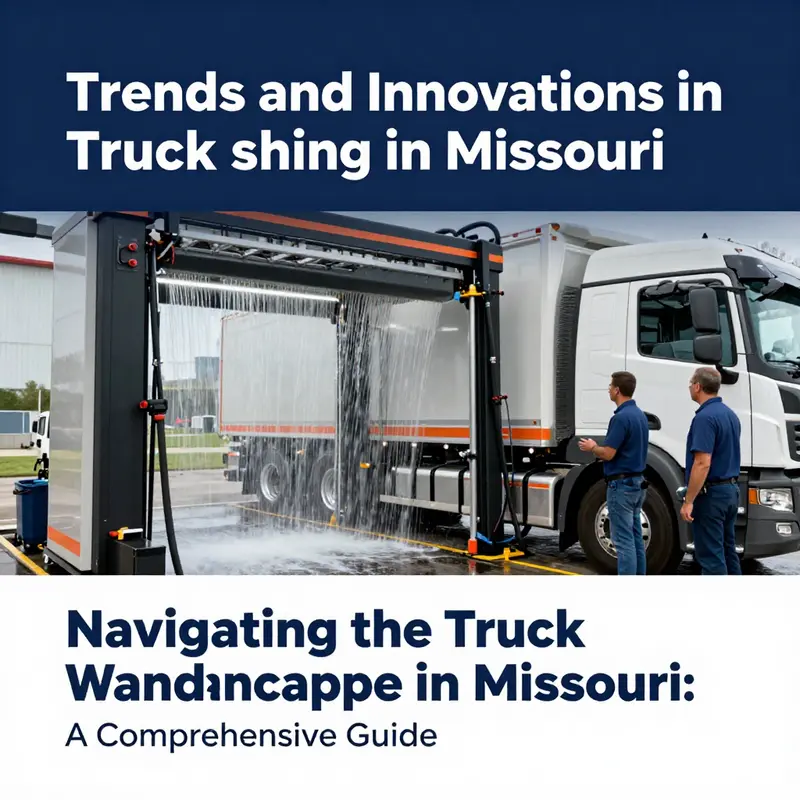
Missouri’s truck-wash scene sits at the intersection of breadth and speed. While no public ledger tracks every facility, directories and reviews show a robust ecosystem across the state, from Kansas City and St. Louis to smaller hubs along freight corridors. The market serves a diverse fleet—tractor-trailers, tanker rigs, dry vans—with rapid turnaround and dependable cleaning. The exact tally depends on how a wash is categorized, but the signal is clear: a dense market that rewards efficiency and quality. Differentiation comes from wash quality, throughput reliability, and environmental footprint, not just location and hours. For fleet operators, the count matters less than the ability to clean quickly, consistently, and with predictable cost within tight delivery windows.
Automated wash systems with laser-assisted precision are redefining operations. Automated sequences coordinate pre-wash, high-pressure rinse, soaping, and final touchups in controlled cycles, enabling cleaner rigs in less time with less operator variation. Large vehicles benefit from tailored cleaning for different grime profiles.
Laser-assisted cleaning reduces chemical dosing and water use while limiting wear. For Missouri fleets balancing fuel efficiency and environmental stewardship, the implications are meaningful. When water use drops and chemical input tightens, the environmental footprint shrinks, aligning with regulations and community expectations around runoff.
Data-driven management is also taking hold: digital controls, sensors, and fleet-management integrations allow monitoring of cycles, chemical consumption, throughput, and analytics for scheduling and maintenance. This standardization improves reliability and repeatability across multiple sites, turning maintenance into operational leverage.
Sustainability remains central: closed-loop water systems, filtration, and chemical-management protocols minimize environmental impact while preserving cleaning efficacy. In Missouri, such efficiencies help fleets meet customer and regulatory demands and support water stewardship.
Market structure – over a hundred identified locations – drives a mix of standardization and local experimentation, balancing scale with agility. The result is faster cycle times, lower water and chemical use, higher-quality finishes, and easier compliance reporting. The broader benefit is a fleet that spends less time in wash bays, keeping miles in productive use and reducing idle time across the network.
For readers seeking deeper context, industry discussions on compliance and emissions regulations provide practical frames for understanding adoption patterns in Missouri. (truck-wash industry compliance and emissions regulations)
External resource: laser-based wash technology context can be found at lazrtex.com
Final thoughts
The presence of over 100 truck washes in Missouri signifies an essential service for the logistics and transport sector. As fleet managers and company owners focus on efficiency and compliance, understanding the local landscape of truck washes becomes increasingly critical. From their economic impact to geographical distribution, regulatory concerns, and innovations, each aspect serves as a pillar supporting the overall maintenance of fleet vehicles. Companies that proactively engage with this industry stand to benefit substantially in operational efficiency and regulatory compliance.