
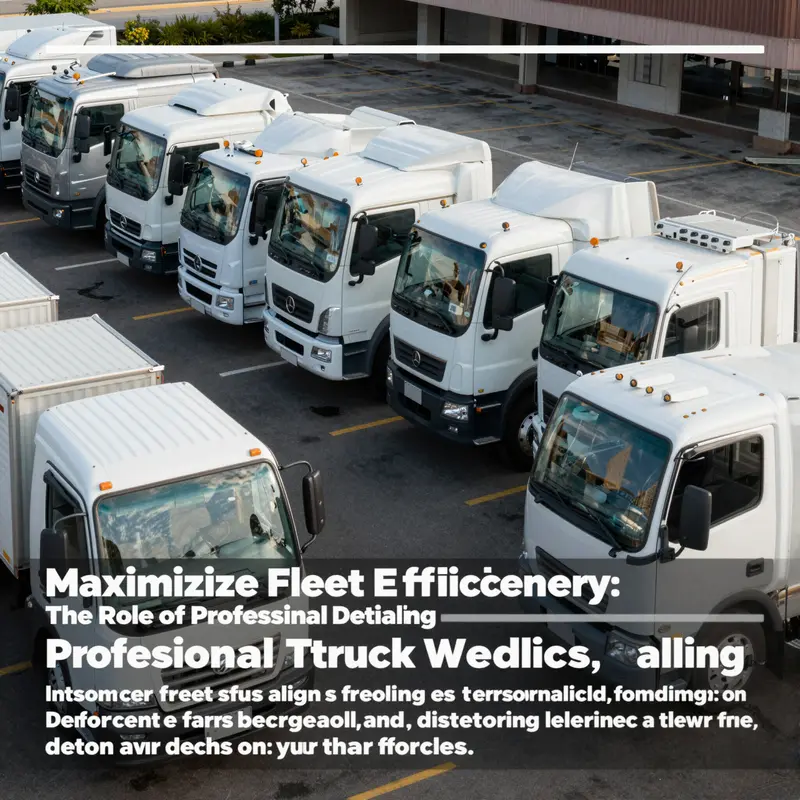
In the highly competitive logistics, trucking, and fleet management industries, presenting a clean and well-maintained image is crucial. Professional detailing truck washers offer comprehensive services that elevate the standard vehicle wash to a meticulous cleaning and restoration for both the interior and exterior of your trucks. This article examines the multifaceted benefits of professional detailing through the lens of its impact on fleet management, including a detailed exploration of the interior and exterior processes, the advantages for owner-operators and fleet managers, the enhancement of resale value, and the specialized techniques employed in this vital service. Every chapter is designed to provide logistics and freight company fleet managers, trucking company owners and operators, and construction and mining fleet supervisors with actionable insights on how professional detailing can positively affect their operations.
From Cab to Comfort: The Thorough Interior Detailing That Defines Professional Truck Washing
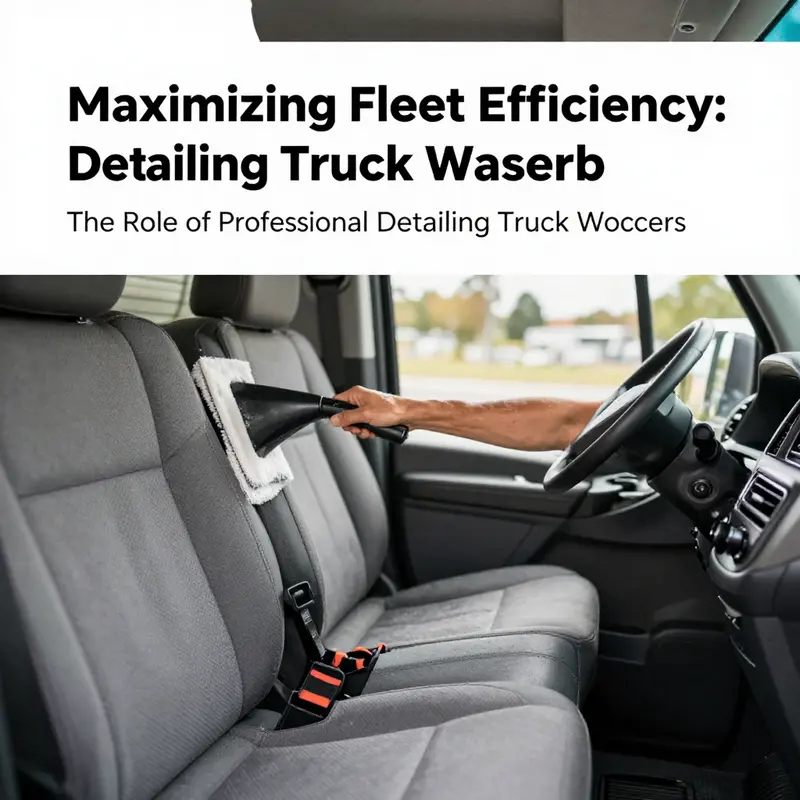
Inside a professional truck washing operation, the interior detailing process is not a quick wipe-down but a meticulous restoration of the cabin’s feel, function, and hygiene. This is where the vehicle becomes not just a tool but a mobile workspace and resting space that can shape driver well-being, safety, and even brand perception for fleets. A skilled detailer begins with a powerful yet practical premise: remove the dirt, debris, and odor that accumulate in every crevice, and then treat the remaining surfaces with care to restore their original character while protecting them from wear. The result is an interior that feels new, is easier to clean over time, and sustains a professional image at every mile.
The first phase is thorough vacuuming, a step that may seem simple but is foundational. The technician targets seating areas, floor mats, crevices between seat cushions, and the trunk or cargo area when accessible. Loose crumbs, sand, dust, and pet hair can hide in places drivers encounter daily, and small particles left unattended can transfer to clothing or cargo and contribute to a sense of grime. A robust vacuuming pass ensures those loose particles are eliminated from every corner of the cabin, setting the stage for deeper cleaning. This attention to the floor is crucial, because it is where the most persistent debris tends to collect after long hauls and busy loading docks.
After the bulk of the dirt is removed, the interior surfaces receive a more targeted treatment. Surfaces such as vinyl, leather, plastic, and fabric each require specific cleaners and techniques to avoid damage and to preserve their look and feel. A careful approach begins with the choice of cleaners: pH-balanced solutions for leather that clean without stripping natural oils, and fabric-safe formulations that lift spills without saturating the material. Leather seats are often cleaned to remove surface soils and then conditioned to maintain suppleness and prevent cracking in the sun-exposed heat of the road. For vinyl and plastic components, a cleansing routine is paired with protective sprays or conditioners that restore color and resilience, reducing the dullness that can come from sun exposure and frequent contact with denim or work gloves. The dashboard, center console, door panels, and grab handles are wiped with microfiber cloths that lift fingerprints, smudges, and built-up grime while leaving a soft, streak-free finish. The goal is not merely cleanliness but a surface that looks and feels refreshed, with no greasy residue or powdery touch left behind.
Windows and mirrors receive equal attention because visibility is a core safety feature, and a clear, glare-free view reduces driver fatigue. A high-quality glass cleaner, applied with a lint-free or microfiber cloth, cuts through film and water spots without leaving behind streaks. Clean glass complements the rest of the detailing work by completing the sense of renewal: a cabin that looks bright and feels inviting, where the driver can focus on the road rather than on compromised sightlines.
Upholstery inspection follows, with a careful scan for stains, odors, and wear. The technician checks seat covers and headliners for any signs of damage, discoloration, or upholstery deformation that could worsen with use. When stains are present, specialized stain removers are applied with the appropriate technique, allowing the fabric or leather to regain its original appearance as much as possible. Odor elimination is often a critical part of interior detailing, especially in vehicles used for long-haul trips, multiple drivers, or shared fleets. Depending on the situation, odor control may involve steam cleaning to sanitize and refresh or, in more persistent cases, treated ozone or other targeted deodorization methods to neutralize the smells from food, smoke, or spills. The aim is not just to mask odors but to neutralize them, so the interior feels clean and breathable.
As the interior moves toward completion, a final protectant is applied to shield surfaces from UV exposure, moisture, and future staining. A light coating of protectant on plastic, vinyl, and rubber components helps resist sun fading and keeps grips and trim from drying out or cracking. This last step seals in the work that has been done and helps sustain the refreshed appearance through the next round of use, weather, and routine cleaning. The overall effect is more than cosmetic: it creates a sense of health inside the vehicle, a more comfortable atmosphere for the driver, and a cabin that is easier to maintain with regular cleaning.
The real value of such comprehensive interior detailing extends beyond comfort. For owner-operators who live with their rigs and fleets that rely on consistent branding, a pristine cab supports a professional image that travels with the truck. Clean, well-maintained interiors imply reliability and care, which can influence client perceptions and driver confidence. A tidy, organized cabin reduces driver fatigue by minimizing clutter and enhancing the ease of locating essential items or paperwork, contributing to better overall workflow on the road. For fleets, the impact is twofold: ongoing hygiene and comfort for drivers, and a tangible demonstration of pride in the equipment that represent the business. A well-detailed interior also plays a role in resale value. When a truck is prepared with a thorough interior detailing, its cabin remains in better condition for longer, preserving materials that might otherwise crack, fade, or delaminate with neglect. In markets where a vehicle must be presented to potential buyers, a clean and fresh interior often translates into a higher perceived value and a smoother transaction.
The process described above is not an isolated service but part of a broader, full-service detailing philosophy. A professional truck washer who can handle interior detailing with the same precision that is applied to exteriors delivers a holistic solution that improves the truck’s overall appearance and operation. The interior work complements exterior cleaning, waxing, and undercarriage care, creating a complete package that helps a truck look its best at every stage—from the yard to the highway. In the hands of experienced technicians, interior detailing becomes an investment in comfort, hygiene, and durability, with measurable returns in driver satisfaction and asset longevity. For fleets that emphasize professionalism and care in all business aspects, this is not a luxury but a practical standard that reinforces brand integrity every time a truck starts its shift.
The broader context of interior detailing also feeds into a culture of maintenance and care within the trucking industry. When drivers see their cabins treated with the same attention as the exterior, it reinforces a sense of value and respect for the work they do. It can influence morale, reduce the psychological distance between the driver and the vehicle, and even affect retention in a highly competitive labor market. In practical terms, the interior detailing routine acts as an early intervention against wear and tear. Clean, conditioned surfaces are less prone to cracking and staining, and a well-kept cabin is easier to sanitize and maintain between visits. The discipline of regular interior detailing—the consistent vacuuming, surface care, odor management, and application of protectants—becomes a standard operating procedure that yields long-term dividends in reliability and customer trust.
Integrating this interior focus with thoughtful fleet management also creates opportunities for meaningful internal narratives. For example, a logistics operation can highlight how attention to cabin comfort supports driver engagement and morale, connecting the physical care of vehicles to the human side of trucking. When a company demonstrates that its trucks are consistently maintained from cab to exterior, it communicates reliability to shippers and customers, reinforcing a reputation for professionalism and attention to detail. In this way, interior detailing transcends mere aesthetics and becomes a strategic component of fleet performance, driver welfare, and brand stewardship. As with any high-standards practice, the most effective stations keep the process transparent, with clear expectations for service quality, turnaround times, and pricing—ensuring that fleets can plan maintenance cycles that fit operational demands while still delivering the value of an interior that feels restored and protected.
For readers seeking deeper context on how interior and exterior detailing fit into broader trucking operations, internal exploration into related topics—such as employee engagement, fleet maintenance best practices, and the financial implications of regular detailing—can provide additional insight into how these services influence day-to-day operations and long-term strategy. In particular, a focused discussion on fleet workforce culture can illuminate how a clean and comfortable cabin contributes to driver satisfaction, retention, and performance across the fleet, linking the tactile results of detailing to tangible organizational outcomes. This integrative perspective helps underscore why a professional detailing truck washer’s interior work matters beyond the momentary shine; it is an essential element of safe, efficient, and brand-conscious trucking today.
To learn more about related practices and broader industry context, a detailed resource on professional detailing services and their scope can be consulted. For readers who want to explore governance, pricing transparency, and service breadth within professional detailing, a reputable external reference offers a structured overview that complements the interior-focused discussion.
Internal link reference: As you consider how interior detailing connects with driver experience and fleet performance, you can glance at examples of how fleets cultivate engagement and growth among personnel through thoughtful operations, such as this case study on trucking employee engagement and growth: derrick-wolfe-trucking-employee-engagement-growth.
External resource: For a broader look at professional detailing services and the range of interior and exterior packages available, see an established industry resource that outlines standards, practices, and pricing considerations: External resource.
From Bumper to Brilliance: How a Professional Truck Washer Elevates Exterior Care and Protection
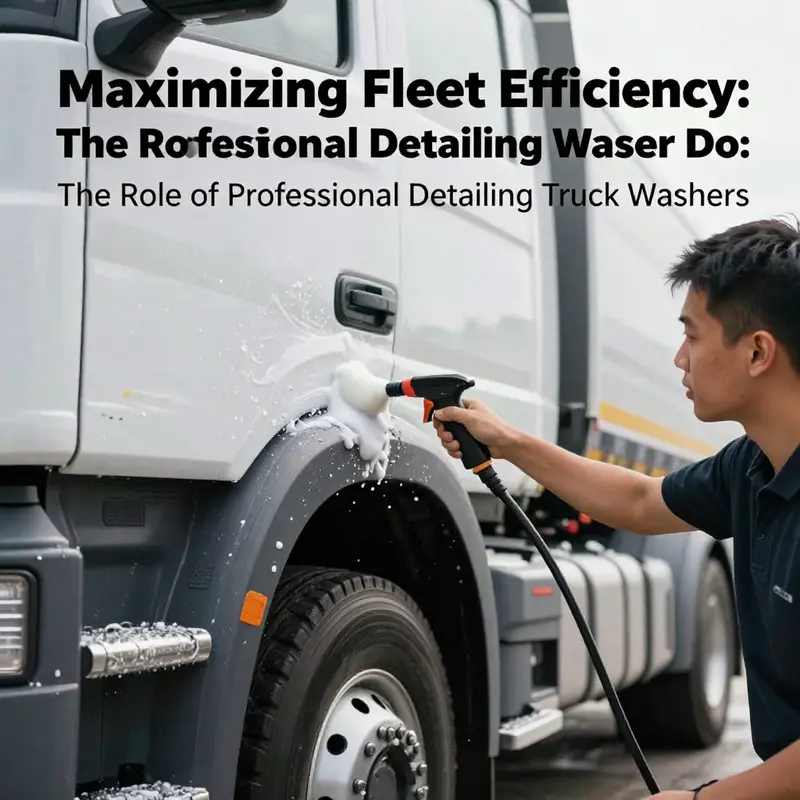
In the freight and service economy, a truck is more than a vehicle; it is a moving enterprise card. A professional detailing truck washer understands this implicitly. The service they provide extends far beyond a quick rinse or a cosmetic shine. It fuses cleaning with protection, longevity, and a disciplined approach to upkeep that supports brand image, driver comfort, and resale value. The exterior program is a carefully balanced blend of chemistry, technique, and technology, tailored to the fleet’s needs, the truck’s finish, and the demands of the road. When done well, exterior detailing becomes not just a wash but a practical investment in durability and appearance that pays dividends mile after mile. The operator’s expertise is the invisible engine behind that outcome, translating raw dirt removal into a preserved finish that resists UV damage, chemical staining, and the everyday abuse of highway travel.
The process starts with the meeting of dirt and science. A professional exterior detailing sequence typically commences with a pre-rinse to loosen loose soil and dust. This initial step is not a mere splash; it is a measured starting point designed to reduce abrasion before true cleaning begins. The next phase relies on a high-quality, pH-balanced detergent chosen for its effectiveness against road salt, brake dust, and industrial fallout while remaining gentle on paint, chrome, and seals. Depending on the setup—whether it is a fixed facility with dedicated equipment or a mobile unit on call—the detergent is dispensed through a foam cannon or a purpose-built pressure washing system. The technician’s skill is crucial here. Proper wand distance, correct nozzle selection, and controlled dwell times ensure that grime lifts without forcing contaminants into micro-scratches or removing protective coatings. The applied pressure, often adjustable in the range of roughly 1,000 to 4,000 PSI, is not an uncontrollable force but a calibrated tool. When wielded with precision, it blasts away brake dust, road salt, and industrial residues while preserving the integrity of clear coats and painted surfaces.
As the bulk of grime gives way, the work shifts toward a more deliberate exterior care routine that focuses on vulnerable components and hard-to-reach areas. The wheels and wheel wells are a focal point, because they bear the brunt of grime from braking and exposure to tar and solvents. A professional detailer uses dedicated cycles and tools to clean rims, scrub away embedded brake dust, and refresh tire sidewalls. This part of the process is often performed with a separate detergent and brush system to ensure contaminants are not transferred back onto painted panels. The undercarriage and lower body sections receive careful attention too, especially fleets that traverse winter routes where salt can accumulate on frame rails and rockers. It is not only about making the truck look good; it is about slowing the corrosion process and identifying any early signs of wear or damage while the vehicle is clean enough to inspect. In practice, the exterior detailing session becomes a diagnostic moment, where subtle issues are noticed early, before they become costly repairs.
Protection follows cleaning with a nuanced choice among protective coatings. The exterior program frequently includes wax or sealant modules designed to lay down a durable shield that repels UV rays, resists chemical stains, and reduces the adhesion of new contaminants. For fleets seeking longer-term protection, there is increasing access to more advanced options, such as paint protection films (PPF) or ceramic coatings, which extend gloss and resilience against scratches, bird droppings, and acid rain. The decision between wax, sealant, or a ceramic solution is guided by the truck’s duty cycle, color and finish, and the fleet’s return-on-investment expectations. The protective layer is more than a cosmetic veneer; it becomes a functional barrier that maintains gloss, eases wash and maintenance cycles, and helps preserve color uniformity across different panels and trim. In addition, modern coatings lay a foundation for easier future cleaning, as contaminants are less likely to cling to a smooth, fortified surface.
The practical benefits extend well beyond aesthetics. A well-protected exterior resists the elements more effectively, reducing the rate at which paint fades, oxidizes, or chips. That translates into lower long-term maintenance costs and fewer downtime events associated with repainting or refinishing. A clean, well-kept truck also communicates reliability and professionalism to clients, carriers, and terminal staff. For owner-operators, branding hinges on the impression a vehicle creates as it arrives at a loading dock or a customer site; a pristine exterior reinforces a message of attention to detail and thorough care. For rental fleets, consistent detailing supports higher resale value because buyers equate the care of the paint and finish with the overall condition of the vehicle. The value proposition is clear: the exterior detailing program protects the asset, preserves the brand, and improves the customer-facing perception of the fleet.
Environmental responsibility has become an integral part of professional detailing, not an afterthought. Modern exterior truck washing emphasizes water efficiency and runoff control. Many operations feature water-recycling and filtration systems that minimize fresh-water usage and reclaim wash water for proper treatment. This is not merely a compliance measure; it is a business practice aligned with responsible stewardship and cost control. The most capable programs integrate this environmental mindset with the broader maintenance plan, ensuring that exterior care supports fleet longevity without compromising sustainability goals. In practice, a fleet might combine exterior detailing with a preventive maintenance strategy that includes chassis cleaning, rust prevention steps, and inspection for corrosion-prone areas. The goal is a coherent program in which exterior care and mechanical upkeep reinforce each other, extending the vehicle’s life and maintaining a professional image across the entire fleet.
Consistency matters as much as quality. A professional detailing truck washer is often part of a larger fleet services ecosystem, where standardized workflows, trained technicians, and repeatable results ensure reliability across multiple trucks. The value of consistency shows up in predictable gloss levels, uniform protection, and a uniform standard of cleanliness that drivers can rely on between shifts. When a fleet adheres to a regular exterior maintenance cadence, the body panels, chrome accents, and finishes stay more resilient against the wear of daily operations. Fleet managers recognize that exterior care is not a luxury but a practical component of lifecycle management, contributing to lower downtime, steadier resale values, and a stronger brand presence. For those interested in how the operational side of these services is organized, see Facility management for truck wash businesses: https://tripleatruckwash.com/facility-management-for-truck-wash-businesses/
In sum, exterior care and protection delivered by a professional truck washer blends science, technique, and strategic thinking. It is not simply about cleanliness; it is about preserving the vehicle’s surface, extending its life, and preserving the brand promise that the truck represents. The right exterior program reduces the cost of ownership by guarding against corrosion, maintaining paint integrity, and sustaining a professional appearance that travels with the fleet across lanes and landscapes. It aligns with broader fleet goals—efficiency, reliability, and responsible resource use—while ensuring drivers step into a well-presented cab that supports focus and comfort. The result is a vehicle that shines as it travels, reflecting a disciplined approach to maintenance and a steadfast commitment to performance. The exterior, once brushed with dirt and salt, becomes a testament to ongoing care, resilience, and the edge that professional detailing provides.
External resource: A Complete Guide to Mobile Truck Wash: Specifications, Types, and Applications — https://www.truckwash.com/mobile-truck-wash-guide
Beyond the Exterior Shine: Why Professional Truck Detailing Elevates Performance, Image, and Value for Operators and Fleets
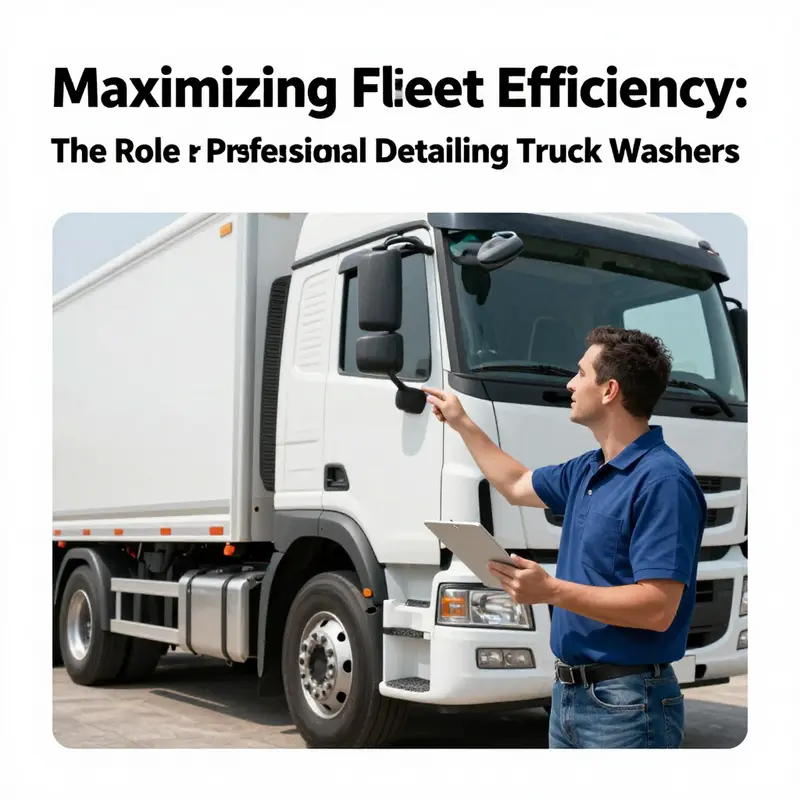
In a world where freight moves through networks of docks, yards, and highway arteries, the way a truck looks and feels matters as much as the load it carries. A professional detailing service for trucks is not merely a cosmetic spa day; it is a comprehensive maintenance discipline that brings together exterior restoration, interior hygiene, and protected surfaces into one cohesive process. Whether delivered at a customer’s depot, a bustling fleet facility, or on the road via mobile teams, detailing aims to restore, preserve, and elevate the vehicle at a level that ordinary wash routines simply cannot match. The goal is clear: a truck that presents a deliberate, professional face, while also delivering a more comfortable, healthier workspace for drivers and a longer lasting asset for the business behind the wheel.
On the exterior, the detailing sequence starts with a thorough wash that confronts the realities of daily operation—grime from urban streets, road salt, brake dust, and environmental contaminants. But the journey does not stop there. Skilled technicians extend their attention to the hard to reach zones: wheel wells, undercarriages, rocker panels, and other crevices where dirt stubbornly clings and where corrosion can take hold over time. After cleansing, a protective layer is applied in the form of wax or a polymer sealant. This coating does more than add a showroom shine; it forms a shield against sun exposure, contaminants, and minor abrasions, making future cleaning easier and helping to retain the vehicle’s color and gloss. For fleets that depend on a consistent presentation, this protective step preserves the painted finish and reduces the likelihood of expensive refinishing in the years ahead.
Inside the cab, a similar standard of care applies, with a focus on the spaces where drivers spend their days. The interior detailing typically begins with a deep vacuum that pulls dirt from carpeting, mats, seat folds, and the often overlooked crevices around consoles and cargo areas. Steam cleaning or hot water extraction may follow to lift stubborn stains and odors, while professional sanitization targets high touch points such as the steering wheel, door handles, gear shifter, and seat surfaces. The aim here is not only cleanliness but hygiene, reducing microbial load in a space where drivers work long hours and often share the cab with different operators or shifts. Surfaces are cleaned, conditioned, and refreshed so that dashboards, trim, and upholstery feel updated rather than worn. Window glass and mirrors receive a crisp, streak-free treatment, enhancing visibility and contributing to a sense of safety and meticulous care in the vehicle’s overall presentation.
The synergy between exterior restoration and interior refresh creates a holistic effect that resonates beyond looks. A clean exterior supports a business image built on reliability and professionalism. For customer-facing fleets—think delivery services or rental operations—a truck that arrives on site with a polished finish communicates a commitment to quality and attention to detail. Inside, a refreshed cab can lift driver morale and reduce fatigue during long shifts, which in turn supports safer, more focused operation. This is not merely about comfort; it is about sustaining performance through an environment that minimizes distraction and discomfort on the road. When drivers feel they are operating a vehicle that is well cared for, their pride in the job tends to translate into better adherence to maintenance schedules, safer driving, and a more consistent representation of the brand.
The economic case for detailing becomes especially compelling when viewed through the lens of owner operators and fleets alike. For an owner operator, the impression the vehicle makes can influence business opportunities as much as the load it carries. A well maintained exterior helps secure partnerships and repeat business by signaling seriousness, reliability, and respect for the customer’s time. The interior care extends the life of interior materials—upholstery, plastics, dashboards—helping to prevent premature aging that can degrade operating comfort and resale value. In practical terms, a disciplined detailing routine can translate into longer service life for components exposed to daily wear and tear, less aggressive need for early interior replacements, and a stronger position when negotiating resale value. All told, the investment in regular detailing becomes a recurring efficiency, reducing the intangible costs of downtime and driver dissatisfaction while protecting the asset’s market value.
For fleets, the calculus shifts toward consistency, scheduling, and scale. Uniform appearance across dozens or hundreds of units reinforces a cohesive brand story, and the sense of order in the yard or at a customer site reflects the same discipline that governs safety programs and maintenance protocols. A well designed detailing program, whether delivered on site or at a depot, minimizes downtime by fitting neatly into maintenance cadences. Mobile detailing teams can service multiple vehicles in a single stop, avoiding the added downtime of transporting units to a fixed facility. In a fleet where uptime is a critical metric, every hour saved in the wash bay compounds into measurable gains in productivity and on-time delivery. The result is a clearer view of asset condition that fuses appearance with maintenance data, supporting smarter budgeting, easier inspections, and a more predictable total cost of ownership.
The branding and customer experience dimension deserves attention as well. A fleet that arrives at a dock with uniform cleanliness signals to clients a well organized operation. It communicates reliability, attention to detail, and a respect for the partnership with the customer. That in turn can influence the way drivers are received at customer sites, the confidence customers place in the service, and even the ease with which field sales teams can position the fleet as a trusted logistics partner. In a market where tangible signals matter, a professional detailing program is a practical extension of the service promise that fleets offer every day. The investment is modest relative to the potential returns in perceived value and client trust.
From a process perspective, the detailing workflow integrates with broader fleet management routines. The best programs align detailing cadences with maintenance schedules, driver rotations, and depot operations so that appearance and condition tracking can be folded into regular asset management rather than treated as a separate ritual. This alignment helps fleet managers maintain a consistent standard of care across all vehicles, while also enabling traceability of improvements in condition over time. When a truck returns from a long haul or a routine assignment, a documented detailing session provides a clear baseline for future inspections. The driver’s workspace is refreshed, the exterior is protected, and the asset is ready to perform with the same level of reliability it carried on its first day in service.
To support scalability and coordination, many operators rely on established facility management practices within truck wash operations. For fleets seeking a scalable approach to coordinating regular detailing, many operators turn to robust facility management for truck wash businesses to coordinate the effort. This approach helps standardize quality checks, define service windows, and establish accountability across sites and shifts. It is a practical framework that makes it easier to maintain a uniform standard of care as a fleet grows, ensuring that each truck receives the same level of attention regardless of where it operates. The disciplined structure behind such programs signals clear governance and steady performance, which in turn reinforces the trust customers place in the fleet and its drivers.
The strategic value of professional detailing extends beyond the obvious benefits of cleanliness and shine. It touches on driver welfare, asset longevity, brand perception, and operational efficiency. For owner operators, it translates into a stronger competitive stance and a more compelling resale proposition. For fleets, it supports a disciplined approach to asset care that aligns with safety, reliability, and customer service standards. The practice helps teams anticipate wear, manage maintenance more effectively, and present a professional image that underpins all customer-facing interactions. In this light, detailing is not a one-off service but a continuous investment that complements the full spectrum of fleet management priorities.
As detailing practices become more integrated into the daily rhythm of trucking operations, their value compounds. The trucks come back to service looking sharp, with interiors that feel refreshed and more comfortable for drivers who rely on the cab as their mobile workspace. The enhanced bottom line emerges not only from reductions in replacement costs, but from the steady, measurable improvements in uptime, safety, and customer confidence. In a field where every mile is a measure of reliability, the professional detail becomes part of the proactive care that keeps a fleet moving smoothly and presenting itself with purpose every time it rolls into a dock.
External resource: https://www.mycarwash.com/mobility-truck-wash-guide
What a Professional Truck Detailer Delivers: Elevating Resale Value and a Polished Brand Image
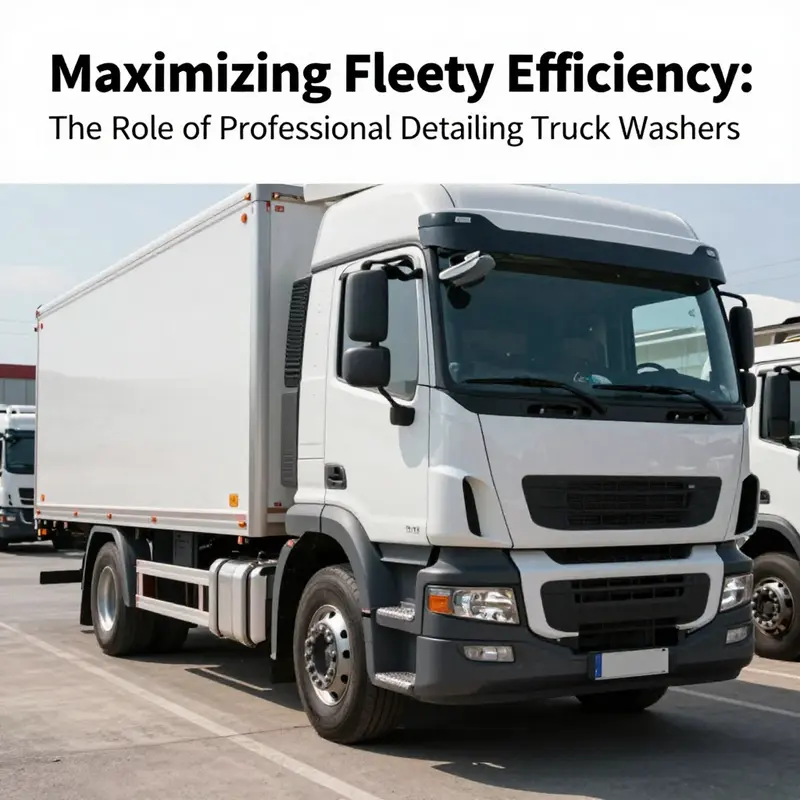
A professional detailing truck washer is more than a label at a wash bay; it is a disciplined care program for a vehicle that carries a business’s first impression. In fleets and independent operations alike, the detailer’s work extends beyond a quick rinse and a dry. It is a meticulous process designed to protect, preserve, and present a truck as a working asset that reflects on the company’s standards.
Exterior cleaning begins with removing road grime, salt, tar, and embedded contaminants that can wear paint and metal surfaces if left unaddressed. A skilled detailer uses products and techniques that lift particulates, prevent abrasive scratching, and prepare the surface for protection. This is not merely about appearances; it is about resilience to daily exposure. After the wash, waxing or sealant application creates a protective layer that improves water beading, eases future cleaning, and helps resist chemical contaminants. The result is a smoother, more uniform sheen that communicates care and attention to detail from bumper to mirror.
Interior work includes deep vacuuming, sanitizing high-touch areas, and treating upholstery to restore color and texture. Dashboards, consoles, and doors are cleaned and protected to resist cracking and fading, while windows are cleaned for clarity to improve visibility and safety.
Under the truck, the detailer removes road film, salt, and debris to support corrosion resistance and inspection clarity. The undercarriage is cleaned to improve inspection visibility and reduce corrosion risk. Wheels and tires receive careful attention to brake dust removal, rim cleaning, and tire conditioning.
Engine bay cleaning is often included to remove soot and dirt that can obscure components and to aid heat dissipation during inspections.
A well-executed detailing program signals to buyers that the vehicle has been cared for, which can translate into higher resale value and easier negotiations. Clean paint, preserved interiors, and well-maintained components reduce perceived risk and highlight the vehicle’s overall condition.
A clean, well-presented fleet communicates reliability and professionalism. Beyond aesthetics, detailing supports driver comfort and focus, reduces fatigue, and makes inspections easier for maintenance teams.
To operationalize this discipline, many fleets adopt a regular detailing schedule aligned with service intervals and seasonal exposure. A consistent program reduces neglect and provides a reliable baseline for inspections and refurbishments at resale time.
Facilities need proper space, ventilation, drainage, and safe chemical handling. Trained technicians with vehicle-specific knowledge ensure care choices protect durability rather than cause damage. Clear standard operating procedures build accountability and traceability across the fleet.
A detailing program is a strategic business decision that preserves value, enhances credibility, and supports long-term profitability. It aligns physical upkeep with brand expectations and helps fleets perform better in the market and on the road.
From Bumper to Cabin: The Full-Spectrum Craft of Professional Truck Detailing
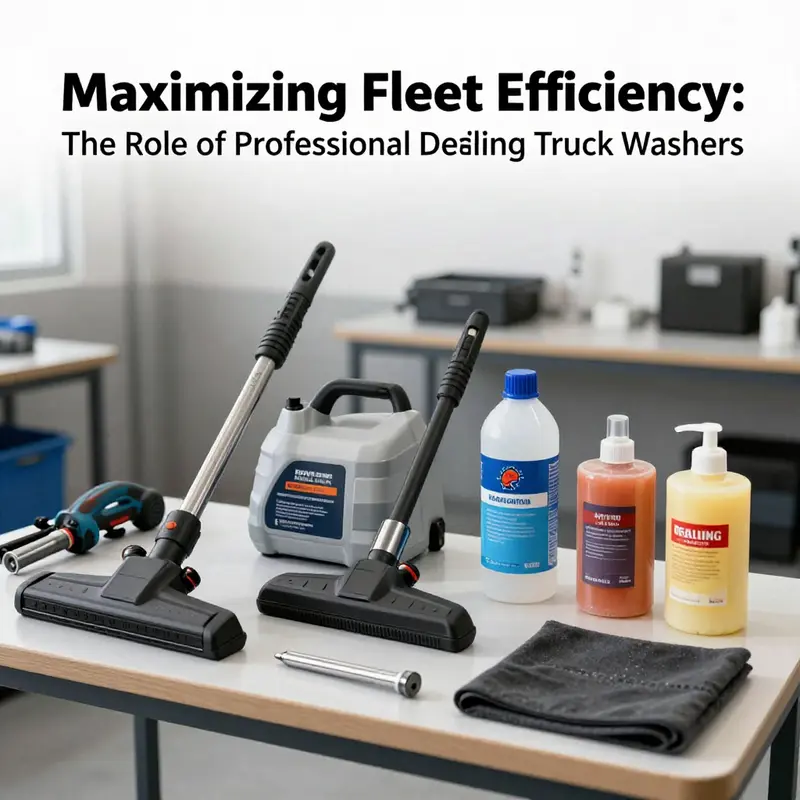
A professional detailing truck washer operates at the intersection of efficiency, meticulous craft, and fleet stewardship. What begins as a routine exterior wash quickly morphs into a comprehensive service that touches every inch of a vehicle designed for hard work, whether that vehicle carries freight across long-haul routes or serves a customer’s brand image daily. The result is not merely a cleaner truck, but a refreshed, healthier, and more marketable tool that supports driver comfort, safety, and the business’s reputation. The process blends practical technique with the right tools, a disciplined workflow, and a keen eye for the surfaces most susceptible to wear, staining, and damage. In this light, detailing becomes more than maintenance; it is a form of fleet care that preserves value, extends life, and reinforces trust with customers through consistent, pristine presentation.
Inside the cab and throughout the exterior, the detailing journey proceeds with a rhythm that mirrors how a driver experiences the vehicle. It begins with a systemic assessment of the truck’s condition, identifying stubborn soils, lingering odors, and areas prone to staining or wear. This initial scan informs a tailored plan that respects the truck’s finishes and materials while addressing both aesthetics and hygiene. Inside the cabin, the emphasis first rests on health and comfort. A thorough vacuum loosens debris lodged in carpets, floor mats, seat creases, and behind pedals. High-touch surfaces—steering wheels, door handles, armrests, and controls—receive targeted sanitization to reduce the risk of germs and odor transfer during long shifts. Beyond sanitation, the interior detailing rehydrates and protects surfaces: dashboards and consoles are cleaned, conditioned, and treated to restore color and suppleness without leaving a greasy residue that could attract dust or glare in sunlight.
A common misconception is that interior cleaning ends with a neat look. In professional detailing, finish, texture, and longevity matter just as much as cleanliness. Therefore, fabrics and leather or vinyl surfaces are treated with conditioning products designed to maintain suppleness and resist staining. Some materials benefit from light protective coatings that repel dirt and spills while preserving tactile feel and clarity of display screens. The windshield, windows, and mirrors are given a painstaking film-free wipe, maximizing visibility and reducing the caked-on grime that can obscure a driver’s line of sight. The goal is a cabin that feels refreshed rather than cleaned, turning long days on the road into a more tolerable experience for drivers and a stronger impression for customers who encounter the truck at delivery points or in parking areas.
Exterior work follows a similarly deliberate sequence, often beginning with a pre-rinse to loosen dirt, oil, and road grime that accumulate in places most exposed to the elements—fender corners, lower body panels, and wheel wells. A professional detailing wash uses water and chemicals in a controlled balance to avoid stripping protective coatings or causing streaking on glass and trim. Techniques extend beyond the basic wash. A high-pressure cleaning phase helps dislodge stuck-on tar, grease, and caked grime on the undercarriage and wheel arches. This is where the rig’s true complexity shows: heavy-duty surfaces respond best to careful agitation with appropriate tools, including soft brushes for textured panels and stronger mitts for flat, satin, or glossy finishes. The aim is a uniform clean that does not rely on aggressive abrasion or repeated passes that could wear paint or trim.
A crucial element of professional detailing is the use of steam cleaning, a technique that blends sanitation with surface care. Heated water vapor penetrates soils and wax residues without saturating surfaces, allowing professionals to dissolve stubborn deposits while keeping water usage relatively low. Steam also sanitizes surfaces and helps lift odors at their source, a boon for fleets that endure back-to-back routes and shared spaces within maintenance yards. The steam approach supports a safer environment for both technicians and drivers by reducing chemical exposure and, in some cases, eliminating the need for harsh solvents on sensitive components such as rubber seals, vinyl trim, and intricate grille patterns. In practice, steam is often integrated with traditional washing to finish stubborn contours, enclosures, and engine bay cleanouts—areas that benefit from a light, effective application that won’t compromise components or wiring while enhancing the overall gloss of painted surfaces.
Behind the scenes, the equipment and technique are chosen with care to protect both the vehicle and the environment. High-pressure washers are deployed for resilient exterior soils, while precise chemical application ensures cleaning agents do not over-saturate seams or cause dulling of finishes. A two-bucket washing system with grit guards is a staple for reducing swirl marks and scratches on paint and clear coats, especially in areas with heavy contamination or textured panels. Specialized brushes and mops reach into wheel wells and along trim lines, where grime tends to accumulate in stubborn pockets. After washing, microfiber towels and applicators are used to dry and apply sealants or waxes that deposit a protective, hydrophobic layer. This layer not only adds depth of shine but also provides a barrier against UV rays, acid rain, and environmental contaminants—vital protection for fleets working across varied climates and geographies. The protective step matters as much for the long-term resale value of a vehicle as for the immediate aesthetics, especially for owner-operators and fleets that aim to convey a brand consistently across hundreds of units.
In practical terms, the professional detailing truck washer’s toolkit blends durability with finesse. High-pressure washers, steam units, and traditional water-based cleaners work in concert with microfiber, soft-bristle brushes, and lint-free drying cloths. The interior kit typically includes a vacuum powerful enough to pull fine debris from carpet fibers and mats, plus upholstery cleaners that help tame stains without leaving a brittle residue. The operator’s expertise emerges in the sequencing and timing: pre-treating oily spots, letting cleaners dwell just long enough to break soil bonds, then rinsing thoroughly to prevent residue. It is this discipline that differentiates a professional service from a casual wash, and it pays dividends in the truck’s longevity and the operator’s reputation for reliability and quality.
The broader value of professional detailing extends beyond immediate cleanliness. A fleet that maintains a clean, well-kept vehicle signals professionalism to clients and customers while providing a more comfortable environment for drivers. Cleaner cabs can contribute to better mood, reduced eye fatigue, and even improved alertness on long hauls, which translates into safer operation. Exterior improvements—enhanced gloss, clearer lights, and cleaner windows—support visibility and brand presentation. The restoration of trim, the removal of oxidation on painted surfaces, and the careful attention to wheels and tires also contribute to lower maintenance costs over time by highlighting early signs of wear that might otherwise go unnoticed until more expensive repairs arise. For owner-operators and fleets that see vehicles as mobile billboards, the detailing process becomes a strategic investment rather than a mere aesthetic service. A well-detailed truck reflects a professional culture, supports customer trust, and reinforces the message that cleanliness and care extend from the office to the road.
Operationally, a professional detailing operation often emphasizes a workflow that balances speed with meticulousness. Pre-organization, efficient tool placement, and consistent body of work help crews service multiple rigs per day without sacrificing quality. The end-to-end process—interior cleaning, sanitizing, conditioning, exterior washing, wheel and undercarriage attention, drying, and sealing—needs to feel seamless to the operator and, importantly, to the fleet managers who rely on a predictable, repeatable schedule. When fleets partner with a detailing service that understands the nuances of heavy-duty vehicles, they gain a partner who can integrate with maintenance calendars, manage capacity in peak seasons, and align detailing cycles with other fleet care activities. This alignment is where the value truly compounds, reducing downtime and preserving the vehicle’s market value.
For readers planning to implement or refine in-house or outsourced detailing, a practical awareness of facility considerations can help. A well-designed workspace, with dedicated washing bays and proper drainage, supports cleaner operations and environmental compliance. Tools and materials that are appropriate for heavy-duty vehicles—along with a disciplined approach to waste-water management and chemical use—prevent cross-contamination and protect the surroundings. In this sense, the detailing process becomes part of a broader system of fleet care that includes regular maintenance checks, tire care, and branding standards. To explore how facility management for truck wash businesses shapes service quality and efficiency, consider the broader context and practices at these fleet-focused resources: facility management for truck wash businesses.
As fleets evolve, the expectation for professional detailing goes beyond a quick spruce-up. It is about preserving value, supporting driver comfort, and sustaining a brand’s image across thousands of miles. A skilled detailing team knows how to adapt techniques to different paints, finishes, and fabrics, choosing methods that deliver durable results without compromising surface integrity. The result is a truck that shines, feels fresh inside, and projects a clear message: this vehicle is cared for, and the business behind it cares about quality as much as speed and efficiency. For practitioners and fleet owners alike, the payoff is measured not only in the visible gloss but in the quiet confidence that surfaces, upholstery, and mechanical envelopes remain protected under a thoughtful, professional regimen. The chapter closes with a practical reminder: the most effective detailing programs are those that are consistent, adaptive, and mindful of the vehicle’s life cycle. They treat the truck as a working asset—one that deserves attention, respect, and ongoing care.
External reference for further technical context on steam-based cleaning and professional-grade equipment can be found here: https://www.goclean.com/product/goclean-5l-mobile-steam-car-wash-machine/
Final thoughts
Professional detailing truck washers play an essential role in maintaining and enhancing the operational efficiency of logistics and freight companies, trucking operations, and construction and mining fleets. By addressing both the interior and exterior aspects of vehicle maintenance, they not only improve hygiene and comfort but also foster a professional image that enhances fleet credibility and resale value. Employing the right tools and techniques, detailing services can significantly extend the life of vehicles, ensuring that fleets remain visually appealing and efficient on the road. In an industry where first impressions and performance matter, professional detailing serves as a crucial investment for every fleet manager and operator.