

Maintaining a trucking fleet requires diligence in upkeep, particularly regarding cooling systems that can become prone to rust and scale buildup. Acid washing is an effective method to restore optimal performance of a truck’s cooling system; however, it involves meticulous processes and safety measures. This guide is tailored for logistics and freight company fleet managers, trucking operators, and construction supervisors and aims to provide a holistic understanding of acid washing. Each chapter will furnish you with the knowledge of the acid washing process, the necessary safety protocols, and the environmental considerations to ensure compliant operations.
Cooling the Inferno: A Practical, Cohesive Guide to Acid Washing a Truck’s Cooling System
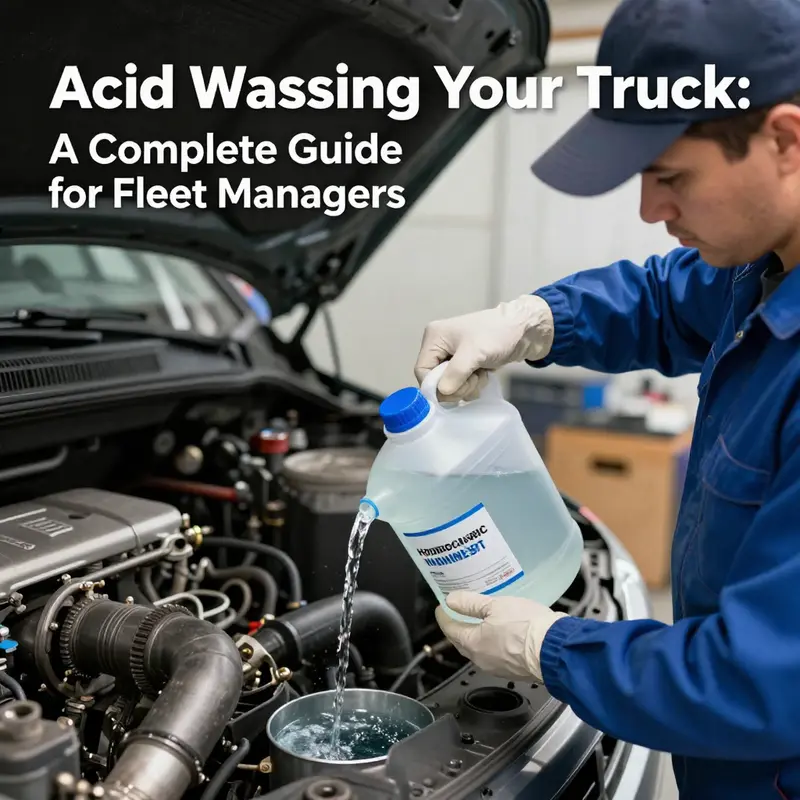
The cooling system of a heavy-duty truck is a complex, high-stakes battlefield where heat, minerals, and time conspire to reduce performance. When rust and scale build up in the radiator, water jackets, and passages, heat exchange falters, fuel economy declines, and the risk of overheats rises. A method as old as internal combustion itself, acid washing, is seldom a set-and-forget procedure. It requires careful preparation, disciplined chemical handling, and a thorough rinse to ensure no residual acidity lingers to attack cooling system metals or seals. If done thoughtfully, the procedure can restore a system to near-new efficiency; if rushed or misused, it can cause lasting damage. The aim here is not to glorify a shortcut but to present a comprehensive, practical narrative that respects safety, materials, and the realities of field work. In the language of a shop floor, acid washing is a controlled therapy for scale and rust, not a casual kitchen-sink cleaner. The importance of protecting people, hoses, gaskets, and the metal that carries coolant cannot be overstated. Protective gear, a well-ventilated workspace, and strict adherence to correct concentrations and timings are non-negotiable. As you read, imagine you are stepping into a bay where a big diesel engine pounds to heat and noise, and the cold, clean flow of coolant will soon carry away the day’s grime and heat with a renewed vigor.
The rationale for acid washing rests on chemistry that most technicians respect but do not treat casually. Hydrochloric acid, when properly diluted, reacts with calcium carbonate and other mineral residues left by years of mineral-laden coolants. The byproducts dissolve into solution, turning into soluble salts that can be flushed out of every nook and cranny of the system. The goal is not to strip away metal or dissolve hoses but to remove stubborn scale that otherwise builds up on the water jackets, heater cores, and radiator cores. Yet chemistry is only half the story; the other half is process discipline. The practitioner must think in terms of flow, exposure time, temperature, and thorough rinsing. Without adequate rinsing, residual acid can continue to corrode metal plates, seals, and hoses long after the engine is off. With excessive exposure, or with improper concentrations, the very components designed to carry coolant—aluminum, brass, copper, and rubber—may suffer micro-pitting or softening. Hence the chapter to come treats the act of washing as a sequence of precise decisions rather than a single, aggressive step.
Preparation is the quiet, indispensable act that prevents chaos once the acid is introduced. Begin by ensuring the engine is cool to the touch; hot metal plus acid equals dangerous splashes and gas release. Drain the old coolant from the radiator and, if feasible, from the engine block as well. This step is not merely about removing dirty fluid; it’s about exposing the entirety of the cooling system to the cleaning action and preventing contaminated coolant from re-entering the rainwater or the soil when waste is disposed of. On many vehicles, technicians consider removing the thermostat as a means to allow the cleaning solution to circulate freely through all channels. This step is sometimes recommended in shop manuals because it guarantees access to the entire loop, including passages that might be bypassed when the thermostat is closed. However, not every truck requires it. Some modern engines with compact, integrated cooling loops can be cleaned effectively with the thermostat left in place, provided the solution can circulate to every portion of the system. The choice between leaving the thermostat in place or removing it should be guided by the vehicle’s manufacturer guidance or the technician’s experience with similar models. The broader lesson is that preparation should be thorough and documented: drain the coolant; inspect hoses for bulges, cracks, or soft spots; and have a clear plan for capturing and disposing of hazardous waste before any chemical work begins.
When it comes to the chemical mix itself, the landscape is nuanced. A few well-placed cautions set the stage for successful cleaning. First, never pour water into concentrated acid. The preferred approach is to add acid to water slowly while stirring to control heat and avoid splashing. This ensures the exothermic reaction remains manageable and safety remains intact. Second, a straightforward, lab-accurate recipe is not the only way forward. Some shops favor a diluted acid solution in the 5 to 15 percent range of hydrochloric acid, especially when working with older systems or with components that might be more susceptible to corrosion. In cases of heavy scale buildup, a higher percentage may be contemplated, but only with a corrosion inhibitor present and clear product instructions. A common alternative is to use a commercially formulated radiator or water tank cleaner designed specifically for automotive cooling systems. These products are engineered to balance aggressive cleaning with protection for modern materials such as aluminum and elastomeric hoses, while including corrosion inhibitors as part of the package. If you choose this route, follow the manufacturer’s directions closely; the cleaner may specify temperature ranges, circulation times, and mandatory flush sequences that differ from a pure acid approach.
The temperature of the solution matters as well. Heating the cleaning mixture can accelerate reactions and help dissolve stubborn mineral deposits, but it introduces risk. The practical target range reported in many industrial guides sits around 65 to 80 degrees Celsius (149 to 176 degrees Fahrenheit). At these temperatures, scale dissolves more readily while the risk to metals and gaskets remains within the control of the solution’s concentration and the system’s materials. However, vehicles should not be heated to the point where pressure spikes threaten hoses or clamps. In field practice, technicians often rely on a controlled heat sourced from the engine’s own cooling system during circulation, watching the temperature gauge with the kind of vigilance that only a trained eye can supply. The bottom line is: heat increases effectiveness, but it also heightens risk; balance is the key.
With the preparation and chemistry aligned, the actual application of the solution must be deliberate and measurable. The prepared acid mixture, or the chosen cleaner, is introduced into the radiator or coolant reservoir so that the entire cooling system is filled. This ensures that every water jacket and passage will come into contact with the cleaning action. If the thermostat has been removed, circulate the solution for a prescribed period to ensure it reaches every nook, including the heater core and the core of the radiator. If the thermostat remains in the system, the circulation path becomes slightly more nuanced; the cleaner will still work, but the flow rates and the time under circulation must reflect the fact that part of the loop is being regulated by the valve. The engine should be started and allowed to run at idle or at a modest speed to encourage circulation without creating hazardous conditions. The often-cemeterial moment of control is ensuring the engine never overheats during this window. If the temperature climbs past safe levels, shut down the engine, reassess, and wait for cooler conditions before resuming.
The soaking phase follows circulation and is a crucial step in giving the cleaning chemistry time to react with stubborn deposits. After circulating for the prescribed window, the engine is shut off, and the solution is left to dwell in the system for another interval—commonly around ten minutes, though some protocols extend this period if the deposits are particularly tenacious. The soak period allows the acid or cleaner to interact with mineral layers, turning calcium carbonate and other mineral salts into soluble compounds that can be flushed out in the subsequent rinse. The exact soak time should align with the product instructions or the technician’s experience with similar systems. If the system is older or has a known heavy buildup, a longer soak may be justified. The key is to monitor for any unusual odor or signs of overreaction and to be prepared to terminate the soak if any unexpected conditions arise.
Rinsing is the most critical phase after the chemical action has had its day. The spent solution is carefully drained into a proper chemical waste container, never disposed of down a drain or into the environment. This waste handling is not merely a regulatory checkbox; it protects downstream ecosystems and the integrity of drain systems. The rinse process begins with a thorough flush of clean water through the radiator and system, ideally using a continuous flow that pushes the dissolved minerals out through the drain path. Technicians often perform multiple rinse cycles, typically two to three, until the discharge runs clear and neutral. A simple pH test can be used to verify neutrality; final rinse water should hover around pH 7. If neutralization is difficult to achieve in one pass, more rinses might be necessary. The goal is to remove traces of acid or cleaner entirely, because residual acidity can accelerate corrosion of metal surfaces and degrade new coolant and additives that will be introduced later.
After the rinse comes the final diagnostic and refill. A careful visual inspection accompanies a tactile check of hoses and clamps for any signs of damage or aging that might have been worsened by the cleaning process. If anything looks suspect—softened elastomer, cracks, bulges—those components should be addressed before the system is refilled. Once the system is deemed sound, the cooling circuit is refilled with the appropriate coolant mixture specified by the vehicle’s manufacturer. In most heavy-duty applications, a 50/50 mix of coolant and distilled water is the go-to baseline; however, this can vary depending on climate, operating conditions, and the maker’s recommendations. Bleeding air from the cooling system is often a necessary follow-up step, particularly if the thermostat was removed or if hoses were disturbed during the process. A careful air-bleed ensures there are no hidden pockets of air that can impede coolant flow and create hot spots, undermining the cleaning effort. The end result should be a system that flows smoothly, maintains stable temperatures, and carries forward the benefits of removing mineral deposits without triggering new issues.
The stream of practices surrounding acid washing is not merely about achieving a cleaner radiator. It is about balancing aggressive cleaning with the delicate material realities of heavy-duty cooling systems. Corrosion inhibitors play an important role in this balance. Even when choosing an aggressive cleaning regime, many technicians drop in a corrosion inhibitor into the cleaning solution. In some operating environments, practitioners add a tiny amount of commercially available inhibitory agents that are compatible with the metals and gaskets common in today’s trucks. The intention is to protect metal surfaces during the cleaning process while still allowing the deposits to be dissolved. This small safeguard helps preserve the integrity of the water jackets and seals long after the rinse is complete. Respect for materials is, in many ways, the defining principle of acid washing: you do not use acid to win a battle against mineral scale; you use it to restore the system while preserving its life.
Alongside the technical steps is a robust emphasis on safety and environmental responsibility. The very chemicals that can salvage a cooling system are also potent hazards. Hydrochloric acid is corrosive and toxic, capable of causing severe burns on skin and eye contact, and splashes can release fumes that irritate the respiratory tract. Personal protective equipment is essential—gloves, goggles, and acid-resistant clothing are not optional. Work in a well-ventilated area, and have a plan for accidental spills. The spent acid and rinse water must be treated as hazardous waste. Never dispose of it in the soil, a storm drain, or household waste streams. A responsible approach involves a dedicated container for waste, labeling clearly, and arranging proper disposal through a licensed facility. A clean workstation, clear labeling, and a well-thought-out sequence reduce the likelihood of accidents and accidental cross-contamination with other fluids or fuels in the shop.
The reading here is careful and practical, yet it is not an invitation to improvise beyond the limits of the equipment and materials at hand. If you are unsure or if the cooling system includes complex components or metals not typical of modern trucks, consider professional help. A radiator shop or experienced mechanic can provide a more controlled environment for cleaning, offer guidance on the best cleaners for your specific engine design, and handle waste disposal in accordance with local regulations. Even in professional settings, the fundamentals remain the same: measure the chemistry, control exposure time, monitor temperature, and commit to a thorough flush. Cleanliness after cleaning matters as much as the cleaning itself—residual acids or cleaner residues can undermine the new coolant’s performance, degrade heat transfer, or attack seals down the line. The professional mindset is one of disciplined thoroughness, not bravado.
To keep this approach grounded in everyday practice, consider the practical logistics that often determine the success of an acid-wash job in the field. The choice between a pure acid approach and a commercially prepared cleaner often boils down to the job’s scale, the system’s design, and the availability of proper waste handling. In the most demanding cases, a truck might present a heavy scale buildup that demands a slightly stronger mix or a longer circulation time; in milder cases, a milder approach with a ready-to-use cleaner can deliver good results with less risk to materials. Either route should start with a clean plan: know what you are cleaning, know the material of the components you are cleaning, and know the waste handling requirements. The aim is to achieve a radiator that returns to efficient, even cooling across the full range of operating temperatures, with the assurance that the cleaning process did not remove essential protective coatings or compromise gasket integrity.
As a practical milestone for readers who want a quick reference point, a focused practice is to document the exact concentrations, temperatures, circulation durations, soak times, and rinse counts used on each vehicle. This data creates a maintenance history that helps identify what kinds of deposits were present, how the system responded, and whether subsequent servicing might require adjustments to coolant type or concentration. A well-maintained record is not a bureaucratic burden; it is a map of experience that helps a shop improve with every job. In the big picture, the acid wash is not a one-off repair; it is a component of an ongoing maintenance program. In a fleet context, consistent, traceable practices across vehicles help keep cooling systems reliable, engines cooler, and vehicles on the road longer.
For readers seeking additional practical perspectives tied to broader maintenance strategies, a related approach emphasizes how cleaning and maintenance intersect with people and process. The maintenance ecosystem thrives when technicians share best practices, learn from surprising edge cases, and continuously refine their routines. The following resource offers insight into how such practices take root in real-world settings, illustrating how well-structured processes and engaged people drive fleet performance over time. Proven strategies for cleaning grease and tar off your trucks fast. This reference underscores that, even when the task at hand is as technical as acid washing a cooling system, the underlying principles—planning, safety, documentation, and disciplined execution—translate across different cleaning challenges within a fleet operation.
In closing, acid washing a truck’s cooling system, when done with care, is a measured, skillful blend of chemistry and craft. It demands respect for material science, a commitment to safety, and a pragmatic appreciation for the constraints of field work. By approaching the job with a clear plan, using appropriate concentrations and inhibitors, circulating and soaking for the right durations, and performing a thorough, multi-stage rinse, you can restore cooling performance without compromising the longevity of critical components. The result is a cooling system that moves heat efficiently again, enabling engines to perform under load with less risk of overheating and with the reliability fleets depend on day after day.
External reference for broader technical context: https://www.zhihu.com/question/589337674
When Acid Isn’t the Answer: Safety-First Realities and Safer Routes for Truck Cooling System Maintenance
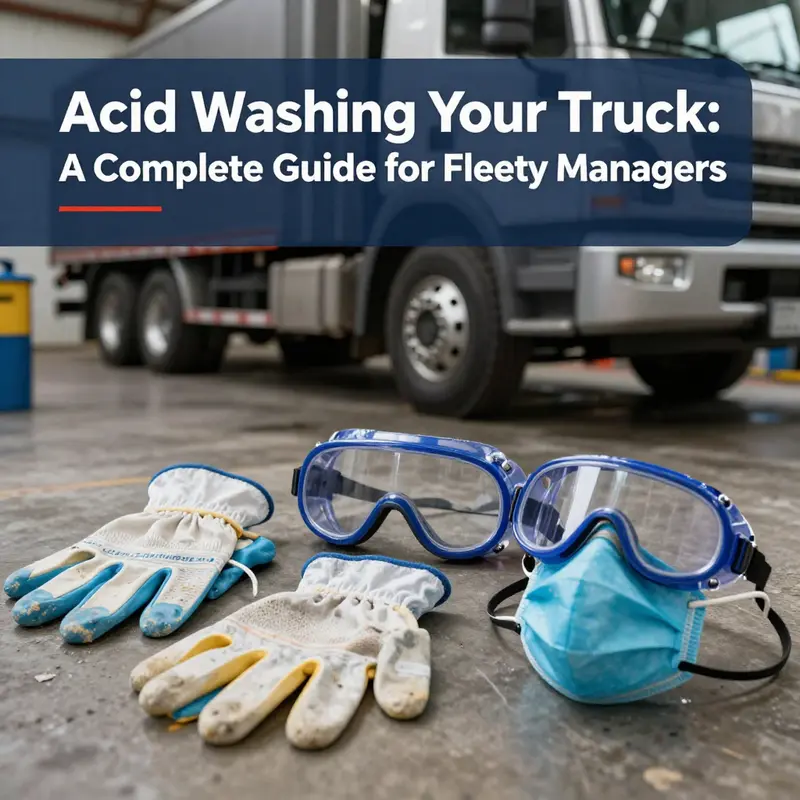
The temptation to reach for an industrial-grade acid when a cooling system shows stubborn rust, scale, or mineral deposits is real. After all, acids are proven cleaners in metalworking contexts, where controlled environments and specialized equipment manage hazards and waste. Yet the moment those same chemicals enter a truck’s cooling circuit, the calculus changes dramatically. The research surrounding safety protocols for acid washing a truck makes one point with almost stubborn clarity: there is no standard, universally safe procedure for this practice in the realm of vehicle maintenance. Acid washing, especially with aggressive acids like hydrochloric or sulfuric variants, introduces risks that far exceed the benefits for typical automotive cooling systems. The materials in a truck’s radiator—often a mosaic of aluminum cores, copper windings, brass fittings, and rubber hoses—are designed for a coolant life that includes inhibitors, pressure cycles, and controlled chemistry. Exposing them to harsh acids, even briefly, can initiate pitting, embrittlement, or rapid corrosion. The fumes, the heat, and the potential for a violent reaction if water is added improperly are not merely theoretical concerns. They are real hazards that can injure workers, damage engines, and complicate waste management. Given these stakes, the maintenance mindset shifts from “how to clean it quickly” to “how to ensure safety, protect the vehicle, and preserve the environment.” This chapter follows that shift, tracing why acid washing is generally discouraged for trucks, what safer cleaning looks like in practice, and how fleets can approach maintenance with a safety-first discipline that aligns with industry expectations and regulatory realities.
To begin, the context matters. In industrial settings, the term acid washing often refers to surface treatment processes on metals where targets are rough or heavily scaled and the workpiece is accessible under tightly controlled conditions. In a truck’s cooling system, the target is not a flat metal surface but a sealed, pressurized network of passages, with fast-moving coolant, seals, o-rings, and a complex mix of materials. The scale that accumulates inside a radiator—iron or steel deposits, mineralized water residues, and corrosion byproducts—behaves differently once it is inside an engine’s thermal loop. The risk is not only chemical attack on metal but also the introduction of residues that can foul sensors, clog critical passages, or compromise the integrity of the water jackets themselves. The safety literature around acid use emphasizes hazardous vapors, risk of splashes, and the potential for exothermic reactions when acids meet bases or unintended contaminants. For a vehicle, those dangers scale with the engine’s heat, the confined workspace of a shop or garage, and the potential for environmental contamination during disposal. In short, applying a generic industrial protocol to a truck cooling system is a mismatch that invites harm.
The research highlights a second, equally important idea: modern maintenance practice has evolved toward sanitation that respects materials and waste streams. Contemporary cooling systems rely on corrosion inhibitors, compatible detergents, and flush products formulated to protect aluminum, rubber, plastic, and brass without sacrificing cleaning effectiveness. These products are designed to dissolve mineral buildup, dislodge minor rust deposits, and restore flow while guarding the metal surfaces against further damage. The emphasis, then, is not just on removing deposits but on guiding a chemical process that is compatible with the system’s geometry and with the environment in which waste will be managed. This is why the recommended approach in professional circles is to use automotive-safe cooling system cleaners—products engineered for this purpose and backed by manufacturer guidelines and fleet maintenance best practices. The goal is to strike a balance between cleaning power and material compatibility, all while preserving cooling capacity and preventing the need for costly repairs later on.
Yet acknowledging safer alternatives does not absolve fleets of the responsibility to manage risk conscientiously. Handling any chemical agent requires protective equipment, proper ventilation, and a firm commitment to environmental stewardship. Hydrochloric acid, when present, can cause severe burns on contact and release toxic fumes that irritate eyes, skin, and the respiratory tract. The transport and disposal of spent cleaning solutions introduce separate layers of regulatory obligations. Spent acids must be collected in approved containers, stored according to hazardous-waste guidelines, and disposed of through certified facilities. Draining or discharging such liquids down the drain or onto the ground is not only dangerous; it can trigger local and national regulatory penalties. The safety emphasis, therefore, extends beyond the act of cleaning to the entire lifecycle of the chemical in use—from handling and storage to waste management and final disposal.
In this light, it becomes clear why the literature and industry guidance advocate for caution. If an internal radiator or a water jacket demands more aggressive intervention—beyond what routine coolant maintenance can address—it is not simply a matter of pushing a stronger chemical. It becomes a question of whether the system can withstand exposure to such chemistry without compromising life expectancy or safety. In many cases, the prudent choice is to pause and consult a trained radiator technician or a shop that specializes in cooling-system remediation. A professional will assess the condition of the radiator core, the integrity of hoses and clamps, and the feasibility of a safe cleaning regimen that uses automotive-grade cleaners, and—in some cases—specialized mechanical or hydrochemical methods that stay within the bounds of vehicle materials and environmental controls. The decision to bring in professionals is not a sign of weakness or a failure of DIY spirit; it is a recognition that the consequences of a misstep in acid handling can be severe, including coolant contamination, gasket failure, or an unsafe workshop environment.
If the choice is made to pursue cleaning without acids, the safer path begins with a full coolant drain and a careful reclamation of the cooling loop. The process typically involves removing the old coolant, disposing of it through approved channels, and flushing the system with water to clear precipitation and loose debris. From there, a coolant-safe cleaner designed for automotive use is added according to the product’s instructions, followed by circulation for a period specified by the manufacturer. This approach minimizes the risk of corrosion while still effectively reducing mineral buildup and rust. A critical step often overlooked is the thorough rinse that follows the cleaner’s residence in the system. The goal is to remove all residues before refilling with fresh coolant and a corrosion inhibitor appropriate for the vehicle’s materials and the local climate. The emphasis on corrosion inhibitors should not be underestimated. Inhibitors act as a backup line of defense, helping to prevent metal surfaces from being attacked by residual acids or alkaline residues that may remain after flushing. They are a key component of long-term cooling-system reliability and fleet sustainability.
From a practical standpoint, a safety-focused maintenance routine also includes rechecking the entire cooling subsystem after any cleaning effort. The technician inspects radiator cores, hoses, clamps, and reservoirs for signs of wear, cracking, or coating damage that could compromise performance. Even in the absence of acids, deposits and contaminants can mask developing leaks or impede coolant flow. The post-cleaning diagnostic step—often a pressure test or a leak-down check—helps confirm that there are no lingering vulnerabilities. This comprehensive approach aligns with best practices for fleet maintenance, where the objective is to extend the vehicle’s service life while minimizing downtime and avoiding the introduction of new failures through aggressive cleaning methods.
While the central message favors safer cleaning routes, it is still important to understand why some drivers and shop crews might feel drawn to acid-based approaches. In certain cases, the severity of scale buildup or mineral encrustation might present a challenge that seems to warrant aggressive chemistry. What the safety literature underscores, however, is that the risk profile of an automotive environment is different from that of a metal fabrication line. The radius of error in a truck setting is larger: a misstep can compromise a radiator with thousands of dollars in replacement costs, or worse, lead to engine overheating on the road, posing safety risks to operators and other road users. For this reason, policy-minded fleets emphasize training, clear maintenance protocols, and documented waste-management procedures. They also insist on avoiding improvisation with acid concentrations, temperatures, or dwell times outside the scope of professional guidance.
The conversation about safety and efficacy naturally leads to the broader context of fleet management and service delivery. A truck wash operation, or any fleet-maintenance ecosystem, benefits from a coherent framework that integrates maintenance schedules, chemical handling policies, and environmental safeguards. This is where the literature on facility management for truck-wash operations becomes valuable. It helps fleets align their cooling-system maintenance with overall safety and compliance standards, ensuring that even routine tasks do not become points of risk. Good practice includes designing clean workflows that minimize exposure to hot surfaces and chemical fumes, hosting training sessions on chemical handling, and maintaining an organized waste-disposal chain that respects local regulations. The aim is a reliable maintenance culture that prevents reactive, high-risk interventions and instead supports proactive care grounded in safety and environmental responsibility.
A practical consequence of adopting a safety-first stance is how maintenance decisions are communicated within a fleet. It often means clarifying when to escalate from routine coolant maintenance to professional service. It means documenting observations about radiator performance, noting anomalies in temperature behavior, and recognizing when deposits appear stubborn enough to warrant a specialist assessment. It also means recognizing when an exterior cleaning technique for a truck warrants restraint. Exterior wash methods—pressure washing with appropriate detergents and careful nozzle positioning—are suitable for removing grime and road film without compromising cooling-system components. They do not replace internal maintenance, but they help maintain the overall health of the vehicle’s cooling environment by preventing debris from entering the system during routine servicing. The overarching goal is to maintain a clean, corrosion-resistant cooling network, while respecting the integrity of the system’s materials and the environment in which the vehicle operates.
In terms of industry guidance, it is useful to consider the regulatory and compliance lens. Safety and environmental stewardship are not optional add-ons but core components of responsible vehicle maintenance. This means fleets should stay aligned with industry expectations regarding emissions and environmental compliance, waste-handling procedures, and employee safety training. The internal resources available to fleets often emphasize how to structure maintenance programs to minimize risk, and how to document compliance for audits or inspections. For readers who want to explore these aspects further, there are industry resources that discuss truck-wash industry compliance and emissions regulations in depth. This coverage helps fleet managers understand how maintenance choices align with broader regulatory expectations and how to implement practices that protect workers, customers, and the environment. See more on this topic at the dedicated industry guidance resource: truck-wash-industry-compliance-emissions-regulations.
Beyond the internal mechanics of cleaning, the decision to avoid acid washing also has implications for the relationship between a fleet and its customers. Customers rely on fleets to operate reliably and safely, and part of that reliability rests on disciplined maintenance practices. When a fleet demonstrates a commitment to safety, it communicates a broader value proposition: stewardship of equipment, prudent risk management, and a responsible approach to waste and emissions. In that sense, the avoidance of risky chemical methods—paired with transparent maintenance protocols—strengthens trust with clients and partners. It also reduces the likelihood that a maintenance misstep, born from a DIY impulse or a misapplied acid wash, will escalate into a service disruption or a safety incident that could undermine a fleet’s reputation.
This chapter does not leave readers without practical guidance, though. It emphasizes a philosophy of care that prioritizes system integrity and safety over aggressive cleaning ambitions. If a truck’s radiator remains stubbornly clogged after standard, acid-free cleaning attempts, the prudent course is to consult a professional radiator shop. Radiator specialists possess the diagnostic tools and experience to determine whether a mechanical cleaning, a targeted chemical treatment with automotive-grade inhibitors, or even a partial radiator replacement is warranted. They can also manage the proper capture, containment, and disposal of spent cleaning solutions, ensuring that environmental laws are followed and that the waste stream remains safe. In practice, this means a commitment to quality service rather than a quick fix. The goal is a maintenance outcome that does not compromise future performance or operational safety.
In sum, the safety landscape around acid washing a truck’s cooling system is shaped by the tension between historical cleaning methods and contemporary engineering realities. The no-standard-safety-Protocol conclusion in the literature reflects a growing consensus: do not improvise with acids in a vehicle’s cooling system. Instead, pursue safer, design-compatible cleaning strategies that protect materials, workers, and the environment. A well-structured maintenance program, informed by manufacturer recommendations and fleet-department guidance, will rely on automotive-grade cleaners, careful flushing, and rigorous waste handling. It will also reserve acid-based approaches for contexts where a highly controlled industrial setting and professional oversight are inherently available—and even then, only when the expected benefits clearly outweigh the risks.
For those who manage fleets and service facilities, a practical takeaway is to embed this safety-first ethos in every maintenance decision. Train technicians to recognize when cleaning tasks require professional intervention, equip shop floors with appropriate PPE and ventilation controls, and implement waste-management procedures that reflect regulatory expectations. Maintain a record of coolant specifications, corrosion inhibitors used, test results from final rinse pH checks, and post-service diagnostics. This attention to detail, combined with a cautious approach to aggressive chemicals, creates a culture of reliability that not only protects the equipment but also safeguards the people who work with it and the communities around them. The overall article’s aim—to illuminate the discipline of maintaining a truck’s cooling system—finds its strongest expression in choosing safety, quality, and environmental stewardship over expediency.
For readers seeking a broader context on related maintenance practices and fleet-management philosophy, consider exploring resources that discuss proven strategies for cleaning grease and tar off trucks, or that detail the broader field of facility management for truck-wash operations. These insights help knit together the micro-decision of how to handle a cooling-system cleaning with the macro-level priorities of fleet resilience and organizational safety. And for readers who want to see how industry culture and operational strategy intersect with technical decision-making, the story of long-standing fleet growth, people-centric management, and investment in safety will resonate across chapters. The chain of considerations—from chemical handling to fleet culture—highlights that the strongest maintenance programs treat safety as a primary design parameter, not an afterthought.
In closing, the question of whether to acid wash a truck should be answered with a careful, evidence-based no unless professional evaluation confirms it as necessary and feasible within a controlled, compliant framework. The safer route—draining, flushing with automotive-safe cleaners, and using corrosion inhibitors—offers a pathway to restore cooling performance without courting the hazards that accompany industrial-strength acids. It is a route that respects material compatibility, protects the environment, aligns with regulatory expectations, and upholds the reliability that fleets rely on day in and day out. The road to a well-maintained cooling system is thus paved not with bold chemical bravado, but with disciplined, safety-first practices that keep trucks on the road longer, safer, and cleaner—for drivers, for technicians, and for the communities they serve.
External reference for readers who want to explore the broader industrial context of acid washing and metal treatment: https://www.zhihu.com/question/589337674
Guarding Ground and Air: Environmental Stewardship in Truck Acid Washing
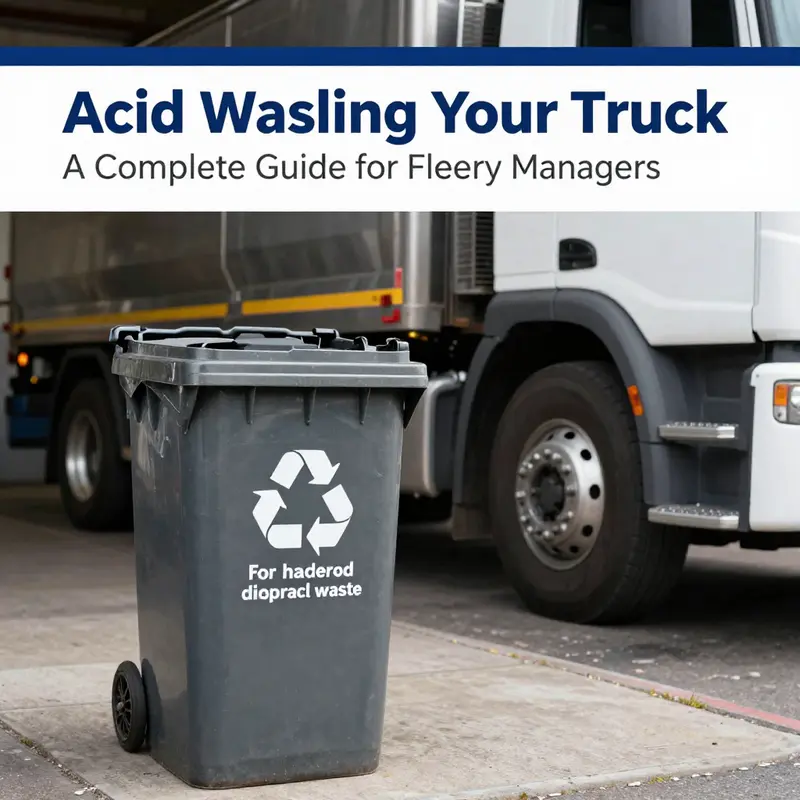
The workshop hums with the routine of metal and diesel until the moment a harsh, bright concentrate is poured into the radiator. The air changes in an instant as fumes rise and a faint sting marks the back of the throat. In that moment, every mechanic, technician, and shop owner is reminded that acid washing a truck is more than a mechanical cleanup. It is a test of how a business treats air, water, soil, and the wider community. The environmental realities of acid washing demand a careful balance between restoring a cooling system and protecting the environment from hazardous waste, emissions, and potential contamination. When done with purpose and discipline, the process becomes not only effective but responsible, aligning technical skill with stewardship. This chapter delves into the environmental considerations that shape a modern, compliant approach to acid washing, weaving together engineering controls, waste management, and regulatory awareness into a single, coherent practice that serves both machine and habitat alike. It is a reminder that every choice in the shop leaves a trace beyond the hood and the hydrant, and that trace can be minimized through planning, investment, and a commitment to sustainability.
The first thread in environmental stewardship is ventilation and emission control. Acid washing releases gases and vapors that, if left unchecked, can contribute to local air pollution and pose health risks to workers and nearby residents. The chemistry is unforgiving: volatile acids can form mists capable of traveling with air currents, and hydrogen gas, while often a byproduct in other processes, can complicate safety in poorly ventilated spaces. A well designed workspace keeps this in mind from the outset. It uses dedicated exhaust and capture systems that pull fumes away from the breathing zone and route them through treatment that neutralizes acidity before any air is discharged. Enclosures or fume hoods designed to contain the process can dramatically reduce environmental release. Routine testing of the air in the work zone, including spot checks for acid mist, helps confirm that the control measures are functioning as intended. The goal is not to eliminate all risk but to reduce it to a level that meets both worker protection standards and community expectations. This emphasis on robust ventilation dovetails with the broader idea of responsible operations, where every chemical handling step is paired with environmental safeguards, ensuring that emissions stay within permitted limits and do not become a problem for the neighborhood or downstream ecosystems.
A second thread concerns the management of waste acid and wash liquids. The byproducts of washing a cooling system are highly acidic and can carry dissolved metals and scale from the metal surfaces. If this liquid is allowed to enter drains or waterways, it can cause serious harm to aquatic life, alter soil chemistry, and create long lasting contamination. The environmental imperative here is clear: collect all waste liquids in appropriate containers, label them, and treat them on site before any disposal. Neutralization, typically through the addition of alkaline substances, raises the pH to safer levels and reduces the corrosive potential of the effluent. Yet the process must be carefully controlled. Neutralization that is too weak leaves behind acidic residues that can corrode pipes or damage septic systems; over neutralization can create alkaline discharges that interfere with soil and water chemistry. In practice, this means implementing a planned sequence for waste handling, with calibrated dosing, pH testing, and documented corrective actions if readings drift from the target range. As a rule, never attempt to dump raw acid wash liquid down a drain. The waste stream deserves the same respect as the cleaned radiator, and handling it through licensed waste streams or on site neutralization facilities safeguards local water quality and public health.
The environmental conversation naturally leads to the concept of resource recovery. In a forward looking shop, the spent acid and rinse water are not merely waste to be disposed of; they become streams that can be treated, recycled, and even refined. Closed loop systems in industrial settings illustrate this approach, where spent acid is regenerated and impurities are removed, allowing the cleaning solution to be reused with minimal fresh chemical input. In smaller, shop scale operations, practical steps still apply. Waste liquids can be treated to remove solids, then filtered or processed to recover usable components before neutralization and disposal. More advanced facilities may employ membrane filtration or evaporation to reduce waste volume and recover metals and acids for reuse. Even when closed loop options are not feasible, the principle remains valuable: minimize the volume of hazardous waste generated and seek every opportunity to reuse or safely recycle what would otherwise be discarded. This mindset aligns with responsible corporate practice and with community concerns about waste streams and land use, and it earns credibility with customers who expect that service providers treat both machinery and the environment with equal care.
Spill prevention and containment form the third essential pillar of environmental responsibility. A small misstep in handling acids can lead to localized contamination if there is an accident, a run off, or a leak from storage containers. The flooring in a wash area should be designed to prevent runoff from reaching drains, with impermeable surfaces and secondary containment such as drip trays and bunds that can hold several hours of liquid in case of a spill. Secondary containment is not a one time precaution but a continuous safeguard, requiring regular inspection and prompt maintenance of seals, gaskets, and containment devices. If a spill does occur, the response must be rapid and structured. Neutralizing agents should be available, along with eye wash stations and mass notification capabilities so that workers know how to protect themselves and the environment. The aim is not to create a fear driven workspace but to establish a clear, practiced response that reduces environmental impact and protects human health in tandem. In addition to physical barriers, good process design minimizes the possibility of spills by reducing bulk handling of concentrated acids and by incorporating stepwise approaches that use smaller volumes at a time while keeping the system under control.
Regulatory awareness binds these practices together. Environmental standards are not abstract criteria but concrete requirements that guide decisions about ventilation, waste handling, and emissions. The automotive service and heavy equipment sectors operate under a mosaic of local, state or provincial, and national rules, and may intersect with regional air quality plans and water protection statutes. Compliance goes beyond meeting a single requirement; it involves ongoing documentation, monitoring, and audits that demonstrate responsible performance. For many shops the reference frame includes national environmental standards and, where applicable, international guidelines. In practical terms, this means keeping accurate logs of waste generation and disposal, maintaining records of neutralization tests, documenting air quality checks, and scheduling periodic third party verifications. A shop that treats compliance as a routine part of daily operations will find that it reduces risk, protects its workforce, and preserves the goodwill of customers who insist on responsible practices. In this sense, environmental stewardship becomes a value proposition as well as a regulatory requirement, signaling that the shop respects its surroundings and takes seriously the duty to minimize its footprint.
The thread of responsibility reaches outward as well as inward. The choices made during acid washing can affect the neighborhood, the water supply, and the soil around the facility. That is why even when the washing itself is technically sound, the environmental performance of a shop is measured by what happens to the waste and how exhaust is treated. The idea that a facility should optimize for safety and efficiency without compromising the environment is not optional; it is essential to the long term viability of the service, and it is central to the trust placed in a professional operation by customers and regulators alike. For shops that recognize this, the path forward often blends practical steps with systemic improvements. It might involve retrofitting a space with better ventilation and waste collection, investing in neutralization tanks and pH monitoring equipment, or designing a layout that organizes chemical handling, waste storage, and spill response in a way that reduces risk and simplifies compliance. Each improvement, small or large, contributes to a culture that respects the environment without sacrificing the job of keeping engines cool and reliable.
A practical synthesis emerges when we look for alignment between environmental safeguards and the realities of maintenance work. The safest and most sustainable acid washing program is one that integrates control measures, waste management, and openness to continuous improvement. This means that operators should be ready to re-evaluate procedures in light of new science, updated regulations, or operational feedback from daily practice. It also means that the industry can learn from others who have moved toward cleaner methods, including the adoption of cleaner alternatives or closed loop systems that minimize waste and emissions. In that spirit, a shop can maintain high standards without compromising throughput or effectiveness. It also means communicating clearly with clients about environmental commitments, so that they understand both the technical value of a well performed wash and the importance of responsible disposal and emissions control. The relationship with clients becomes stronger when the shop demonstrates its accountability through transparent procedures and measurable outcomes. To support this, many facilities publish or share their environmental performance data, inviting audits or third party verification as a sign of credibility and dedication to best practices.
An important note for readers who may be planning a first major acid wash or revamping an aging facility is to view environmental safeguards not as barriers but as enablers. The right controls can reduce the risk of costly environmental incidents, protect worker health, and maintain a stable operating environment that keeps equipment in good condition. The best outcomes come from a holistic approach that treats air, water, and soil as integrated systems. Ventilation protects workers and the air around the facility; waste management protects water resources and soil; containment and response strategies protect the local environment from accidental spills; and regulatory compliance ties it all together with accountability and continuous improvement. In practice this means a coordinated plan that starts with a well designed ventilation and containment system, proceeds through on site waste treatment or safe off site disposal, and ends with ongoing monitoring, audits, and a culture of responsibility within the crew.
For readers seeking a concrete connection between environmental practice and industry standards, consider the broader context of how truck wash operations manage emissions and comply with regulations. This is not a theoretical concern but a practical one that shapes equipment choices, workflow design, and customer trust. You can explore the broader landscape of industry compliance and emissions regulations to see how others in the field are framing these issues and to identify concrete steps you can adapt in your own shop. truck wash industry compliance and emissions regulations. Ultimately, the environmental question in acid washing is simple to state and complex to implement well: how do we remove harmful deposits from metal while ensuring that our methods do not become a source of harm elsewhere? The answer lies in deliberate design, rigorous practice, and an ongoing commitment to learning and improvement.
To round out the discussion, it is worth noting that the environmental discourse around acid washing has grown more sophisticated over time. Industry advocates have emphasized the value of cleaner alternatives or cleaner cleaning lines, including technologies that capture and treat effluents or even replace harsh acids with safer chemistries where feasible. While older systems may still rely on aggressive acids for certain stubborn deposits, the trend across the sector is toward reducing environmental impact without sacrificing performance. This evolution reflects a broader commitment to sustainable maintenance that protects not only the truck but the terrain and communities in which it operates. It is a reminder that responsible maintenance is a shared responsibility among manufacturers, shop operators, regulators, and customers who expect accountability and care for the environment. For practitioners, that means staying informed about developments in waste treatment, pursuing upgrades where appropriate, and recognizing that every wash is an opportunity to demonstrate environmental leadership rather than merely complete a service.
External resources can provide additional depth on the subject of waste treatment and environmental management. The Environmental Protection Agency offers guidance on acid waste treatment and related topics, which can help shops align their practices with established standards and best practices. This knowledge base supports the everyday decisions made in the shop and reinforces the practical steps outlined above, offering a pathway to compliant and responsible operation. Visit the EPA resource for a detailed view of how acid wastes are treated and how facilities can minimize environmental impact while maintaining effective cleaning processes.
Final thoughts
Acid washing a truck’s cooling system is an effective maintenance procedure that, when performed correctly, can significantly extend the life of a vehicle’s components. By understanding the process, following stringent safety measures, and being mindful of environmental regulations, fleet managers can ensure not only the efficacy of their maintenance practices but also uphold their responsibility toward sustainable operations. Stay informed and proactive—incorporate acid washing into your regular maintenance schedule to keep your fleet performing at its best.