

Maintaining a clean fleet is essential for logistics, freight, and construction companies. The process of washing a muddy truck may seem straightforward, yet it requires thoughtful consideration to ensure compliance with environmental regulations and protection of the vehicle’s integrity. This article breaks down the most effective locations for washing muddy trucks into three key areas: dedicated car wash facilities, guidelines for using private driveways or yards, and legal considerations when washing in public spaces. Understanding these elements will empower fleet managers, trucking owners, and supervisors to make informed decisions that enhance the longevity and appearance of their vehicles.
Dedicated Truck Wash Facilities: The Safer, Cleaner Path for Washing a Muddy Truck
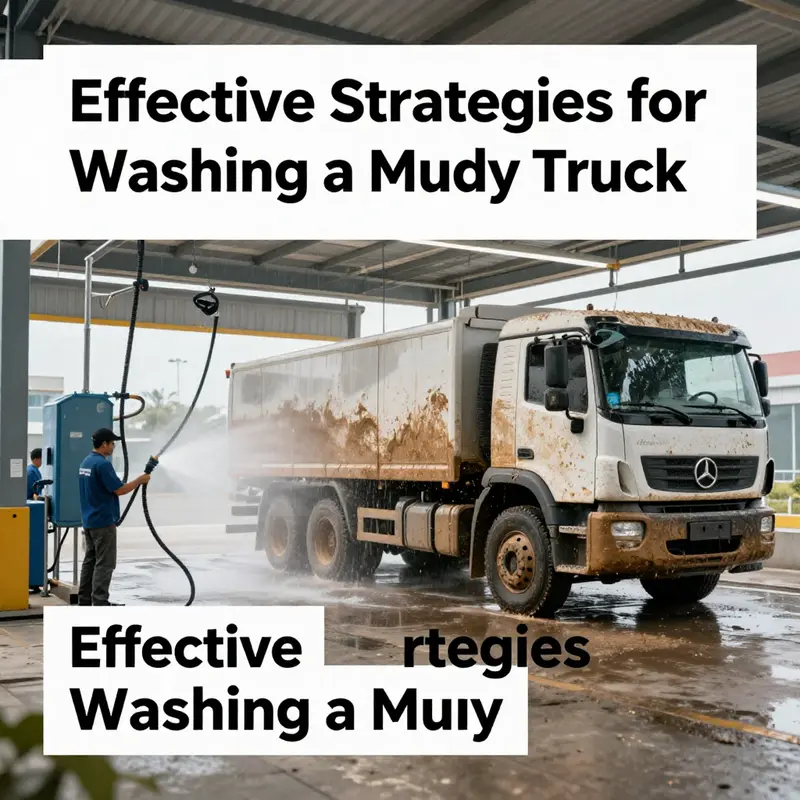
Choosing where to wash a muddy truck matters. A dedicated truck wash facility is designed for heavy-duty cleaning, with large wash bays, higher-capacity water systems, and equipment built to handle undercarriages and thick mud. These features reduce the risk of damage and improve cleaning results compared with standard passenger-car washes.
Environmental stewardship is a core part of many truck-focused facilities. They typically manage wastewater with filtration, recycling where possible, and careful drainage to protect local water quality and comply with regulations. This approach helps fleets meet environmental responsibilities while controlling costs over time.
Most dedicated facilities offer a broader set of services than a basic car wash: robust pre-soak stages, foam cleaning, targeted high-pressure washing for wheel wells and the undercarriage, specialized brushes, and often undercarriage inspections. Some sites also provide tire and brake-dust cleaning, and interior cab cleaning options for drivers.
The workflow at a well-run truck wash is designed for safety and effectiveness: a wide-area rinse to expose grime, a pre-soak or foam stage, a controlled high-pressure wash, a brush session for stubborn deposits, a careful rinse to remove residual foam, and a final dry cycle followed by a quick inspection. This sequence protects paints, seals, and sensitive components while delivering a thorough clean.
When choosing a facility, balance proximity with capability. Look for heavy-duty bays, ample ingress width, robust drainage, and, if needed, undercarriage washing. If you manage multiple vehicles, verify the site’s ability to handle back-to-back cleanings and reasonable turnaround times. In many cases, the strategic choice of facility supports longer vehicle life and steadier maintenance schedules.
For fleets seeking deeper guidance, resources on facility design and wastewater management can help evaluate sites for capacity and compliance. One practical reference is facility-management-for-truck-wash-businesses, which discusses drainage, filtration, and workflow in real-world contexts. External resource: https://tripleatruckwash.com/facility-management-for-truck-wash-businesses/
Washing a Muddy Truck on Private Ground: Practical Rules, Permits, and Environmental Responsibility
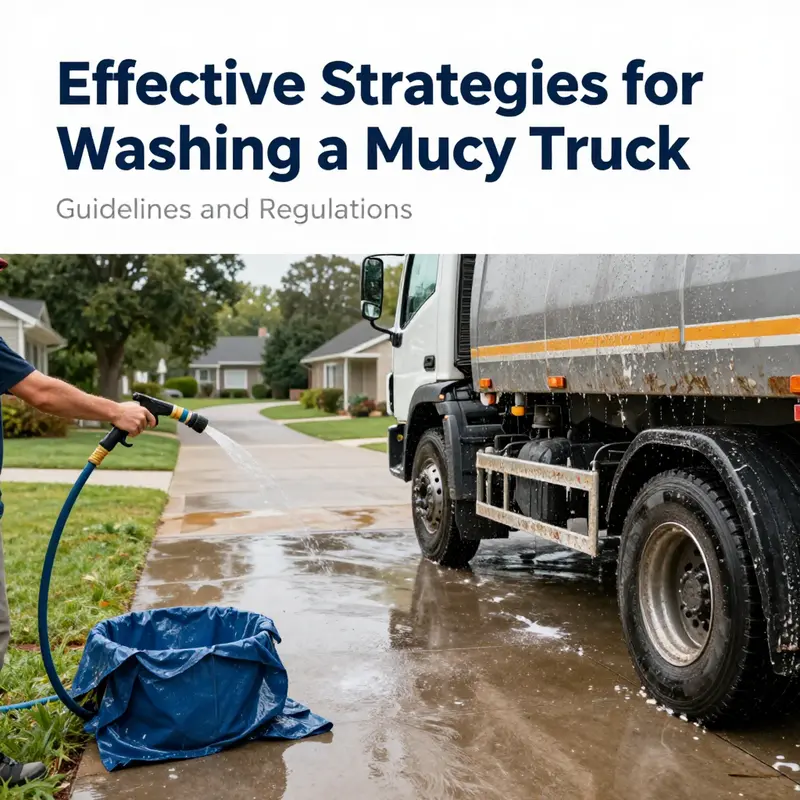
A muddy truck can be a stubborn problem, not only for the vehicle’s appearance but for the landscape it sits on and the neighborhood it shares. When you don’t have access to a commercial wash bay, the temptation is to roll onto a private driveway or yard and get the job done. But washing a vehicle on private property is not simply a matter of turning on a hose and blasting away the mud. It requires careful consideration of local rules, drainage realities, and the broader obligation to prevent pollutants from entering storm drains and waterways. The decision to wash at home should be guided by a practical assessment of the site, the weather, and the regulatory environment around runoff, disposal, and surface permeability. In communities where private-property cleaning is allowed under certain conditions, you can still do a thorough job of removing crusted clay and caked grease without creating downstream problems. The key is to approach the task with a mindset of environmental stewardship and legal compliance, rather than convenience alone.
Before the water ever hits the driveway, the first question is whether your municipality permits outdoor vehicle washing on impermeable surfaces and whether the work can be done without sending contaminated wash water into storm drains. In many places, rules are strict because soaps, detergents, oil residues, fuel residues, and mud can be carried by runoff into streams, ponds, and municipal drainage systems. Some jurisdictions require permits for certain outdoor cleaning activities, especially for commercial or industrial fleets, and even smaller private operations can trigger permitting or special restrictions if the activity is frequent or involves large volumes of water. The prudent path is to check with the local environmental department or city or county building, permitting, and sanitation offices. A quick call or a review of the municipality’s website can spare you from fines, cleanup headaches, or a disruption to your plans. The conversation also signals that you take pollution prevention seriously, which can influence how they view your cleanup plan.
If your property is deemed eligible for private cleaning, the setup you choose can create a safer and more compliant process. The emphasis should be on preventing runoff from reaching storm drains and the general environment. A tarp or a large, heavy-duty ground cloth laid under the truck can immediately create a barrier to soil and groundwater contact. The tarp acts as a temporary catch basin, allowing you to contain the heavier mud and rinse water rather than letting it cascade into soil or cracks in the pavement. In many backyards or driveways, spreading a layer of gravel under the tarp gives you an additional measure of filtration. Gravel is not a magic solution, but it slows down and partially filters runoff before it can travel farther. It also makes cleanup easier because mud tends to settle into the gaps between stones rather than pooling on the surface. The combination of tarp and gravel is a simple, low-cost approach that aligns with the emphasis on containment and gradual cleanup that environmental guidelines encourage.
Containment and collection are the core of any at-home cleaning plan. A portable containment system, or at least a compatible tarpaulin plus a robust plan for collecting the dirty water, is essential. The aim is to capture and hold the wash water so it can be disposed of through the proper channels, whether that means disposal into a sanitary sewer if your jurisdiction allows it or transport to a licensed waste hauler for treatment and disposal. The important part is not to assume that the water can simply drain away. When you work on private property, you are effectively performing a small-scale waste-water operation, and that carries responsibilities. You should keep a discreet record of how much water you used, how much waste material was collected, and where disposal occurred. In some cases, your local environmental office may require a written plan or a permit for the cleanup, particularly if the vehicle is heavily soiled with oil, grease, or other contaminants.
Even with the containment measures in place, you must be mindful of other potential discharge points. Don’t wash directly over or near any storm drains, gutters, or inlets. Contaminated runoff can flow untreated from a driveway into a storm sewer and eventually to water bodies. If you’re unsure about the drainage path on your property, it’s wise to observe a rain-free period and trace the flow path with a safe, non-toxic dye or colored chalk to see where water would travel during a wash. The goal is to keep wash water away from drainage points that lead to the street or public infrastructure. An extra layer of caution is warranted during the shoulder seasons when rainfall patterns are unpredictable; even a light shower can turn a planned cleaning into a problem if the runoff has no place to go.
Permits and restrictions sit at the intersection of responsibility and practicality. Some municipalities differentiate between casual, once-in-a-while cleaning and routine, commercial, or fleet-scale washing. In the latter cases, permits may be mandatory, with specifications about wastewater disposal, surface protection, and cleanliness standards. Even for private individuals, there can be rules about where and how you can wash, the types of detergents you are allowed to use, and the disposal methods for contaminated water. It’s not just a matter of avoiding the law; it’s also about avoiding soil damage, groundwater contamination, and unhappy neighbors. If a permit or specific provision applies to your case, follow it to the letter. If you are uncertain, reach out to the environmental department with a clear description of your plan, including the location, the expected water usage, the containment method, and the intended disposal route. When communities realize an individual is taking proactive steps to prevent pollution, they may offer guidance, or at least acknowledge that you are making a good-faith effort to comply with local standards.
In practice, the private driveway or yard approach can work well when the environmental and regulatory pieces align. The process begins with a realistic assessment of the site. Is the surface permeable, or is it covered with impermeable concrete or asphalt that would limit absorption and encourage runoff? If the surface is impermeable, the same runoff concerns apply, perhaps even more pressing, since the water cannot easily percolate through the ground to dilute and filter contaminants. If there is a permeable area nearby—gravel, dirt, or a yard with soil that can gently absorb water—consider utilizing that space for the initial rinse steps and mud removal, while the contain-and-dispose strategy centralizes around the tarp and containment system. Some homeowners find it feasible to perform the most water-intensive parts of the cleaning in stages, moving the truck around to different sections of the property to keep runoff out of storm drains. Regardless of the layout, the emphasis must be on minimizing water usage, maximizing containment, and ensuring proper disposal of any wash water that cannot be reintegrated into the local sanitation system.
The actual act of washing on private property should proceed with a careful sequence. Begin with a pre-rinse that uses a light water spray to loosen the outer layer of mud without creating a torrent. This stage reduces the volume of suspended solids that will need to be flushed away in later steps. If you choose to use soap, opt for a mild, biodegradable detergent formulation and apply it in a controlled manner—no large foam columns that you will chase with buses of water. Shallow, even coverage is more effective and safer for the vehicle’s finish than a heavy, concentrated wash that can push soap into crevices, around seals, or into wheel wells where it could later drain into runoff. Use non-abrasive brushes or mitts and focus on the most contaminated zones first—the tires, wheel wells, undercarriage, and lower panels—where mud tends to accumulate. Keep the washing motion steady and deliberate, avoiding aggressive scrubbing that could degrade coatings or paint.
When it comes time to rinse, you’ll want to manage the discharge of rinse water with the same care you gave to soap and mud. The tarp-and-gravel arrangement supports a two-stage cleanup: a controlled rinse that minimizes splashing and directs water toward the containment zone, followed by a final pass that captures any remaining residue. This approach reduces the risk of mud or soapy film seeping into cracks or soil and gives you a clearer path to disposal. After washing, you should inspect the area of the cleanup to ensure that nothing remains that could be washed away by rainfall or foot traffic and that no trace of the cleaning process remains on the landscape.
The disposal phase is a critical part of any at-home wash. If your local rules permit disposal into a sanitary sewer, arrange for this option with the appropriate municipal utility or private waste hauler, and obtain any necessary documentation or receipts. If sanitary sewer disposal is not allowed or practical, seek a licensed waste hauler who can collect the contaminated water and sludge. Do not pour such liquids onto the ground, into storm drains, or into vegetation. The emphasis here is on responsible disposal that complies with environmental regulations and protects water quality. A clear disposal plan not only fulfills regulatory requirements but also reduces the risk of fines and neighbor complaints, creating a more harmonious home-maintenance experience.
The guidance embedded in these practices aligns with broader environmental standards and professional expectations for responsible truck washing. It is helpful to view the private-driveway route as an alternate option rather than a preferred one. When possible, commercial car washes—especially those with high-pressure, self-serve bays—offer superior control over water use, drainage, and waste treatment. They are built to manage wastewater through filtration and drainage systems, reducing the risk of pollution and offering equipment designed to remove stubborn mud without harming the vehicle’s finish. The decision to wash at home should be a deliberate choice, grounded in a thorough understanding of local codes, site limitations, and long-term environmental stewardship. If you must use private property, you can still achieve a thorough cleaning and comply with regulations by following the containment, disposal, and regulatory steps described here, with a plan that emphasizes prevention and respect for neighboring properties and water bodies.
For readers who want to dive deeper into the broader regulatory and compliance landscape surrounding truck washing—beyond the private driveway scenario—an accessible path is to review industry resources that summarize obligations related to wastewater, emissions, and environmental compliance. As you map out your approach, consider the larger context offered by resources discussing the standards and practices that guide professional wash operations. These materials are especially useful when you are weighing the costs and benefits of at-home cleaning versus using a commercial facility. The idea is not to replace professional services with a DIY routine without due diligence but to equip yourself with knowledge that helps you choose the most responsible option for your situation. The emphasis remains on clean vehicles, clean property, and clean waterways, achieved through a well-considered plan that respects local rules and environmental values.
A practical takeaway from this chapter is that private driveway or yard washing can be effective and safe when paired with a disciplined setup and an informed understanding of local regulations. Start with a viability check—permits, restrictions, and the potential for runoff—then design a containment-focused workflow that minimizes water use and isolates waste so it can be disposed of properly. If any element of this plan feels uncertain, or if your local guidance suggests avoiding the DIY route altogether, the safer alternative is to use a professionally managed wash facility or to schedule a service that guarantees compliant wastewater handling. The goal is not to eliminate the satisfaction of a clean truck but to preserve the environment, protect waterways, and maintain good relations with neighbors and the community at large.
For readers seeking a broader view of professional standards and practical practices, see the broader discussion of truck-wash industry compliance and emissions regulations. This resource provides context for how regulated operators approach wastewater management, air quality considerations, and best practices that also inform responsible private cleaning. truck wash industry compliance and emissions regulations
In closing, private property washing of a muddy truck should be undertaken with care, planning, and respect for the environment. The steps described here are designed to help you minimize risk, stay within legal boundaries, and protect water quality while achieving a thorough clean. By committing to containment, proper disposal, and informed decision-making, you can responsibly restore your vehicle’s appearance without compromising the land you use or the community around you. When in doubt, err on the side of caution and choose a resource-rich, environmentally-minded facility that has designed its operations around water protection, efficient cleaning, and compliance with long-standing environmental standards. The path to a clean truck on private ground is possible, but it is a path paved with attention to drainage, disposal, and local rules, not simply with soap and water.
External reference for formal guidance: For more detailed, official guidance on preventing stormwater pollution from vehicle washing, consult the EPA’s stormwater pollution prevention page. https://www.epa.gov/npdes/stormwater-pollution-prevention
Legal Currents and Clean Practices: Navigating Public-Space Truck Washing
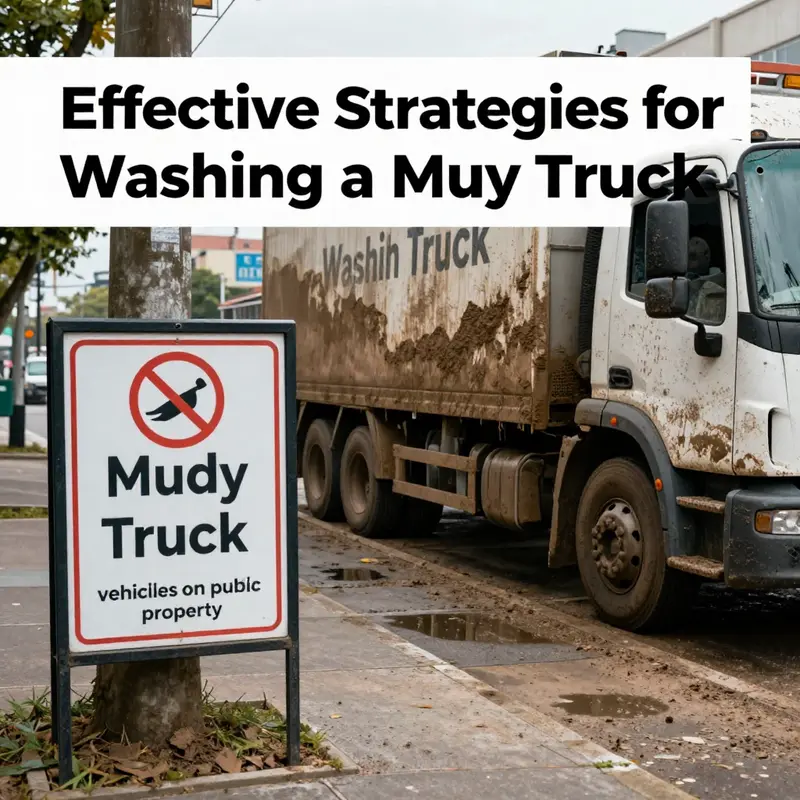
Washing a muddy truck in public spaces sits at the crossroads of practicality and law. It is not merely about removing dirt; it is about protecting waterways, pedestrians, and property, while respecting the rules that cities and towns put in place to keep streets safe and communities clean. The impulse to scrub away mud at the curb or in a plaza is strong after a long haul through a rain-soaked work site, but municipalities craft restrictions for sound reasons. Public spaces serve many needs, and the runoff from vehicle washing—soapy water, dirt, oil, and other contaminants—can travel quickly into storm drains, streams, and adjacent sidewalks. The consequences of neglecting these protections are not abstract: slippery walkways pose injury risks to pedestrians, unpredictable water flows can overwhelm drainage systems, and soil or surface runoff can carry contaminants into places where they cause harm. In this chapter, the focus is less on technique and more on the legal canvas that governs where and how you may wash a muddy truck. The aim is to illuminate the legal realities so that readers can plan responsible, compliant cleaning that protects people, property, and the environment while minimizing risk for themselves and others.
At the heart of most regulations is a simple premise: discharging dirty water from vehicle washing into streets, sidewalks, or storm drains is generally restricted or prohibited. In many cities, ordinances specify that wastewater from vehicle cleaning cannot be discharged onto impermeable surfaces or into public infrastructure without filtration or treatment. Municipal codes often reference non-point source pollution guidelines, noting that stormwater systems are not designed to handle concentrated mixtures of detergents, mud, and hydrocarbons. The regulations are not arbitrary; they reflect a broader policy to keep water clean, to prevent slippery hazards, and to reduce the load on municipal treatment facilities. When a driver considers washing in a public space, the decision should start with a careful reading of local ordinances and a quick conversation with the public works department or code enforcement office. These are the authorities that interpret the rules for a given neighborhood, and their guidance can save a lot of missteps and potential liability later.
Even where a space seems permissive, a closer look often reveals conditional allowances. For instance, some jurisdictions permit washing in specific, designated areas that are equipped to capture runoff or that drain to an approved disposal system. In other places, more stringent rules apply to certain surfaces or times of day, reflecting concerns about pedestrian safety, traffic flow, and neighborhood aesthetics. The pattern across many regions is consistent: surfaces that cannot readily absorb water or that channel runoff into storm drains require special handling, and public spaces may not be suitable for routine vehicle washing. The idea is straightforward: the cleaner the runoff, the lower the risk to the public and the environment. Detergents themselves can complicate compliance if they introduce substances that are regulated as pollutants or that exceed permitted discharge limits. Understanding these nuances helps landowners and drivers alike avoid penalties and prevent accidents that arise from slippery soap-water on sidewalks and curb cuts.
One practical reality is that many drivers wind up in public spaces by necessity rather than choice. If a car wash facility is not nearby or not accessible at a convenient time, the temptation to clean a muddy truck in a public space grows strong. Yet, the prudent path is to pause and assess whether permissible options exist. A dedicated car wash facility offers a straightforward compliance framework. These facilities are designed with drainage systems that collect and filter wastewater, preventing pollution of storm drains and local waterways. They use high-pressure water that can effectively dislodge thick mud while maintaining control over water flow and pressure. They also provide specialized equipment—wheel brushes, appropriate cleaning solutions, and high-pressure hoses—in an environment designed for consistent results and safety. In short, commercial car washes are the most reliable way to ensure the cleaning process aligns with environmental and public safety standards, while delivering effective mud removal.
If a private driveway or yard is the only feasible option, the legal and environmental landscape becomes more complex. This is where local regulations and best practices converge: you must verify whether washing on impermeable surfaces is allowed, and you may need to implement measures to manage runoff and protect the ground. The steps are practical and procedural: check municipal ordinances first; if permitted, use a large tarp to catch runoff or wash on a permeable, absorbent surface such as a gravel area that can help slow and soak up water. Containing the runoff becomes essential. A hose with a nozzle that minimizes splashing reduces the chance of spray carrying dirt into adjacent areas. Consider a portable water collection system or a containment mat that funnels dirty water into a designated disposal point, provided disposal to a sanitary sewer is allowed by local rules. Even then, the disposal path must be compliant, and any collected water should be treated as wastewater that requires appropriate handling. The emphasis on containment is not merely to please code enforcement; it is a practical measure to keep driveways, yards, and neighboring properties free from slip hazards and polluted runoff.
In any discussion of legal constraints, the liability landscape looms large. If a muddy truck washes through a public space and creates a slick surface, the property owner or the city may bear responsibility for damages or injuries. A driver who leaves wastewater to flow unchecked can trigger claims related to property damage, personal injury, or nuisance. The risk compounds when detergents or cleaning chemicals are involved, as these substances may fall under environmental regulations and water-quality standards that govern non-point source pollution. The potential for liability underscores the value of choosing facilities and practices that not only keep the vehicle clean but also align with the expectations of the community and the law. The message is clear: when in doubt, move the process to a controlled, compliant setting where enforcement and safety measures are built in.
For readers who want a clear path to compliance, it is worth noting an accessible gateway to understanding broader regulatory expectations. The regulatory conversation extends beyond local ordinances to state and federal guidance that shapes how municipalities design and enforce their rules. The U.S. Environmental Protection Agency offers guidance on stormwater management that touches vehicle washing practices. While local requirements are paramount, the EPA’s framework provides a useful reference for how wastewater should be treated and how runoff concerns are addressed in different jurisdictions. This external resource helps connect the local rules with the larger system designed to protect water quality and public health. It is a reminder that responsible cleaning temperatures the scales of practicality and policy, ensuring that short-term convenience does not undermine long-term environmental stewardship.
The practical takeaway is simple: before you wash a muddy truck in a public space, verify the permissions, understand the constraints, and plan to minimize environmental impact and risk. If the public space is not designated for vehicle washing, or if runoff could reach a storm drain or pedestrian path, the safest and most compliant choice is to detour to a dedicated car wash facility. The sense of responsibility is not just about avoiding fines; it is about keeping streets safer and communities cleaner. In turn, this supports a culture of professional trucking and fleet maintenance that respects neighbors, reduces hazards, and preserves the public space for everyone who uses it. For those who manage fleets or operate service routes, the concept of compliance becomes part of daily logistics. It informs where to allocate time, how to schedule maintenance windows, and which facilities to prioritize, so that the act of cleaning does not become a source of friction with the very communities the trucks traverse.
Within this framework, a brief note on professional considerations becomes useful. If a business operates a fleet, establishing clear policies about where and how washing occurs can prevent data points of liability and streamline operations. A formal policy might specify that all vehicle cleaning occurs at permitted facilities or on private property with approved containment and disposal methods. It can also guide employees in recognizing when a space is unsuitable for washing and how to redirect to compliant venues without procedural confusion. Such policies are not a substitute for understanding local laws; rather, they complement legal compliance with disciplined operational practice. When teams understand the boundaries, they can focus on effectiveness—getting mud off quickly without creating water management problems or safety hazards.
To bring this into a practical frame, consider the flow of a typical workday when a mud-covered truck needs cleaning. The driver assesses the location and rules, then chooses the most appropriate option. If the vehicle is near a commercial car wash, the choice is straightforward: proceed to the facility, use the self-serve bays if offered, and rely on the facility’s drainage and filtration systems to manage wastewater. If the nearest option is a privately held lot with explicit permission, the driver follows the containment protocols, deploying tarps and absorbent materials as needed and ensuring that any collected water is disposed of in a compliant manner. If a route includes an urban space where permissions are unclear or prohibited, the prudent move is to pause and reroute to a compliant site. In all cases, the driver should document the decision accordingly, noting the location, time, and method of disposal. This documentation is not only a best practice for fleet management; it also provides a reference point should questions arise about compliance after the fact. The overall idea is simple: plan for legality and environmental protection as part of the operational choreography of trucking, not as an afterthought.
The broader narrative—why public-space washing is often restricted—does not diminish the legitimacy of mud removal. Mud on a truck is a practical issue that affects visibility, vehicle performance, and fuel efficiency. It can also trap grit in mechanical components if left to dry and cake on surfaces. Yet the path to effective cleaning must meet the public good first. When fleets design procedures around lawful locations and responsible practices, they do more than comply with codes; they demonstrate professional stewardship. This mindset elevates the discipline of fleet maintenance from a routine task to a principled practice that respects community standards and environmental responsibilities. The balance is delicate but achievable: prioritize lawful, controlled environments; use containment when private spaces are permissible; and rely on professional facilities when possible to safeguard both the vehicle and the environment.
For readers who want a concise map of options, the governing principle remains consistent. Public spaces are generally not ideal for vehicle washing due to the risk of environmental contamination and pedestrian hazards. Dedicated car wash facilities, especially those with high-pressure, self-serve bays and proper drainage, provide the safest, most compliant, and most efficient path to mud removal. Private property can be workable under strict conditions and with appropriate containment measures, as long as local regulations permit it. Public streets, sidewalks, and ponds are typically off-limits, not just because of legal fines but because of the real safety and environmental risks they pose. The trail from mud to compliance is built with awareness, preparation, and a preference for controlled environments. It is a path that favors responsible fleet management and community-friendly practices over quick fixes that may incur penalties or dangerous outcomes.
A final note ties back to the overarching objective of the article: helping readers determine where to wash muddy trucks while safeguarding the environment and the public. As the discussion about legal considerations concludes, it becomes clear that the best practice is to align with facilities designed for this purpose. The high-pressure bays, drainage systems, and cleaning tools these facilities offer are not just conveniences; they are essential elements of responsible maintenance. They ensure that the process does not become a liability or a hazard, but rather a routine that upholds standards and promotes sustainability across the trucking ecosystem. For those who must navigate restrictions, there is still a viable, compliant path—one that starts with knowing the rules, selecting a suitable venue, and employing containment and disposal methods that reflect a commitment to both performance and protection. In the end, washing a muddy truck should be a disciplined act, rooted in legality, safety, and environmental respect, rather than a reckless shortcut that invites risk and consequences.
For readers seeking additional context on regulatory expectations beyond local codes, a respected external reference on stormwater and vehicle washing is available from the Environmental Protection Agency. This resource discusses how vehicle washing practices intersect with stormwater management, helping to frame best practices within a broader environmental protection strategy: https://www.epa.gov/stormwater/vehicle-washing-and-stormwater-pollution.
Internal reference for fleet compliance readers: the concept of aligning with industry standards and regional regulations is reinforced in industry-focused discussions such as truck-wash-industry-compliance-emissions-regulations. For those managing fleets or evaluating facility choices, this topic provides a practical lens through which to view compliance and operational efficiency. See more at truck-wash-industry-compliance-emissions-regulations.
Final thoughts
Choosing the right location for washing muddy trucks is critical for fleet managers and trucking company operators. Dedicated car wash facilities offer optimal solutions with professional equipment and environmental safeguards, while private driveways necessitate adhering to local regulations to avoid fines and protect water resources. Additionally, being aware of public washing laws ensures compliance while maintaining community standards. Overall, proper vehicle maintenance starts with informed decision-making about washing locations, contributing to the longevity of your fleet and the well-being of the environment.