
Starting a mobile truck washing business is a valuable venture for logistics and fleet management professionals, merging demand for cleanliness with environmental responsibility. This guide provides a step-by-step approach tailored for logistics and freight company fleet managers, trucking company owners, and construction and mining fleet supervisors. Each chapter offers in-depth insights into conducting market research, ensuring legal compliance, acquiring necessary equipment, developing a service model, and implementing effective marketing strategies. Equip yourself with the tools and knowledge to thrive in a competitive industry.
Charting Demand, Defining Your Niche: Market Research That Powers a Mobile Truck Washing Venture
Market research is more than a preliminary checklist. It is the compass that helps a mobile truck washing business navigate a market that shifts with fuel costs, regulation, and the evolving needs of fleets and independent operators alike. The evidence you gather shapes every critical decision, from where you park your rig to how you price a service bundle. A strong research foundation also keeps you from guessing your way into a thin margin. In practice, market research begins with a clear picture of who you will serve and how far you will travel to reach them. Start by defining your target market with precision. For a mobile truck washing business, the primary customers are commercial fleets—delivery vans, long-haul tractors, construction vehicles, and other fleet operators who value reliability and convenience. Yet you should also consider individual owners of large vehicles who prize time savings, such as independent truckers who need occasional cleanouts or seasonal washes. Equally important is your geographic scope. Will you concentrate in a single city district, a metropolitan belt, or a larger region where logistics corridors intersect? A tightly scoped target helps you collect relevant data and test your model quickly. It also helps you forecast capacity needs, because a broader area amplifies both demand and the complexity of service delivery. As you define scope, keep a mental map of where customers live, work, and refuel. The most telling questions center on how often customers clean their vehicles and what their constraints are for scheduling. Fleet operators typically wash on a weekly or biweekly cadence to maintain appearance and reduce corrosion, while private owners may prefer monthly or seasonal visits. These patterns matter because they determine the tempo of your operations, the reliability you must guarantee, and the way you price monthly maintenance plans versus per-wash rates. The density of potential customers is another critical metric. In a 10-mile service radius, for example, you might estimate that there are thousands of commercial vehicles and several thousand private vehicles in need of regular attention. The exact numbers will depend on the region, but the principle holds: higher density increases you reach per day and lowers travel time between jobs. This leads to a more favorable cost per wash and a quicker path to profitability. To gauge demand accurately, tools such as traffic flow analyses, vehicle registration insights where accessible, and mapping platforms can illuminate where fleets cluster and where idle times drive the appeal of a mobile option. You should also analyze the competition with the same rigor. Inventory what fixed-location car washes and mobile operators exist nearby, noting their service menus, typical pricing, and any distinctive value propositions. Online reviews, local groups, and community boards reveal what customers like and dislike. If customers complain about long wait times, that becomes a signal for your service model. If they lament a lack of eco-friendly options, sustainability can become a differentiator. Look for gaps you can credibly fill: faster service, interior cleaning, or a more robust focus on environmental stewardship. Customer preferences and pricing sensitivity are essential to define your price architecture. Conduct lightweight surveys with fleet managers, oral interviews with drivers, and focus groups if feasible. Ask about preferred service times, the importance of convenience, and willingness to pay for premium features such as interior detailing or engine cleaning. The data will guide whether you position your business as a practical, value-focused option or a premium provider with a faster response and higher-touch service. If price sensitivity runs high, consider tiered offerings and bulk discounts that reward recurring contracts. If reliability and quality are the main drivers, invest in training, consistent performance, and transparent scheduling. You may also discover demand for add-ons such as odor control, stain removal on upholstery, or eco-friendly wash options that reduce water usage. When you map the practical realities of serving customers, infrastructure and operational feasibility come into sharper relief. Water usage, wastewater disposal, and parking for a mobile unit are not abstract concerns but constraints that shape your business model. Urban environments may demand more rigorous wastewater management and water metering, while rural or industrial zones might offer easier access to water but less frequent demand. You need a plan for wastewater collection and disposal that complies with local rules and EPA guidelines, plus a contingency for rain or drought conditions that affect water availability. Parking and staging areas matter too. A vehicle with sufficient space for equipment and a safe place to operate between jobs reduces risk and fuel burn. These considerations influence your capital requirements, maintenance schedule, and even the design of your service routes. Trends within the broader market reinforce the value of solid market research. The mobile truck washing system market has shown steady growth with projections toward stronger demand in the next decade. This expansion reflects both the ongoing need for fleet maintenance and rising environmental expectations. Customers increasingly expect responsible practices, notably water recycling and biodegradable detergents, as standard. The opportunity for specialization also grows as fleets add electric and hybrid vehicles to their lineups. In practice, your market research informs every facet of your operation: the services you offer, how you package them, and how you communicate value to potential customers. It guides pricing, ensuring you strike a balance between competitive rates and sustainable margins. It shapes your service model so it suits the realities of fleet schedules and driver availability rather than forcing customers to fit your timetable. And it informs your marketing approach, aligning channels with where your customers spend time and how they decide on service providers. A well-researched plan enables you to talk credibly about sustainability, a topic that resonates with many fleet managers and independent operators today. You can highlight water-saving technologies, biodegradable cleaners, and careful waste management as competitive advantages. In the process of integrating market insights into your business design, consider a practical anchor: the needs of fleet operators who require predictable performance, standardized processes, and quick response times. For fleet customers, reliability is as important as price. The principles of fleet standardization and emergency preparedness—concepts you can explore in further depth in related material—can shape how you structure service agreements and staffing. fleet-standardization-emergency-response serves as a reminder that your value proposition extends beyond a single wash to a dependable, scalable capability. The integration of market intelligence with operations helps you forecast capacity, optimize scheduling, and minimize downtime for your clients. It also points the way to sustainable growth, because a service that can adapt to changing vehicle fleets, regulatory demands, and environmental expectations is more likely to endure. While market research provides a snapshot of today, it should illuminate tomorrow too. Industry analyses indicate a growing interest in eco-conscious solutions and wastewater compliance, both of which align with a mobile model that emphasizes water recycling and responsible cleaning practices. This alignment strengthens your marketing narrative and can ease conversations with potential customers who prioritize sustainable procurement. As you translate research into action, you will define a compelling value proposition: convenience, reliability, and environmentally sound practices delivered on a schedule that respects fleet operations. Your pricing strategy, service tiers, and marketing messages should flow from this foundation. The process is iterative. Collect data, test a few targeted offerings, evaluate feedback, and adjust. Your next steps after completing thorough market research involve validating the assumptions with a small, controlled service pilot, tracking repeat business, and refining your geographic focus as you learn. If you document the insights you gain—customer needs, pricing preferences, and operational constraints—you create a roadmap that keeps your business aligned with real-world dynamics rather than memory or guesswork. For readers who want a broader industry perspective, external insights from market analyses provide additional context on growth projections and regulatory drivers that reinforce the practical lessons of local market research. External insights: https://www.hqresearch.com/industry-reports/mobile-truck-washing-system-market
Chapter 2: Legal Compliance for Starting a Mobile Truck Washing Business
Compliance is foundational to a mobile truck washing operation. Moving from a fixed facility to the open road increases responsibility for water quality, safety, and neighborhood impact while still delivering reliable service. The core idea is to design processes with compliance in mind, from equipment choices to waste handling and incident response. The central challenge—and opportunity—lies in how you treat wash water. Mobile wash units can generate contaminated runoff with grease, solvents, road oils, and particulates; improper disposal can trigger fines, lawsuits, and reputational damage. The federal framework under the Clean Water Act sets expectations, but state and local rules translate those principles into site-specific requirements. You must consider containment, treatment on-site where possible, and proper disposal to licensed facilities. The EPA’s guidance on mobile vehicle washing provides a baseline reference to align practices with national standards. In practice, compliance is both a barrier to entry and a competitive advantage by reducing risk and building trust with fleets that require predictable service. See EPA Mobile Vehicle Washing guidance for foundational context.\n\nPermits and licenses form the first layer of legal readiness. Before operations begin, secure a business license or registration, obtain a federal EIN, and determine whether environmental or waste management permits are required. The exact mix depends on jurisdiction. Some states require registration with the environmental agency overseeing air and water quality; others require more detailed notices about equipment and processes. Local rules may also impose noise limits, hours-of-operation restrictions, and vehicle-safety standards that affect scheduling and deployment. The right move is to map a compliance checklist early and consult with a local regulatory expert to translate general rules into a practical permit path for your business. The EPA guidance remains a touchstone, but local rules drive day-to-day operations.\n\nSafety and operational practices carry legal consequences. High-pressure and heated water systems require formal safety protocols for PPE, lockout/tagout, and routine maintenance to prevent accidents. Train staff on spill response, emergency shutdowns, and safe handling of cleaning chemicals, including biodegradable detergents. Local noise ordinances can affect when you operate and how loudly equipment runs, especially near residential areas. These considerations protect workers and minimize disruptions to contracts with fleet customers.\n\nInsurance provides financial protection and signals responsible practice. General liability covers third-party injuries and property damage; commercial auto insurance supports mobile equipment and service vehicles; pollution liability addresses potential spills or wastewater mishandling. A well-documented compliance program can lower premiums and make you more attractive to large fleets that require strong risk management. Insurance plus regulatory compliance signals reliability and safety to customers.\n\nA practical path to compliance starts with a clear design of operations. Build processes around responsible water use, containment, and predictable workflows. A water recycling system can reduce fresh-water demand and help meet regulatory expectations in many areas. Containment measures such as portable basins and vacuum tanks help route wash water to certified disposal or treatment facilities. Maintain written procedures for spill response, equipment inspection, and maintenance logs to create a traceable record for regulators and fleet managers. Keep copies of permits, disposal receipts, and training records; perform regular internal audits to catch drift early.\n\nRegulatory dynamics are ongoing. Laws evolve with environmental priorities and technology. Integrate compliance into core strategy rather than treating it as a seasonal task. Working with fleets often requires proactive reporting on emissions, waste handling, and community impact. Reference industry resources that summarize regulatory trends and provide practical guidance for mobile wash operations. This helps your plan stay adaptable as rules change.\n\nIn summary, compliance supports sustainable growth by protecting water quality, workers, and reputation. When you view compliance as a design constraint that informs equipment, services, and training, you create a scalable model that fleets trust. A compliant operation signals responsibility and reliability and positions you to win longer-term contracts as your business expands. For ongoing updates, reference EPA’s mobile vehicle washing guidance to align with national standards while tailoring practices to your region.
Power on the Move: Building the Hardware Backbone of a Mobile Truck Washing Business
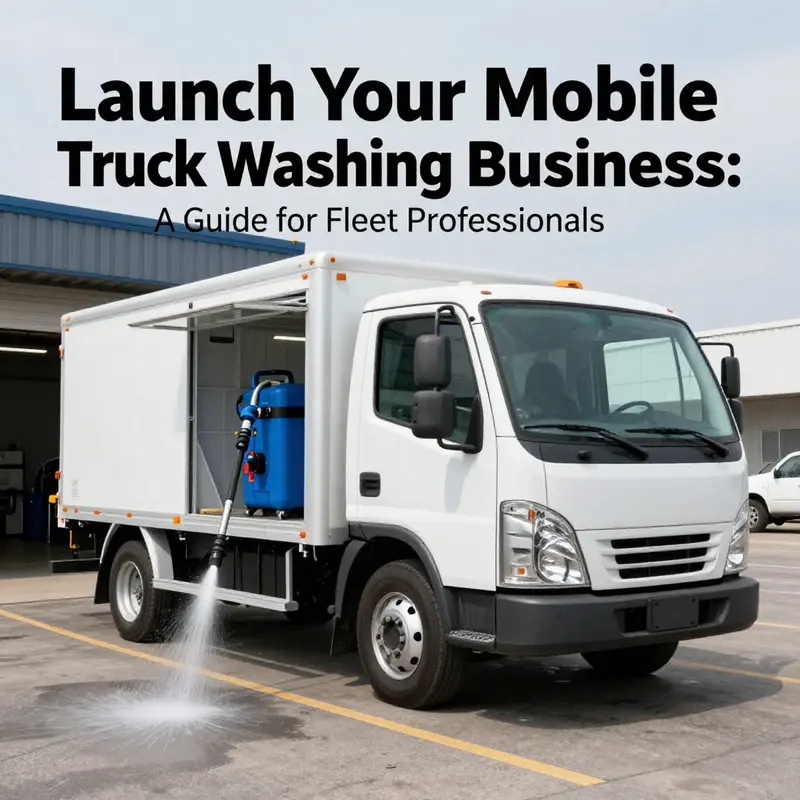
A mobile truck wash rests on a surprisingly simple premise: bring the cleaning power to the vehicle, not the other way around. But the clean, efficient delivery of that power hinges on a carefully chosen set of hardware decisions. The core of the operation is the wash unit itself, a self-contained, trailer-mounted system designed to deliver heat, pressure, and durable performance wherever a truck park or fleet yard happens to be. The unit must be able to heat water to a high temperature—typically in the range of 150°F to 200°F—and project that water under substantial pressure. This heat-pressure combination is what loosens heavy contaminants like grease, oil, road tar, and winter salt, transforming stubborn residues into manageable soils that can be rinsed away in a single pass rather than laboriously scrubbed by hand. A robust system therefore becomes more than equipment; it becomes the business’s reliability guarantee. Clients come to expect consistent results, and consistency hinges on the unit’s ability to maintain performance across varying outside temperatures, altitudes, and water quality. A well-designed wash unit also integrates a water recycling component. Recycling isn’t just an ecological aspiration; it’s a practical necessity in many markets where water use is regulated or priced, and it’s a powerful selling point for fleets mindful of sustainability. A capable recycling system can dramatically reduce fresh water consumption and wastewater discharge, which helps you stay compliant and lowers operating costs over the long run. The importance of water recycling grows when you consider the volume of water required to achieve that glossy, residue-free exterior on large vehicles. Even with high-pressure cleaning, the best results come when the wash process is optimized to minimize runoff and maximize recovery. The lesson here is simple: plan the wash cycle, then back it with hardware that supports that plan. The unit should also include a waste water holding tank large enough to store contaminated runoff until proper disposal is possible. Without such storage, you risk violating local disposal rules or incurring unexpected downtime while unloading at a disposal point. In practice, this means a modular system: a trailer-mounted wash unit paired with an appropriately sized tank, designed for easy maintenance and safe, compliant discharge. The next layer of sophistication is the chemical dosing system. A precise dosing setup enables you to apply biodegradable detergents consistently, reducing chemical waste and protecting surfaces from over- or under-application. The entire wash workflow should be designed with process control in mind, ensuring that each spray, rinse, and soap application follows a repeatable pattern that can be taught to new technicians. While the core focus is on the wash unit, the towing vehicle matters just as much. A dependable, powerful truck or van is required to haul the heavy unit, water, and equipment. The vehicle must have sufficient towing capacity and a stable chassis to handle the load during transit. Safety considerations extend to braking performance, weight distribution, and reliable tires, because a misstep in transit can erode client trust as quickly as a subpar wash can. Storage space is another practical concern: you need room for hoses, nozzles, cleaning agents, safety gear, and spare parts. A well organized mobile operation conveys professionalism and reduces on-site friction, helping ensure that appointments run on schedule. Beyond the wash unit and the towing vehicle, supplementary tools and consumables round out the toolkit. High-quality hoses rated for both high pressure and high temperature prevent bursts in the field, while a range of nozzles allows your team to tailor the cleaning task to the surface and contamination level. Biodegradable detergents are essential for eco-conscious fleets, and a proper containment plan protects the environment and your reputation. Consider also portable power sources or generators if the unit relies on electricity rather than a built-in power supply. A compact, well-protected storage system for all materials is not a luxury; it’s a safety and efficiency imperative. The equipment decision is not just about buying gear; it’s about building a workflow that protects crew safety and delivers predictable results. Operators should develop a routine for equipment checks, leak detection, and temperature verification before each job. Training reinforces this routine, ensuring new hires can deploy the wash unit safely and efficiently without slowing down the fleet they serve. It is worth noting that the equipment and vehicle choices intersect with regulatory responsibilities. As you source hardware, it is prudent to understand truck-wash industry compliance and emissions regulations. This awareness helps you select components that align with local and national expectations while avoiding costly retrofits later on. In this sense, the hardware decisions you make in the early days ripple into future flexibility and marketability. The service model you build around this hardware—how you schedule, price, and package your washes—depends on the predictability of the physical system you invest in. When a fleet runs on tight timetables, reliability becomes a key differentiator. Modern clients look not just at a clean truck but at a clean process: a predictable on-site sequence, minimal wait times, and transparent communication about water usage and waste disposal. The kit that underpins that process should be designed to support these expectations from day one. It’s also important to consider how the hardware fits into your broader operational planning. If you intend to scale, your initial choice should accommodate larger loads, longer routes, or higher-frequency service without requiring a complete hardware overhaul. In other words, invest with an eye toward future contracts, not just today’s job. The way you assemble, maintain, and deploy your equipment speaks to your brand. Technicians will reflect that brand in their workmanship, so the equipment you choose should facilitate safe, clean, and efficient work. A thoughtful combination of a robust, trailer-mounted wash unit, a capable towing vehicle, and a versatile set of tools creates a power-on-the-move platform that fleets can rely on. You are not just washing trucks; you are delivering a portable solution that travels with the fleet’s schedule and cash flow. As you navigate the procurement journey, consult industry guidance on compliance and operational best practices to align your hardware with broader standards. For a practical discussion on how equipment choices intersect with regulatory expectations, see truck-wash industry compliance and emissions regulations. The right hardware makes it possible to maintain high standards while adapting to evolving market demands. For technicians, this translates into confidence on every job—the confidence that the water is clean, the surfaces are protected, and the environment is respected. For owners, it translates into repeat business, word-of-mouth referrals, and a scalable model that can grow as fleets expand. As you weigh options, remember that the most expensive unit is not the one with the highest sticker price but the one that delivers consistent performance, minimizes downtime, and reduces waste without compromising safety. The best equipment decisions come from balancing capability with practicality: how easily can the system be transported, how quickly can it be serviced on the road, how effectively can you manage water and chemical usage, and how well does the setup align with the types of trucks you will service and the locales you will serve? The answers to these questions shape the day-to-day experience of your team and the long-term competitiveness of your mobile washing business. In short, the hardware backbone is not an afterthought. It is the foundation that enables you to be precise, efficient, and sustainable—values fleets increasingly demand as they look for partners who can keep equipment—and reputations—in top condition. For further technical exploration of mobile wash equipment specifications and best practices, consult the external technical guide linked earlier. External resource: https://www.mobiletruckwash.com/technical-guide/
Chapter 4 — A Service-First Blueprint: Designing a Mobile Truck Washing Model for Market Success

A mobile truck washing business does not succeed on soap and water alone. The true engine is a carefully designed service model that blends efficiency, reliability, sustainability, and a clear value proposition for fleets and independent drivers. This chapter explores how to craft that model so the operation can scale without losing consistency or quality. The aim is not to have a long list of disjointed offerings, but a cohesive experience that customers come to trust and rely on. At the heart of this approach is a core service offering that speaks directly to the typical rhythms of fleet maintenance. The exterior wash remains the foundation: a thorough cleanse that removes road grime, salt, and residue that dulls paint and accelerates corrosion. But a mobile unit can and should go further. An undercarriage cleaning, strongly recommended for premium service, addresses the often neglected, high-wou nding areas where salt and grime hide and where rust can begin. While some mobile setups struggle to reach the undercarriage, advanced configurations now incorporate flexible nozzles or extendable arms to cover this critical zone. When a fleet owner asks for comprehensive care, the interior detailing—vacuuming the cabin, wiping the dashboard, cleaning mats—offers a compelling upgrade. It is not just about looking clean; it is about extending the truck’s life and reducing maintenance surprises for the operator. A service model that works well in practice is designed around scheduling and on-demand access. Customers expect convenience, so the model should support a seamless booking experience, ideally with an app or a clean website interface that shows real-time availability and a driver’s location. This makes the service feel professional and responsive, a perception that strengthens trust and justifies premium pricing. A well-structured offering also anticipates the realities of the field. The core exterior wash might need to be complemented by eco-conscious choices such as water-saving detergents and process steps that minimize runoff. For larger fleets, a monthly or weekly maintenance rhythm can be more valuable than a one-off wash, and the service model should accommodate recurring engagements with predictable scheduling. A practical touch is to present the packages in a way that is easy to understand at a glance. Basic Exterior, Premium Full Service, and Fleet Packages map naturally to the needs of different customers, while leaving room for add-ons like undercarriage cleaning or interior detailing when a truck is particularly dirty or when a fleet seeks a higher standard of care. A successful model, however, relies on more than just what is offered; it hinges on how it is delivered. Equipment and technology integration form a critical spine. The ideal mobile unit is compact, self-contained, and capable of delivering strong results without frequent breaks in service. A high-pressure system with low water consumption is essential, and a modern approach often embraces steam wash technologies with instant vaporization. This combination delivers rapid cleanups while cutting water usage, an important factor both for sustainability and regulatory compliance. A robust Integrated Water Recycling system is not optional. It is a primary selling point, allowing the unit to recover, treat, and reuse water on-site. The reward is twofold: lower freshwater demand and reduced disposal costs, which translate into cleaner margins and a more resilient business model. In practical terms, a unit with wastewater recovery and recycling can dramatically reduce environmental impact and reassure regulators and customers that responsible practices are in place. The capacity to monitor water levels, chemical supplies, and engine health remotely through IoT-enabled controls adds another layer of reliability. A driver or fleet manager appreciates being able to track a wash in real time, receive status updates, and even initiate remote start or stop commands if conditions arise during the day. These features are not mere novelties; they translate into smoother operations, fewer delays, and higher customer satisfaction. The data captured by smart systems also fuels continuous improvement. Post-service feedback loops become a natural part of the workflow rather than an afterthought. A quick digital survey, delivered automatically after a wash, can surface patterns in customer experience, enabling the business to adjust processes, refine pricing, and invest in training where needed. The objective is a closed loop where service design informs execution and customer input informs the next cycle of improvements. Pricing strategy, in turn, must reflect the value delivered rather than simply the cost of labor and materials. Tiered service packages provide clarity for customers and a straightforward basis for revenue management. A base exterior wash can be paired with a premium full-service option that includes interior detailing and undercarriage cleaning. For fleets with regular needs, a loyalty or subscription model introduces predictability into cash flow and allows for guaranteed service frequency. In managing value, bundle offers become an important tool. For example, a wash that includes a free tire check or air filter inspection can elevate perceived value without materially increasing cost. A well-constructed service model also anticipates the realities of field operations. A standardized on-site checklist—rinse, apply cleaner, scrub, rinse again, dry, inspect—helps ensure no step is neglected, while the choice between soft-touch and touchless methods reduces the risk of paint damage and aligns with manufacturer guidelines for modern tractors and trailers. The pre-service phase deserves attention as well. A simple confirmation message with an estimated time of arrival communicates professionalism and reduces the chance of missed appointments. The on-site execution then becomes a choreography: a technician follows the checklist, keeps a clean, organized work area, and protects surrounding equipment and infrastructure. The post-service phase, including a brief digital survey and a thank-you note, reinforces a culture of care and accountability. On the sustainability front, the service model must highlight water conservation and the use of eco-friendly detergents. The promise of a closed-loop recycling system and biodegradable cleaners resonates with fleets that must demonstrate environmental responsibility to customers and regulators alike. This commitment is not only about compliance; it is a strategic differentiator. It signals that the business aligns with the values of its customers and the broader community. The practical implications of sustainability extend to training as well. Technicians should be educated on proper chemical handling, spill prevention, and waste management. Training supports not only compliance but also the consistency that customers expect. The model thus becomes a living system—one that scales through repeatable, documented processes and a culture of continuous improvement. In addition to the internal discipline, external awareness matters. A chapter on service design would be incomplete without recognizing the role of partnerships and marketing. formal relationships with truck stops, rest areas, fuel stations, and repair shops can broaden reach, while digital marketing, including video demonstrations of the washing process and before-and-after results, builds credibility. For readers who want practical inspiration anchored in proven practices, one reference point is the broader body of knowledge around specialized truck cleaning strategies, such as proven strategies for cleaning grease and tar off your trucks fast. This line of thinking underscores that a service model must address not only standard cleaning tasks but also the unique challenges of tougher soils and varied fleets. Such insights help shape the training and tools required for a consistent, high-quality outcome, regardless of vehicle type or dirt level. The final form of the service model is not a static document but a dynamic blueprint that grows with the business. It translates into scalable processes, a clear pricing ladder, a compelling sustainability narrative, and technology-driven operational excellence that reduces downtime and boosts customer satisfaction. When the components come together—core offerings, advanced equipment, streamlined workflows, value-driven pricing, and a devotion to eco-responsibility—the mobile truck washing venture moves from a mobile service into a dependable, repeatable, and expanding enterprise. The model invites repeat business, returns steady margins, and creates a platform for continuous differentiation in a competitive market. External resource: https://www.alibaba.com
Chapter 5: Standing Out on the Road—Brand, Marketing, and Growth Tactics for a Mobile Truck Washing Business

Marketing is not an afterthought in a mobile truck washing venture. It is the engine that converts excellent service into repeat business and steady growth. In a market where several operators can clean a rig, branding and smart outreach become the differentiators that keep trucks rolling back to you instead of to a competitor. A well crafted marketing approach starts with clarity about who you serve and what you bring that others do not. For a mobile operation that travels directly to a fleet or a driver, the value proposition must be concrete and tangible. Think in terms of time saved, consistent results, and a cleaner vehicle that supports branding and safety norms. Your unique value proposition should highlight elements that matter most to fleet managers and independent drivers alike: reliable scheduling, eco friendly practices, rapid response times, and a proven ability to dissolve stubborn grime without risking paint. A precise UVP positions your business not as another wash service but as a strategic partner that keeps fleets looking professional while minimizing downtime. When you articulate this UVP, you can tailor messages for different segments within your target market. A delivery company focused on tight delivery windows may care most about speed, whereas a logistics firm might prioritize consistency and compliance. A construction fleet could value rugged cleaning that removes winter salt and mud, preserving components and branding. Framing your marketing around these pain points makes every touchpoint meaningful and persuasive. Marketing begins with brand identity, which is more than a logo or color scheme. It is a coherent impression that travels with the mobile unit, its operator, and every interaction with a customer. The vehicle should look professional from a distance and up close, with clear contact information, service options, and a calm, confident tone in all communications. Uniforms, vehicle lettering, and digital assets should reinforce the same message: reliability, care for equipment, and respect for the environment. Uniform branding signals that you are prepared, trained, and ready to work in challenging logistics environments. A strong brand also helps when you expand beyond a single truck. It makes training new team members easier, reassures customers, and creates opportunities for scalable marketing campaigns that leverage consistent visuals and language across channels. The next layer is how you present your services online. A clean, fast, mobile friendly website is essential. Local optimization matters as much as any national strategy. Use local search terms like mobile truck wash near me or commercial truck detailing in your city to improve visibility when a driver needs a quick solution. A properly claimed Google My Business profile with fresh photos, hours, and client testimonials can lift your appear-on-map results and credible trust signals. This is where content becomes a powerful ally. Short videos that show a before and after sequence, with a quick walk through your high temperature cleaning technique, offer tangible proof of value. When possible, include captions so viewers can understand the service without sound. A concise, realistic narrative about how heat and pressure remove grease and road grime helps clients picture the benefits of your offering. On social media, combine educational clips with client stories from fleets that trusted you in critical windows. A series of micro case studies can illustrate how your team handles tar, salt, and road grime in a way that preserves paint and decals. In practice, the marketing plan should balance breadth and depth: broad reach through paid ads or boosted posts, and deep engagement through proof points, demonstrations, and real client experiences. You do not need to flood every channel at once. Start with a strong website, a Google My Business presence, and a handful of social profiles that you can maintain consistently. Then expand to targeted outreach where your audience gathers, such as local truck stops, maintenance facilities, and freight yards. Local partnerships can amplify reach far more effectively than broad general ads. Build relationships with fleet maintenance providers, part suppliers, and service shops that regularly interact with drivers who need on the road cleaning. These partnerships can lead to cross promotions, bundled services, or preferred vendor arrangements that give your brand credibility by association. The value of word of mouth cannot be overstated in this industry. A referral program can turn satisfied customers into a network that continuously feeds leads. For example, offer a free wash after a set number of referrals or provide loyalty credits toward future services. A simple loyalty program can keep drivers and fleet managers engaged over time, encouraging recurring contracts such as weekly or monthly maintenance washes. When you design these programs, make them easy to understand and easy to redeem. The easier you make the path from recommendation to reward, the more often customers will participate. The marketing story should also emphasize safety, efficiency, and environmental responsibility. Fleets are increasingly mindful of compliance and sustainability. Highlight your use of eco friendly cleaning products, water recycling where available, and proper disposal practices. Show how your service reduces downtime for drivers and supports safety by keeping lights, signals, and tires clean of debris that could impair visibility. This kind of messaging resonates with operators who must balance cost, compliance, and uptime. A cohesive marketing plan also requires measurement and adaptation. Track which channels generate inquiries, how many turn into booked washes, and the lifetime value of a customer. Monitor metrics such as website visits, form submissions, call conversions, and social engagement. Use this data to reallocate budget toward the most effective channels and adjust messaging for changing market needs. Gather feedback from customers after each job to learn what worked and what did not. The insights you collect should shape your next campaigns, pricing, and service configurations. In practice, you can blend multiple channels into a seamless customer journey. Your online presence should guide interested drivers to a simple booking experience, whether via a mobile app or a straightforward website form. The booking flow should ask the right questions about vehicle size, service level, and preferred time, while providing a transparent price range when possible. Once a booking is confirmed, use automated confirmations and reminders to reduce no shows, and provide a brief pre wash checklist so drivers know what to expect. This streamlines operations and earns trust before the first spray of water. A well orchestrated approach to marketing also involves storytelling that positions your business within the broader ecosystem of trucking and logistics. You can reference the experiences of peers in industry conversations and share practical lessons learned. For example, a respected voice in the field who has built a veteran fleet community underscores the importance of relationships and community involvement in growth. See the discussion around community building by experts such as Scott Smithler—Veteran Fleet Owner Community Builder. Including such perspectives helps potential clients see that you are not just selling a service but participating in a network that shares standards, expectations, and opportunities for collaboration. The marketing narrative must stay grounded in the realities of the market. It is not enough to promise shiny trucks; you must deliver on time, with consistency, and in a way that respects customer budgets and schedules. Your branding should reflect an honest commitment to service and sustainability. When a fleet owner reads about your emphasis on water conservation and responsible waste handling, they see a partner who aligns with regulatory requirements and corporate social responsibility goals. In addition to the qualitative aspects, maintain a disciplined approach to onboarding and service delivery. A strong marketing engine is supported by a professional operations base: clear pricing where feasible, a simple scheduling process, and trained technicians who understand vehicle care and safety protocols. When customers perceive competence across both branding and execution, their loyalty becomes a durable competitive advantage. As you scale, keep reinforcing your UVP while expanding your reach into adjacent markets and new geographic areas. The channels may evolve as you grow, but the core promise remains the same: a reliable, efficient, eco friendly mobile wash that respects drivers time and keeps fleets looking their best. For readers who want a deeper technical lens on what makes a mobile wash effective, explore the documented capabilities of modern equipment and their role in achieving superior outcomes at the cutting edge of the industry, such as the heat and pressure dynamics described in external sources like this detailed equipment explainer: https://www.mobiletruckwash.com/blog/mobile-truck-wash-equipment-explained/.
Final thoughts
In summary, launching a mobile truck washing business presents a unique opportunity to serve various fleets while adhering to eco-friendly standards. By following the structured approach outlined in this guide—including thorough market research, compliance with legal standards, and effective service and marketing strategies—operators can create a successful and sustainable business. Emphasizing the importance of quality service delivery and customer satisfaction will further enhance reputation in the industry.