
Washing your truck engine is not merely a cleanliness task; it’s an essential maintenance practice that contributes significantly to the longevity and performance of your fleet. For Logistics & Freight Company Fleet Managers, Trucking Company Owners, and Construction & Mining Fleet Supervisors, an immaculate engine fosters improved operational efficiency. This guide offers a comprehensive blueprint, addressing safety protocols and preparation, effective external and internal cleaning techniques, and an assessment of when to engage professional services. Each chapter is intricately linked to promote a holistic understanding of washing your truck engine, ensuring optimal performance and reliability for your operations.
Washing the Heart of the Truck: Safe Prep, Gentle Cleaning, and a Path to Longevity
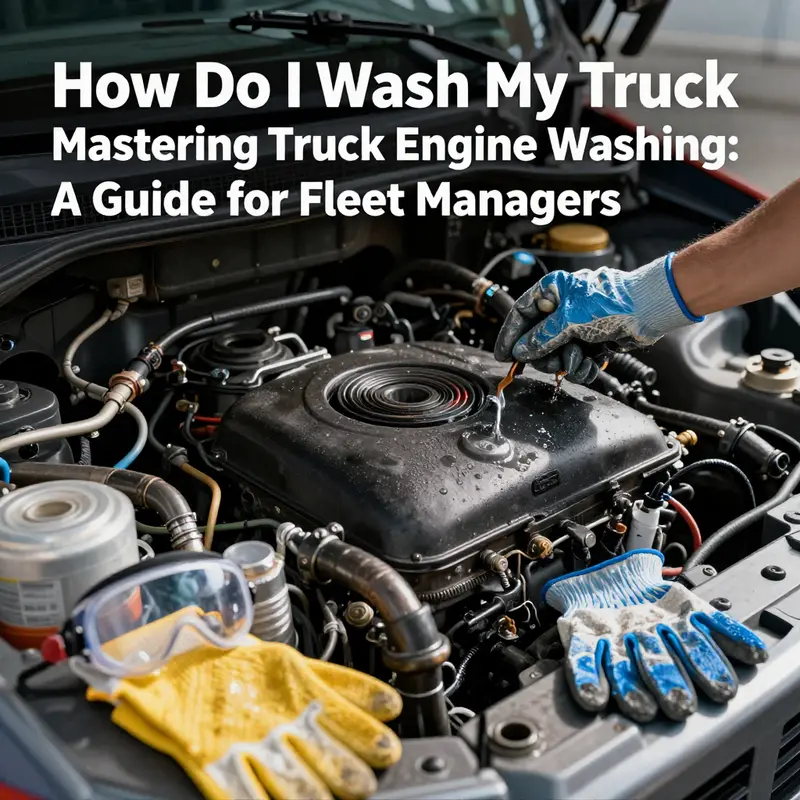
The engine bay is more than a collection of metal and hoses; it is the beating core of a heavy-duty machine. Cleaning it thoughtfully preserves performance, reduces wear, and helps spot problems before they slow you down. But the very act of washing the engine must be done with care. A careless splash can damage sensors, wiring, seals, and bearings. The path from a clean engine to a reliable one begins with safety. It begins with preparation. And it continues with a calm, methodical cleaning that respects the delicate balance inside the engine compartment as much as it respects the stubborn grime on the outside. This chapter follows that path—from safety first to a thorough, practical clean that you can do yourself, and it remains clear when to seek professional help.
Safety is not a hurdle to be overcome but the foundation of any successful engine cleaning. Start by ensuring the engine is cool. Hot metal contracts and expands; a sudden cooling with water can stress seals and gaskets. With a cold engine, the risk of thermal shock drops dramatically. Turn the vehicle off completely and remove the key from the ignition. Geometry within the bay becomes a little less forgiving when power is still present, so you want the system to be totally at rest before you touch anything.
Next, you must address the electrical side. Disconnect the battery, starting with the negative terminal. This simple step eliminates the chance of electrical shorts igniting in damp or dampened conditions. You may also cover sensitive components with plastic bags or waterproof covers—the air intake, alternator, fuse box, exposed wiring harnesses, and any exposed sensors. The aim is not to keep water out of every nook but to prevent water intrusion where it would cause mischief.
Loose debris is another culprit. Leaves and dust can find their way into hard-to-reach corners and then trap moisture, inviting corrosion. A soft brush or a quick puff of compressed air can clear away the debris before you introduce any detergents. It is easier to work on a relatively clean stage, and it reduces the chance of pushing grit into fragile areas. Once you have removed the loose stuff, you can start the cleaning stage with a clearer picture of what needs treatment and what can simply be rinsed away.
As you prepare the work area, consider the protection of components that do not tolerate water or detergents well. Cover the air intake and other openings, but leave openings where air can circulate and prevent moisture from being trapped under coverings. The goal is to create a perimeter that limits water contact without suffocating the engine bay’s need to dry quickly after cleaning. When you finish, you will remove the covers and reattach the battery, attaching the positive terminal first and the negative terminal last. This ensures a clean, safe reassembly and reduces the risk of accidental short circuits as you reconnect.
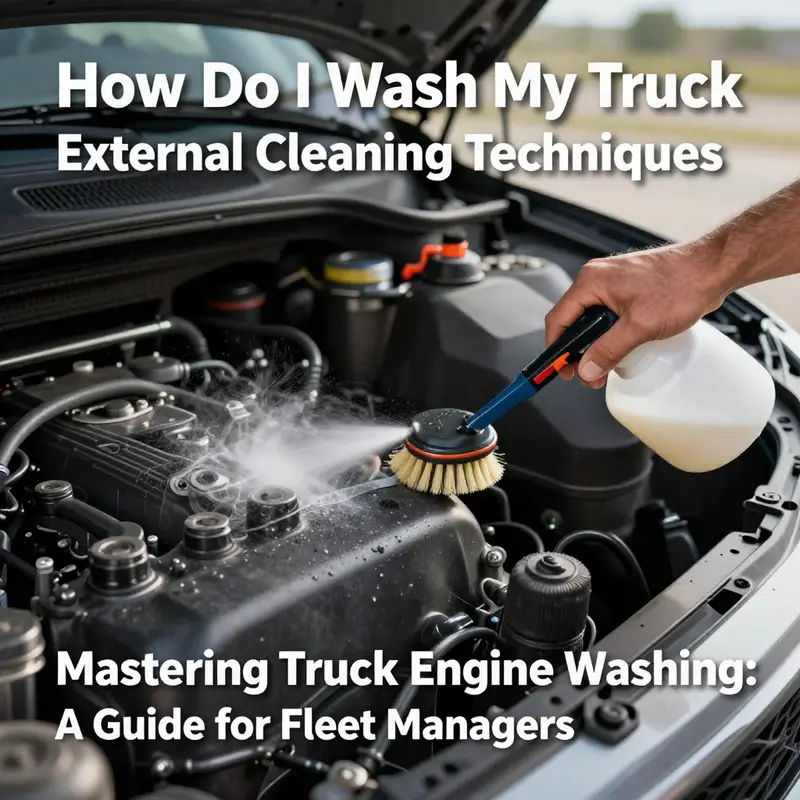
With safety and preparation in place, you move to the cleaning itself. A key distinction drives the approach: exterior cleaning to remove surface grime and oil films, and interior maintenance that addresses varnish, sludge, and carbon built up over miles of operation. The exterior cleaning is straightforward if you employ an engine degreaser designed for automotive use and a soft brush. Spray the degreaser over oily areas—around the valve cover gasket, near the oil filler cap, and in other grime-prone zones. Let it sit for a few minutes to break down the grease; this waiting period is crucial. Then use a soft-bristled brush to work the product into the crevices. In tight spaces, even an old toothbrush can be a hero, allowing you to scrub without forcing water into electronics or seals.
The rinse is where many mistakes happen. Water is essential to wash away the degreaser and grime, but the engine needs the right kind of water pressure. A garden hose with a spray nozzle and a low-pressure setting is ideal. High-pressure jets can push water past protective seals or into places where it will linger and promote corrosion. After rinsing, the surfaces should look cleaner, but the drying step is just as important as the cleaning. Use a microfiber towel to wipe away as much moisture as possible, and then use compressed air to reach the hidden pockets. The key is to dry thoroughly so rust backdrops do not start even from a light film of moisture. If you want one more layer of protection, you can apply a light engine protectant dressing. The goal is a faint sheen that repels dirt rather than a slick glaze that attracts it. Regardless of the chosen dressing, ensure it is formulated for engines and compatible with rubber hoses and painted surfaces.
A word about cleaners: avoid household dish soap and other kitchen products. They strip protective coatings and may leave residues that are hard to remove. Engine detergents are designed to work with the materials in your bay and to rinse away cleanly without leaving sticky residues that collect dirt again. When you finish external cleaning, you will have a bay that looks better and, more importantly, stays clean longer because you have minimized the chance of water pooling in the wrong places or chemicals lingering where they can do harm.
If the surface grime is not your only concern, you may face internal buildup that calls for deeper maintenance. Internal cleaning is not a casual task; it touches on lubrication, fuel delivery, and cooling. It is wise to consider this only as part of a broader maintenance rhythm. Lubrication system cleaning, for example, uses a cleaner that blends with the oil to dissolve varnish and sludge. The engine is warmed slightly (not hot), the old oil is drained, and the cleaner is added to the oil fill. The engine runs at idle for 10 to 15 minutes to circulate the cleaner and dissolve contaminants, after which it is turned off and allowed to rest. The oil and cleaner are then drained and replaced with fresh oil and a new filter. This service, while straightforward in theory, has the potential to cause harm if performed too aggressively or too frequently. It is best treated as part of a scheduled maintenance interval, typically once every 20,000 to 30,000 miles, rather than a routine wash. A similar caution applies to fuel system cleaning. You can opt for an additive added to the fuel tank before refueling or pursue a professional fuel injection cleaning service that uses controlled, pressurized cleaning equipment while the engine runs. Regular use of a fuel system cleaner is recommended every 15,000 to 20,000 miles to sustain performance and efficiency, but this should be balanced with the specific engine design and fuel system geometry of your truck.
Another interior area where care matters is the cooling system. Over years, rust, scale, and mineral deposits can reduce heat transfer, which is detrimental in a heavy-duty engine under load. A cooling system flush involves cooling down completely, draining the coolant, and using a dedicated cooling system cleaner to remove buildup from the radiator and the engine block. The engine is run at idle with the cleaner in the system to circulate it through the passages, after which the cleaner is flushed out with clean water until the runoff is clear. Refill with the appropriate coolant for your model and climate conditions. A flush kit with a pressure bottle can improve circulation and ensure a more thorough cleaning. If you are not certain about which coolant is correct for your truck’s year and model, consult your manual or a qualified technician.
All of these steps can be done by a determined DIYer, but there are times when professional help makes sense. For those who want the most thorough approach or who deal with complex or hard-to-reach areas, an auto detail shop or diesel specialty garage can offer options beyond basic cleaning. Ultrasound cleaning can be used for parts that are disassembled, steam cleaning can remove stubborn grease without harsh chemicals, and a complete engine bay detailing can seal and shield surfaces to slow future grime buildup. These services can be especially worth considering if you use your truck in demanding environments where dirt, oil, and road spray accumulate quickly and you need rapid, reliable results.
Throughout this process, there are several blunt truths about what not to do that can save you from costly mistakes. Do not use a high-pressure washer directly on the engine. Do not pour gasoline or kerosene on engine parts. Do not scrub painted surfaces with harsh abrasives or steel wool. And do not skip replacing filters after cleaning; always replace the oil and fuel filters afterward. These cautions are not merely cautionary; they are practical boundaries that help protect seals, wiring, and the integrity of the hoses that keep critical systems functioning under pressure and heat.
In the end, the best approach to washing your truck engine is a balanced one. External cleaning should be part of regular maintenance, performed with care and attention to both the surface and immediate surroundings. Internal system cleaning—when necessary—should align with your service schedule and be handled with appropriate cleaners and controlled processes. The goal is not a showroom shine for the engine bay, although that can be a pleasant fringe benefit; the goal is an engine that looks after you in the field, that dissipates heat efficiently, and that remains reliable under load.
To help you connect the practical steps with a broader plan, consider this: a pragmatic set of proven strategies for cleaning grease and tar off your trucks fast offers a concise framework for applying the right techniques without letting the process get out of hand. Proven strategies for cleaning grease and tar off your trucks fast. This approach emphasizes using the right detergents, gentle brushes, and mindful rinsing, while keeping a steady eye on sensors, hoses, and connectors that could be damaged by aggressive washing.
For readers seeking additional safety guidance and a broader context beyond the practical steps, a reliable external reference provides a thorough checklist of how to clean your engine safely. The CarMD guidance emphasizes cooling first, disconnecting power, and careful drying, along with cautions about chemical selection and environmental considerations. While the details can vary by model and usage, the core principles—cool, cover, clean, dry, verify—remain consistent across trucks and engines. See the external resource for an independent perspective on safe engine cleaning practices: https://www.carmd.com/blog/how-to-clean-your-engine-safely/.
In sum, washing your truck engine is not a one-off splurge but part of a disciplined maintenance routine. When done safely and methodically, it supports longer engine life, steadier performance, and improved reliability on the road. The steps here are designed to help you approach the task with confidence, balance, and respect for the complexity of modern engines. If any step feels outside your comfort zone, or if you encounter stubborn contamination that you cannot safely address, seeking a qualified mechanic or diesel technician is the prudent path. The payoff—lower risk of failure, smoother operation under heavy loads, and peace of mind—justifies the effort spent on safe practice and thoughtful care.
null
null
Inside the Heart of the Truck: Safe, Effective Internal Engine Cleaning for Durability and Performance
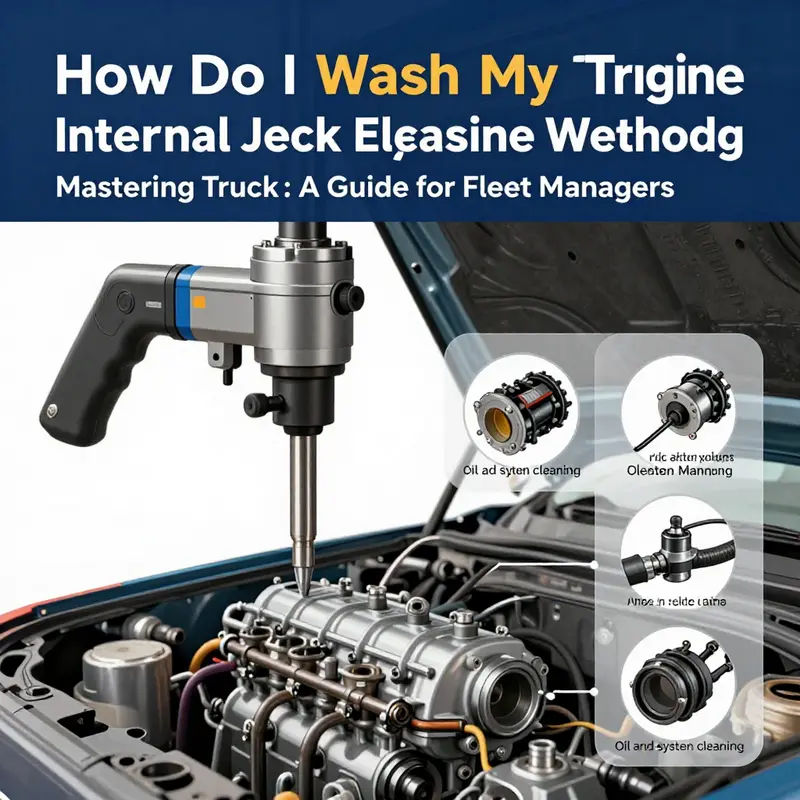
Cleaning a truck engine is more than washing the visible parts. When you talk about washing, you often think of the exterior bay and the grime on hoses, brackets, and valve covers. But the engine’s true health rests on what you can’t see without a careful, methodical approach to its internal systems. The goal isn’t to strip every deposit with brute force, but to manage varnish, varnish-like sludge, and carbon buildup in a way that preserves seals, bearings, and the lifelines of the engine’s lubrication and fuel delivery. In practice, the cleanest interior comes from integrating targeted maintenance into routine service intervals, using non-invasive cleaners that circulate where they matter, and knowing when the work must stay in the hands of a trained technician. What follows is a cohesive view of the internal cleaning methods that align with professional automotive practice, presented as a seamless narrative rather than a patchwork of steps. It’s about preserving longevity, improving efficiency, and keeping your truck dependable under load and long miles.
Begin with the premise that a well-kept engine is a system, not a collection of isolated parts. The engine oil system, the fuel delivery path, and the intake flow all interact in a complex dance. Sludge and varnish form as byproducts of oil aging and combustion residues. In normal operation, your engine oils carry away tiny deposits to be filtered out, but over time, some varnish and carbon residues cling to surfaces like cylinder walls, within oil passages, and on intake valves. The most reliable approach to internal cleaning is to work with this reality rather than against it. The most common and recommended method is to initiate a controlled engine oil system cleaning during a regular oil change. This is a non-invasive, safe, and effective way to dissolve and suspend deposits so they can be drained away with the old oil rather than forcing them to move through sensitive pathways. You warm the engine enough to slightly thin the oil and encourage circulation, then introduce a cleaner designed for engine oil systems into the fill port. After a short period of idle that allows the solution to circulate through the lubricating network, you drain the oil, replace the filter, and refill with fresh oil. This routine, performed at the right intervals, helps loosen sludge, varnish, and general oil deposits without stressing seals or gaskets. Most professionals consider this a cornerstone of internal maintenance, and it’s a practice that can fit neatly into a standard maintenance window. In many fleets, operators aim for this kind of cleaning every 40,000 to 60,000 miles, a cadence that keeps accumulated deposits from building into hard-to-remove deposits that could compromise lubrication and heat management. Doing it as part of a maintenance service helps ensure filters are replaced and oil is fresh, so the engine’s lubricating network remains clean and efficient across miles of operation.
Beyond the oil system, fuel cleanliness becomes a second pillar of internal integrity. Carbon buildup on fuel injectors, intake valves, and combustion chambers can erode performance and efficiency. A clean fuel path improves atomization, which helps maintain smooth idle, strong acceleration, and predictable fuel economy. The approach here can take two routes. The first is a fuel system cleaner added to the fuel tank before refueling. As the engine runs, the cleaner works with the fuel, helping to dissolve and carry away deposits from injectors and intake passages. This method is convenient and gentle, designed to work with your normal fueling routine. The second route is a professional external flush performed with specialized equipment while the engine runs. In this scenario, the cleaner is delivered under controlled pressure directly into the fuel system, concentrating the cleaning action on injectors and ports that tend to accumulate deposits in modern fuels. Both methods have their place, but the choice often comes down to the truck’s use, mileage, and the condition of the fuel system. For many operators, a fuel system cleaning every 30,000 miles or so is a prudent balance that helps sustain power and efficiency without inviting risk or downtime.
Intake system cleaning is the more complex chapter in the internal story. It becomes particularly relevant for engines with direct fuel injection, where a portion of carbon can form on the intake valves and in the intake manifold. When deposits become visible or performance dips—especially under heavy load or high altitude—the intake path may require attention. This task is not a standard DIY job for most truck owners. It often calls for a professional mechanic who can disassemble the appropriate sections, inspect the valves and ports, and, if necessary, substitute the intake routing or clean the surfaces with specialized tools and solvents. Some shops offer advanced approaches, such as dry-ice cleaning, where frozen CO2 pellets are directed through the intake system to dislodge deposits without taking the manifold apart. While effective, these methods carry risk if performed improperly, and they demand precision and experience. Because intake deposits can directly affect airflow and combustion efficiency, a cautious, professional approach is warranted when signs point to significant buildup. In practice, if the engine shows reduced breathability, hesitation under load, or diminished fuel economy that cannot be addressed by oil or fuel system cleaning alone, intake cleaning becomes a targeted intervention rather than a routine DIY refresh.
Guided by these pillars, a practical maintenance mindset emerges. Internal cleaning should be seen not as a standalone event but as a sequence aligned with your truck’s service schedule. The oil system cleaning remains the foundation, because the heart of the engine is its lubrication network. When you add a fuel system cleaner or perform a professional fuel system flush, you protect the injectors and valves that regulate how fuel meets air and how combustion proceeds. The intake cleaning, reserved for when symptoms persist or when a diagnostic shows deposits at the intake, completes the picture. Throughout this process, the fundamental rules stay constant: never introduce water into the interior of the engine during cleaning, use only high-quality cleaners and additives designed for automotive engines, and always follow the engine manufacturer’s guidance and the cleaner’s instructions. These safeguards are not mere cautionary notes; they reflect decades of professional practice designed to preserve seals, bearings, and metal surfaces that tolerate extreme conditions and temperatures but dislike careless chemical exposure.
An element that often intersects with internal cleaning is the alignment of maintenance with fleet standards and industry expectations. Fleets operate under a broader umbrella of performance goals, emissions considerations, and long-term reliability targets. When maintenance routines are maintained with discipline, the engine remains closer to its designed tolerances, which translates to steadier power output, smoother operation, and better fuel economy under load. The discipline also helps fleets meet regulatory expectations and standard operating procedures that govern how and when maintenance activities are performed in an organized, traceable manner. For fleets navigating these waters, it can be helpful to consider guidance that addresses the broader context of maintenance and industry standards. For fleets seeking clarity on maintenance practices and how they intersect with compliance and emissions guidance, there is a resource that discusses the regulatory landscape and industry best practices for this space.
When you plan internal cleaning activities, it’s important to be mindful of the timing and the impact on vehicle downtime. Engine oil system cleaning, for example, can often be slotted into a standard oil change appointment, minimizing additional downtime. Fuel system cleaning may be added as a follow-on to a scheduled maintenance window, depending on the fleet’s operational demands and diagnostic results. Intake system cleaning is typically reserved for situations where diagnostics identify a persistent carbon buildup that cannot be resolved through oil and fuel system interventions alone. In practice, the approach is a layered one: start with lubrication system cleaning, add a fuel system refresh when needed, and reserve intake cleaning for when diagnostics call for it. The sequence is designed to preserve engine health while avoiding unnecessary invasive procedures or excessive downtime.
To weave this approach into everyday life for a truck owner or fleet operator, think of internal cleaning as an extension of the maintenance culture. It starts with awareness—recognizing the deposit patterns that come with high-mileage operation, heavy loads, and varied routes. It continues with routine maintenance that favors clean oil and clean fuel delivery, and it culminates in targeted interventions when symptoms indicate a deeper issue. Amid all this, a steady emphasis on quality controls—correct oil grades, compatible cleaners, and adherence to service manuals—ensures that the interventions protect rather than endanger the engine’s health. The whole process remains simple in principle: clean the oil to keep the heart of the engine healthy; clean the fuel path to ensure efficient combustion; and address intake deposits only when the symptoms or diagnostics warrant intervention. In many cases, this disciplined approach will deliver tangible benefits in longevity, reliability, and performance.
For operators wrestling with the calendar of maintenance, a practical, long-term frame can help. External cleanliness of the engine bay remains important for heat management and corrosion prevention, but the interior cleaning story centers on the lubrication and fuel pathways. It’s not a one-off task but a set of practices that, when performed together, preserve engine life. The interval advice that professionals often share—conduct oil-system cleaning with a dedicated additive during an oil change every 40,000 to 60,000 miles, consider a fuel-system cleaning around the 30,000-mile mark, and reserve intake-system interventions for diagnosed need—provides a workable blueprint for many trucks. The exact mileage, of course, depends on engine design, operating conditions, and the quality of maintenance performed elsewhere in the system. In all cases, the guiding principle remains constant: treat the internal environment with respect, ensure clean, correct fluids, and rely on professional judgment when the deposits are stubborn or when the symptoms point to a deeper issue.
As you reflect on these methods, a final reminder anchors everything: never attempt to wash the engine with water or high-pressure streams for internal cleaning. Water can reach electrical components and sensitive seals, causing damage that often outweighs any temporary cleanliness. Use only cleaners formulated for engine use, and observe the directions for dilution, circulation, and drain intervals. This is not a field where improvised methods win out; disciplined, well-understood practices—and professional input when needed—yield lasting benefits. If you’re managing a fleet or simply maintaining a trusted workhorse, this mindset of measured, professional-ready internal cleaning will serve you well across miles and years of operation.
In the broader context of maintenance and industry standards, the journey through internal cleaning complements exterior detailing and other preventive measures. It helps to view the engine as a living, breathing ecosystem that thrives on predictability and proactive care. By pairing interior maintenance with standard oil changes and fuel-system checks, you forge a safer path toward reliable performance and reduced emissions, even under demanding work patterns. And if you ever wonder how your maintenance choices align with industry expectations and regulatory guidance, consider exploring the broader context of truck-wash industry standards and emissions regulations for fleets, which can inform decisions about maintenance timing and process selection. For a concise overview, explore the relevant guidance here: truck wash industry compliance and emissions regulations.
External resource for deeper reading on vehicle maintenance and emissions considerations: https://www.epa.gov/vehicles-and-engines
Choosing Professional Help for Washing Your Truck Engine: Safety, Precision, and Peace of Mind
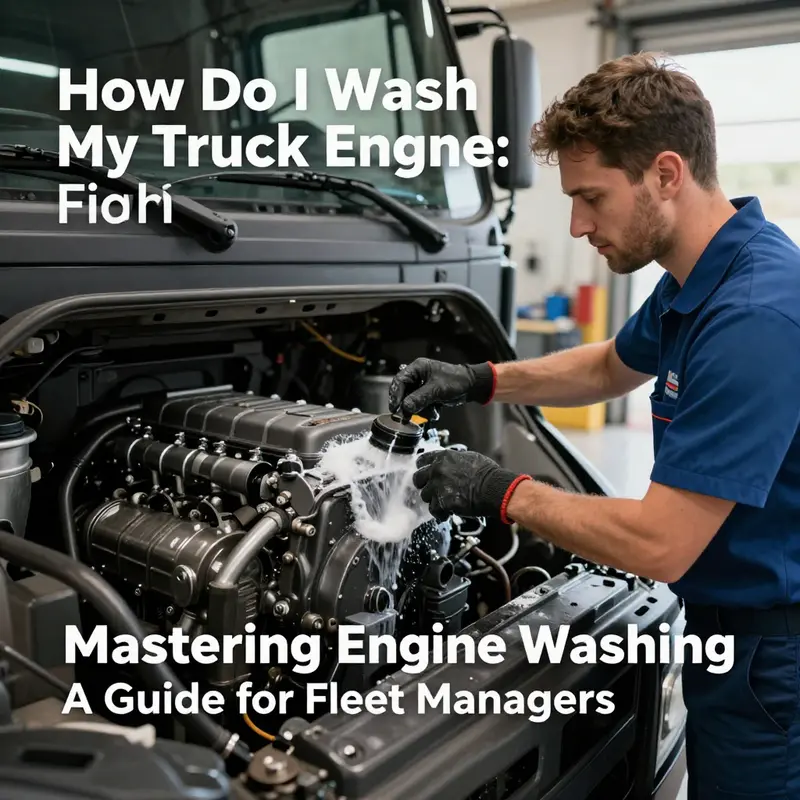
Washing a truck engine is more than a cosmetic chore. It sits at the intersection of safety, technical care, and long‑term reliability. Modern engines carry a web of electronic connectors, sensors, and high‑pressure cooling systems that can be vulnerable to careless water application. The decision to hire a professional for engine cleaning is not simply about removing grime; it’s about protecting a complex network of components that keeps a heavy-duty machine dependable on the highway and in the yard. When you weigh the option, the safest and most effective route for many truck owners is to lean on specialized services that have the equipment, knowledge, and procedures to do the job without compromising reliability. This chapter explores why professional help is often the wisest choice, what you should expect from a reputable service, and how to select the right partner for your fleet or single vehicle. It’s about turning a potential risk into a prudent investment that pays off in reduced downtime, better performance, and longer engine life.
The core reason professionals are preferred centers on control and containment. Engine bays are not simply open boxes of metal; they are intricate ecosystems. Electrical harnesses, wiring looms, sensors, the alternator, the starter, and many cooling and lubrication passages can be damaged by aggressive cleaning methods. A DIY approach that uses high-pressure water, off‑the-shelf cleaners, or abrasive brushes may remove surface grime but can push water into seals, misalign connectors, or strip protective coatings. A trained technician understands how to shield sensitive components, masking air intakes, electrical boxes, and exposed connectors with purpose‑built coverings. They also bring low‑pressure water systems and purpose‑designed cleaners that are effective at breaking down grease while being gentle on plastics, seals, and painted surfaces. This combination reduces the risk of short circuits, corrosion, or sensor faults that could lead to costly repairs down the line.
Beyond safety, professional engine cleaning is a matter of precision. Cleaning is not a one-size-fits-all task. A shop tailoring its approach to the engine’s layout, age, and operating conditions can adjust water pressure, dwell time, and solvent selection to maximize cleanliness without stressing fragile parts. For example, the same engine bay that presents a stubborn layer of road grime on the valve cover might have wiring harnesses tucked neatly under protective conduits. Professionals know where to concentrate effort and where to avoid contact. Depending on the vehicle, they may use steam cleaning to lift heavy buildup in hard-to-reach crevices or conduct targeted degreasing on oil‑filtration zones with meticulous care. When done correctly, the result is a cleaner engine bay that stays brighter longer and resists new grime because the underlying surfaces have been properly treated and dried. And because a pro can work efficiently, the job often takes less time than a cautious, trial‑and‑error DIY session—minimizing downtime for a fleet that depends on on‑time servicing.
Choosing professional help begins with a clear sense of scope and expectations. A reputable shop will start with a conversational assessment: they want to know how the truck is used, what you’ve noticed in terms of leaks or corrosion, and how you expect the engine bay to look after the cleaning. If the engine has signs of heavy oil varnish, known leaks, or a prior restoration, a professional will discuss whether surface cleaning suffices or whether an internal cleaning sequence is appropriate. They’ll explain that internal system cleaning—such as lubrication or fuel system maintenance—is a distinct service from exterior engine bay cleaning and that these should be scheduled as part of a broader maintenance plan. The difference matters because some tasks, like flushing a cooling system or a lubrication pathway, require the engine to be at a specific temperature range, the right fluids, and controlled conditions. The professional’s job is to separate these layers of care, ensuring that a thorough exterior wash does not inadvertently disrupt sensitive internal systems.
A critical part of selecting the right partner is understanding the tools, techniques, and safeguards they bring to the job. A professional wash uses low‑pressure water and non‑conductive cleaning agents designed for automotive engines. They’ll mask electrical connectors and sensors and may use disposable sheaths or protective wraps to shield vulnerable components. The aim is a clean, dry engine bay with no water lingering in nooks where it could corrode or cause corrosion‑inducing moisture to remain after the process. You should expect a shop to pay attention to the engine’s overall condition as part of the service—checking hoses for wear, examining gaskets, and noting any signs that would benefit from attention beyond cosmetic cleaning. This broader awareness is where the value of professional service often shows itself: the cleaner engine bay can reveal issues that would otherwise go unnoticed until a failure occurs.
When you sit down to choose a service, a handful of practical questions can guide you toward the right fit. First, ask about the scope of their cleaning process. Do they offer only exterior engine bay cleaning, or can they handle more thorough services that address oil buildup and grease in critical areas? Do they provide masking for electrical components, and what safeguards do they use to ensure water does not intrude into air intakes or fuse boxes? How do they handle the drying phase, and do they offer optional protective finishes that help repel future dirt without affecting engine performance? It’s also wise to inquire about the technician’s experience with your truck’s make and model. Some engines present unique challenges in the bay layout, and a shop with prior exposure will navigate those quirks more smoothly.
Another essential line of inquiry concerns the shop’s credentials and workflow. Insurance and proper licensing are not niceties; they are protections for you and your vehicle. Confirm that the shop follows environmental guidelines for waste water and solvents, and ask about their process for preserving warranties and protecting the vehicle’s electronics during the wash. A confident shop will outline a standard operating procedure that includes pre‑wash assessment, masking, gentle cleaning, thorough drying, and a post‑wash check that looks for any obvious signs of residue or dampness in critical areas. If the business offers fleet services, you can expect a broader set of practices tailored to multiple vehicles, standardized checklists for consistency, and faster turnarounds that minimize downtime for your operation.
The price tag is, of course, a practical factor, though it shouldn’t be the sole determinant. A lower price may reflect a minimal exterior scrub without the protective steps that prevent damage, while a higher price might reflect a more comprehensive approach, including steam cleaning, more aggressive degreasing in stubborn areas, or a detailed post‑wash inspection. The key is to find a balance between value and risk mitigation. Look for a written estimate that outlines exactly what is included, a transparent breakdown of any add‑on services, and a clear warranty or guarantee for the work performed. While it is reasonable to expect a price differential between a quick exterior refresh and a more involved engine bay detailing, you should also feel confident that you are paying for a service that preserves long‑term reliability rather than a cosmetic finish that fades with the first dust storm.
Even with the best intentions, not every job is a perfect match for a DIY approach. There will be times when professional help is not merely convenient but necessary. If your engine bay contains a history of fluid leaks or if you are dealing with heavy sludge and tar buildup that has resisted household cleaning efforts, a professional service becomes not only an option but a prudent choice. The safety margins are higher when a trained technician handles the process, using the right mix of water pressure, dwell time, and drying. For fleets, the decision to rely on professionals is often driven by the need to protect the vehicle’s uptime and to standardize maintenance across multiple units. A consistent, professional process reduces the likelihood of damage caused by inconsistent DIY methods and provides a documented service record that can be valuable for resale, warranty compliance, and overall fleet reliability.
As you weigh these considerations, keep in mind the broader objective of engine cleaning: it is not merely about removing grime. It is about preserving the integrity of cooling passages, protecting electrical systems, and maintaining engine aesthetics that can aid in quick inspections and fault diagnosis during routine maintenance. A well‑executed engine wash can simplify future maintenance by making leaks and worn components more visible, by reducing heat trapping under a layer of sludge, and by extending the life of protective coatings and seals. A thoughtful professional service recognizes this, blending careful masking with cleaning methods that respect the engine’s architecture. In practice, you’ll notice that a reputable shop does not rush through the task; instead, they approach the bay as a critical system that deserves methodical care, much like a preventive maintenance visit that aims to avert expensive downtime later.
If you’re curious about how a professional might structure the exterior portion of the engine cleaning process, consider the idea of safe exterior cleaning that has proven effective across diverse engines and conditions. Some shops publish their safe exterior cleaning approaches, such as Proven strategies for cleaning grease and tar off your trucks fast. This kind of resource reflects a disciplined, safety‑first mindset that emphasizes protecting connectors and sensitive components while delivering tangible results. It’s a reminder that the best outcomes come from a partner who blends technical know‑how with a respect for the vehicle’s sensitive systems, rather than from a generic cleaning method applied without regard to the engine’s particular layout.
Ultimately, choosing professional help for washing your truck engine is about peace of mind as much as cleanliness. It is about knowing that your truck—whether a single, hard‑working workhorse or a whole fleet—will emerge from the bay with its vital systems intact and its appearance restored. It is about aligning with a partner who not only cleans but also cautions, who cleans with integrity, and who understands that a strong engine bay is as much a product of skilled technique as of the right protective routines. If your vehicle is essential to your operation, or if it carries significant resale value, investing in professional engine cleaning is a decision that fits the demands of reliability and safety you owe to yourself and to the equipment you depend on every day.
External reference: https://www.wikihow.com/Wash-an-Engine-Bay
Final thoughts
In conclusion, washing your truck engine is a necessary step in maintaining fleet performance, ensuring that you adhere to proper safety measures, utilize efficient external and internal cleaning techniques, and recognize when to seek professional assistance. By implementing these strategies, Fleet Managers, Trucking Company Owners, and Construction & Mining Supervisors can enhance the reliability and longevity of their vehicles. Remember, a clean engine correlates directly with vehicle performance and efficiency, making it a task that pays significant dividends.