
Maintaining a clean truck engine is crucial for fleet managers, trucking company owners, and supervisors in construction and mining. A well-cleaned engine not only operates more efficiently but also prolongs its lifespan, reducing the likelihood of costly repairs. This guide comprehensively covers the preparation steps, effective cleaning methods, common mistakes to avoid, and finalizing processes for washing a truck engine, offering a holistic approach to engine maintenance in your fleet.
Before the Splash: Thorough Preparation for Washing Your Truck Engine
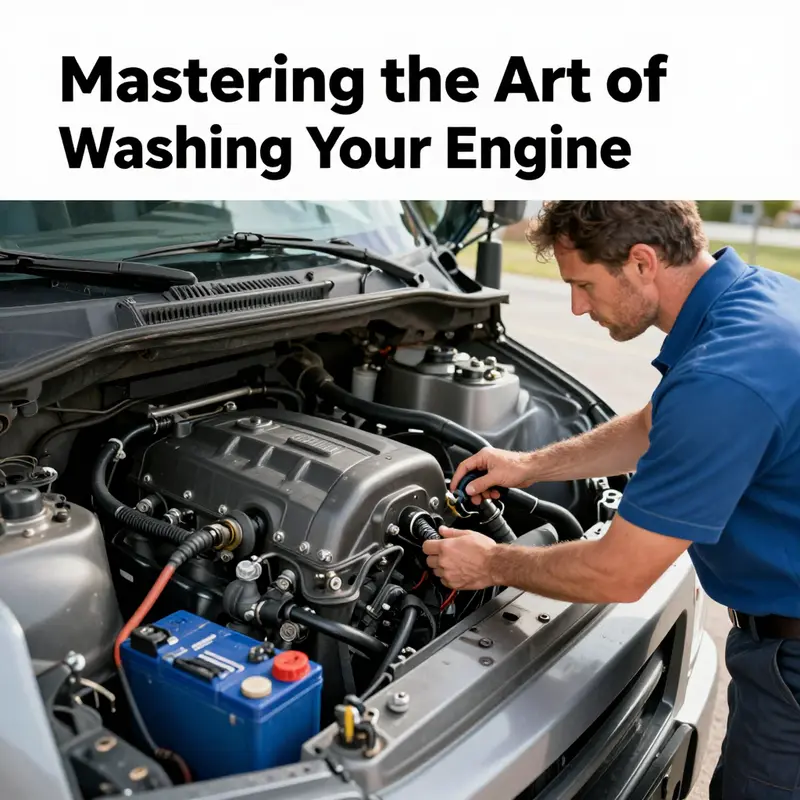
Washing a truck engine is as much a test of planning as it is of hands-on cleaning. The moment you reach for the hose, you want to know you’ve set the stage to protect the very systems that keep the vehicle running. Preparation isn’t glamorous, but it is nonnegotiable. When you take the time to cool the engine, safeguard electricals, and compartmentalize the work area, you’re buying time for grime to lift without inviting moisture into places it can do harm. This is the backbone of a successful wash: a deliberate sequence that minimizes risk and maximizes the likelihood of a thorough, lasting outcome. Imagine the engine bay as a delicate map of metal and circuitry. If you treat it like a furnace with wires, hoses, and sensors, you’ll see why the preparation matters long before the first droplet touches a valve cover. The goal is simple in principle: remove dirt and buildup while keeping seals, connectors, and electronics dry and protected. The reality of the schedule demands discipline. You may be tempted to rush, especially after a long drive or a quick maintenance window, but patience now pays dividends later with fewer chafed hoses, less corrosion, and a cleaner result that won’t strain or misbehave once the engine is back in service. The preparation phase sets the tone for every subsequent step and frames the overall health of the engine bay after the wash. It is a practice that honors the complexity of a modern diesel or gasoline powerhouse while acknowledging the practical constraints of field maintenance on a truck you rely on every day.
Allowing the engine to cool completely is the single most important safeguard. Engines are designed to handle heat, but water on a hot metal surface, or in a system that’s still hot enough to produce steam, can trigger thermal shock. Thermal shock can crack metal parts, warp gaskets, or loosen seals that were engineered to endure heat and pressure. It also raises the risk of burns from steam or from residual coolant that may be under pressure or surface-wetted. A cool-down period isn’t just about comfort; it’s about protecting the integrity of the very components you’re trying to keep clean. The time window for cooling will vary with ambient temperature, airflow, and engine size, but the rule of thumb is simple: wait until the engine is at or near ambient temperature before you begin any cleaning action. This step creates a stable, predictable environment for the work that follows and sets a safeguard against missteps that could lead to expensive repairs.
Disconnecting the battery is another foundational safety move. Water and electricity don’t mix well, and a splash in the right place can lead to shorts, blown fuses, or damaged sensitive modules. Start by disconnecting the negative terminal first, which minimizes the risk of charge buildup or accidental contact when you’re handling hoses, covers, or tools. It isn’t necessary to remove the entire battery, but taking this precaution makes it safer to apply cleaning solutions, wipe down surfaces, and work around exposed wiring harnesses. As a practical matter, you’ll want to keep the battery disconnected until you’ve completed the protective steps and any drying time needed for the engine bay. Reconnect only after you’ve confirmed that the bay is dry and there are no loose connections or exposed metal surfaces that could pose a short when power is restored. These electrical precautions can feel tedious, but they’re the quickest way to prevent a small splash from becoming a costly electrical issue.
Protecting sensitive components is the next crucial investment of time. The engine bay hosts a cluster of electronic life and electronic-like life: the ECU, the alternator, sensors, the fuse box, and the wiring harnesses—each a potential victim of spray, mist, or solvent intrusion. The protective measure is straightforward and highly effective: shield these components with plastic bags or waterproof covers. The idea is not to seal them away forever, but to create a temporary barrier that keeps cleaners, rinse water, and suds from creeping into connectors, ports, and housings. Use duct tape or zip ties to secure the covers so they won’t shift mid-scrub or during a brief wipe. Focus especially on the air intake, the alternator, and the engine control unit. It’s tempting to skip this step if you’re cleaning only the exterior, but a splash near the ECU or a moisture-rich area around the fuse box can lead to unpredictable behavior after the wash. A quick, disciplined cover now eliminates a host of potential headaches later.
Removing external accessories might seem like extra work, yet it pays off with access and peace of mind. The air filter housing, the intake tube assembly, and any shields that will trap cleaning solution or grime underneath can be removed or loosened to expose the underlying surface. This step is not about dismantling the engine; it’s about preventing the cleaner from wicking into cavities where it could linger, degrade seals, or rust metal surfaces. Lifting or removing these pieces also makes it easier to reach the areas that tend to hide dirt—corners that accumulate road grime, oil, and dust during every trip. When you reassemble, check the mating surfaces for any residue that could affect seals or gaskets. A clean, dry contact area helps ensure a tighter seal when you reinstall components and reduces the likelihood of leaks once the engine is put back into service.
Preparation of cleaning supplies deserves its own careful moment. Gather tools that respect the engine’s delicate nature while still delivering the cleaning power needed to remove stubborn grime. You’ll want a non-corrosive engine degreaser or cleaner designed for automotive engines, soft-bristled brushes that can reach into crevices without scratching, and a microfiber cloth or chamois for drying. A low-pressure hose or a bucket with water and a sponge stands in for the spray gun you might be tempted to use; high pressure can force water into bearings and seals, even if the general goal is to remove buildup. Having a spray bottle for precise application of cleaner to targeted spots can help you control overspray and limit exposure of sensitive areas. The supplies you choose should align with the type of grime you’re dealing with, whether light surface dirt or heavier varnish and sludge. Taking stock of your materials ahead of time prevents rushed improvisation and reduces the risk of applying cleaners where they don’t belong. If you’re curious about how professionals approach prep and aim for faster, more reliable results, you can explore proven strategies for cleaning grease and tar off your trucks fast. That resource offers practical insights into planning a cleanup with minimal risk to sensitive surfaces while maximizing the power of your chosen cleaners.
Beyond tools and covers, a meticulous visual check of the engine bay is essential before any liquids touch metal. A quick walk-around helps identify leaks, loose hoses, cracked clamps, or frayed wiring that could exacerbate a wash. Addressing those issues now—not after you’ve scrubbed or rinsed—prevents aggravating a preexisting fault and avoids creating a new one during the cleaning process. If a leak is present, note its location, size, and the kind of fluid involved. This information will guide you in deciding whether to proceed with a basic surface clean or to postpone the work until a more thorough repair can be performed. The goal is not to pretend every system is pristine, but to reach a point where you can proceed with confidence that you are not masking or aggravating a latent problem.
Finally, outline the approach you’ll take, recognizing that there are different paths for different needs. Some drivers simply want a clean exterior and a bay that looks refreshed. Others may plan a more intensive internal cleaning, which carries its own risks and requires additional steps, such as oil changes or coolant services if sludge or varnish is present. It’s prudent to consider your plan in advance and to set a clear boundary between exterior cleaning and any internal work. If internal cleaning is on the table, you’ll want to consult a professional for guidance and consider scheduling the work at a time when you can complete related maintenance tasks. The aim is clarity and caution: a well-defined plan reduces the chance that you’ll improvise something that could compromise engine reliability. In short, preparation is the quiet but powerful force behind a successful wash. It aligns expectations with outcomes and protects what matters most—the engine that powers your truck.
As you proceed through preparation, keep the work environment orderly. A tidy workspace reduces the chance of misplacing a part or dropping a tool into a hard-to-reach area. It also makes it easier to identify leaks, residue, and dry spots after the cleaning process. The disciplined routine you establish during preparation will carry forward into the actual washing steps and into ongoing maintenance practices. A well-prepared engine bay not only looks better, it also reflects the care you invest in keeping the truck dependable under tough conditions. And when you combine thoughtful preparation with prudent cleaning choices, you create a foundation that supports longer intervals between major repairs and a more reliable performance on the road.
For readers seeking a practical summary that ties prep to real-world results, consider the broader maintenance framework used in professional fleets. Regular oil changes, coolant flushes, and air filter replacements, paired with occasional surface cleaning, often deliver the best overall outcomes. If you’re unsure about internal cleaning procedures, the safest course is to consult a qualified mechanic. The road to a clean engine bay is a deliberate journey, and preparation is the first mile marker on that route. External and internal results hinge on the care you take at this stage, which is why building a thorough, repeatable preparation routine is the smartest move anyone can make when they plan a truck engine wash.
External reference: https://www.motortrend.com/cars/trucks/how-to-clean-truck-engine/
Washing with Precision: Thorough, Safe Techniques for Refreshing Your Truck Engine

Washing a truck engine is less about vanity than about preserving function. The engine bay sits at the heart of a vehicle’s reliability, and the goal is to remove grime and protect sensitive parts without inviting water into the wrong places. This chapter stitches together preparation, method, and mindful maintenance into a single, fluid practice. It respects the reality that engines run hot, contain delicate electronics, and rely on seals and hoses that can deteriorate with improper care. The approach here follows a simple arc: prepare with protection, apply targeted cleaning, and finish with a dry, reassembled bay that looks as calm as a stocked toolbox after a long drive. The path is practical, not dramatic; it favors steady, repeatable steps over dramatic scrubbing that risks mischief in the wiring harness or the air intake.
Preparation is the quiet hinge on which a safe wash swings. Let the engine cool completely before touching anything. A hot engine can warp metal or soften seals, and it also means that any moisture you introduce will cause more rapid evaporation and may leave behind mineral deposits as it dries. Disconnect the battery, paying close attention to the negative terminal. This step is not merely a precaution; it’s a shield that prevents electrical shorts while you work. Cover sensitive components—air intake, alternator, electronic control unit, fuse box, and exposed wiring harnesses—with plastic bags or waterproof covers. These enclosures aren’t impenetrable fortresses, but they drastically reduce the chance of water intrusion during cleaning. When you shield these parts, you gain permission to treat the external areas with confidence, knowing you’re not courting trouble in the electrical system.
The external engine bay cleaning begins with a plan for what you want to remove and what you want to protect. For light surface dirt, a soft brush or microfiber cloth paired with a mild degreaser or dedicated engine cleaner is ideal. The cleaner should be applied to the tool, not directly onto the engine, and you should focus on grime buildup around greasy joints, valve covers, and visible bracing. Work in small, circular motions, letting the cleaner mingle with the grime rather than aggressively blasting it away. After scrubbing, wipe away the residue with a damp cloth and follow with a thorough dry. The order matters: avoid drips that travel toward connectors, and never rush the drying step. If you can, finish with a stream of gentle air from a compressor or simply idle the engine a moment while you keep air moving around the bay to accelerate evaporation. The objective is a surface clean enough to inspect, not a soaked, saturated zone waiting to rust.
When heavier buildup is present, a straightforward external cleaning plan needs to be augmented by internal considerations. The exterior is only part of the picture, and many deposits originate inside the oil gallery or cooling circuits. For the internal segments, a chemical flush is often the most practical option when you want to reduce sludge and varnish without disassembly. The general method is simple in concept but requires attention to oil state and timing. Add an engine flush additive to the oil reservoir and run the engine at idle for about 5 to 10 minutes to circulate the cleaner. Switch off the engine, then let the cleaner sit for 15 to 30 minutes. For heavy deposits, some owners choose to leave the additive overnight. After the dwell period, drain the old oil and replace it with fresh oil and a new oil filter. This approach moves sludge out through the oil drain path rather than letting it cling to internal surfaces. It’s important to note that while this process affects sludge and varnish, it does not remove carbon buildup from combustion chambers. Acknowledging this limitation helps set realistic expectations and preserves the engine’s long-term health when followed by a normal oil change and filter replacement.
The cooling system deserves its own careful treatment when rust or scale appears in the water passages. Draining the coolant is your first step, followed by introducing a high-quality radiator flush solution suited to heavy-duty engines. Run the engine at idle for 5 to 10 minutes with the cleaner circulating, then let the system sit for an extended period—typically around 12 hours for significant buildup. After the dwell, drain the flush completely and rinse the system with clean water until the effluent runs clear. Refill with the correct coolant mix—usually a 50/50 blend of antifreeze and distilled water—ensuring the system is sealed and free of air pockets. This cleaning method helps restore heat transfer efficiency and protects metal channels that could corrode or scale more quickly if left neglected.
Fuel systems also respond to targeted cleaning. By adding a fuel system cleaner to the fuel tank and driving normally for a substantial mileage window—about 100 to 200 miles—the cleaner cycles through injectors and combustion chambers, delivering additive compounds to places that detergents cannot reach from outside. For a more thorough approach, some owners opt for a professional injector cleaning service, particularly when signs point to dirty or clogged injectors. While internal and fuel system cleaning is valuable, it’s essential to pair these measures with a holistic maintenance plan. Regular oil changes, coolant flushes, and air filter replacements form a foundation that makes any cleaning routine more effective and less risky.
Throughout all these steps, a series of common mistakes lurk for the unwary. Never pressurize water straight onto the engine bay with a high-pressure wand. The force can force water into electrical connections, bearings, and seals, and it can push moisture into cracks or gaps that would otherwise remain sealed. Water should be kept away from sensors, hoses, and open ports. Avoid harsh household cleaners such as oven cleaners or bleach, which can degrade rubber hoses and plastic components. And never perform an engine wash while the engine is running or when it is hot. The combination of heat and water invites warping and electrical fatigue. The goal is to create a clean, dry workspace where you can inspect, tighten, and protect rather than chase leaks or misfires after a wash.
As you glide from exterior cleaning to internal maintenance, a subtle rhythm emerges. The external work earns you visibility: you can see where grime has gathered, identify seals that may need replacement, and confirm that protective covers did their job. The internal process earns peace of mind: you know the oil and cooling paths are fewer obstacles to heat and flow. The fuel system work improves combustion efficiency, which can, in turn, reduce carbon buildup in the long run. The balance between surface cleanliness and internal care matters because a truck engine doesn’t live in a vacuum; it operates in harsh environments where road grime, road salt, and engine heat all conspire to degrade components over time. Keeping the engine bay clean is not about showroom aesthetics; it is about early detection of leaks, frayed hoses, or loose wiring before they become costly failures.
No wash should be performed in a vacuum, and this is where the practice benefits from a bit of strategy. For most truck owners, a routine that blends light surface cleaning with periodic internal maintenance yields the best overall reliability. A light surface clean keeps grime from corroding metal parts and gumming up moving links in the bay. A periodic internal flush complements this by addressing sludge that a surface wash cannot reach. A coolant system flush, done with clean, manufacturer-recommended fluids, helps preserve heat transfer in a system that is routinely stressed by long hauls and heavy loads. A fuel system cleaning helps maintain steady combustion and reduces the risk of fuel delivery issues that could impair performance or fuel economy.
To weave all of these practices into a coherent maintenance story, consider a regular cadence that matches your truck’s mileage and service history. If you are unsure about internal cleaning, the prudent move is to consult a professional. The chapter’s guidance is designed to empower you to perform safe, effective exterior cleaning and to approach internal care with informed caution. When you pair exterior attention with measured internal maintenance, you give your engine a fighting chance to resist sludge, corrosion, and premature wear. The result is a bay that looks orderly, a cooling system that breathes more freely, and an engine that runs with fewer interruptions on the road ahead.
In the spirit of practical wisdom, a lightweight and sustainable post-cleaning routine can complete the cycle. After any cleaning, remove all protective covers and allow the engine bay to air-dry completely before reconnecting power. A careful reconnection reduces the risk of accidental shorts or misalignment of components. If you wish to extend the benefits of your efforts, consider applying a protective coating or a light engine wax designed to repel dust and moisture. This step is not essential, but it can help keep future cleanups faster and more effective by giving grime less surface to cling to. The overarching aim is not to chase perfection but to establish a dependable, repeatable workflow that preserves the integrity of hoses, sensors, and metal surfaces while maintaining a clean appearance that makes it easier to spot potential issues.
A practical takeaway for most owners comes in the form of a short, regular maintenance mindset. Regular oil changes, coolant flushes when required, and timely air filter replacements, combined with occasional surface cleaning, deliver a robust level of protection. If you find yourself uncertain about any internal cleaning, or if the truck has high mileage or diesel heritage with complex systems, seeking a professional evaluation is wise. This approach—clear, cautious, and methodical—harmonizes the desires of a clean engine bay with the necessities of engine longevity. It also underscores a wider message: an engine that looks clean has real value because it signals a well-maintained core, and a well-maintained core is what keeps your truck rolling down the road with confidence.
For readers who want to dig deeper into the nuances of cleaning and maintenance strategies, a practical resource exists in a broader maintenance context. The phrase that captures the spirit of these methods is a nod to the idea that cleanliness and care go hand in hand with performance. As you explore more, you may encounter a consolidated set of proven strategies for cleaning grease and tar off your trucks fast. This perspective pulls together exterior care and interior health into a single philosophy that respects both the engineering and the maintenance culture around heavy-duty trucks.
External reference: To expand your understanding of engine flush practices and their proper use within a maintenance plan, see a trusted guide that outlines the method and its limits. Proven strategies for cleaning grease and tar off your trucks fast. This resource helps connect the hands-on steps described here with a broader discipline of careful, evidence-based maintenance. For additional external insights on how engine flush procedures fit into a larger maintenance strategy, you can consult industry literature that explains the benefits and boundaries of flush additives and the role they play in the lifecycle of a modern engine.
External resource: How engine flush works. https://www.motortrend.com/cars/how-to-use-an-engine-flush/
From Mistakes to Mastery: A Calm, Methodical Wash for Your Truck Engine

The engine bay of a pickup or heavy-duty truck is more than a collection of metal and hoses; it is the living core of a machine that works hard before it ever leaves the driveway. A clean engine is not just about appearances; it can improve heat management, reveal leaks, and make diagnostic work easier. Yet washing an engine is a delicate task. Hasty scrubbing, careless use of water, or blasting every corner with a spray can flood electrical connectors and seals. The goal is not to splash away grime in a hurry but to restore a level of clarity and protection that supports reliable service. When you approach the job with patience, a clear plan, and the right precautions, a routine engine wash becomes a straightforward maintenance ritual rather than a risky experiment. This chapter guides you along a steady path, blending the practical steps with the mindset that turns a potentially stressful job into a confident routine. You will learn how to prepare properly, choose the right level of cleaning, avoid common mistakes, and finish with a finish that helps repel dust and moisture, all while keeping the engine’s sensitive components safe. For readers who want strategies that address exterior grease and tar without compromising internal parts, there is a practical link later in this discussion to a resource focused on proven techniques that respect the delicate balance of a working truck.
Preparation, in this context, is not a showy prelude but the foundation that makes every subsequent action effective. Start by letting the engine cool completely. A hot engine can suffer thermal shock if hit with water or cleaners, risking warped components or gasket damage. If the truck has been on the road, give it time to rest in the shade or a well-ventilated area so the metal and oil have a chance to settle. Before you even lift a spray wand, disconnect the negative battery cable. This simple step minimizes the risk of electrical shorts or arcing that can occur when water sees live circuitry. You will reduce the chance of surprises later in the process by taking this precaution up front. Next, protect the parts that carry the lifeblood of the engine: the air intake, alternator, ECU, fuse box, and wiring harnesses. Plastic bags or purpose-made waterproof covers can shield these components from spray and splashes. It might feel like overkill to cover every possible entry point, but the goal is to create a breathable, water-resistant shield that allows the metalwork to dry thoroughly without wicking in moisture through sensitive connectors.
With the engine cooled and the sensitive components insulated, you can decide how aggressive the wash should be. For light surface dirt on the external engine bay—grimy grime around the valve covers, plastic covers, and hoses—a soft brush or microfiber cloth paired with a mild degreaser or a dedicated engine cleaner is usually enough. The critical rule here is to apply cleaner to the brush or cloth, not directly onto the engine. A little cleaner goes a long way when it’s allowed to work on grime and then be rinsed away with a damp cloth. Work methodically in small sections, paying attention to ridges, crevices, and the back sides of brackets where dust and oil commonly collect. After scrubbing, wipe away residue and allow the area to dry. A clean, dry surface during the final wipe-down reduces the chance of moisture migrating into places you don’t want it.
For heavier buildup, a more purposeful approach is necessary. Internal cleaning methods aim to remove sludge and varnish that accumulate from long service intervals or heavy use. One approach, sometimes recommended by engineers and experienced technicians, involves a chemical flush that targets internal deposits without requiring complete disassembly. The process begins with adding an engine-cleaning additive to the oil reservoir. After the additive is added, you run the engine at idle for about 5 to 10 minutes to circulate the cleaner through the engine’s oil passages. This circulation is what helps break down varnish and sludge. When the prescribed time has passed, you turn off the engine and let it sit for a period—typically 15 to 30 minutes, though heavier deposits might justify overnight soaking. The next step is crucial and should not be rushed: drain the old oil and replace it with fresh oil and a new oil filter. This sequence ensures that the loosened contaminants don’t continue circulating or resettle around bearings after you think the job is done. It is a careful, measured method designed to clean without introducing new problems, and many owners find it a practical compromise between a full teardown and a routine change of oil.
Another area that sometimes benefits from a more deliberate flush is the cooling system. Rust and mineral scale can accumulate in radiators and heater cores, reducing heat transfer and potentially leading to overheating under strenuous conditions. The cooling-system cleaning method begins with draining the coolant and introducing a high-quality radiator flush solution into the cooling circuit. Running the engine at idle for 5 to 10 minutes helps the flush solution circulate, loosening mineral deposits and minor rust. The system then rests for a longer period—often 12 hours—to allow the solution to work on stubborn deposits. After the soak, you drain the flush completely and rinse the system with clean water until the water runs clear. Refill with the correct coolant mixture, typically a 50/50 balance with distilled water, and ensure the system is bled if the design requires it.
Fuel-system cleanliness is another dimension of a thorough maintenance approach. Deposits in the fuel injectors and intake can impact performance and efficiency. A practical method is to add a fuel-system cleaner to the fuel tank and drive normally for 100 to 200 miles so the cleaner can circulate through the injectors and the combustion chamber. As an alternative, some vehicle owners opt for a professional fuel-injector cleaning service, which can be more thorough and precise but often comes with a higher price tag and scheduling requirements. Whatever path you choose, the underlying principle is the same: allow the cleaner to reach the parts that are most susceptible to buildup while avoiding aggressive, improvised methods that might dislodge debris into the intake tract or combustion chamber in ways the engine isn’t prepared to handle.
The concept of avoiding mistakes is as important as the techniques themselves. A cardinal rule is never to use high-pressure water directly on the engine. If you blast water into electrical connections, bearings, and seals, you risk forcing water where it shouldn’t be, and the consequences can range from short circuits to degraded seals. Likewise, you should not spray water near sensors, hoses that carry critical fluids, or open ports that could allow contaminants to enter. Harsh chemicals—such as oven cleaners or bleach—are inappropriate for rubber hoses or plastic components and can degrade seals and gaskets. In practice, this means choosing gentle, purpose-built cleaners and using water sparingly in sensitive areas. The aim is to release grime without jostling the engine’s inner architecture or introducing corrosion-friendly moisture into places that prefer to stay dry.
After cleaning, it is essential to remove all protective covers and allow the engine bay to air-dry completely before reconnecting the battery. This step is not merely about aesthetics; moisture left on electrical connectors or within harness channels can create corrosion or intermittent electrical faults once power is restored. Once dry, reconnect the battery, but do so carefully, ensuring the connections are clean and snug. If you want to take the final step toward long-term protection, consider applying a protective coating or a light, wax-like engine finish that helps repel dust and moisture. A thoughtful layer can make future maintenance easier, as dirt has fewer footholds to cling to, and the bay dries more quickly when subjected to rain or wash water.
A practical reminder that resonates with most truck owners is that regular maintenance—oil changes, coolant flushes, air-filter replacements—combined with occasional surface cleaning is sufficient for most day-to-day needs. Internal cleaning procedures, while possible, can be complex and carry risk if done without proper knowledge. If you’re unsure about any internal cleaning procedures, it is wise to consult a professional mechanic who can assess the engine’s condition and perform the procedure with the right equipment and safety precautions.
For readers who want a consolidated set of exterior and under-hood cleaning strategies that emphasize effectiveness while protecting components, there is a resource that outlines proven strategies for cleaning grease and tar off your trucks fast. This linked guide emphasizes a patient, methodical approach rather than hurried scrubbing, and it aligns well with the concept of treating the engine bay as a system rather than a surface. Proven strategies for cleaning grease and tar off your trucks fast.
When the job is complete, step back and inspect the work with a critical eye. The chrome-like gleam in tight corners may still show a bit of residue, so you can perform a light final wipe with a clean microfiber to capture stray droplets and ensure there are no damp patches that could promote corrosion or attract more dirt. A well-executed wash should leave the engine bay looking refreshed, but more importantly, it should leave you with a sense of confidence that you have protected sensitive components and preserved the engine’s ability to stay cool, lubricated, and ready for the next miles.
External reference: For a broader safety-focused overview of safe cleaning practices for under-hood work and engine bay maintenance, you can review industry guidance on how to clean a truck engine safely. https://www.motortrend.com/cars/trucks/how-to-clean-truck-engine/
The Final Rinse and Fine-Tune: Finishing Touches in Washing Your Truck Engine

With the heavy lifting done, the final phase of washing your truck engine centers on precise rinsing, thorough drying, and a careful post-cleaning inspection that guards against moisture, dirt, and unseen wear. The final steps are not about chasing a showroom shine alone; they are about ensuring every corner of the engine bay is free of soap and moisture while preserving the integrity of hoses and electrical connections. A meticulous rinse followed by deliberate drying reduces the risk of electrical shorts and corrosive residues that can hasten wear. This stage also gives you a chance to notice issues that grime often hides. The mindset shifts from brute scrubbing to precision work, from broad strokes to mindful detail. When you approach this phase with care, you protect the parts you rely on for reliability, performance, and longevity, and you set the stage for fewer surprises in the weeks to come.
Rinsing should begin with a garden hose delivering a steady, moderate spray rather than a high-pressure jet. Start at the top of the engine bay and work downward, letting gravity carry away loosened dirt rather than driving it into crevices. Keep the spray angled away from electrical connectors, the alternator, the air intake, the ECU, and sensor housings. If you encounter stubborn soap or crusted grime around valve covers or timing components, pause and re-wet the area with a smaller, controlled stream before reapplying cleaner or continuing. Rushing this step invites water intrusion. Remove any remaining covers or protective wrap only after you have washed and rinsed thoroughly. Pay attention to small channels along the firewall and valve covers where soapy film can accumulate, and gently flush these pockets with the hose at a distance and a level angle that avoids direct impact on gaskets. The goal is to rinse away the dirt without creating new paths for moisture to enter delicate corners.
Drying is the part many owners overlook, but it is where moisture hides that can cause corrosion or electrical issues down the line. Allow the bay to air-dry in a sheltered, shaded area if possible, with the hood open to facilitate air movement. A microfiber cloth can be used to blot and wick moisture from surfaces that tend to retain dampness; do not drag the fabric across cables or connectors, and never pry at rubber seals. If you have clean, dry compressed air, use short, gentle bursts to dislodge droplets from hard-to-reach pockets. The battery should remain disconnected until every corner of the bay feels dry to the touch and, ideally, dry to your fingers. Before reattaching protective covers, ensure there is no residual moisture around sensor housings, around where the wiring harnesses terminate, or in the valley where the serpentine belt runs. A careful, patient approach here prevents an electrical arc, a hard-starting issue, or a short after you close the hood.
Once the bay is dry, perform a deliberate post-cleaning inspection. Look for signs of moisture intrusion behind protective covers and around grommets that seal harnesses. Check rubber hoses for signs of cracking or swelling after exposure to cleaners, and verify that hose clamps are snug but not overtightened. Run a visual sweep along the wiring harnesses for loose connectors or stray debris that might have wedged between pins. Inspect the air intake tract to confirm no soapy film has migrated into the throttle body or intake plumbing, which could affect performance. If you used a degreaser, wipe down surfaces near the valve covers to remove any residual film that could attract dust. Confirm that the battery is securely reconnected without any exposed terminals, and replace any covers that were removed during cleaning. A calm, methodical scan at this point can reveal oil seepage from gaskets, coolant drips from the radiator, or a loose hose clamp that would otherwise produce a mystery leak later.
With everything looking clean and dry, reassemble the protective covers and reconnect the battery’s negative terminal first to minimize sparks. If you notice any corrosion or residue on terminals, clean with a non-metallic brush and ensure the post surfaces are dry before re tightening the connector. Recheck the air filter housing and seal to prevent unfiltered air from entering the intake. At this stage it is wise to start the engine briefly and listen for unusual sounds or misfires while staying clear of moving parts. Do not run the engine for long on a dry rack; let it idle in a controlled, open area to prevent overheating while you monitor for leaks and electrical anomalies. Monitor the gauge cluster for any warning lights that may illuminate briefly as sensors recalibrate after a clean. If all systems appear nominal, you have completed the core process and prepared the engine bay for the next cycle of use and cleaning.
Environmental responsibility matters, even in a routine engine wash. Collect runoff from the washing area and avoid letting soap wash into soil or storm drains. Use cleaners that are mild and biodegradable when possible, and rinse thoroughly to prevent chemical residues from lingering on hoses or electrical components. If you used a fuel or oil additive as part of internal cleaning, follow the manufacturer’s directions and schedule an oil change promptly to prevent varnish buildup and to flush the cleaner through the engine. When in doubt, air on the side of shorter exposure times rather than longer. Finally, store or dispose of rags, towels, and used covers in accordance with local regulations to prevent moisture from seeping into materials that may shed fibers into the engine bay.
Finalizing your process is also a chance to rethink maintenance scheduling as a whole. A well-timed surface cleaning complements routine oil changes, coolant flushes, and air filter replacements by keeping systems visible and accessible. As grime accumulates slowly, it can mask slow leaks or deteriorating hoses, turning a minor issue into a costly repair if left unchecked. The practice of rinsing and drying with care helps you spot these concerns early, but it requires honesty about what you see. If you notice oil specks on a shield, coolant crust near the radiator, or a damp spot on a hose, address it promptly rather than letting assumptions fill the gap. Keep a simple checklist near your workspace to remind yourself of the sequence: cool engine, battery disconnect, protect, cleanse, rinse, dry, inspect, and reassemble. This rhythm is a quiet form of preventive maintenance that saves time, money, and headaches when the next problem reveals itself.
Beyond the routine final rinse, when grime stubbornly clings to seams or tar marks cling to the underbody, you can consult Proven strategies for cleaning grease and tar off your trucks fast. This resource complements the careful, methodical approach described here and helps you break through the toughest grime without compromising sensitive components.
While this chapter centers on finalization, the broader article will explore how to maintain engine cleanliness as part of fleet resilience, including how to implement routine checks in a maintenance calendar and how to integrate wash bays into a professional operation. The habits you form today set the stage for fewer surprises tomorrow, and the engine remains the heart of your truck only when you treat it with a clear plan and disciplined attention. For broader context on engine bay maintenance and professional best practices, see the external resource on mobile truck wash specifications and applications: Mobile Truck Wash: Specifications, Types, and Applications.
Final thoughts
Properly washing your truck engine is essential for fleet managers and owners to maintain the efficiency and longevity of their vehicles. By following the outlined preparation steps, utilizing recommended cleaning methods, avoiding common mistakes, and effectively finalizing the process, you contribute to a more reliable and efficient fleet. Regular maintenance, paired with attentive cleaning practices, can significantly enhance the operational lifespan of your trucks.