

Keeping the undercarriage of trucks clean is vital for maintaining fleet integrity and ensuring vehicle longevity. In this comprehensive guide, we will explore the preparation steps necessary to set the stage for an effective cleaning process, a detailed step-by-step approach to washing the undercarriage, safety measures to protect both personnel and the vehicle, and maintenance tips that will help keep your fleet in top condition after washing. Each chapter builds on the previous one, offering thorough guidance to fleet managers, trucking company operators, and supervisors in the construction and mining sectors.
Laying the Groundwork: Comprehensive Preparation for Washing a Truck’s Undercarriage

Preparation is the quiet backbone of any thorough undercarriage cleaning. It is the phase that decides whether the job becomes a simple wash or a risky endeavor that invites rust, electrical issues, or damage to seals. When you approach the undercarriage with a plan that starts long before the first spray, you create a safer workflow, protect vulnerable components, and yield cleaner results with less repeated effort. The essence of preparation is not just about having the right tools; it is about zoning in on the environment, safeguarding critical parts, and sequencing your actions so every move under the vehicle is deliberate and efficient. Imagine the work ahead as a choreography rather than a series of isolated tasks, where each step prepares the ground for the next and where the success of the entire process hinges on meticulous early choices.
Choosing the right location is the first quiet statement of intent. A flat, well-drained area minimizes the risk of rolling or shifting during lifts and keeps wastewater from pooling around the rig. A professional wash bay is ideal for its controlled water flow and drainage, but a large, clean garage or open space with clear runoff can work if you set up temporary containment and a plan for directing dirty water away from sensitive surfaces. The underlying goal is to prevent water stagnation under the frame, which can accelerate corrosion or create slippery spots that endanger you or your equipment. The area should offer good access to the entire undercarriage, with enough room to maneuver a lifted truck safely and to move around without tripping hazards. In practical terms, this means a floor that’s relatively smooth, dry, and free of oil slicks, with a nearby drain or provisions for capturing runoff so the process remains compliant with local environmental guidelines.
Any preparation that protects the vehicle’s most fragile systems should happen before tools are pulled into place. A crucial practice is to shield electrical systems, sensors, brake lines, and other exposed components from direct exposure to high-pressure water and harsh cleaners. Light-duty plastic covers or waterproof bags work well, but the aim is to create a barrier that can withstand routine contact with spray while still allowing air to circulate when needed. This is not merely a precaution; it is a safeguard against short circuits, connector loosening, and seal degradation. It’s worth noting that some components are more sensitive than others, and you should tailor protection accordingly. For example, sensors near the frame and wiring harnesses running along the undercarriage deserve extra care, as splash and recoil can push moisture into places that take time to dry and may encourage rust or corrosion if neglected. A pragmatic approach is to cover these parts and affix the coverings with masking tape that can be removed without leaving adhesive residue or damaging paint when you finish.
With the area secured, you can assemble the toolkit that will carry you through the cleaning with control rather than brute force. A high-pressure water gun with adjustable settings lets you tailor the blast to different substrates—soft metals and fresh paint require gentler pressure, while stubborn grime on steel surfaces benefits from more robust streams. A truck-specific undercarriage cleaner or a heavy-duty degreaser is essential for breaking down oil and road grime, preserving the integrity of coatings and seals while staying within safe limits for metal surfaces. Scrubbing tools should be chosen with the task in mind: a stiff-bristled brush or scrubbing pad can dislodge caked mud, while a softer brush handles delicate areas around exhaust hangers, brake lines, and sensor housings. A plastic or rubber scraper is invaluable for stubborn mud, tar, or dried gunk that won’t yield to brushing alone. Safety gear—gloves, safety glasses, and non-slip footwear—keeps you comfortable and protected as you work. Optional but highly useful is an air dryer or compressed air gun for the final stage of drying, which reduces rust risk and speeds up the curing of any protective coatings you plan to apply.
A well-prepared job also aligns with best practices for vehicle lifting. Never work on a vehicle only supported by a jack. Use a hydraulic lift or jack stands to raise the truck securely and provide stable access to every underside area. The stability of the lift is a cornerstone of safety, and it enables you to move around the undercarriage with confidence rather than guessing your reach from the ground. A stable setup reduces sudden shifts that could injure you or cause tool slippage, especially when you are reaching into tight crevices or under a heavy suspension component. When the vehicle is properly supported, you gain the freedom to inspect, clean, and address problem spots without compromising your balance or control of the spray wand.
Before the high-energy interactions begin, a preliminary rinse serves as a gentle wake-up call for the undercarriage. A low to medium pressure rinse helps dislodge loose dirt, dust, and gravel that would otherwise jam your nozzle or foul your cleaner. Rinsing lightly from the front toward the back allows gravity to pull debris away from critical joints and helps you map which areas will need extra attention. Standing back enough to keep the water jet at a comfortable distance, roughly 15 to 30 centimeters (about 6 to 12 inches) from surfaces and at about a 45-degree angle, is a practical thumb rule. This approach minimizes the risk of blasting dirt into seals while delivering enough force to begin lifting surface soil. As you work, you’ll begin to notice which sections accumulate more grime—wheel wells, suspension arms, brake lines, the exhaust system, frame rails, and the undersides of fenders and mudflaps tend to trap dirt. Seeing these targets clearly, you can plan your next moves with a steadier hand and a more precise plan of attack.
Once the initial rinse has softened the ground-in dirt, applying a dedicated undercarriage cleaner becomes the core of the preparation. The cleaner is designed to break down grease, oil, and embedded mud without harming metal surfaces or protective coatings when used as directed. Spraying the solution generously on heavily soiled areas—particularly around the engine bay aprons, transmission tunnel, exhaust manifolds, and visible oil stains—ensures that the solvent does the heavy lifting ahead of any scrubbing. The dwell time is not a time-out but an opportunity for the cleaner to emulsify stubborn grime so that subsequent brushing does not rely on brute force. A typical dwell window is about five to ten minutes, though you should always adhere to the manufacturer’s instructions on the product you’re using. If the cleaner suggests a longer soaking period for exceptionally dirty trucks, you can extend the dwell accordingly, but avoid letting the chemical dry on vertical surfaces, which can leave residues that are hard to rinse away later.
A practical mindset here is to balance patience with progress. While the cleaner sits, you can inspect hoses, clamps, and vents for any signs of wear or damage that could complicate the wash or create leaks after you reassemble. This moment of assessment often reveals mounting points and rubber grommets that may benefit from light lubrication or simple tightening before the next steps. The goal is to leave the undercarriage in a condition where the next action—scrubbing—will be efficient rather than a struggle against caked layers of grime. The cleaner’s breaking down of oil and grease makes the subsequent brush work far more effective, turning what could be hours of scrubbing into a manageable, methodical routine.
In this phase, a pro tip worth considering is to always follow the manufacturer’s guidance for the specific products you are using. The chemistry of cleaners varies, and misapplying a product can cause metal staining, paint damage, or long-term weakening of protective coatings. Reading a label and adhering to recommended dwell times, dilution ratios, and contact cautions prevents avoidable mistakes. If you are new to undercarriage cleaning, consider testing a small, inconspicuous area first to observe how the surface reacts. This conservative approach pays dividends in the long run by preserving the finish and reducing the risk of rust or pitting from ill-suited cleaners.
As you progress, the undercarriage begins to reveal its true character—the parts that resist grime, the crevices that accumulate salt and mud, and the joints that deserve the most careful attention. At this stage, your plan should be shifting from broad spraying to targeted intervention. You may choose to move the truck slightly to access hard-to-reach zones, ensuring you do not disturb protected areas or lose the protective covers you applied earlier. The combination of dwell time and targeted brushing creates an effective one-two punch: the cleaner has softened the grime, and the brush is lifting it away with minimal abrasion to metal surfaces. You will scrub areas where buildup is stubborn, such as around suspension arms, near the exhaust, and along frame rails where caked mud tends to embed itself. When you encounter extremely stubborn grease or tar, a plastic scraper may be employed with care to lift it off without scratching the metal. This is a moment to respect the surface integrity of the vehicle; a light touch here preserves the longevity of the undercarriage coatings while still delivering a thorough clean.
Rust is a common concern on older or frequently salted vehicles, and preparation should address this possibility head-on. If you spot rust spots, a careful polish with fine-grit sandpaper can smooth the rough edges and reveal a clean metal surface ready for protection. The goal is not to grind away metal but to remove flaked or pitted areas that can propagate corrosion if left untreated. After any sanding, be sure to re-rinse those areas to remove any fine particles before applying protective coatings. The combination of cleaning, light sanding, and proper rinsing helps prevent future rust progression and extends the lifespan of the undercarriage components.
The final phase of preparation is to dry thoroughly and protect. A thorough dry-out eliminates residual moisture that can accelerate rust formation or promote microbial growth in damp crevices. Use clean microfiber towels to pat dry accessible surfaces and consider finishing with an air blower or compressed air to reach into corners where a towel cannot reach. The drying step is not merely cosmetic; it stabilizes the environment so that any protective coating can cure evenly and effectively. With the undercarriage dry, you can apply a high-quality undercoating or anti-rust spray to create a protective barrier against water, salt, and road grime. The key here is even coverage and allowing the coating to cure according to manufacturer instructions before driving the vehicle again. This protective layer not only improves future cleaning efficiency but also helps slow the onset of corrosion in vulnerable regions.
The preparation steps described above are the foundation of a successful undercarriage wash. When executed with care, they reduce the likelihood of damage, improve cleaning results, and shorten overall workflow in subsequent passes. A well-prepared job respects the complexity of the undercarriage and acknowledges that every surface—from the rigid frame rails to the delicate wiring harnesses—requires a tailored approach. It also aligns with best practices that emphasize safety, environmental responsibility, and long-term vehicle health. If you want to see how these principles translate into practical, scalable operations for a fleet or a shop, you can explore further guidance on facility management for truck wash businesses, which discusses how to structure space, routines, and protections in a way that makes undercarriage work safer and more efficient. facility management for truck wash businesses.
In addition to personal safety and vehicle protection, preparation should be viewed as a collaborative discipline that connects to the broader maintenance ecosystem. When a shop or a fleet adopts a standardized preparation routine, it becomes easier to train new staff, reduce the risk of overlooking critical steps, and ensure consistent outcomes across vehicles. The sequence matters because each phase builds on the last: the right location makes lifting safer, protection reduces risk to components, the right tools make tasks manageable, and a methodical rinse-and-soak sequence minimizes the need for repeated aggression against stubborn grime. The preparation phase, done with patience and precision, reveals the undercarriage not as a distant, inaccessible area but as a working part of the vehicle that deserves the same care you give the engine bay and the cab. And as you move toward the actual cleaning, you have a clear, proven path that minimizes surprises and maximizes results.
For readers seeking more formal, field-tested approaches, professional guidelines in related automotive maintenance resources reinforce these principles. The emphasis remains on safety, proper protection of sensitive electronics, and adherence to product instructions to avoid chemical or mechanical damage. When you approach the undercarriage with this mindset, you transform a potentially messy task into a repeatable, responsible process that protects your investment and ensures your truck remains ready for the next haul. As you transition to the actual washing steps in the chapters that follow, the groundwork you’ve laid becomes not just a checklist, but a reflex—the instinct to protect, prepare, and perform with intention. For deeper, industry-grade perspectives, consult external professional guidelines, such as those offered by respected maintenance authorities in the field.
External reference for further professional guidance: TruckTech’s undercarriage cleaning guide. It complements the practical steps here with broader considerations about maintenance cadence, environmental impact, and compliance with industry standards. https://www.trucktech.com/undercarriage-cleaning-guide
The Underbody Cleanse: A Masterful, Stepwise Approach to Washing a Truck’s Undercarriage
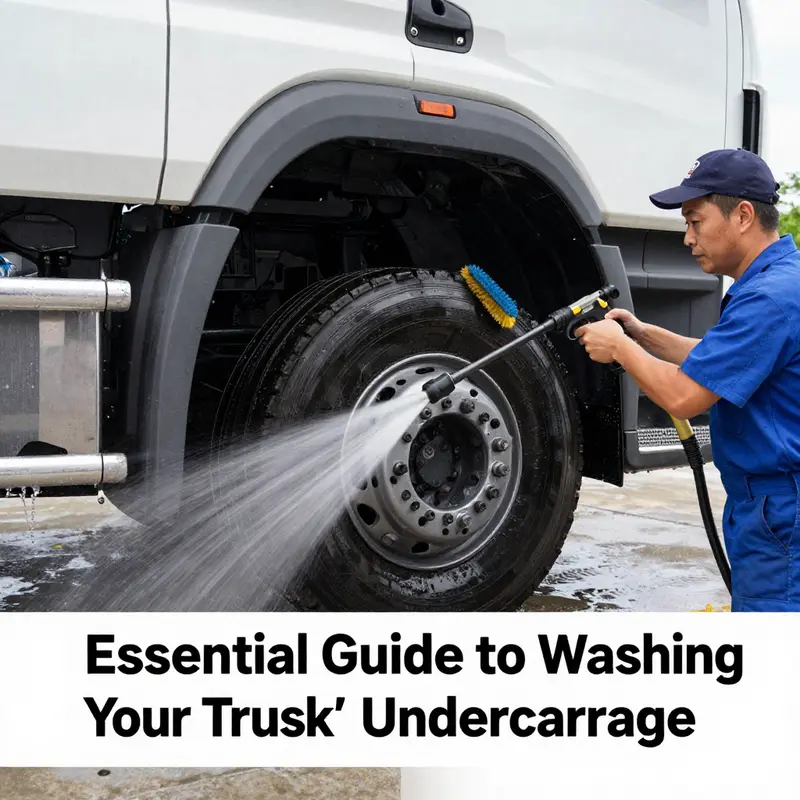
A truck’s undercarriage endures a life of exposure to grit, grime, road chemicals, and the occasional splash from off-road work. Cleaning this critical area isn’t just about appearance; it’s a preventative measure that protects structural components, reduces corrosion, and supports safe operation. When the underbody is clean, inspectors can spot leaks, damaged shields, or worn fittings more quickly. For fleets in construction, mining, agriculture, or waste management, a regular, thorough undercarriage wash translates into longer service life, fewer unscheduled repairs, and a lower risk of environmental compliance issues. The goal is not a quick rinse but a deliberate process that dislodges stubborn deposits without compromising sensitive parts or the vehicle’s electrical system. Done well, it leaves the truck ready for its next duty cycle and helps maintain fleet reliability across long hauls and heavy workloads.
To begin, one practical truth guides every successful undercarriage cleaning: where you wash matters as much as how you wash. A flat, open, well-drained space is ideal. If you’re at a dedicated wash bay, you’ll typically have stabilized ground, proper drainage, and equipment designed to handle runoff. If you’re in the shop or in a dedicated outdoor area, setting up absorbent mats or drip pans helps capture wastewater and protects the environment. This consideration isn’t merely a courtesy; it aligns with environmental stewardship and local regulations that govern wash-water containment and disposal. Rail-mounted or automatic wash systems, widely used in municipal fleets and high-volume operations, provide consistent coverage along the truck’s length. They demonstrate how design and automation can deliver repeatable results while reducing operator fatigue. The point is not to mimic a full-service automated system in a single pass but to adopt the discipline of coverage, drainage, and containment that those systems embody. Rail-mounted concepts, when scaled for regular fleet use, illustrate why many fleets choose coverage strategies that move with the vehicle rather than forcing the operator to chase grime with a wand.
With the space set, the right toolbox becomes the next strategic investment. Gather a high-pressure water gun or pressure washer, a specialized undercarriage cleaner capable of lifting grease and oil, a soft-bristled brush for delicate surfaces and a stiffer brush for stubborn grime, a plastic scraper for tar or heavy gunk, and fine-grit sandpaper for light rust spots. Stock microfiber towels for finishing work and consider masking tape and plastic bags to protect delicate electronics—sensors, wiring harnesses, battery terminals, and exposed connectors—from direct exposure. Protecting these components isn’t merely prudent; it prevents expensive damage and deters short circuits in damp or contaminated conditions. The goal is to strike a balance between aggressive cleaning and careful preservation. Even seemingly small precautions, like shielding a sensor, pay dividends when you consider the lifetime value of the vehicle’s systems.
As you approach the wash, begin with a calm, deliberate frame of mind. The undercarriage is not a place to hurry. Quick, aggressive blasts can force dirt into tight seals, push debris into unfamiliar crevices, or heat metal surfaces beyond what the metal can safely tolerate. The first move is to prepare the vehicle and the work area, followed by a staged cleaning sequence that minimizes risk and maximizes effectiveness. Step one is to prepare the vehicle and work area. Park the truck on a level, stable surface, and ensure the engine is off and the vehicle is cool. If you have access to a dedicated wash bay, position the truck so that gravity assists the wash from front to back, keeping runoff directed toward drains. If you’re outdoors, place absorbent mats beneath the undercarriage to catch runoff and minimize soil contamination. The undercarriage, with its frame rails, axles, suspension components, exhaust systems, and protective shielding, is complex yet accessible when you approach it methodically. The steps that follow are not merely a ritual but a sequence designed to protect critical components while delivering a thorough cleaning.
Your next stage is a careful pre-rinse with low pressure. This is an important safety cushion: it loosens loose debris without forcing grime into seals or bedding. Use a garden hose or a low-pressure water source to begin the process, focusing on wheel wells, frame rails, axles, and suspension components. The aim is to dislodge dirt, dust, gravel, and loose mud so that subsequent steps can work more efficiently. High-pressure jets at this stage can push grime into crevices or behind components, complicating the later cleaning and potentially compromising seals. For stubborn or dried-on grime, a pre-soak can help. In automated systems that lack pre-soak cycles, a short dwell time with a lower pressure can make the subsequent high-pressure wash far more effective. This approach mirrors industry practice where pre-soaking is widely recommended to reduce effort and increase cleanliness, especially on vehicles working in challenging environments. If you’re mindful of sensitive areas, pre-rinsing around brake lines, exposed wiring, and sensor housings should be limited and carefully directed to avoid damage.
After the initial loosen and soak, it’s time for a sequence that many fleets find reduces overall wash time while increasing reliability. Step three—applying a cleaning solution—offers a useful balance between manual effort and chemical efficacy. A biodegradable, pH-neutral detergent designed for heavy-duty truck cleaning can be applied with a spray wand or foam cannon. Even coverage across the undercarriage helps ensure that grease, oil, and organic matter begin to loosen evenly. Allow the solution to dwell for 3–5 minutes, long enough to penetrate grime but short enough to prevent drying and reattachment. In modern facilities, many automated systems integrate chemical dosing units that dispense cleaner during the wash cycle, enabling consistent dosing and reducing operator effort. This is especially helpful in busy fleets where uniform cleaning across dozens or hundreds of vehicles matters.
With the cleaner ready to do its work, follow up with the high-pressure wash. This step is the heart of the process. Switch to a high-pressure washer—typically in the 2,000–4,000 PSI range—equipped with a narrow-angle nozzle. Start at the top of the undercarriage and work downward. This top-to-bottom discipline prevents gravity from dragging loosened grime into already cleaned regions and helps keep the surface margins clearer as you progress. Pay particular attention to wheel hubs and brake assemblies, frame rails and cross-members, suspension linkages and steering components, and exhaust manifolds with heat shields. These are the areas most prone to heavy buildup and corrosion. Where access is challenging, rotating brushes or scrubbing tools can assist in removing stubborn deposits. For extremely tenacious grease or tar, a plastic scraper can help—but use it gently to avoid scratching metal surfaces. If rust spots appear, light sanding with fine-grit sandpaper can remove surface rust and reveal clean metal beneath, after which you can apply protective coatings or touch-up where necessary.
After the high-pressure phase, a thorough rinse becomes essential. Step five emphasizes rinsing with clean water until no soap residue remains and every crevice has been flushed. The goal is to leave the undercarriage free of cleaning agents and debris that could trap moisture or promote corrosion. Don’t neglect joints, brackets, and small crevices where water can pool. In some environments, a quick pass with compressed air to blow out moisture from tight spaces is a prudent addition. The air blow helps speed up drying and reduces the chance that water will sit in unreachable pockets, which over time can contribute to rust or corrosion and complicate subsequent inspections.
Drying and final inspection bring the process to a close. Step six involves allowing the undercarriage to dry thoroughly—either through natural airflow or with dedicated drying fans or blowers. As the metal cools, perform a visual inspection for signs of damage, leaks, corrosion, or worn components. This is the moment to note any issues and plan maintenance accordingly. Documenting findings supports maintenance scheduling and provides a baseline for future comparisons. This practice is particularly valuable for long-haul and fleet operators who rely on consistent, repeatable maintenance routines to avoid unexpected downtime. Regular cleaning, paired with careful inspection, helps to preserve the structural integrity of chassis components and the safety of the vehicle in demanding work environments.
A robust washing routine is not simply a matter of frequency; it is the integration of environmental responsibility, equipment protection, and process consistency. Best practices suggest washing undercarriages at least every 1–2 weeks for heavy-duty vehicles. This cadence supports corrosion control and reduces the risk of dirt and salt accelerating wear on vulnerable components. Detergents should be chosen with environmental considerations in mind, favoring biodegradable formulations and mindful wastewater management. The wastewater should be collected and treated or disposed of according to local regulations to minimize environmental impact. When possible, fleets should look at automated or semi-automated systems that provide consistent coverage and reduce duty-cycle variability, especially in high-volume contexts where human fatigue can undermine thorough cleaning. Even in smaller shops, these principles translate into better-informed workflows: plan the space, apply a steady sequence, and verify results with a post-cleaning inspection.
The practical value of this approach extends beyond the immediate underside of the truck. By maintaining a clean undercarriage, operators protect critical components, including steering linkages, suspension mounts, exhaust shields, and brake lines, from accelerated wear and corrosion. A clean surface also makes it easier to detect leaks and early signs of trouble, enabling proactive maintenance rather than reactive fixes. When the undercarriage looks clean, it is easier to see chipped paint, loose fasteners, or deteriorating protective coatings, all of which deserve timely attention. This attentiveness translates into safer operations and smoother transitions between job sites. In fleets that operate in challenging environments—such as construction sites, mining roads, or rural agriculture—this disciplined approach to cleaning becomes part of the broader maintenance culture, reinforcing reliable performance and regulatory compliance. The interplay between practical cleaning steps and environmental stewardship becomes a defining feature of responsible fleet management.
In passing, it is helpful to consider how industry practice supports these ideas. For instance, rail-mounted wash platforms, which were highlighted in recent industry notes, enable consistent, full-length coverage as the vehicle moves along the wash path. This model illustrates how a well-organized wash operation can deliver reliability and efficiency at scale. The broader takeaway is clear: invest in a process that emphasizes coverage, protection of sensitive components, and responsible wastewater handling. The path to a clean undercarriage is not a single clever trick but a disciplined routine that aligns with fleet goals for durability, safety, and compliance. For many operators, adopting this framework means less downtime, a lower risk of corrosion-related failures, and a clearer basis for maintenance planning.
As you refine your routine, you can turn to proven strategies for cleaning grease and tar off your trucks fast. This approach, which emphasizes targeted agitation, dwell time, and careful use of tools, complements the general sequence. It reinforces the principle that different grime types respond to slightly different tactics while still fitting within the overall structure of pre-rinse, chemical application, high-pressure wash, and thorough rinse. If you want to explore practical tactics for tackling stubborn deposits without sacrificing undercarriage integrity, a focused reference on those techniques can be helpful. Proven strategies for cleaning grease and tar off your trucks fast provides deeper insight into this aspect of maintenance while remaining consistent with the broader wash workflow described here.
In closing, the undercarriage wash is more than a cosmetic exercise. It is an essential maintenance practice that supports safety, sustainability, and the long-term performance of heavy-duty vehicles. The steps described form a coherent, repeatable routine that can be adapted to a wide range of fleet needs and work environments. By combining careful preparation, deliberate cleaning, and vigilant inspection, you protect the truck’s vital systems, extend component life, and ensure readiness for the next assignment. This approach, grounded in practical steps and informed by industry practice, offers a clear path to cleaner undercarriages, fewer surprises on the road, and a stronger foundation for fleet reliability over time. For operators who manage large fleets or frequent-site operations, embracing this methodology means turning a maintenance task into a strategic advantage that supports safety, efficiency, and environmental responsibility.
External reference for further context: https://www.truckwheelwashguide.com/types-of-wheel-wash-systems
Guarded Hands Under the Chassis: A Safety-First Guide to Washing a Truck Undercarriage

Washing the undercarriage of a truck is more than a routine cleanup. It is a careful act of maintenance that safeguards safety, meets environmental expectations, and extends the life of the vehicle. The tasks that unfold beneath the frame demand respect for power, pressure, and the hidden spaces that shield vital components. A well planned undercarriage wash begins long before the first spray and ends not with a spotless silhouette beneath the cab, but with a secure, dry, protected chassis ready to bear the next journey. The stakes are not merely cleanliness; they are protecting bearings, seals, wiring, and structural integrity that keep a truck on the road and compliant with regulations. When approached with a safety-first mindset, the procedure becomes a reliable routine rather than a rushed extraction of grime.
To begin, the environment you choose matters as much as the technique you apply. A flat, open area with good drainage is essential. Stability is non negotiable, so the engine should be off and the parking brake engaged. In many yards and depots, trucks sit tightly in bays or on prepared concrete, where water and grime have a clear path away from sensitive systems. If you work in a home garage, ensure the space is level and free of trip hazards, with a clear route for water to escape rather than pool around tires. Chocking the wheels is a prudent precaution when you are lifting portions of the chassis for full access. A stable platform gives you confidence to focus on the details rather than on the risk of a shift that could lead to injury or damage.
Personal protection is the first line of defense. The undercarriage holds metal edges, grease, road salt, and often sharp debris that can cut or abrade skin. Waterproof boots with good tread, chemical resistant gloves, and protective goggles should be worn as a bare minimum. Over them, a durable, long-sleeve garment helps shield skin from splashes of cleaning solutions and mud. The high pressure used in these operations can produce a nasty spray pattern that can sting the face and eyes or propel grit into delicate areas. A disciplined approach to PPE ensures you can work longer and more safely, without the nagging worry of a missed splash or a torn sleeve.
The risk of high pressure is real. When directed at the wrong spot, a jet can loosen seals, pierce coatings, or damage sensors and wiring harnesses. It can also force water into seams where it should not be, accelerating corrosion or compromising lubricants. This is why the guidance is to avoid spraying directly at sensitive areas such as wheel hubs, drive axles, electrical connections, and exposed sensors. A modest shield of masking tape and plastic along vulnerable lines, or simply maintaining a measured distance, can be the difference between a clean undercarriage and a cascade of avoidable repairs. As you move around the vehicle, treat every spray as a potential force that can travel along the surface and into hidden cavities. If your nozzle exists with adjustable pressure, select a setting that is sufficient to dislodge grime without causing collateral damage, and continuously reassess the angle and distance as you proceed.
Chemical handling deserves equal attention. Whether you choose a dedicated undercarriage cleaner or a versatile degreaser, follow the manufacturer’s instructions to the letter. Do not mix cleaners, as incompatible combinations can yield toxic fumes or dangerous reactions. Ventilation becomes important when you are working in enclosed spaces or garages that lack natural airflow. If a strong odor or vapor appears, pause and increase the ventilation, or move to an open area. Keep cleaners away from heat sources or open flames, and store them in clearly labeled containers when not in use. The purpose of these chemicals is to loosen grease, oil, and baked-on dirt; the moment you begin to see bubbles or a dramatic change in aroma, you know you need to adjust your approach rather than push through and risk a chemical burn or respiratory irritation.
The environmental footprint of an undercarriage wash is a growing concern in many fleets and communities. It is essential to prevent runoff from entering storm drains or natural waterways. A containment system is not a luxury but a responsibility. A portable drain pan, a shallow basin, or a trench with appropriate capture measures can collect the wash water and particulates so they can be disposed of properly. If you operate within a depot or professional wash facility, you will likely benefit from built-in drainage and filtration systems. In all cases, plan for the return path of water and the safe disposal of contaminated runoff to avoid polluting local streams or sewer systems. This is not merely about compliance; it is about doing the right thing for the environment and for the communities that share the roads you travel.
Preparation also includes a careful inspection of the equipment you will use. Before you power up a pressure washer or a sprayer, check hoses for cracks, leaks, or bulges. Inspect the nozzle for wear; a damaged spray tip can create erratic jets that are hard to control and more likely to cause damage. Ensure the pressure regulator is functioning and that the water source is steady. A sudden burst due to a faulty fitting can injure you and dramatically shorten the life of your equipment. This preflight check becomes a ritual of safety, preventing accidental disasters that could derail an entire maintenance session. If you are managing a fleet or frequently performing undercarriage washes, consider documenting these checks as part of a routine maintenance log. Consistency and record-keeping reinforce a culture of safety and reliability that extends beyond a single vehicle.
The actual cleaning sequence, when approached thoughtfully, reveals the interplay between technique and safety. Begin with a broad, initial rinse to dislodge loose dirt. Hold the spray at approximately a 45-degree angle and at a distance of about 15 to 30 centimeters from the surface. Start at the front and work toward the rear, prioritizing areas where grit tends to accumulate: wheel wells that trap mud, suspension arms that collect road grime, brake lines that may corrode under salted conditions, the exhaust system that accumulates condensate and soot, and the frame rails where salt and dirt linger through long or cold drives. The aim of this stage is not to remove every speck of grime in one go, but to create a clean canvas so the cleaner can do its heavier work without requiring excessive dwell time that could push grime deeper or into crevices.
With the initial rinse complete, apply a truck undercarriage cleaner generously to the most soiled zones. This sequence mirrors a professional approach to cleaning because it respects the principle that chemical action is as important as mechanical action. Allow the cleaner to dwell for five to ten minutes. This waiting period is not a sign of passivity; it is active chemistry. The grime has to soften and emulsify, especially around the engine bay, transmission pans, exhaust manifolds, and any visible oil stains. The longer you permit the cleaner to work, the more effective the subsequent brushing will be, reducing the risk of needing aggressive scrubbing that could scratch metal or loosen protective coatings. During this period you can reassess your environment: ensure the surface is still stable, confirm that drainage remains clear, and verify that your protective covers are still in place over sensors and wiring.
When the cleaner has done its work, the scrub begins. A soft-bristled brush is ideal for most areas, allowing you to lift out stubborn grease without marring metal or paint. For especially tenacious spots—where tar or heavy grease adheres to the undercarriage—use a plastic scraper with care. Let the tool do the work, applying light pressure and maintaining control to avoid gouging. If you encounter rust, a careful pass with fine-grit sandpaper can smooth the surface, but it should be a light touch and performed only on areas where rust is superficial. The goal is to slow corrosion rather than to remove the entire surface layer; in some cases, the rust is a signal that a more comprehensive approach may be needed later, such as a rust-inhibiting treatment or a professional inspection. Throughout this scrubbing phase, keep telling yourself that force is not the answer; precision and patience are.
After scrubbing, a thorough final rinse is essential. Revisit every crevice and corner where cleaner or loosened debris could remain. The final rinse should remove any residual cleaner, oils, and grime, leaving surfaces clean rather than just damp. Pay special attention to joints, brackets, and the underside of the fenders where runoff can pool. The goal is to reveal a uniformly damp yet dry-ready undercarriage, free of detergent residues that can attract more dirt or, in the worst cases, degrade protective coatings. It is not unusual for water to cling in hidden pockets, so a careful pass with a gentle spray can ensure nothing remains that would promote rust or corrosion over time.
Drying is not a mere afterthought. Any moisture left behind can contribute to rust, especially in cold or humid conditions where condensation can condense in cracks and seals. Use clean microfiber towels for quick surface drying, or employ an air compressor or blower to reach into narrow channels and behind components. If you are in a climate prone to rust, consider an optional protective coating treatment after drying. A uniform, thin layer provides a barrier against water, road salt, and grime, and helps simplify future washes by reducing the adhesion of dirt. Allow the coating to cure fully according to the manufacturer’s instructions before subjecting the vehicle to road use again. The drying and protection step, while appearing as a final flourish, can determine how long the undercarriage remains shielded from the elements between washes.
In the broader practice of undercarriage maintenance, the rhythm you establish matters as much as the actions themselves. Pre soaking, already mentioned, should be part of your routine when the mud is heavy or the grime is baked on. The cleaning cycle can be streamlined by considering dedicated systems designed for this purpose. Some facilities use automated truck undercarriage wash systems with rotating brushes and targeted high pressure. These systems can provide consistent results and reduce manual effort, but they require proper operation and safety discipline, particularly around the use of protective coverings and around the moving equipment in a shared space. If your operation relies on mobile or temporary setups, plan ahead for containment, drainage, and waste disposal so the wash does not create a muddy runoff that would complicate the job or invite penalties. Focus on critical areas with particular care: brake components and lines, suspension parts, exhaust systems, and frame rails. These components are most susceptible to corrosion and contamination and represent the long-term health of the vehicle more than any other detail.
A disciplined approach to safety also means understanding the limits of the environment in which you operate. High heat should be avoided; never wash an undercarriage when the truck is hot from driving. The sudden temperature change can cause metal stress and damage paint or seals. Do not spray directly at electronic components or at exposed wiring harnesses; cover or shield as needed. The PPE you wear should be appropriate for the task, not just compliant in theory. Maintain clear communication with any team members and keep children and bystanders away from the work zone. If you work in a setting with regulatory oversight, documenting adherence to safety procedures can also support audits and inspections.
In coordinating with a broader safety program, you may find it useful to consult resources that specifically address industrial vehicle cleaning practices. This includes established guidelines that emphasize environmental protection, proper waste handling, and safety training for personnel. The emphasis on containment and disposal aligns with a larger safety and compliance framework, ensuring that the act of cleaning does not create new hazards or liabilities. A well documented and consistently applied safety protocol also helps to maintain insurer confidence and fleet reliability, reducing the likelihood of accidents and maintenance delays that can arise from careless handling. By anchoring your undercarriage washing in a safety-first culture, you protect your crew, your equipment, and your operation’s bottom line.
As you integrate these practices into your routine, you might explore how facility workflows can be optimized to support safe undercarriage cleaning. For those managing fleets or wash bays, it is valuable to consider how space, scheduling, and waste handling are arranged to minimize risk and maximize efficiency. The topic of facility management for truck wash businesses encompasses more than the act of washing; it includes training, access control, drainage planning, and compliance with environmental and occupational safety standards. This broader view can help you design a safer, more effective cleaning program that scales with your operation, whether you are a single owner-operator or part of a larger fleet.
The practical takeaway is simple: treat safety as the foundation and cleanliness as the outcome. A clean undercarriage is a visible indicator of regular maintenance, but its true value lies in preserving the vehicle’s structural integrity, its electrical systems, and the reliability of its critical components. Approaching the task with deliberate planning, proper PPE, thoughtful use of high-pressure water, careful chemical handling, and respect for the environment yields results that are not only cleaner but wiser. When you couple that mindset with disciplined equipment checks and a clear plan for post-wash protection, you create a cycle of maintenance that extends the life of the truck and protects everyone who shares the road with it. For operators who seek to tie these practices to a broader operational framework, consider exploring resources on facility management for truck wash businesses to strengthen your workflow and governance practices.
External resource: https://www.cdc.gov/niosh/topics/vehiclecleaning/default.html
Post-Wash Precision: Sustaining Undercarriage Durability After a Clean
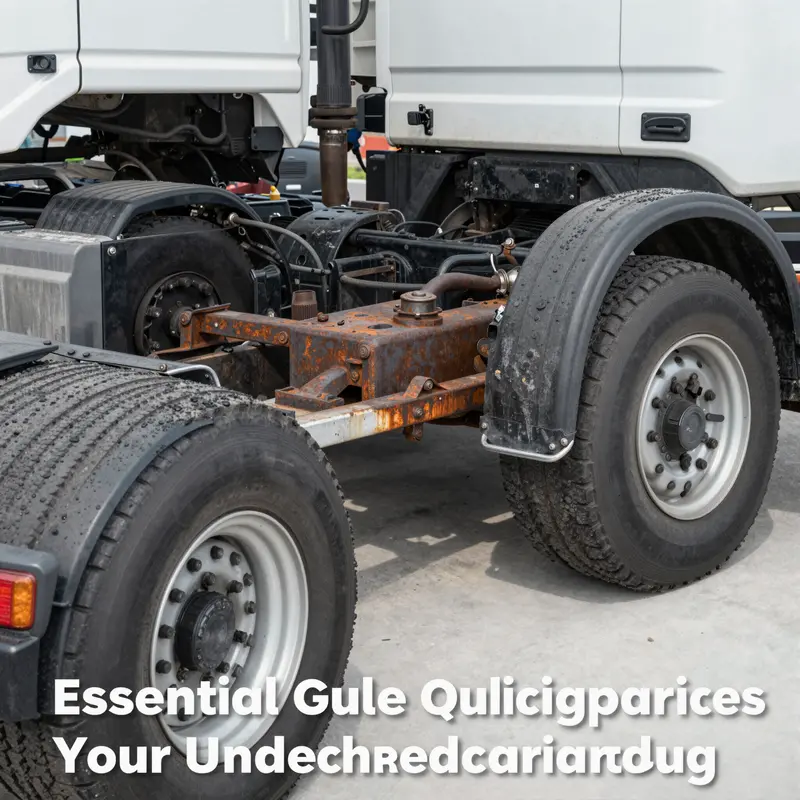
Drying thoroughly is the first pillar of post-wash maintenance. Water that remains in crevices, seams, and mounting points can trap moisture and invite corrosion, especially after temperature swings. Use a high pressure air blower or a dedicated drying system to remove water from frame rails, crossmembers, and around critical housings. If towels are used, choose clean microfiber towels that wick moisture away rather than grinding it into metal. Wipe until no cool dampness remains, focusing on the front axle, transaxle housings, and exhaust shields.
Next comes a careful inspection. This requires patience and light. Visually check for fatigue, misalignment, cracks, dents, and any looseness in fasteners or mounts. Scrutinize suspension components for worn bushings and leaking shocks, and verify bolts have not backed off. Inspect engine, transmission, and differential housings for seepage at gaskets and seals, and look at drain plugs for signs of looseness. Early detection can prevent costly repairs later.
Protection is optional but prudent in harsh environments. If road salt, heavy mud, or chemical exposure are common, consider rust inhibitors or protective coatings after the surface is clean and dry. Follow the product instructions and ensure the surface is well prepped. Recoat intervals should align with exposure, drive cycles, and manufacturer guidance.
Leak detection should be integrated into every post-wash routine. Look for fresh oil stains around the sump, coolant dampness at hoses, dampness in brake lines, and any pooling under the vehicle. Note color and consistency to distinguish motor oil from gear oil or coolant. If a leak is found, trace it to the source and schedule service promptly while costs stay reasonable.
Wheel wash equipment also benefits from post-wash care. Clean nozzles to prevent mineral buildup, verify water pressure, and confirm sensors and flow controls respond correctly. A well maintained wheel wash system protects finishes and helps meet environmental and operational standards.
Finally, schedule matters. Establish a practical interval for undercarriage checks, such as every three to six months, with more frequent reviews in harsh climates. A coordinated schedule supports other maintenance tasks and reduces downtime. Document findings in a maintenance log and share notes with fleet-management systems so the history stays visible for audits or warranties.
Adopting this disciplined routine turns a simple wash into a proactive care program. The goal is to preserve longevity, protect against unexpected failures, and keep the fleet performing at a predictable level mile after mile. The undercarriage deserves the same respect as the engine that powers the journey.
Final thoughts
In summary, maintaining a clean undercarriage is crucial for the longevity of your fleet. By following the preparation steps, executing the step-by-step washing process, adhering to safety precautions, and implementing post-washing maintenance tips, fleet managers can ensure that their vehicles remain in optimal condition. Regular cleaning not only enhances performance but also mitigates corrosion and extends the operational lifespan of the vehicle fleet. Adopting a routine wash schedule according to driving conditions can significantly reduce long-term maintenance costs and improve overall fleet safety.