
Power washing trucks is an imperative maintenance practice for logistics and freight companies, trucking operators, and construction supervisors. By ensuring that vehicles are thoroughly cleansed, companies not only extend the life of their fleet but also uphold stringent safety and environmental standards. This article delves into the critical reasons for power washing your trucks, including its impact on environmental protection, vehicle maintenance, and overall compliance with regulations. As we explore each aspect, it will become clear how a regular power washing schedule can lead to improved operational efficiency and public health benefits.
Preserving Air Quality and Enhancing the Environment: The Crucial Role of Power Washing Your Trucks
Power washing your trucks is not just about maintaining a clean appearance; it’s a crucial practice that directly impacts environmental protection and air quality. Heavy-duty vehicles, especially those involved in construction, mining, or transportation, not only exert significant force on roadways but also attract an imposing accumulation of dust, dirt, and other particulates during operation. Understanding the vital link between truck maintenance and environmental health can help fleets and individual operators recognize the importance of integrating power washing into their regular routines.
A primary concern is the emission of particulate matter (PM), especially the troublesome PM2.5 and PM10. When trucks traverse dusty roads, the debris collected on their surfaces can be easily disturbed by wind or the movement of the vehicle, allowing harmful particles to become airborne. These fine particles contribute to respiratory issues and other health complications, when inhaled by individuals, including the truck drivers themselves. In congested urban environments, these vehicles can significantly worsen air quality if proper cleaning measures are omitted. By regularly power washing trucks, operators can substantially diminish the potential of dirt and dust dispersing into the atmosphere during transportation, thereby promoting cleaner air.
In addition to improving air quality, power washing trucks plays a significant role in preventing soil and water contamination. Trucks often accumulate not just dust but also oil, grease, and other harmful substances. When it rains, these pollutants can wash off the truck’s surface and potentially enter storm drains or seep into the soil. Such runoff can compromise local water quality, harming both aquatic ecosystems and community health. Implementing a routine power washing schedule eliminates these risks by preventing harmful materials from being released into the environment. It becomes an act of stewardship, protecting local water sources from contamination.
Compliance with environmental regulations is another compelling reason to adopt consistent power washing practices for trucks. Regulatory agencies around the world have instituted strict cleanliness standards for commercial vehicles, particularly those that operate in urban areas or sensitive environments. For instance, cities may impose fines on fleet operators whose vehicles are found to be excessively dirty, as such vehicles can contribute to pollution and degrade public spaces. By maintaining clean trucks, operators not only avoid potential penalties but also uphold a reputation for environmental responsibility. This proactive approach aligns with broader sustainability goals and reflects well on the organization’s commitment to public health.
Beyond compliance and cleanliness, the impact on corporate image should not be overlooked. A clean and well-maintained fleet signals to clients, partners, and the public that a company values standards of quality and environmental responsibility. An maintaining a tidy fleet enhances brand perception and builds trust within the community. In an age where corporate social responsibility increasingly resonates with consumers, investing in the aesthetics and environmental impact of a fleet underscores a commitment to ethical practices.
For companies looking to improve their environmental impact and meet regulatory requirements, having a documented vehicle washing process at designated facilities can greatly aid in managing and mitigating environmental risks. Facilities equipped to recycle wash water and filter contaminants tend to demonstrate a commitment to sustainable practices. Moreover, employing eco-friendly cleaning agents helps to minimize additional pollution, thereby enhancing the character of the washing process itself.
Another noteworthy aspect of power washing is its role in designing a sustainable fleet maintenance routine. Heavy-duty vehicles suffer from the corrosive effects of road salt, oils, and other environmental pollutants over time. Regular power washing not only keeps the trucks looking pristine but also prevents the buildup of harmful substances that can degrade the vehicle’s structure and functionality. By incorporating power washing into maintenance schedules, fleet managers secure the longevity of their vehicles, reduce the likelihood of costly repairs, and enhance overall operational efficiency.
In conclusion, the practice of power washing your trucks encompasses various critical dimensions of environmental protection and public health. It plays an essential role in minimizing dust and particulate matter emissions, preventing soil and water contamination, ensuring compliance with regulations, enhancing public perception, and promoting sustainable fleet management practices. By recognizing the multifaceted benefits of proper truck washing, fleet operators will find that this routine maintenance step is not only a smart business decision but also a substantial contribution towards preserving air quality and supporting a healthier environment. To further explore best practices for maintaining vehicle cleanliness and ensuring compliance with air quality regulations, refer to the U.S. Environmental Protection Agency’s guidance on transportation-related air quality issues.
Chapter 2: Power Washing for Optimal Truck Maintenance and Longevity
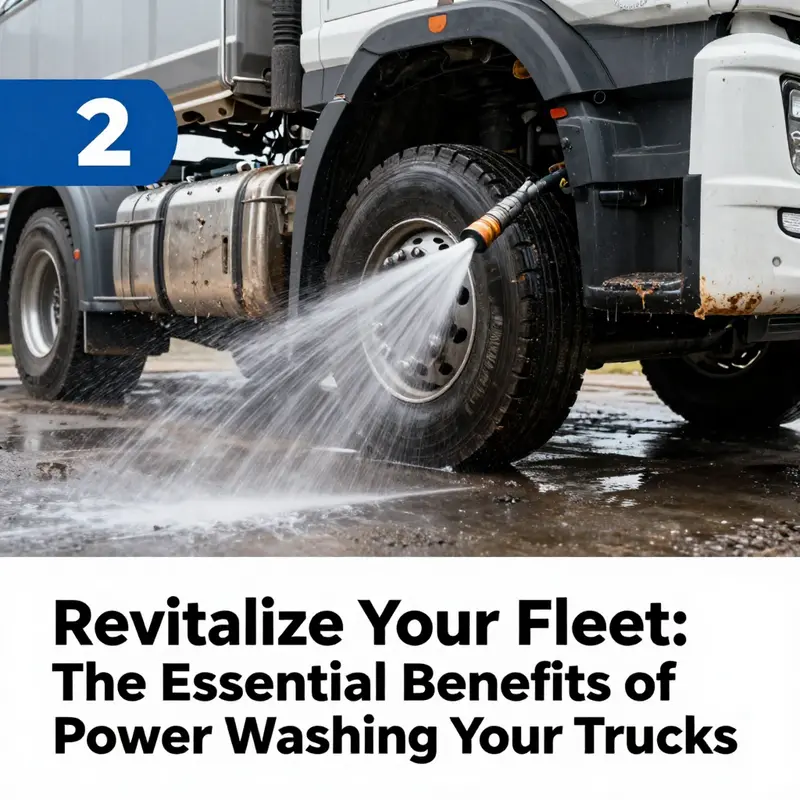
Power washing your trucks is a critical yet often overlooked aspect of vehicle maintenance and longevity, particularly for those operating in demanding environments. This chapter delves deep into the multitude of reasons why power washing is not just beneficial but essential for preserving the integrity and performance of your trucks. From combating corrosive elements to enhancing safety and compliance, the need for a regular power wash routine cannot be overstated.
The environment in which trucks operate can be harsh. Roads are laden with dirt, grime, oil, and various pollutants, all of which adhere to the exterior surfaces of vehicles. For trucks engaged in construction or industrial tasks, such accumulations increase exponentially. A truck collecting dirt and debris is not only unsightly but also susceptible to deterioration over time. Regular power washing is akin to preventative maintenance, warding off potential hazards that can compromise both the vehicle’s aesthetics and functionality.
Protecting the Paint and Preventing Corrosion
Just as using a quality car wax shields against the adverse effects of acid rain and environmental pollutants, employing high-pressure washes helps eliminate these same damaging agents before they can inflict irreversible harm on your truck’s paint. Many may underestimate the effects of bird droppings, tree sap, or even road salt, which can etch into the clear coat over time if left unattended. Power washing provides an effective means to rid vehicles of these corrosive elements at an early stage, averting costly paint repairs later on.
In fact, the early intervention afforded by power washing is crucial. When contaminants take root, they can worsen into serious problems, leading to paint chipping or fading. Continuous exposure without adequate cleaning can cause deterioration where contaminants intertwine with moisture, initiating rust and corrosion processes that compromise the vehicle’s body integrity.
Enhancing Future Treatments: A Prerequisite for Waxing
A clean surface is paramount for any protective treatment. For instance, if waxing follows the power washing, the benefits multiply significantly. It is essential that the panel surfaces are devoid of dirt, grease, and other obstructions to ensure the wax adheres effectively. When applied to a properly cleaned surface, wax enhances its efficacy, forming a robust barrier that protects against UV rays, water intrusion, and static cling.
Preventing Build-Up that Leads to Structural Damage
Trucks frequently operate in areas subjected to varied weather conditions, transporting materials across landscapes that may be muddy or dust-ridden. Over time, accumulated debris can trap moisture against metal surfaces, escalating the risk of rust and degrading the truck’s structural integrity. The undercarriage, wheel wells, and other nooks become repositories for grime, creating a perfect environment for corrosion to thrive.
By instituting a regular power washing schedule, fleet operators can effectively eliminate this persistent buildup. This not only prevents metal fatigue but also shields crucial components, such as brake lines and exhaust systems, from potential blockages and wear. Thus, regular power washing translates into increased reliability and operational longevity, which ultimately is in line with cohesive fleet management practices.
Maintaining Aesthetic Value and Enhancing Resale Potential
Another overlooked advantage of maintaining cleanliness through power washing is the impact on a truck’s aesthetic and commercial value. A freshly washed vehicle projects a sense of professionalism and care. In commercial settings, fleet appearance is essential for maintaining customer confidence and reputation. A truck that looks well-kept not only enhances brand image, but it also holds its value better in the event of resale. Just as neglected vehicles face depreciation due to accumulated damage and tarnished appearance, those regularly cleaned and maintained command higher resale values and generate favorable customer perceptions.
Improving Safety and Operational Efficiency
Moreover, unclean trucks can become safety hazards. Dirt and debris not only obscure visibility through lights and mirrors but can also restrict ensure proper signaling and recognition during twilight hours. A truck with muddied headlights may reduce the ability to see and be seen, leading to safety risks not just for the driver but also for other road users. Further, a truck overloaded with mud or debris can lead to unnecessary operational inefficiencies — potentially affecting braking responsiveness and causing an increase in fuel consumption.
Regular power washing mitigates these risks by ensuring that all lights, mirrors, and indicators are functional and visible. By clearing away the grime, truck operators enhance the safety of their vehicles while also optimizing fuel efficiency and reducing operational costs due to reduced wear and maintenance issues.
Conclusion
In summation, power washing is not merely a cosmetic enhancement for trucks; it is an essential practice deeply ingrained in the routines of effective vehicle maintenance. The advantages extend beyond the surface and touch on various aspects of fleet management, from rust prevention to increasing your truck’s resale value while safeguarding operational safety and efficiency. Enhancing longevity through power washing aligns perfectly with sound maintenance practices, ensuring that your trucks continue to operate at peak performance while looking their best.
To maximize the benefits of power washing, it is recommended to maintain a cleaning interval of every 4 to 6 weeks, with increased frequency if the trucks operate in more demanding conditions. Always follow up with careful treatments such as waxing to lock in the benefits of cleanliness. For best practices, consider utilizing designated facilities that specialize in truck power washing to ensure acceptable environmental regulations are adhered to and effective results realized.
For more authoritative guidance on vehicle cleaning protocols, refer to the U.S. Environmental Protection Agency which outlines best practices in line with modern fleet management.
Upholding Safety and Compliance: The Vital Role of Power Washing Trucks
Maintaining clean trucks is not just about appearance; it is a critical component of safety, regulatory compliance, and operational efficiency. In urban areas and along major highways, the accumulation of mud, dust, and debris on heavy-duty vehicles poses significant risks to public safety and the environment. Without regular power washing, these contaminants can lead to serious consequences.
From a safety perspective, dirty truck tires and undercarriages can obscure license plates, making them difficult or even impossible to read by traffic cameras and law enforcement. This lack of visibility creates not only a direct threat to road safety but also complicates traffic management. Authorities in cities like New York and Los Angeles have implemented strict regulations requiring all commercial vehicles entering city limits to undergo mandatory washes at designated facilities. These measures are designed specifically to ensure that license plates remain legible and that vehicles comply with traffic laws, thereby reducing accidents caused by obscured identification.
Furthermore, environmental protection is a key driver behind mandatory truck washing. When trucks travel through residential neighborhoods or construction zones without being cleaned, they kick up significant amounts of dust and particulate matter. This contributes to air pollution, degrades local air quality, and can cause respiratory issues for nearby residents. Cities such as Tokyo, Japan, have taken this concern to heart by mandating that all construction and freight vehicles must pass through automated tire-washing stations before leaving any worksite. These systems employ high-pressure water jets to effectively remove soil from tires and undercarriages, ensuring that dirt is not tracked into city streets. The result is cleaner roads, improved air quality, and better community health.
In addition to safety and environmental concerns, traffic compliance is directly impacted by vehicle cleanliness. Many jurisdictions impose fines or penalties for vehicles that have unreadable license plates or excessive dust buildup. For instance, in China’s Jiangxi Province, local authorities have established dedicated truck washing stations where operators must clean their vehicles before entering urban centers. Failure to comply with these regulations can lead to fines and potential suspension of operating permits. Similarly, in the United States, states like California and Texas have implemented stringent rules that require commercial fleets to maintain clean vehicles to avoid violations during roadside inspections.
Moreover, vehicle maintenance benefits significantly from regular power washing. Mud and grime trapped in wheel wells, brake components, and engine compartments can accelerate corrosion and wear. Over time, this leads to increased repair costs and a shorter vehicle lifespan. A thorough power wash removes these harmful deposits, helping to preserve critical mechanical parts and ensuring optimal performance.
Ultimately, power washing trucks is more than a routine chore—it’s a necessity for legal compliance, enhanced safety, environmental stewardship, and long-term cost savings. By investing in proper cleaning procedures, fleet operators not only meet regulatory requirements but also protect their drivers, their cargo, and the communities they serve.
Regular power washing integrates seamlessly into a truck’s maintenance schedule, particularly after long hauls or off-road operations. Not only can neglecting such cleaning pose a risk to safety and compliance, but it can also lead to negative economic impacts due to increased operational costs stemming from fines and unrepaired damage.
Furthermore, the use of designated facilities for washing can mitigate environmental harm. Power washing inappropriately, such as utilizing household detergents or washing trucks without proper containment, can cause runoff pollution. On the other hand, responsible power washing at designated facilities adheres to protocols that include the recycling of wash water, filtering of contaminants, and the use of eco-friendly cleaning agents. This ensures that the cleaning process does not itself become a source of pollution in local surroundings.
In conclusion, keeping trucks clean through regular power washing is an essential practice for safe, legal, and environmentally-friendly operation. By prioritizing truck cleanliness, operators can elevate safety standards, enhance customer satisfaction, and contribute to the broader goal of sustainable transportation in a world increasingly focused on environmental health and urban air quality improvements. By making this commitment, fleet managers foster a responsible fleet that not only complies with regulations but also leads the charge toward a cleaner and safer operational framework for all.
For more insights regarding environmental compliance in truck operations, check out this article from the U.S. Environmental Protection Agency: Clean Truck Programs and Best Practices.
Final thoughts
Regularly power washing trucks is not just a maintenance task, but a strategic necessity that impacts environmental accountability, vehicle longevity, and traffic safety. By integrating this practice into fleet management, logistics, and construction operations, companies can significantly enhance their operational efficiency and mitigate risk. Keeping trucks clean is a fundamental step toward protecting both the vehicles and the public, thereby ensuring compliance with safety standards and regulations. In light of the benefits discussed, fleet managers and supervisors should prioritize power washing as part of their routine maintenance protocols for a healthier and more efficient operation.