
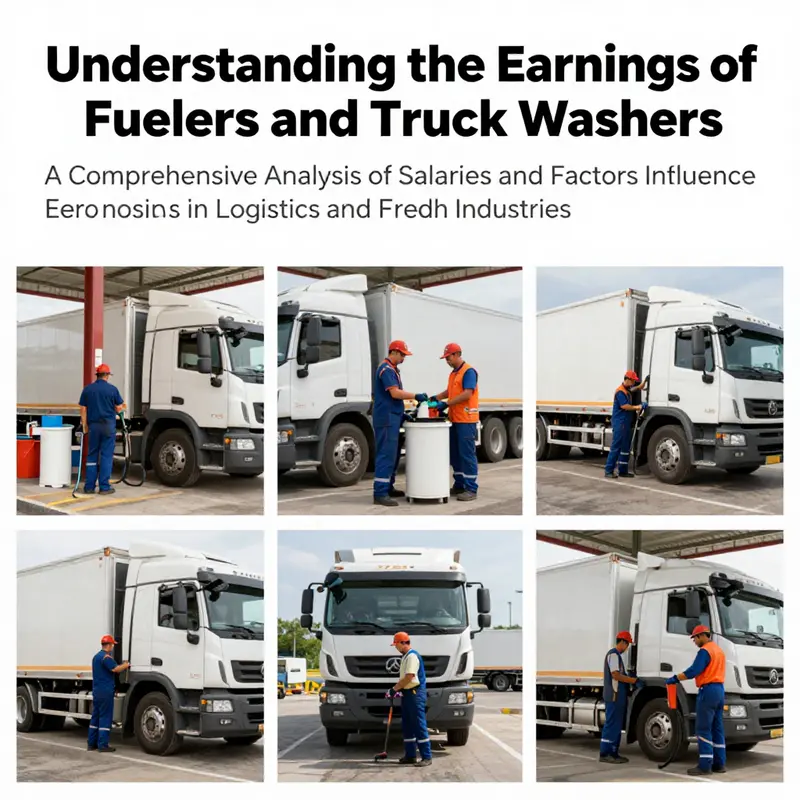
The logistics and freight industries rely heavily on specialized personnel including fuelers and truck washers, both of which play pivotal roles in ensuring vehicle efficiency and cleanliness. As fleet managers, truck company owners, and construction supervisors seek to optimize operational budgets, understanding the earnings potential for these critical positions becomes essential. This article delves into the salary landscape for fuelers and truck washers, examining regional variations, influencing factors, and future trends. Each chapter is dedicated to unraveling key insights that equip decision-makers with knowledge to inform hiring and salary negotiations.
Decoding Earnings: A Deep Dive into the Salaries of Fuelers and Truck Washers
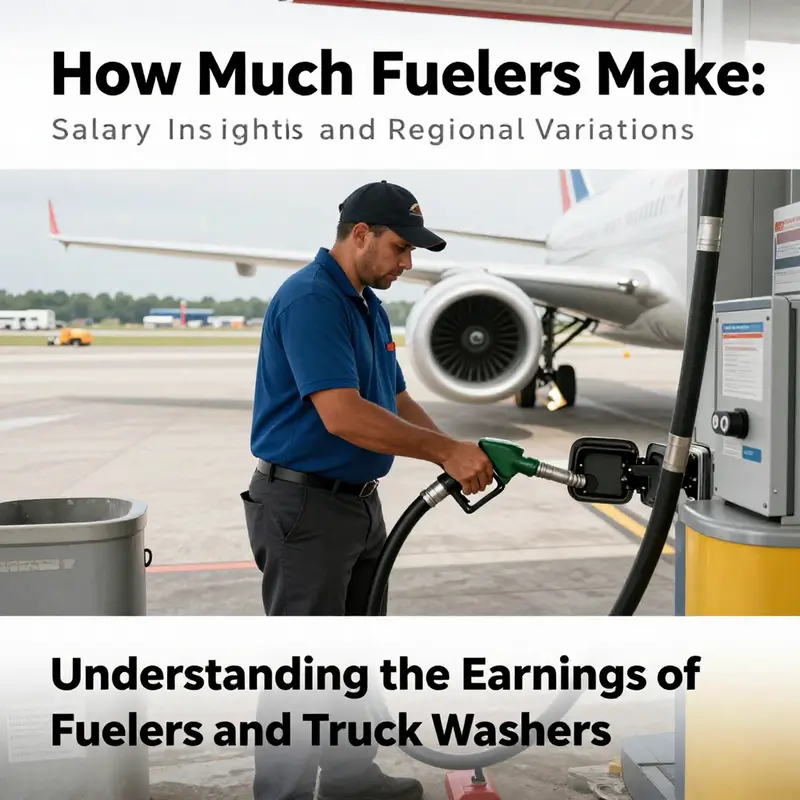
In the realm of the aviation and trucking industries, the roles of fuelers and truck washers serve as critical components in ensuring seamless operations. While often viewed as entry-level positions, they offer essential services that keep vehicles operational and safe. Understanding the salaries associated with these positions unveils not only their financial viability but also highlights the distinctions shaped by various factors, including geographical location, job responsibilities, and career progression opportunities.
Salary Insights for Aircraft Fuelers
Aircraft fuelers are responsible for ensuring that airplanes are adequately fueled before departure, which involves handling fuel pumps, adhering to safety regulations, and sometimes performing additional tasks depending on the airport’s operational requirements. In the United States, the compensation for aircraft fuelers varies significantly. As of early 2026, data indicates that the average hourly rate is approximately $18.12, with annual salaries ranging from $28,747 to $265,767. Not surprisingly, the significant range is mostly due to factors such as experience, the complexity of tasks, and whether the position is unionized or not.
Job responsibilities play a pivotal role in determining salary and can include certifications that enhance one’s earning potential. For instance, fuelers that engage in specialized roles, such as handling hazardous materials or those working at airports with high traffic volume, may see their hourly rates rise to about $27.40. Conversely, those in rural areas or less busy airports typically earn between $17 to $18 an hour.
Factors Influencing Salaries
Several factors influence the pay scale for aircraft fuelers, making it important for job seekers to explore their options carefully. Regional variations are notably impactful, with higher salaries often found in major aviation hubs such as Los Angeles, Dallas, Denver, and Atlanta. These cities have a greater concentration of airlines and are busier, which in turn fuels competition among employers. Here, it’s common for fuelers to earn over $20 per hour, reflecting the increased operational demands of the locations.
In contrast, areas with fewer flights and lower demand may not provide the same financial incentives. In many smaller regional airports, the average compensa-tion can lag behind the national average. Additionally, fuelers working in unionized positions at larger commercial airports frequently enjoy better pay and comprehensive benefits when compared to their non-union counterparts.
Career Advancement Opportunities
Initially, most aircraft fuelers enter the field at the lower end of the pay scale, often starting near minimum wage. However, this role is not a dead-end job; rather, it serves as a stepping stone for many. Fuelers who gain experience and invest in educational certifications, such as FAA-approved fueling training, position themselves for upward mobility in the industry.
With time, fuelers can transition into supervisory roles or specialized positions that further enlarge their earning potential and responsibilities. As professionals develop skills that meet higher safety and operational standards, they naturally command higher salaries, giving them valuable advantages in a competitive job market.
Understanding the Income Potential of Truck Washers
While exact figures for truck washers are more elusive, insights can be gleaned from related positions in the transportation sector. For instance, water truck drivers in remote areas of Canada can earn between $450 to $500 a day. This figure indicates that the industry values labor for challenging tasks and harsh working conditions.
Given that truck washers play a crucial role in maintaining the cleanliness and operational efficiency of vehicles, it is reasonable to expect that their pay may reflect similar patterns of regional variation and job complexity. Factors such as location, demand for services, and needed skills can drastically shape salary expectations.
Critical Role and Value in the Industry
Both fuelers and truck washers serve distinct yet equally important roles. Their contributions ensure not only the aesthetic upkeep of vehicles but also critical safety protocols within the aviation and trucking sectors. As a matter of fact, the performance of these roles directly affects operational reliability and customer satisfaction. With the trucking and aviation sectors experiencing ongoing growth, the value placed on these positions may rise accordingly.
Supply chain management is increasingly emphasizing the importance of regular vehicle maintenance, providing truck washers with an avenue for increased earning potential through contracts with trucking firms. Such collaboration helps ensure that vehicles remain in the best possible conditions, thus reducing long-term operational costs for companies.
Conclusion
Understanding the salaries of fuelers and truck washers provides essential insights for prospective employees in these essential industries. While starting salaries might not appear overwhelming, the opportunities for salary growth and career advancement are significant. Furthermore, local demand for these positions can affect not only the salaries but also the job security associated with them.
As these sectors continue to evolve with technological advancements and changing market dynamics, both fuelers and truck washers can look forward to promising career paths. Ultimately, the efforts of those who take pride in their work can lead to a rewarding experience, both personally and financially, as they navigate their careers in the aviation and transportation industries. By linking their performance to broader industry trends, individuals in these roles can strive to seize the opportunities that lay ahead in this foundational aspect of sustainability in movement and logistics.
For more insights on best practices and strategies for enhancing vehicle condition and operational efficiency, consider checking out facility management for truck wash businesses. Furthermore, investigate salary trends and insights through resources available on platforms like Indeed Salary Insights.
Navigating the Waters of Truck Washing Salaries: Insights and Considerations

The role of truck washers is often underestimated in the transportation industry. As custodians of vehicle hygiene and fleet presentation, they play a key role in operational efficiency and branding. Understanding the compensation for truck washers can provide insight into the value placed on this profession and shed light on broader employment trends in the service industry.
Recent statistics indicate that truck washers in the United States earn an average hourly wage of approximately $17.48. This pay rate places truck washers notably 17% above the national average for comparable roles, indicating that these positions are relatively well-compensated, especially when one considers the physical demands and technical skills involved. The nature of the job not only requires physical stamina but often includes the operation of specialized equipment and knowledge of various cleaning techniques tailored for large vehicles.
Moreover, this increased compensation reflects the value that businesses place on maintaining their fleets. Properly washed trucks not only enhance the image of a trucking operation but are also vital for maintaining the longevity of vehicles and safety on the road. In an industry where appearance speaks volumes, the significance of skilled truck washers cannot be overstated. Enhanced visual appeal can lead to better contracts, repeat customers, and a stronger reputation in what is often a competitive market.
The financial viability of truck wash operations is pivotal in understanding wage standings. Data from 2025 indicates the average annual revenue for truck wash businesses ranges from $400,000 to $900,000. This substantial revenue potential supports higher wages, showcasing how successful facilities are able to provide competitive salaries. A profitable operation likely correlates with investments in effective machinery and washing systems, such as soft touch or touchless washes. These sophisticated systems not only cater to the varying needs of clients but also optimize the washing process, contributing to improved efficiency and customer satisfaction.
For those looking to enter the truck wash industry, the cost of equipment is a considerable factor. Investing in high-quality washing systems can be initially daunting due to their steep costs. However, many suppliers provide refund policies should issues arise, offering some financial reassurance. This financial landscape underscores the interconnectedness of employee salaries, business profitability, and technological investment within the truck washing sector. As truck wash businesses grow and adapt, so too does the conversation around appropriate compensation for the workers who operate them.
A particular point of interest is the influence of location on salaries in this field. Urban areas tend to offer higher pay scales due to higher operating costs and increased demand for truck washing services. Conversely, rural settings may not offer the same competitive rates due to a lesser demand and a lower cost of living. However, even in smaller markets, savvy business owners can leverage high-quality service offerings to capture greater market share and potentially elevate wage levels for truck washers. The demand for service reliability and quality can often yield favorable conditions for wage negotiations.
In addition to geographical factors, the specialization within truck washing can also affect wages. Truck washers who are trained to handle food-grade tankers, for example, may command higher salaries due to the additional skill sets required and the critical nature of cleanliness in food transportation. Certain levels of certification or experience in specialized cleaning techniques can position individuals for more lucrative employment opportunities within the industry.
The significance of labor standards and employee satisfaction should also not be overlooked when discussing salaries. Truck washing is a labor-intensive job often performed in challenging weather conditions, from sweltering heat to sub-zero temperatures. Providing a safe and respectful work environment, along with fair compensation, helps in retaining skilled workers. Job satisfaction and morale are closely connected; staff who feel valued are less likely to leave, thus reducing turnover rates and ensuring continuous business operation.
From an industry perspective, there is a growing recognition of the importance of investing in people, as well as in equipment. Training programs that enhance employees’ skills not only improve service quality but can also lead to a more engaged workforce. Workers trained in advanced vehicles and cleaning technologies can transition smoothly to evolving business demands, making their positions more secure and valuing their contributions both in skill and pay.
In summary, the compensation for truck washers reflects the nexus of demand, operational efficiency, and the value of skilled labor in the transport industry. With average wages already above the national norm for similar positions, the industry is poised for growth in both revenue and workforce remuneration. As truck washing continues to integrate advanced technologies and improve operational practices, the earning potential for entry-level workers and seasoned professionals alike stands to benefit markedly. This upward trend in compensation not only rewards individuals for their hard work but fortifies the industry’s overall health and longevity, making it an essential cog in the machinery of the transport sector.
For those interested in learning more about industry standards and the critical role truck washing plays in logistics, consider exploring resources on facility management for truck wash businesses and employee engagement strategies in the sector here.
Ultimately, becoming a truck washer is not just about cleaning; it’s about entering a profession that is deeply intertwined with the efficiency and reputation of the transport industry. Wage expectations will undoubtedly continue to evolve, but the critical demand for high-quality service in truck washing will ensure that this profession retains its significance and value in the years to come.
Multifactor Determinants of Earnings for Fuelers and Truck Washers

Introduction: This chapter provides a concise synthesis of the factors shaping earnings for fuelers and truck washers across transportation and aviation sectors. It emphasizes that pay is influenced by location, employer characteristics, experience, and market conditions, among other elements.
Location: Geographic differences in cost of living, local demand, and the concentration of major employers drive meaningful pay gaps. Urban hubs and regions with heavy aviation activity typically offer higher hourly rates than rural or less active areas.
Employer type: The size and maturity of the employer influence compensation packages. Larger, established firms with formal training programs and global operations often offer higher wages, improved benefits, and clearer advancement paths compared with smaller operators.
Experience and certifications: Experience matters, as do industry certifications and safety credentials. Workers with demonstrated efficiency, safety records, and specialized training can command premium rates.
Workload and scheduling: Seasonal peaks, overtime opportunities, and shift differentials can significantly affect earnings beyond base pay.
Market and regulatory conditions: Fuel prices, regulatory changes, and industry cycles shape company profitability and their ability to invest in wages.
Union influence and job scope: In markets with strong union representation, wages and benefits may be higher, and job scopes may widen to include additional responsibilities, affecting overall earnings.
Regional variation and perspective: While fuelers often report higher earnings than truck washers on average due to the greater operational complexity, substantial regional variation means many paths to higher pay exist for those who relocate or acquire targeted skills.
Conclusion: Earnings potential for fuelers and truck washers is best understood as a function of multiple interacting factors. Prospective workers maximize opportunity by gaining relevant certifications, seeking roles in high-demand regions, and remaining adaptable to changing market conditions.
The Global Wage Landscape for Fuelers and Truck Washers: A Comparative Insight
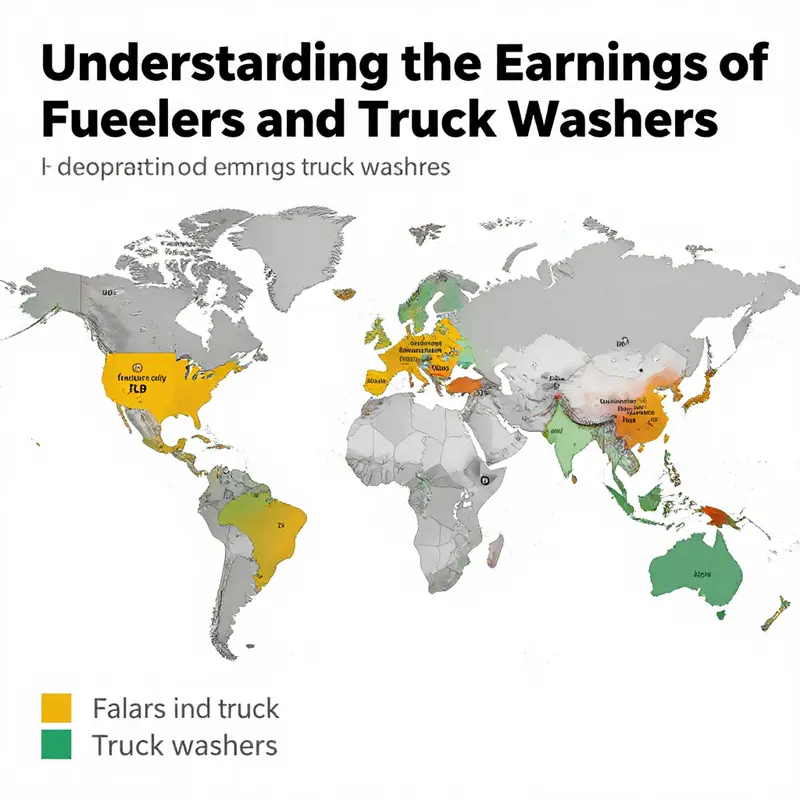
In the transportation sector, the pivotal roles of fuelers and truck washers often go unnoticed despite their critical contributions to logistics and operational efficiency. Understanding the salary dynamics of these positions reveals significant insights not only into the respective industries but also into variations influenced by geography, demand, and the skill sets required. This chapter explores how much fuelers and truck washers make across different countries, offering a comparative analysis that paints a broader picture of labor value in this essential field.
Starting with the United States, aircraft fuelers have seen their average annual salary reach approximately $62,056. This figure positions fuelers favorably in the job market, reflecting both the specialized skills required and the industry’s high demand for safety and compliance with aviation regulations. It’s notable that in metropolitan areas where the cost of living is elevated, such as San Jose, California, seasoned fuelers can earn upwards of $122,522 annually. This wage gap highlights how geographic location significantly influences salary, showcasing the heightened appreciation for skilled labor in urban hubs compared to more rural settings.
On the contrary, truck washers in the U.S. earn significantly less, with median annual salaries ranging from $30,000 to $40,000. The disparity in earnings between these two roles stems primarily from the varying degrees of required expertise and responsibility. Fuelers must not only manage fuel distribution safely and efficiently but also possess a good understanding of the technical aspects associated with aircraft operations. This knowledge and the associated certifications elevate their market value when compared to truck washers, whose roles, while vital, do not necessitate the same level of specialized training.
Turning the lens to Canada, we find that the average salary for aircraft fuelers is around CAD 38,162, which translates to approximately $26,784.95 USD. This figure equates to an hourly wage of CAD 19.57, reflecting a compensation structure that mirrors many aspects of the U.S. system, though slightly lower. Truck washers in Canada typically earn between CAD 25,000 and CAD 35,000 annually, reinforcing the trend seen in the U.S. where higher-paying roles correlate with specialized skills, primarily due to regulatory compliance and safety standards.
In the United Kingdom, aircraft fuelers, often referred to as fuel handlers, can expect to earn between £25,000 and £35,000 annually, converting to roughly $32,000 to $45,000. This earning range indicates a steady demand for fuelers aligned with similar jobs across North America, suggesting a consistency in the value placed on these skills within the aviation sector. Meanwhile, truck washers earn about £22,000 to £28,000 annually, or about $28,000 to $36,000, further underscoring the widening pay gap between these two critical yet distinctly different roles.
Australia presents an intriguing perspective as well, where aircraft fuelers command salaries ranging from AUD 70,000 to $80,000 per year. In direct comparison, truck washers typically see earnings around AUD 50,000 to $60,000 annually. The pronounced difference in salaries across various countries consistently points to one crucial fact: while both positions demand physical labor and depend on the efficiency of transport logistics, fuelers are compensated more generously due to their role in ensuring safety and compliance within the aviation sphere.
The salary differences highlight not only the value placed on experience and knowledge but also how those elements evolve based on geographic and economic circumstances. Factors such as regional demand for aviation services, the cost of living in various areas, and societal value assigned to transportation roles all play significant parts in determining pay scales. For instance, areas with higher traffic volumes and significant aviation operations tend to offer better wages for fuelers compared to regions with less air traffic; this trend is not limited to the U.S. but is observed globally.
It is also important to consider the long-term career paths available to individuals in these roles. Fuelers, with their required training and certification, often have opportunities to advance into more technical and supervisory roles within the aviation sector. This upward mobility, combined with the consistent demand for their services, creates a sustainability factor in their career choices, ultimately influencing their earning potential over time. In contrast, truck washers, while never lacking importance, may face a flatter career trajectory unless they pursue additional skills or specialize in related areas, such as heavy machinery operations or fleet management.
Ultimately, as we analyze the salaries of fuelers and truck washers, we reveal a complex landscape that speaks to greater themes of labor value, economic conditions, and the importance of investment in training. It is essential for those operating within this field to consider both the economic factors influencing wages and the skills necessary for career advancement. Whether one opts to become a fueler or a truck washer, the trends and figures penned in this chapter serve as a guidance tool, enabling industry professionals to navigate their careers with clearer insight into their earning potential.
In conclusion, across various countries, fuelers generally earn higher wages compared to truck washers, reflecting the heightened skill and regulatory requirements inherent to their roles. However, both careers are vital to the transport and logistics industry, each contributing uniquely to operational success. To track further developments in this domain, professionals can benefit from resources such as the U.S. Bureau of Labor Statistics, which offers a comprehensive overview of transportation occupations and their respective salary data. By staying informed and cultivating their skill sets, workers in these fields can better position themselves for growth and success in a dynamic labor market. For additional insights on career paths within transportation logistics, visit Bureau of Labor Statistics.
Navigating Future Roles: Salary Trends for Fuelers and Truck Washers
The landscape of employment in the transportation sector is evolving, especially when it comes to roles such as fuelers and truck washers. Understanding not just the current salary ranges but also the future trends affecting these positions can provide great insights for prospective employees, companies, and industry analysts alike.
Salary Overview and Regional Influences
As we’ve previously noted, the salaries for fuelers and truck washers vary depending on factors such as geographic location, sector demands, and existing economic conditions. For instance, in the United States, a fueler typically earns about $20.41 per hour, making this an entry-level job within the aviation sector. Contrarily, in Saudi Arabia, a fueler’s monthly salary can range from 8,000 to 12,000 Saudi Riyals, translating to approximately $2,132.51 to $3,198.76. The compensation for this role suggests that regions with high transportation or aviation traffic yield better salary prospects due to increased demand.
Similar trends are projected for truck washers, with compensation structured variably based on job location. In Canada’s Yukons, for instance, a Fly In – Fly Out water truck driver earns an impressive daily rate of $450 to $500, which demonstrates that specialized roles related to transportation can also offer higher salaries. It’s clear that working in remote regions or pivotal transportation hubs often comes with enhanced financial benefits.
High Demand Driving Salaries Higher
The future of these roles appears promising. Industry analyses indicate a growing demand not only for fuelers but also for truck washers, correlating with an increase in logistics movements and the expansion of transport networks. For instance, in Hangzhou, China, there has been a strong uptick in fuel industry job postings, with projections showing 2,927 positions available in 2025. Notably, 47.1% of these positions offer salaries between ¥20,000 and ¥50,000 a month, which markedly exceeds the average wage for the region. This evolution signifies that skilled fueling professionals in economic hubs are likely to command substantially higher wages.
Similarly, in Fujian, about 60.5% of available fuel-related positions offer monthly salaries between ¥6,000 and ¥15,000, which is 25.4% above the provincial average. These figures imply a consistent upward trend in salary for those engaging in essential transportation roles within well-developed economies.
Future Job Market Dynamics: Fuelers
For fuelers, the current trends highlight a shift toward increasing specialization within their skill set. Companies are actively seeking not just fuel handlers but individuals who can adapt to different fuel types, including advancements toward green technologies like hydrogen. As urbanization continues and more businesses depend on efficient logistics systems, the demand for skilled personnel who can handle complex fuel operations is on the rise. Consequently, future salaries are expected to reflect the combination of experience, operational knowledge, and location-based dynamics, particularly within urban versus rural contexts.
In addition to geographical factors, the role of company size cannot be understated. Larger organizations with substantial operational sheds and numerous vehicles may offer more competitive salaries and additional benefits to attract trained staff. Furthermore, as the logistics and transportation sector evolves, operational efficiency will become a crucial focus, paving way for greater salaries for highly trained personnel.
Evolving Role of Truck Washers
On the flip side, positions for truck washers are often assessed through proxy roles intersecting with maintenance, operation, and service staff jobs, which don’t always have explicit salary data available. For example, in Sichuan, while only 1,633 job postings forecasted for 2025 indicate relatively lower demand, the salary for operational support roles remains 33.7% above the region’s average. Many of these positions offer monthly pay scales between ¥8,000 and ¥15,000, depicting a standard range that primarily holds for roles supporting logistics operations.
However, it’s important to recognize that while the base salary for truck washers may seem modest, the industry is undergoing subtle transformations. This evolution is marked by the increasing implementation of automation technologies in cleaning and maintenance processes. Such technologies may initially threaten employment, yet they will also require human oversight, which is indeed a critical aspect of ensuring operational quality and safety in vehicle maintenance.
As these processes attain more complexity through technological involvement, truck washers with advanced skills — such as proficiency in using automated cleaning technologies or safety protocols — will enjoy greater demand and increased compensation. Hence, the emphasis on upskilling becomes vital for career growth in this sector.
Economic Disparities and Future Predictions
Geographically based economic disparities also play a significant role in shaping the future salary landscape for fuelers and truck washers. Urban centers like Hangzhou or Fujian not only showcase high salary potentials but also house diverse opportunities for career advancement within the logistics and transportation sectors. On the other hand, workers in less populated areas may struggle with lower salary ranges, as demonstrated by data from Sichuan.
The ongoing drive for efficiency and specialization suggests that the salary structure will adjust to reflect those profundities — with urban markets consistently outpacing rural areas in monetary compensation due to demand fluctuations.
In summary, while the current earnings of fuelers and truck washers demonstrate a wide variance based on geographic and sector conditions, future trends lean toward specialization leading to higher wages for skilled individuals. Adaptation to the technological advancements within the industry will be pivotal, especially for truck washers. As the logistics landscape modernizes, those who embrace training and capabilities enhancement will find themselves not just keeping pace with salaries but significantly influencing their financial futures.
As industries capitalize on advancements and evolving demands, positions previously viewed as entry-level, such as fuelers and truck washers, may transform into respected, skill-driven roles, heralding a new age for employment in this key sector.
For effective insights into the maintaining aspects of truck fleet success and the reinforcement of skilled labor, consider reviewing resources shared by industry leaders that emphasize the importance of investing in people. Learn more here about employee engagement strategies.
Understanding these emerging dynamics allows stakeholders to prepare and adapt, fostering a workforce ready to meet the challenges and opportunities of this ever-evolving sector.
Final thoughts
In summary, the earnings for fuelers and truck washers vary widely based on regional markets, job complexity, and employer conditions. As industry demand fluctuates, understanding these salary dynamics equips fleet management leaders with the insights needed to make informed decisions on staffing and budget allocations. Moving forward, watching trends in technology integration and regional labor dynamics will be crucial in forecasting salary expectations for these essential roles.