
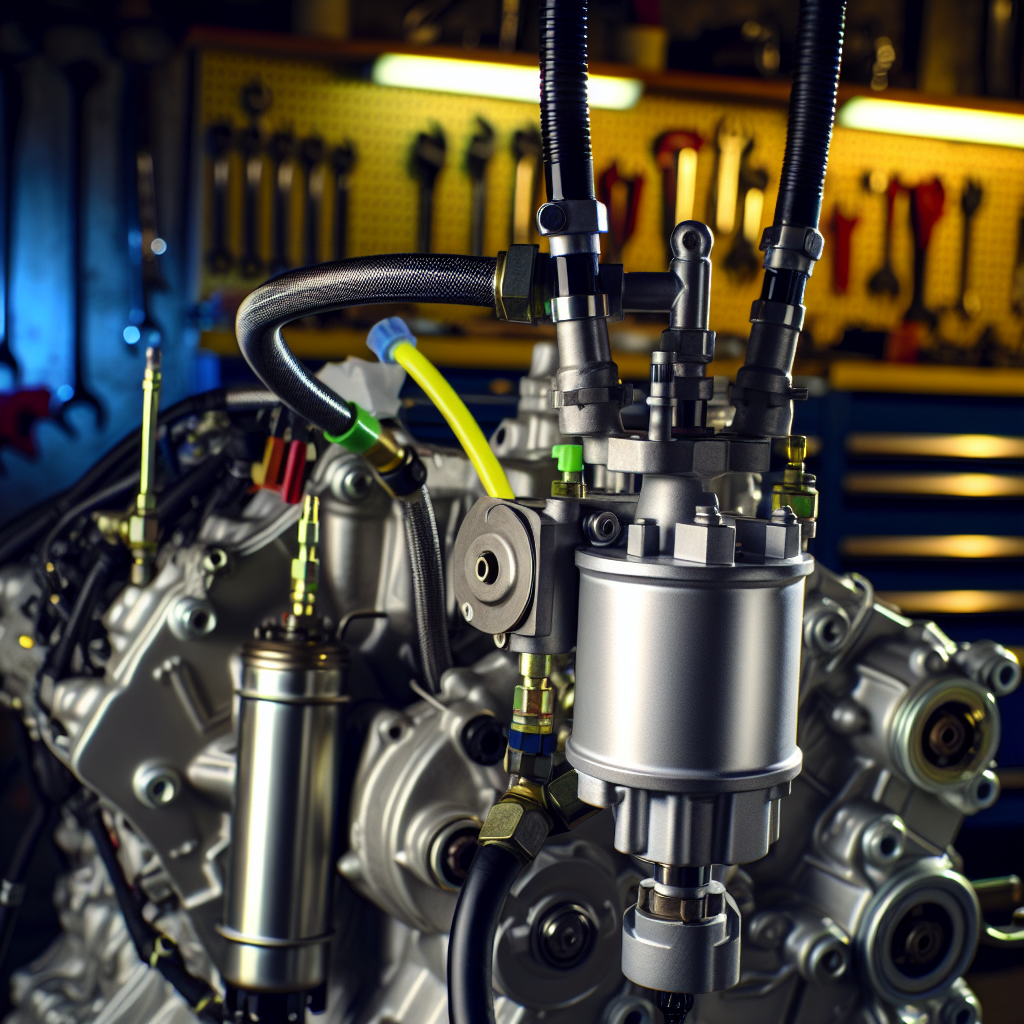
In the intricate world of diesel engines, every component plays a crucial role in ensuring optimum performance. One of the unsung heroes of this realm is the lift pump, a vital part of the fuel system that serves as the initial conduit of fuel from the tank to the engine. This low-pressure pump not only secures the delivery of fuel but also influences engine reliability and efficiency significantly.
A well-functioning lift pump ensures that the engine receives a steady supply of high-quality fuel, which is essential for maintaining power and smooth operation. However, like any mechanical part, lift pumps can encounter issues, leading to symptoms such as engine stalling and decreased performance.
Understanding how to care for this critical component is crucial for every diesel vehicle owner. In this article, we will explore effective maintenance tips to keep your lift pump in prime condition, ensuring longevity and superb engine performance. Let’s delve into the importance of the lift pump and how proper care can extend its life and enhance your vehicle’s reliability.
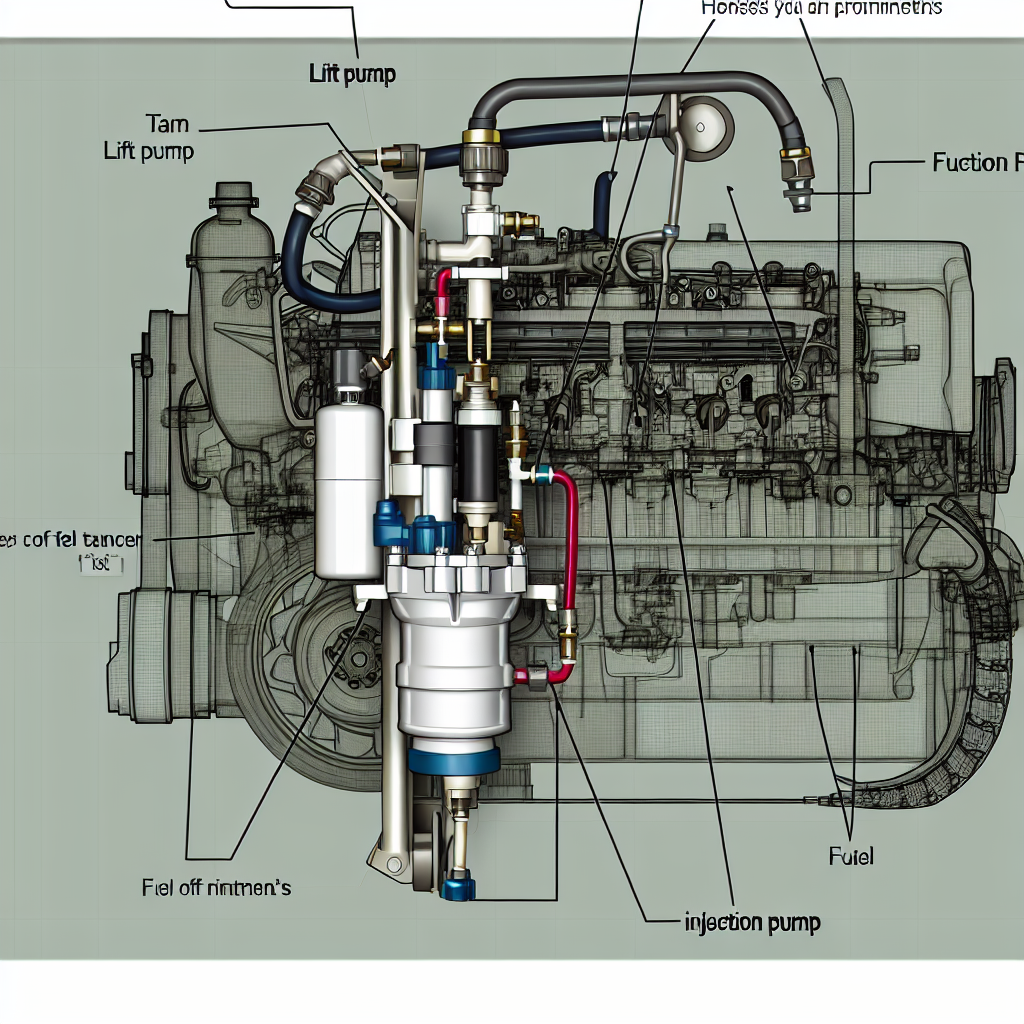
The Role of Lift Pumps in Diesel Engines
Lift pumps play a vital role in the operation of diesel engines by ensuring a consistent and reliable supply of fuel from the tank to the injection system. As low-pressure pumps, they operate typically within the range of 5-15 PSI, making them crucial for priming the fuel system and preventing issues such as vapor lock.
Unlike high-pressure fuel pumps that are responsible for injecting fuel into the combustion chamber, lift pumps serve as the first line in the fueling process. As noted in Diesel World Magazine, “A failing lift pump can cause hard starting, loss of power, and engine stalling,” reinforcing the message that these pumps are integral to overall engine performance. When fuel is not delivered at the appropriate pressure, the entire fuel system can suffer, leading to reduced efficiency and potential engine damage.
Regular maintenance of lift pumps is essential. According to experts at the Automotive News, “The lift pump is often overlooked, but it’s the first point of failure in many fuel-related issues. Keeping it in good condition can save thousands in injection system repairs.” Key maintenance tips include regular checks for leaks, ensuring that fuel pressure remains within the specified range, and replacing filters as needed.
In addition to maintenance, understanding the differences between lift pumps and injection pumps is crucial. Lift pumps focus on transferring fuel and maintaining adequate pressure, while injection pumps pressurize and meter the fuel for combustion. As summarized by the Universal Technical Institute, “A failing lift pump can cause hard starting, loss of power, and premature wear on the injection pump due to inadequate fuel supply.” Therefore, proper attention to lift pumps can dramatically extend the life of the entire fuel system.
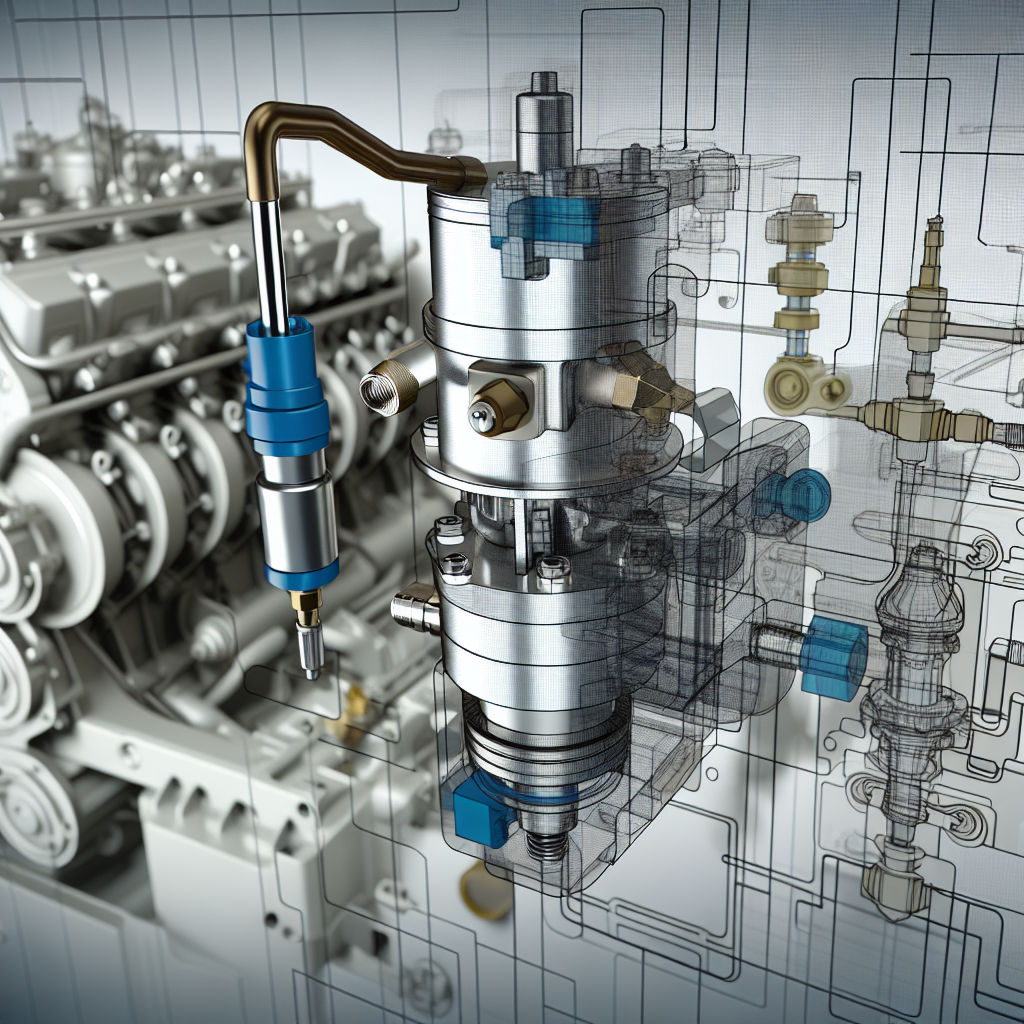
The Role of Lift Pumps in Diesel Engines
Lift pumps play a vital role in the operation of diesel engines by ensuring a consistent and reliable supply of fuel from the tank to the injection system. As low-pressure pumps, they operate typically within the range of 5-15 PSI, making them crucial for priming the fuel system and preventing issues such as vapor lock.
Unlike high-pressure fuel pumps that are responsible for injecting fuel into the combustion chamber, lift pumps serve as the first line in the fueling process. As noted in Diesel World Magazine, “A failing lift pump can cause hard starting, loss of power, and engine stalling,” reinforcing the message that these pumps are integral to overall engine performance. When fuel is not delivered at the appropriate pressure, the entire fuel system can suffer, leading to reduced efficiency and potential engine damage.
Regular maintenance of lift pumps is essential. According to experts at the Automotive News, “The lift pump is often overlooked, but it’s the first point of failure in many fuel-related issues. Keeping it in good condition can save thousands in injection system repairs.” Key maintenance tips include regular checks for leaks, ensuring that fuel pressure remains within the specified range, and replacing filters as needed.
In addition to maintenance, understanding the differences between lift pumps and injection pumps is crucial. Lift pumps focus on transferring fuel and maintaining adequate pressure, while injection pumps pressurize and meter the fuel for combustion. As summarized by the Universal Technical Institute, “A failing lift pump can cause hard starting, loss of power, and premature wear on the injection pump due to inadequate fuel supply.” Therefore, proper attention to lift pumps can dramatically extend the life of the entire fuel system.
Maintenance Best Practices for Lift Pumps
To keep your lift pump running well, implement the following maintenance best practices. These steps aim to prolong the life of your lift pump and improve engine performance.
1. Regular Filter Changes
- Change the primary fuel filter every 10,000 to 15,000 miles and the secondary filter every 30,000 miles. Using high-efficiency filters protects against debris and impurities that can clog the system.
- Regular changes prevent nozzle choke and protect the injection system from harmful particles. For more detailed insights, check out the guide on Best Practices for Diesel Engine Maintenance by Cummins.
2. Preventing Water Contamination
- Water is a leading cause of lift pump failure. Drain water separators weekly to remove moisture.
- Check your fuel to ensure it is high-quality diesel that meets ASTM D975 standards. Consider using biocide treatments as needed to manage microbial contamination. A good reference for maintaining your fuel system is found in the Fuel System Maintenance Tips article by Car and Driver.
3. Use High-Quality Fuel
- High-quality fuel is essential for diesel engines. Avoid lower-quality fuels that lack necessary lubricity. Always choose fuel from reputable suppliers. For further guidance, see the Fuel System Care and Maintenance Guide from NAPA Auto Parts.
Conclusion
By following these best practices—filter changes, managing water contamination, and using quality fuel—you can enhance the reliability and lifespan of your lift pump and fuel system. Regular maintenance helps reduce costly repairs and ensures smooth engine operation.
| Brand | Model | Micron Rating | Compatibility | Notes |
|---|---|---|---|---|
| Bosch | P/N 0 450 202 004 | 10 | Various | High-efficiency filtration |
| Fleetguard | FS19816 | 7 | Cummins | Coalescing filter recommended |
| Donaldson | P/N P550202 | 5 | Caterpillar | Excellent water separation |
| WIX | 33236 | 10 | International | Premium quality construction |
| Racor | 230R-RAC-01 | 2 | General | Highly water-repellent media |
This table provides a quick reference for comparing various OEM-approved fuel filters and their features, assisting users in selecting the right product for their diesel engines.
Signs of Poor Lift Pump Performance
Recognizing the signs of lift pump failure is essential for maintaining the health of your diesel engine. A failing lift pump can lead to various issues that may compromise engine performance. Here are some common signs to watch for:
- Engine Stalling or Misfiring: If your engine unexpectedly stalls or experiences misfires, it could be struggling to receive adequate fuel flow due to lift pump failure. This symptom not only hinders performance but also poses a risk of road accidents.
- Loss of Power: A noticeable decrease in power, particularly during acceleration, can arise from insufficient fuel delivery, affecting the overall powertrain efficiency and responsiveness of the engine.
- High-Pitched Whining Noise: A whining sound emanating from the lift pump area may suggest that it is working harder than usual, potentially indicating wear or impending failure.
- Diesel Fuel Odor: If there’s a persistent fuel smell in and around your vehicle, it could signify a fuel leak caused by a malfunctioning lift pump, which can lead to extensive damage if not addressed promptly.
- Black or White Exhaust Smoke: The presence of unusual exhaust colors can indicate incomplete combustion due to inadequate fuel supply, which may stem from lift pump issues. Black smoke often points to excess fuel, while white smoke can indicate a lean condition.
- Increased Fuel Consumption: A failing lift pump may cause the engine to work overtime to achieve the desired performance, leading to reduced fuel efficiency due to excessive straining.
- Check Engine Light Activation: If your dashboard indicator lights up, it may relate to the fuel system. A malfunctioning lift pump is one reason the ECU could throw a code, indicating a need for diagnostic testing.
These signs of poor lift pump performance can affect the health of your diesel engine and lead to more extensive repairs. Regular maintenance is crucial in preventing lift pump failure and ensuring that your engine operates smoothly and efficiently.
Conclusion
Maintaining the lift pump is essential for optimizing diesel engine performance and ensuring the longevity of your vehicle. Here are the key takeaways:
- Critical Component: Lift pumps are vital for proper fuel delivery and directly impact engine reliability and efficiency.
- Monitor Performance: Keep an eye out for signs of poor lift pump performance, including engine stalling, loss of power, and unusual noises, to tackle issues proactively.
- Regular Maintenance: Implement best practices like changing fuel filters, preventing water contamination, and using high-quality diesel fuel to enhance lift pump functionality.
- Cost-Effective Care: Proactive maintenance measures significantly prolong the life of the lift pump and contribute to smoother, more efficient driving experiences.
- Vehicle Health: Consistent care for the lift pump is crucial for optimizing engine performance and minimizing the risk of costly repairs.
By prioritizing the care of your lift pump, you ensure that your diesel engine operates at its best, providing the reliability and power you expect. Making these efforts today will pay off in the long run, keeping your vehicle performing at its peak for years to come.
Importance of Proper Maintenance Strategies for Diesel Engines
Recent data highlights the importance of adhering to proper maintenance strategies for diesel engines, showing that merely 58% of diesel engine owners follow the manufacturer-recommended maintenance schedules. This figure underscores a critical gap in adoption that can have significant consequences for engine performance and reliability.
Key Findings from Recent Surveys:
- Preventive Maintenance Benefits: A recent survey conducted by Equipment World reveals that fleets with strict maintenance protocols report 40% fewer unplanned downtime incidents and an average engine lifespan that is 22% longer than those without such protocols. This data indicates that timely maintenance is crucial for maximizing engine uptime and longevity.
- Cost of Neglect: Despite the benefits of following maintenance schedules, 67% of maintenance delays are attributed to cost concerns. However, research shows that proper maintenance can reduce long-term operating costs by 31%, highlighting the paradox of saving in the short run while incurring higher costs due to neglect.
- Compliance Trends: The 2024 Diesel Maintenance Compliance Report found adherence to oil change intervals has decreased from 72% to 64% between 2020 and 2023. Vehicles that consistently follow comprehensive maintenance schedules experience 47% lower repair costs and 35% better fuel efficiency. Notably, engines with incomplete maintenance records have a 3.8 times greater risk of major failure before reaching 250,000 miles.
- Digital Adoption: Furthermore, research from SAE International indicates that fleets utilizing digital maintenance tracking achieve 84% adherence to service intervals, compared to merely 52% for those relying on manual tracking. This shift towards digital solutions suggests a substantial opportunity for improving maintenance compliance and minimizing failures.
Conclusion
These statistics paint a clear picture of the critical need for diesel engine owners to implement effective maintenance strategies. The data not only highlights the risks associated with neglect but also reinforces the importance of regular service for enhancing engine health, performance, and overall cost efficiency. The trend indicates that embracing modern technologies and prioritizing essential maintenance tasks can significantly mitigate risks, ultimately leading to more reliable and economical operation of diesel engines.
Water Contamination in Diesel Fuel
Water contamination in diesel fuel poses significant risks that can adversely affect the overall health of diesel engines. Its presence can lead to various operational issues, particularly impacting lift pumps, which play a crucial role in fuel delivery.
Risks Associated with Water in Diesel Fuel
- Corrosion: Water can initiate corrosion in metal components of the fuel system, specifically within lift pumps and injectors. This degradation results not only in component wear but can also cause material failure over time. According to Cummins Filtration, water promotes corrosion of steel and cast iron parts, leading to substantial repair costs.
- Microbial Growth: Accumulated water creates an environment conducive to microbial growth. These microorganisms consume diesel and produce sludge, which can plug filters and damage fuel lines. Machinery Lubrication highlights that these microbes can significantly degrade the quality of fuel and pose risks to engine performance.
- Reduced Lubricity: The presence of water diminishes the lubricating properties of diesel fuel. This reduction enhances wear on precision components like lift pumps and injectors, causing them to function less effectively. Consequently, there is an increased likelihood of mechanical failure due to inadequate lubrication.
- Increased Wear and Tear: Water facilitates mechanisms like cavitation in pumps due to pressure fluctuations, leading to increased wear on components. The potential for high-pressure fuel pump damage is notably heightened, affecting fuel delivery and efficiency during combustion, as stated in the SAE International technical paper.
Methods to Detect and Address Water Contamination
To maintain engine health and prevent damage from water in diesel, implementing thorough detection and maintenance practices is essential:
-
Detection Methods:
- Visual Inspection: Look for a hazy appearance in the fuel, which often indicates water contamination.
- Water-Finding Paste: This easily applicable paste can identify the presence of water at the bottom of fuel tanks.
- Electronic Sensors: Advanced fuel systems can incorporate sensors that detect water levels and alert operators to potential contamination issues.
-
Regular Maintenance Practices:
- Draining Water Separators: Regularly draining separators at least weekly is critical to prevent water accumulation (Chevron Lubricants).
- Using Coalescing Filters: These filters effectively separate water from diesel before it reaches the engine system, safeguarding against contamination.
- Fuel Additives: Employ biocide treatments to mitigate microbial growth in diesel tanks, thereby preventing contamination.
- Proactive Fuel Testing: Regularly testing fuel for contaminants is vital for early detection and management of potential issues. Regular inspections and prompt corrective actions prevent lift pump failures, ensuring optimal engine performance.
Conclusion
In summary, understanding the risks associated with water contamination in diesel fuel is crucial for the maintenance of diesel engines. Implementing effective detection strategies, coupled with regular maintenance practices, helps protect lift pumps and boosts overall engine reliability. Ensuring clean and uncontaminated fuel is not just a best practice; it is essential for avoiding costly repairs and prolonging the lifespan of diesel-powered vehicles.
Recognizing these signs of poor lift pump performance is essential for maintaining the health of your diesel engine. By understanding these warning signals, diesel vehicle owners can take proactive measures that lead to the implementation of effective maintenance strategies.
In this way, staying vigilant about lift pump symptoms not only helps prevent serious engine issues but also establishes a roadmap for preventive care that will enhance engine longevity and reliability as we delve into the importance of proper maintenance strategies for diesel engines.