
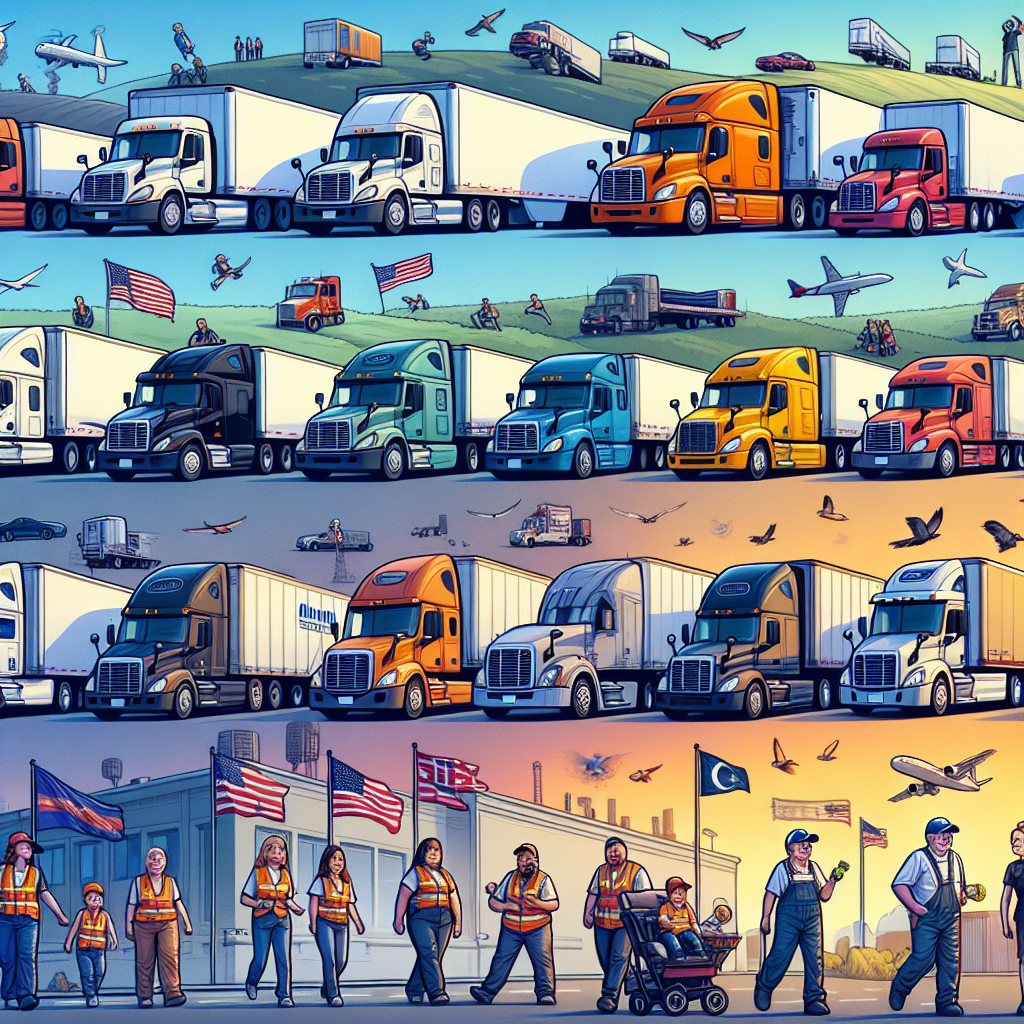
In the competitive landscape of the trucking industry, the journey of Derrick Wolfe Trucking stands as a powerful testament to what can be achieved with passion and strategic foresight. What began as a single truck operation has remarkably transformed into a dynamic fleet of nearly 30 vehicles, a journey fueled by a steadfast commitment to employee satisfaction and customer loyalty. Derrick Wolfe’s innovative organic business development strategies not only fostered growth but also created a supportive environment where employees feel valued and customers remain engaged.
This article delves into the impactful methods that have driven Wolfe’s success, teasing apart the elements that have led to such substantial expansion while cultivating a culture of trust and mutual respect.
| Benefit | Derrick Wolfe Trucking | Industry Average |
|---|---|---|
| Driver Pay Structure | 26% of load rate (capped at 28%) | Median $70,000-$80,000 annually, including bonuses |
| Home Time Guarantees | Guaranteed daily or weekly home time | 48-72 hours weekly for regional routes |
| Retention Strategies | Personalized relationships, competitive pay | Median retention bonuses of $2,500, flexible scheduling |
| Health Benefits | 95% coverage for health benefits | 80% employer-paid premiums for health insurance |
| Paid Time Off | Not specified | Median 2-3 weeks paid time off |
Derrick Wolfe’s Philosophy on Employee Engagement
Derrick Wolfe’s philosophy on employee engagement centers around personalized relationships with his employees. By knowing his team on a personal level, he creates a work environment where employees feel valued and understood. This deep connection directly contributes to his company’s impressively low turnover rate, demonstrating that when employees are engaged and cared for, they are more likely to remain loyal and committed. Furthermore, Wolfe’s strategies for engagement enhance operational efficiency by fostering a motivated workforce, ultimately leading to improved performance and growth within the company. In the trucking industry, where high turnover is common, Wolfe’s approach sets a compelling example of how strong engagement practices can not only retain talent but also drive business growth.
Personal Testimonies from Employees
Derrick Wolfe’s commitment to employee engagement and satisfaction is echoed through the voices of his team. Below are a few reflections from employees that highlight the positive work environment at Derrick Wolfe Trucking:
-
Employee Pride and Responsibility:
“At Derrick Wolfe Trucking, I received the autonomy to customize my truck every five years or 500,000 miles. This trust makes me proud of my work and more responsible for my vehicle on the road.”
— Anonymous Driver
(Inspired by insights from Triplea Truck Wash) -
Personal Relationships Matter:
“Derrick takes the time to know our families and hobbies. He truly cares about our well-being, which makes me want to stay.”
— Anonymous Driver
(Reflected from Derrick Wolfe’s philosophy on employee engagement) -
Supportive Management Styles:
“Derrick and his team are wonderful to work with. They always accommodate our needs, no matter how challenging the situation may be.”
— Bailey C., Customer
(Testimonial from Better Business Bureau) -
Valued and Respected:
“I feel valued and respected here. It’s refreshing to see management genuinely interested in our input and experiences on the road.”
— Anonymous Driver
(Summarized from various employee insights)
These testimonies illustrate a culture where employees are not only engaged but also part of a family-driven environment that values their contributions and well-being, pivotal for retaining top talent in the trucking industry.
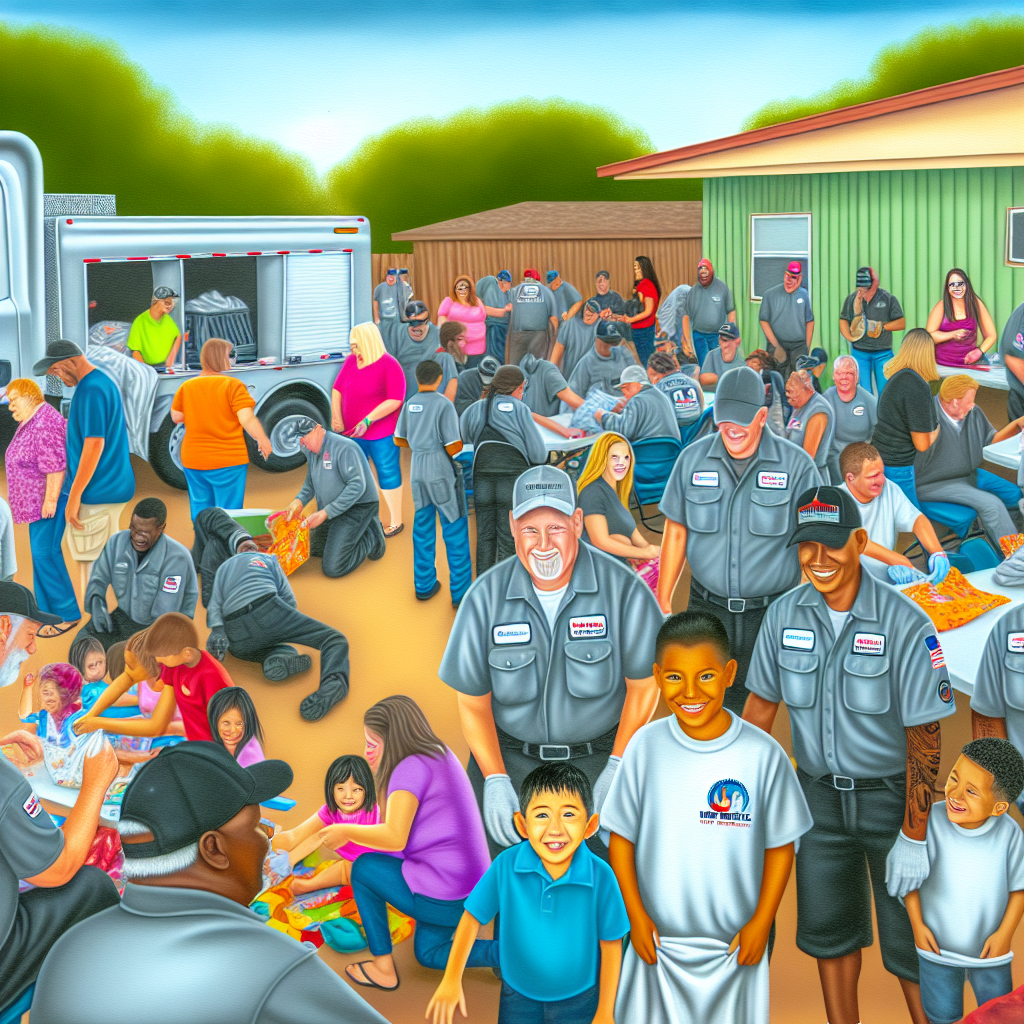
This image represents Derrick Wolfe Trucking’s commitment to community involvement, showcasing their active engagement in local charity events and community gatherings, reflecting their devotion to giving back and enhancing their reputation.
Operational Strategies Behind Derrick Wolfe Trucking’s Growth
Derrick Wolfe Trucking has effectively utilized several operational strategies that have led to remarkable growth and success in the competitive trucking industry. One of the cornerstones of their approach is a competitive pay structure. Drivers at Derrick Wolfe Trucking receive between 26% and 28% of the load rate. This compensation model not only attracts talented drivers but also ensures that they feel valued for the work they do. In an industry where pay scales can vary greatly, Wolfe’s commitment to paying competitive rates helps in retaining drivers, reducing turnover fees associated with recruitment and training of new employees.
In conjunction with competitive pay, Derrick Wolfe Trucking also prioritizes guaranteed home time for its drivers, with 95% of drivers experiencing daily or weekly guarantees. This commitment supports a work-life balance that is increasingly sought after in the trucking industry, where long hours and extended periods away from home can lead to burnout. By ensuring that drivers have predictable time at home, Derrick Wolfe Trucking fosters a sense of job satisfaction and loyalty among its team members.
These operational strategies align closely with the company’s overall growth objectives. The combination of competitive pay and guaranteed home time not only resonates well with potential hires but also significantly enhances employee retention. The company has seen very low turnover, losing only four employees in eight years, which speaks volumes about the satisfaction levels among its team.
Moreover, by investing in employee welfare through competitive benefits and personalized engagement, Wolfe cultivates a motivated workforce eager to contribute to the company’s success. This approach also translates into better service and reliability for customers, as satisfied drivers tend to be more dedicated and engaged in their roles. Ultimately, Derrick Wolfe Trucking’s operational strategies exemplify how prioritizing employee satisfaction can lead to enhanced performance, greater business growth, and a more sustainable competitive edge in the trucking industry.
Employee Retention in the Trucking Industry: Statistics and Challenges
Employee retention remains a pressing challenge in the trucking industry, characterized by a consistently high turnover rate. Here are some key statistics that reflect the current landscape:
- High Turnover Rates: The average turnover rate for long-haul truckers exceeds 90% at large companies, making it a significant concern for operators looking to maintain a stable workforce.
- Retention Challenges: Major factors contributing to these retention challenges include:
- Long hours and extended periods away from home
- Low wages and job dissatisfaction
As such, trucking companies must implement effective retention strategies to keep their drivers engaged and satisfied in their roles.
- Driver Shortages: The industry is facing a critical shortage of drivers, projected at over 80,000 by the end of 2025. This underscores an urgent need for companies to develop strategies aimed at reducing turnover rates.
- Retention Bonuses: As a response to high turnover rates, retention bonuses are increasingly common, averaging around $1,272—an increase of 90% over the past four years. This trend highlights a shift towards prioritizing retention amidst rising operational costs.
- Strategic Focus on Compensation: Addressing key factors such as home time and competitive pay can significantly improve retention rates within the trucking sector, reflecting the critical importance of actionable strategies for sustained business success.
These statistics clearly illustrate the ongoing struggles within the trucking industry regarding employee retention, reinforcing the significance of Derrick Wolfe’s strategies at Wolfe Trucking for fostering employee satisfaction and thus, retention.
“Competitive, if not a little bit better, pay than everybody else. I take the time to know their families, to know their hobbies… to make them happy and want to stay.”
— Derrick Wolfe
This quote underscores the importance of adaptability and strong payment structures in the competitive trucking industry, showcasing Wolfe’s commitment to fostering employee satisfaction and business growth.
In conclusion, the remarkable journey of Derrick Wolfe Trucking from a single truck to a thriving fleet of nearly 30 serves as a compelling case study for businesses across all industries. The key takeaways from Wolfe’s growth strategies highlight the importance of prioritizing employee satisfaction, fostering community involvement, and streamlining operational efficiency.
By focusing on competitive pay and guaranteeing home time, Wolfe has created a satisfaction-driven workforce that contributes to high retention rates and customer loyalty. Furthermore, engaging with the local community not only enhances the company’s reputation but also builds strong relationships that are essential for any business’s growth.
Ultimately, these lessons emphasize that a holistic approach to employee welfare and community engagement is not just beneficial for trucking companies but is a universal strategy that can lead to substantial growth and success in any sector.
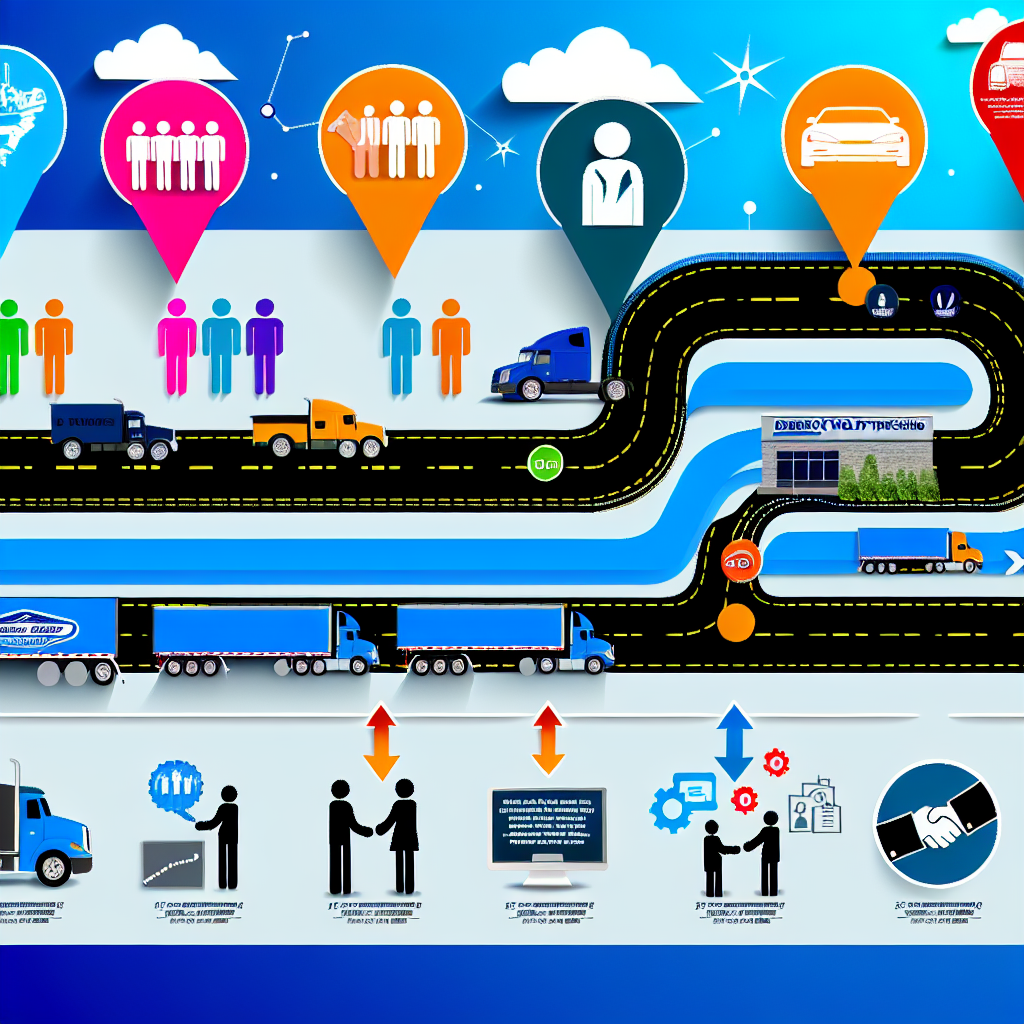
This image illustrates the growth journey of Derrick Wolfe Trucking, showcasing their expansion from one truck to nearly thirty, highlighting key milestones such as employee growth and customer engagement throughout the years.
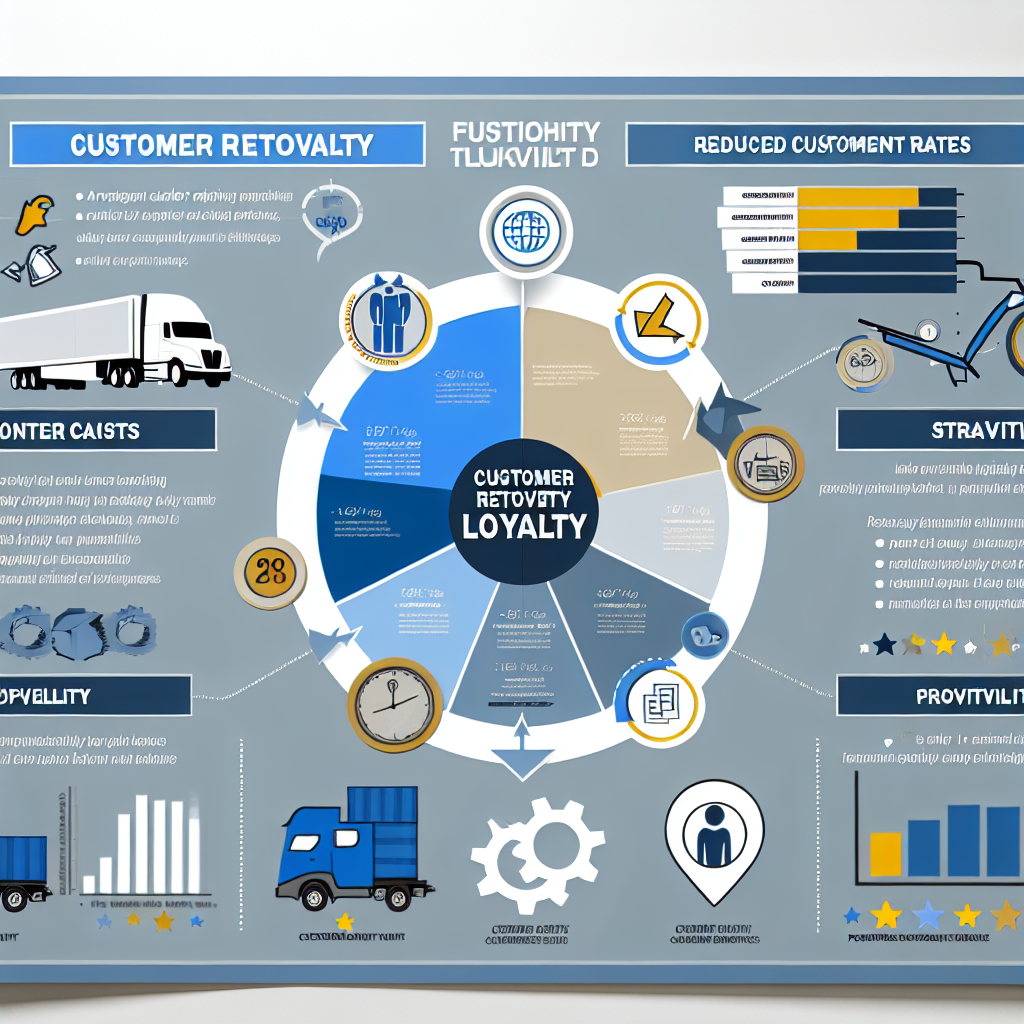
The Importance of Customer Loyalty for Derrick Wolfe Trucking
Customer loyalty serves as a cornerstone for the growth and development of Derrick Wolfe Trucking, facilitating its journey from a single truck operation to a thriving fleet of nearly thirty. In the highly competitive trucking industry, customer loyalty not only enhances revenue stability but also minimizes the costs associated with acquiring new clients. Research shows that retaining existing customers can be five times cheaper than attracting new ones, underpinning the value of focused customer loyalty initiatives.
Strategies to Foster Customer Loyalty
- Personalized Service: Prioritize personal relations with clients to increase trust and satisfaction.
- Proactive Communication: Regular updates on deliveries and responsiveness to inquiries ensure excellence in customer service.
- Consistent Reliability: Timely deliveries and dependable service lead to repeat business.
- Loyalty Programs: Implement feedback loops and incentives to improve service and encourage participation in growth.
- Community Engagement: Participate in local events to enhance reputation and cement loyalty.
Impact on Business Development
The direct effects of customer loyalty on Derrick Wolfe Trucking are profound. Loyal clients provide a consistent revenue stream, allowing for strategic planning and investment in expansion. They are also more likely to promote the company through word-of-mouth referrals, which are invaluable in an industry often reliant on reputation. Loyalty-driven growth also translates to increased profits; studies illustrate that a mere 5% improvement in customer retention can elevate profits by 25% to 95%.
Moreover, by fostering loyalty, Derrick Wolfe Trucking can focus on operational excellence, ensuring that services align with customer expectations. The relationship between high service quality and customer satisfaction is evident, enhancing both customer retention and the potential for organic growth. As Derrick Wolfe continues to prioritize customer relationships, the foundation for long-term success remains robust.
Employee Engagement in the Trucking Industry
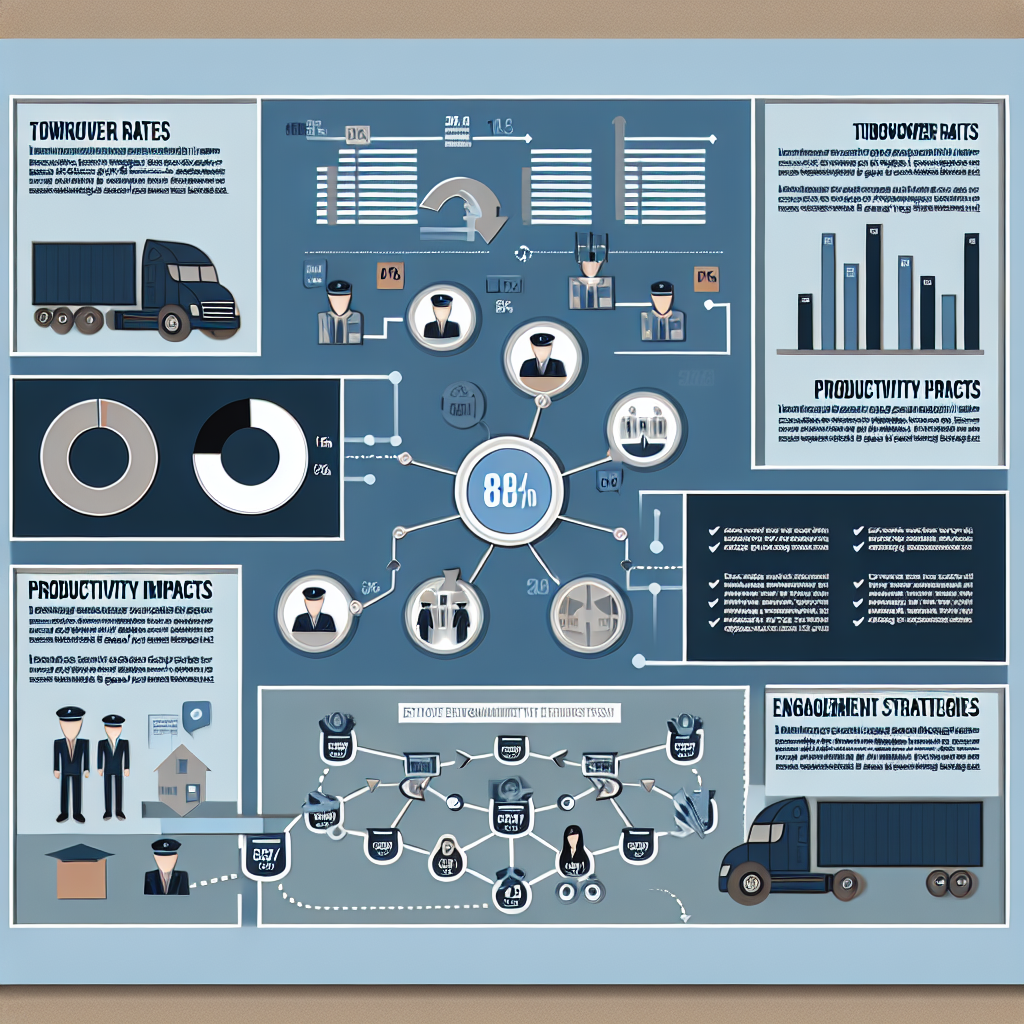
Employee engagement is crucial in the trucking industry, dramatically influencing turnover rates and overall operational efficiency. Research indicates that creating a culture of engagement can reduce turnover by approximately 25% in high-turnover sectors like trucking, which historically faces turnover costs exceeding $3 billion annually. Engaged employees are not only less likely to leave their jobs but also demonstrate lower absenteeism and increased productivity. According to a study by Gallup, low engagement teams experience turnover rates that are 18% to 43% higher than those that are highly engaged.
Moreover, a meta-analysis revealed that organizations within the transportation sector that prioritize employee engagement yield 11 significant performance outcomes. Enhanced job satisfaction directly correlates with better customer service and retention, further enhancing operational efficiency. For instance, engaged drivers tend to provide superior service, resulting in high customer satisfaction and loyalty.
Several best practices for enhancing employee engagement comprise fostering strong communication channels, recognition, and leadership support. Successful companies implement innovative methods, such as technological tools for remote drivers to receive real-time feedback. Implementing initiatives like these can reduce turnover rates, with some reporting figures exceeding 90% being addressed through engagement strategies, ultimately improving safety and enhancing job satisfaction.
Sources:
- C.A. Short Company on Employee Engagement Impact
- Gallup Study on Engagement and Growth
- Lytx on Employee Engagement in Trucking
The Role of Customer Loyalty in Business Development
Customer loyalty is essential to business development, providing sustainable growth and profitability. Studies illustrate that even a 5% increase in retention can elevate profits by 25-95%. Additionally, loyal customers tend to spend up to 67% more than new customers, highlighting the value of focused customer loyalty initiatives.
Derrick Wolfe Trucking employs several strategies to nurture customer loyalty:
- Personalized Service: By understanding and catering to customers’ unique needs and preferences, Wolfe builds strong, trusting relationships.
- Proactive Communication: Consistent updates and responsiveness enhance customers’ perceptions of reliability, forming a critical component in retaining business.
- Consistent Reliability: A robust reputation for timely deliveries fosters repeat business while reducing acquisition costs, which can be 4-10 times higher than retaining existing customers.
Engaging loyal clients translates to a steady revenue stream, enabling better strategic planning and fostering long-term business security. Companies like Derrick Wolfe Trucking exemplify how focusing on customer relationships can yield significant competitive advantages in the marketplace.
Sources:
- Fielo on Driving Business Growth
- PMC on Customer Service in Logistics
- Magaya on Retention Strategies
SEO Optimization
To enhance the visibility of the trucking industry’s employment benefits and driver retention strategies, here are some credible resources to consider:
- Labor and Workforce Development – American Trucking Associations: This resource provides insights into the employment landscape within trucking, including average salaries and the importance of offering comprehensive benefits.
- Truck Transportation: NAICS 484 – U.S. Bureau of Labor Statistics: An overview of employment in truck transportation, detailing job numbers, earnings, and common occupations relevant to the sector.
- Workforce Issues – Driver Shortage/Driver Retention – American Transportation Research Institute: This report highlights demographic changes in the truck driver workforce and effective retention strategies to enhance sustainability.
- Strategies for Driver Retention at Small Trucking Companies – Walden University ScholarWorks: A study examining the role of leadership practices in improving driver retention, focusing on job satisfaction and work-life balance.
- 4 Driver Retention and Turnover in Long-Distance Trucking – National Academies Press: This publication discusses the competitive nature of the trucking industry’s impact on turnover and suggests strategies for improving retention.